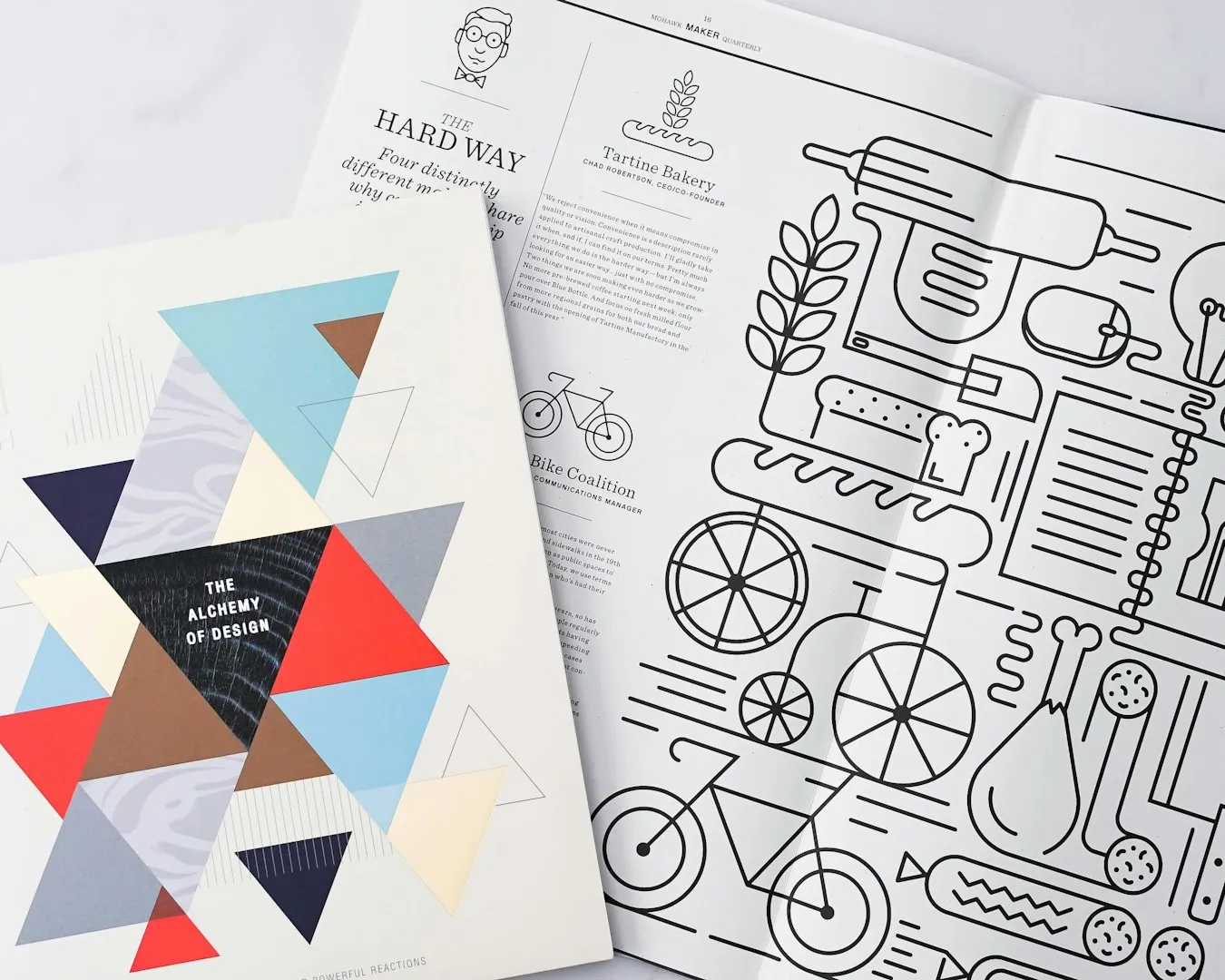
Opening a new venue in Singapore is an exciting venture, but it comes with real challenges. With cafés, dessert spots, and fine dining establishments launching every week, great food alone rarely guarantees lasting success. To attract attention and build a loyal following from day one, your restaurant needs a clear identity. Branding is not just about a catchy name or stylish logo—it’s about defining the essence of your business before the doors even open.
A strong brand acts as a compass, guiding restaurant interior design, menu development, service style, and marketing strategies. Without it, your concept risks blending into the background. A well-defined brand tells potential customers exactly who you are, what to expect, and why your restaurant stands out from the competition.
Start with the "Why"
Before you hire a designer or print your menus, take a step back. The foundation of building a brand for a new restaurant lies in strategy, not aesthetics. You need to articulate your unique value proposition.
Ask yourself:
- Who are you serving? (Is it the busy CBD lunch crowd or families in the heartlands?)
- What feeling do you want to evoke? (Is it high-energy and loud, or intimate and calm?)
- What is the story behind your food?
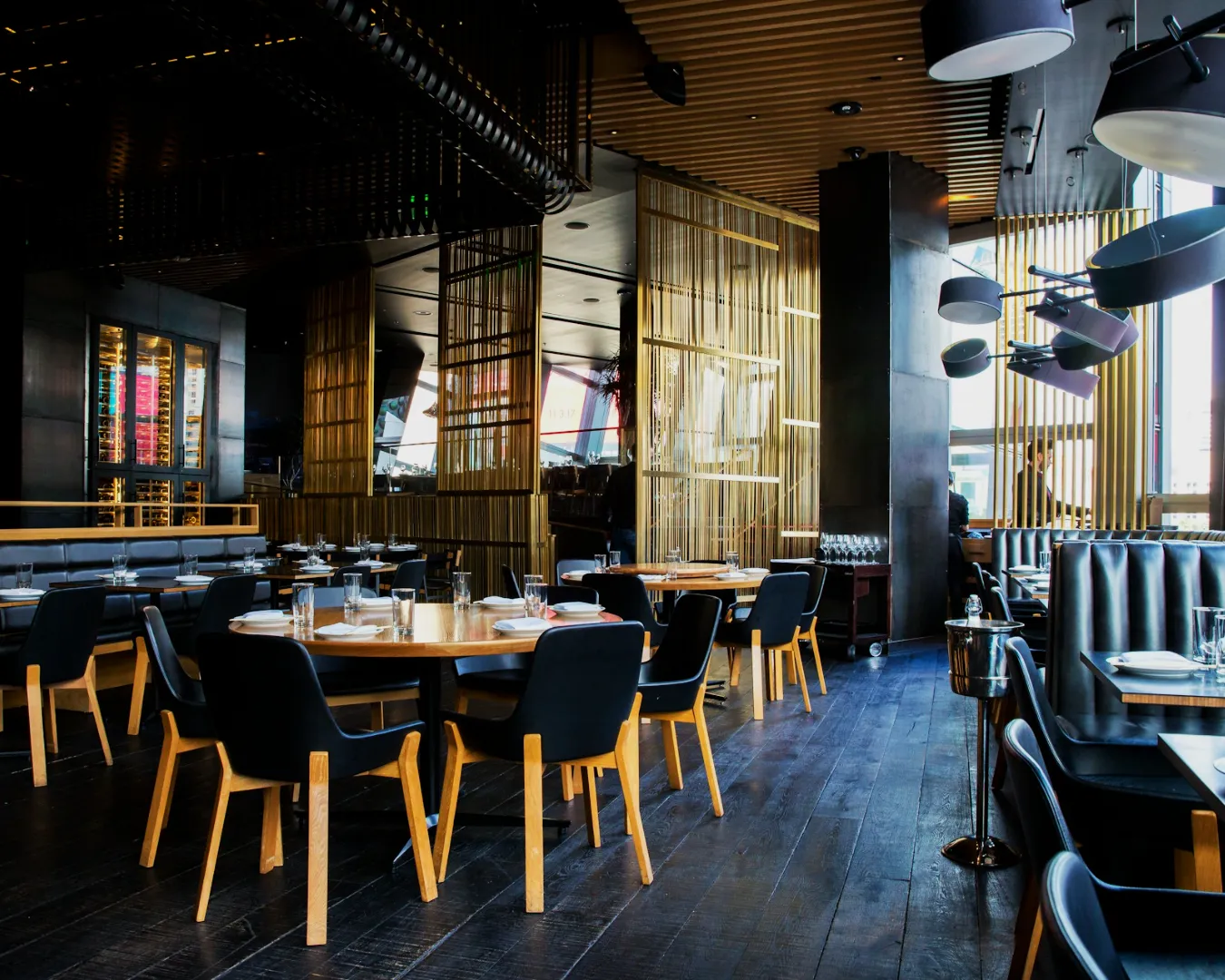
Answering these questions provides the clarity needed to make consistent decisions later. If your concept is a rustic, farm-to-table eatery, a neon-lit, industrial interior would confuse your guests. Consistency starts with a clear “why.”
How to Create a Restaurant Brand Identity
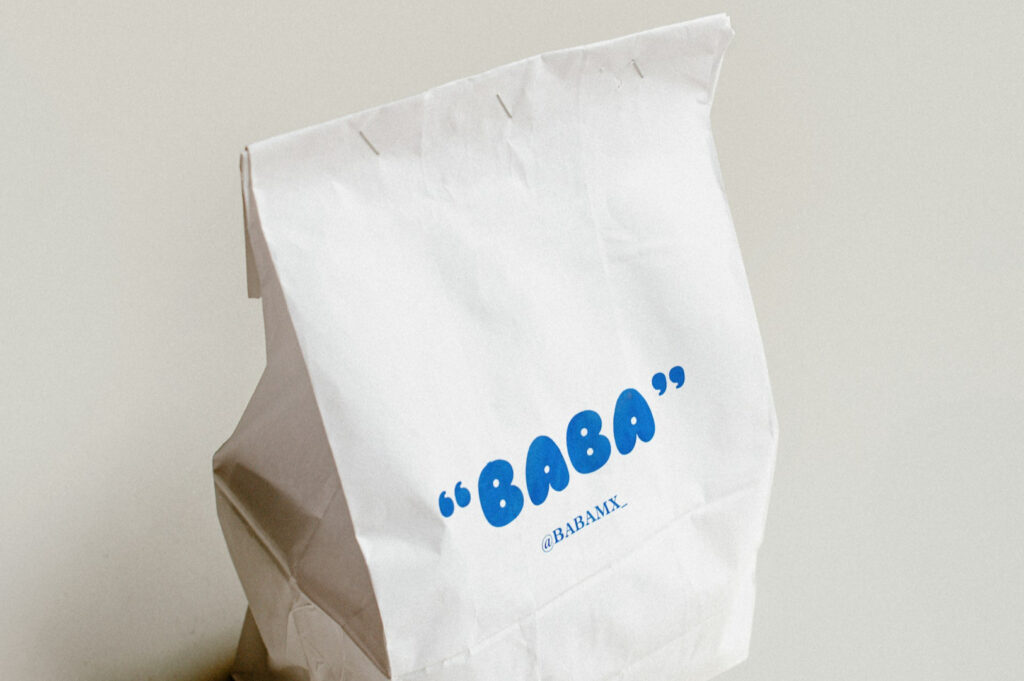
Once the strategy is clear, you can move to the visual and verbal expression of your brand. Learning how to create a restaurant brand identity involves translating your core values into tangible elements.
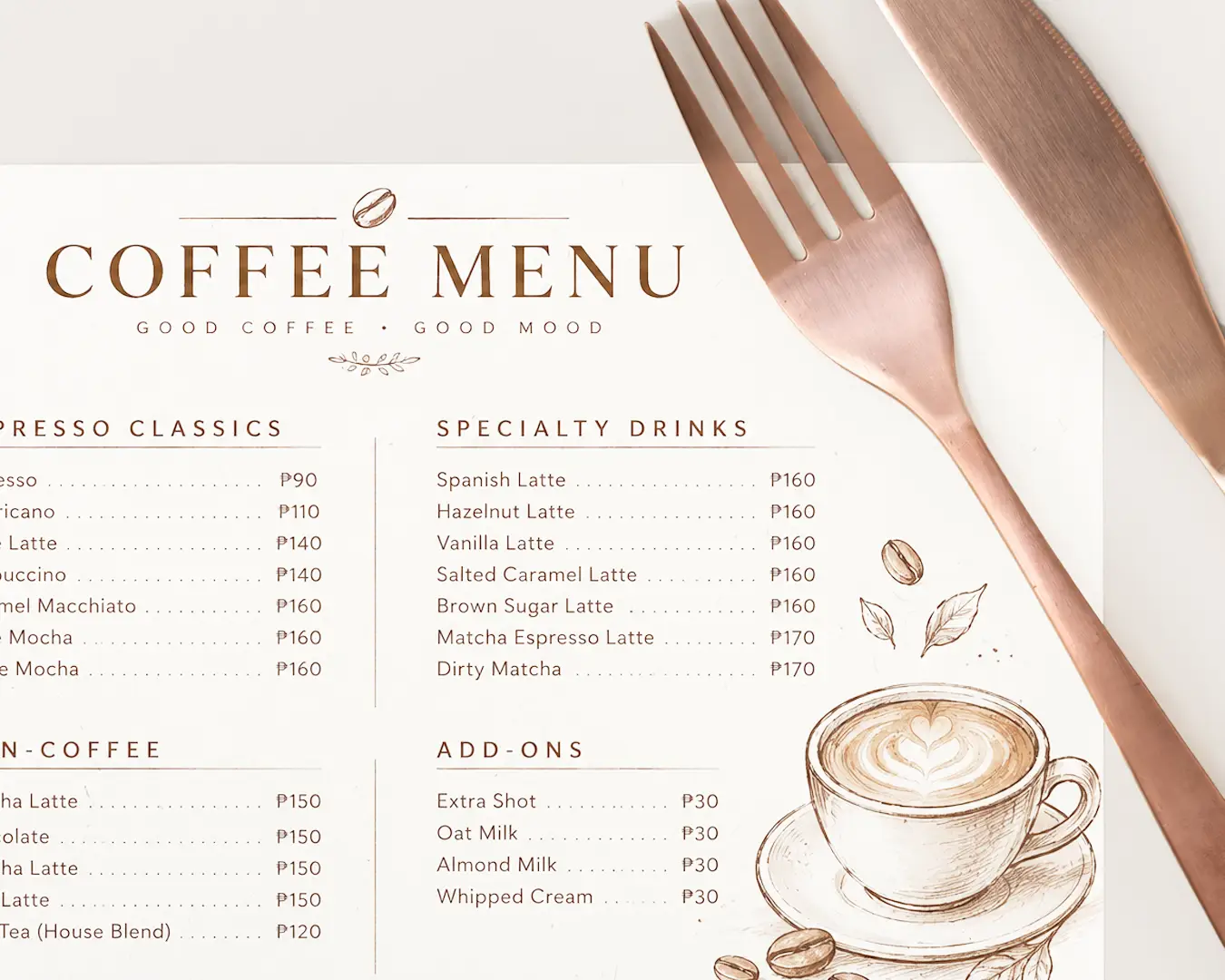
Your visual identity includes your logo, color palette, typography, and photography style. These should not just be “pretty”; they should be functional and communicative. For example, a fine dining establishment might use serif fonts and muted, elegant colors, while a casual burger joint might opt for bold, sans-serif type and high-contrast imagery.
Equally important is your verbal identity. How does your brand speak? Is your menu description poetic and detailed, or punchy and minimalist? Your tone of voice on social media and your website should match the personality of your service staff. This alignment creates a seamless experience for the guest.
Restaurant Branding Strategy for New Openings
A common mistake is treating branding as a one-time setup task. In reality, your restaurant branding strategy for new openings should be a long-term roadmap.
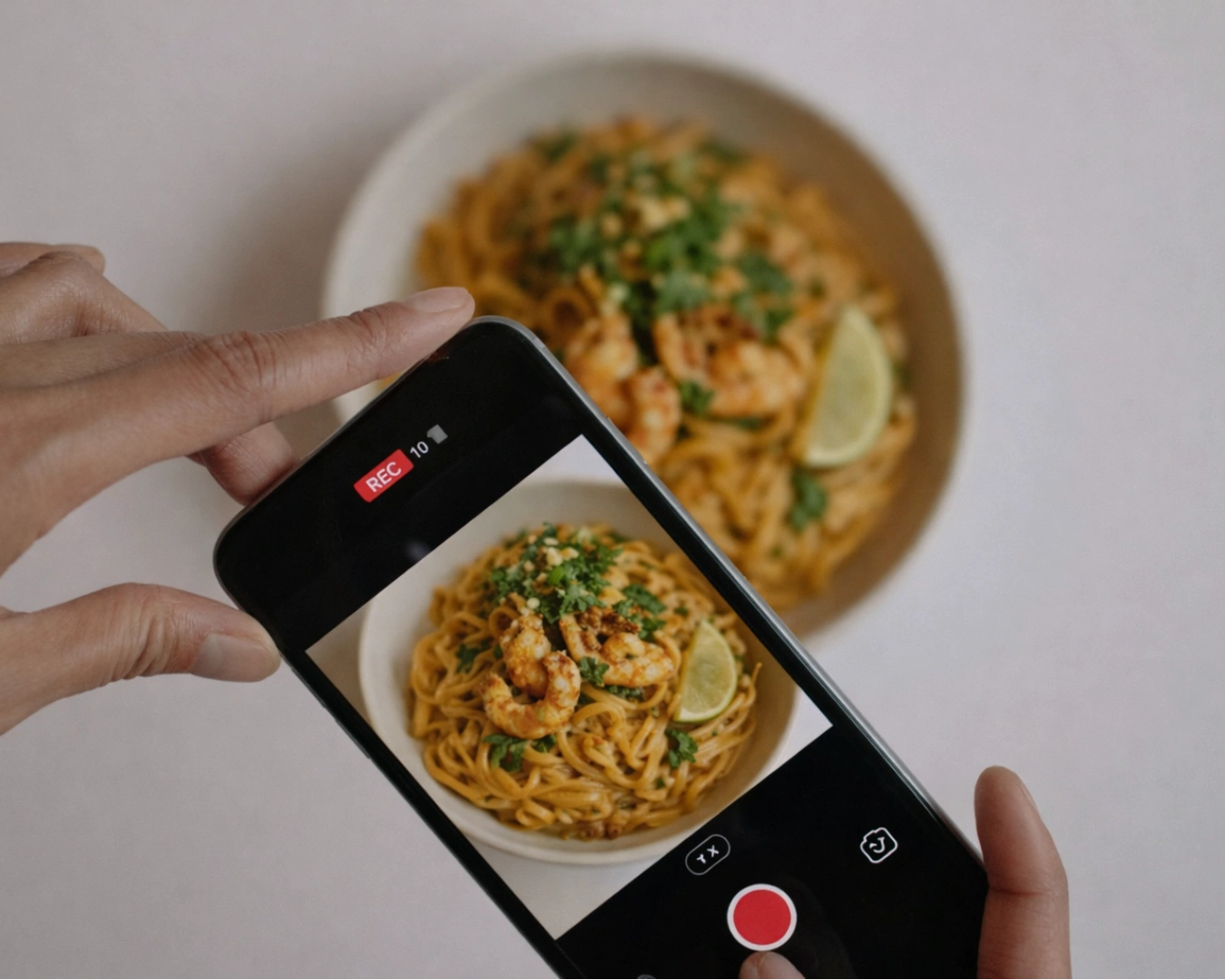
Your pre-opening phase is critical. Use this time to tease your story on social media. Share behind-the-scenes content of menu testing or renovation progress. This builds anticipation and allows potential customers to feel invested in your journey.
However, the strategy must extend beyond the launch party. How will you maintain your brand promise six months down the line? Consistency is what builds trust. If you launch with a promise of sustainable sourcing, you must uphold that standard in every dish, every day.
The Digital Extension of Your Brand

In today’s market, your digital presence is often the first interaction a guest has with you. Your website and social media profiles are effectively your 24/7 storefront.
Atelier Creations emphasizes that your digital footprint must mirror your physical reality. If your restaurant is warm and welcoming, your website shouldn’t feel cold and corporate. It should be easy to navigate, mobile-friendly, and visually aligned with your interior design. A disjointed digital experience can deter customers before they even make a reservation.
Avoiding Trend Traps
When branding a new restaurant, it is tempting to chase current design trends. While it is important to look modern, relying too heavily on trends can date your brand quickly.
Focus on timeless principles rather than fleeting fads. Authenticity has a longer shelf life than hype. Build a brand that is true to your vision and your food, rather than one that simply mimics what is popular on Instagram this month. An authentic brand resonates deeper and retains customers longer.
Moving Forward with Confidence

Launching a new restaurant is a complex puzzle, and branding is the picture on the box that guides you. It brings clarity to chaos and ensures that every marketing dollar is working toward the same goal.
If you’re in the planning stages and feeling overwhelmed by the decisions ahead, take a moment to reflect on your core identity. You don’t need to shout the loudest to be heard—you just need a clear, consistent voice.
Investing in a solid brand foundation is the smartest step toward a successful opening and a lasting legacy. For those navigating the local scene, Restaurant Branding in Singapore: Launching and Rebranding the Right Way offers the insights and strategies you need to make your restaurant stand out, connect with your audience, and thrive in a competitive market.