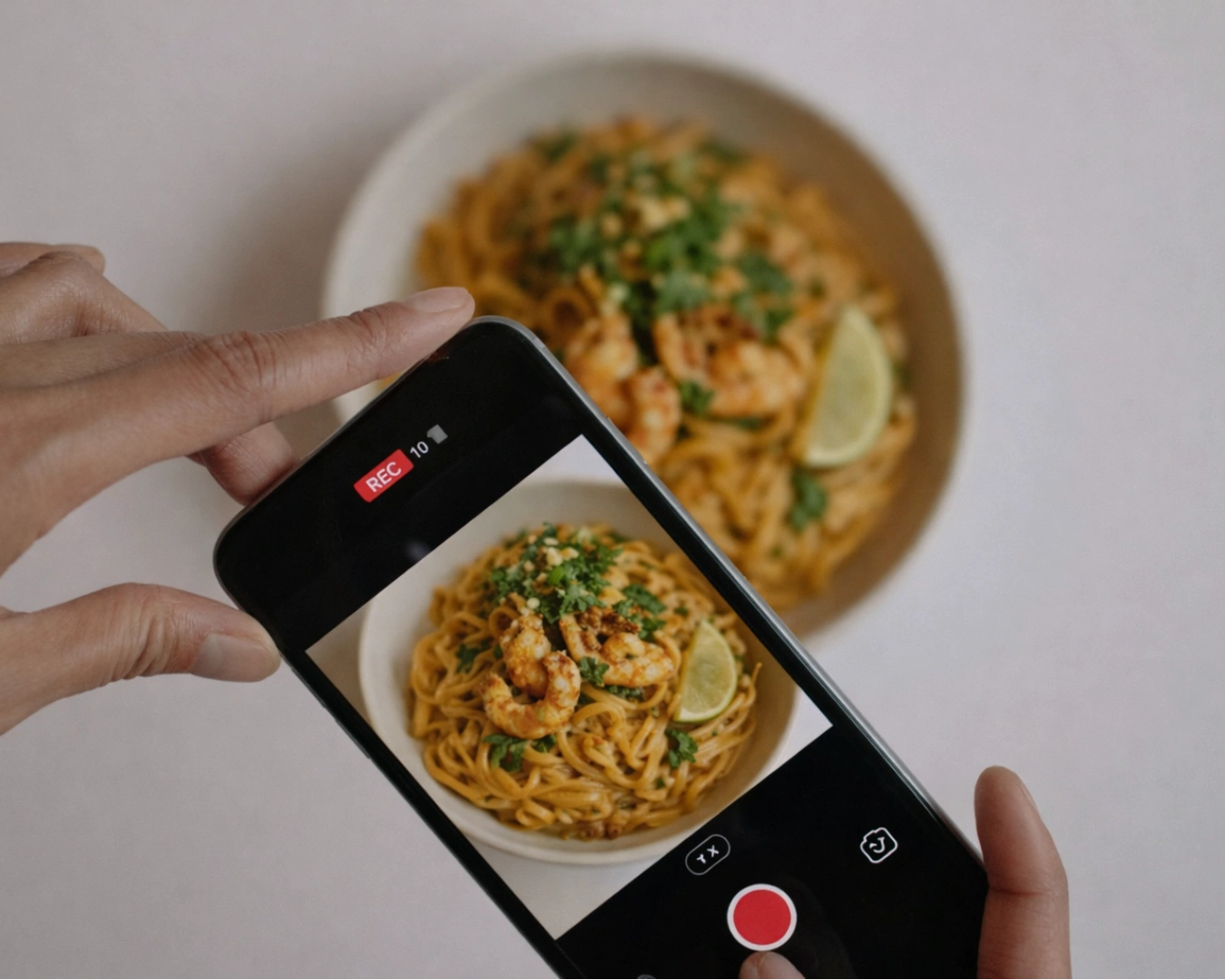
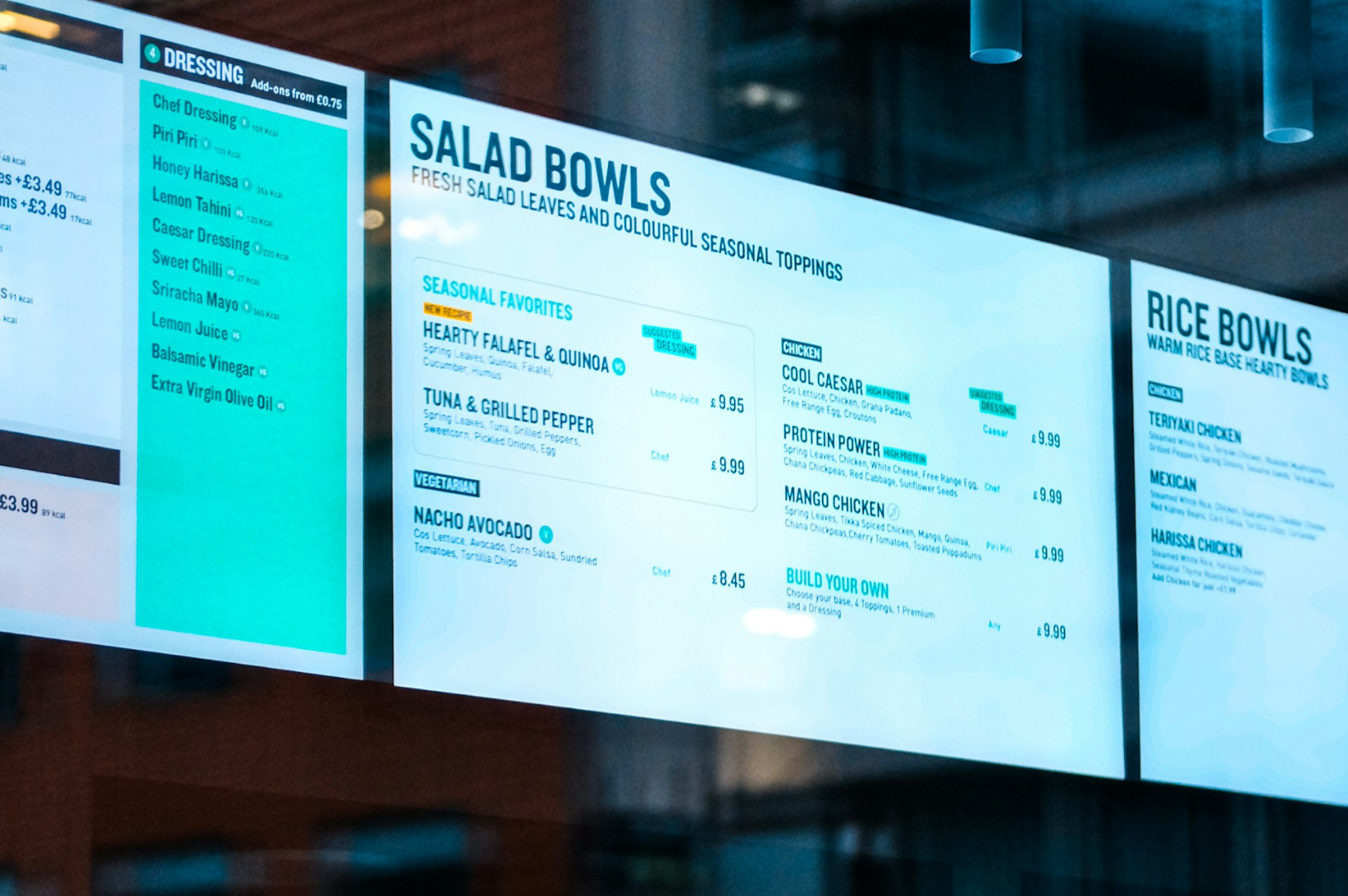
In the competitive Singapore F&B landscape, you might wonder if you really need to worry about “content.” After all, you serve food, not articles or videos. However, in a digital-first world, your potential diners often taste with their eyes long before they taste with their mouths. Understanding why content matters for restaurants is the key to bridging the gap between a stranger scrolling on their phone and a guest walking through your door.
Content is not just noise; it is the narrative of your business. It is the photos on your menu, the story on your website, the captions on your Instagram, and the emails you send to regulars. It is the tool that communicates your brand’s personality, quality, and value when you aren’t there to explain it yourself.
Moving Beyond Just Food Photos
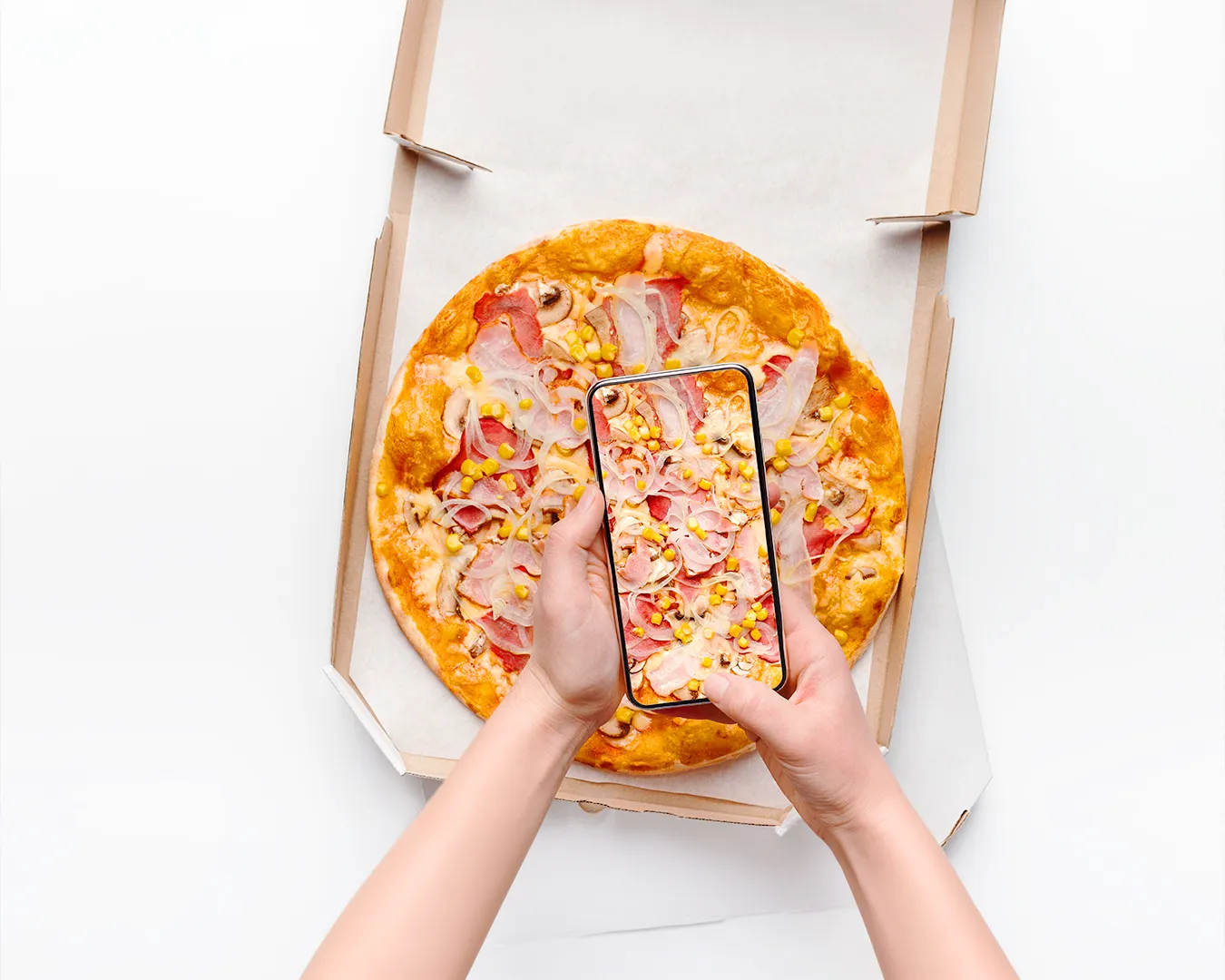
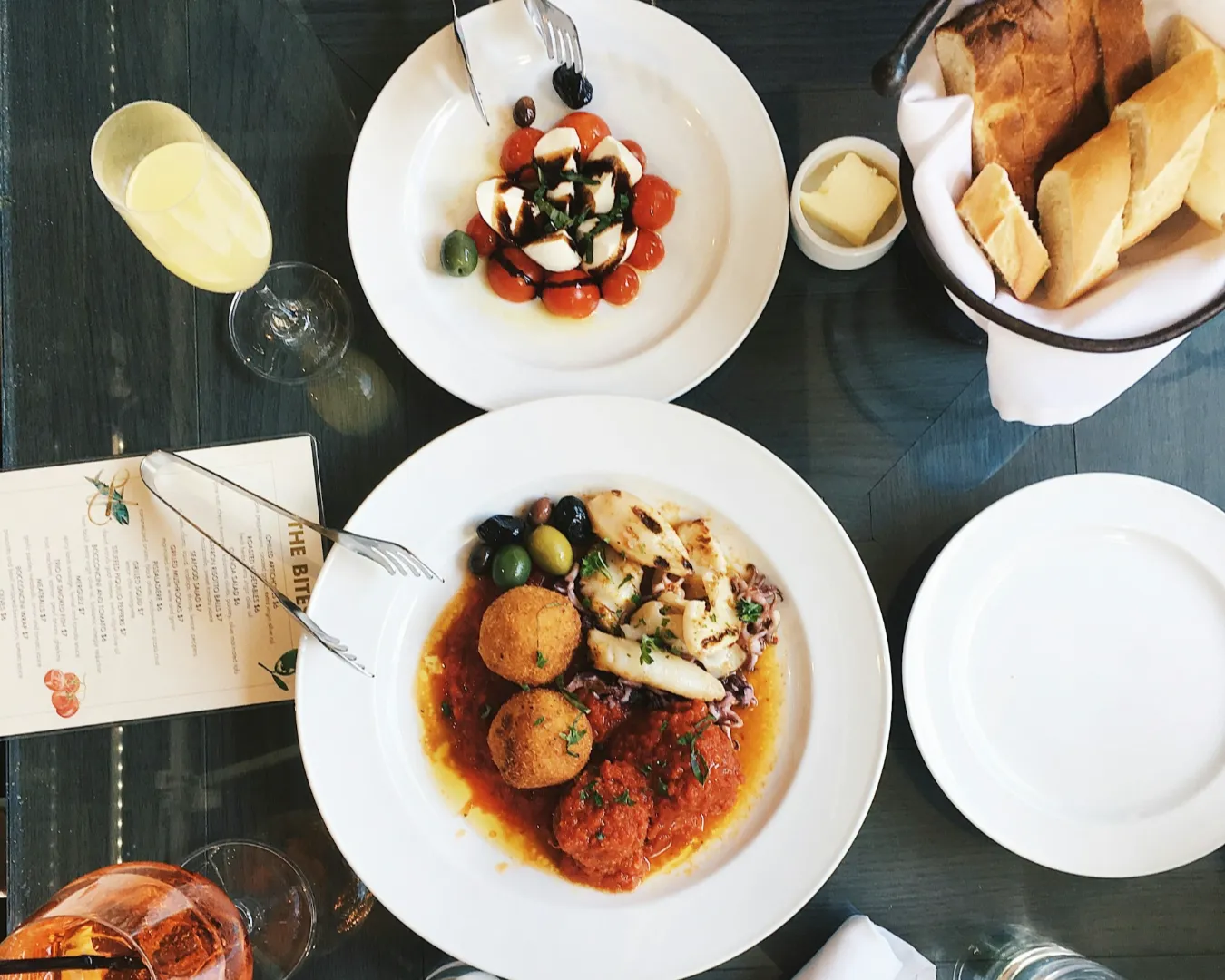
Many operators assume that content marketing simply means posting pictures of food. While high-quality imagery is essential, true content goes deeper. It answers the questions your customers haven’t asked yet. It explains the “why” behind your concept.
When you share the story of your head chef’s inspiration, or the origin of your signature spice blend, you add depth to the dining experience. This narrative creates an emotional connection. People don’t just buy products; they buy stories and feelings. Good content transforms a simple transaction (buying dinner) into an experience worth sharing.
The Tangible Benefits of Content Marketing for Restaurants

Investing time in content might seem like a luxury when you are busy running service, but the benefits of content marketing for restaurants are concrete and measurable.
- Trust and Authority: High-quality, consistent content signals professionalism. It shows you care about details, which customers instinctively link to food hygiene and service quality.
- Search Visibility: Search engines love fresh, relevant information. A website with updated menus, event posts, or blog articles is more likely to appear when someone searches for “best dinner spot near me.”
- Customer Retention: Content keeps you top-of-mind. An engaging email newsletter or a behind-the-scenes video reminds past customers of the great time they had, prompting them to book again.
How to Create Content for Restaurant Marketing Without Stress
A common barrier for owners is the fear that content creation takes too much time. You don’t need a film crew or a dedicated writer to succeed. Knowing how to create content for restaurant marketing is about documenting, not inventing.
Start with what you already have. Your kitchen is full of stories.
- Process: Show the preparation of a dish from raw ingredients to plating.
- People: Introduce your staff. A smiling face builds familiarity.
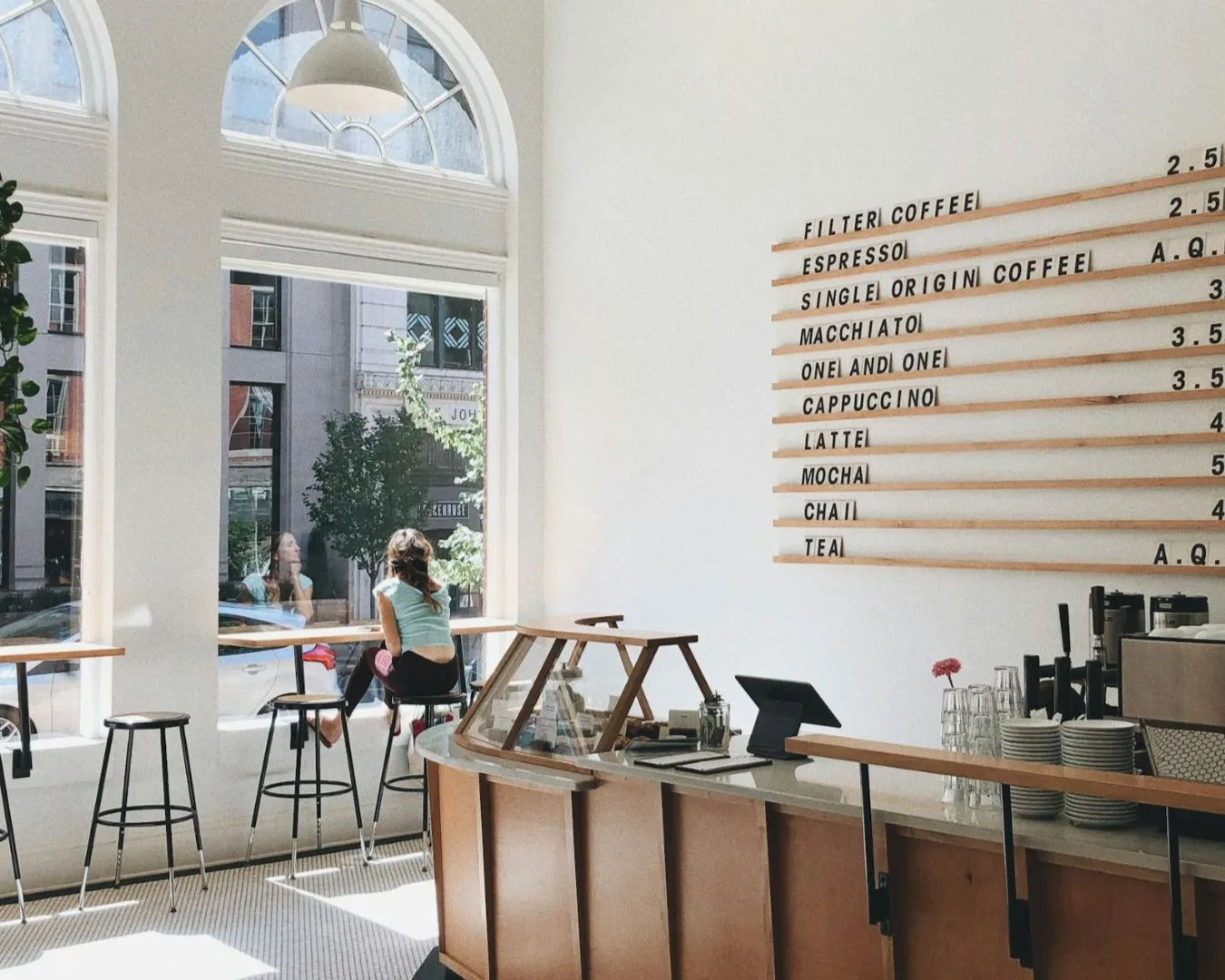
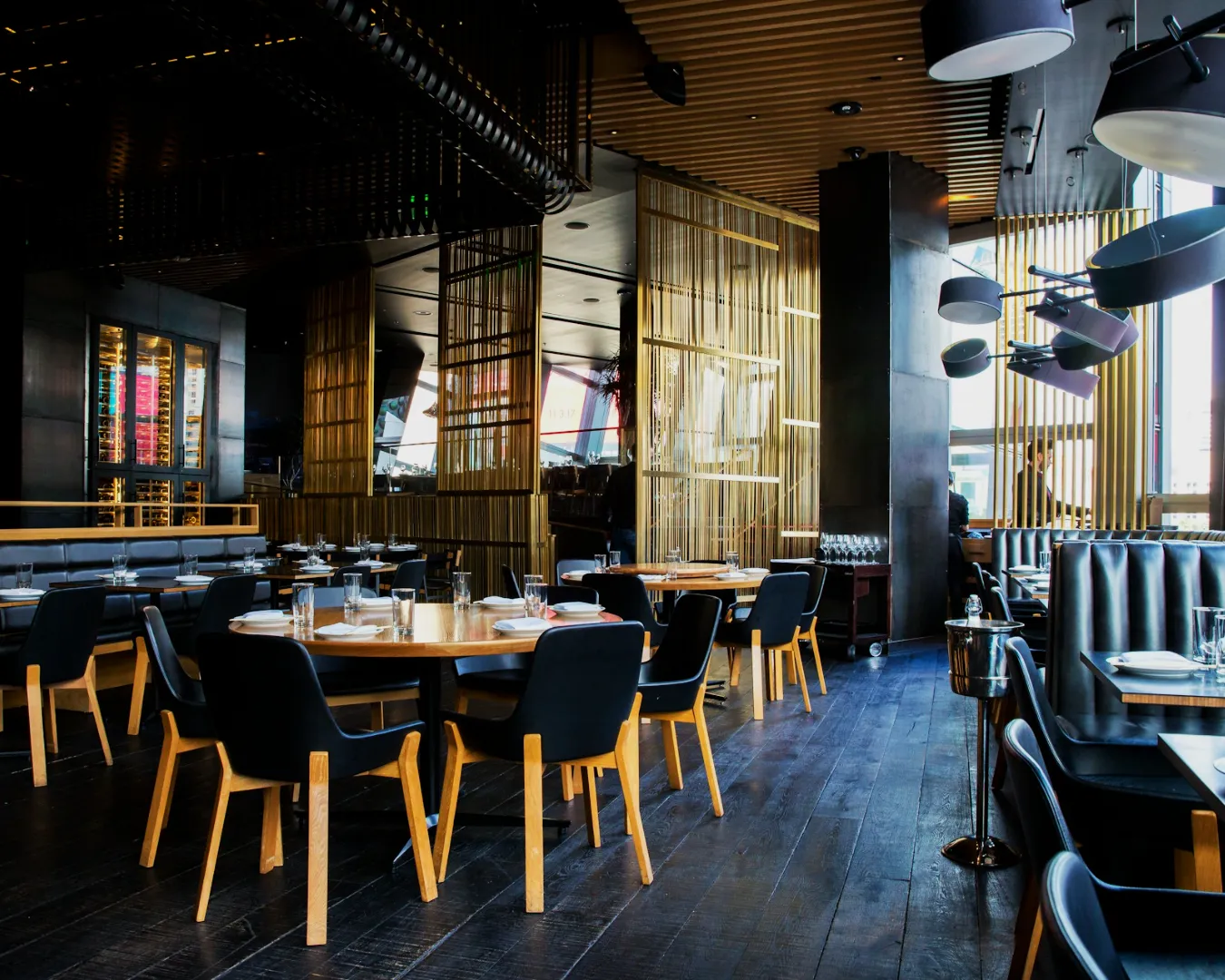
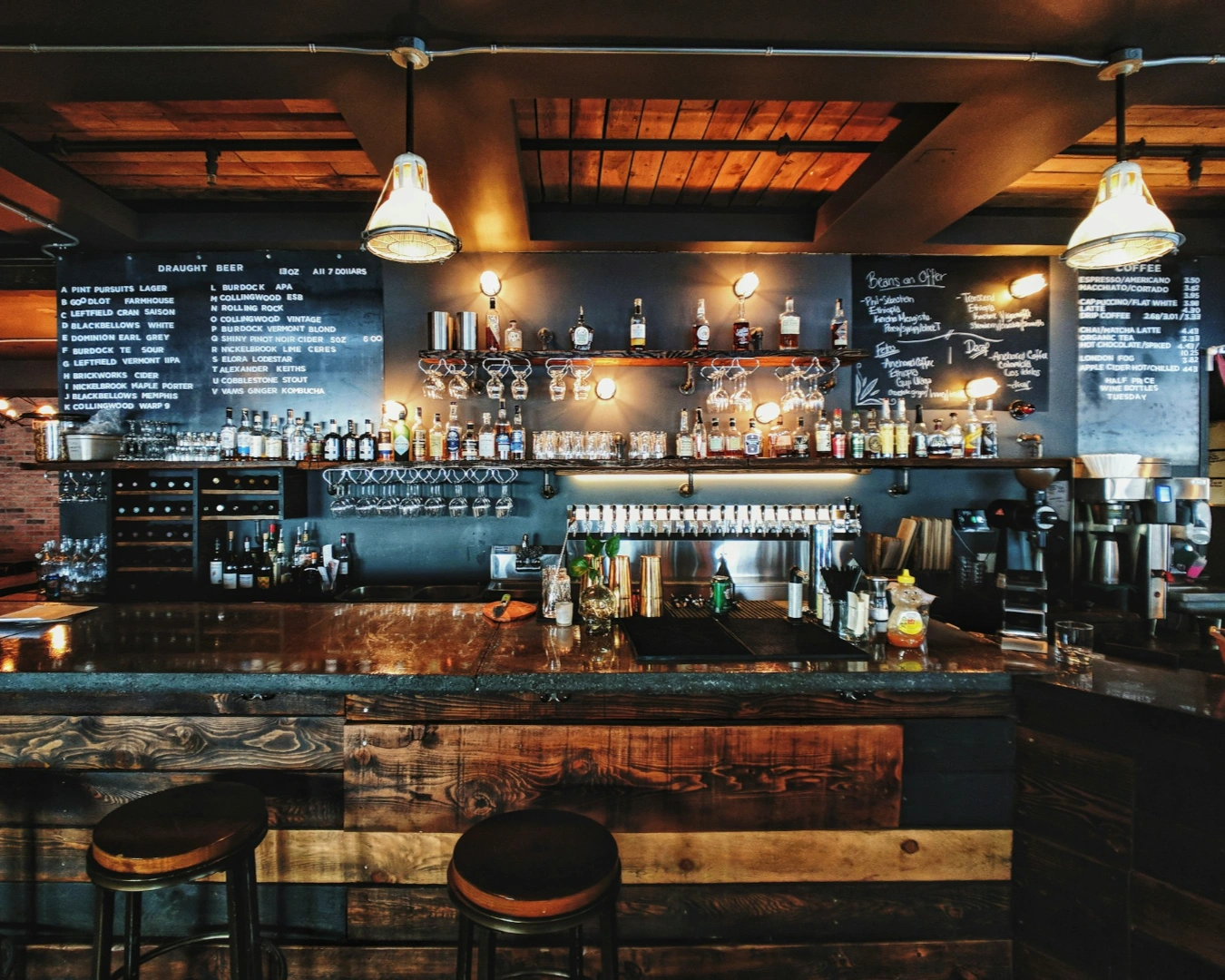
- Place: Highlight the ambiance. Show the corner table that’s perfect for dates or the communal table ready for groups.
Authenticity beats high production value every time. A genuine photo of fresh produce arriving at the back door often performs better than a staged, overly polished studio shot because it feels real.
Consistency Builds the Brand

The most critical aspect of any strategy is consistency. Posting ten times in one week and then going silent for a month confuses your audience.
At Atelier Creations, we emphasize that consistency is the foundation of trust. Your visual style, tone of voice, and posting schedule should be steady. If your brand is elegant and refined, your content shouldn’t be chaotic and loud. Every piece of content acts as a digital touchpoint; ensure it accurately reflects the physical experience of dining with you.
Restaurant Content Strategy Tips for Busy Owners
If you are feeling overwhelmed, simplify. You do not need to be on every platform. Here are a few practical restaurant content strategy tips:
- Focus on One or Two Channels: Do Instagram and Google Business Profile well, rather than doing five platforms poorly.
- Batch Your Work: Spend one hour taking photos for the whole week, rather than trying to find time every single day during service.
- Use User-Generated Content: Reposting stories from happy customers (with permission) serves as powerful social proof and saves you creation time.
Why Content Matters for Restaurants in the Long Run
Ultimately, strong content creation is an asset that builds value over time. Unlike a paid ad that stops working the moment you stop paying, good content remains online, working for you 24/7. An article about your sustainability practices or a beautifully curated gallery of your menu continues to educate and persuade potential customers months after you publish it.
Finding Your Voice
If your current marketing feels disjointed or if you struggle to find things to say, it is often a sign that your core brand strategy needs clarity. You don’t need to shout to be heard; you just need to speak clearly and authentically.
Take a moment to look at your digital presence. Does it tell the true story of your restaurant? If not, refining that narrative is a practical, high-value step toward securing your brand’s future.