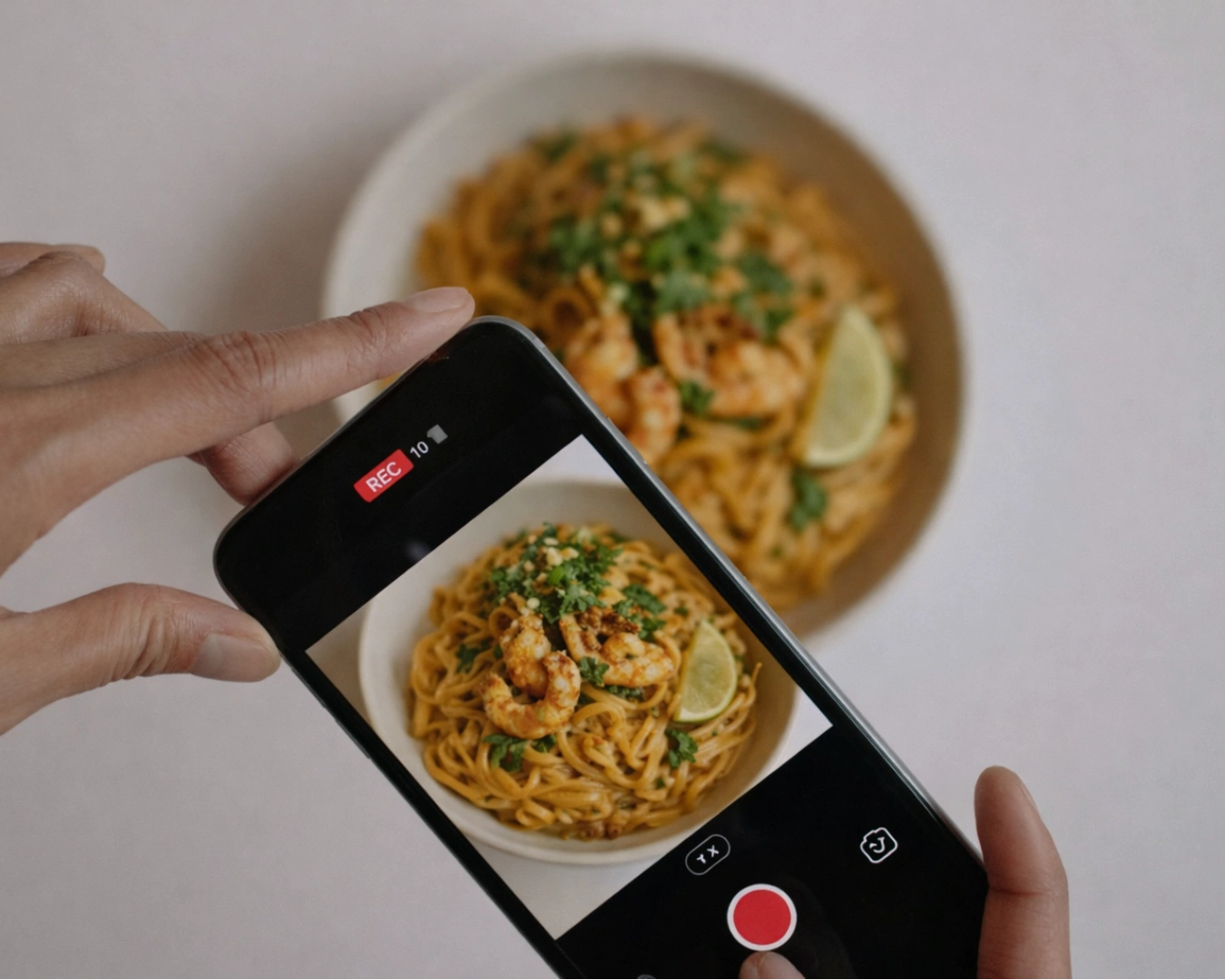

Running a busy kitchen in Singapore is hard enough without the added pressure of staying relevant online. Most restaurant owners know they need a digital presence to stay competitive, but the actual execution can often feel scattered, technical, and frankly, overwhelming. What is digital marketing for restaurant brands, really?
At its core, it is simply the process of meeting your customers where they spend their time: on their phones. It is not about tricking algorithms or chasing viral trends. It is about building a consistent, trustworthy presence that extends your hospitality from the dining room to the digital screen. When done correctly, it turns strangers into guests and guests into regulars.
It Starts With Your Digital Storefront
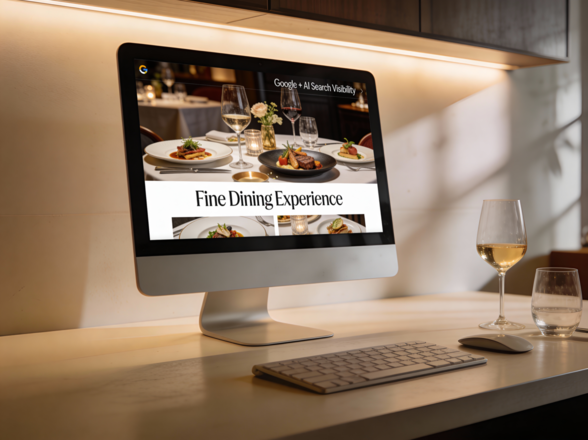
Many operators think of social media first, but your strategy should actually begin with your own website. Think of social media as the flyer you hand out on the street, and your website as the restaurant itself.
If you drive traffic to a website that is slow, confusing, or outdated, you lose the trust you worked hard to gain. A professional website acts as the anchor for all your restaurant online marketing strategies. It is the one place where you have total control over the narrative, free from the distractions of competitors or advertisements. It should clearly communicate who you are, what you serve, and how to book a table.
Consistency Is Key
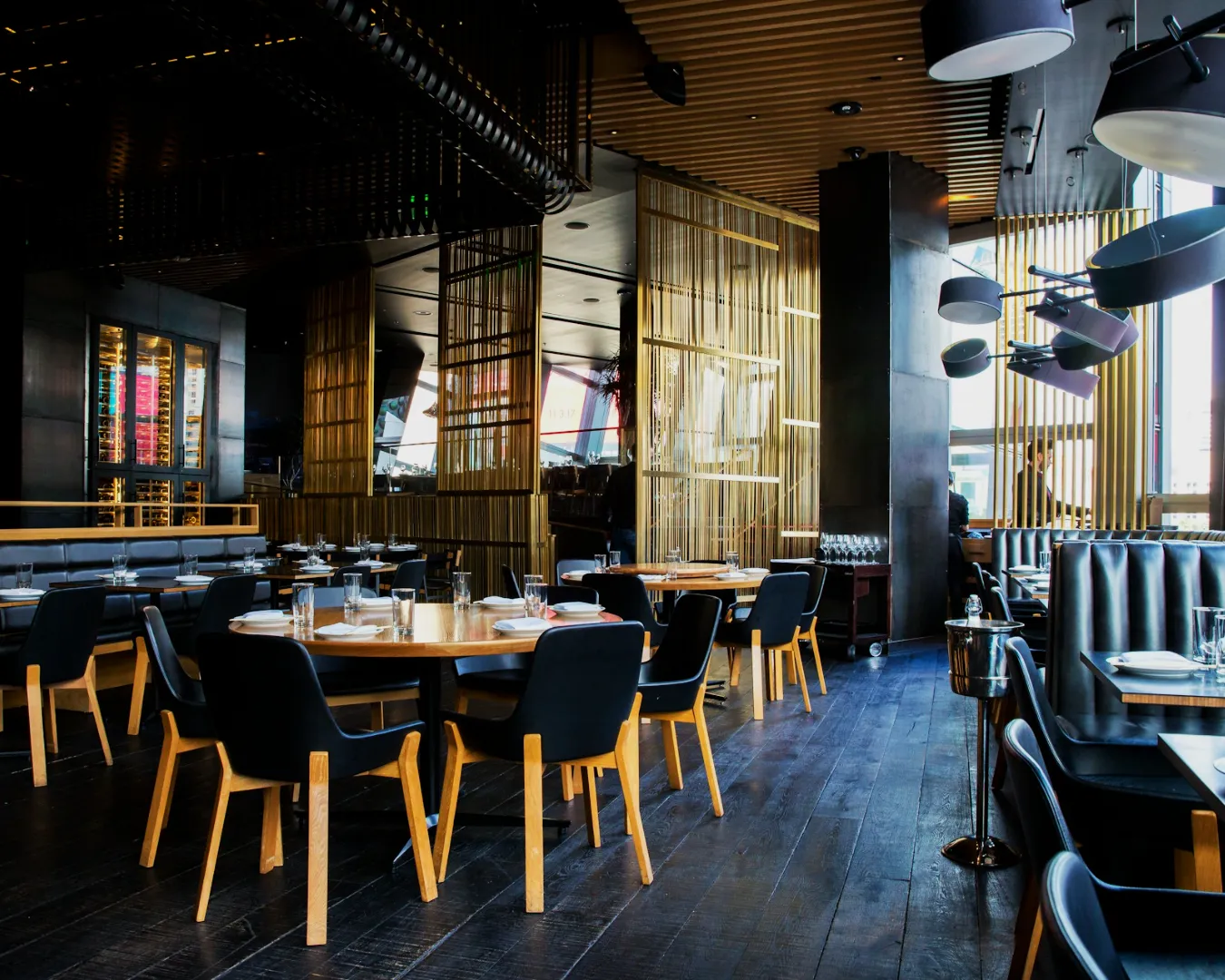
A common mistake we see is inconsistency. A restaurant might have a sophisticated, moody interior but use bright, chaotic graphics on Instagram. Or the tone of voice on the website might be formal, while the Facebook posts are full of slang.
At its heart, digital marketing is really just the art of making sure your brand feels the same wherever a guest finds you. Your identity, including your specific photography style, the tone of your voice, and even your color palette, needs to be a constant thread across every platform. This kind of consistency is what builds real familiarity. Ideally, when a customer scrolls past your content, they should instinctively know it is yours before they even spot your logo. That immediate recognition is where true brand loyalty begins.
Choosing the Right Channels
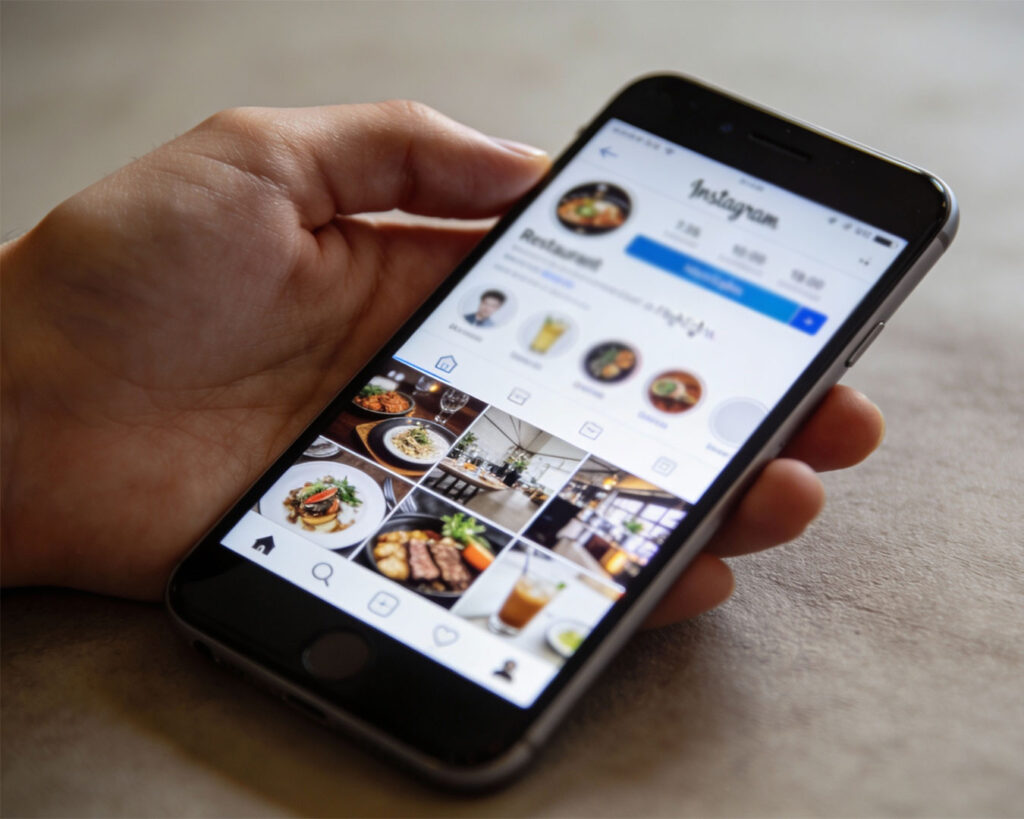
You do not need to be everywhere at once. In fact, trying to manage too many platforms often leads to burnout and poor quality content. When considering how to promote a restaurant online, focus on quality over quantity.
For most F&B brands in Singapore, the best digital marketing channels for restaurants are Instagram for visual storytelling, Google Business Profile for local discovery, and email for retention. Instagram allows you to showcase the sensory appeal of your food. Google ensures that when someone searches for “dinner spots near me,” you appear with accurate hours and good reviews. Email allows you to invite your best customers back without paying for ads.
The Role of Content
Content is simply the story you tell. It shouldn’t just be “buy this” or “book now.” Effective digital marketing for restaurant educates and entertains.
Share the story behind your signature dish. Introduce your head chef. Explain the sourcing of your ingredients. This type of content adds value and depth to your brand. It gives customers a reason to care about you beyond just the price on the menu. Good content reflects the operational excellence of the kitchen. If you care about the details in your food, your content should show that same attention to detail.
Why Digital Marketing for Restaurants is a Long-Term Investment

Many owners view marketing as a tap they can turn on when business is slow. However, real brand value is built over time. It is cumulative.
Posting consistently, responding to reviews, and updating your website might not fill the restaurant overnight, but it builds a reputation of reliability. It signals to the market that you are professional and here to stay. This long-term approach protects you during quiet periods because you have already built a community that listens to you.
Taking the Next Step
Navigating the digital world does not require you to become a tech expert. It requires a clear understanding of your own brand and a commitment to communicating it honestly.
If your current online presence feels disjointed or if you are unsure where to focus your limited time, pause and reflect. You likely don’t need a complex new tool; you just need clarity. Reviewing your brand direction to ensure it matches your physical experience is a practical first step toward a stronger, more resilient business.