
Digital marketing for restaurant brands in Singapore has matured. It is no longer about chasing the latest trends or being on every platform in the same way. For restaurant owners, success in 2026 requires clarity, consistency, and a strong presence wherever new customers find you online.
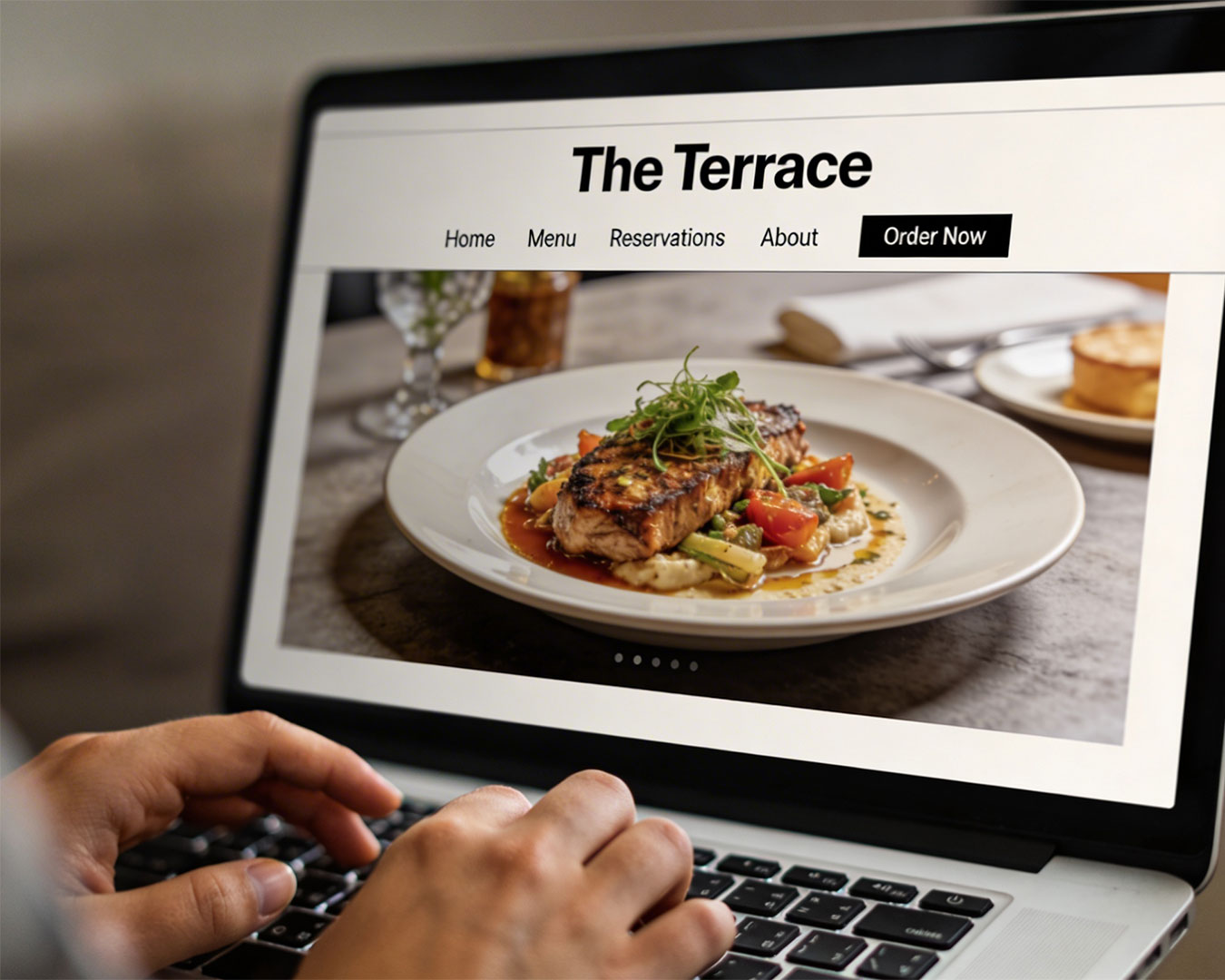
Your overall marketing strategy should be an extension of your dining experience. When executed correctly, it builds trust with current and future customers, reinforcing your culinary expertise and contributing to long-term restaurant success. Since most diners research online before visiting, optimizing for search engines is a non-negotiable part of modern restaurant marketing.
Establishing a Clear Content Strategy
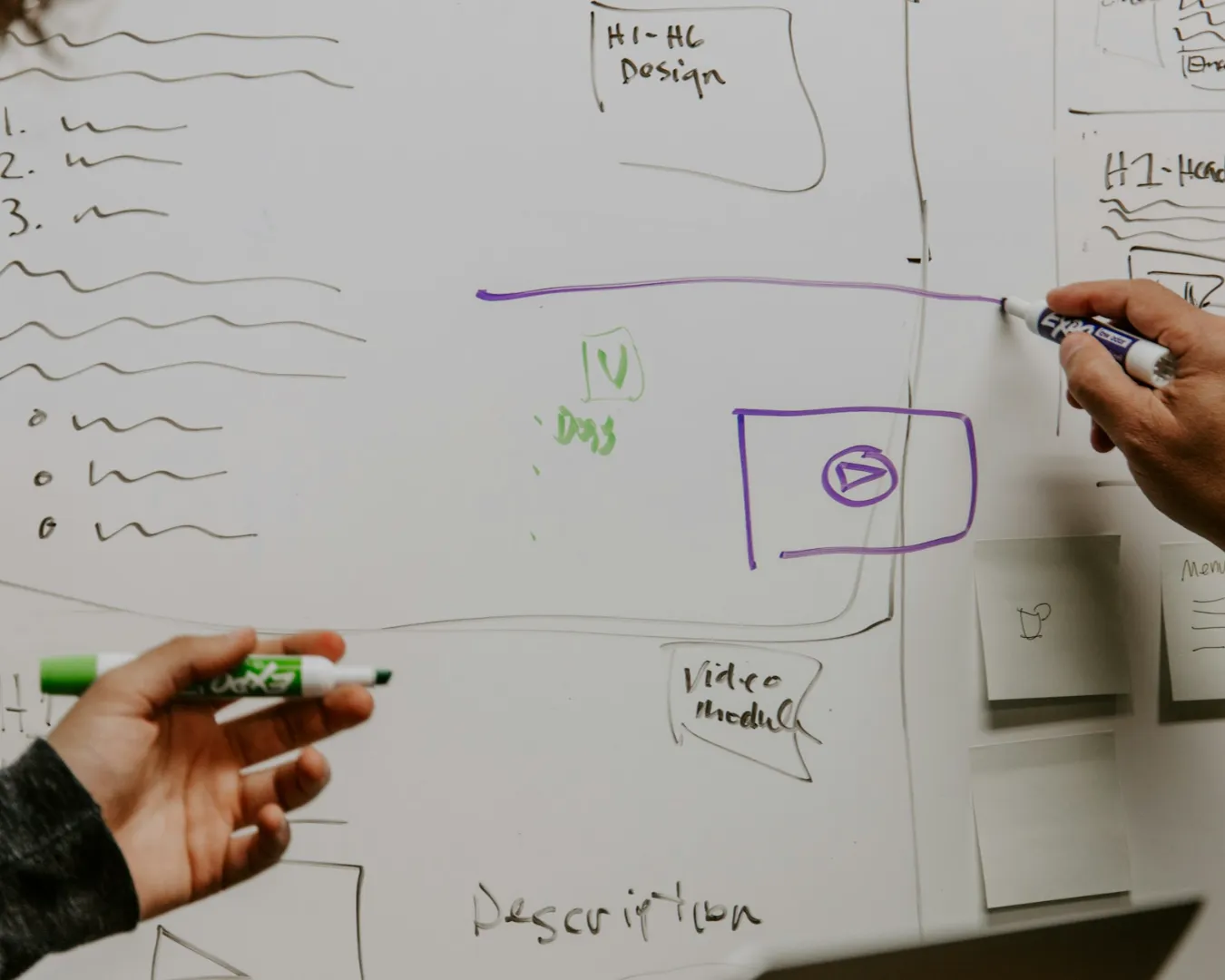
Many F&B brands struggle because their social media marketing feels reactive. Without a documented content strategy, the process becomes exhausting. Effective restaurant marketing strategy begins with identifying your ideal customer. Understanding their dining preferences, user behavior, and expectations allows you to create content that resonates.
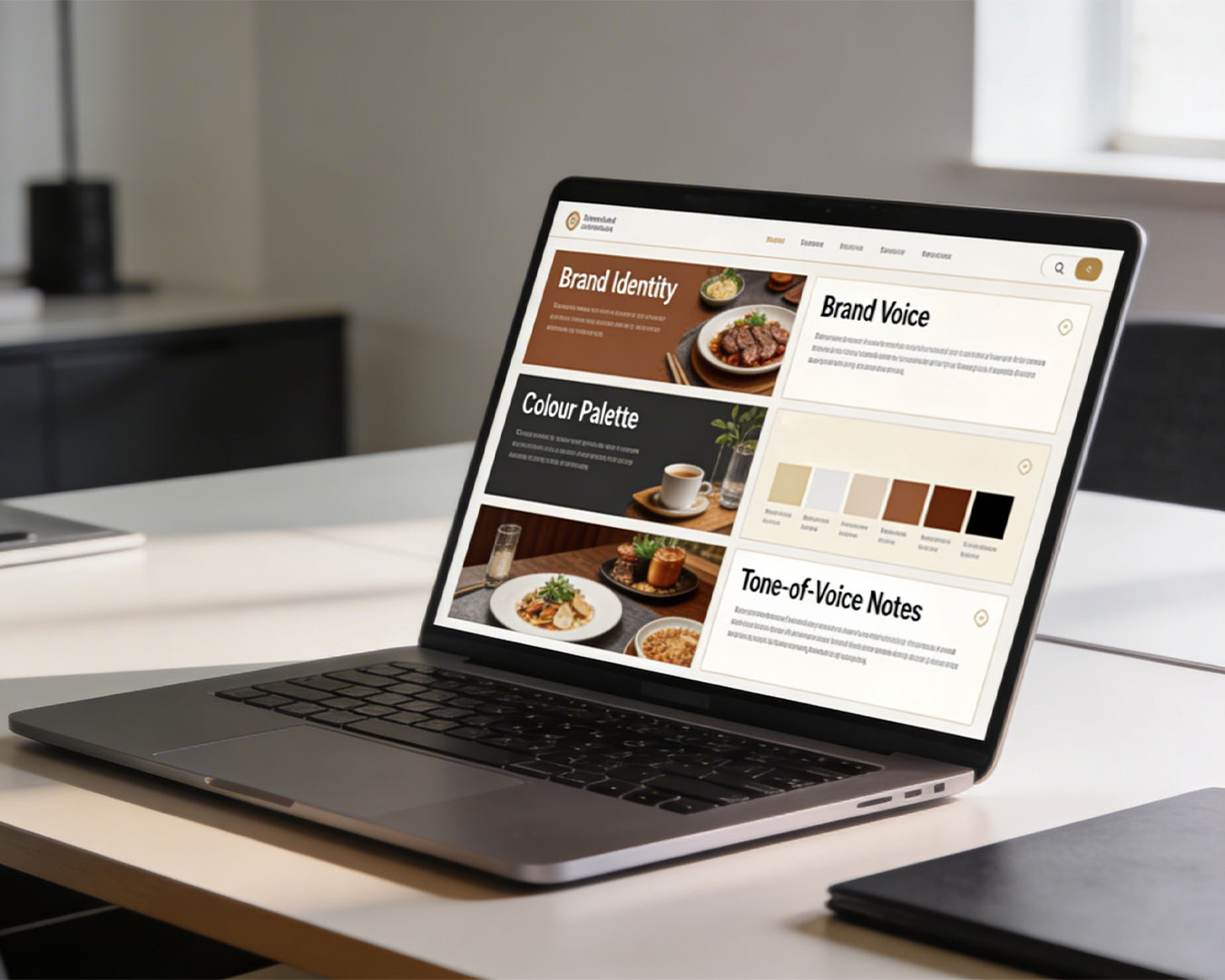
When your brand voice is well-defined, your content marketing plan becomes a roadmap rather than a chore. Instead of guessing what to post on a busy Saturday night, you can rely on a structured approach to deliver relevant content that meets your target audience’s needs.
The Power of Restaurant Content Creation
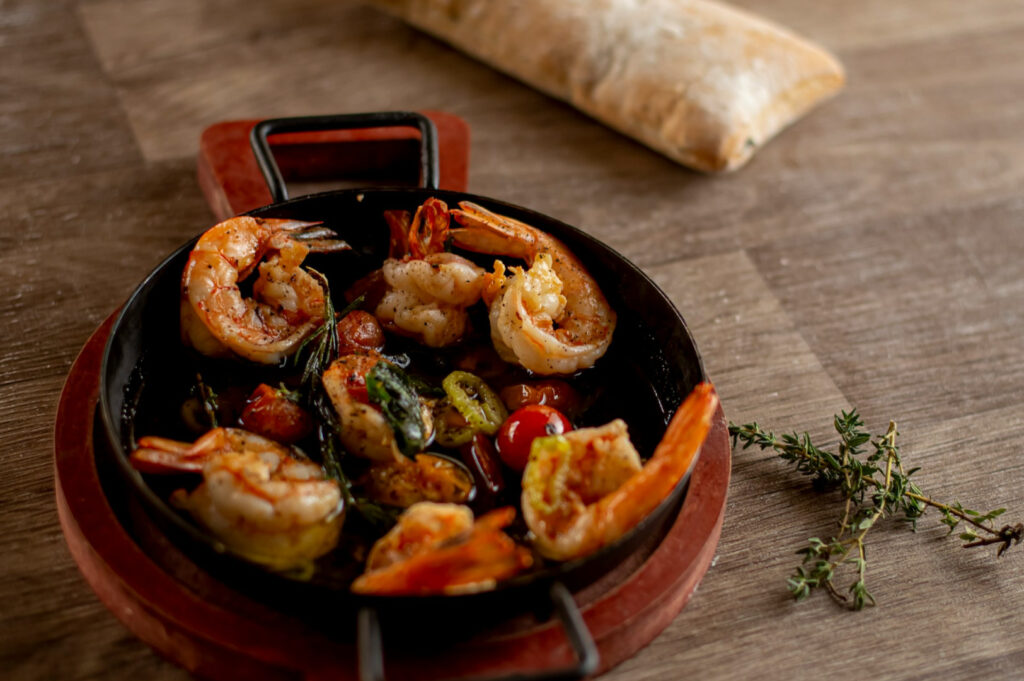
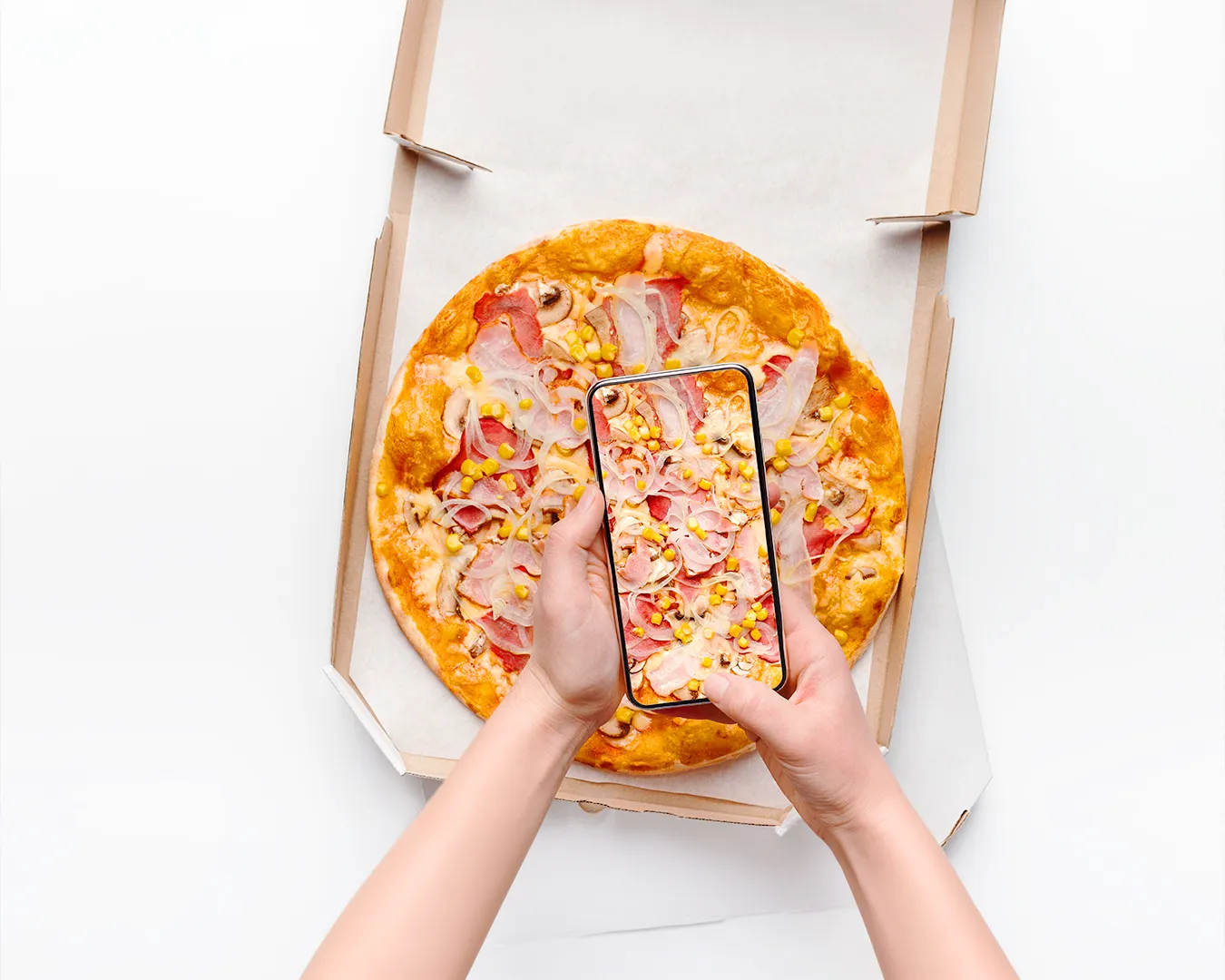
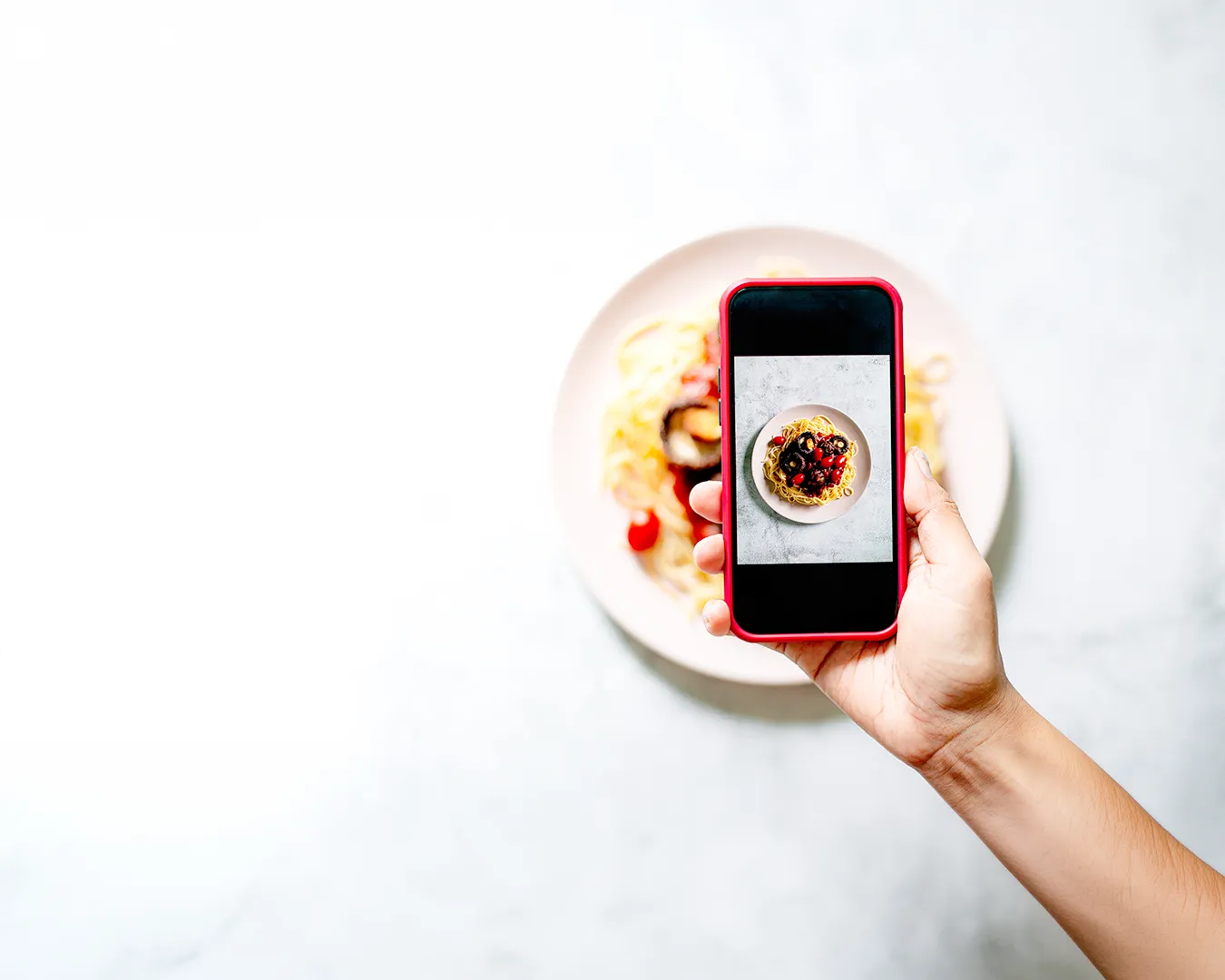
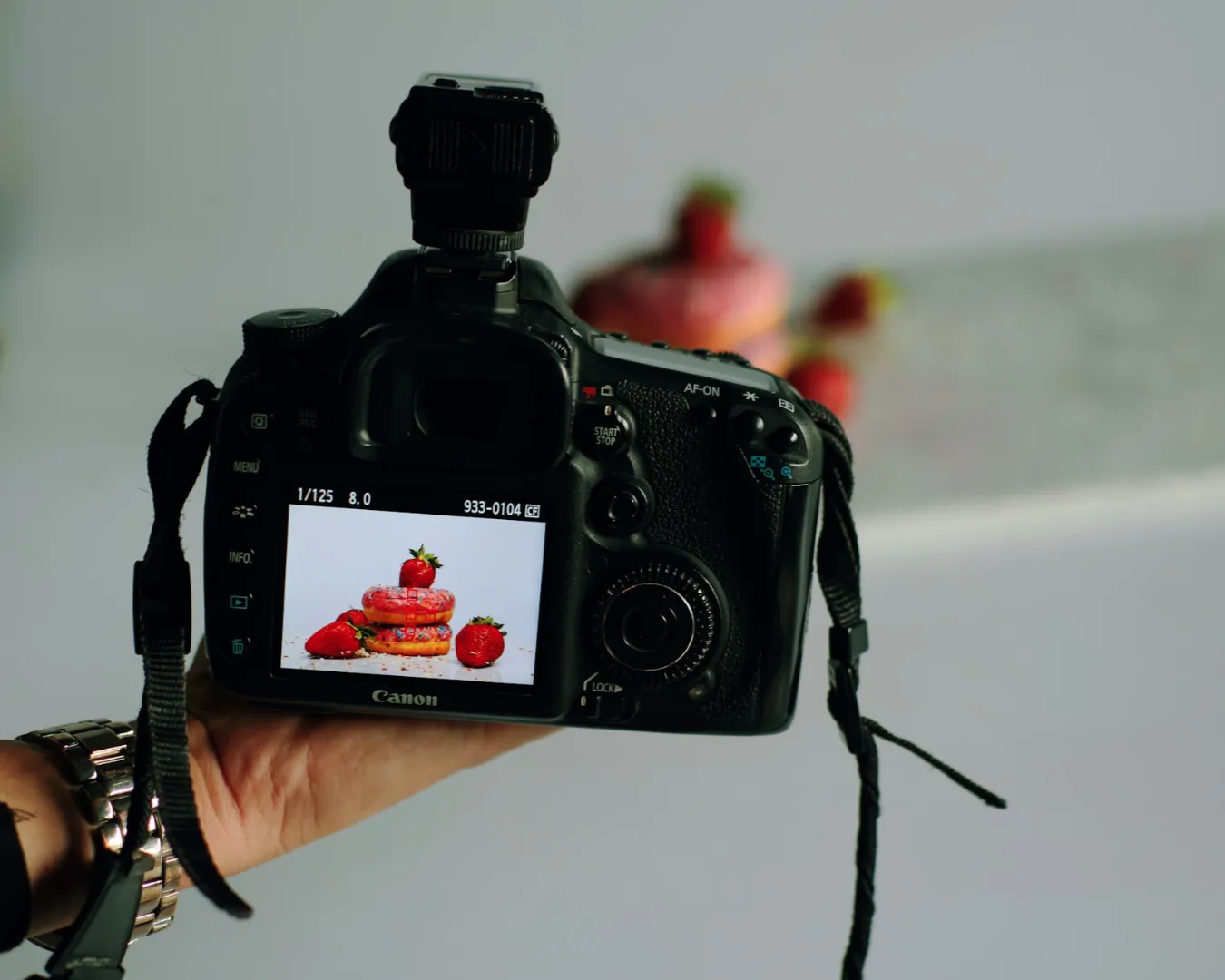
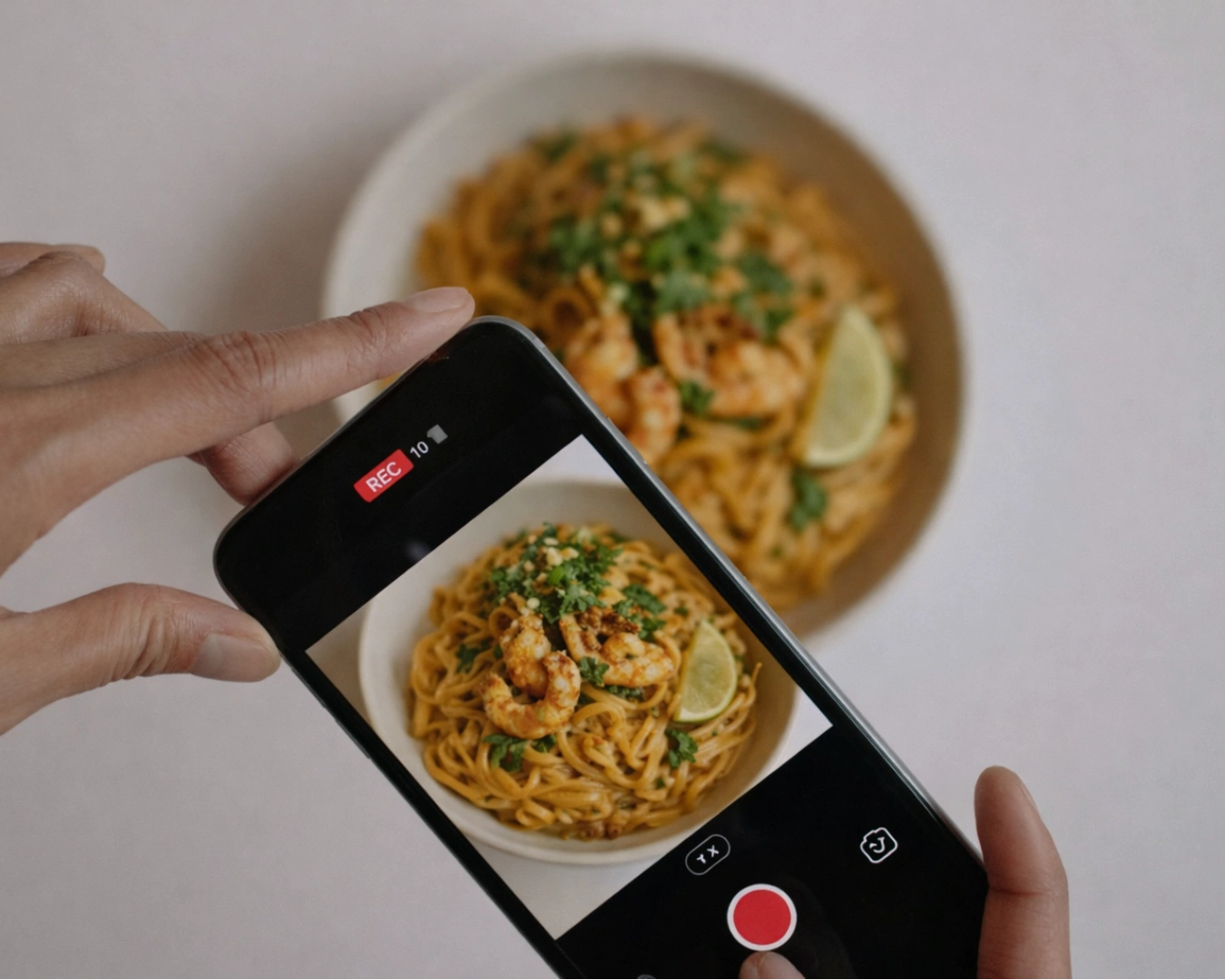
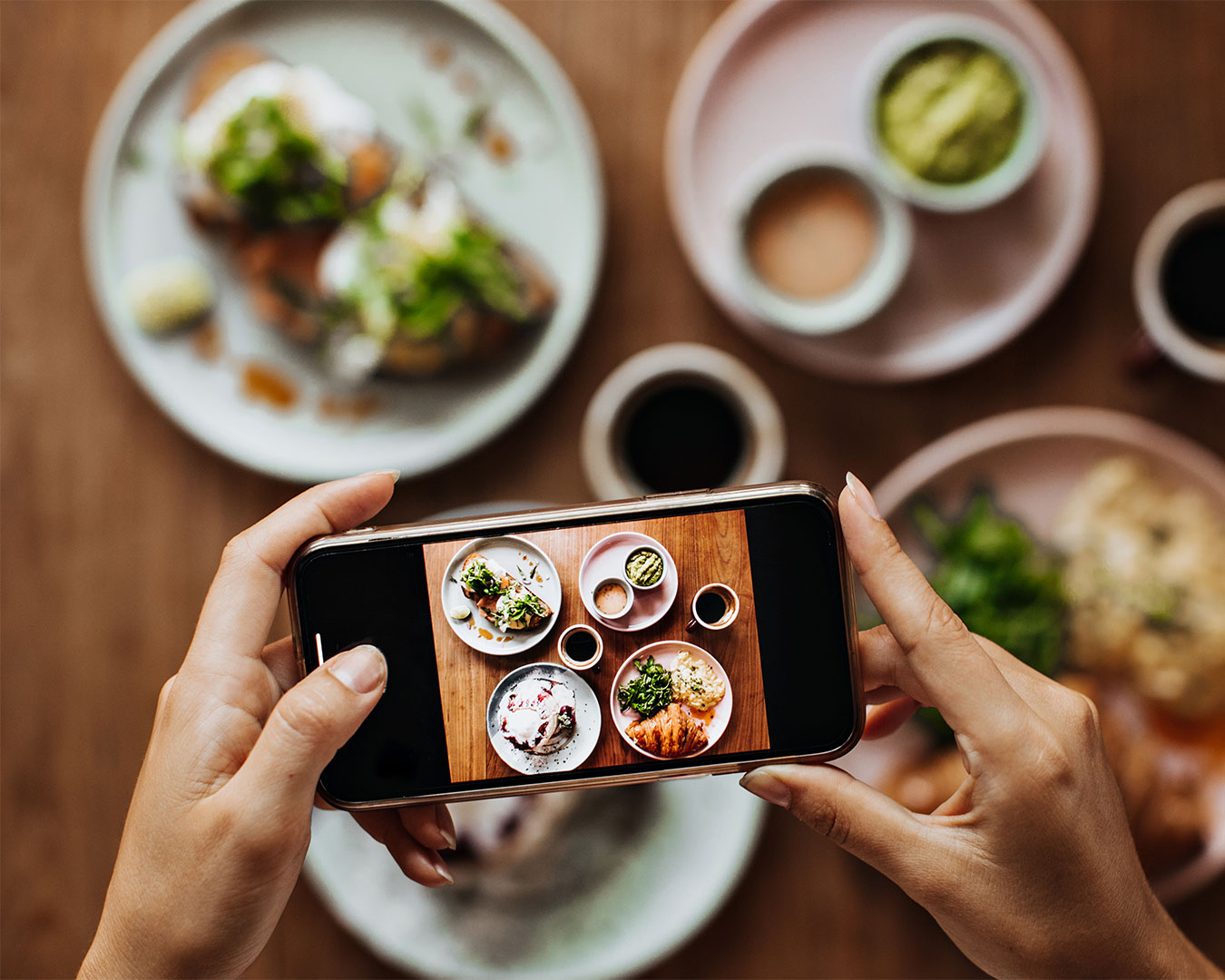
Restaurant content creation should be grounded in the reality of your kitchen. Utilizing the right tools—from high-end cameras to simple mobile editing apps—allows you to produce high quality content that captures the essence of your brand.
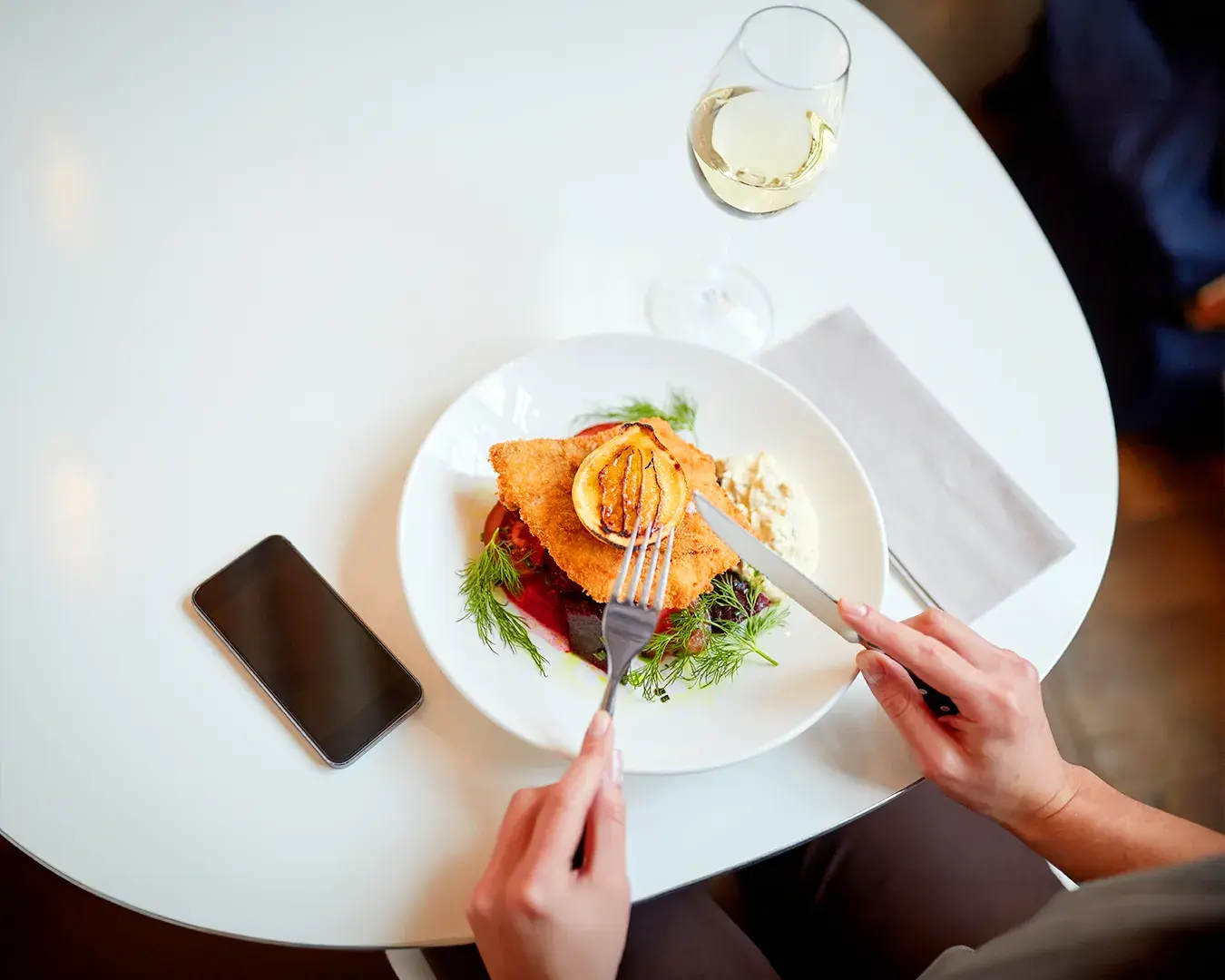
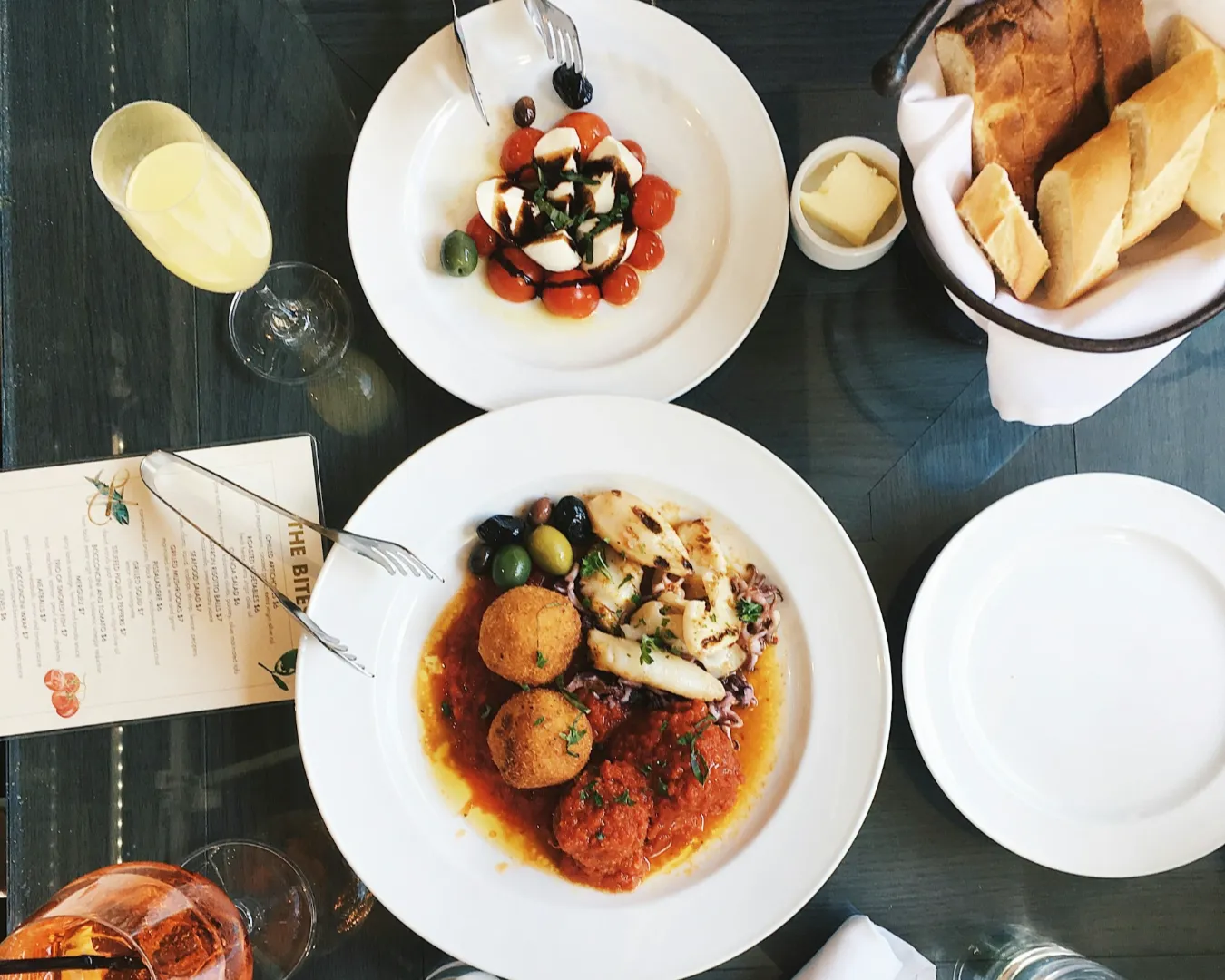
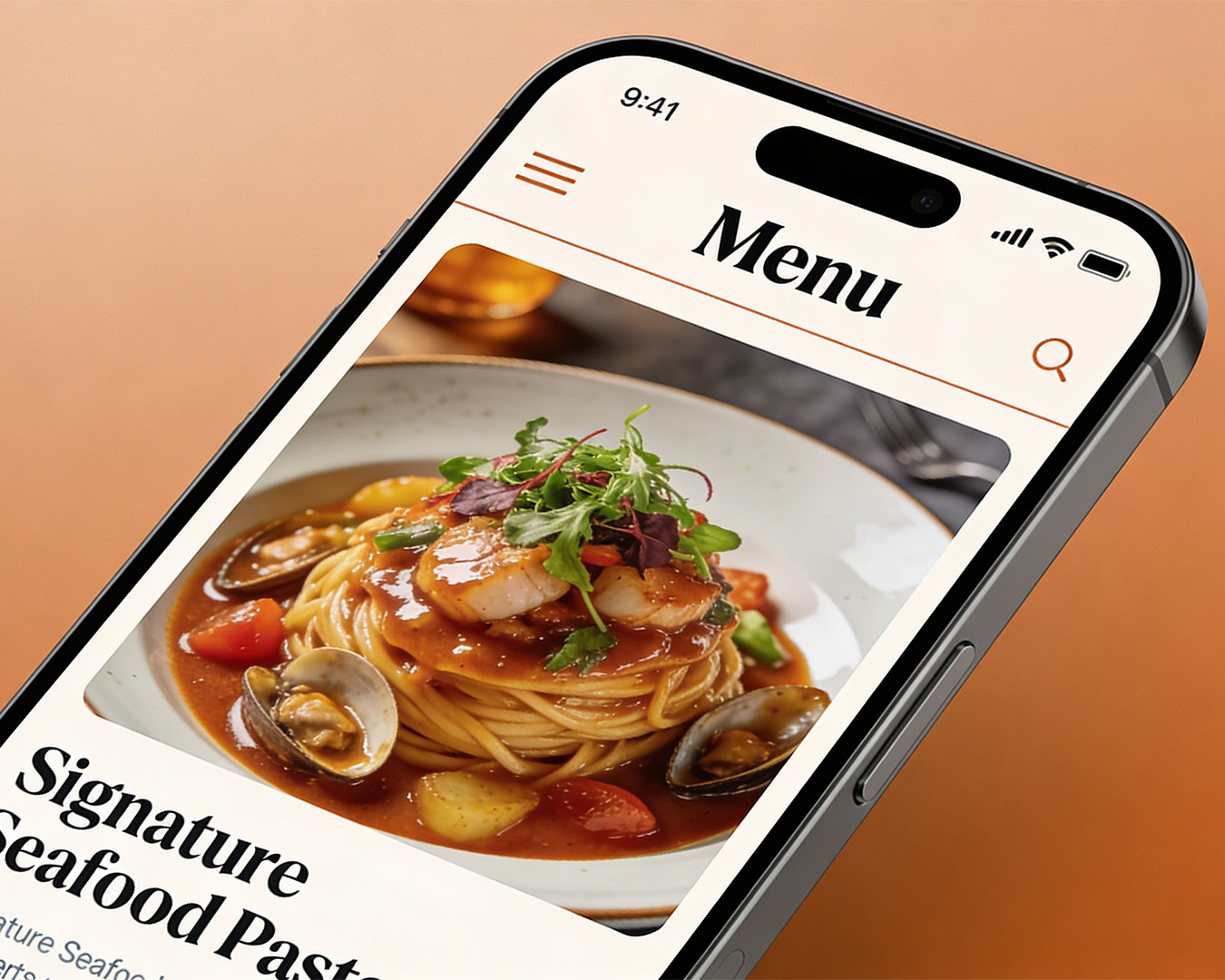
In the world of social media, quality content consistently beats quantity. While it is tempting to flood social media platforms with generic updates, focus instead on high quality images of your signature dishes. Video content is particularly effective, as it is favored by the social media algorithm and helps boost engagement. By incorporating interactive content like polls or Q&As on Instagram Stories, you keep your audience engaged and foster deep brand loyalty.
Authenticity Through Behind the Scenes Content
Humanizing your brand is one of the most effective marketing strategies. Behind the scenes content connects your local community to the people behind the plates. Behind the scenes videos showing prep work, a local supplier delivering fresh produce, or your team preparing for service help highlight unique aspects of your business.
Using behind the scenes footage doesn’t just fill a gap in your content calendar; it demonstrates transparency. Whether it is a quick clip of a chef plating a dish or a photo of your staff at local events, this visual content helps future customers imagine themselves in your space.
Leveraging Social Proof and Influencers

Social proof is the currency of the digital age. Customer testimonials and customer photos act as a digital “word-of-mouth” that carries more weight than traditional marketing. Encouraging user generated content allows your guests to become advocates for your brand.
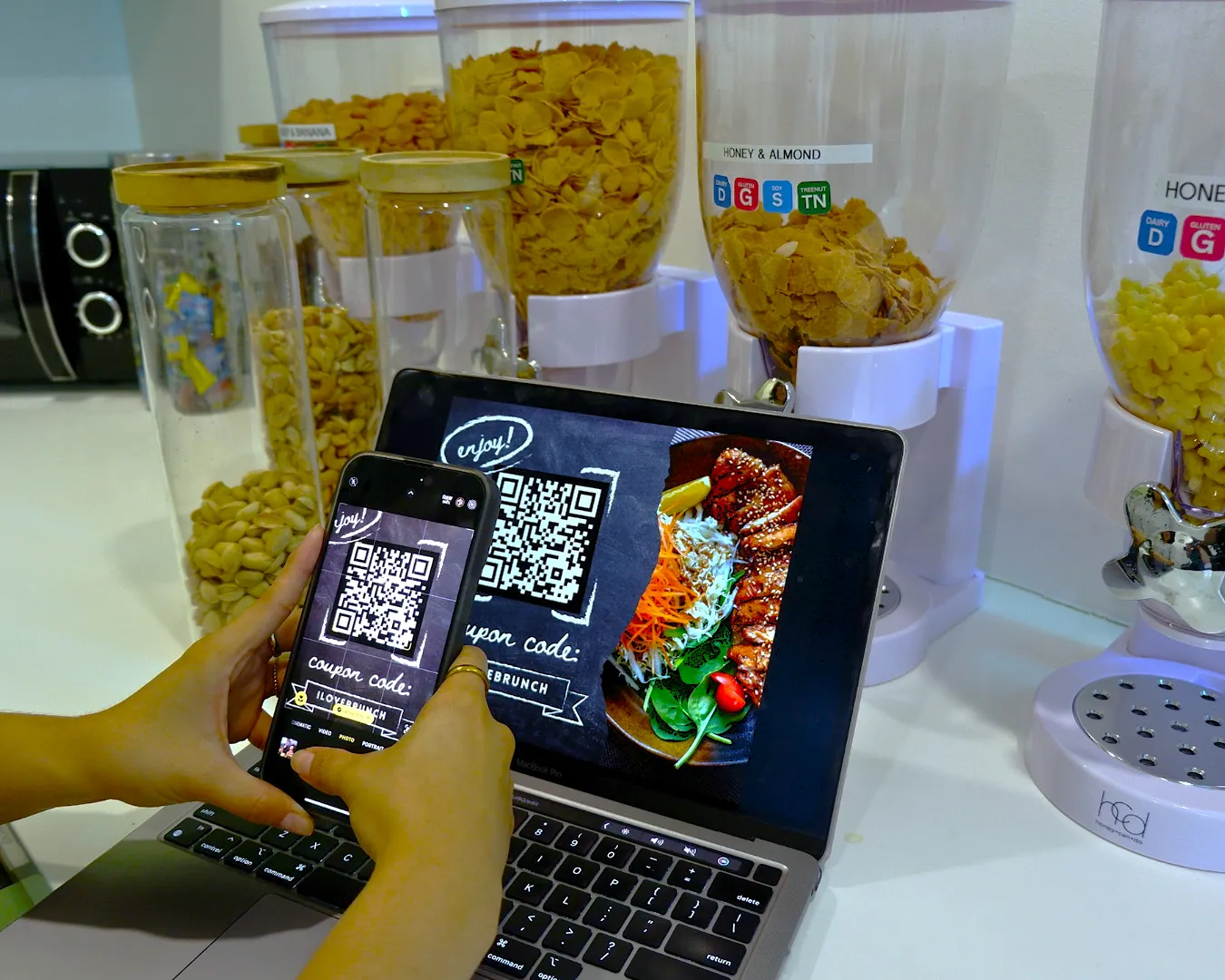
Collaborating with food bloggers, food influencers, and local influencers can significantly enhance your reach. These partnerships should feel organic; for instance, offering unique promo codes to a micro-influencer’s followers often yields better results than mass advertising. When satisfied customers share their experiences, it encourages participation from others, creating a cycle of repeat business.
Content Marketing as a Long-Term System
Think of digital content marketing as a sustainable system rather than a series of one-off social media posts. Your content marketing strategy should span multiple channels, including a restaurant blog for long-form storytelling and email marketing to stay top-of-mind.
A well-maintained content calendar ensures you aren’t just posting free appetizers or discounts. Instead, you are providing valuable content, such as educational content where you share recipes or explain specific techniques. This builds a relationship with your audience that isn’t purely transactional.
Driving Results through Restaurant Social Media Marketing
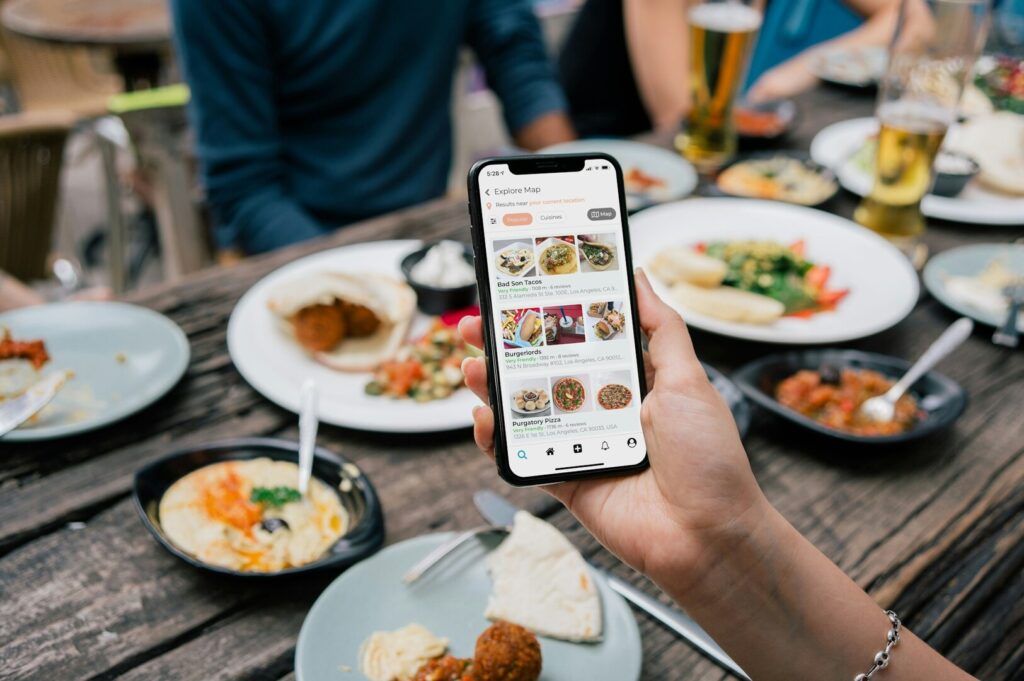
Effective restaurant social media marketing means being intentional with where you spend your time. While Instagram is a visual leader, other platforms might serve different segments of your audience. The goal is to ensure your post content reflects the same care as your service.
Atelier Creations helps F&B brands find this alignment. By focusing on your unique aspects and business goals, we ensure your social media and content creation efforts lead to measurable growth. If your current efforts feel scattered, it is time to return to the fundamentals of your brand. From that clarity, a stronger, more consistent restaurant marketing presence naturally follows.