In Singapore’s competitive food scene, branding for restaurants is often mistaken as just a logo or catchy name. However, branding is much more. It encompasses the entire experience, integrating all elements that define your restaurant’s brand identity. Beyond serving great food, a restaurant needs a clear identity that resonates with diners before they even walk in.
At its core, branding bridges the food you serve and how people feel about your business. Your overall brand, including brand voice, visual identity, logo, and digital presence, builds recognition and trust, attracting customers and fostering lasting relationships. It acts as your silent ambassador across social media platforms, your restaurant website, and within the dining room. In today’s digital age, online marketing is essential for restaurants to reach new customers and boost overall success.
Defining Your Brand Identity and Brand Voice
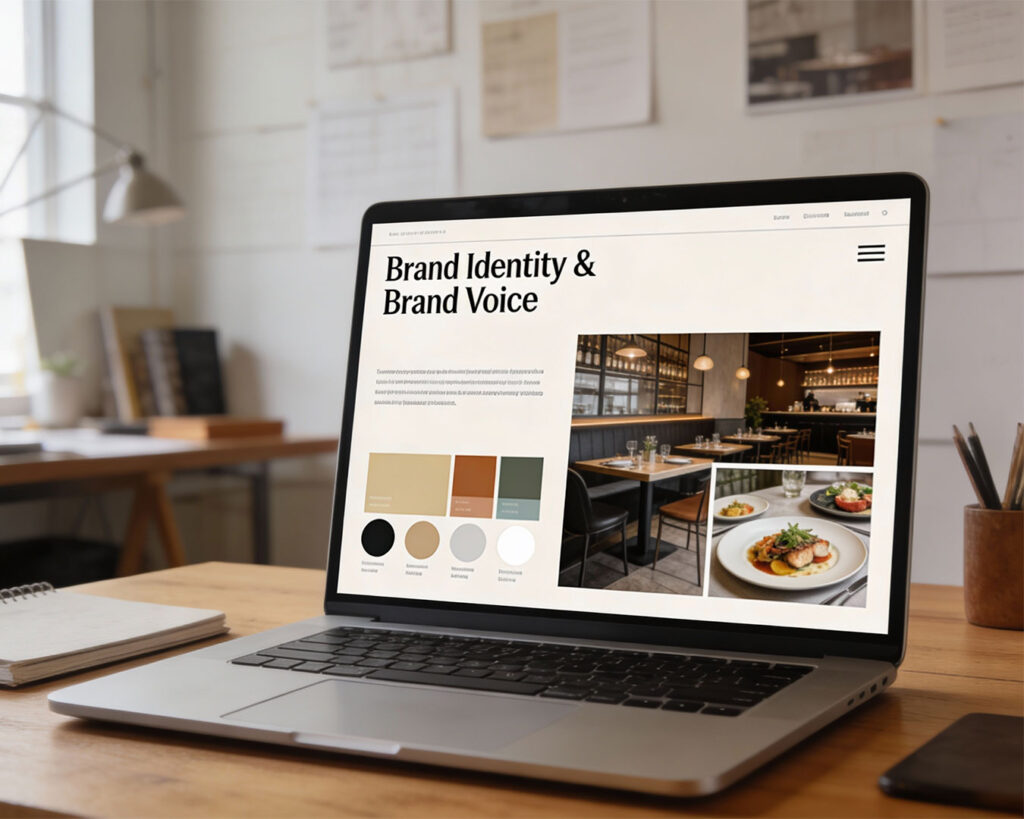
Many restaurant owners believe serving great food guarantees success. While quality is vital, a defined restaurant brand identity helps you stand out in a crowded market. Developing a cohesive brand identity means aligning your restaurant name, visual assets, and mission statement across all touchpoints to create a memorable impression.
Think of your brand as a person; your brand voice determines how it speaks. Is it sophisticated and minimalist or loud and communal? Understanding your target audience—segmenting them, gathering feedback, and analyzing preferences—helps inform your brand positioning and ensures messaging resonates. Whether a customer reads an Instagram caption or views your physical menu, they should experience the same personality, building long-term brand loyalty.
Aligning Brand Personality with Brand Elements
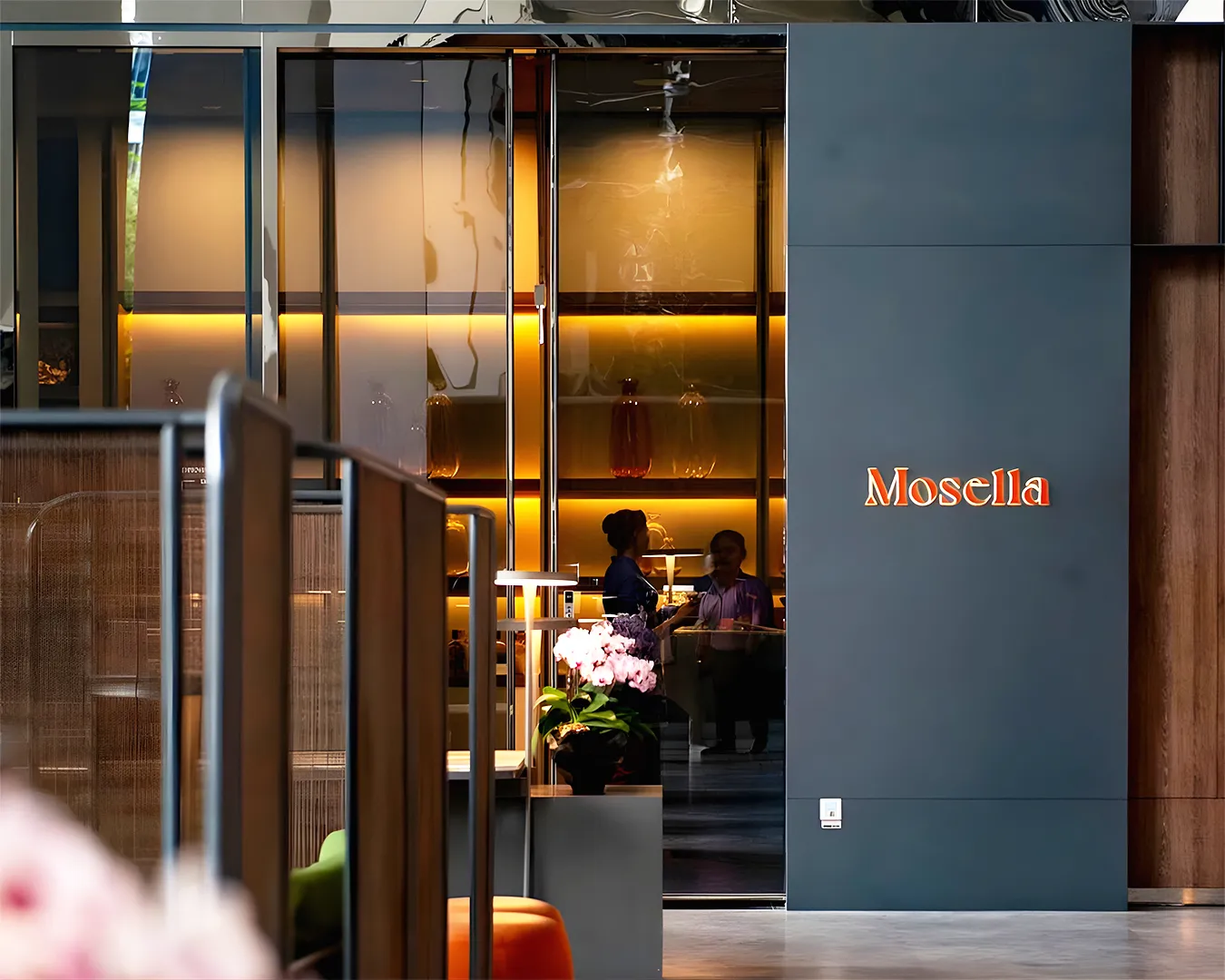
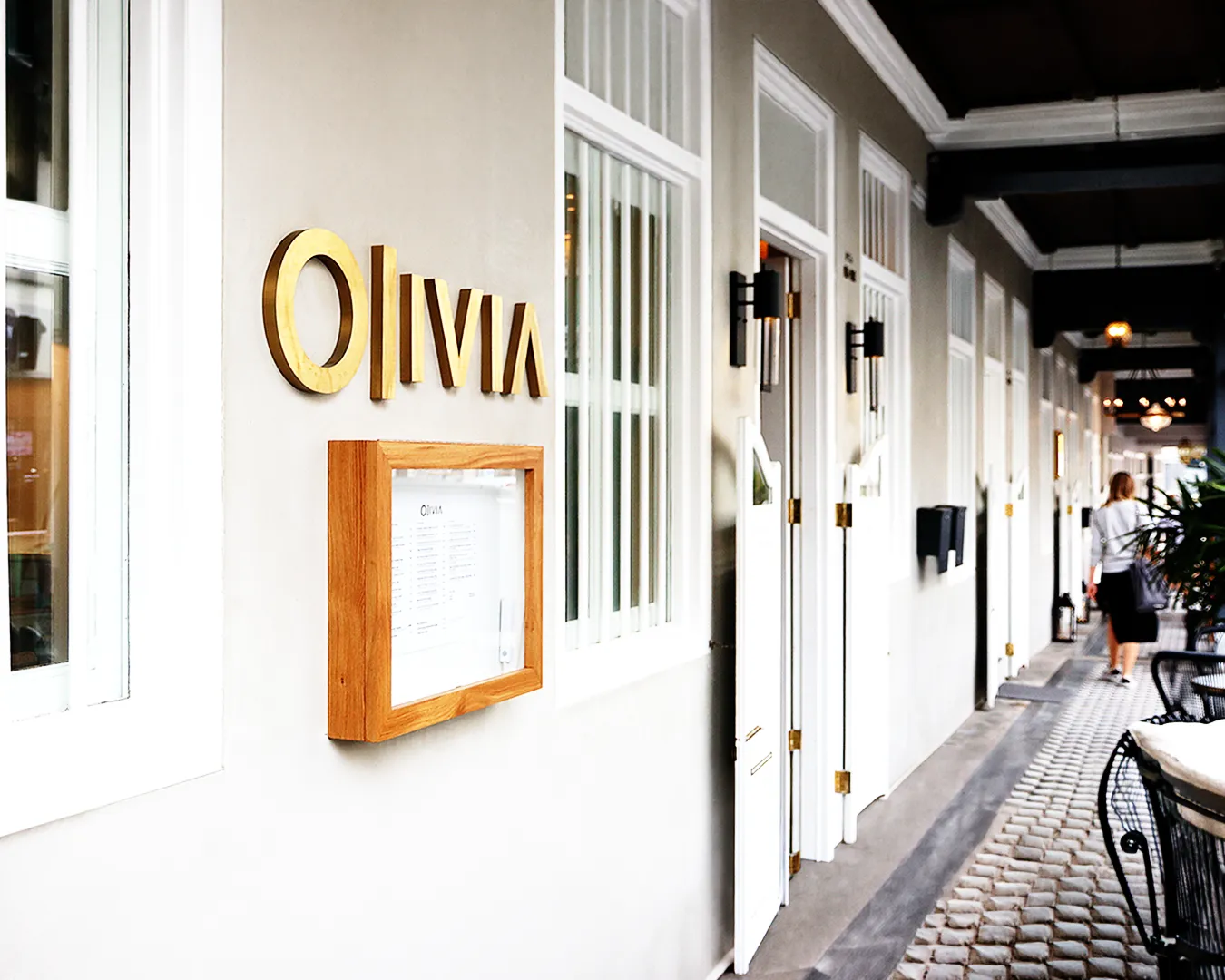
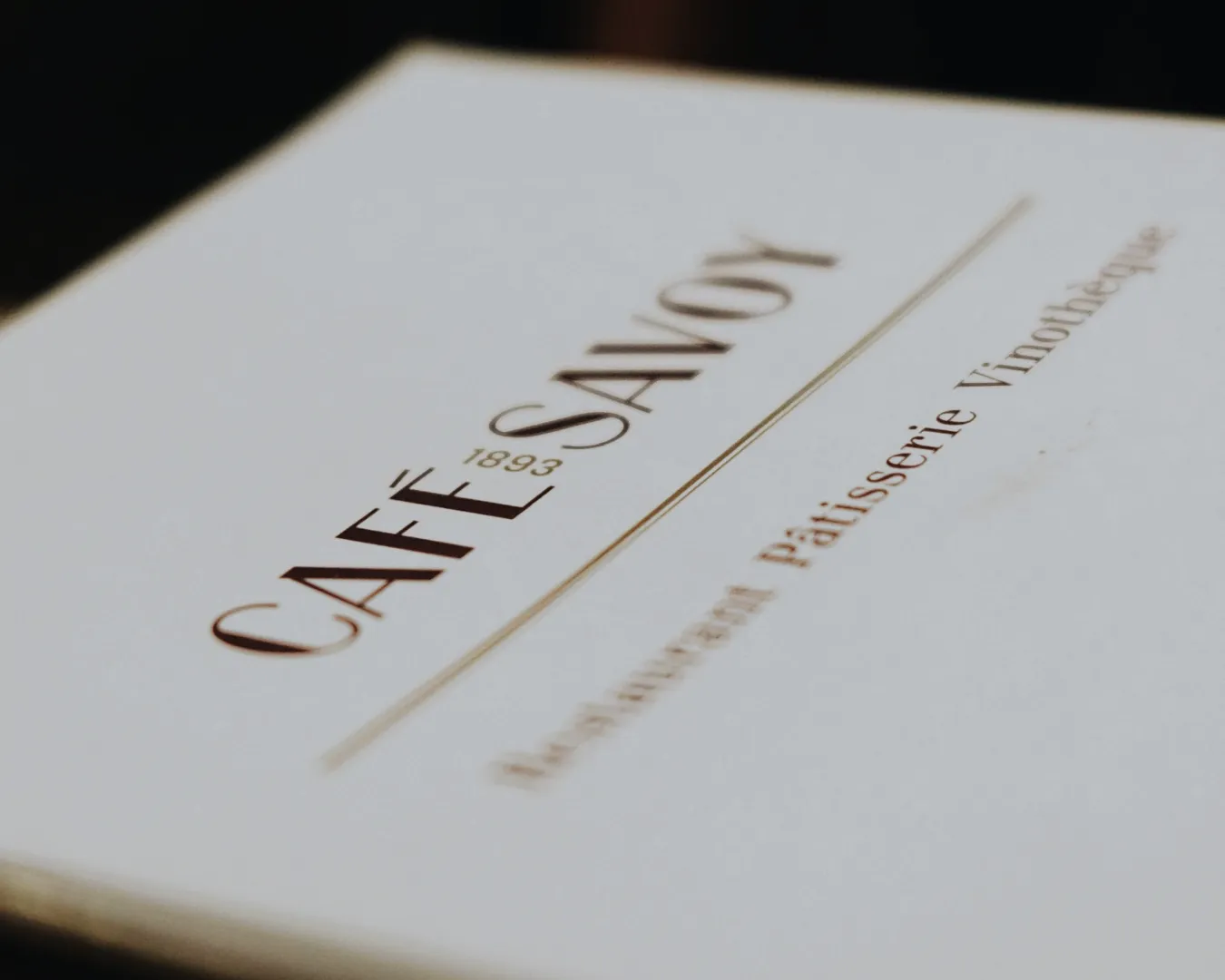
Your personality comes to life through brand elements like logo design, typography, and food photos. Effective brand design is crucial for a cohesive visual identity, with the restaurant logo acting as a central reflection of your style and core values.
Maintaining a uniform color palette across all touchpoints makes your brand instantly recognisable. This consistency signals to diners what to expect, easing the transition from browsing to booking. A style guide or brand book is invaluable for maintaining this unity, from your online presence to in-person interactions.
Choosing the Right Color Palette and Brand Colors

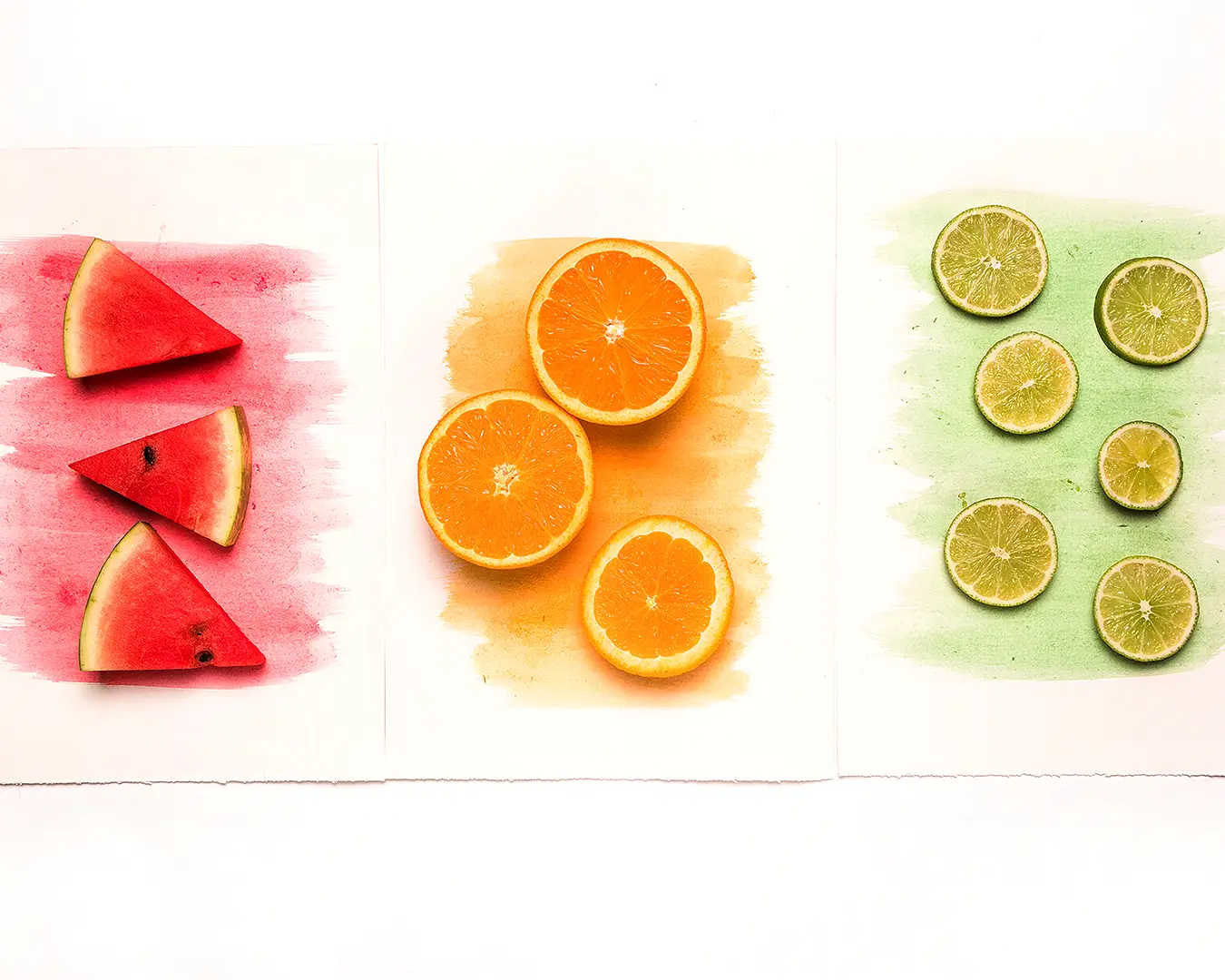
Color choice goes beyond aesthetics; it taps into color psychology. Warm colors like terracotta or deep yellow can stimulate appetite and energy, while muted greens and earth tones suggest organic, farm-to-table values. Documenting these choices in a style guide ensures your promotional materials and social media posts maintain a consistent look and feel.
Driving Customer Engagement through Brand Experience
A common pitfall is a disconnected brand experience, such as a sleek website paired with a dated physical location. The dining experience shapes how guests connect with your business, making immersive interactions essential for repeat visits.
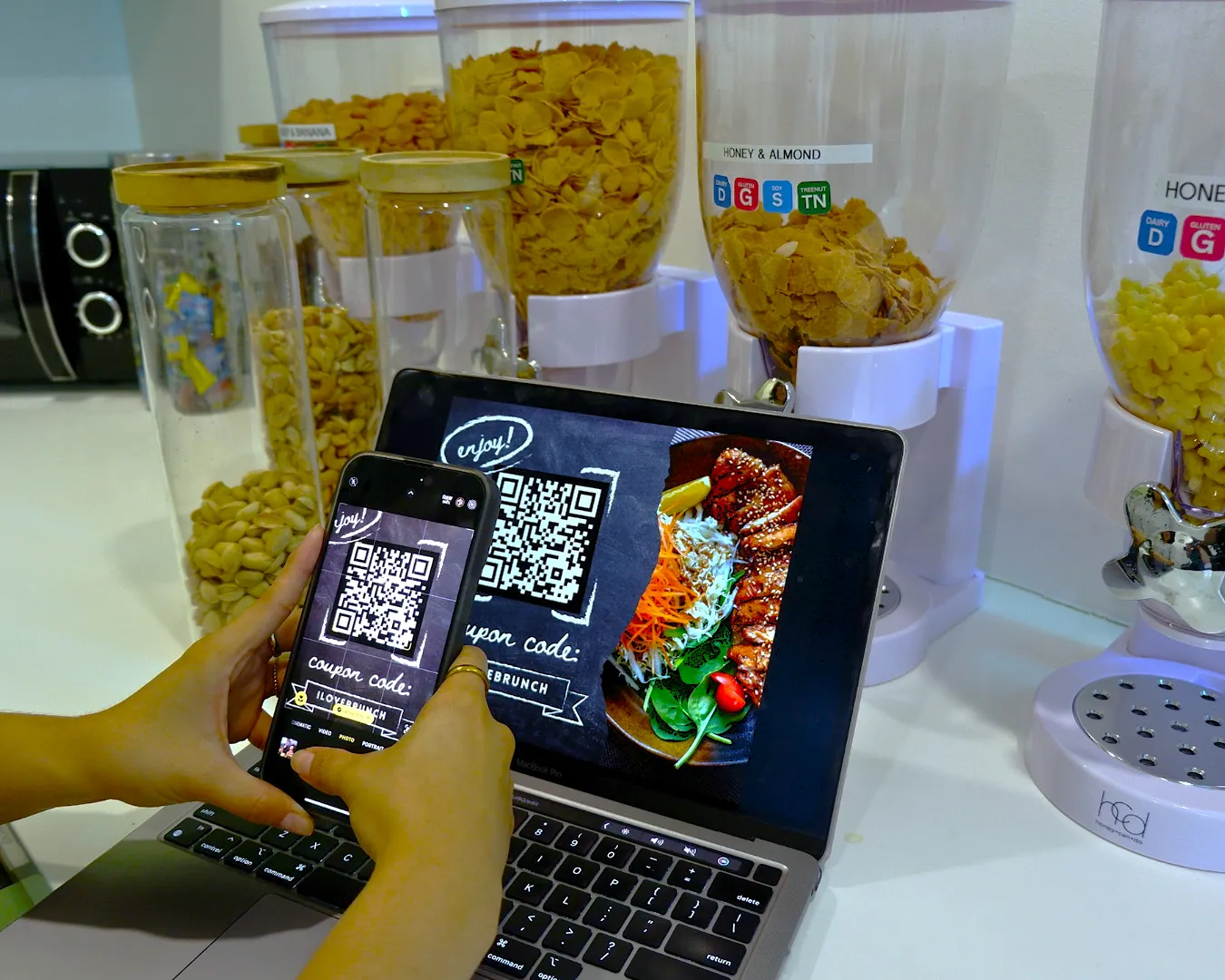
Successful restaurant branding means every touchpoint tells the same story. Every interaction is an opportunity to reinforce your brand and build your restaurant’s reputation. Whether through digital customer engagement on social media or the physical experience at the table, the feeling should be seamless.
Operational excellence drives repeat visits by training staff to embody brand values. Consistent customer experience builds trust and encourages loyalty. Loyalty programs rewarding repeat customers with points, exclusive offers, or specials further foster customer loyalty. Brand loyalty significantly impacts customer retention and word-of-mouth marketing. When customers feel aligned with your brand, they form an emotional connection that keeps them coming back.
Integrating Interior Design and Menu Items

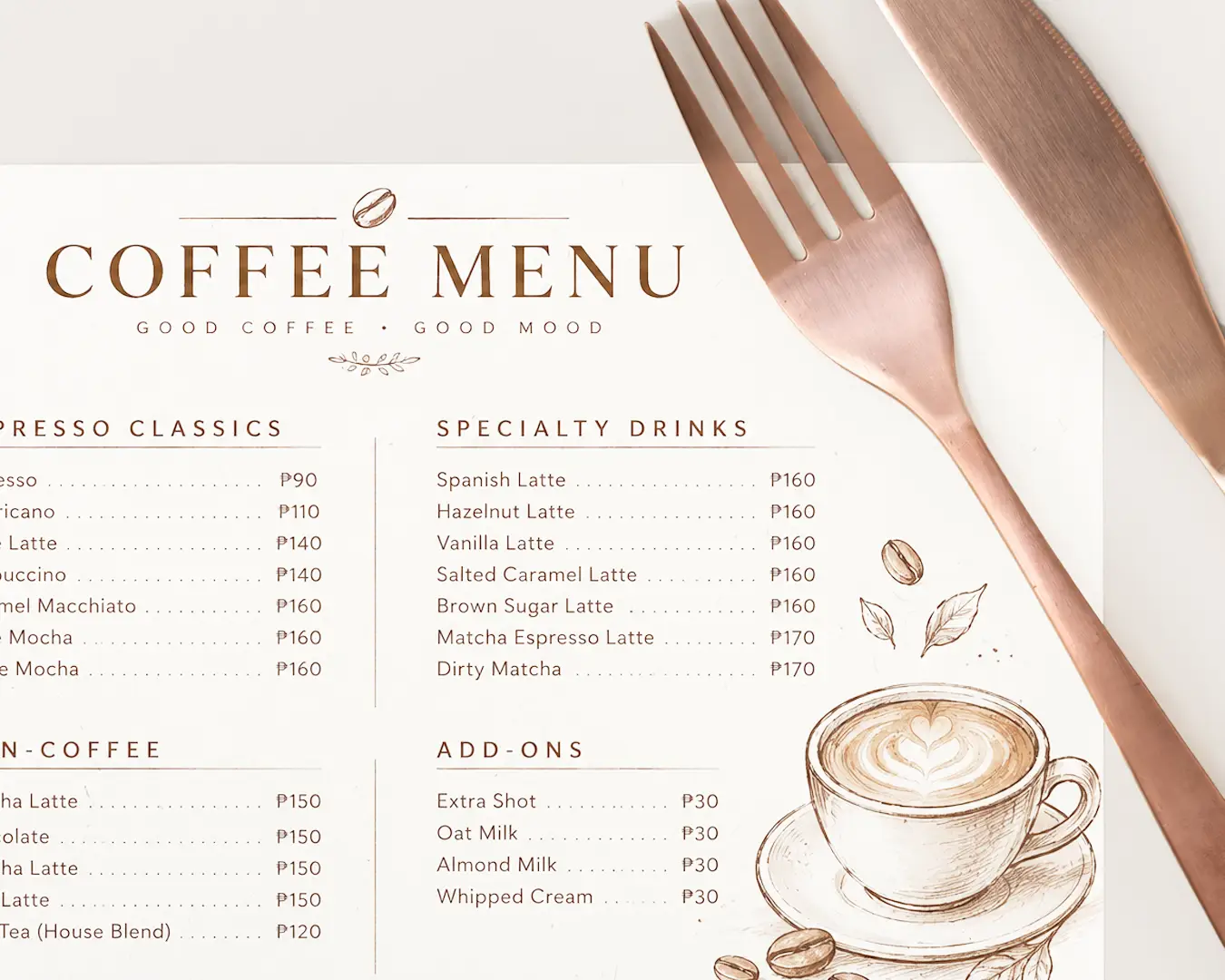
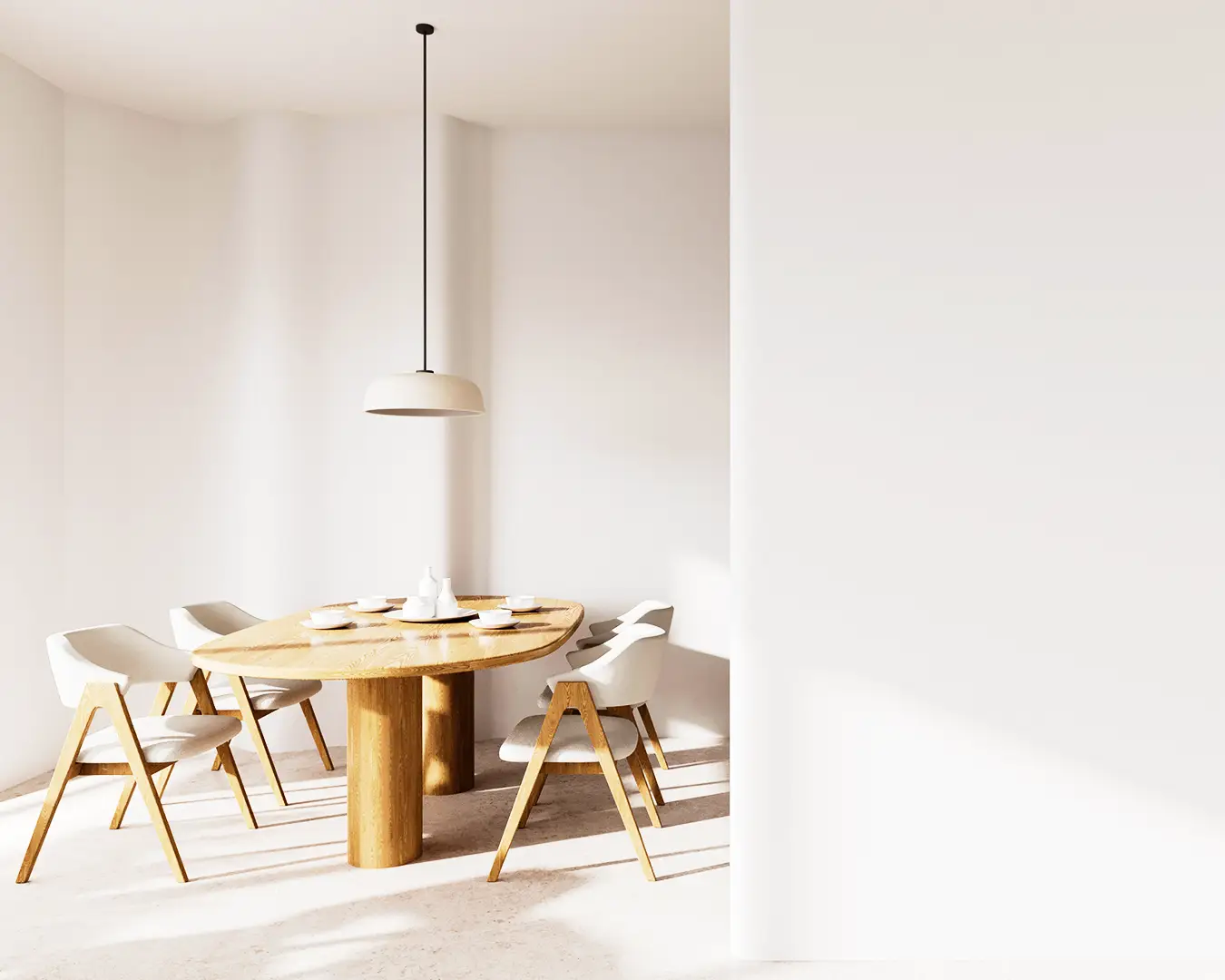
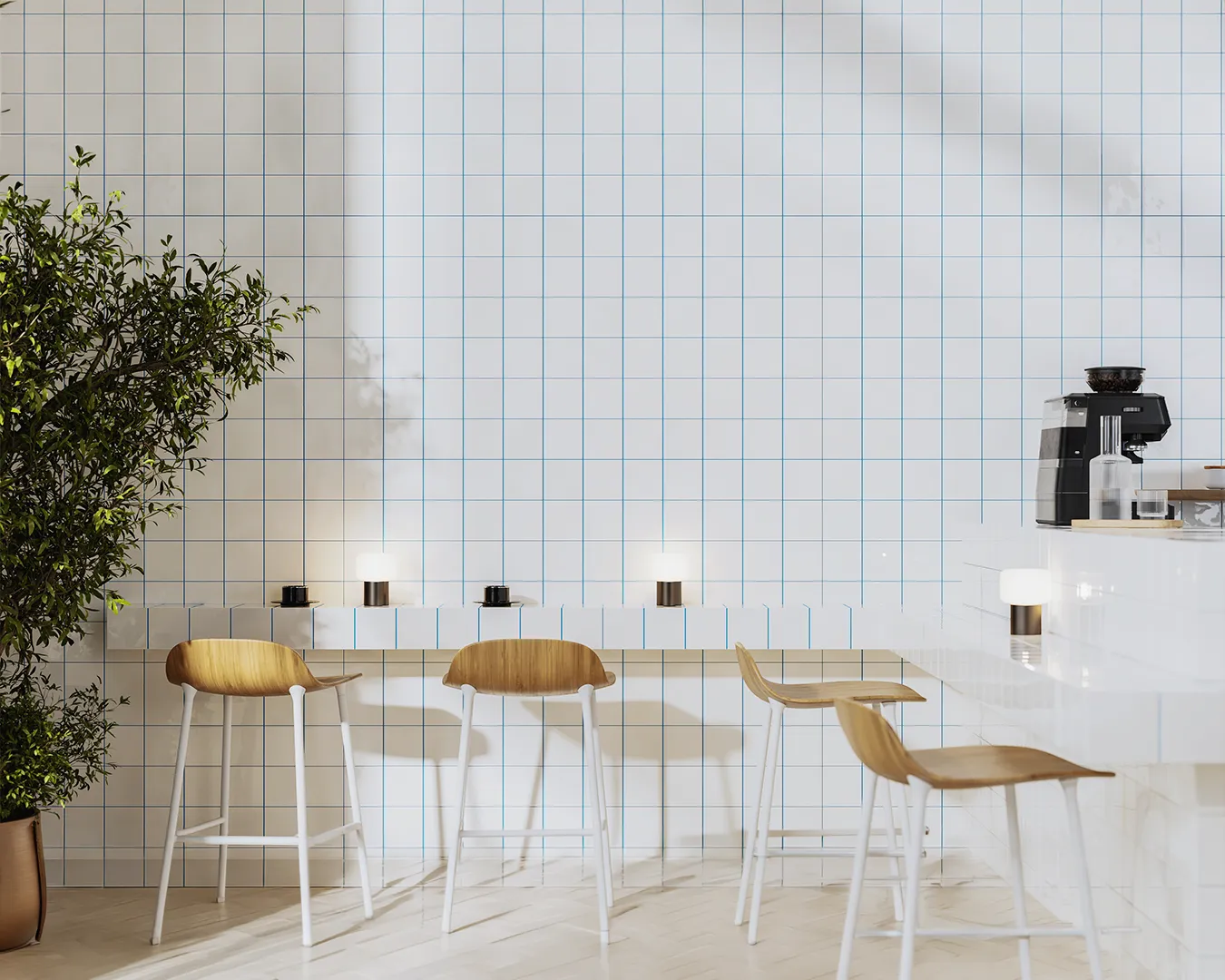
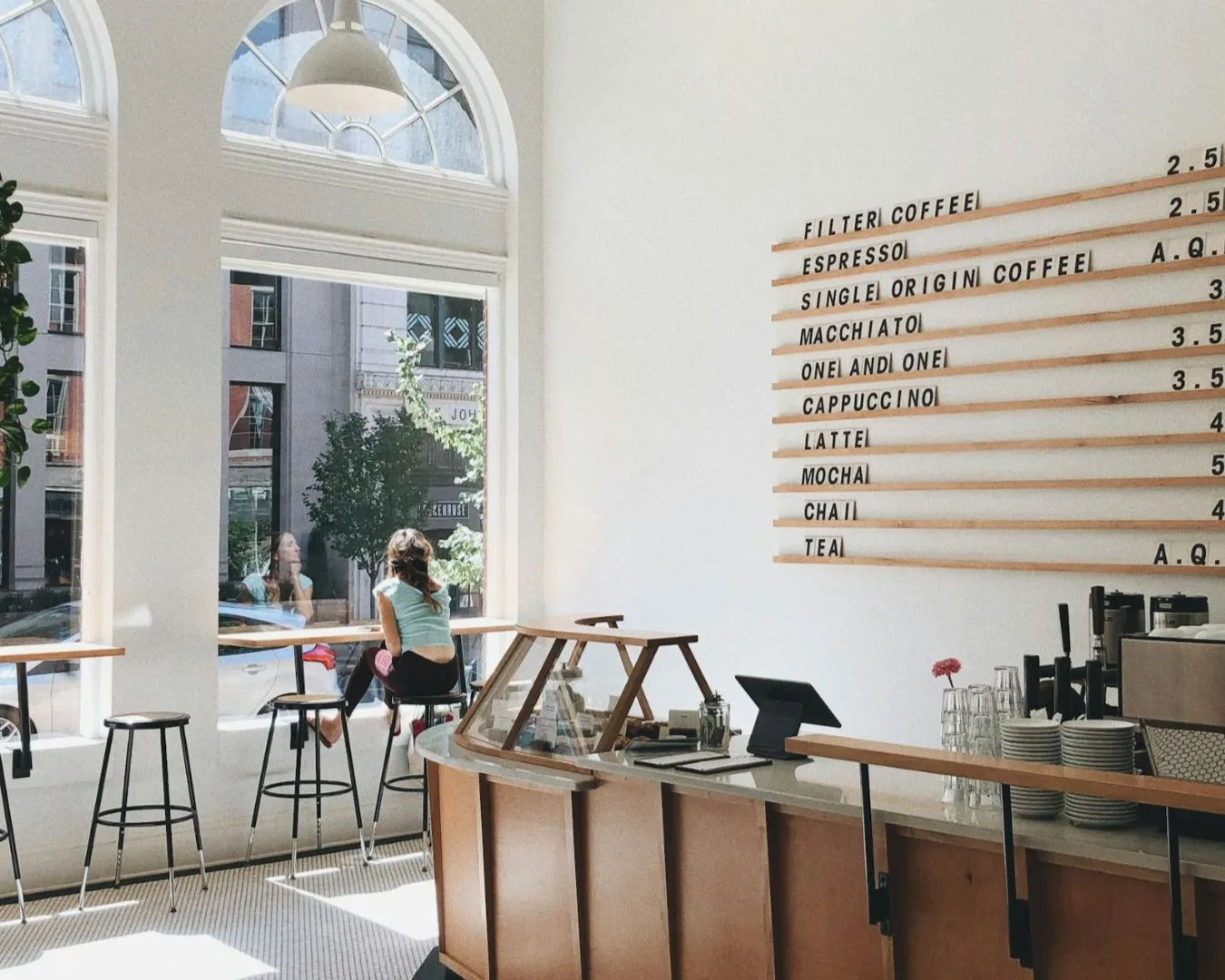
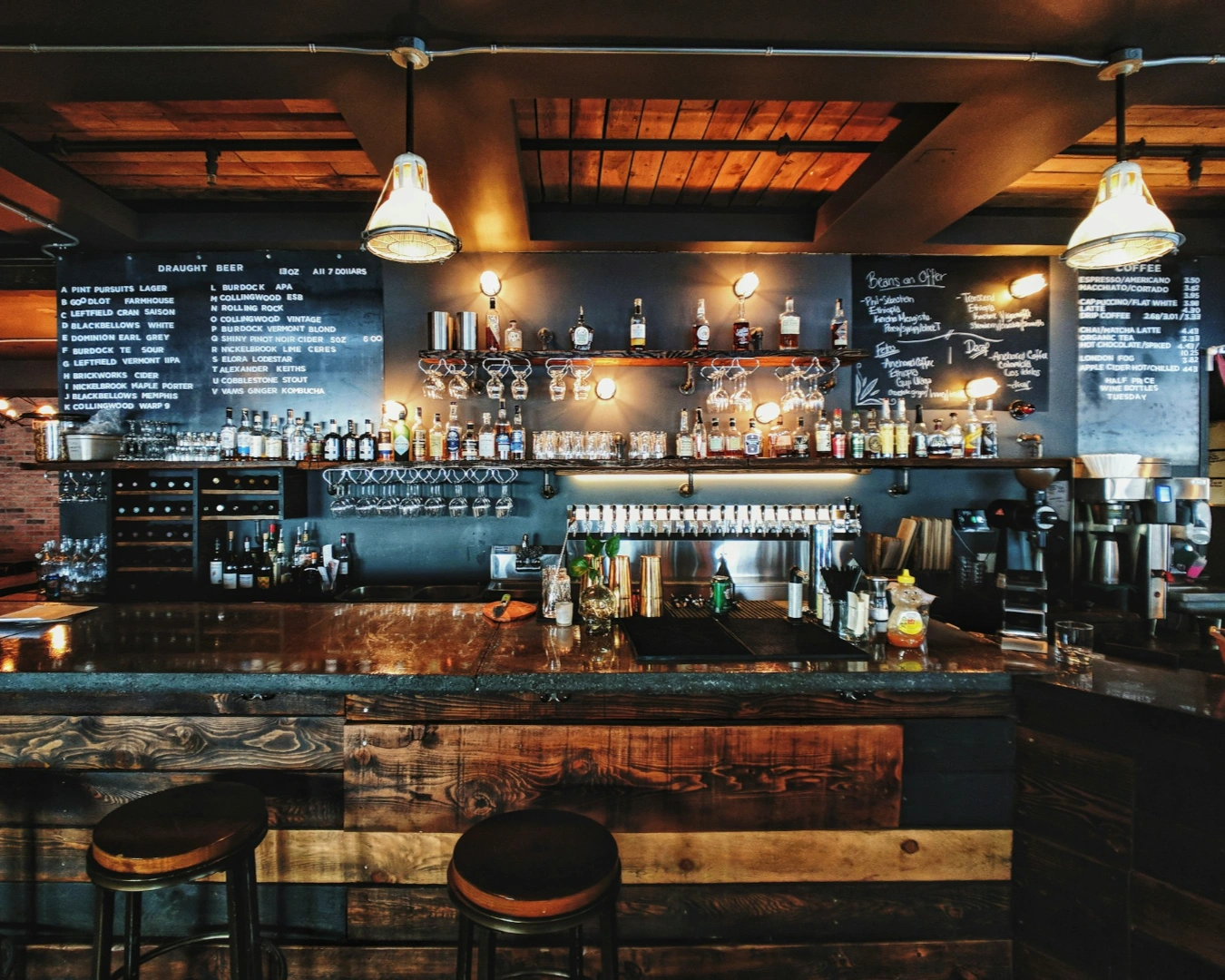
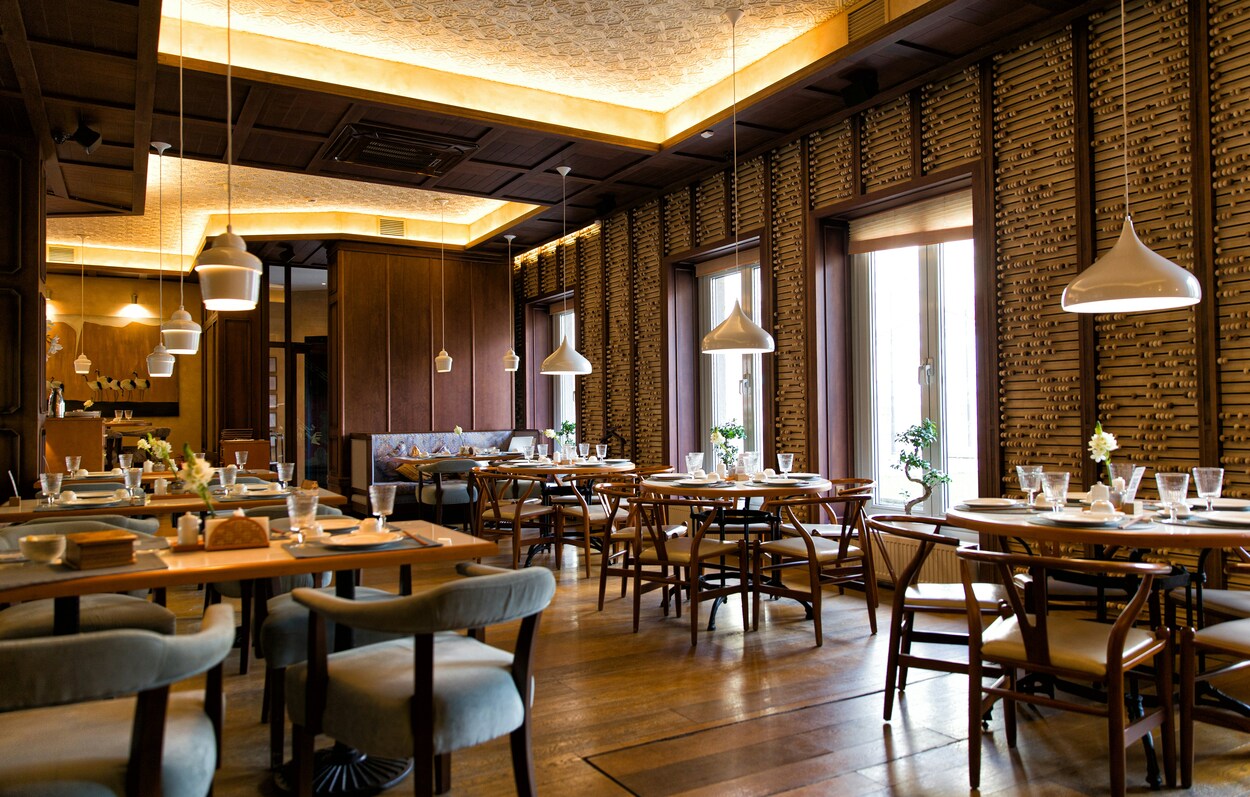
Your restaurant’s interior is a vital part of your identity. Interior design is the three-dimensional expression of your brand. Lighting, furniture, and even menu textures should reflect your values. For example, a rustic Italian eatery might use warm wood accents and handwritten chalkboard menus to reinforce an authentic feel.
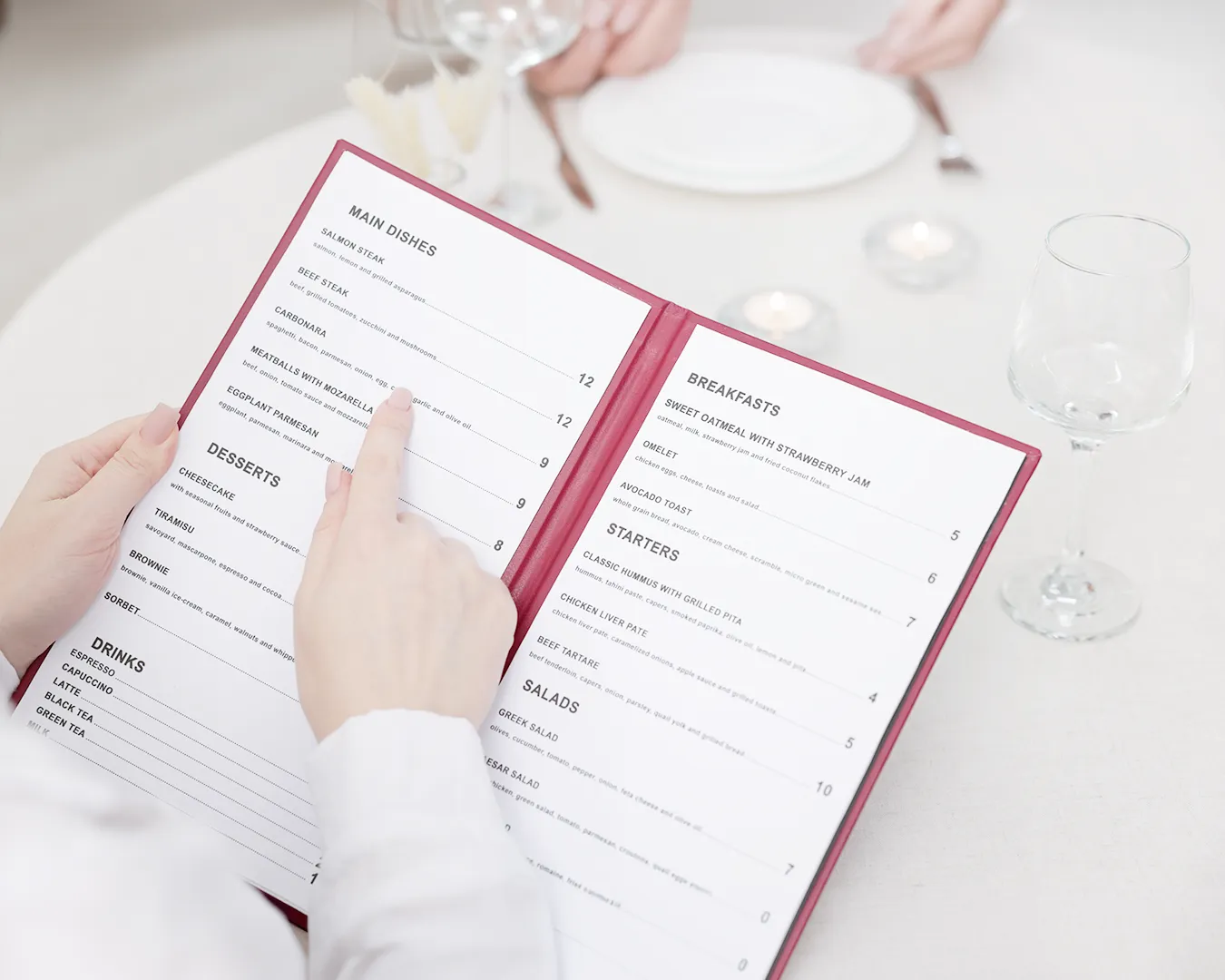
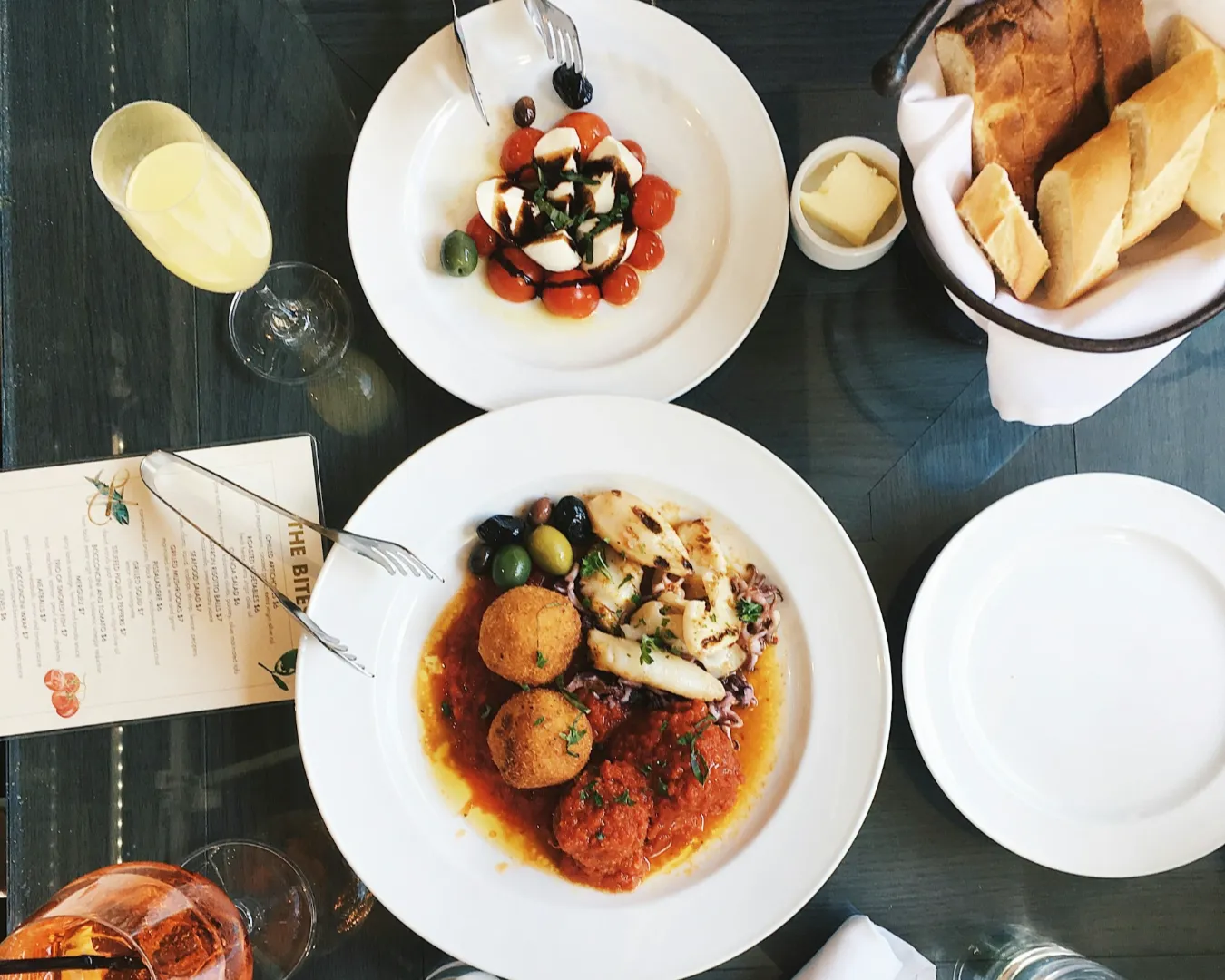
A unique menu with seasonal menu items is also essential. Item names and descriptions should match your established voice: elegant for refined concepts or playful for casual bistros. Paying attention to these small details creates a truly strong restaurant brand.
Cultivating Long-Term Brand Loyalty
Atelier Creations views branding as the foundation for sustainable growth. It distills your culinary vision into a language that speaks directly to your customer base. Rather than following trends, a strategic approach ensures your unique brand remains resilient as the market evolves.
By integrating all the elements—from your mission statement to your interior design—your restaurant can create a cohesive brand identity that leaves a lasting impression. This holistic approach helps attract customers, build customer loyalty, and secure your reputation.
Read more: What Actually Works for F&B Brands: Restaurant Marketing Singapore