In the bustling Singapore F&B scene, content has become the digital menu that diners browse before they even decide where to eat. It is the photos, videos, and stories that communicate your restaurant’s soul. However, many owners, stretched thin by daily operations, fall into common traps. These restaurant content mistakes can undermine your hard work, creating a digital presence that fails to do justice to the quality of your food and service.
The good news is that most of these errors are not about a lack of budget or a need for fancy equipment. They are about strategy and perspective. By understanding these pitfalls, you can create content that genuinely connects with customers and reflects the true character of your establishment.
1. Focusing Only on Promotions

A constant barrage of “20% Off” or “Happy Hour” posts can quickly train your audience to only care about discounts. While promotions have their place, your content should do more than just sell. It should build a brand.
One of the most common content mistakes for restaurants is failing to tell a story. Share the “why” behind your business. Introduce your chef, talk about the farmer who supplies your vegetables, or explain the inspiration for a new dish. Content that educates and entertains builds a relationship, turning followers into loyal advocates who value you for more than just a cheap deal.
2. Inconsistent Visuals and Voice
Does your Instagram look like it belongs to three different restaurants? One day it is a dark, moody photo of a cocktail, and the next it is a bright, blurry snapshot of the kitchen. This visual whiplash is confusing for your audience.
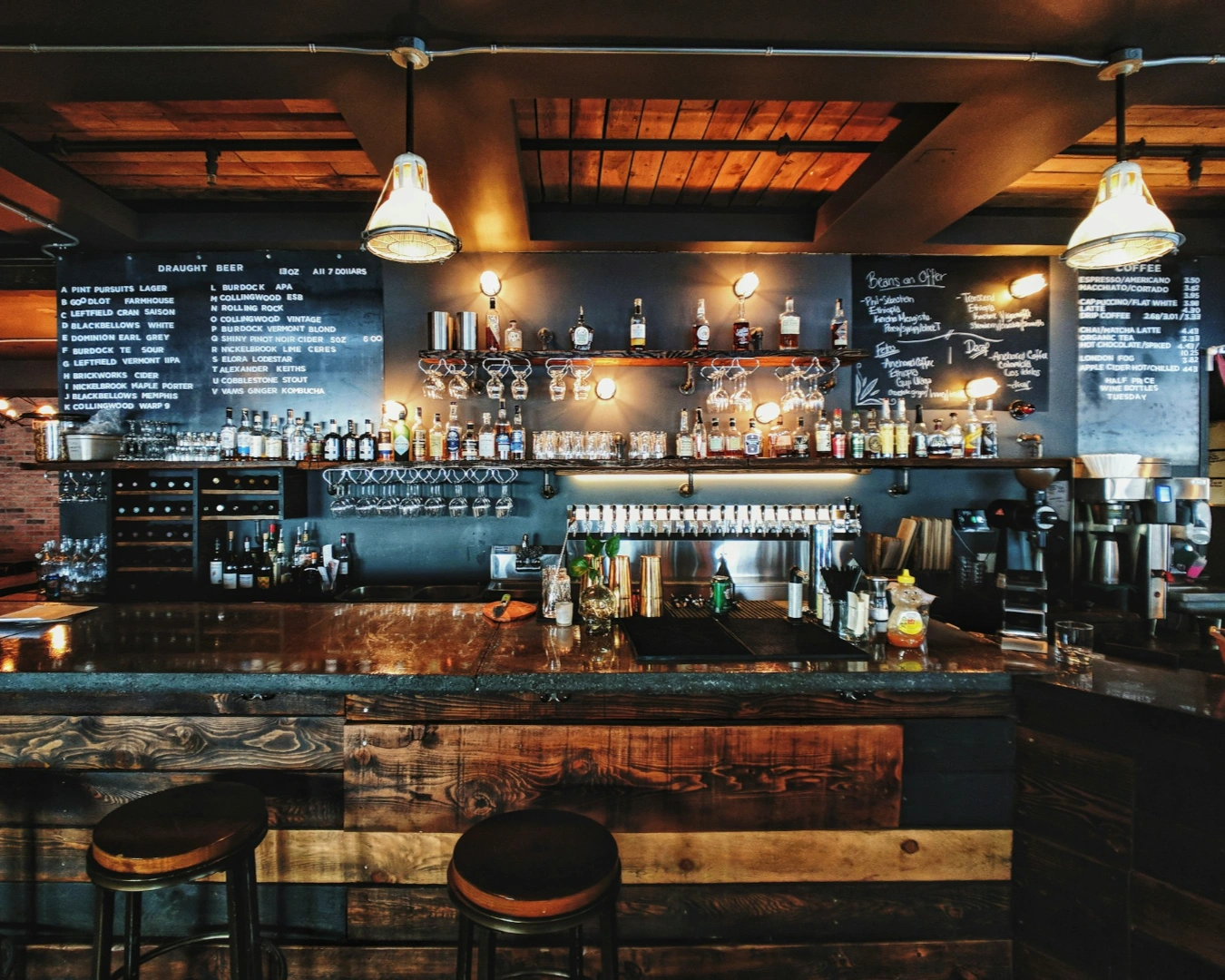
Consistency is a cornerstone of trust. Your content should have a cohesive visual style and a consistent tone of voice that reflects your brand’s personality. If your restaurant is warm and rustic, your photos should feel that way too. At Atelier Creations, we guide clients to create a simple style guide to ensure every post, caption, and story works together to build a strong, recognizable brand identity.
3. Poor Quality Photography
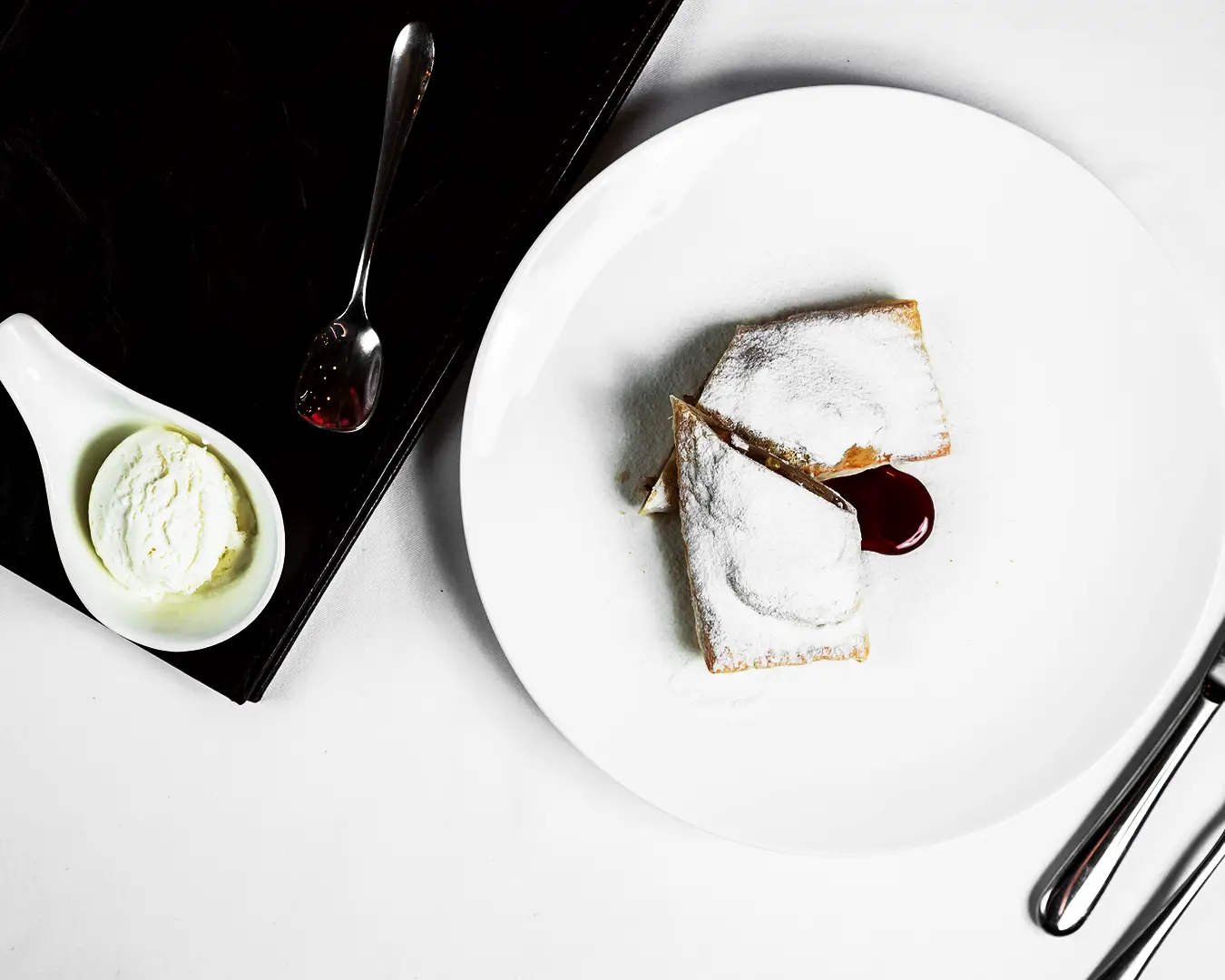
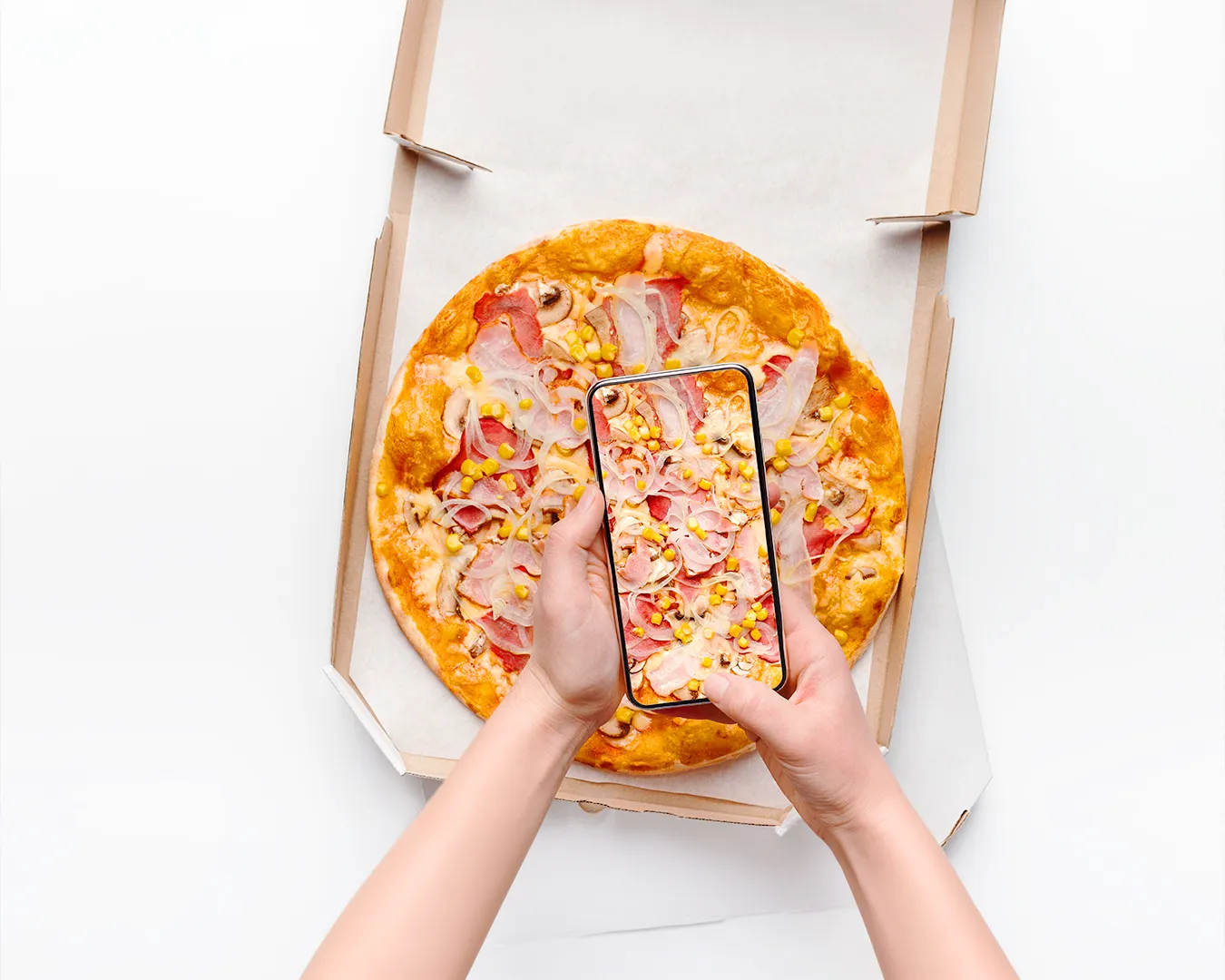
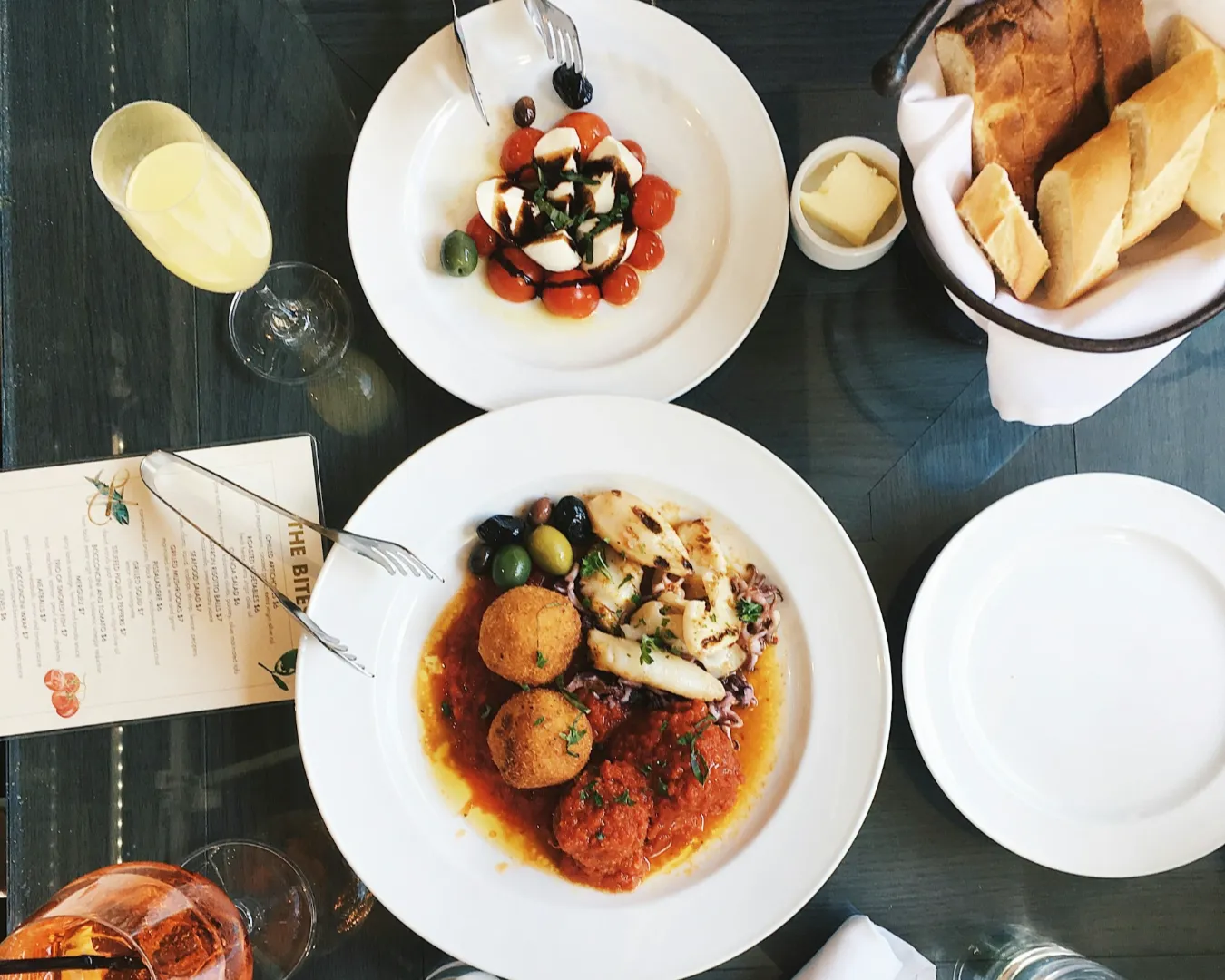
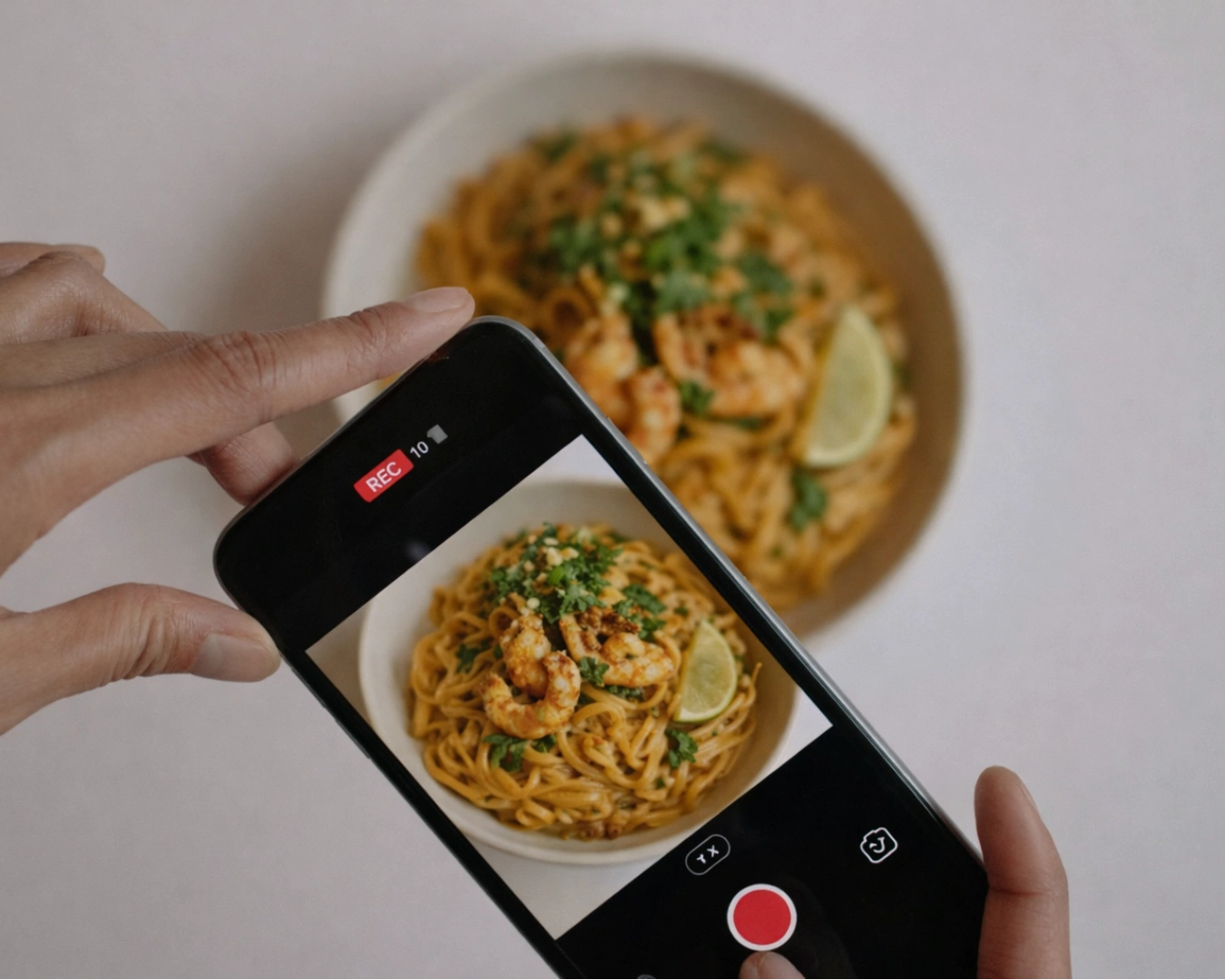
In the food industry, people taste with their eyes first. Grainy, poorly lit, or unappetizing photos are the digital equivalent of a dirty storefront. They signal a lack of care and professionalism, which customers can subconsciously associate with your food and hygiene standards.
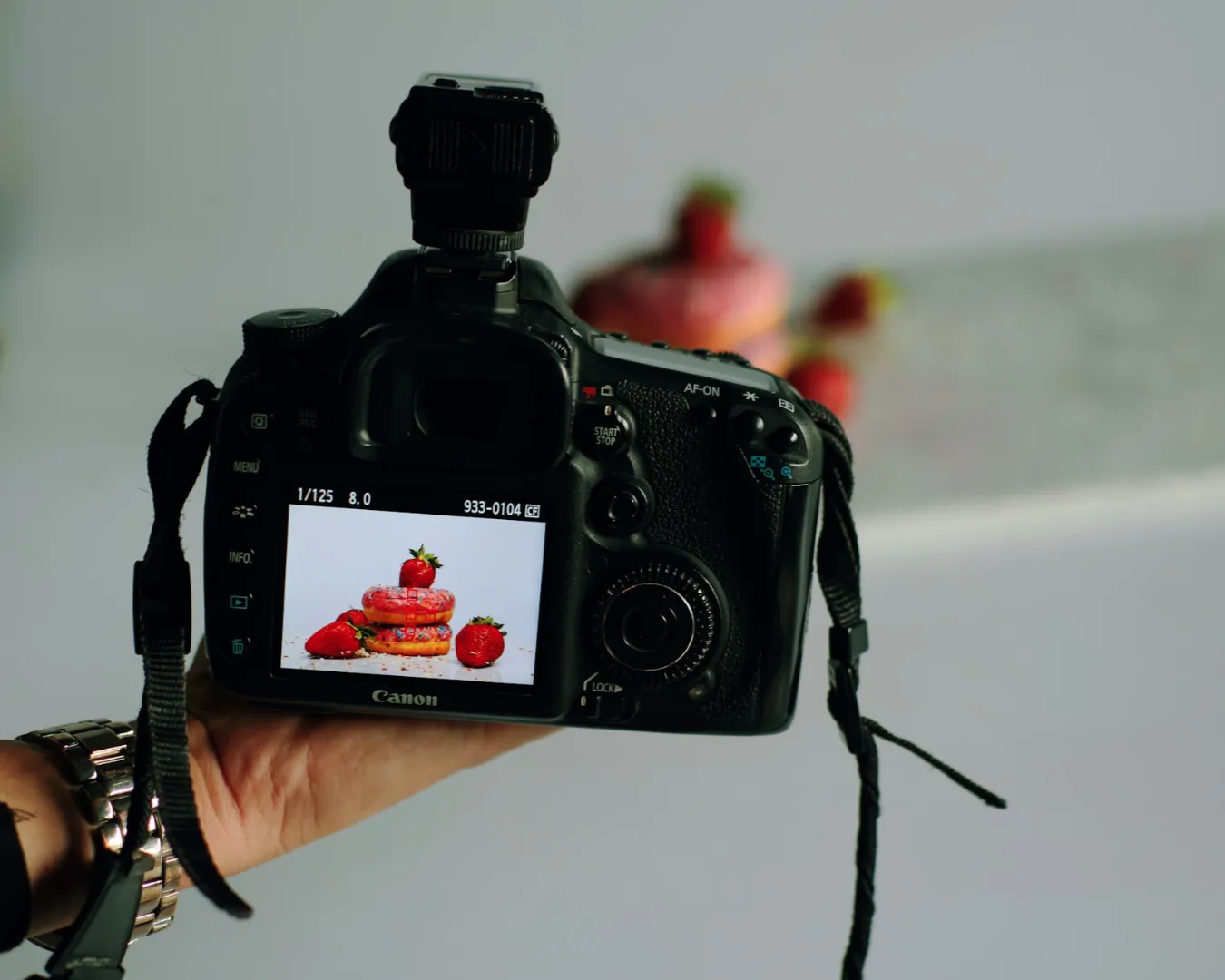
You don’t need a Hollywood budget, but you do need to prioritize quality. One of the most impactful ways to how to improve restaurant content is to learn basic food photography principles—like using natural light—or to invest in a professional photoshoot once or twice a year. High-quality images are assets you can use across your website, social media, and menus for months to come.
4. Ignoring Your Community
Content is a two-way conversation, not a one-way broadcast. A major mistake is posting content and then ignoring the comments, questions, and tags that follow. When a customer takes the time to praise your food or ask about a dish, a prompt and friendly response extends your hospitality into the digital realm.
Similarly, user-generated content (UGC)—photos and stories shared by your guests—is marketing gold. Reposting this content (with permission) is powerful social proof. It shows you appreciate your customers and lets their genuine experiences speak for you.
5. Being Irregular and Reactive

Posting five times in one week and then going silent for a month is a common symptom of a reactive content strategy. This inconsistency disrupts your momentum and makes your brand seem unreliable. It often happens when owners post only when they feel panicked or have a last-minute promotion.
Here are some restaurant content strategy tips to fix this:
- Plan ahead: Dedicate a few hours each month to plan your content.
- Batch create: Shoot photos for multiple posts in one session.
- Keep it simple: It is better to post three high-quality, on-brand posts a week than to post seven mediocre ones.
Shifting from Content Creator to Brand Storyteller
If you find yourself making these restaurant content mistakes, don’t be discouraged. The feeling of being on a content treadmill is a shared experience among busy owners. The solution is not to work harder, but to work smarter.
Take a step back and look at your content as a whole. Does it tell a clear and consistent story about your restaurant? If not, refining that narrative is the most valuable marketing move you can make. A clear strategy turns content creation from a daily chore into a powerful tool for building a brand that lasts.