
Choosing a partner to help build your restaurant’s brand is a significant decision. The right agency can bring clarity and direction, while the wrong one can lead to wasted time and resources. As a restaurant owner, your focus is on creating exceptional experiences for your guests. Understanding a few common restaurant agency red flags can help you find a partner who truly supports that mission, rather than distracting from it.
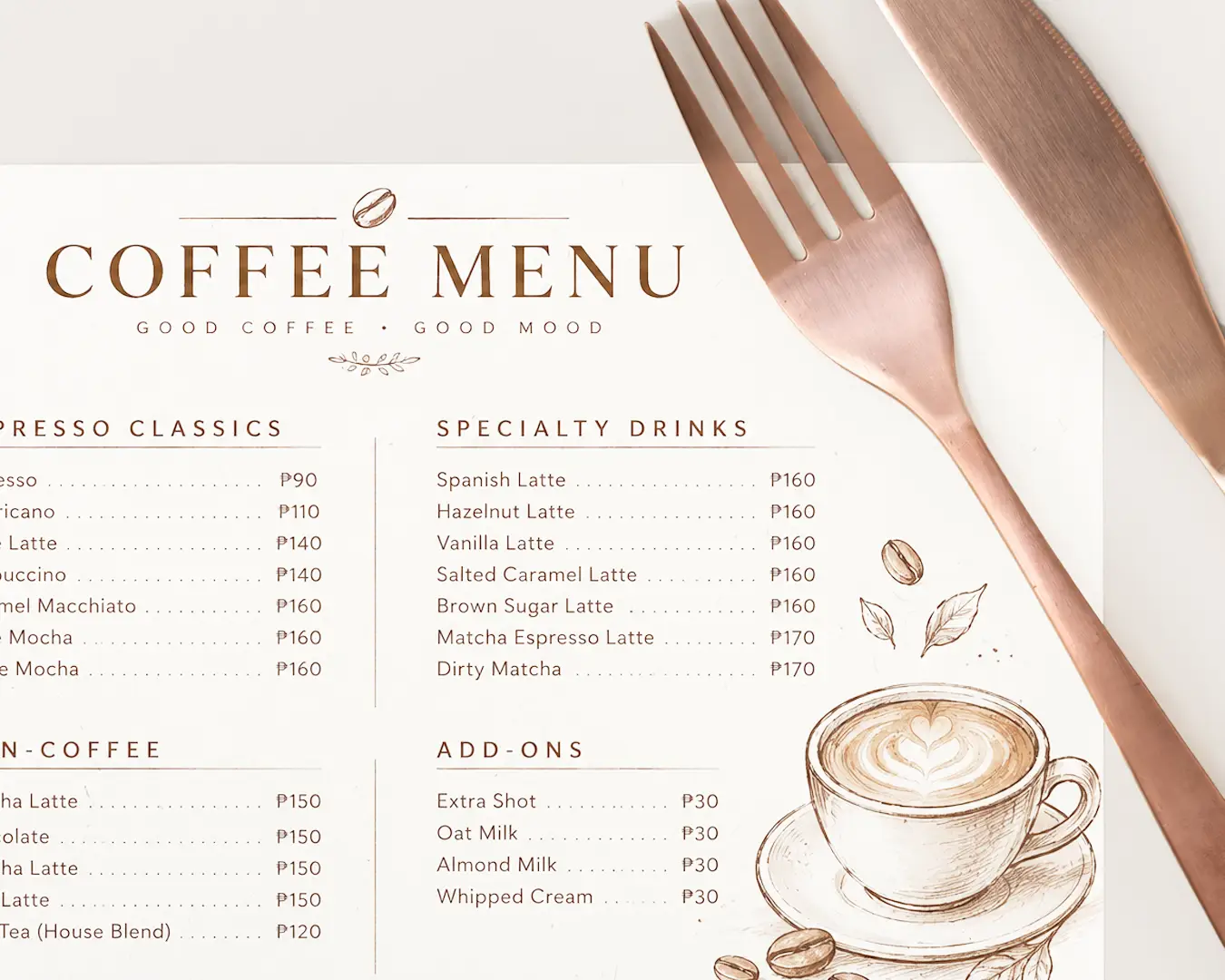
A strong brand goes far beyond a sleek logo or a high posting frequency on Instagram. It is the consistent narrative woven through every guest interaction: from the tactile feel of your menu to the ease of your online booking system. If an agency suggests tactics that feel misaligned with your restaurant’s core identity, it’s a major red flag that they’ve skipped the foundational work necessary to understand your vision.
They Promise Instant Results and Guarantees

One of the most telling signs of a poor fit is an agency that promises immediate, guaranteed outcomes. Building a reputable F&B brand takes time. It involves understanding your customers, refining your message, and consistently showing up where it matters.
Be cautious of partners who over-focus on vanity metrics like follower counts or “going viral.” These are often fleeting and rarely translate to loyal customers or a stronger bottom line. A reliable partner will set realistic expectations, focusing on steady, sustainable growth that aligns with your long-term business goals. Their strategy should be about building a brand that lasts, not just creating short-term noise.
Their Portfolio Lacks Cohesion or Depth
When you review an agency’s past work, look beyond the surface aesthetics. Do their client projects look suspiciously similar? An agency that applies the same visual template or marketing formula to every client may not have the strategic depth to understand what makes your brand unique.
A strong portfolio should showcase a range of distinct brand identities, each tailored to a specific audience and concept. This demonstrates an ability to listen and adapt. It shows they invest time in understanding a client’s vision before executing on it. This is a key part of how to avoid branding mistakes that can dilute your restaurant’s identity.
They Sidestep Strategy and Jump to Tactics

Does the conversation immediately turn to tactics like social media posts, ads, or website mockups without first discussing your brand’s foundation? This is a significant red flag. Execution without a clear strategy is just guesswork.
Before any creative work begins, a thoughtful agency will ask probing questions about:
- Your target audience and their preferences.
- Your brand’s personality and core values.
- Your long-term business objectives.
- Your operational realities.
Skipping this discovery phase often leads to disjointed marketing efforts and a brand that feels inconsistent. Good strategy is the blueprint for everything that follows, from your website design to your content.
Spotting Restaurant Agency Red Flags to Protect Your Brand

For new and established F&B owners alike, the details matter. That’s why many of our restaurant branding tips for new owners center on building a solid foundation. An agency should act as a guardian of your brand, ensuring every element works together harmoniously. This includes a clear process, transparent communication, and a shared understanding of what success looks like for you.
When an agency focuses more on their own creative impulses than on your brand’s strategic needs, it’s a signal that the partnership may not be built for the long haul.
Building a Brand That Lasts
Your brand is your restaurant’s most valuable asset. It’s the reason a customer chooses you over a competitor and the feeling that brings them back. Protecting it means choosing partners who respect the slow, deliberate work of building something meaningful.
If you’ve felt that your current marketing efforts lack direction or consistency, it might be time to reassess your approach. Our guide, Choosing a Restaurant Marketing Agency Singapore: What to Look For can help you navigate this transition and find the right partner for your brand. Taking a step back to review your brand’s core message and visual identity can bring renewed clarity and purpose to your marketing.