If you think your kitchen’s consistency is enough to keep your tables full, you are ignoring the reality of the Singaporean market. Good food is a baseline requirement, not a competitive advantage. You can have the best recipe for beef rendang or the most precise sourdough in the city, but if your brand identity is stuck in a previous decade, your revenue will eventually stall. Understanding when restaurants should rebrand is often the difference between a legacy business and a closed shutter.
Identify the Friction Between Your Product and Your Image
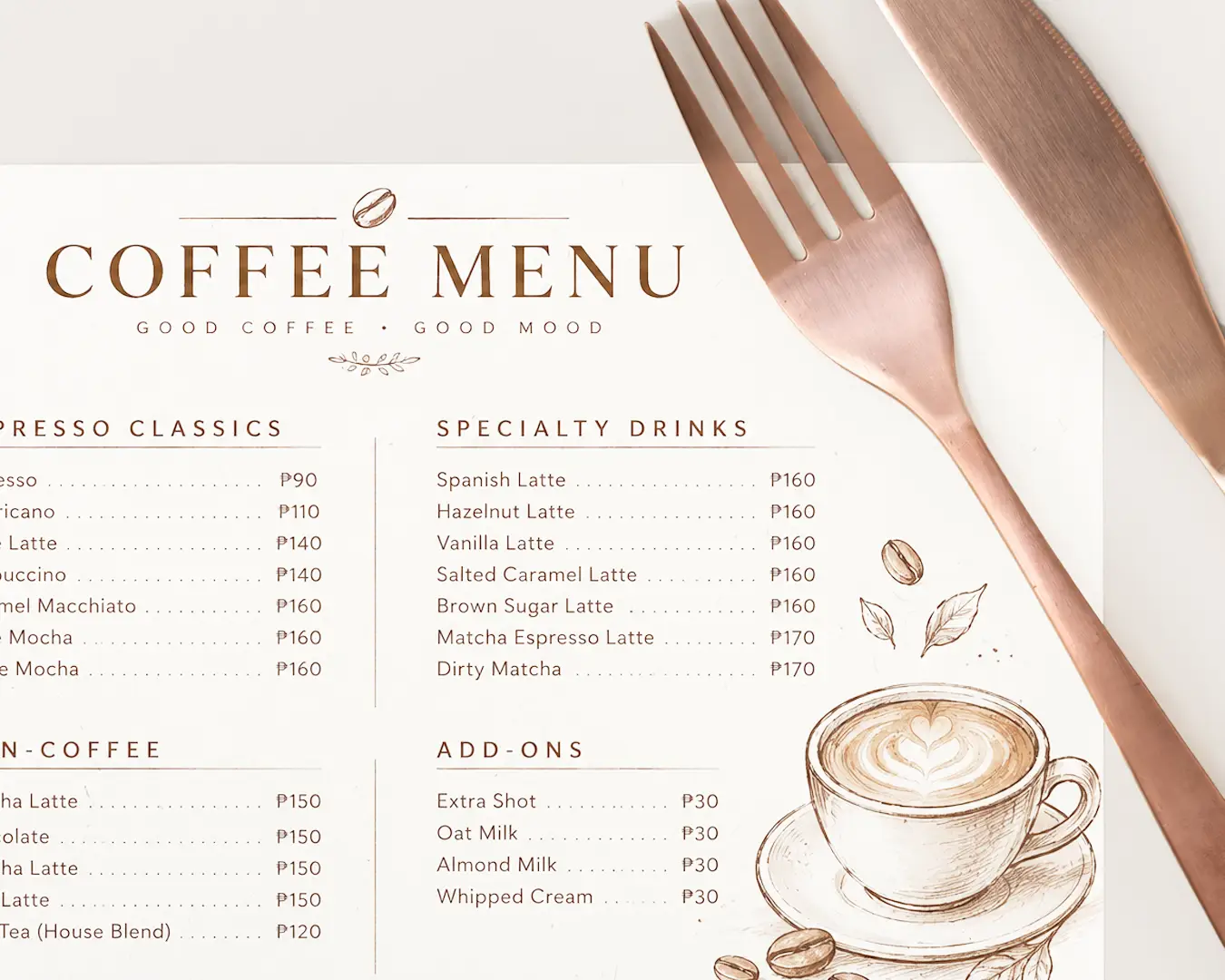
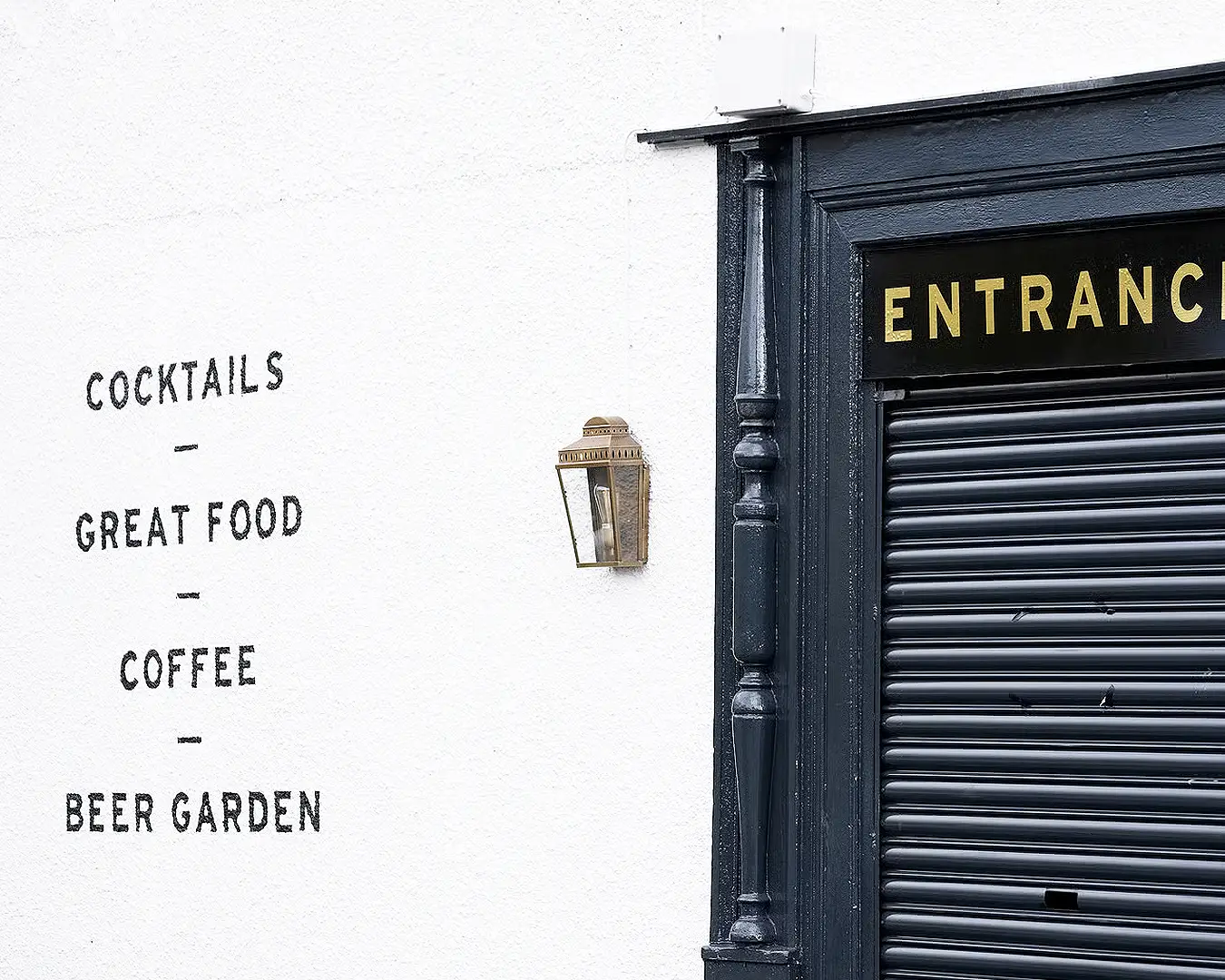
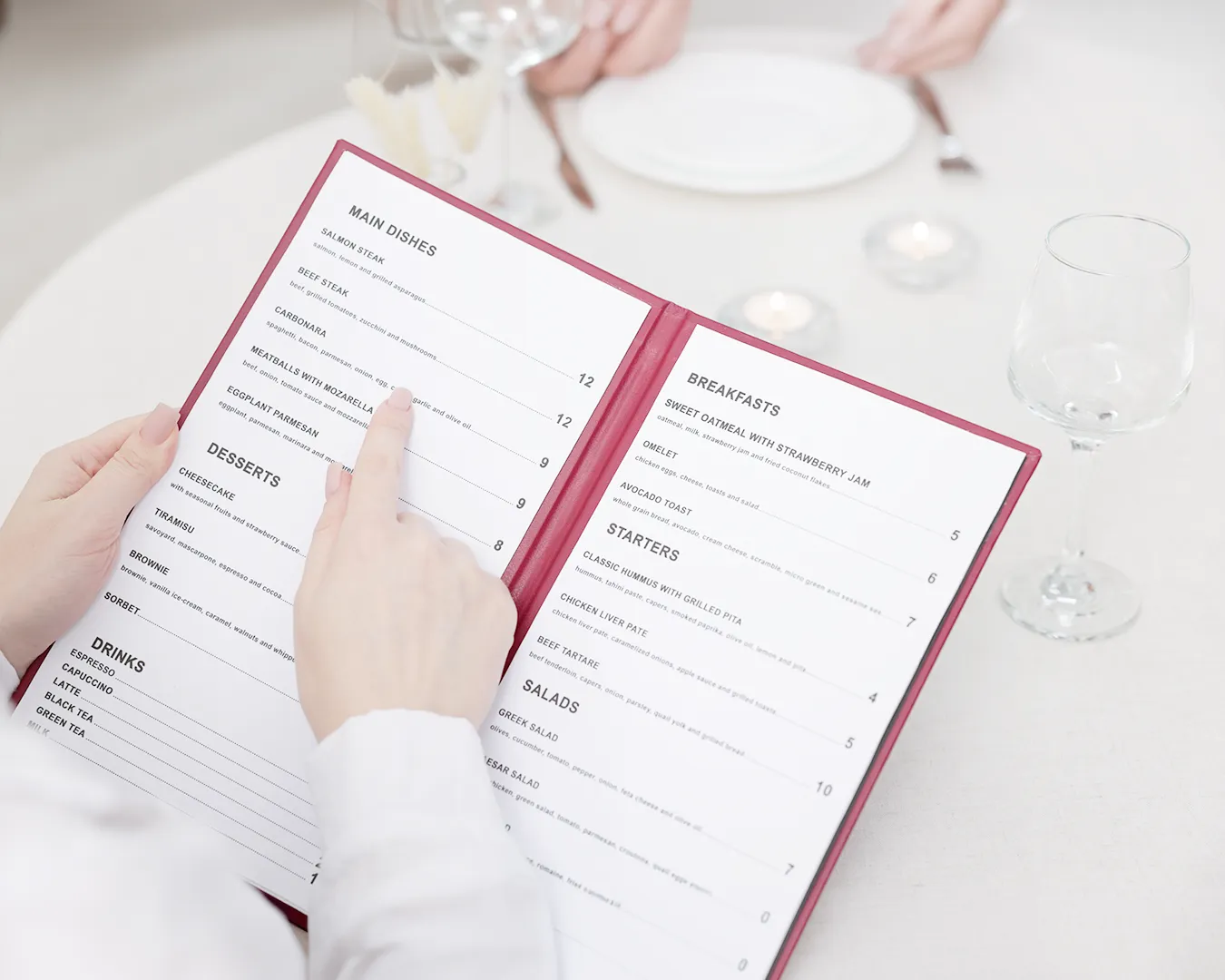
Think about the moment a potential guest finds you. They aren’t tasting your food yet. They are looking at your signage, your menu design, and your social media presence. If your product is premium but your brand looks dated, you are creating a cognitive disconnect.
This friction is the primary indicator of when restaurants should rebrand. When the visual and emotional cues of your business no longer match the quality of the output from your kitchen, you are actively confusing your audience. A confused customer is a customer who chooses a competitor. You cannot cook your way out of a brand problem. You have to solve it through a deliberate evolution of your identity.
Recognize the Signals of a Dated Business
Most owners wait too long. They wait until the P&L is in the red for six consecutive months before considering a change. By then, you are acting out of desperation rather than strategy.
Look for the subtle signs. Is your customer base aging while younger demographics ignore you? Does your brand look out of place on a modern delivery app interface? If your business feels like a relic of the past, it is. A restaurant brand must evolve to stay relevant to the current market’s visual and social language. Repositioning is not about chasing every passing trend; it is about ensuring your brand remains a viable option in a crowded field.
Prioritize Strategy Over Aesthetic Repairs
At Atelier Creations, we see owners make the mistake of thinking a new logo is a fix. They change the font and hope the seats will fill. This is a superficial solution to a structural problem.
We approach rebranding as a strategic overhaul. Before we talk about colors or interior design, we talk about your brand’s position in the market. We look at your operational strengths and your long-term goals. We prioritize strategy and consistency before any execution begins. A brand is a system of beliefs and behaviors. If the underlying strategy is weak, a new coat of paint will not save the business. We help you build a brand that is durable and capable of long-term growth.
Execute With Operational Reality in Mind
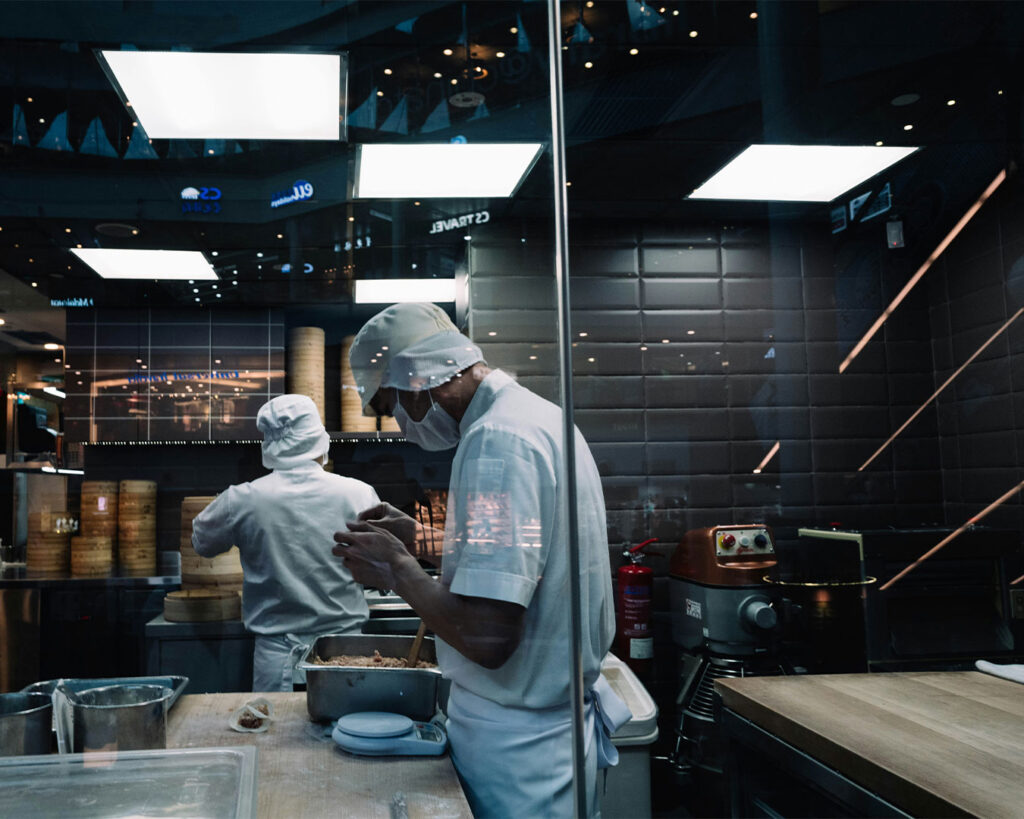
A successful rebrand must survive the reality of a busy service. It is easy to design a beautiful brand on a computer screen. It is much harder to implement that brand across multiple outlets, varying staff levels, and diverse customer touchpoints.
When we guide a brand through an evolution, we ensure the new identity is grounded in how you actually operate. It should simplify your communication, not complicate it. Every new element: from the way you describe your dishes to the way your staff interacts with guests, must be consistent. This consistency is what builds trust over time. When your brand identity is as sharp as your kitchen’s execution, you become a landmark.
Secure Your Legacy for the Next Decade
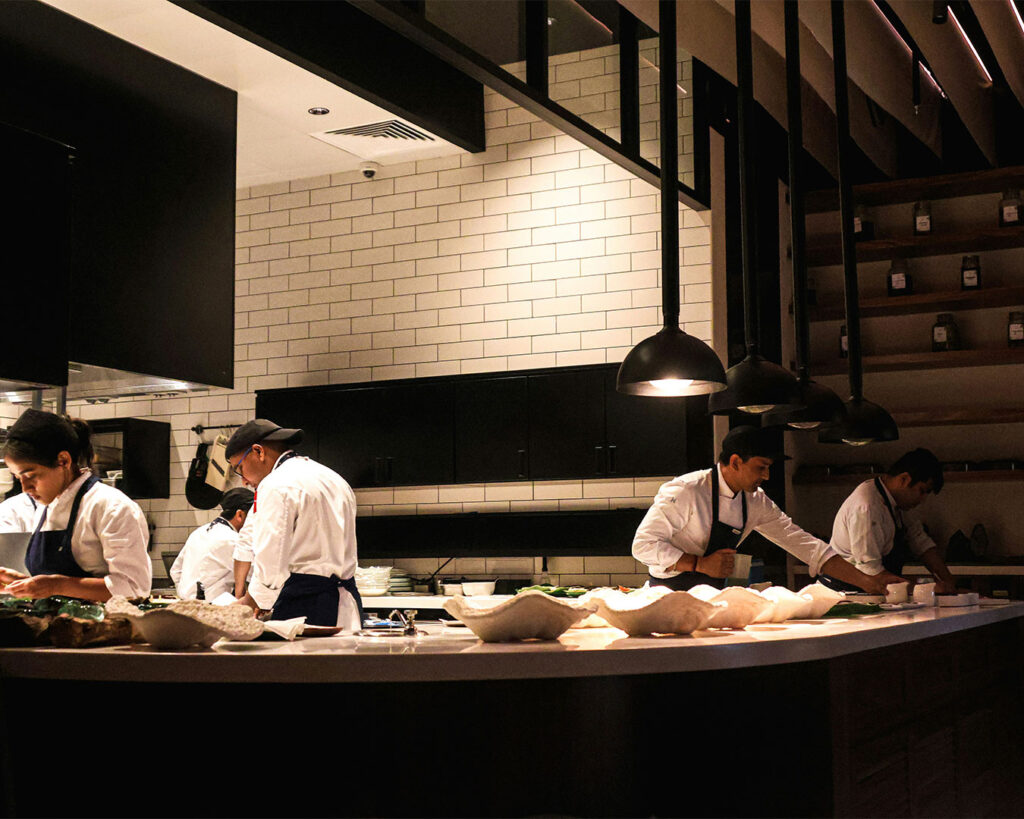
Rebranding is not an admission of failure. It is a sign of leadership. It shows that you are paying attention to the market and that you care about the longevity of your business.
The goal of a rebrand is to remove the obstacles between your food and your guests. When your brand accurately reflects the quality of your product, you stop fighting for attention and start commanding it. It is a quiet, powerful shift that sets the stage for your next decade of success.