
Running a restaurant in Singapore often feels like a constant race. Between managing operations, staff, and food quality, finding time to promote your business can be overwhelming. Yet, in a city obsessed with food, visibility is everything. This is where digital marketing for restaurant businesses becomes essential. It is not about chasing every trend on TikTok; it is about building a sustainable system that brings more customers through your doors.
For many restaurant owners, the digital landscape is confusing. You might wonder if you need to pay for ads, hire influencers, or send weekly emails. The truth is, you don’t need to do everything. You just need a focused digital marketing strategy that respects your time and budget while connecting with the right diners.
Building a Foundation Beyond Social Media Marketing
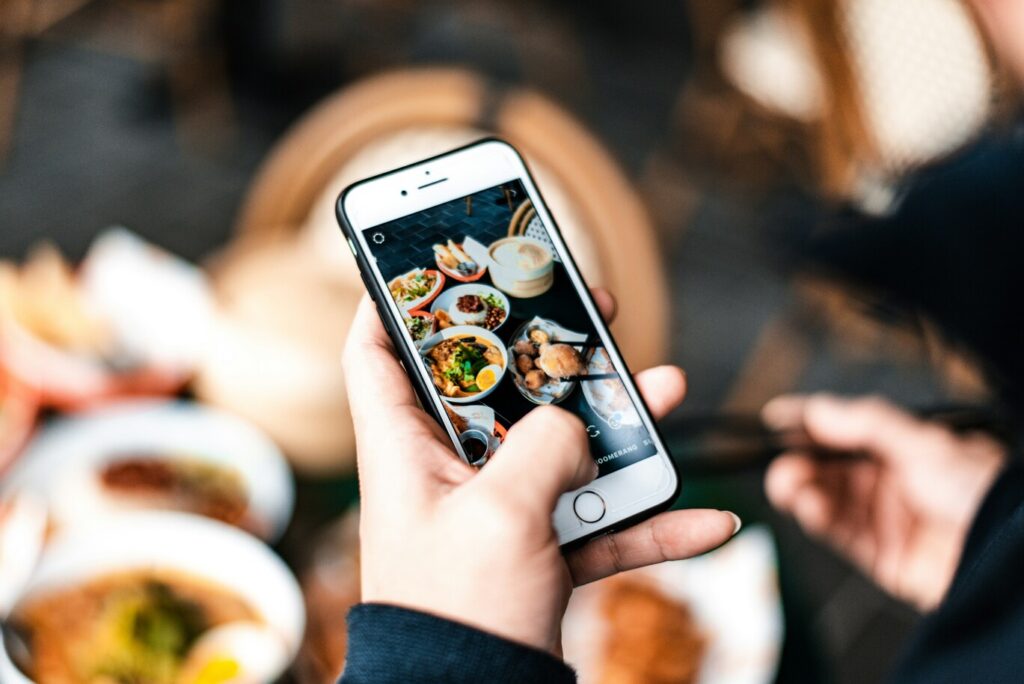
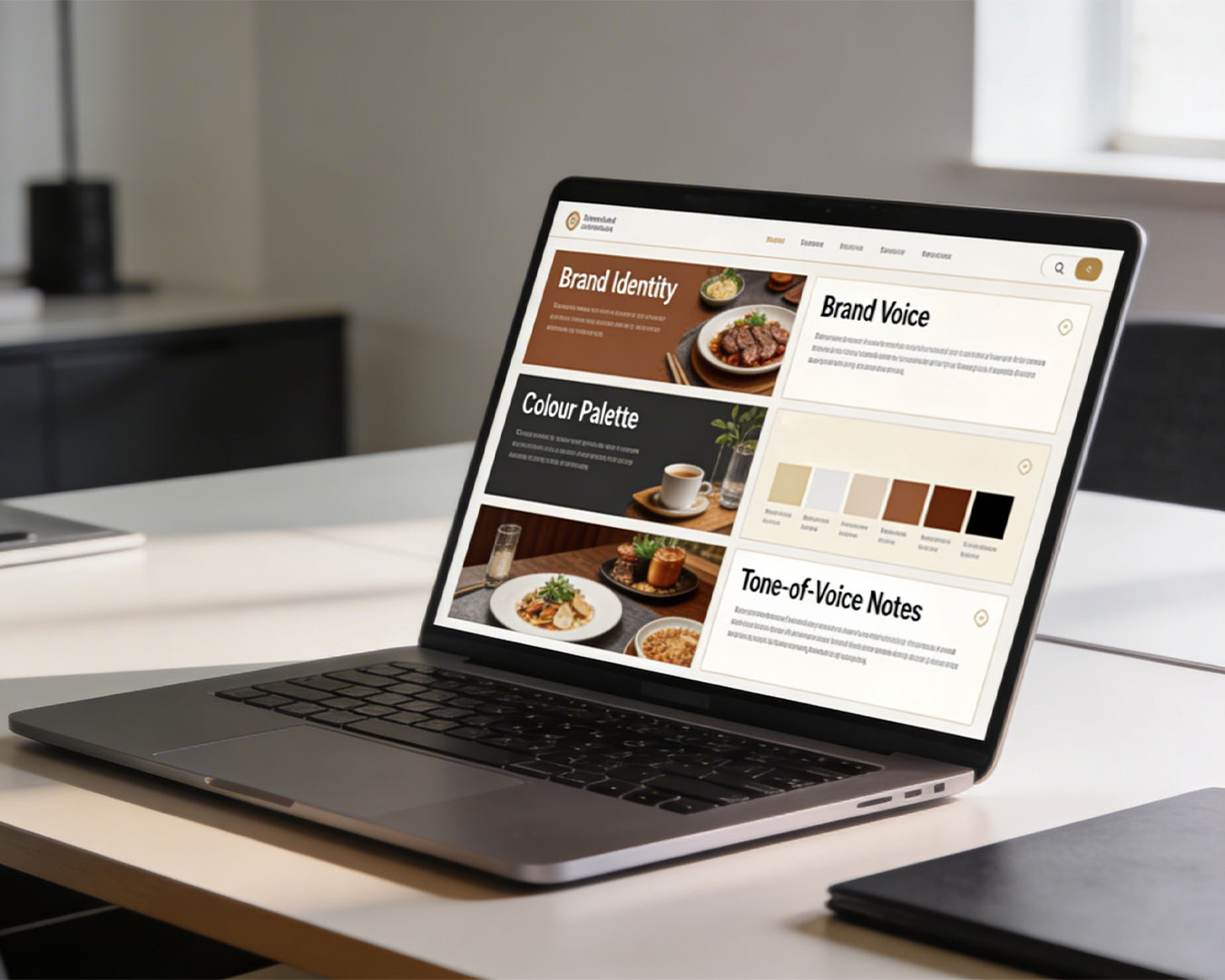
Many restaurant owners mistake social media marketing for a complete digital marketing strategy. While Instagram and TikTok are vital for visual appeal and increasing your restaurant’s online visibility, they are only pieces of a larger puzzle. A strong online presence is built on a foundation of brand identity and consistent restaurant marketing efforts.
Before investing in online ads or paid advertising, it is essential to define what your brand stands for. If your digital touchpoints do not reflect the quality of your physical space, you risk losing potential customers before they even visit.
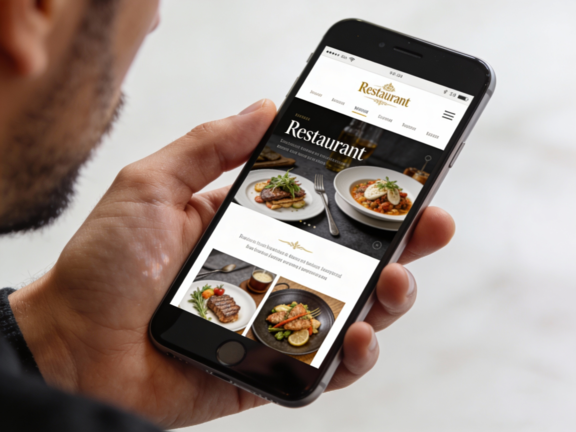
The Role of a High-Performing Website

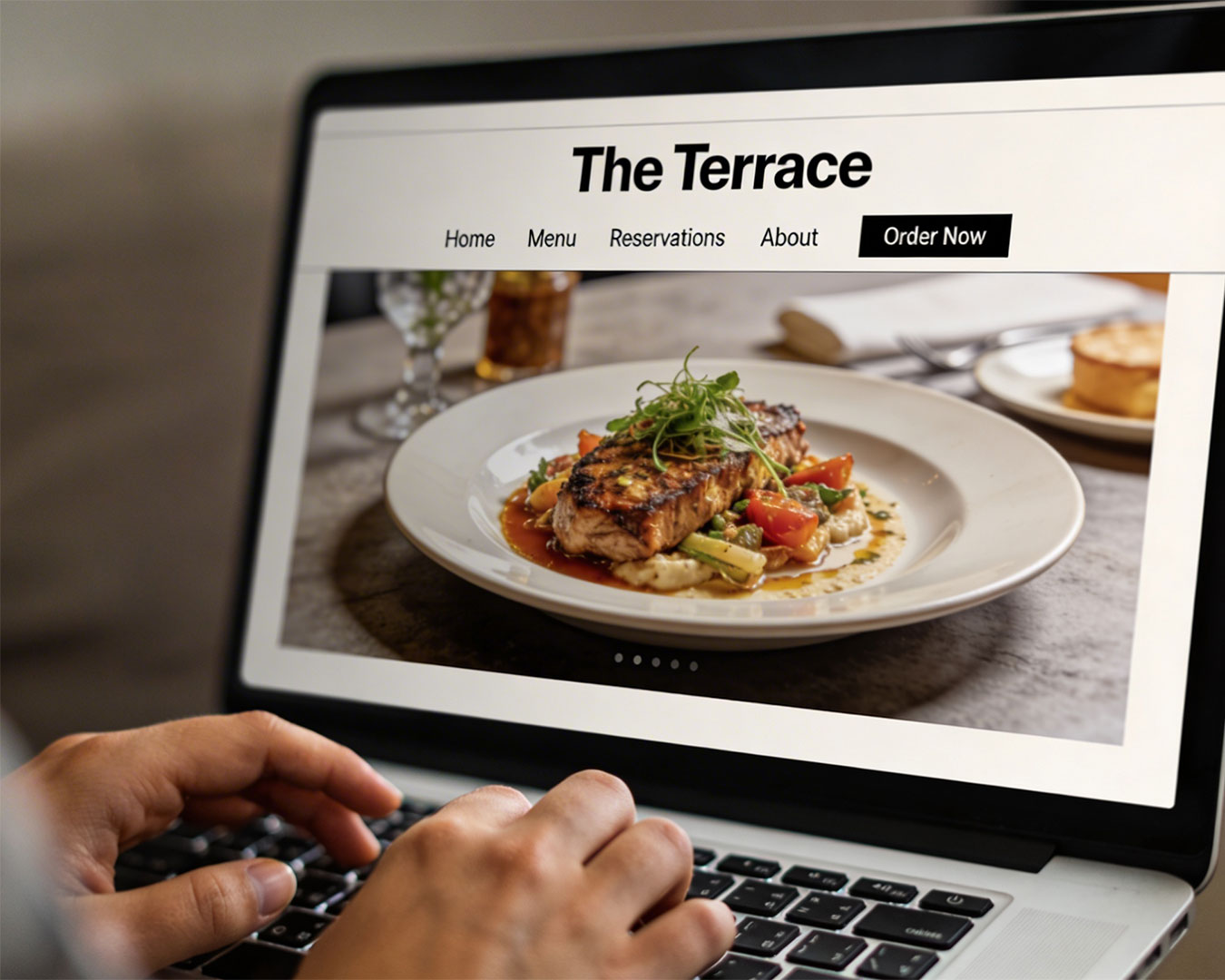
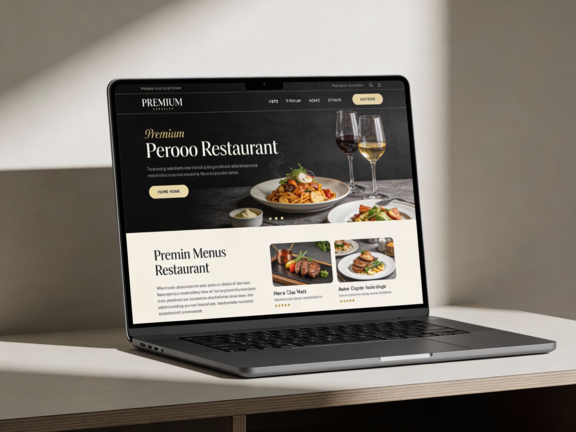
Your website is your only piece of digital real estate that you truly own. Unlike social media platforms, which are subject to algorithm changes, your website serves as the definitive source of truth for your restaurant business.
A professional website should focus on:
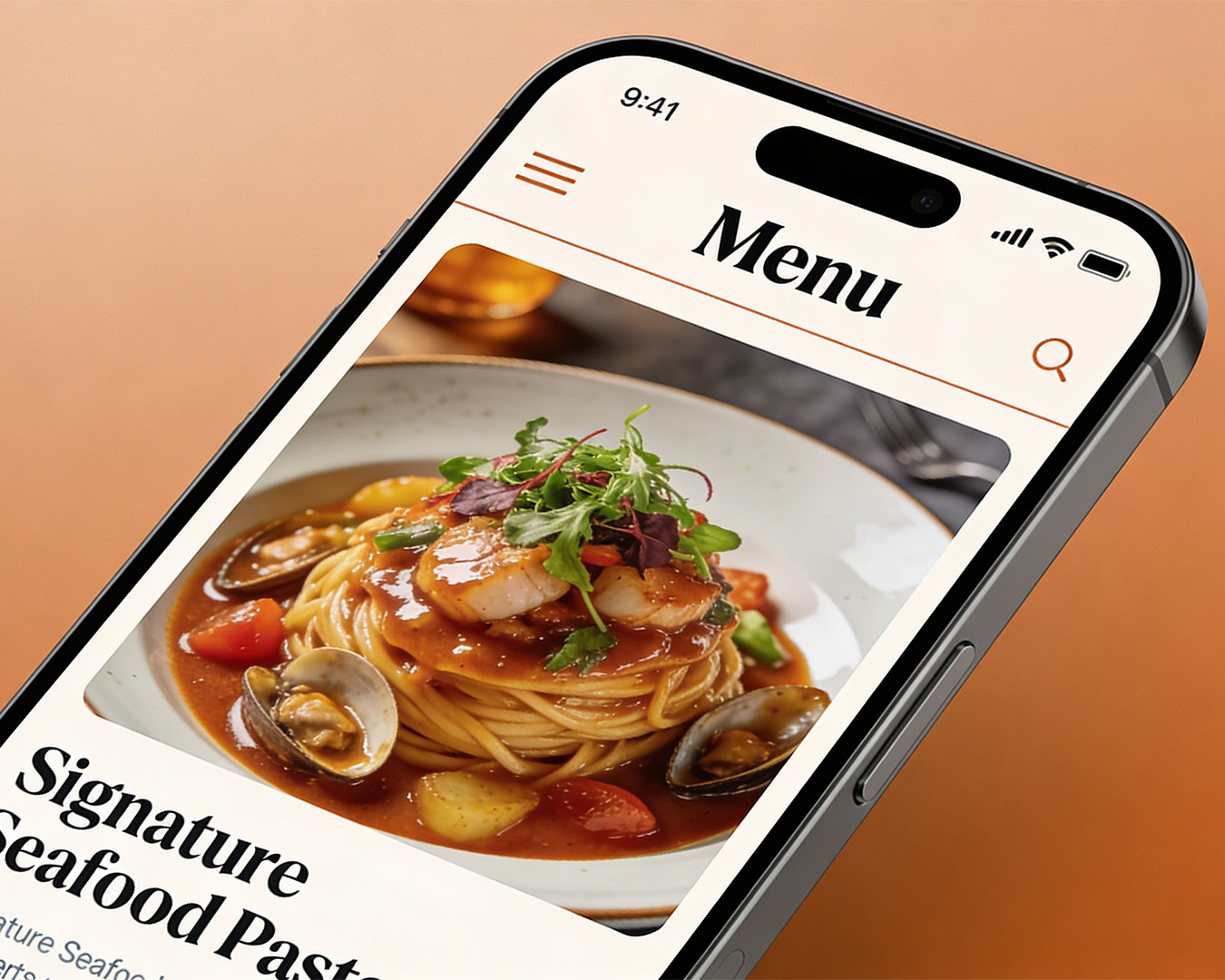
User Experience: Ensuring the site is easy to navigate on mobile devices.
Online Ordering: Providing a seamless way for guests to order directly, which helps in retaining customers and improving the overall customer experience.
Search Engine Optimisation: Using local keywords to ensure you appear when people search for dining options nearby, helping attract more nearby customers.
Increased website traffic is only valuable if the site is designed to encourage customers to make a reservation or place an order. Using tools like Google Analytics can help you track your website’s performance and optimize your marketing campaigns for better results.
Maximising Visibility via Local SEO and Google Business Profile

For F&B brands, restaurant’s online visibility is often determined by local search results. Managing your Google Business Profile is one of the most effective restaurant online marketing strategies.
When a guest searches for a specific cuisine, search engines prioritise businesses with complete profiles and high-quality Google reviews. Actively managing online reviews is not just about damage control; it is about demonstrating customer satisfaction to the public. High ratings and consistent engagement boost sales by building the credibility necessary to attract new customers and more local customers.
Content That Drives Customer Engagement
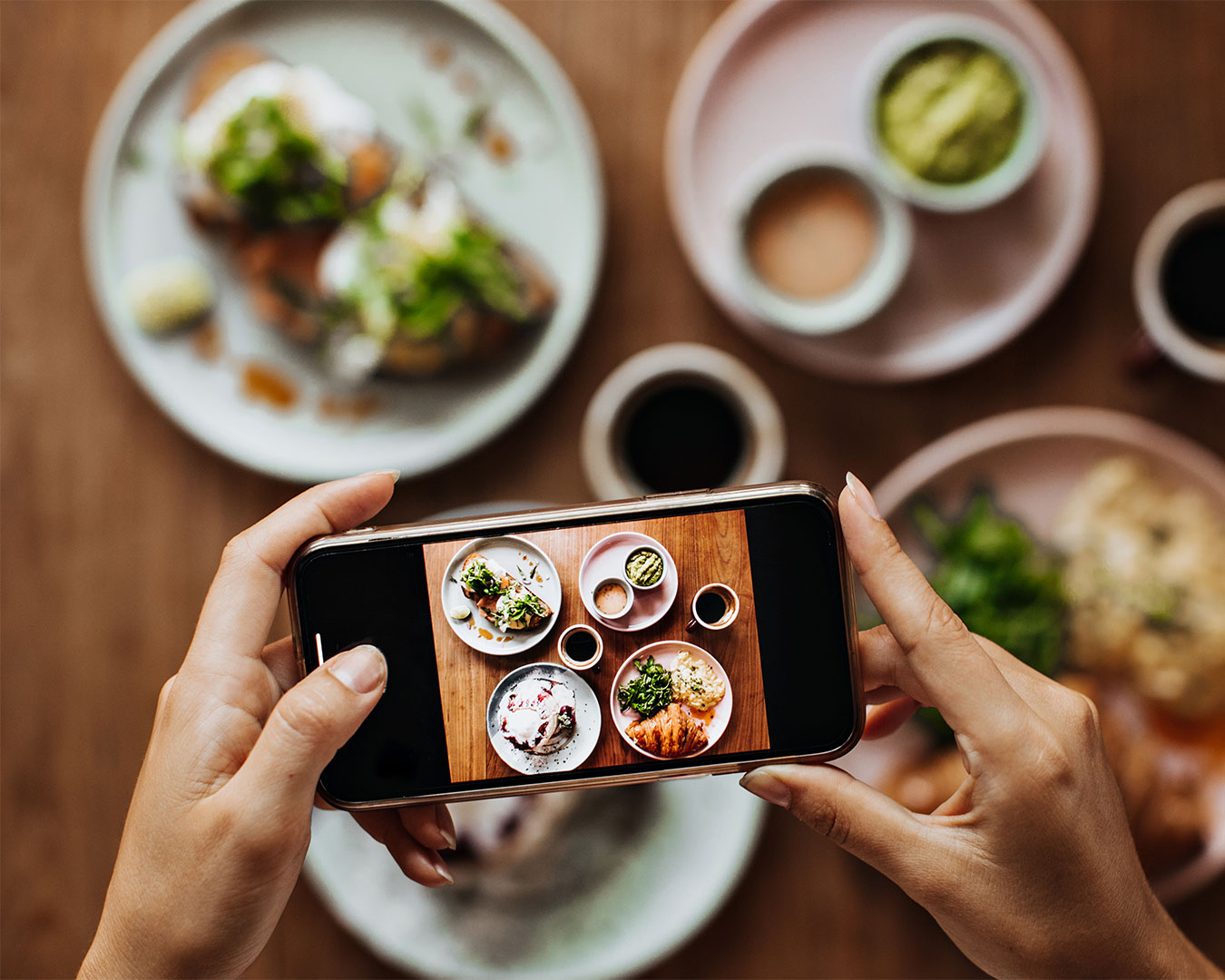
Effective digital marketing should tell a story. Instead of constant promotional shouting, focus on customer engagement. Behind the scenes videos and high-quality photography of menu items help humanise your brand and increase brand recognition.
User generated content is another powerful tool. When guests share their dining experience online, they act as ambassadors. This organic online marketing is often more persuasive to more local customers than traditional online advertising.
Retaining Customers Through Direct Channels
While attracting new customers is important, the long-term health of a restaurant depends on repeat business. Relying solely on third-party delivery platforms can distance you from your loyal customer base.
To encourage repeat visits, consider these direct marketing channels:
Email Marketing: Sending targeted email campaigns about new seasonal menus or exclusive events to past customers.
Loyalty Program: Rewarding your existing customers to foster long-term relationships.
SMS Marketing: A direct way to reach nearby customers with time-sensitive offers.
These marketing efforts allow you to own your data and understand customer behavior without relying on middleman platforms.
Choosing Strategy Over Trends with the Best Digital Marketing Strategy

The restaurant industry moves fast, and it is easy to get distracted by the latest digital tools or social media influencers. However, a sustainable digital marketing plan focuses on consistency rather than chasing temporary hype.
Whether you are using Google Ads, search engine marketing, or electronic direct mail, every tactic should align with your core brand identity. Restaurant marketers who succeed are those who treat their digital channels as an extension of their hospitality and focus on delivering a seamless customer experience.
At Atelier Creations, we help F&B brands find clarity in their execution. We focus on the intersection of design, strategy, and technology to ensure your brand is perceived exactly how you intended.
If you feel your current marketing lacks a cohesive direction, we can help you review your brand’s digital presence to ensure it truly serves your business goals.