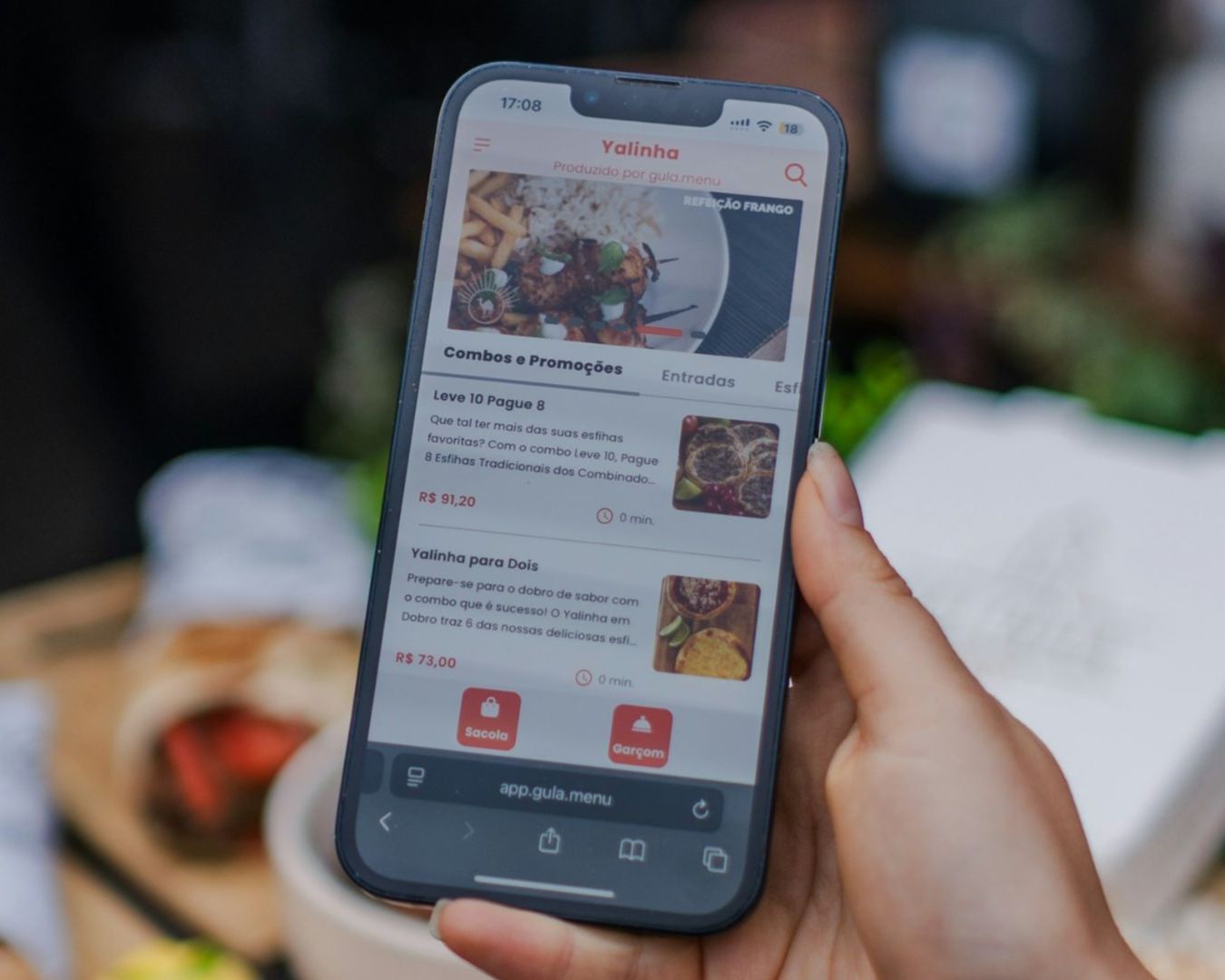

You refresh your food delivery app dashboard. Orders are trickling in. You have been on the platform for months, running promo codes, tweaking photos, maybe even testing a Google Ads campaign. Yet the numbers stay flat. So you ask: is it the food? The pricing? The photos?
It is almost never those things. It is the strategy sitting underneath all of it.
Why Most Food Delivery Marketing Efforts Miss the Point
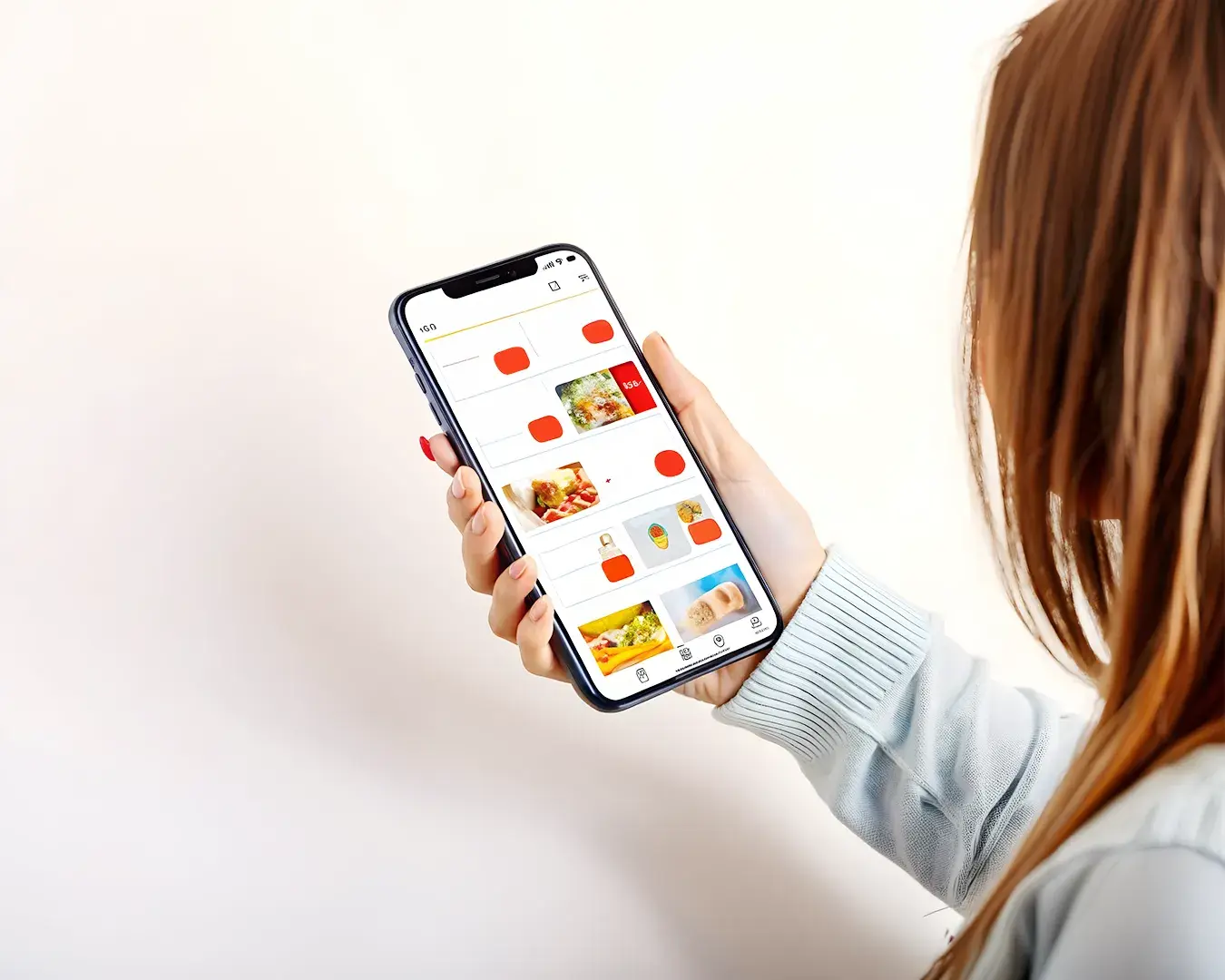
Here is what happens in most food delivery businesses. Owners sign up for a delivery app, list their menu, and wait. When orders do not come, they panic-discount. They throw promo codes at strangers. They run advertising campaigns with no clear audience in mind. Each action is reasonable on its own. Together, they add up to noise.
This is often a result of lacking a focused digital marketing for restaurant strategy that targets the right customers effectively. A real food delivery marketing strategy starts with one question: who are you actually trying to reach, and what do they need to hear?
Your target audience is not “everyone who orders food.” It is the working professional in a specific postal district. It is the family ordering on a Sunday evening. Understanding consumer preferences at that level of specificity sharpens every decision that follows. The clearer the picture, the less every dollar spent goes to waste.
The Channels That Actually Move the Needle
Most restaurants are spread thin across every social media platform available. Inconsistent social media posts. The occasional paid ad. No real system.
Here is a more grounded way to think about your marketing campaigns. Prioritise two or three channels. Do them well. A food delivery service that dominates one channel beats a business that dabbles in five.
For customer acquisition, paid search through Google Ads and app-native advertising campaigns tend to deliver the most trackable returns. Platforms like Uber Eats, GrabFood, and Foodpanda each have built-in tools to help you reach potential customers and drive awareness within your delivery area. Use them with a strategic approach, not as a last resort.
Push notifications and loyalty programs are chronically underused. If someone has already placed delivery orders with you, they are your warmest lead. A well-timed message to existing customers costs almost nothing and drives repeat orders far more reliably than chasing new subscribers.
What Search Engine Optimisation Actually Does for Delivery

Many owners treat search engine optimisation as something for large groups with full marketing teams. That is a mistake in today’s competitive landscape.
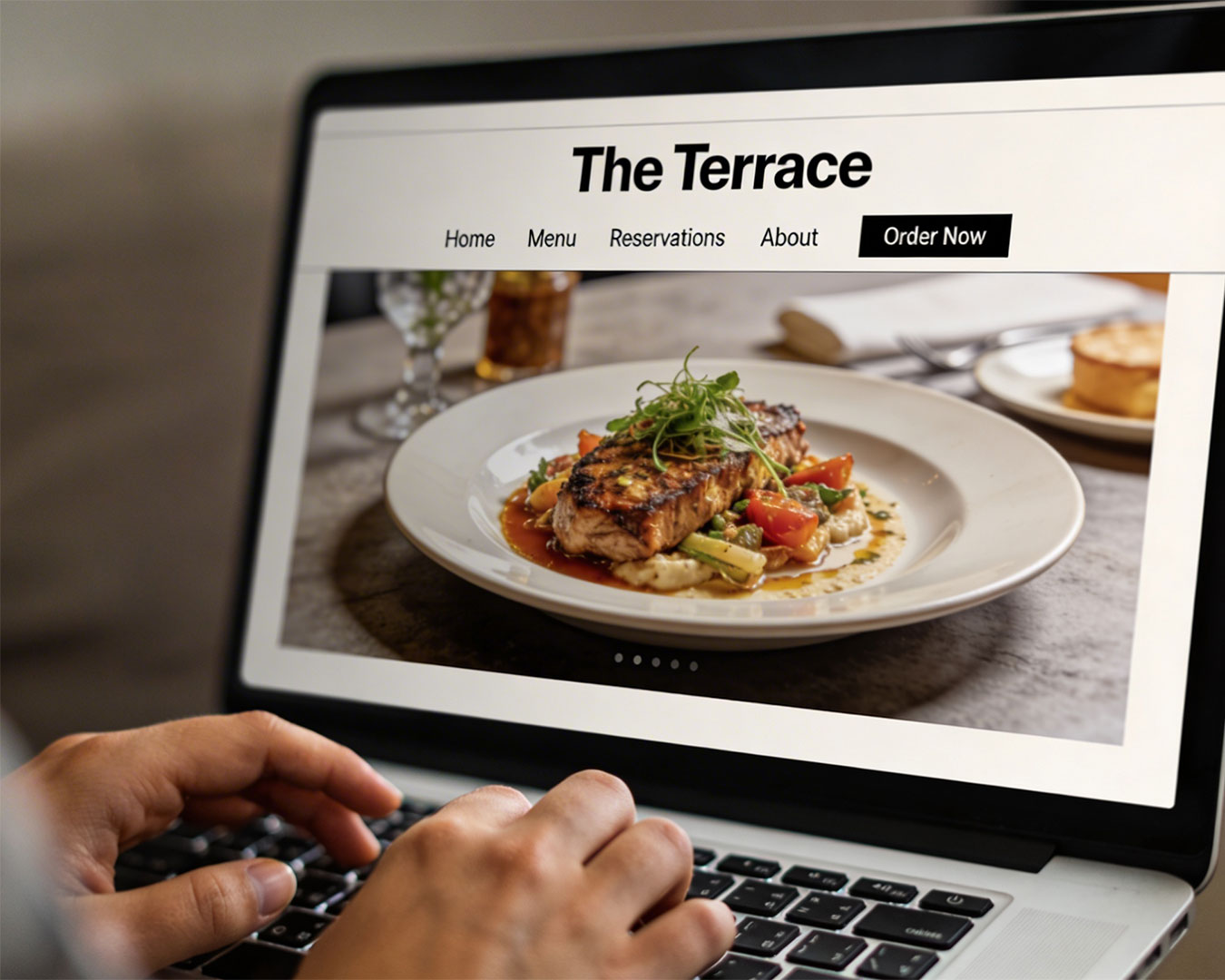
When someone searches for “chicken rice delivery Tampines” or “late night supper delivery Singapore,” your website and delivery app listing are competing for those search results. Basic optimisation applied to your listings, accurate menu items, location-specific language, consistent business details, can meaningfully shift where you appear and improve app downloads over time.
You do not need a full agency to do this. But if you are at the point of deciding whether to bring in outside help for search visibility, that is a separate question worth thinking through carefully. Start with a focused hour and the right checklist.
Build Loyalty Before You Chase New Customers
Loyalty programs are one of the most powerful tools available to any food delivery business, and one of the most ignored. The right strategy here is not complicated. It is consistent.
Platforms have their own mechanics, but building something of your own keeps customers in your orbit rather than the platform’s. A referral program, a reward after a set number of orders, even the occasional promotional offer or free meals for top regulars: such activities signal to customers that your brand sees them. That is how you build loyalty and retain customers across multiple orders, not just win a single transaction.
To encourage people to return, you also need to get the basics right. Delivery times matter. Customer satisfaction matters. A brilliant marketing campaign means nothing if the experience on the other end is disappointing. There is no win-win situation without operational follow-through.
Tracking Is Not Optional
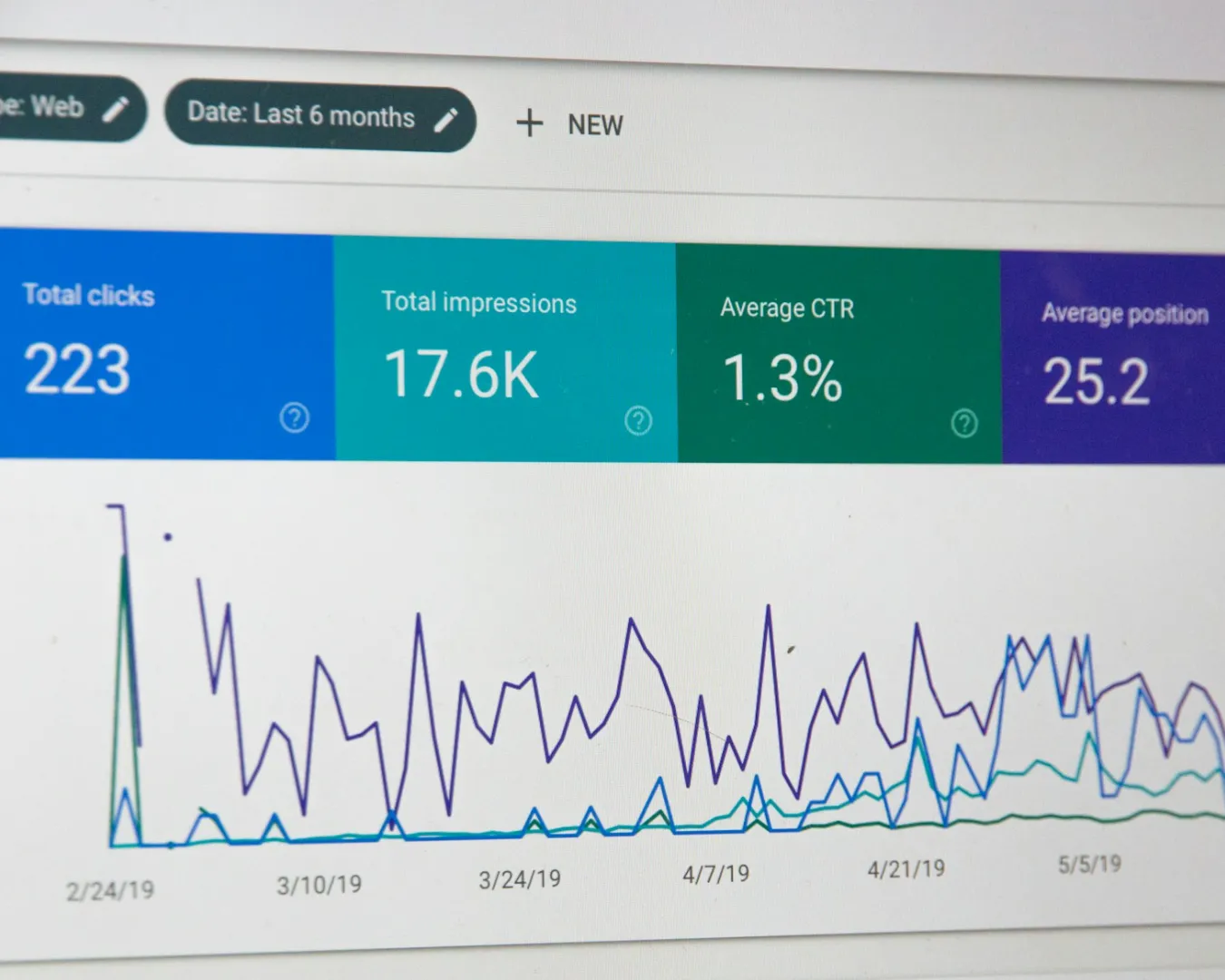
Intense competition in the Singapore delivery market means guessing is expensive. Track results consistently. Monitor order volume, order frequency, and which marketing channels are actually converting. Use local events and seasonal moments to create awareness with timely, relevant campaigns rather than always-on promotional offers that train customers to wait for discounts.
The goal is to reach existing and potential customers in a way that grows your customer base without eroding your margins.
What to Do With This

Audit where your current marketing efforts actually sit. Are you spending on new customers before you have locked in the ones you already have? Are your app users converting into loyal regulars, or making one purchase and disappearing? Is your order volume growing, or just fluctuating with each campaign you run?
Let us take a quiet look at your current digital presence together. Atelier Creations offers expert insights and collaborative strategies to help you evaluate and enhance your marketing efforts effectively. Sometimes the most useful thing is not a new campaign. It is a clearer picture of what you already have, and what it is actually costing you.