
You are staring at two quotations. One is from a developer promising a sleek native app on the App Store. The other is from an agency offering a lighter, browser-based mobile app that skips the app store altogether. Your ordering volume is flat. Your marketing budget is not infinite. You have twenty minutes before the lunch rush and a decision to make.
This is the moment most Singapore restaurant owners hit before they understand the real difference between native apps and web apps. Get it wrong and you either overpay for features nobody uses, or underbuild something that cannot keep loyal customers coming back.
Mobile app development is not a single path. It is a set of trade offs, and the restaurant industry rarely has time to weigh them properly. Effective digital marketing for restaurants requires choosing the right technology to engage customers without unnecessary costs or complexity.
Mobile App vs Mobile Web: What Actually Reaches Users

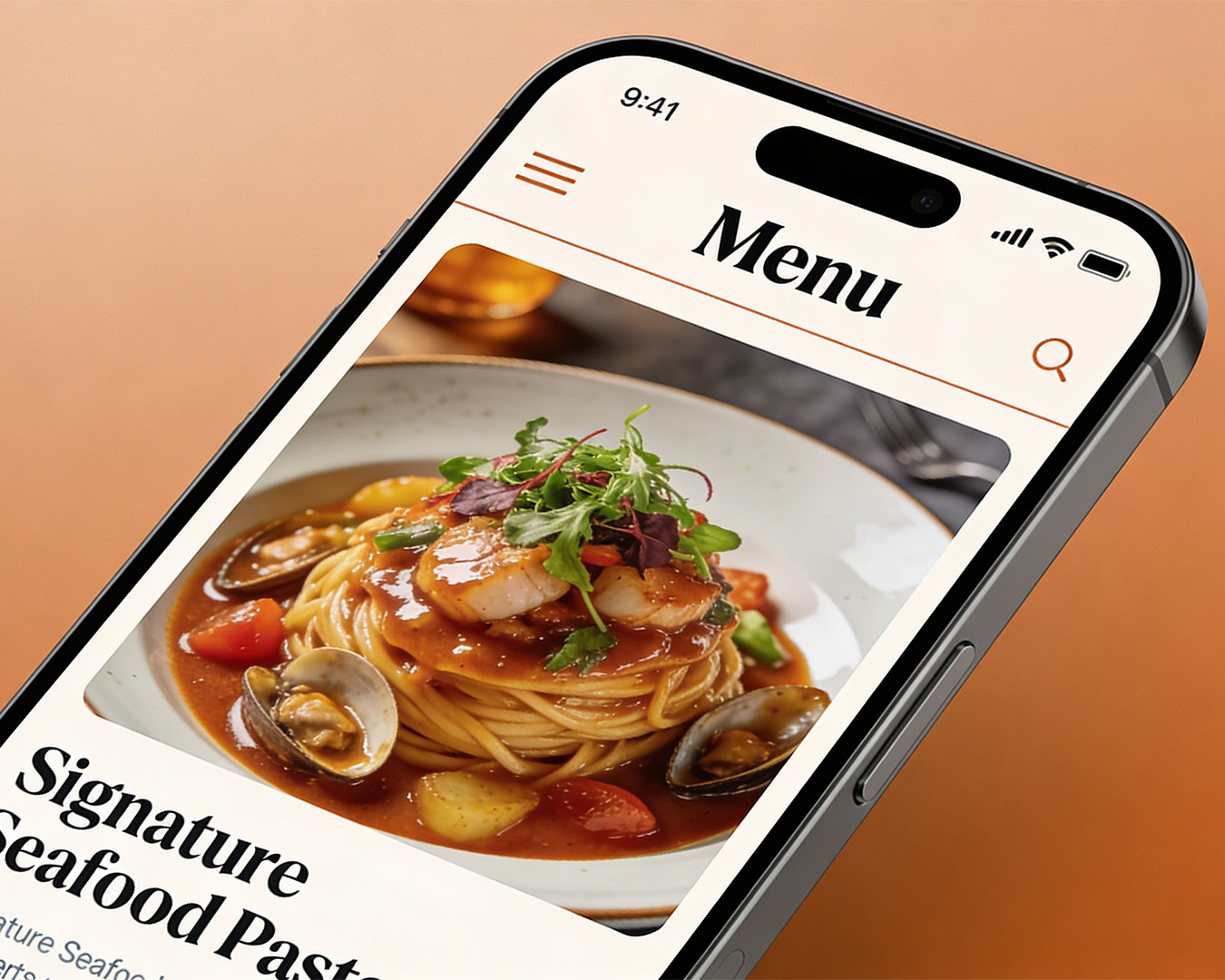
A native mobile app lives in the app store. Customers download it, it sits on their home screen, and it uses native code written for a specific mobile device. Native apps provide direct access to native features: push notifications, biometric authentication, GPS for Google Maps integration, and the camera. Native iOS apps and native android apps require separate development, often in platform specific programming languages, which is why native app development takes longer and costs more.
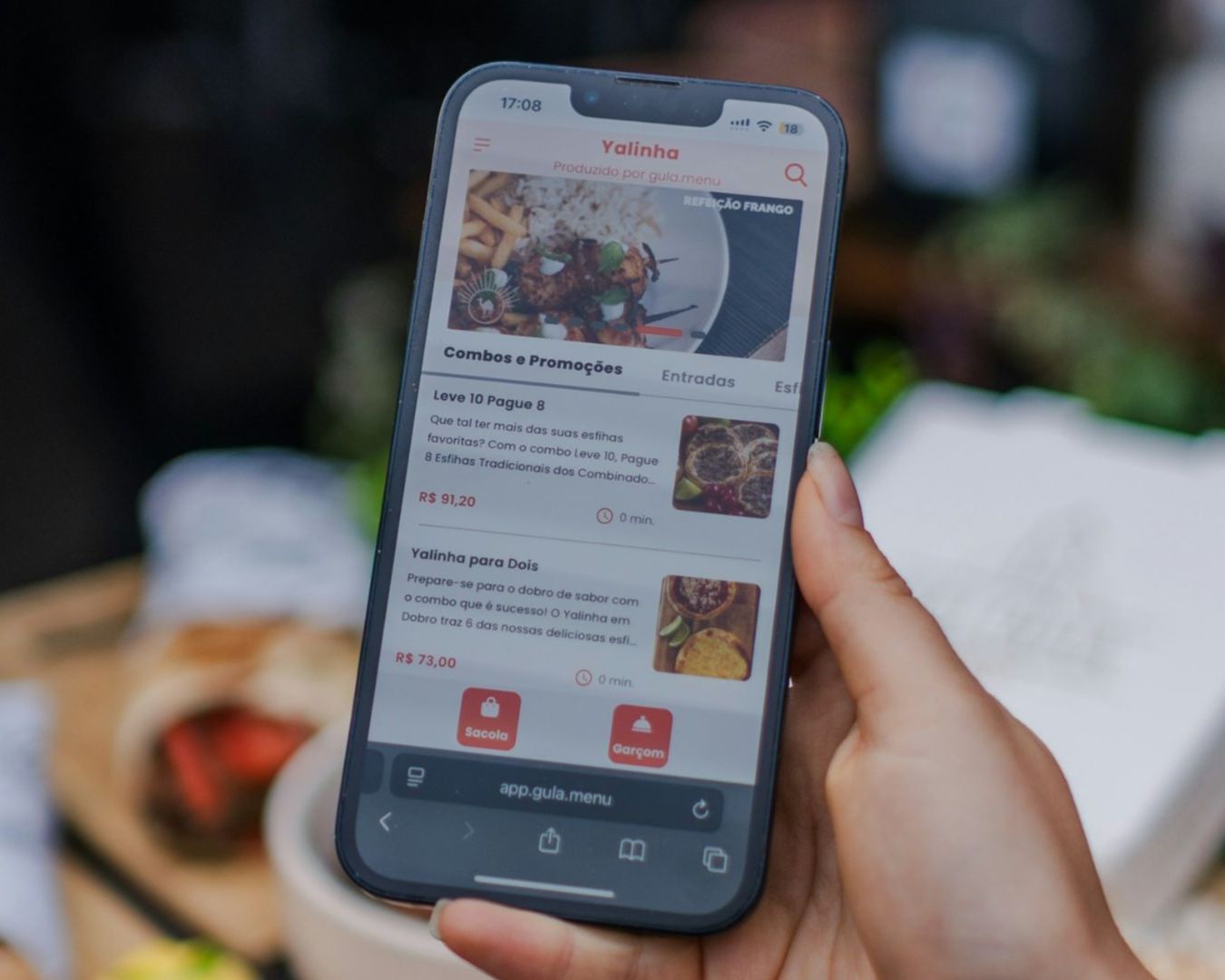
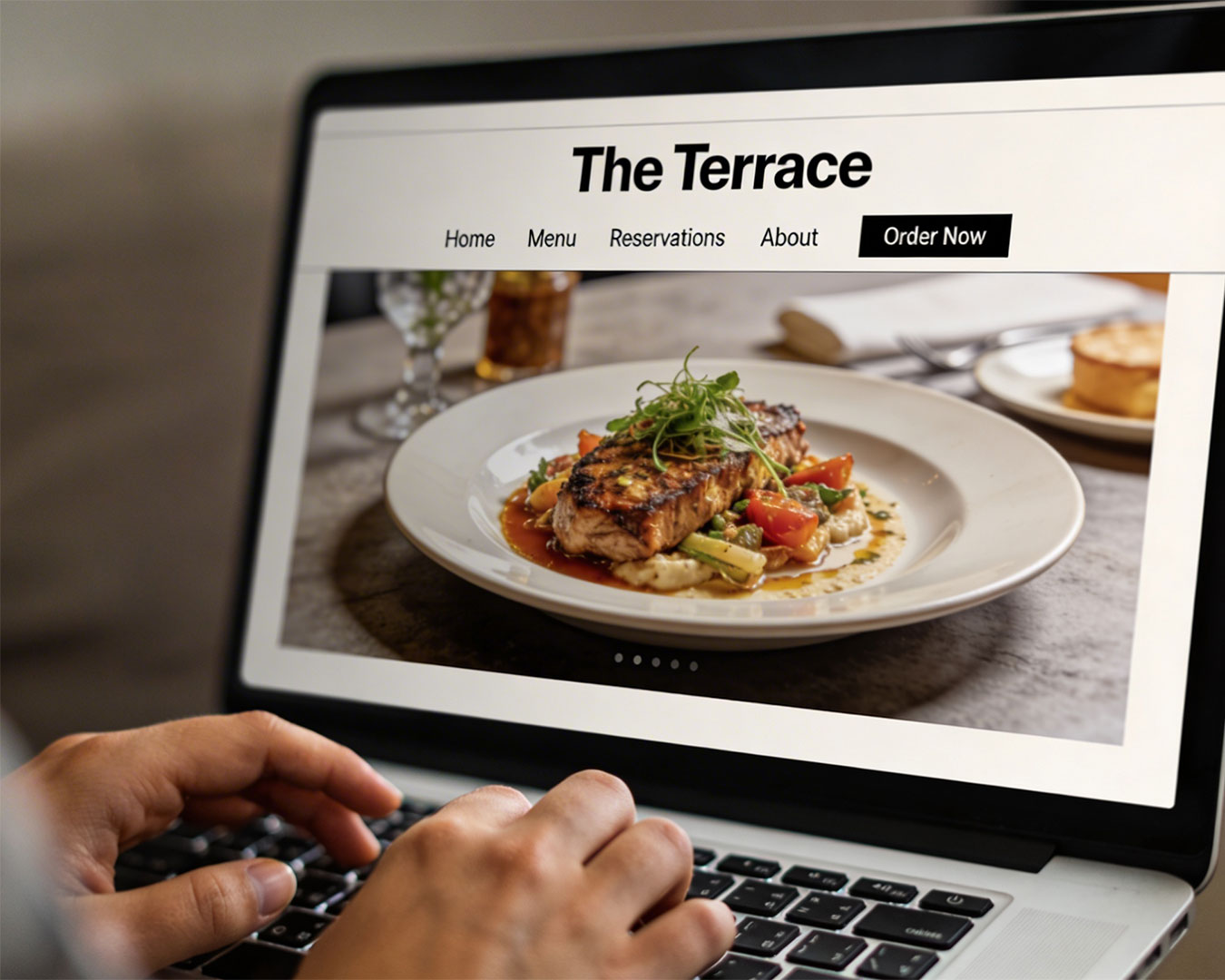
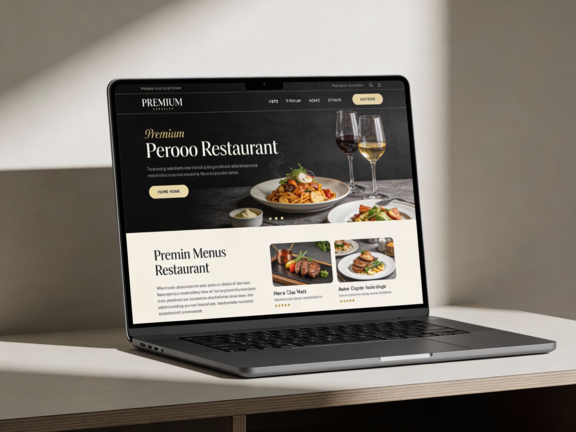
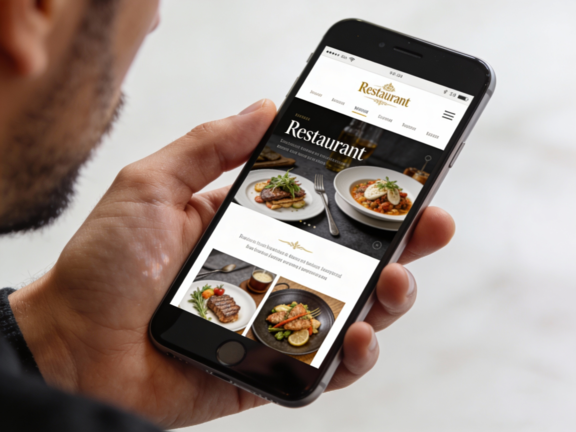
Web apps, by contrast, run in a web browser. A progressive web app or mobile website works in any mobile browser or internet browser, on any operating system, with no account creation friction and no app store approval delays. Users access it the moment they tap a link, no download required. Search engines can index a web application directly, which native apps cannot achieve on their own. The trade off is real: web apps have limited offline functionality, and offline features are harder to build without a stable internet connection.
You might be interested in: Restaurant Local SEO Agency Singapore: Is It Worth the Investment?
Hybrid Apps and the Broad Accessibility Question
Hybrid apps, often built with a JavaScript framework like React Native, sit in between. A single codebase reaches multiple platforms, cutting development cost while still offering some native device features. This is the compromise many restaurant groups with multiple locations choose, trading some polish for broad accessibility and faster instant deployment.
The honest answer to “which wins” depends on your customer, not your ego. If most of your traffic is frequent customers who order weekly, a native app’s offline access and loyalty program integration is a major advantage, especially where internet access is patchy. If you serve occasional customers who discover you through search engines or a shared link, a mobile web experience removes every point of friction. Nobody downloads an app for a restaurant they are trying once.
Development Cost: Building Native Apps vs Web Application Development

Native app development for both native iOS apps and native android apps, plus app store fees and ongoing maintenance, is the highest cost path. It also demands stronger app store presence, since discovery inside a crowded app store is its own separate battle.
Web technologies offer a lower cost route: one build, no app store approval, and updates that deploy instantly without waiting on review. Third party services can add advanced features like online ordering and table booking to either approach, so the platform is rarely the real bottleneck. The strategy behind it is.
Apps vs Reality: What We Recommend

There is no universal winner between native and web apps. There are only distinct advantages that suit different stages of a restaurant’s growth. A single outlet building repeat customers might do better with a fast, discoverable mobile web experience, reachable straight from a user’s device without friction. A multi-location brand with a mature loyalty program may justify the investment in native applications and native development.
What matters more than the platform is whether your digital marketing for restaurant growth is built around how your actual customers behave, not what looks impressive in a pitch deck. The strategy underneath still has to work regardless of the wrapper.
If you are unsure which path fits your business, Atelier Creations is happy to walk through a quiet audit of your current digital presence, no obligation, just a clear read on where your budget is best spent.