Restaurant brand consistency is often talked about, but rarely understood in practical terms. For many restaurant owners in Singapore, branding feels abstract compared to food quality, staffing, or daily operations. Yet brand consistency matters because it directly shapes customer expectations, trust, and long-term business success.
In a crowded market, customers notice when a restaurant brand feels clear, reliable, and familiar. They also notice when things feel disconnected. A menu looks premium, but the website feels outdated. Social media posts sound casual, but the physical restaurant aims for fine dining. These gaps confuse customers and weaken brand recognition.
This is especially visible in content. What you post, how it looks, and how it sounds all shape how customers perceive your brand. If you want to explore this further, our article Restaurant Content Creation: What to Post (and Why It Matters) breaks down how consistent content supports brand clarity and trust over time.
What brand consistency really means for restaurants
Brand consistency is not about being rigid or boring. It is about maintaining a clear core identity across every customer interaction. In the restaurant industry, this means ensuring your brand’s values, brand message, and visual identity are expressed consistently across marketing channels and physical spaces.
This includes:
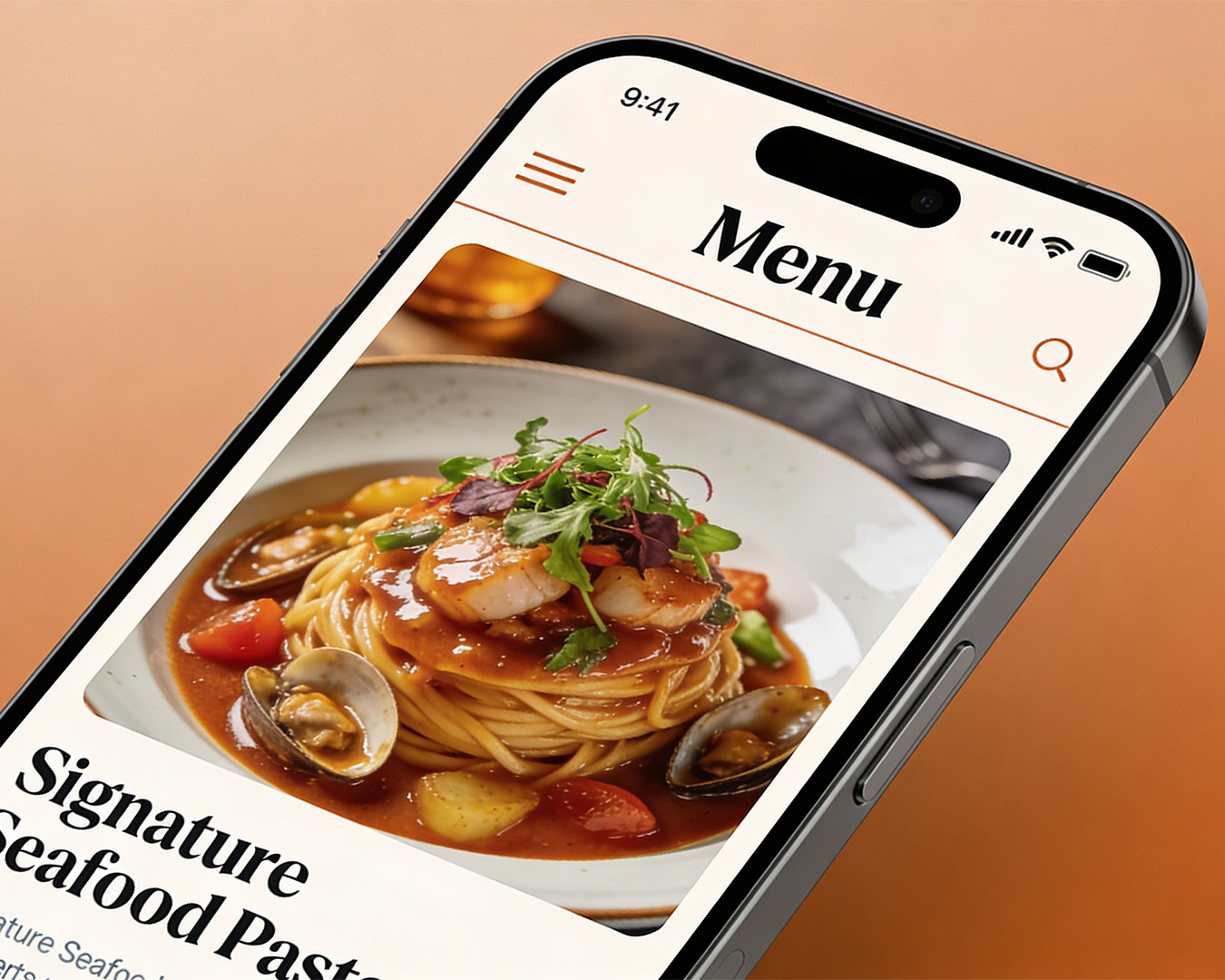
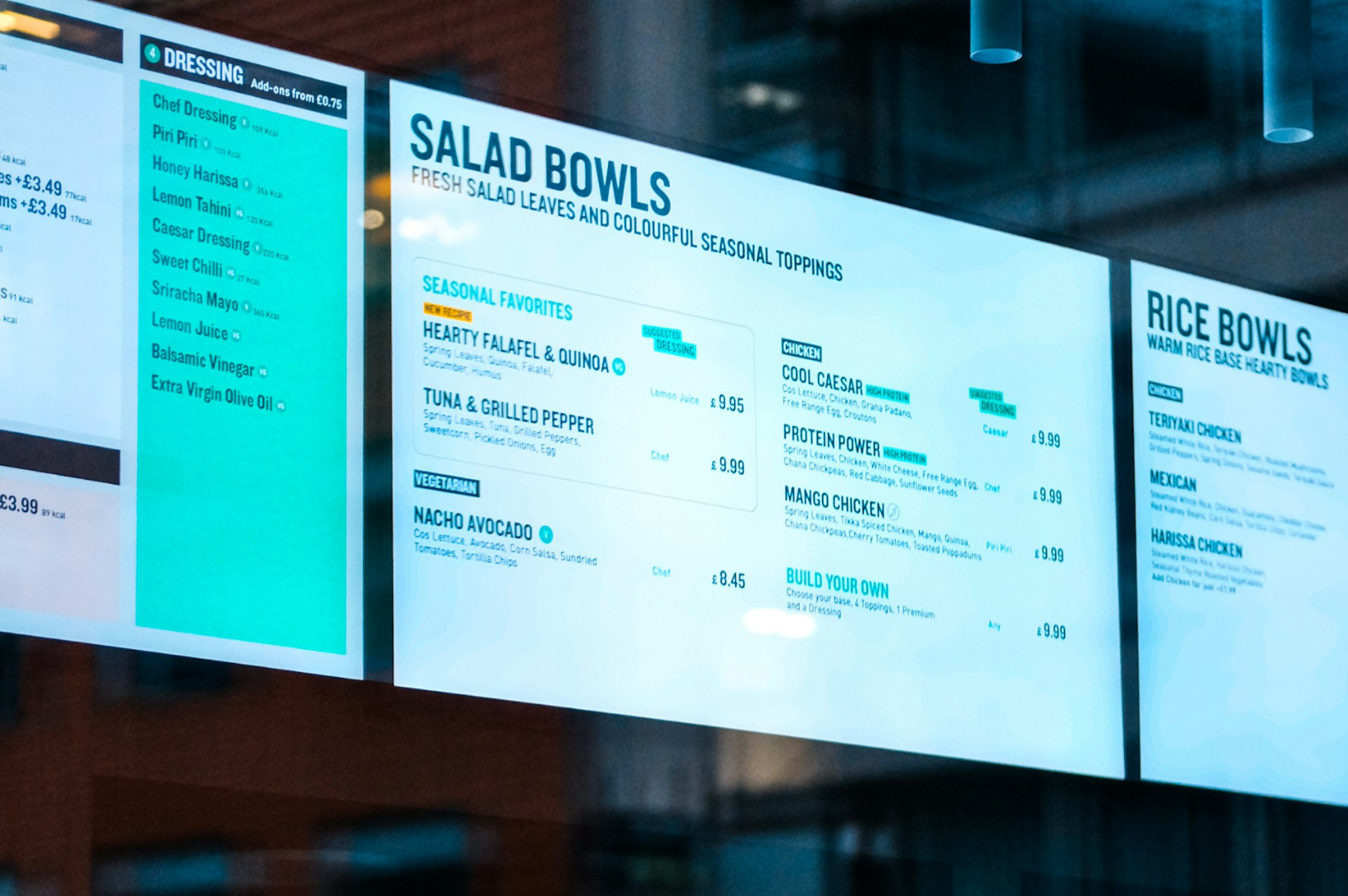
Menu design and menu descriptions
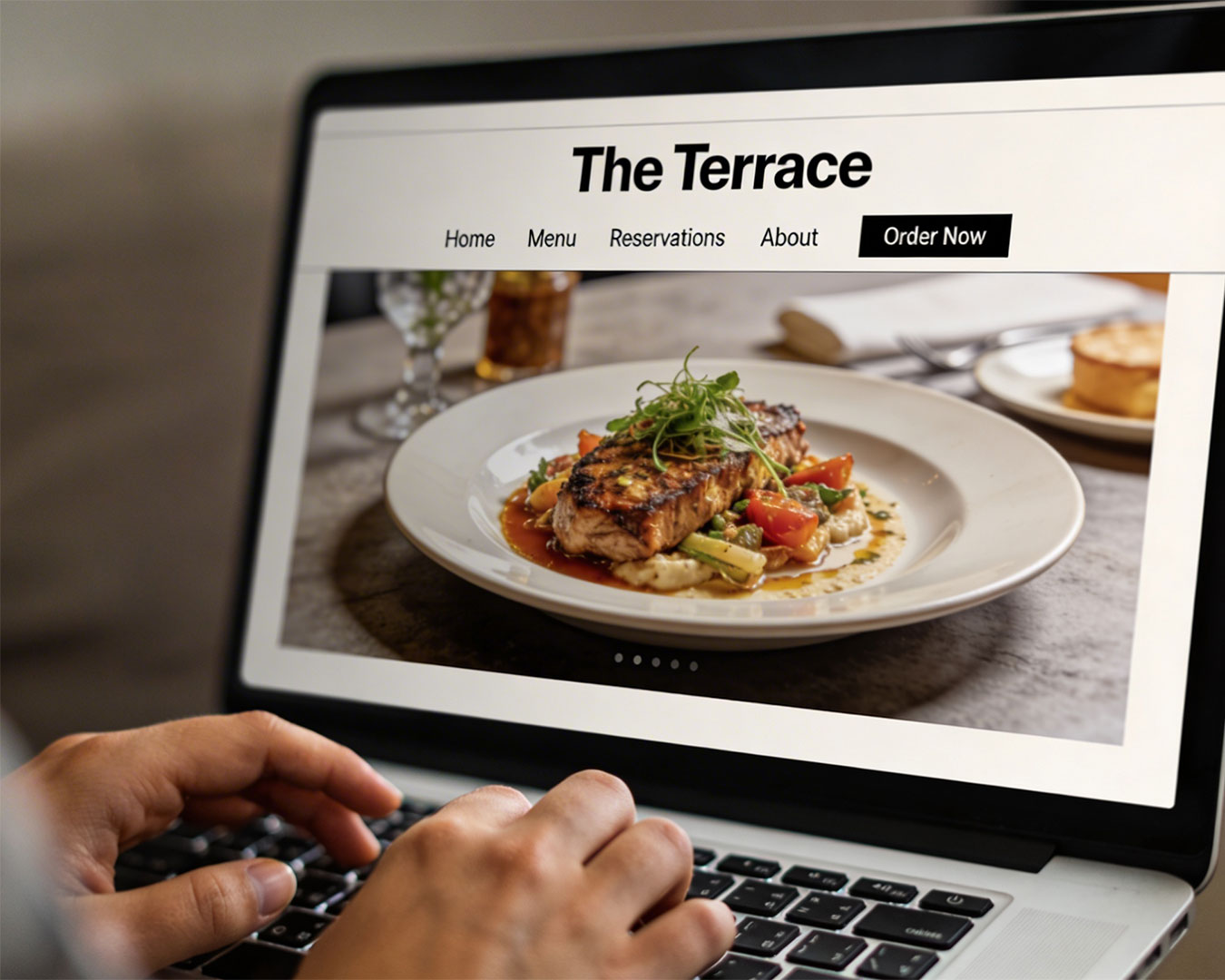
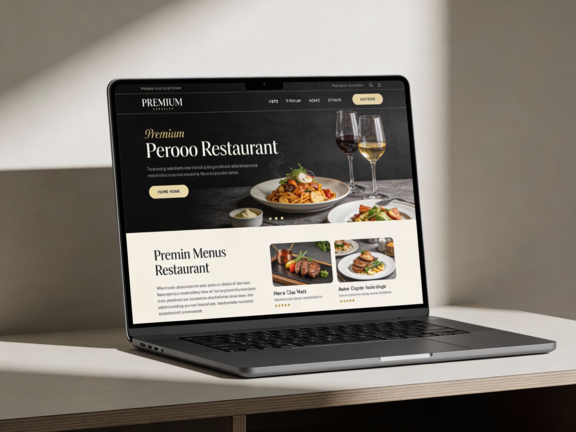
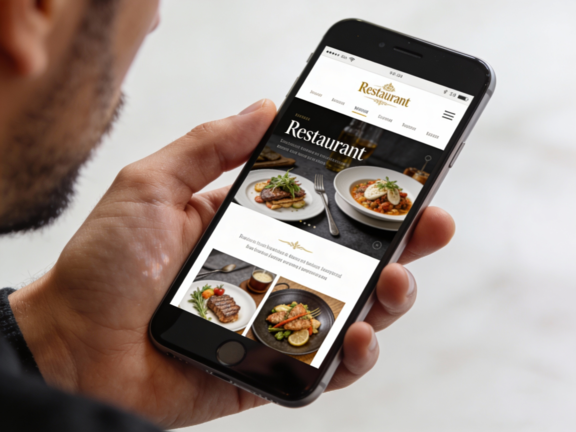
Website and restaurant’s online presence
Social media posts and social media tone
Delivery platforms, third party apps, and even the delivery bag
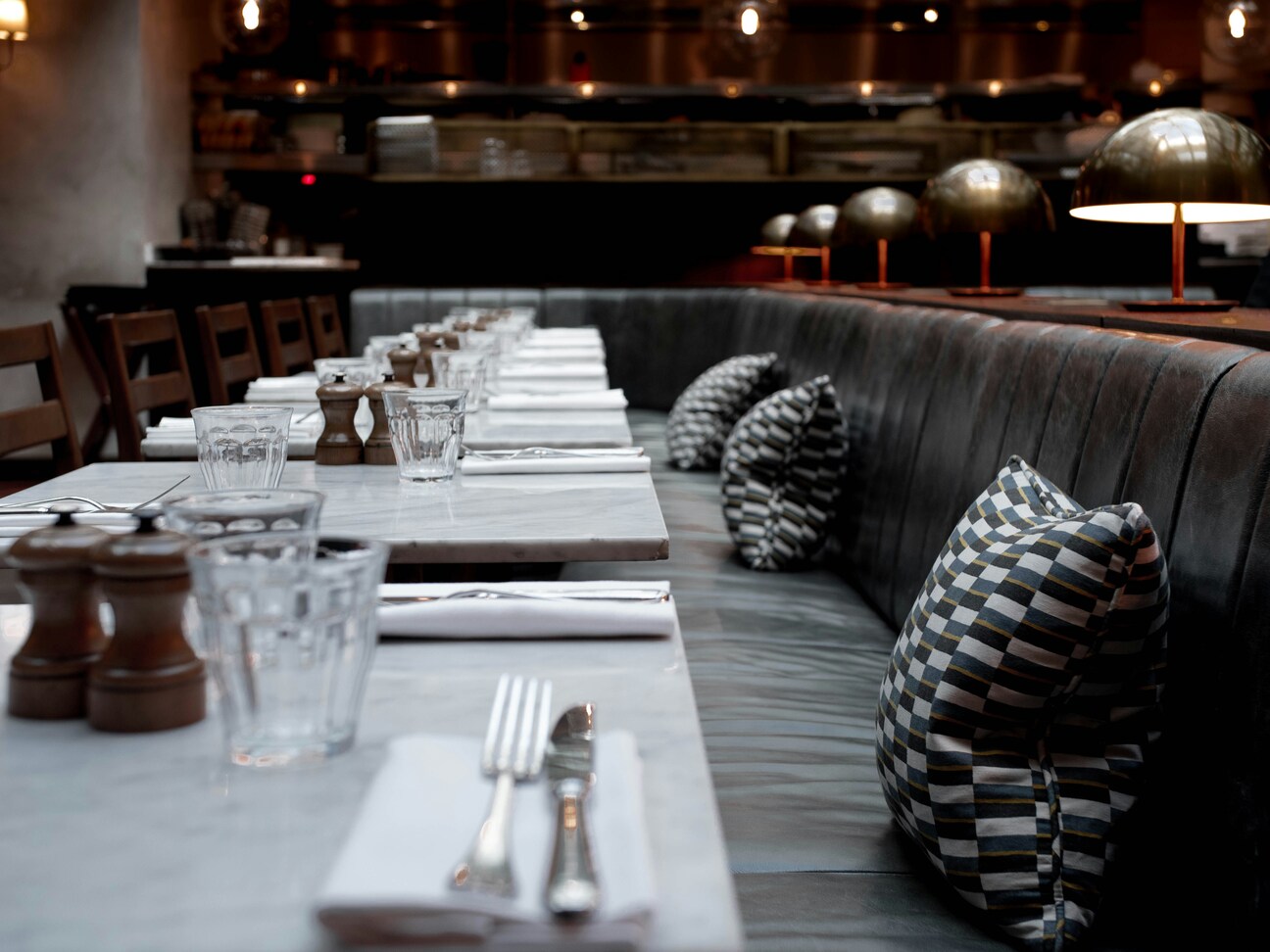
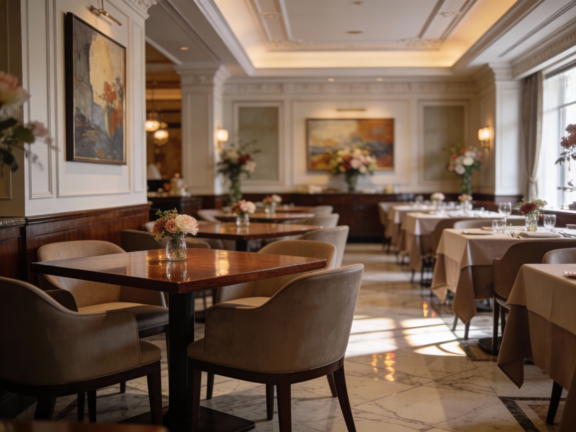
In-store signage, uniforms, and printed marketing materials
When these elements work together, customers feel they are dealing with a cohesive brand. When they do not, customers feel uncertainty, even if the food quality is good.
Why brand consistency matters more than you think
Brand consistency helps customers know what to expect. When customers feel confident, they are more likely to return, leave positive online reviews, and recommend you to others. This is how customer loyalty and repeat business are built.
Consistent branding also supports customer retention. Loyal customers come back because the experience feels familiar and reliable. They know the same quality, consistent tone, and brand promise will be delivered each time. This is especially important for restaurants with multiple locations, where maintaining consistency becomes more complex.
Over time, consistent experiences strengthen brand recall. Customers recognise your restaurant instantly through visual elements, brand voice, or even a signature dish. That instant recognition builds emotional connection and fosters loyalty.
Consistency across digital and physical touchpoints
Today’s customer journey rarely starts at the door. It often starts on Google, Instagram, or delivery platforms. Your digital presence plays a major role in customer perception before anyone tastes the food.
Brand consistency across digital platforms means:
A website that reflects the same standard as the physical restaurant
Social media content that matches your target audience and brand voice
Clear, consistent messaging across loyalty programs and promotions
When digital and physical experiences feel aligned, customers feel reassured. When they are not, customers feel something is off, even if they cannot explain why.
How inconsistency quietly hurts restaurant businesses
Inconsistent branding does not usually cause immediate failure. Instead, it leads to small issues that add up over time. Customer complaints increase. Customer feedback mentions confusion or mixed signals. Brand’s reputation becomes harder to manage.
For example, a fine dining restaurant with casual social media messaging may dilute its perceived value. A restaurant business with strong food but weak online presentation may lose customers before they even visit. Inconsistent menu design or unclear brand standards can also impact operational efficiency and quality control.
These issues often show up as lost repeat visits, lower brand recall, and difficulty standing out in a crowded market.
The role of clear brand guidelines
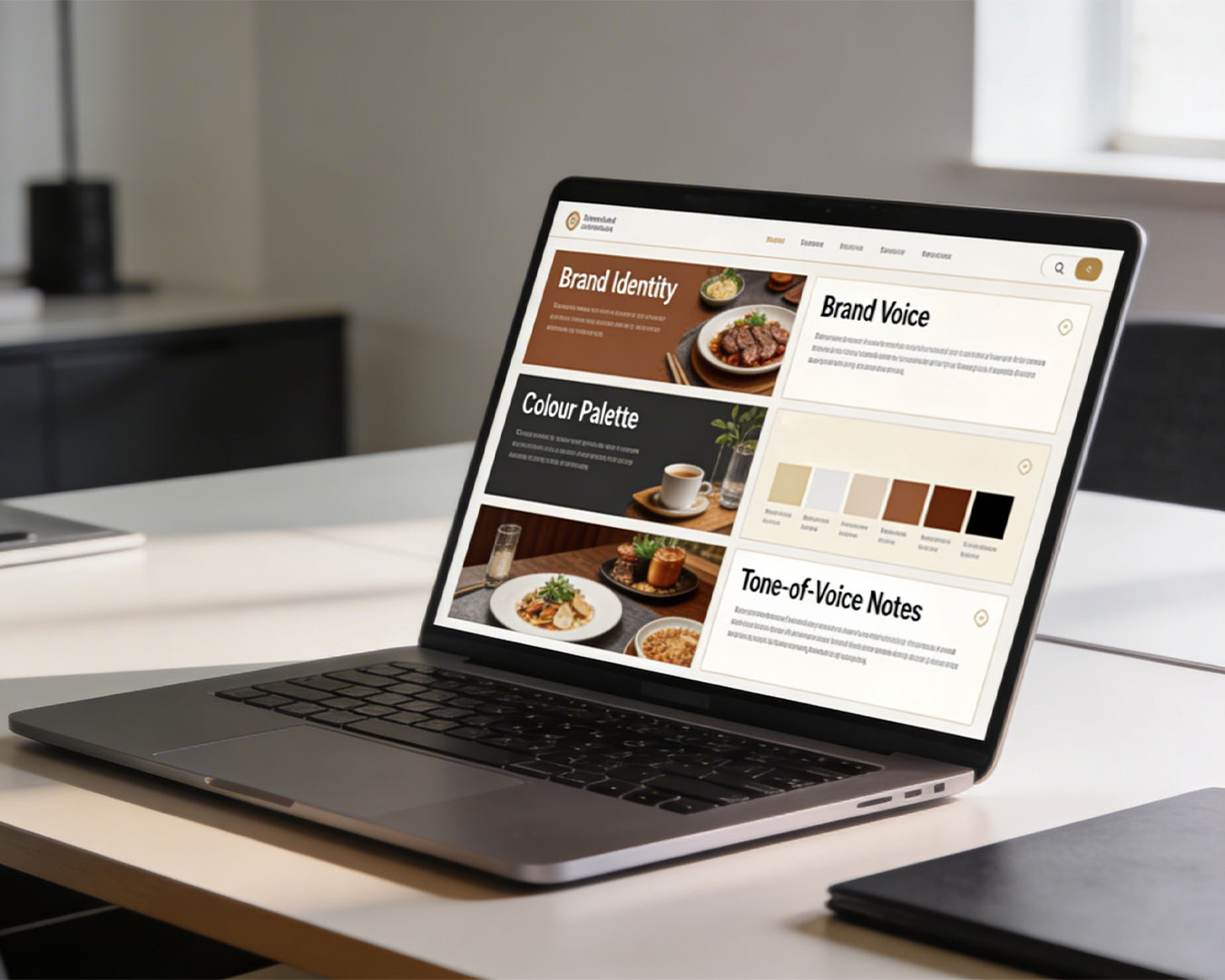
Clear brand guidelines help restaurant owners and teams maintain brand consistency without overthinking every decision. They define the core identity, visual elements, consistent messaging, and brand standards that guide daily execution.
Strong brand guidelines support:
Consistency across marketing materials
A unified customer experience across locations and channels
Faster decision-making and fewer mistakes
They also help external partners, designers, and marketing teams understand how to represent the brand accurately.
Consistency as a long-term brand investment

Maintaining brand consistency is not about perfection. It is about direction. A strong brand identity grows stronger over time when each touchpoint reinforces the same message and feeling.
Atelier Creations works with F&B brands by first understanding the brand before building it. Strategy, brand identity, website design, content, and ongoing consistency are treated as connected parts, not separate tasks. This approach supports long-term brand clarity rather than short-term campaigns.
If you are unsure whether your restaurant brand feels aligned across touchpoints, it may be worth stepping back to review your brand direction and customer experience. Small adjustments made with clarity can strengthen trust, improve brand recognition, and support sustainable growth in the restaurant industry.