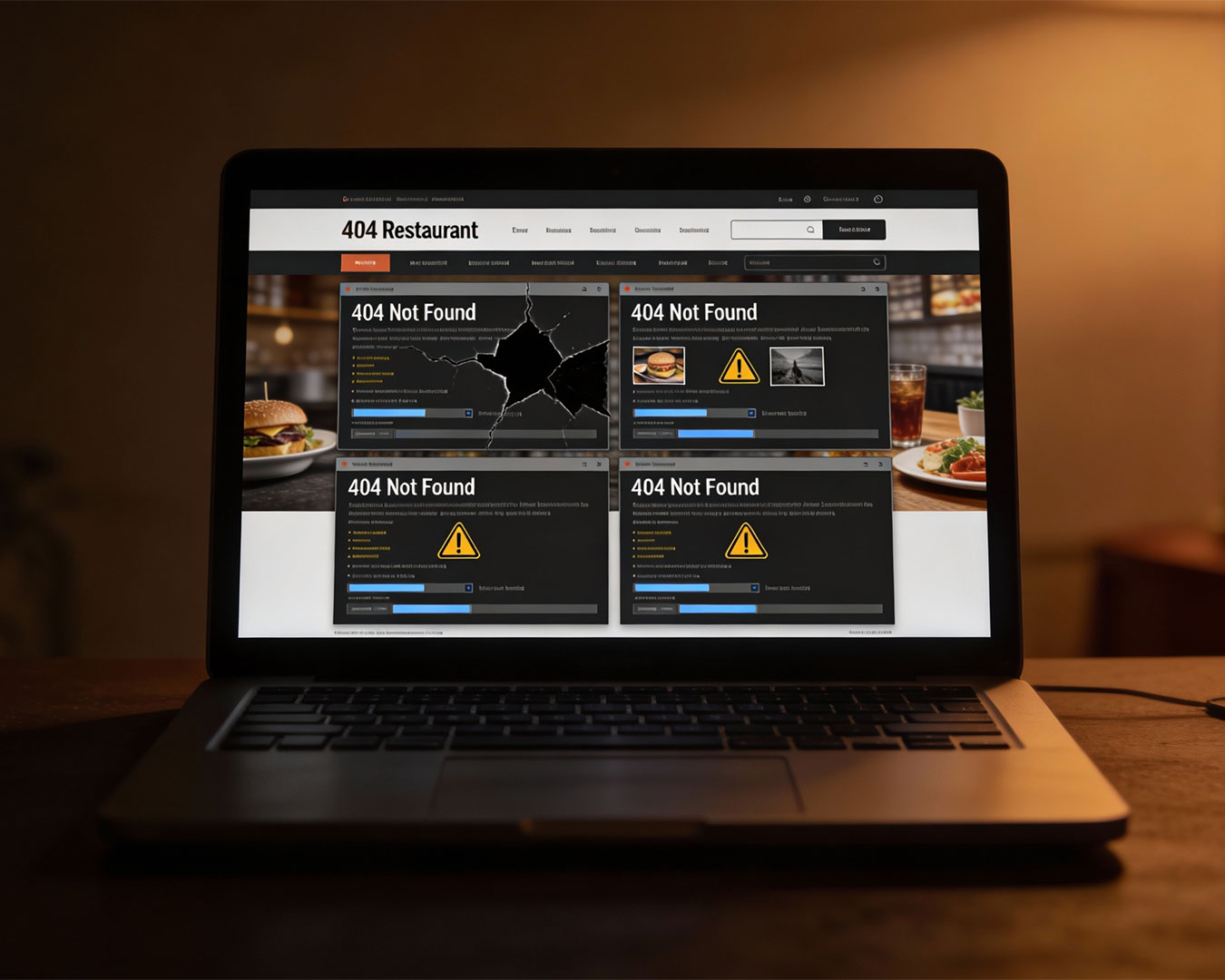
In today’s digital landscape, your website is often the first impression a potential diner has of your restaurant. It acts as your digital front door. Yet, many F&B owners, busy with the daily demands of service, overlook this crucial touchpoint. A poorly executed website can do more harm than good, turning away customers before they even consider your menu. Understanding the most common restaurant website mistakes is the first step toward creating an online presence that accurately reflects the quality of your food and hospitality.
Many of these errors are simple to fix but have a significant impact on a user’s experience and their decision to book a table. Avoiding them ensures your digital storefront is as welcoming as your physical one, helping you convert casual browsers into loyal patrons.
For a deeper dive into building an effective online presence, check out our guide: Website for Restaurant Brands: What Your Website Should Actually Do.
1. Hiding Essential Information
The most critical function of your website is to provide practical information quickly. A hungry diner on their phone wants to know three things immediately: your menu, your location, and your opening hours.
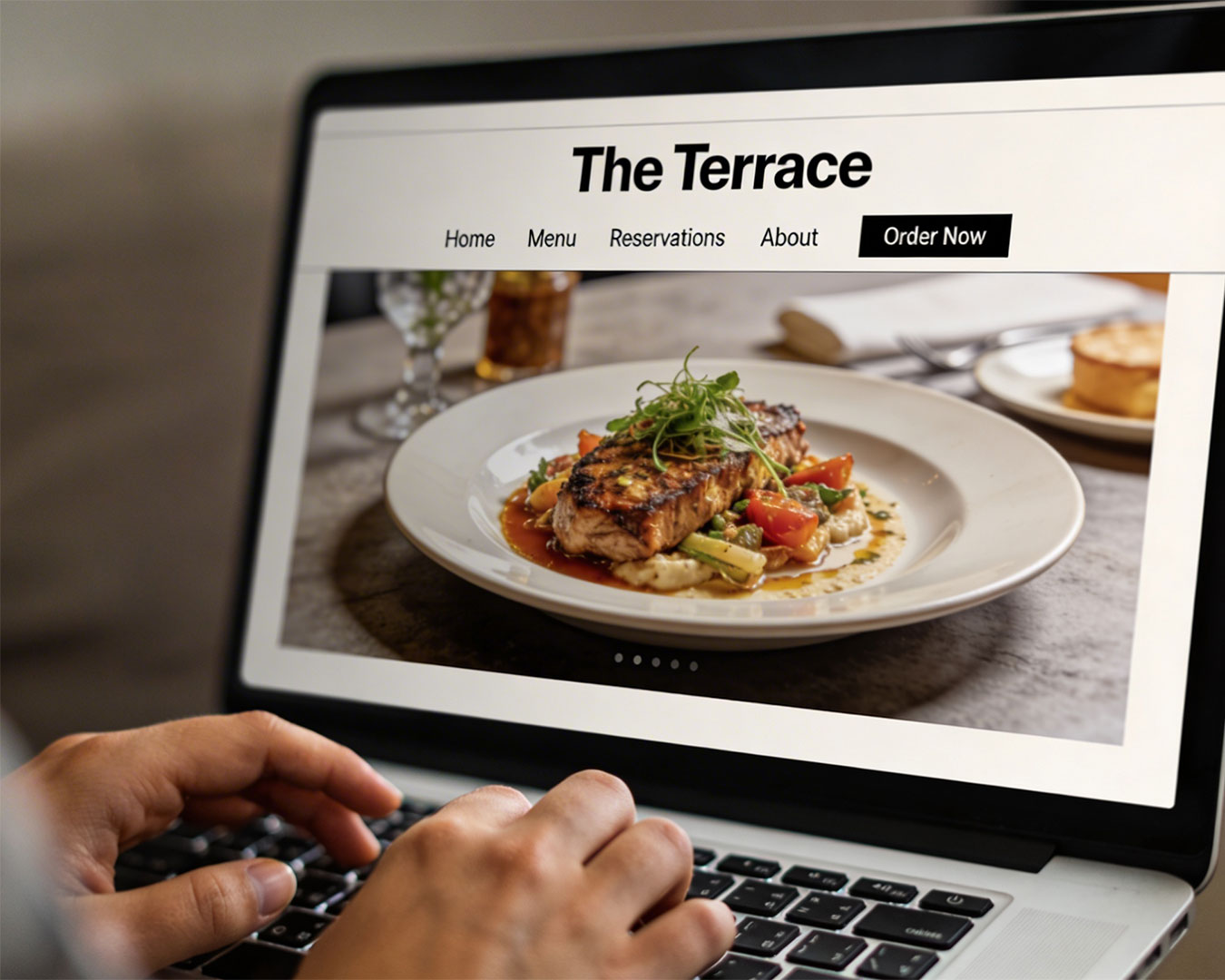
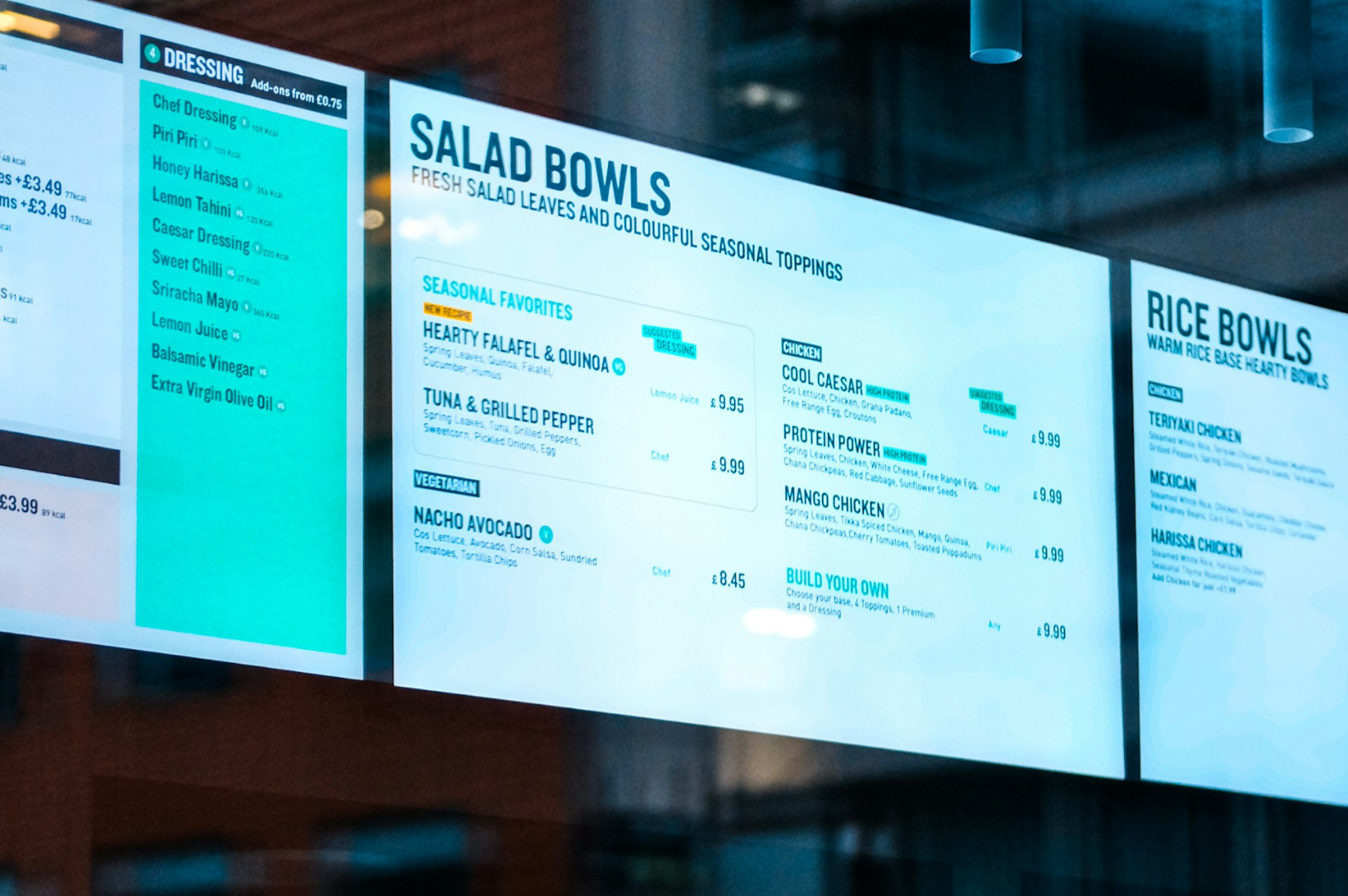
One of the most frequent common restaurant website errors is burying this information deep within the site. Your address, phone number, and operating hours should be prominently displayed, ideally in the header or footer of every page. Your menu should be a main navigation item, not a link hidden in a paragraph of text. Make it easy for people to give you their business.
2. Using PDF Menus
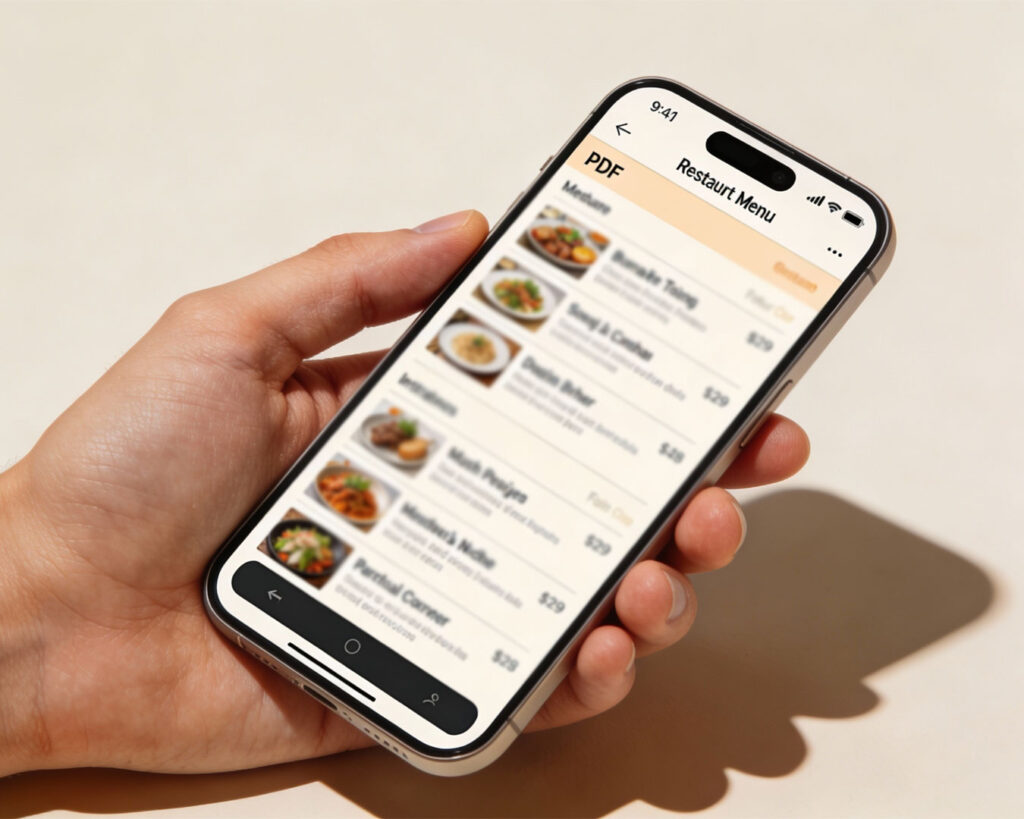
While it might seem convenient to upload your print menu as a PDF, this is a major mistake. PDF files are notoriously difficult to read on mobile devices, requiring users to pinch, zoom, and scroll endlessly. This creates a frustrating experience.
Furthermore, search engines cannot easily read the text within a PDF, meaning your dishes will not appear in search results when someone looks for “best carbonara in Singapore.” The best practice is to have your menu as a dedicated HTML page on your website. This is one of the most effective ways to how to improve restaurant websites for both user experience and search visibility.
3. Not Being Mobile-Friendly
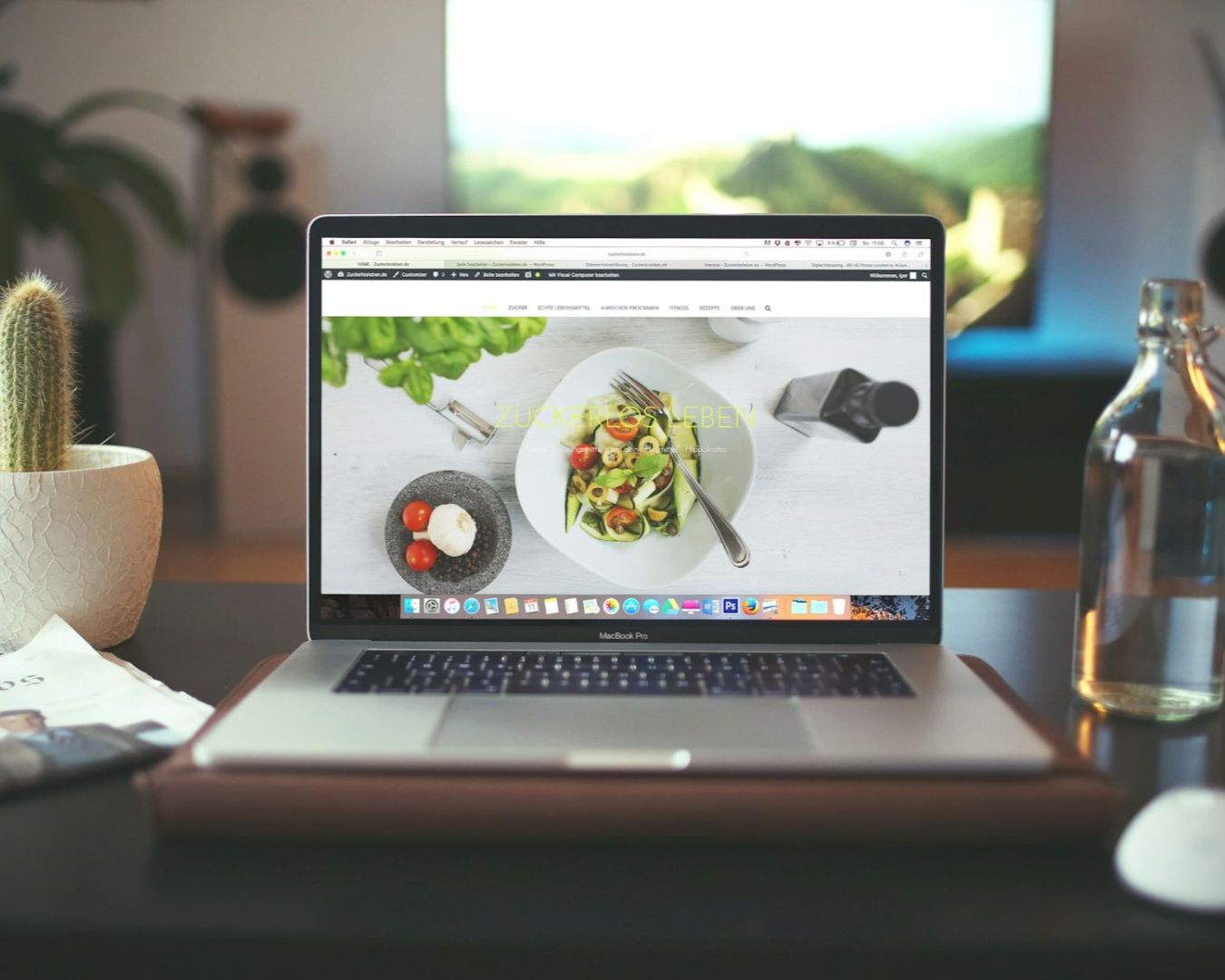
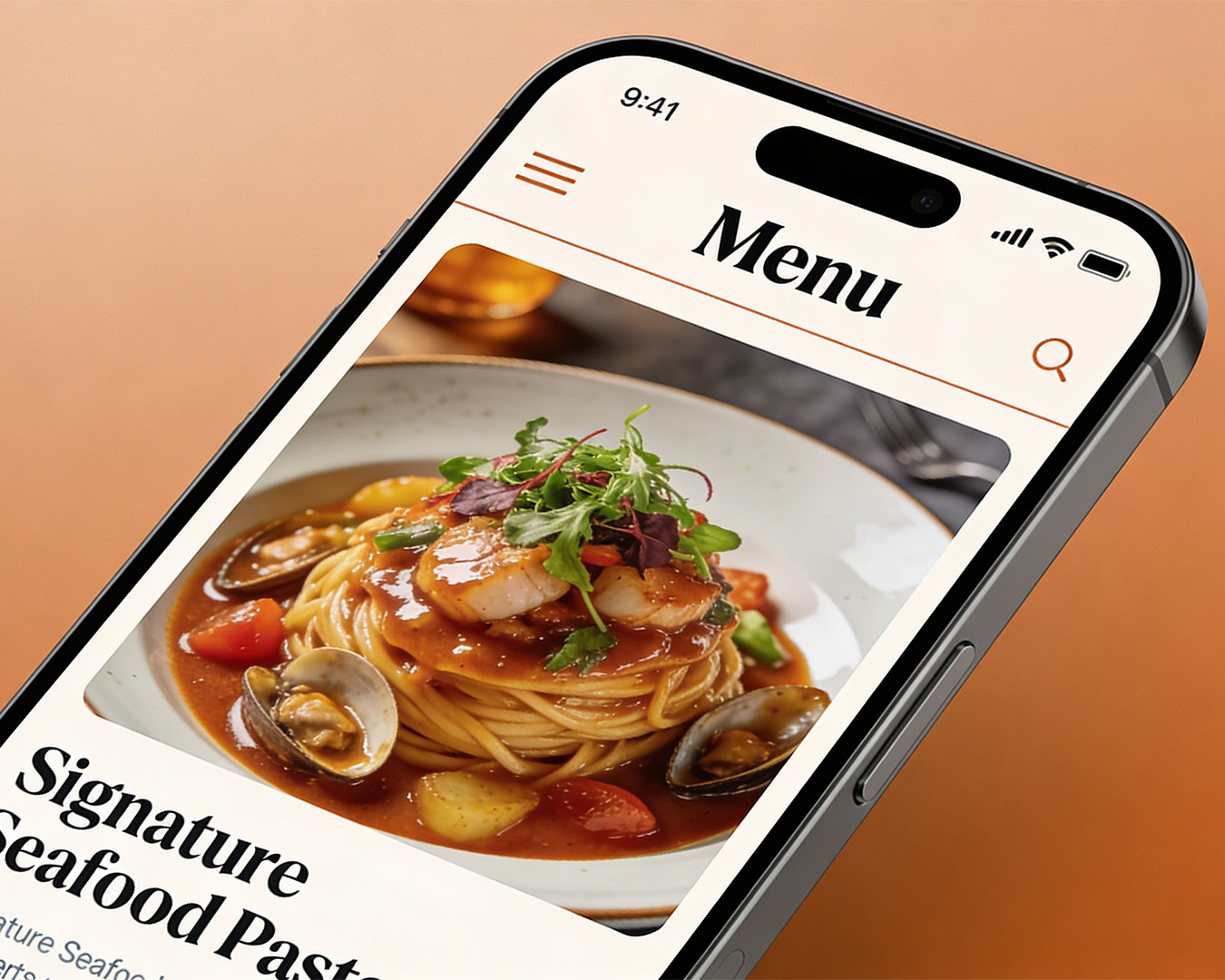
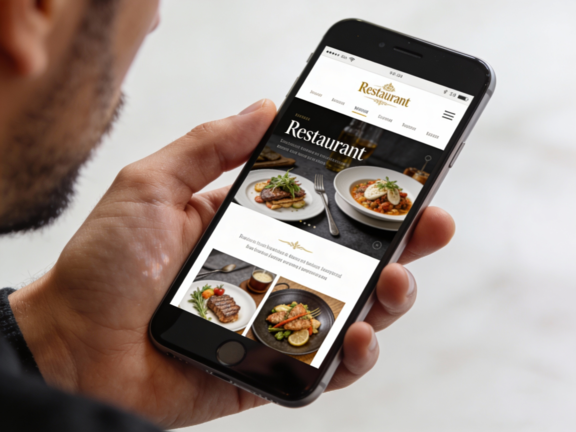
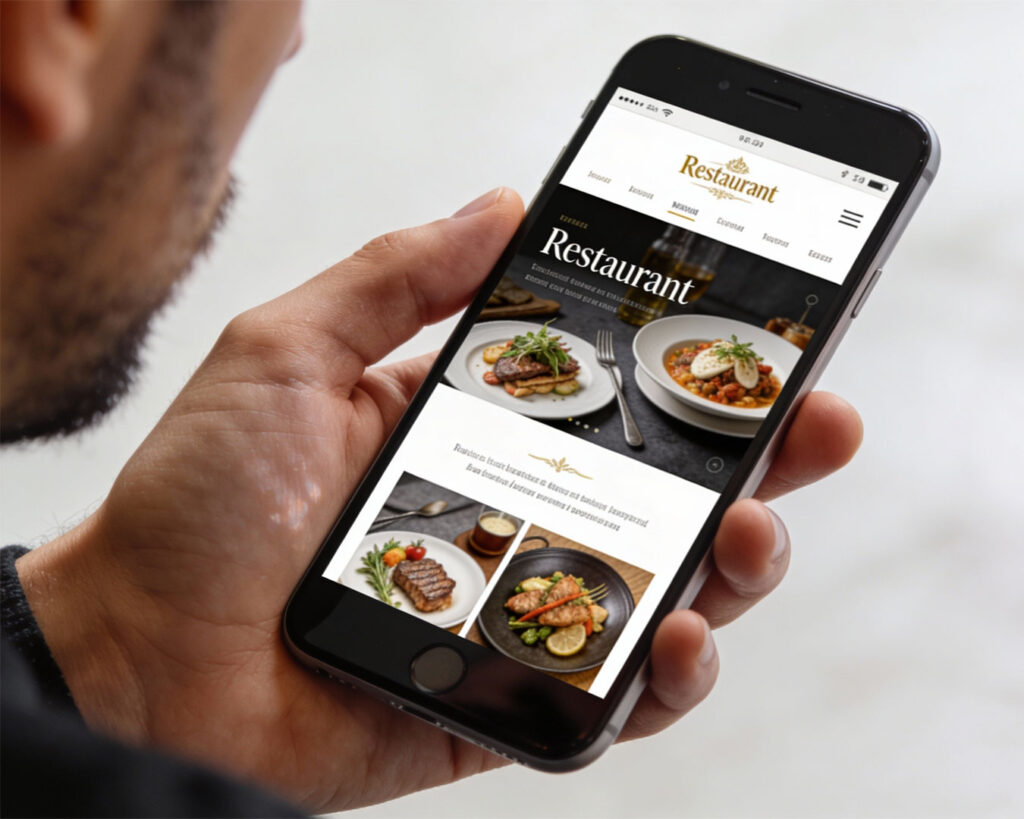
The vast majority of diners looking for a place to eat are doing so on their smartphones. If your website is not designed to adapt to a small screen, you are likely losing customers every single day. Text becomes unreadable, buttons are too small to tap, and images break the layout.
A mobile-responsive design is no longer a luxury; it is a necessity. Your website must provide a seamless, easy-to-navigate experience regardless of the device a customer is using. Test your site on your own phone to see how it performs. If it’s frustrating for you, it’s frustrating for your customers.
4. Poor Quality or Outdated Photos
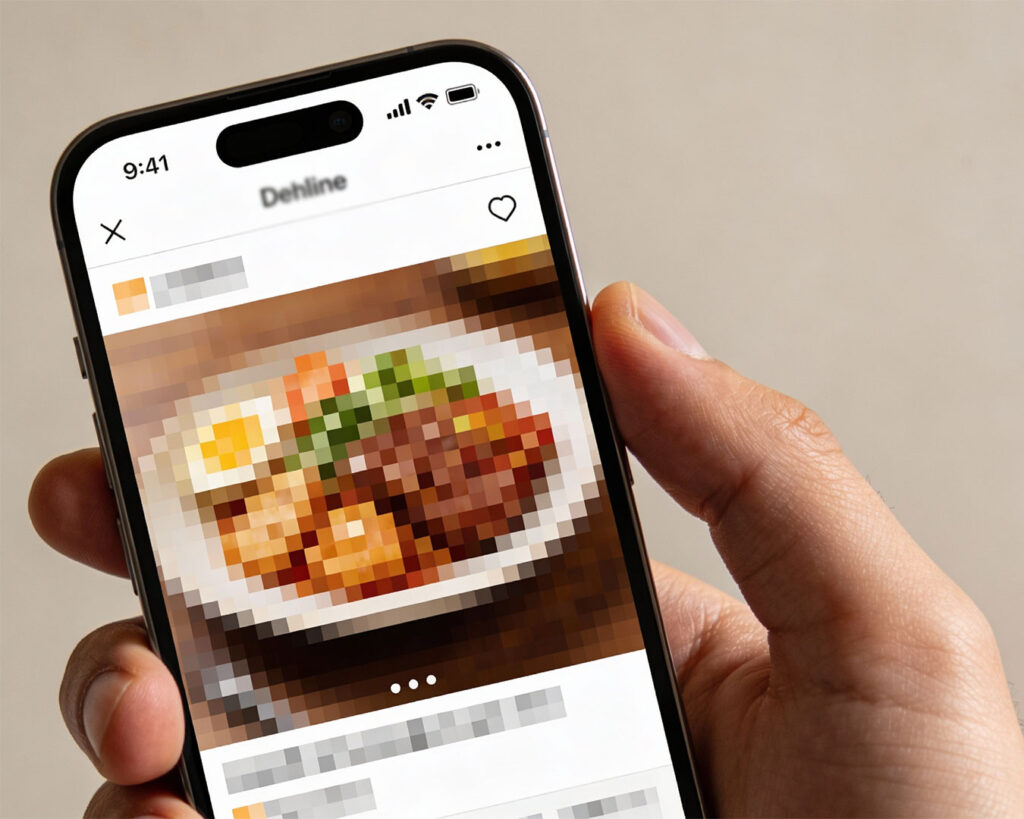
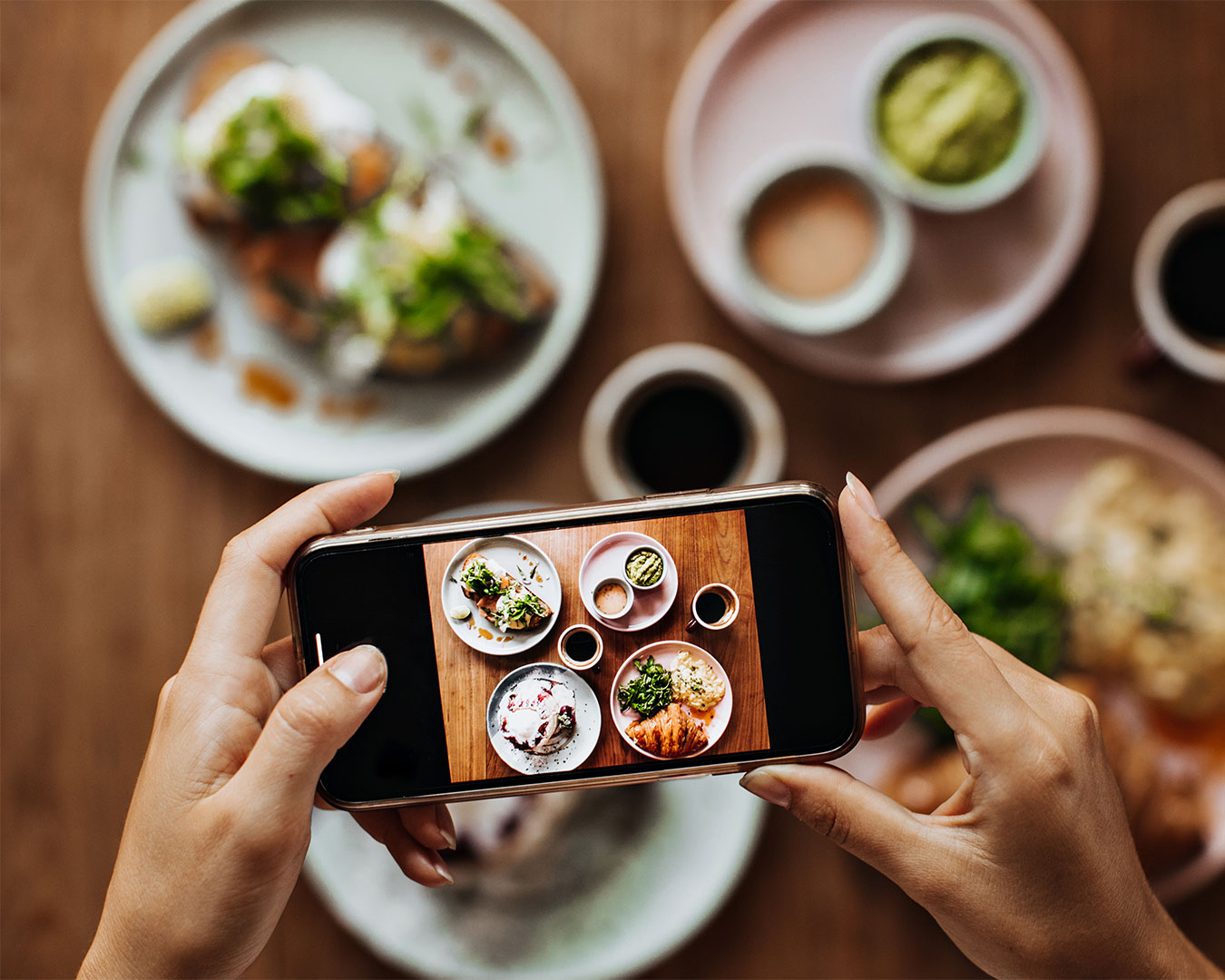
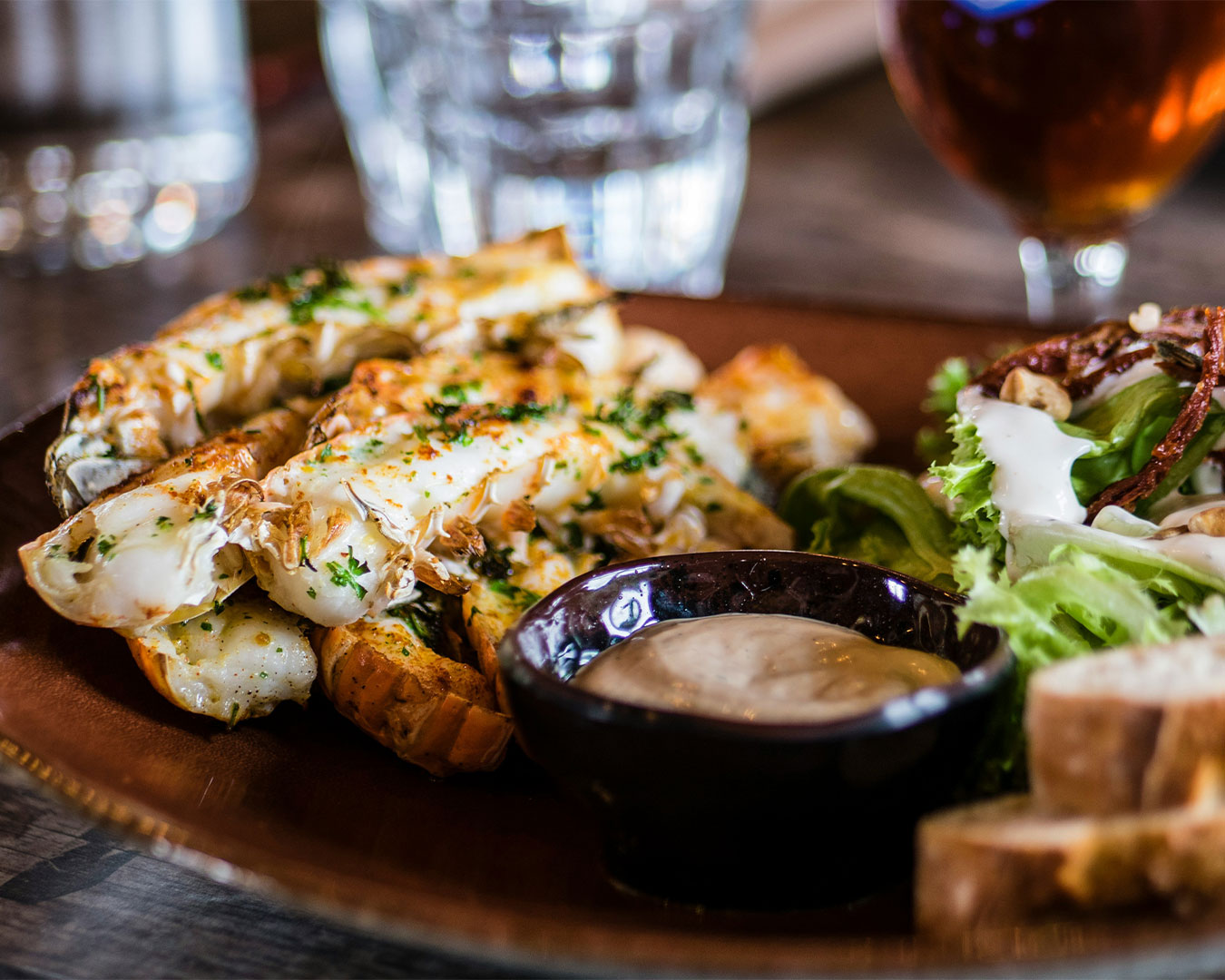
Your food is the star of the show, and your photography should reflect that. Grainy, poorly lit, or outdated photos make your offerings look unappetizing. This disconnects the digital experience from the reality of your delicious food.
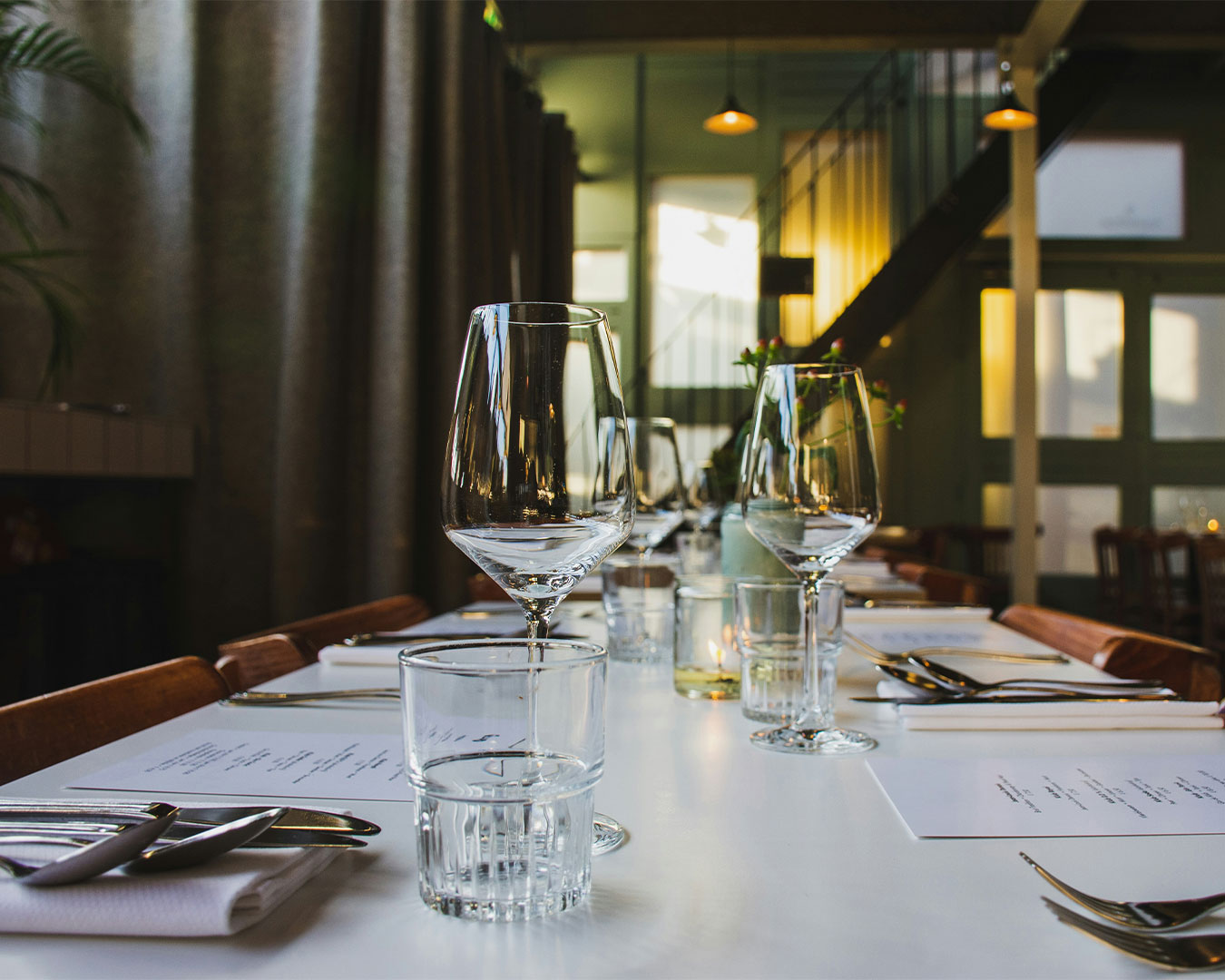
Investing in professional photography is one of the most valuable restaurant website design tips. High-quality images of your dishes, your interior, and even your team help tell your brand’s story and set the right expectations. Keep your gallery updated to reflect seasonal specials or menu changes.
5. A Disconnected Brand Experience
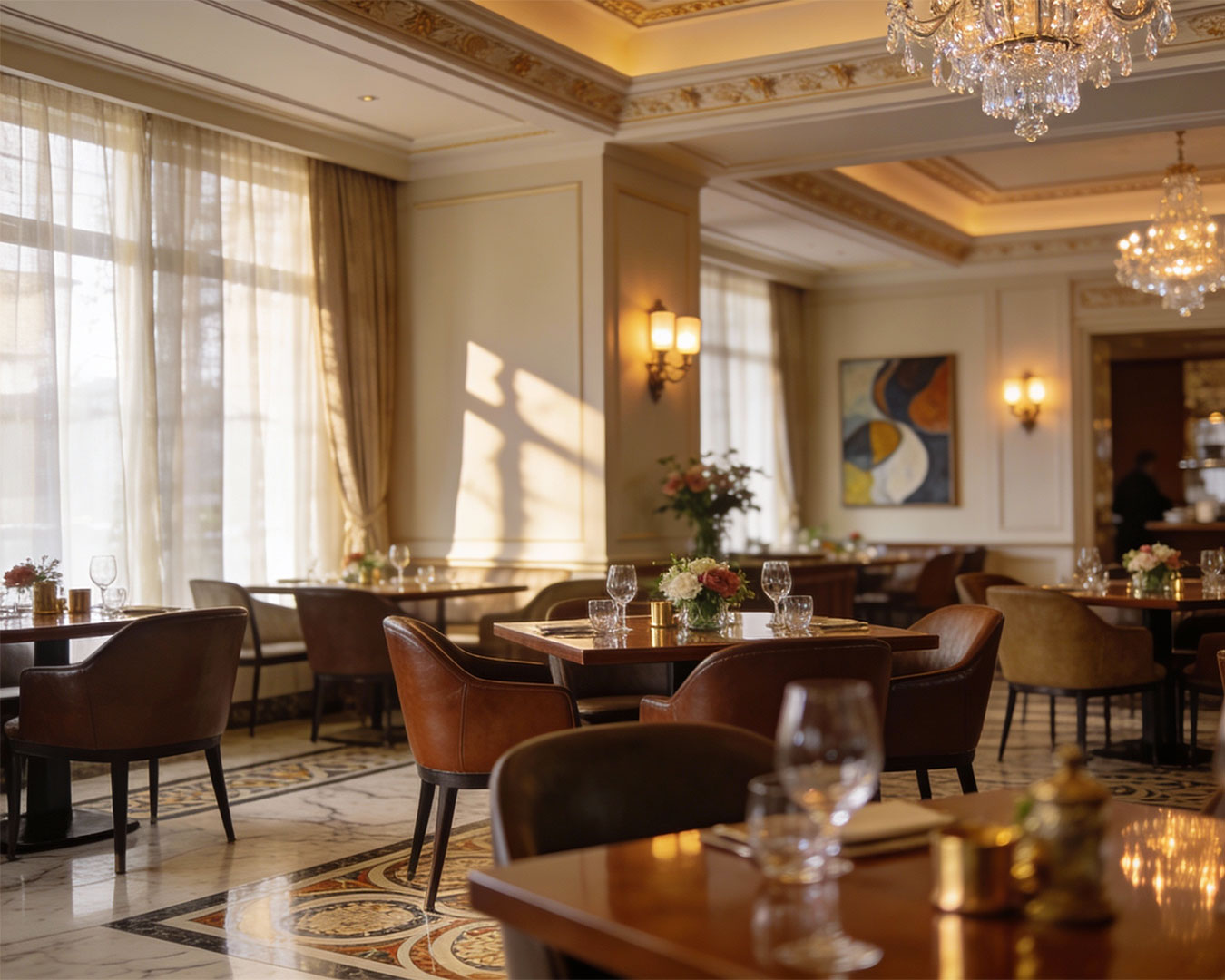
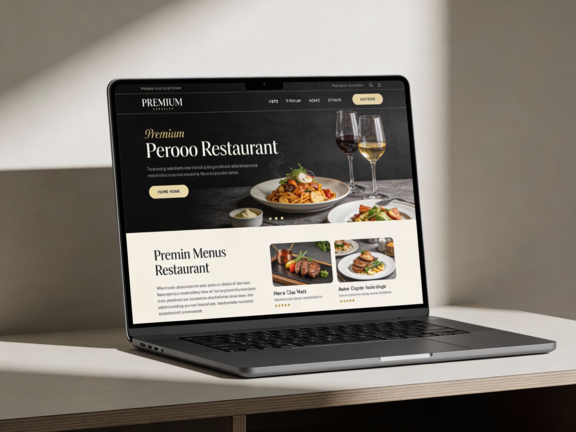
Your website is an extension of your brand. If you run an elegant, fine-dining establishment, your website should not use playful, cartoonish fonts. This is one of the more subtle restaurant website mistakes, but it creates a sense of unease and confusion for the user.
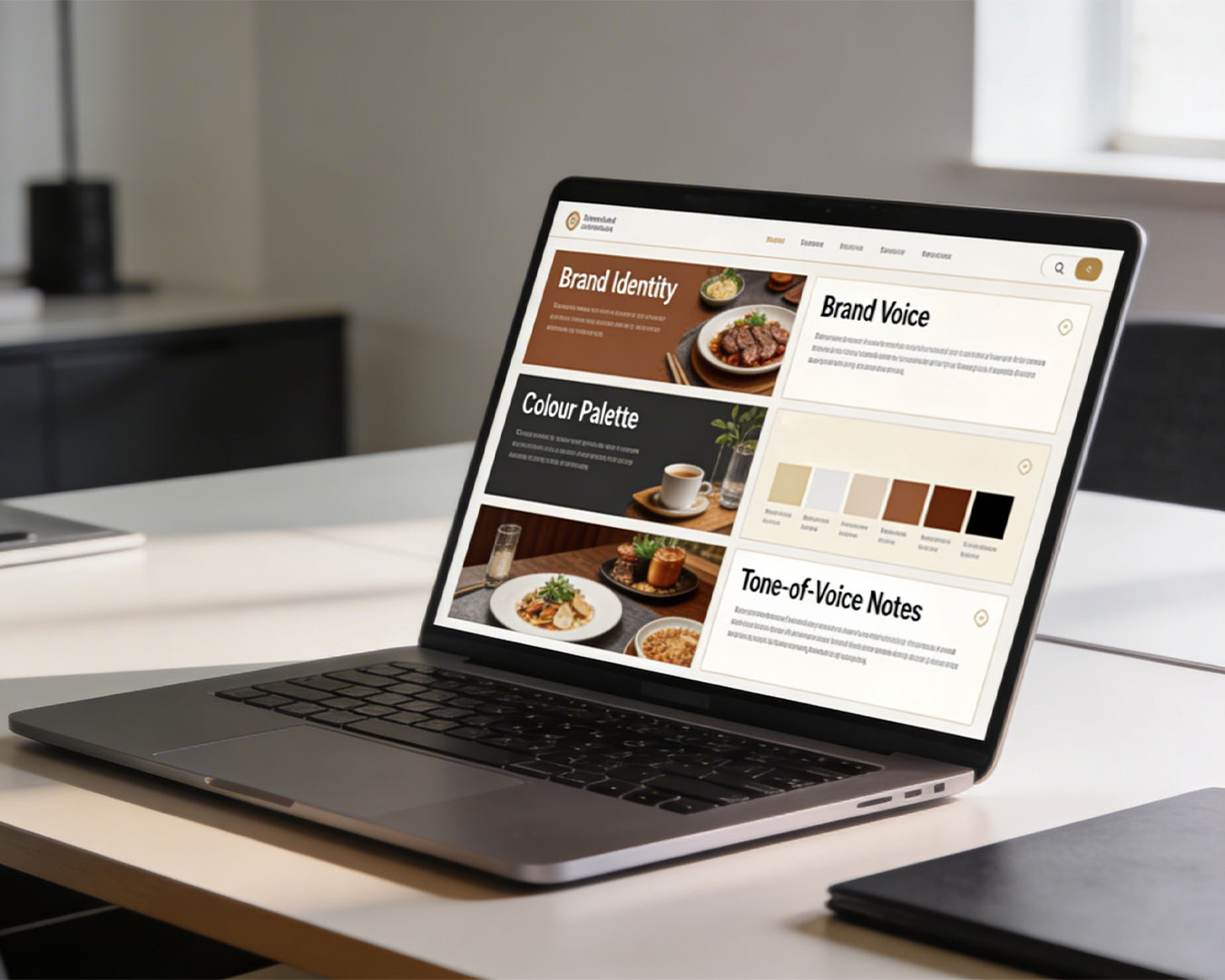
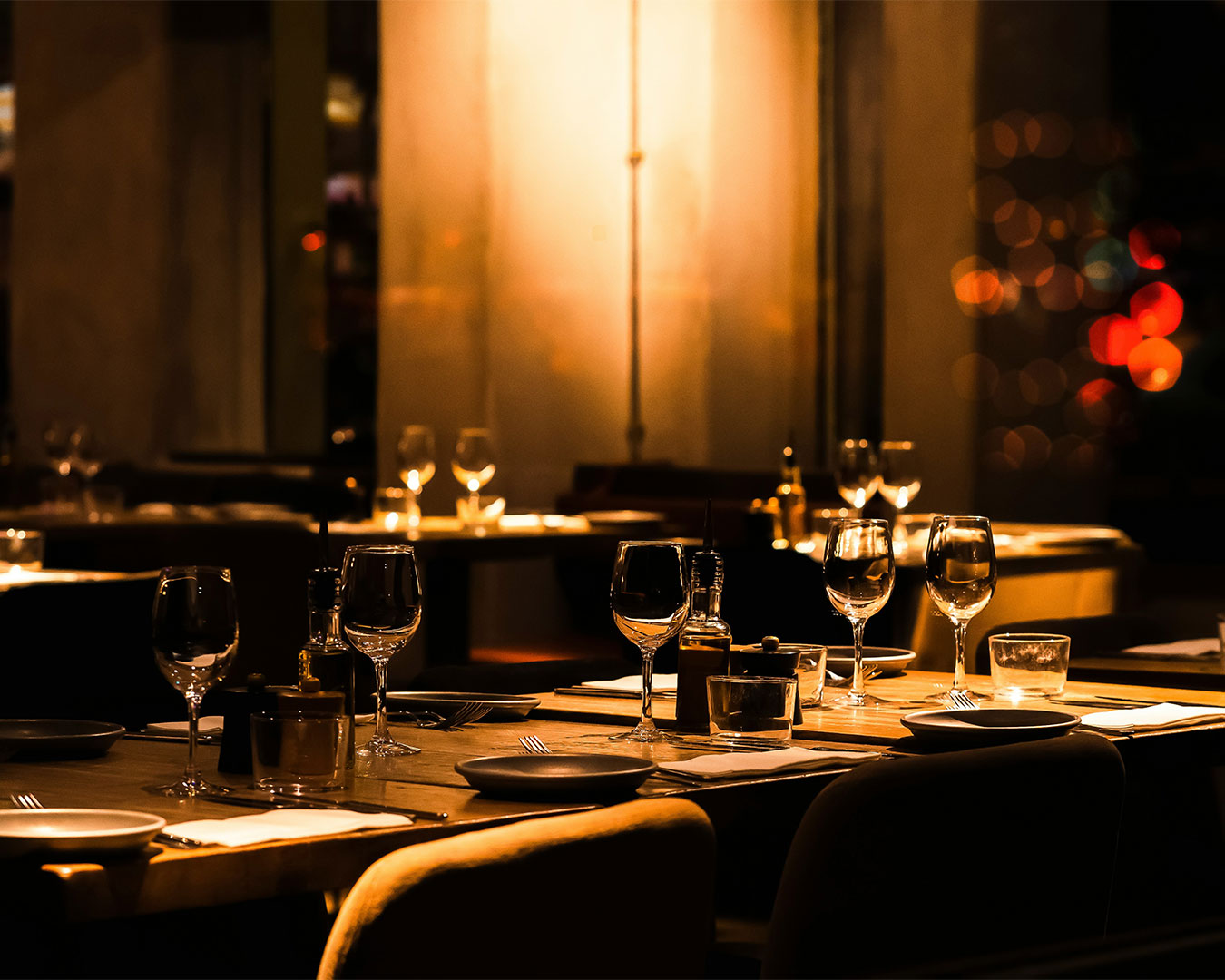
At Atelier Creations, we believe brand consistency is paramount. The colors, typography, and tone of voice on your website should perfectly match the atmosphere of your physical space. This consistency builds trust and reinforces your identity in the customer’s mind.
Taking a Fresh Look at Your Site
Your website is a powerful tool when used correctly, but a liability when neglected. It works for you 24/7, answering questions and taking reservations while you focus on running your business.
Take a few minutes to look at your website from the perspective of a brand-new customer. Is it easy to use? Does it accurately reflect the quality you deliver every day? If you spot some of these common mistakes, don’t worry. Addressing them is a practical and powerful step toward strengthening your brand’s digital presence and encouraging more diners to walk through your door.