In the competitive Singapore F&B market, you often see new concepts open with great fanfare, only to fade away within a year. Conversely, some establishments seem to weather every storm, maintaining a loyal following regardless of trends or economic shifts. The difference is rarely just about the food. It usually comes down to identity.
Understanding what makes a restaurant brand strong is essential for any owner who wants to build a business that endures, rather than one that just survives. A strong brand is not just a nice logo or a catchy name. It is a promise kept. It is the cumulative result of thousands of small interactions that tell your customers exactly who you are, what you stand for, and why they should care.
Clarity of Concept
The most fundamental of all restaurant branding essentials is clarity. A strong brand knows exactly what it is—and just as importantly, what it is not. It does not try to be everything to everyone.
If you are a casual, family-friendly pasta joint, you shouldn’t try to mimic the sterile, high-end atmosphere of a fine dining establishment on your website. When a brand is confused, the customer gets confused. Strong brands have a singular focus. They define their niche—whether it is authentic street food, sustainable seafood, or late-night cocktails—and they own it completely. This clarity acts as a magnet for the right customers.
Consistency Across All Touchpoints
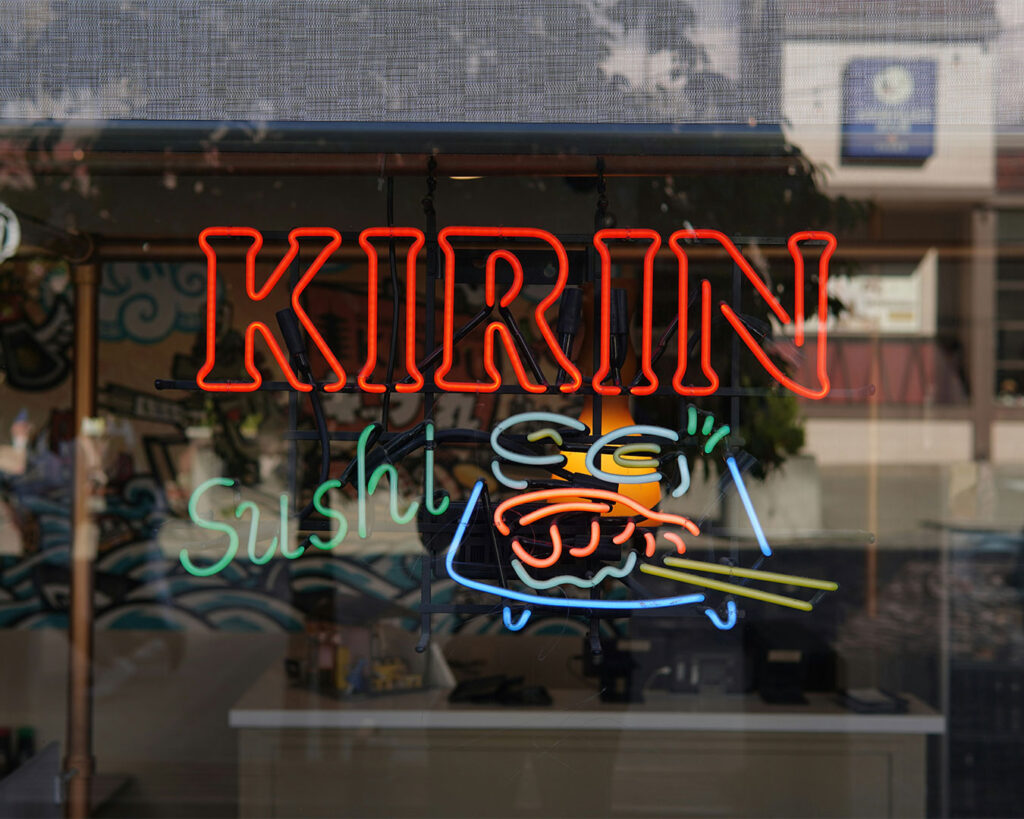
Once you have clarity, the next step is execution. The secret to how to build a memorable restaurant brand lies in unwavering consistency. Your brand must look, feel, and sound the same everywhere a customer encounters it.
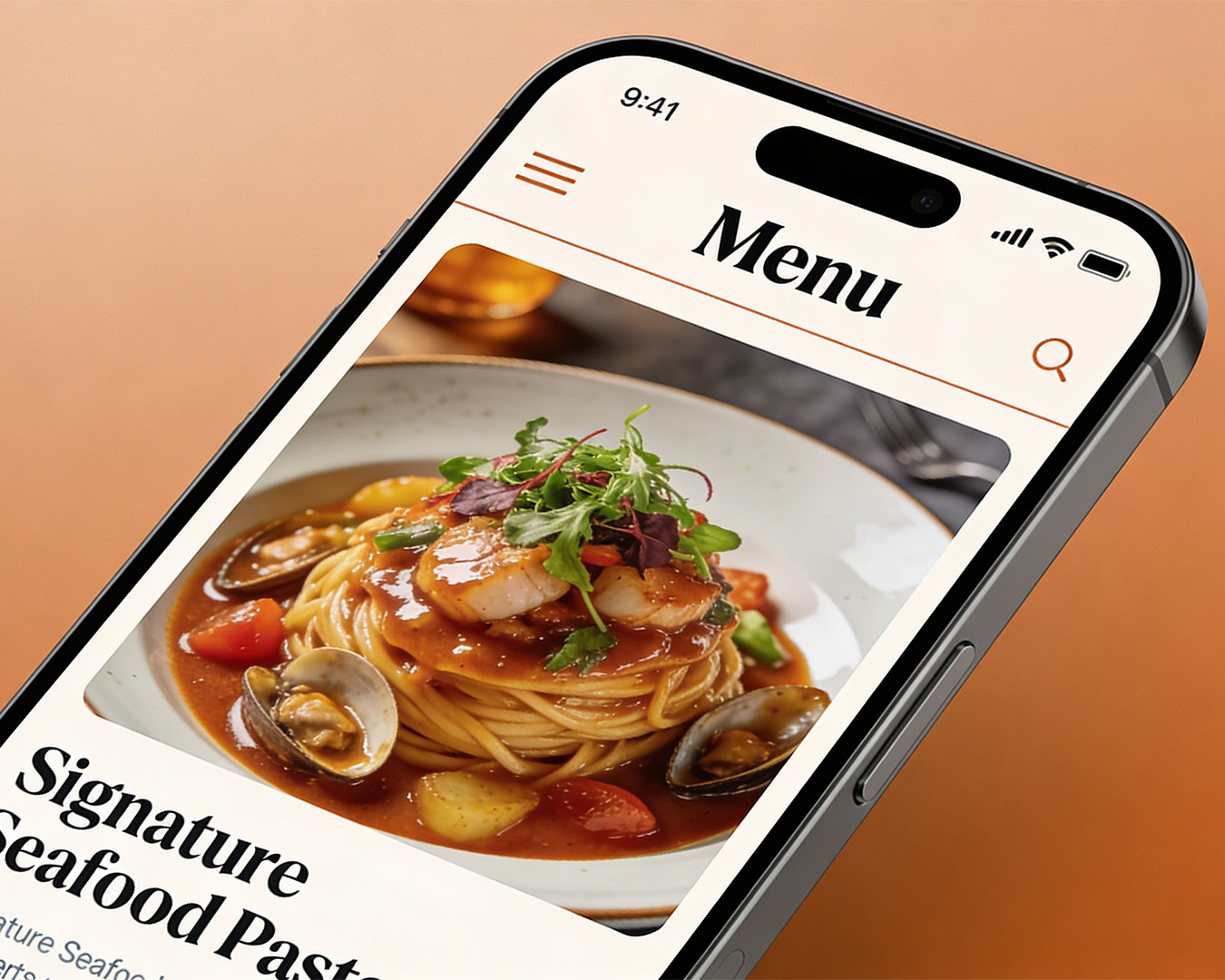
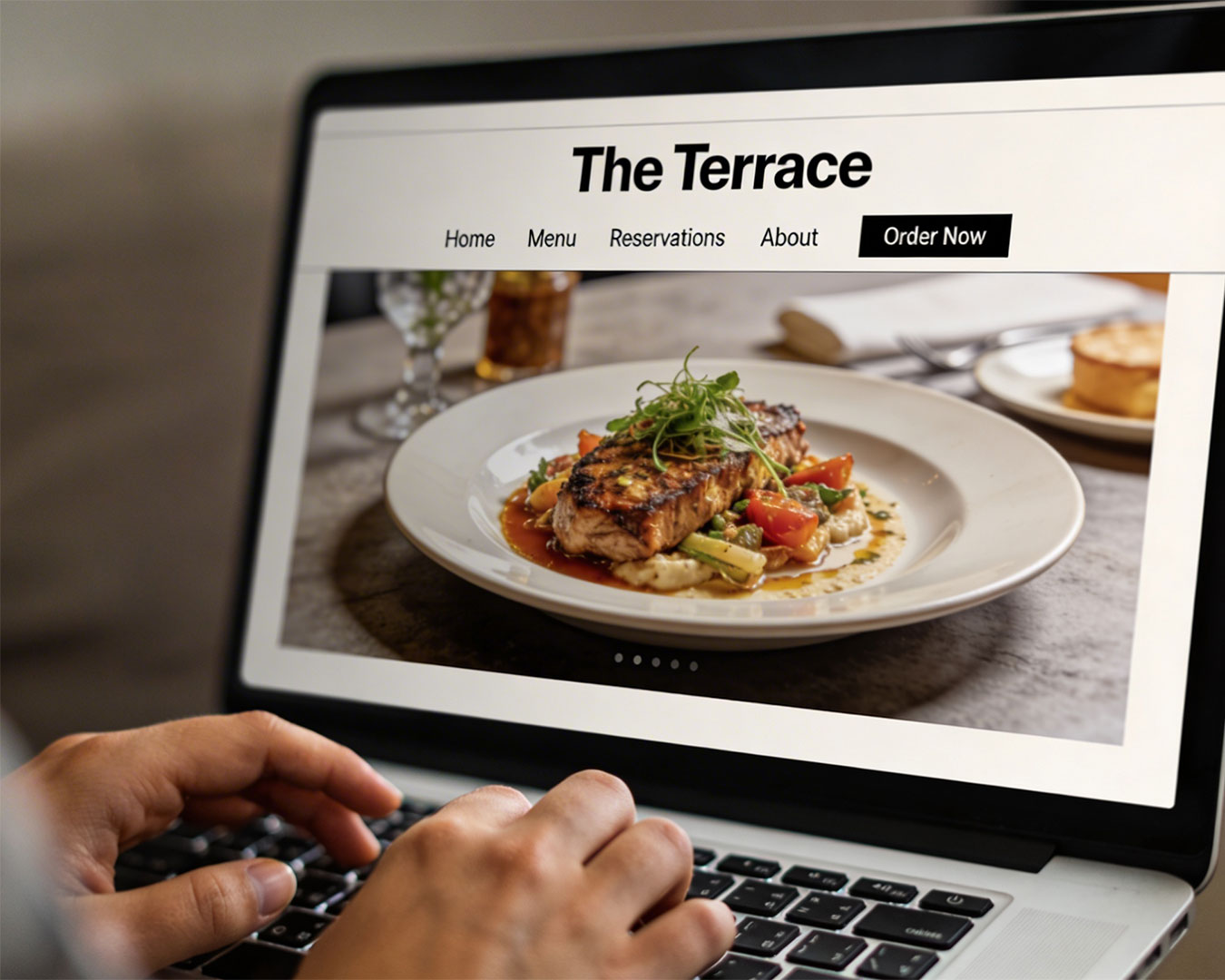
Think about the journey a guest takes. They might see an ad on Instagram, visit your website to book a table, walk through your doors, read your menu, and interact with your server. If the Instagram post is cheeky and fun, but the service is stiff and formal, the spell is broken. Strong brands ensure that the physical experience matches the digital promise. At Atelier Creations, we focus heavily on this alignment because we know that inconsistency erodes trust.
An Authentic Story
In a city saturated with options, diners are craving connection. They want to know the “why” behind the “what.” A strong brand tells a compelling story. This doesn’t mean you need a fairytale history; it just means you need to be authentic about your origins and values.
Maybe your concept is built around a grandmother’s recipe book, or perhaps it stems from a passion for zero-waste cooking. Sharing these narratives gives your brand depth. It transforms a transaction (paying for food) into a relationship. When customers understand your story, they become advocates who champion your business to their friends.
Visual Identity That Communicates

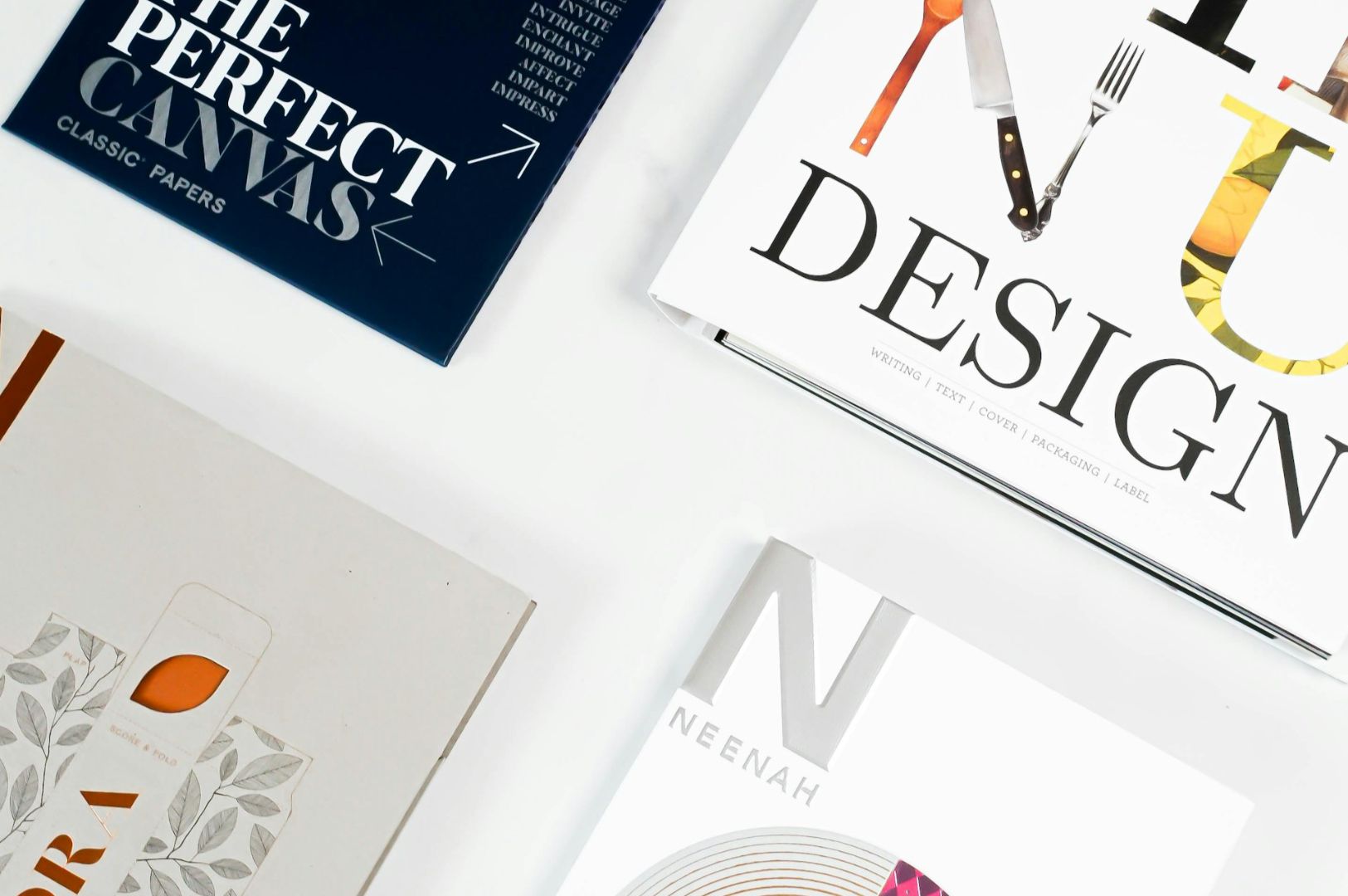
While a brand is more than visuals, the visual component is the first thing people see. One of the key elements of a strong restaurant brand is a visual identity that accurately reflects the culinary experience.
Your typography, color palette, and photography style are non-verbal cues. A bright, neon color scheme signals energy and speed, while muted earth tones suggest organic ingredients and a slower pace. These visual choices shouldn’t just be trendy; they should be functional tools that set the right expectations before a guest even tastes the food.
Operational Alignment
This is often the most overlooked aspect of branding. A brand is only as strong as the operation that supports it. You can have the most beautiful website in Singapore, but if the food arrives cold or the service is rude, the brand fails.
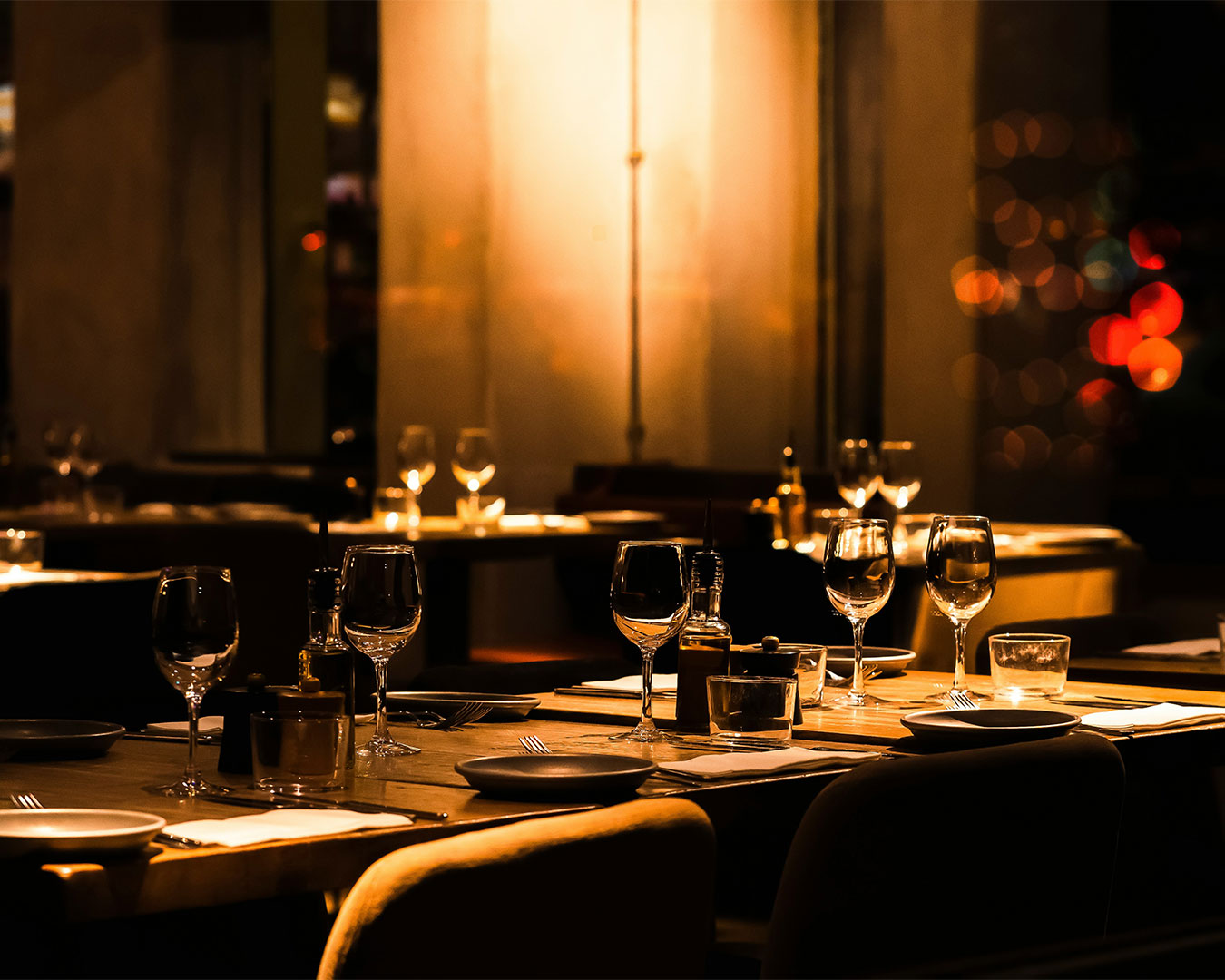
True brand strength comes when your back-of-house and front-of-house teams understand the brand promise. If your brand is about “warm hospitality,” then hiring staff who are naturally friendly is a branding decision. If your brand is about “speed and convenience,” then your kitchen workflow is a branding tool. Marketing draws people in, but operations bring them back.
Knowing When to Evolve

Finally, a strong brand is resilient but not rigid. It listens to its customers and adapts without losing its soul. It stays relevant by refreshing its menu or updating its digital presence, but it never compromises its core values.
If you feel that your restaurant’s identity has become diluted, or if you are struggling to articulate what makes a restaurant brand strong in your specific context, it might be time to pause. You don’t need to reinvent the wheel. often, you just need to wipe away the dust to reveal the authentic character underneath.
Taking the time to review your business’ direction is a practical, high-value step. It ensures that every effort you make—from a new dish to a new website—is building toward the same lasting legacy.