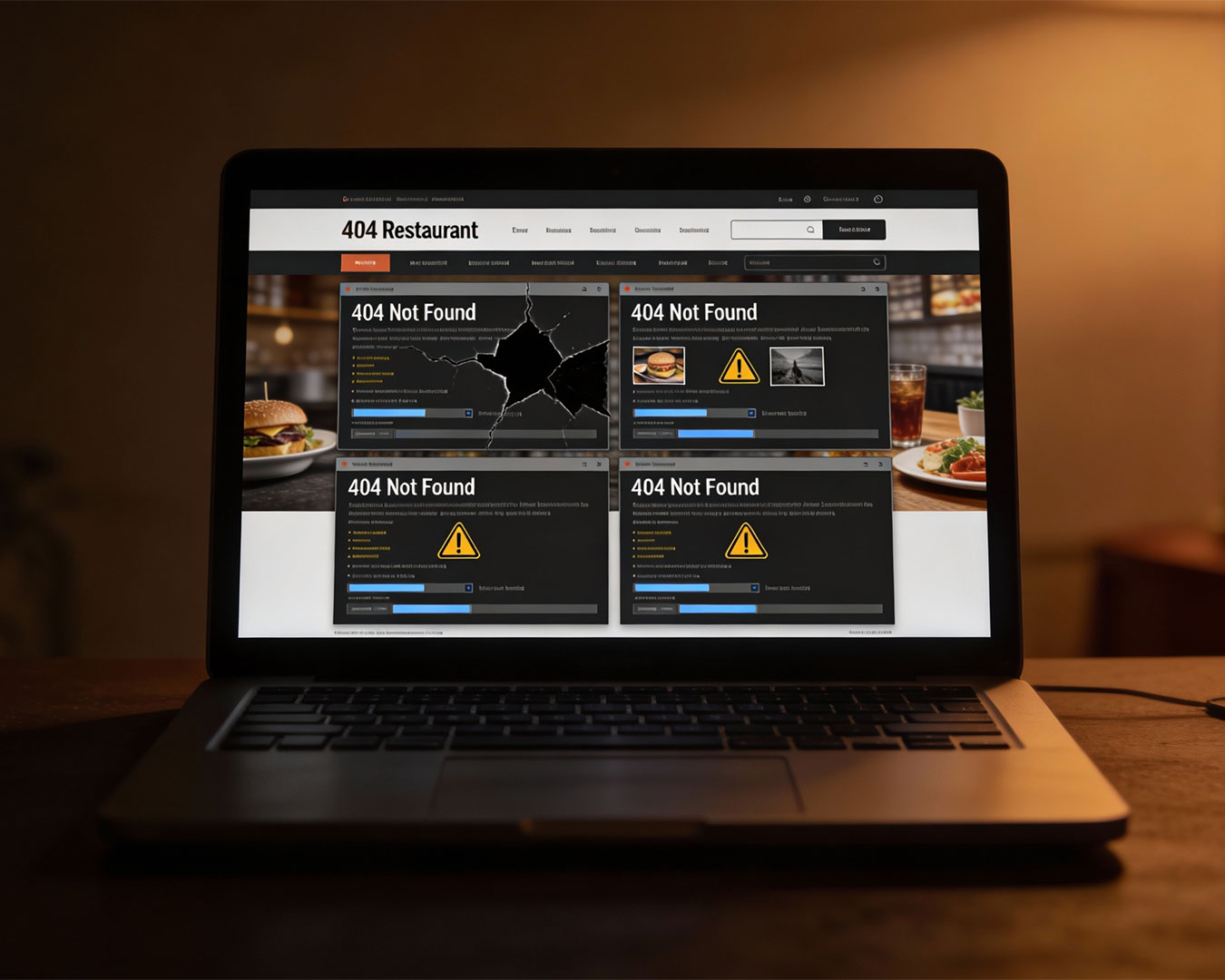
Running a restaurant in Singapore is an intense balancing act. You are managing staff, ensuring food quality, and navigating tight margins. Often, restaurant marketing feels like just another fire to put out. You might boost a post on social media, print some flyers, or engage a food blogger, yet the tables remain empty on Tuesday nights.
It is frustrating when you know your product is excellent, but the revenue doesn’t reflect it. Understanding why restaurant marketing fails is the first step toward building a business that doesn’t just survive, but endures. The issue rarely lies with the platform you are using; it usually lies in the absence of a cohesive foundation.
Relying on Disconnected Tactics

One of the most frequent issues we see is the “spray and pray” approach. An owner might try a discount one week, a new menu launch the next, and a completely different visual style the week after. These are restaurant marketing strategies that fail because they lack a central thread.
When you treat marketing as a series of isolated experiments rather than a consistent narrative, you confuse your audience. Customers need to know exactly who you are and what to expect. If your messaging changes with the wind, you never build the familiarity required for loyalty.
Common Restaurant Marketing Mistakes in Branding
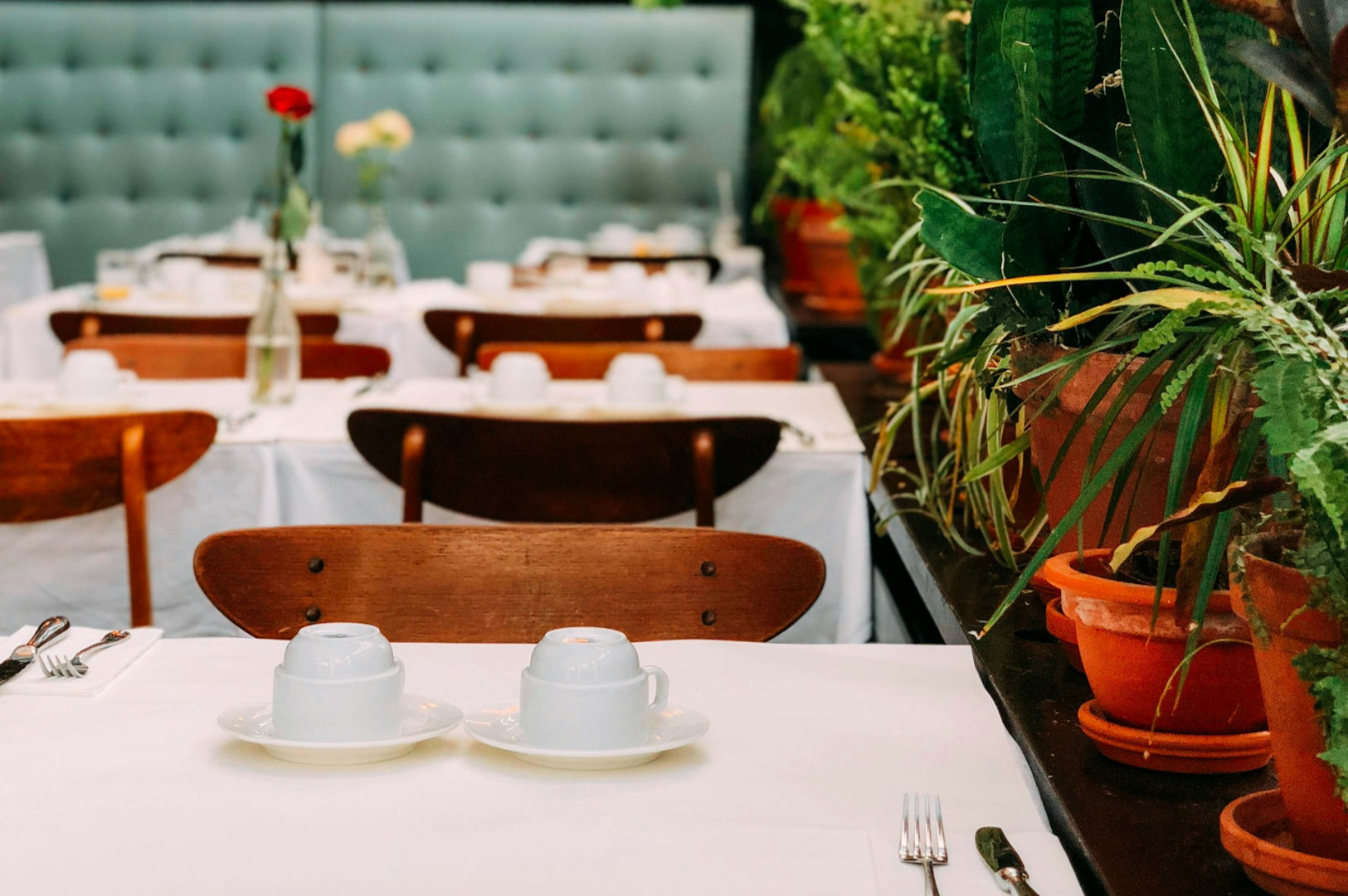
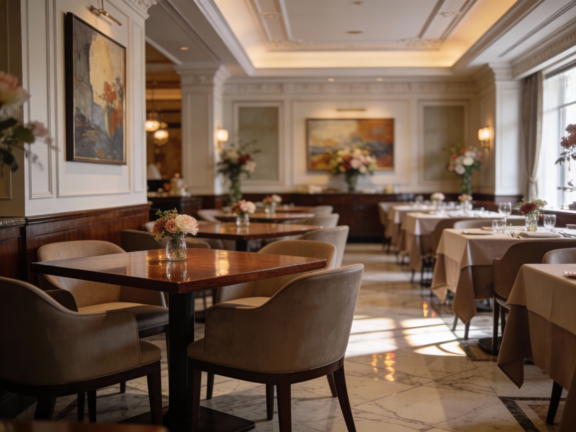
Your brand is more than your logo. It is the cumulative feeling a customer gets when they interact with your business. A significant disconnect often exists between the physical dining experience and the digital one.
Common restaurant marketing mistakes often stem from this misalignment. For example, a restaurant might serve high-end, sophisticated cuisine, but their social media graphics look amateurish or cluttered. Or perhaps the service is warm and personal, but the website copy feels cold and corporate. This inconsistency erodes trust. If a customer cannot reconcile your online presence with your physical reality, they will likely choose a competitor who presents a clearer picture.
Why Restaurant Advertising Doesn't Work in Isolation
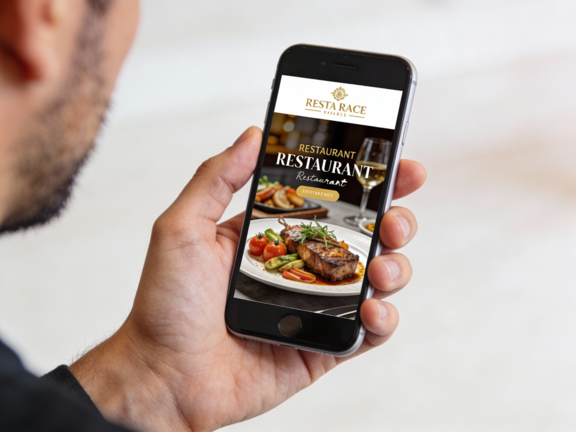
In today’s digital age, simply advertising through traditional means such as flyers and billboards is not enough to effectively attract customers. Restaurant advertising must be seen as part of a larger marketing strategy that includes an online presence.
With the rise of social media and online review sites, potential customers are able to easily research and compare different dining options before making a decision. This means that restaurants need to have a strong online presence in order to stand out and attract new customers. A well-designed website, active social media accounts, and positive reviews can greatly influence a customer’s choice.
Moreover, restaurant advertising cannot exist in isolation
Many operators believe that spending more money on ads will solve their volume problems. However, advertising acts as an amplifier. If you amplify a confusing message or send traffic to a poor website, you are simply paying to show people you aren’t ready for them.
This is precisely why restaurant advertising doesn’t work for many businesses. You cannot fix a branding or operational issue with ad spend. Before turning on the “paid” tap, you need to ensure your organic presence—your website, your content, and your core identity—is solid. The advertising should simply be the fuel for an engine that is already working efficiently.
The Website is Often Overlooked
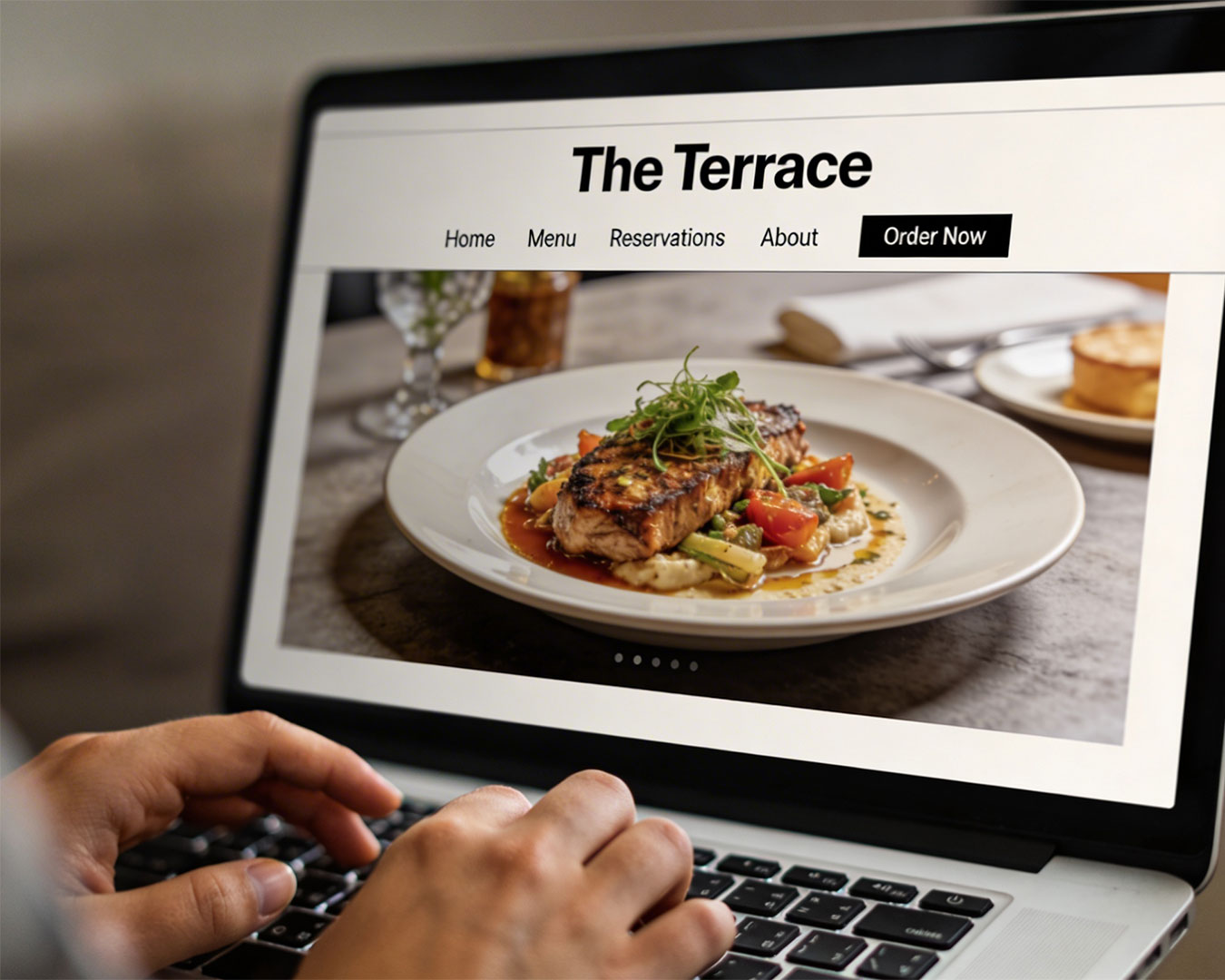
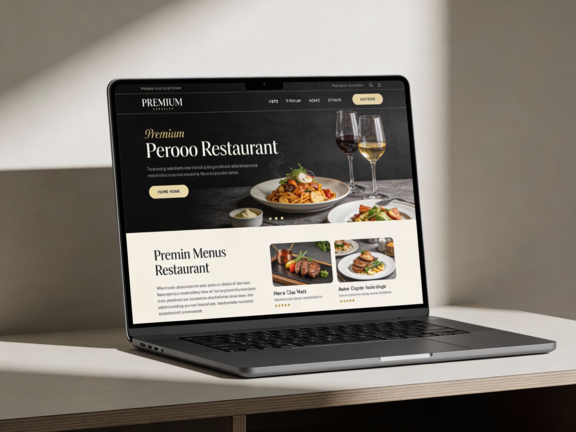
In the rush to be active on social media, the humble website is often neglected. This is a critical error. Social media algorithms change, but your website is the one piece of digital real estate you truly own.
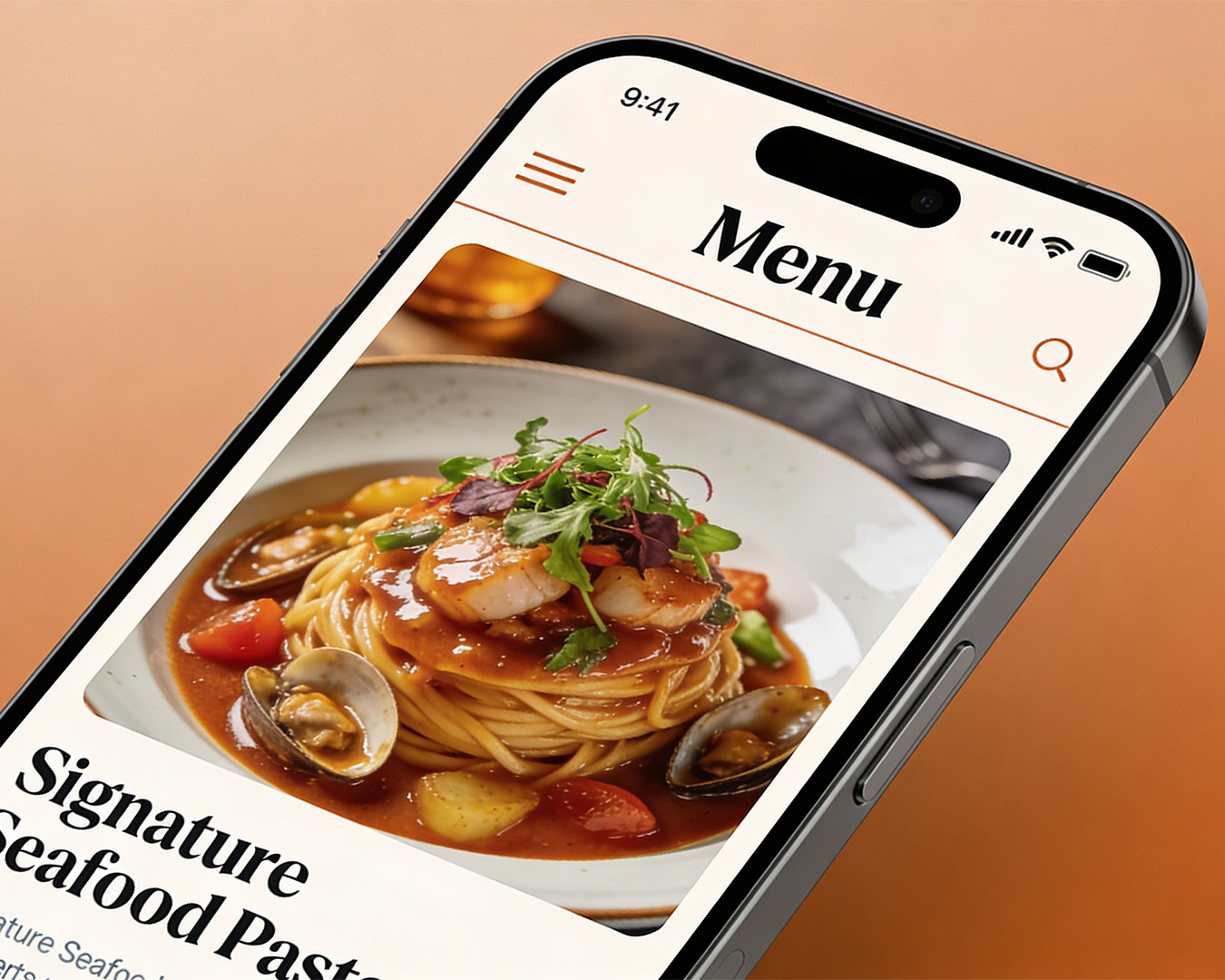
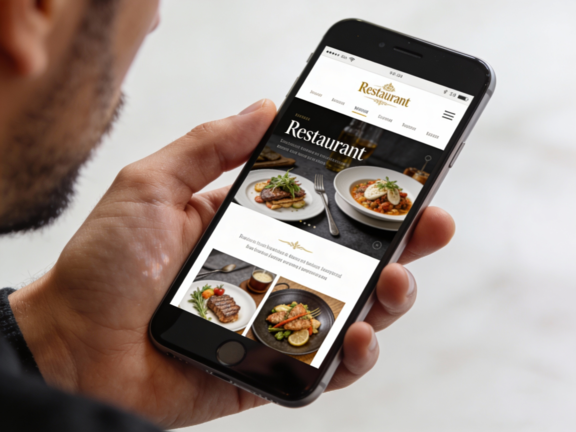
A slow, outdated, or non-mobile-friendly website frustrates potential diners who just want to see the menu or make a reservation. If they have to pinch-and-zoom to read a PDF menu on their phone, you have created friction. In a market as competitive as Singapore’s, friction leads to lost bookings.
Moving Toward Long-Term Brand Health
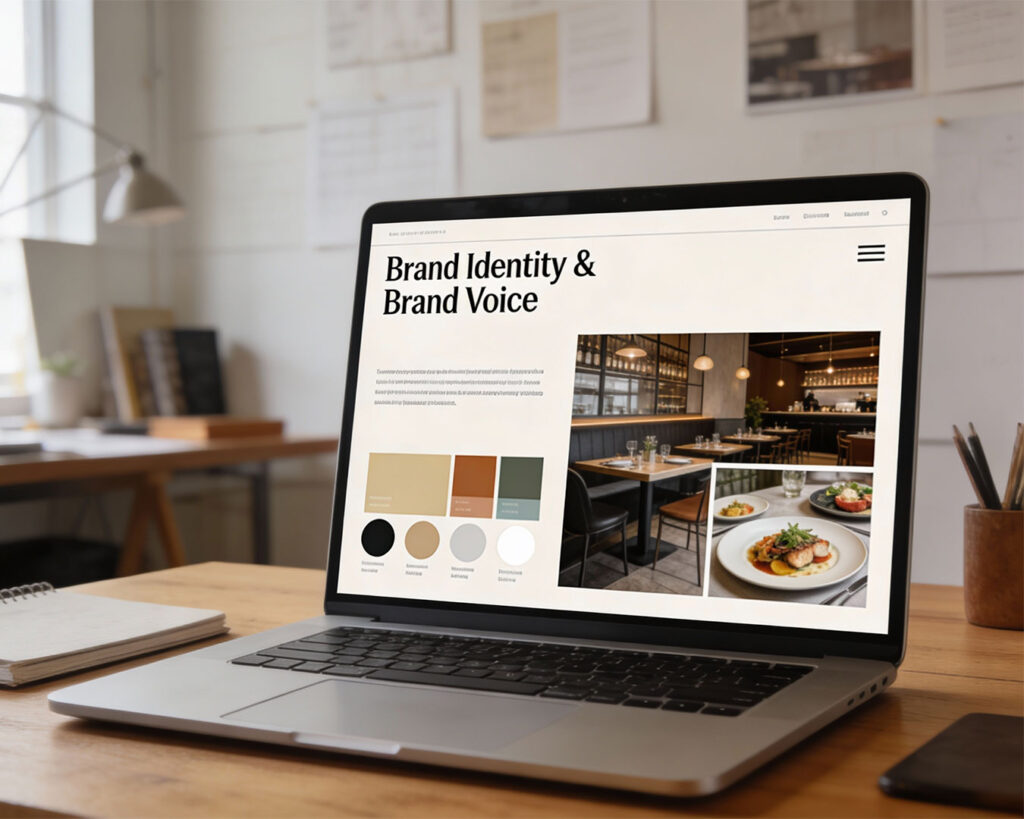
Successful marketing is the result of deep clarity, not hype. It requires stepping back to define who you are, who you serve, and why it matters.
Once that identity is clear, it must be executed consistently across every touchpoint—from the typography on your menu to the tone of voice in your captions. This consistency builds authority. It signals to the customer that you are professional, reliable, and worth their time.
Find Your Brand's Clarity
If your current efforts feel chaotic or expensive with little return, pause. You likely do not need a louder megaphone; you need a clearer message.
Look at your brand through the eyes of a stranger. Does your website match your plating? Does your Instagram caption sound like your front-of-house staff? If the answer is no, that is where the work begins. Fixing these foundations is how you move away from panic marketing and toward sustainable growth.
To help you get started, we have put together a breakdown of What Actually Works for F&B Brands: Restaurant Marketing Singapore to give you more clarity on your next steps.