It is easy to rely on the convenience of social media and third-party apps, especially when your Instagram engagement is high or your Google Maps reviews are strong. However, a dedicated website serves a purpose those platforms cannot. It allows you to move from simply being discovered to actually owning your digital real estate, giving you the power to control every touchpoint of the customer experience.
Relying solely on rented land, such as social media or reservation platforms, leaves your business vulnerable to algorithm changes and commission hikes. A dedicated website serves as the central hub of your brand; it is a place where you set the rules, tell your story, and build direct relationships with your diners.
Owning Your Customer Relationship
One of the most significant benefits of having a website for restaurants is the ability to own your data. When a customer orders through a third-party app, that platform owns the customer relationship, not you. They hold the email addresses, the ordering history, and the marketing permissions.
With your own website, you can capture this vital information. Whether it is through a newsletter sign-up for exclusive tasting events or a direct reservation system, you gain the ability to communicate directly with your guests. This direct line is crucial for building loyalty and encouraging repeat visits without having to pay for ads to reach people who already know and love your food.
Do Restaurants Need Their Own Website in the Age of Social Media?
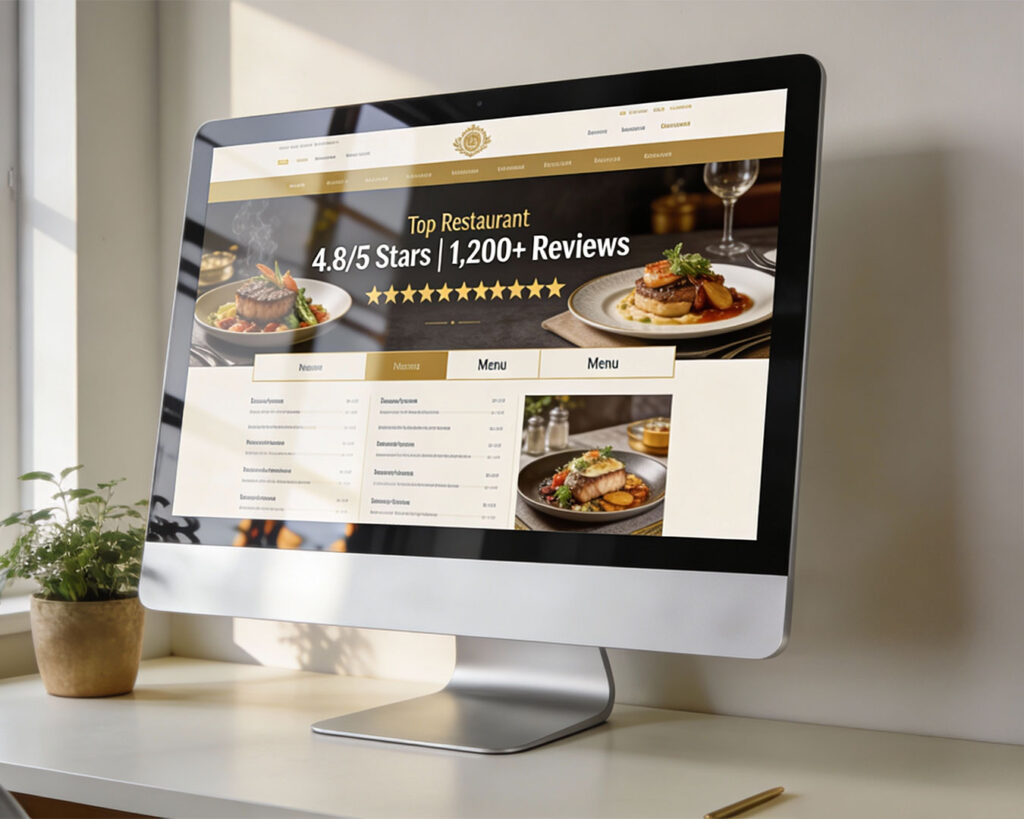
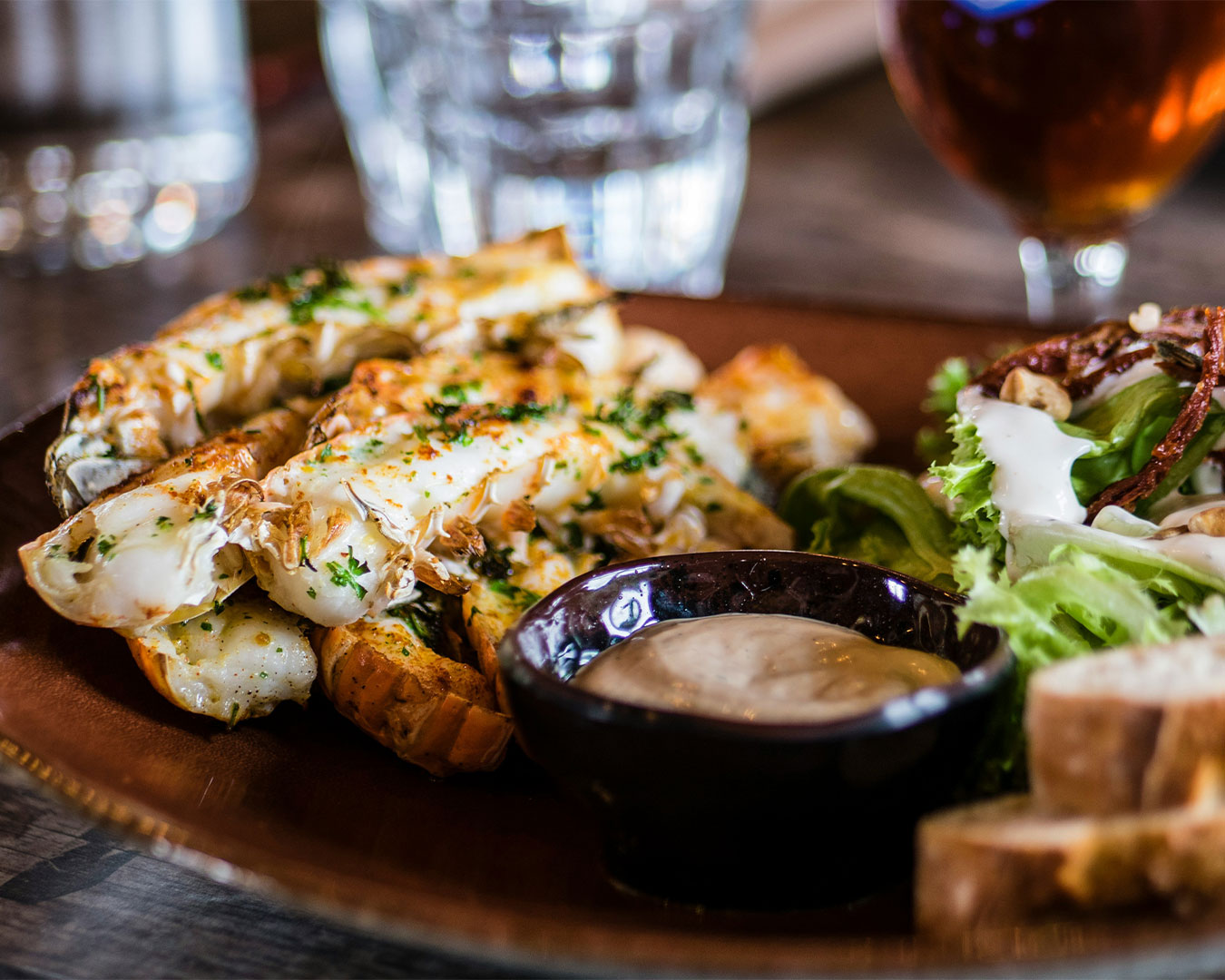
A common question we hear is: “Do restaurants need their own website if they have a strong Instagram or Facebook page?” The answer is yes, because social media is ephemeral and chaotic. A potential diner might see a delicious photo of your signature dish on Instagram, but then get distracted by a notification or a competitor’s ad.
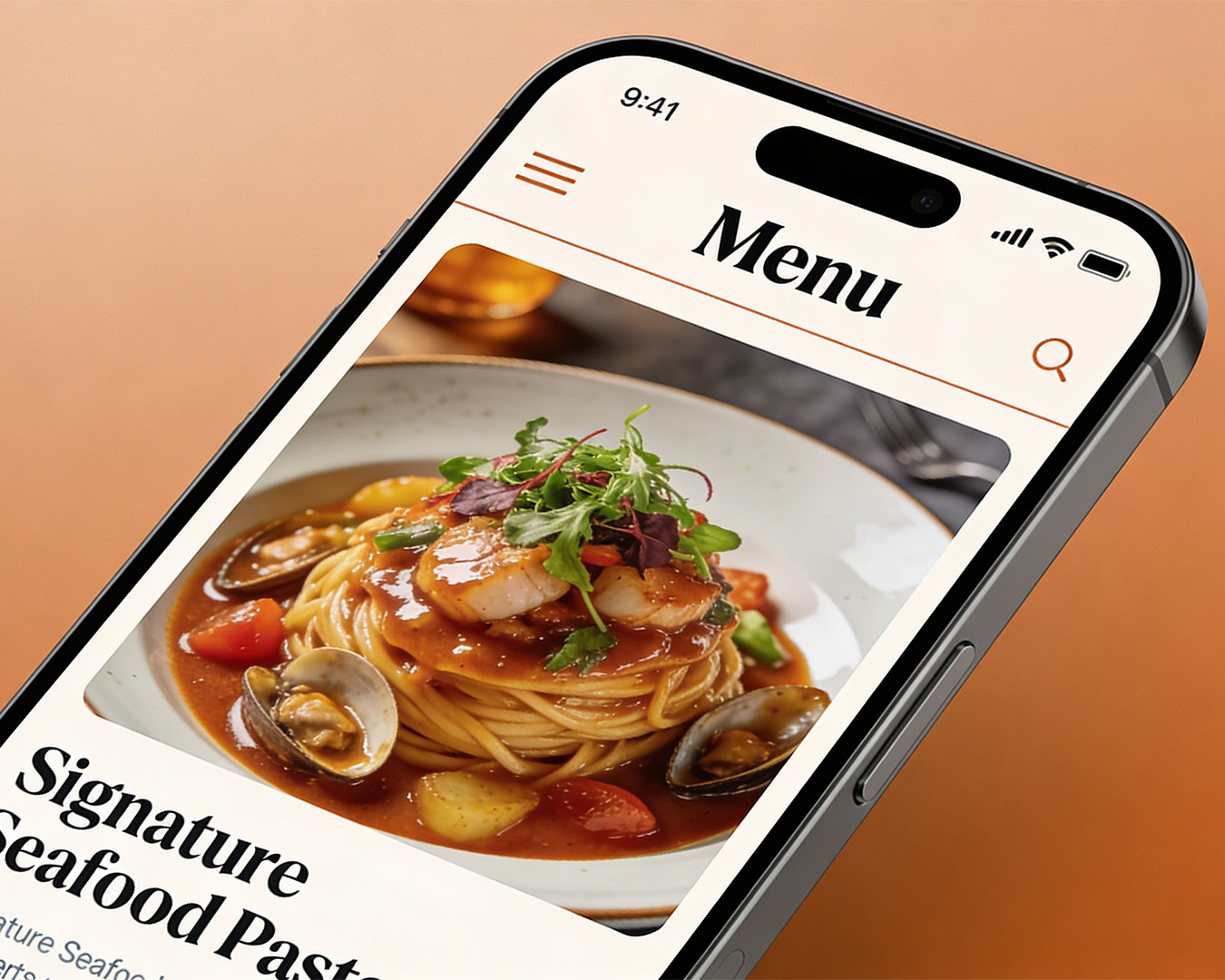
Your website provides a distraction-free environment. When a customer lands on your site, they are there to learn about you. They can read your menu without scrolling past ads, check your opening hours without hunting through bio links, and understand your brand story without the noise of a social feed. It legitimizes your business and signals professionalism.
Establishing Brand Consistency and Trust
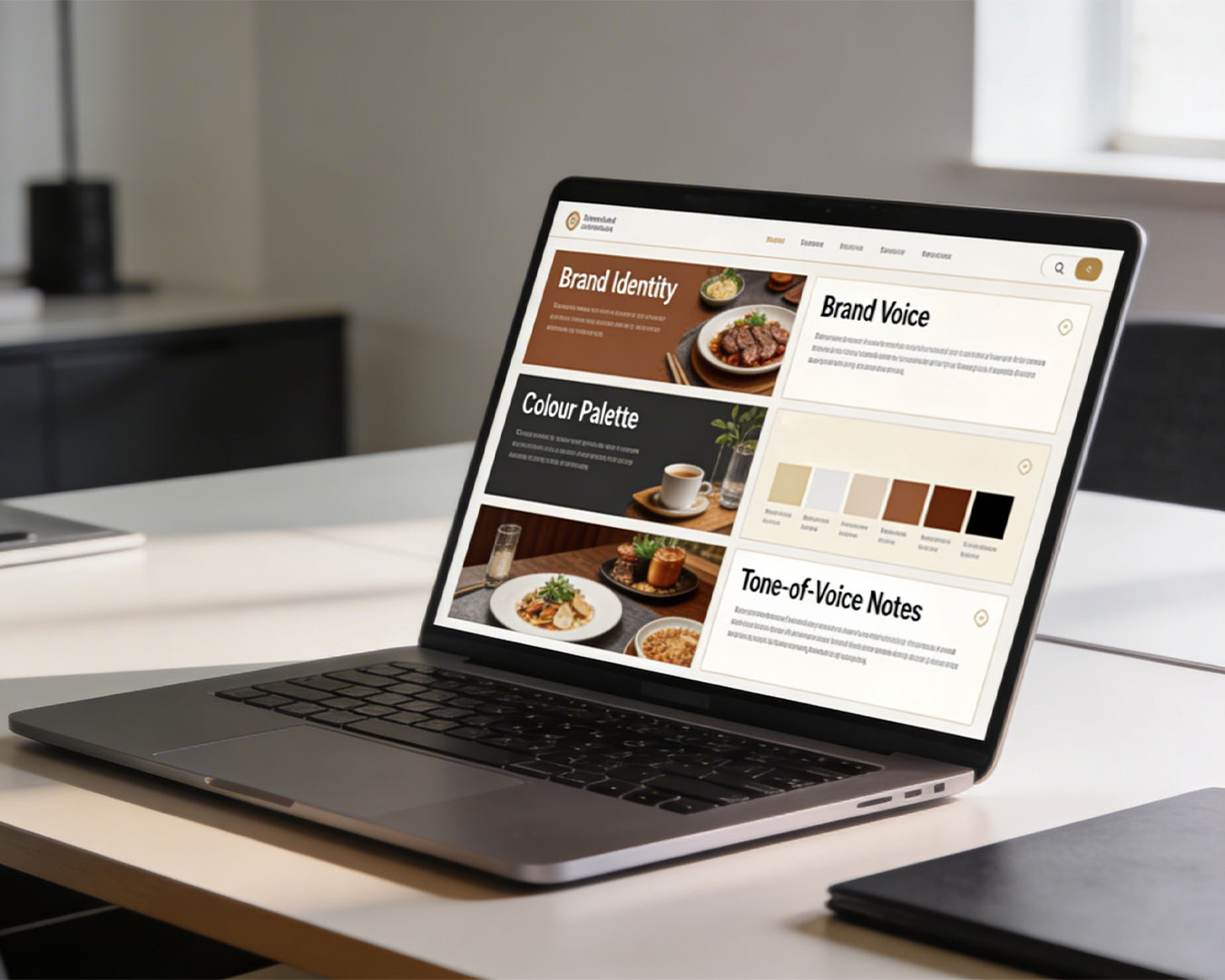
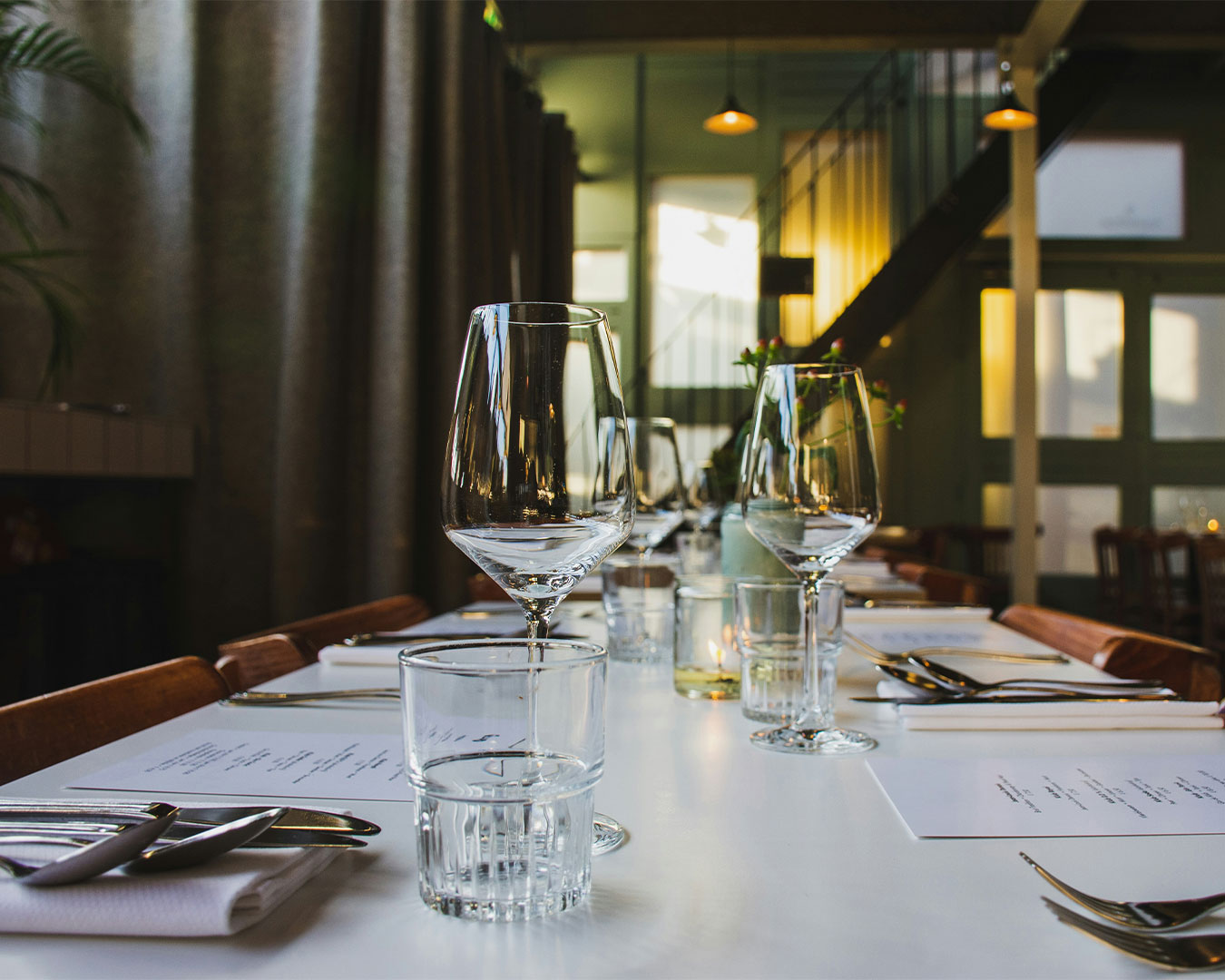
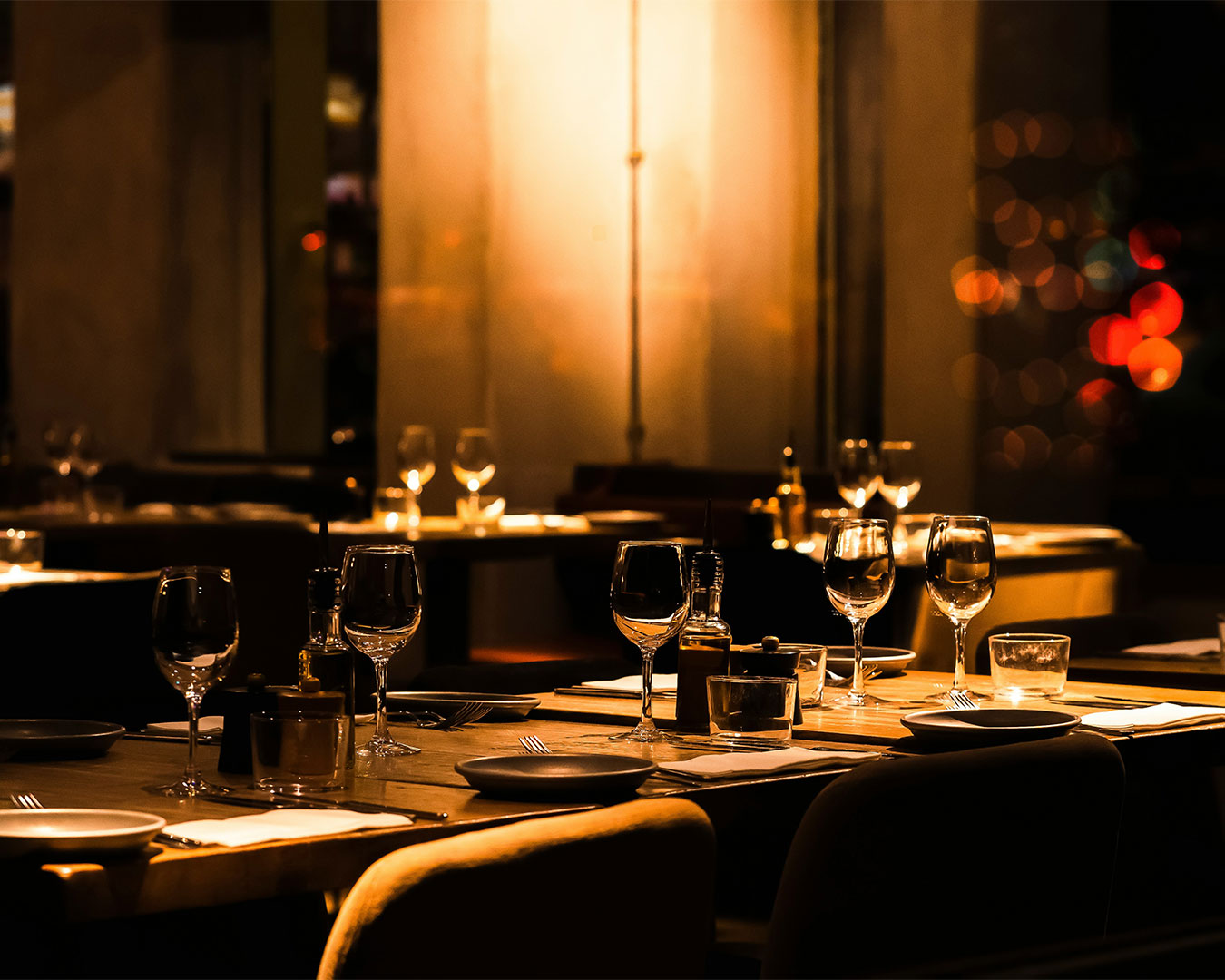
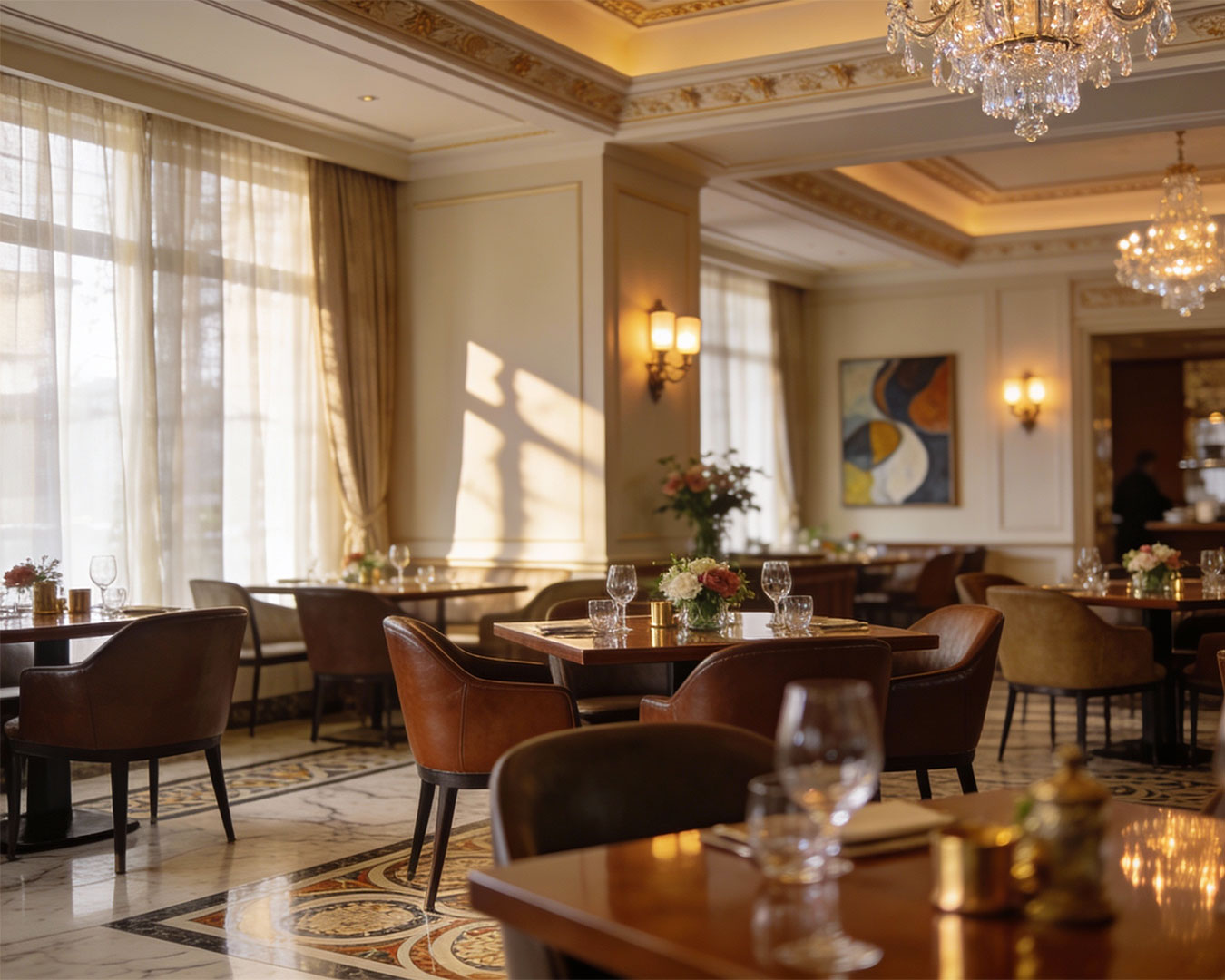
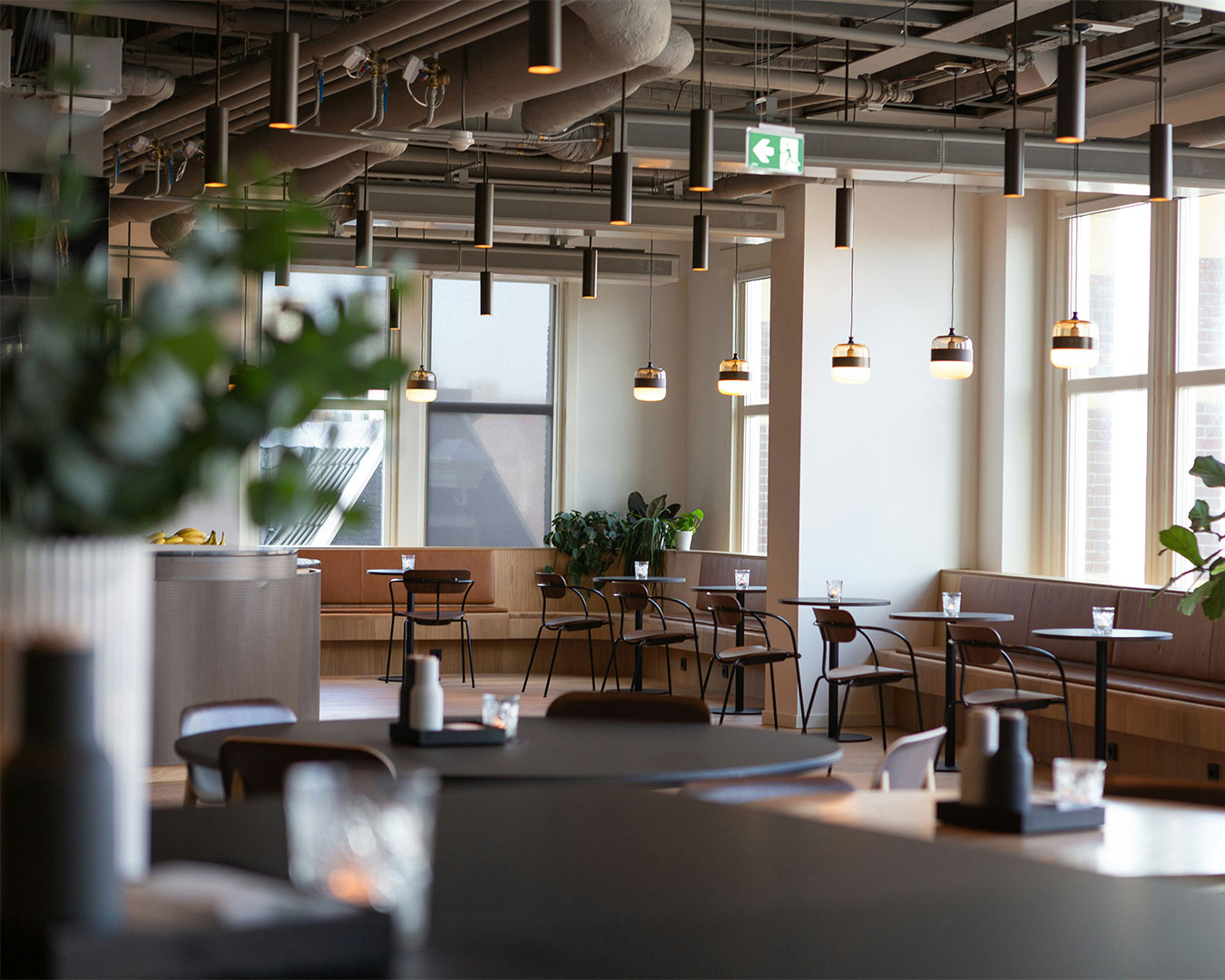
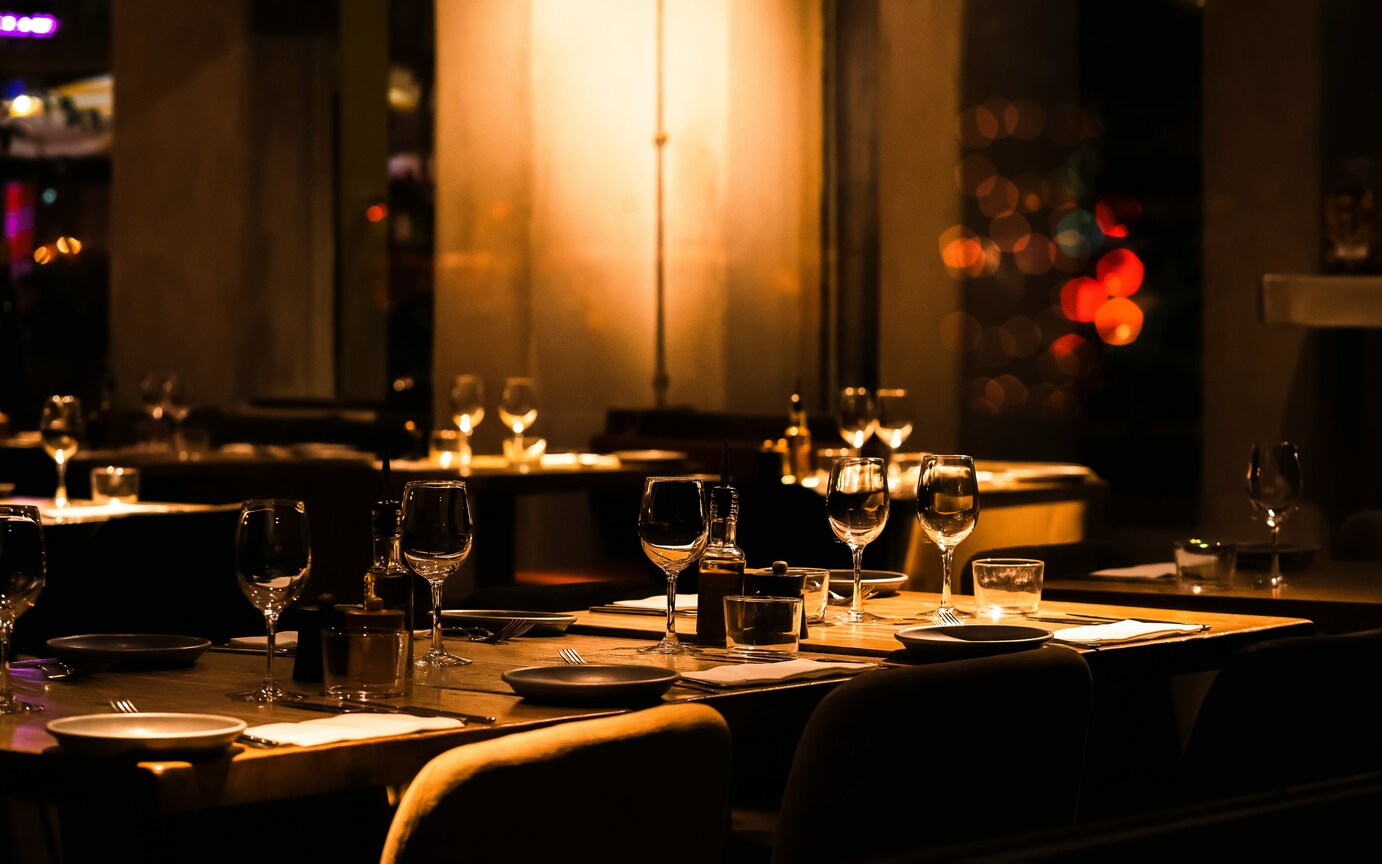
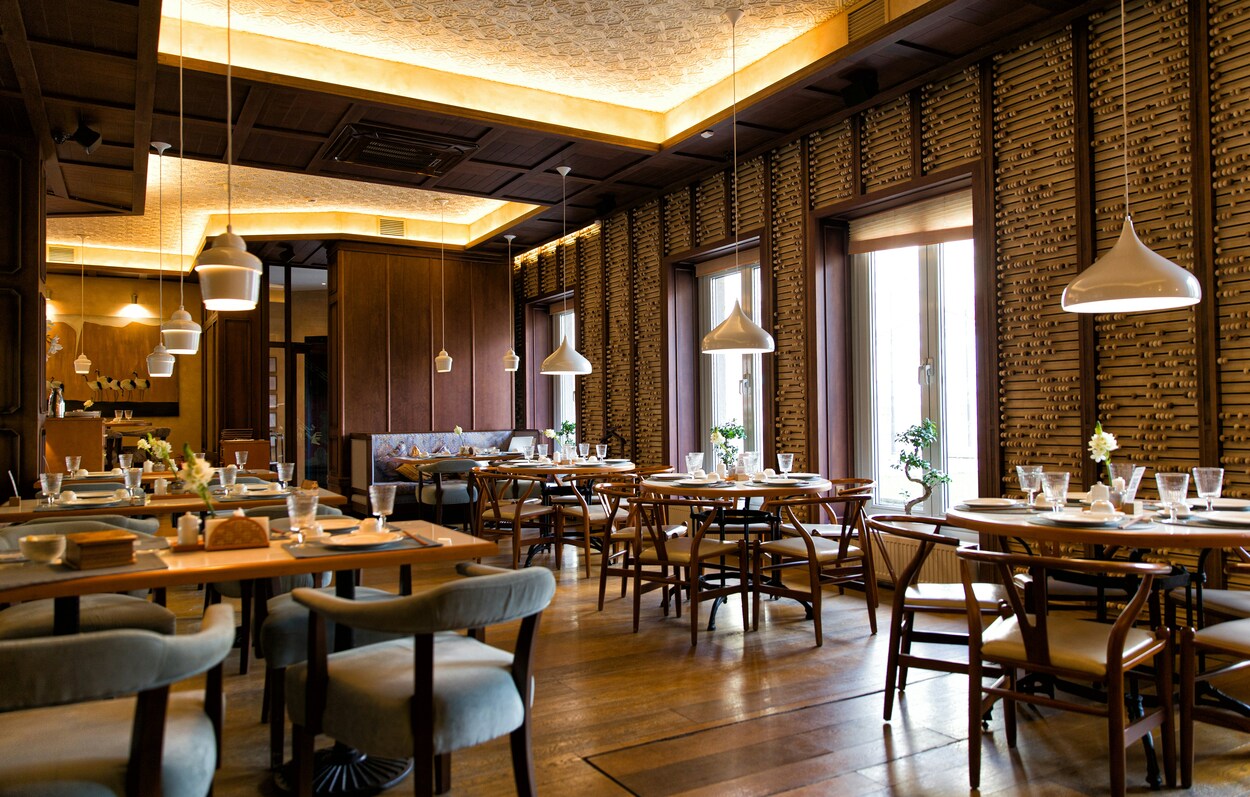
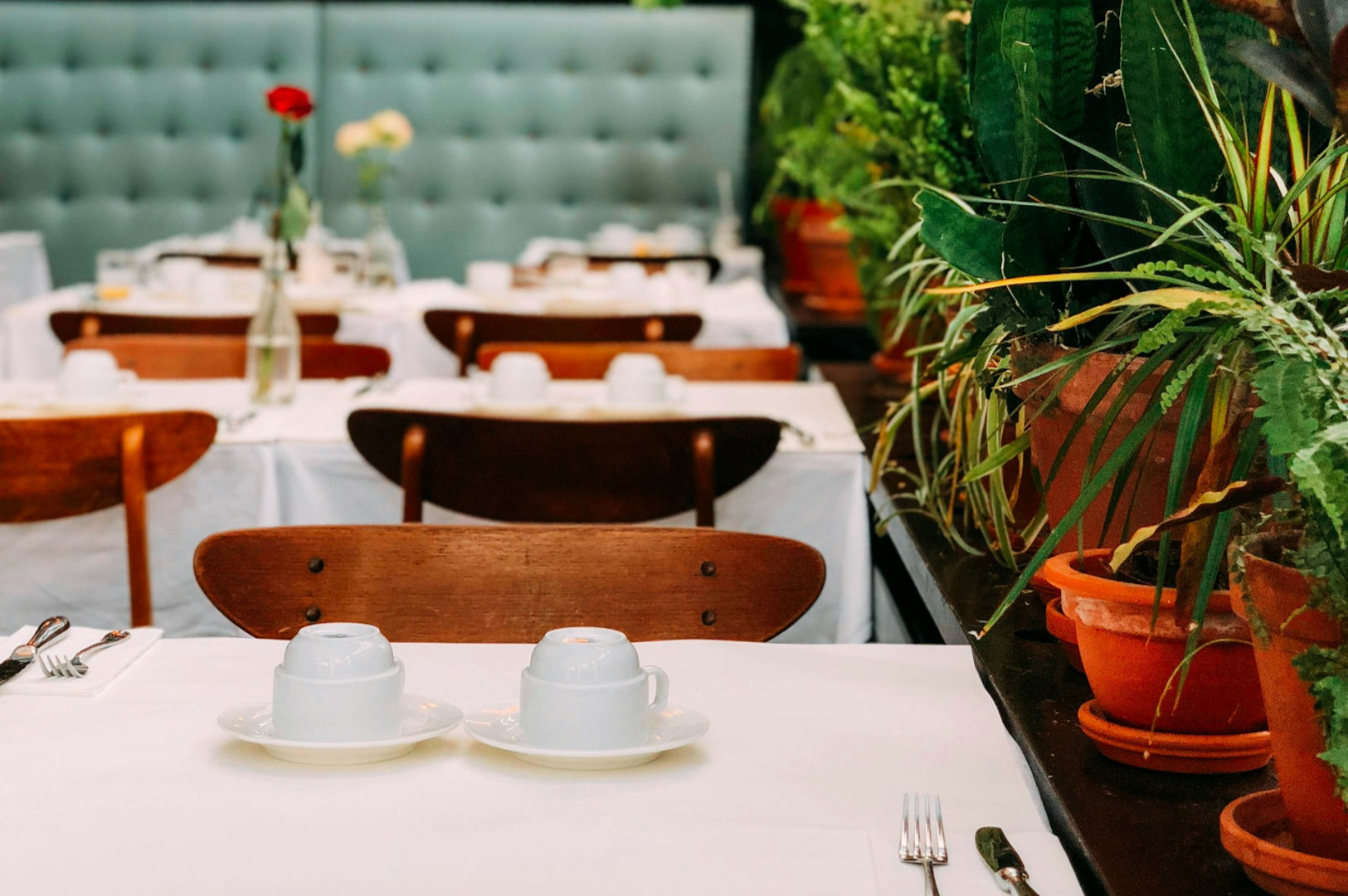
Just as you meticulously curate the music and decor to define your restaurant’s character, your online platforms must mirror those same sensory cues. A well-aligned digital presence ensures that the ‘vibe’ of your room is felt instantly, creating a consistent narrative from screen to table. It is the only digital space where you have complete control over the visual and tonal experience.
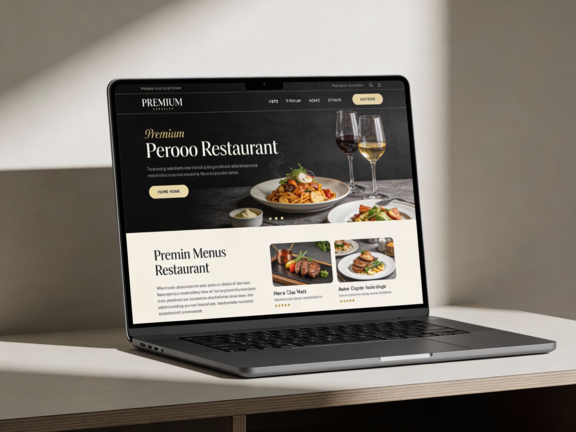
We often see a disconnect between a restaurant’s premium in-person experience and a neglected online presence. If your food is sophisticated but your only online presence is a low-res menu photo on a review site, you lose trust. A well-designed website ensures that the feeling of your restaurant begins the moment a customer clicks a link, long before they step through your door.
Reducing Friction for the Hungry Diner
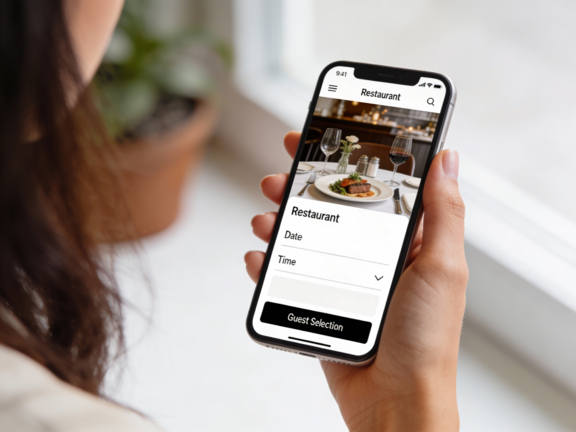
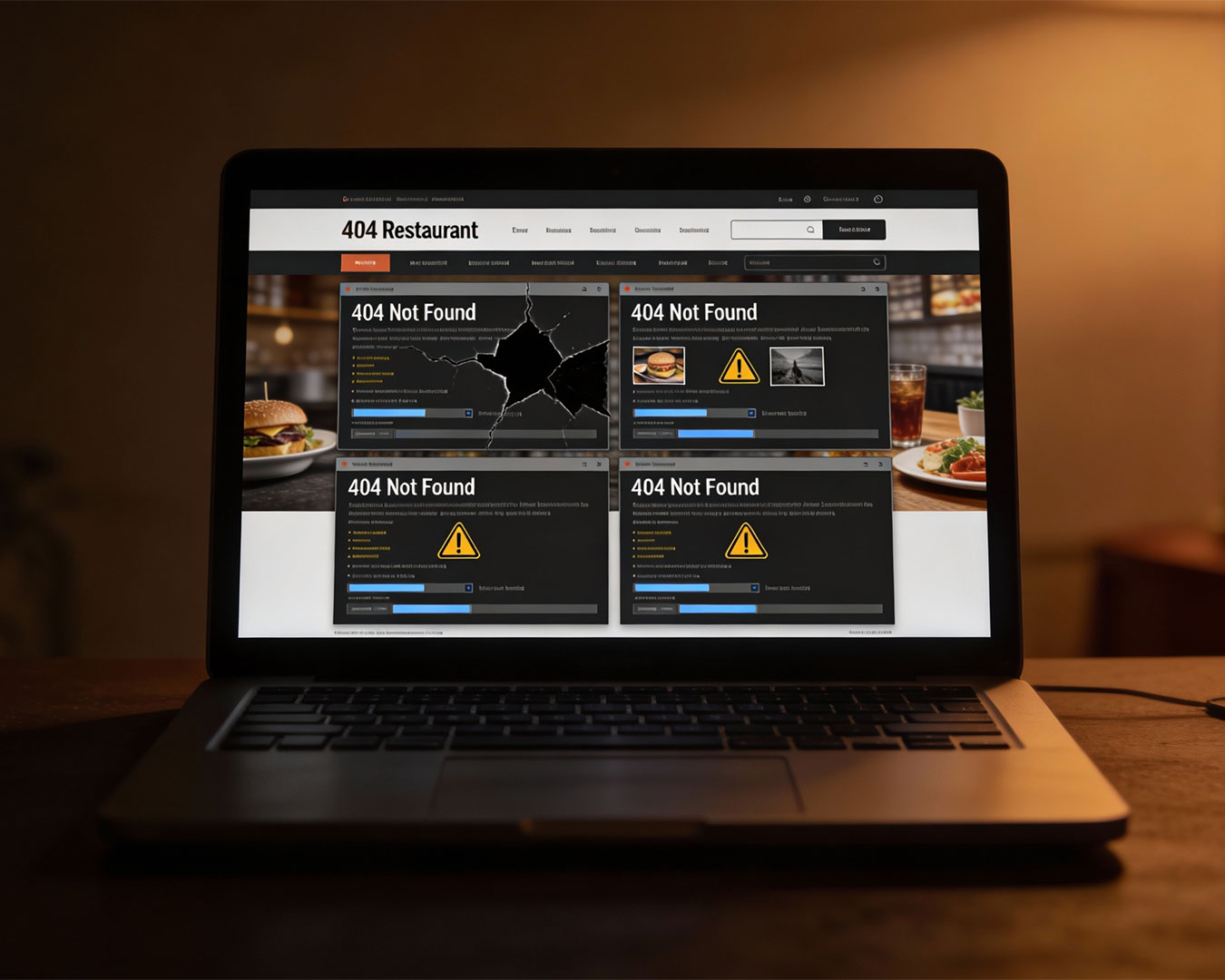
Diners today are time-poor and decision-fatigued. If they cannot find your menu, your location, or a “Book Now” button within seconds, they will move on. Social media profiles can sometimes bury this practical information under recent posts or highlights.
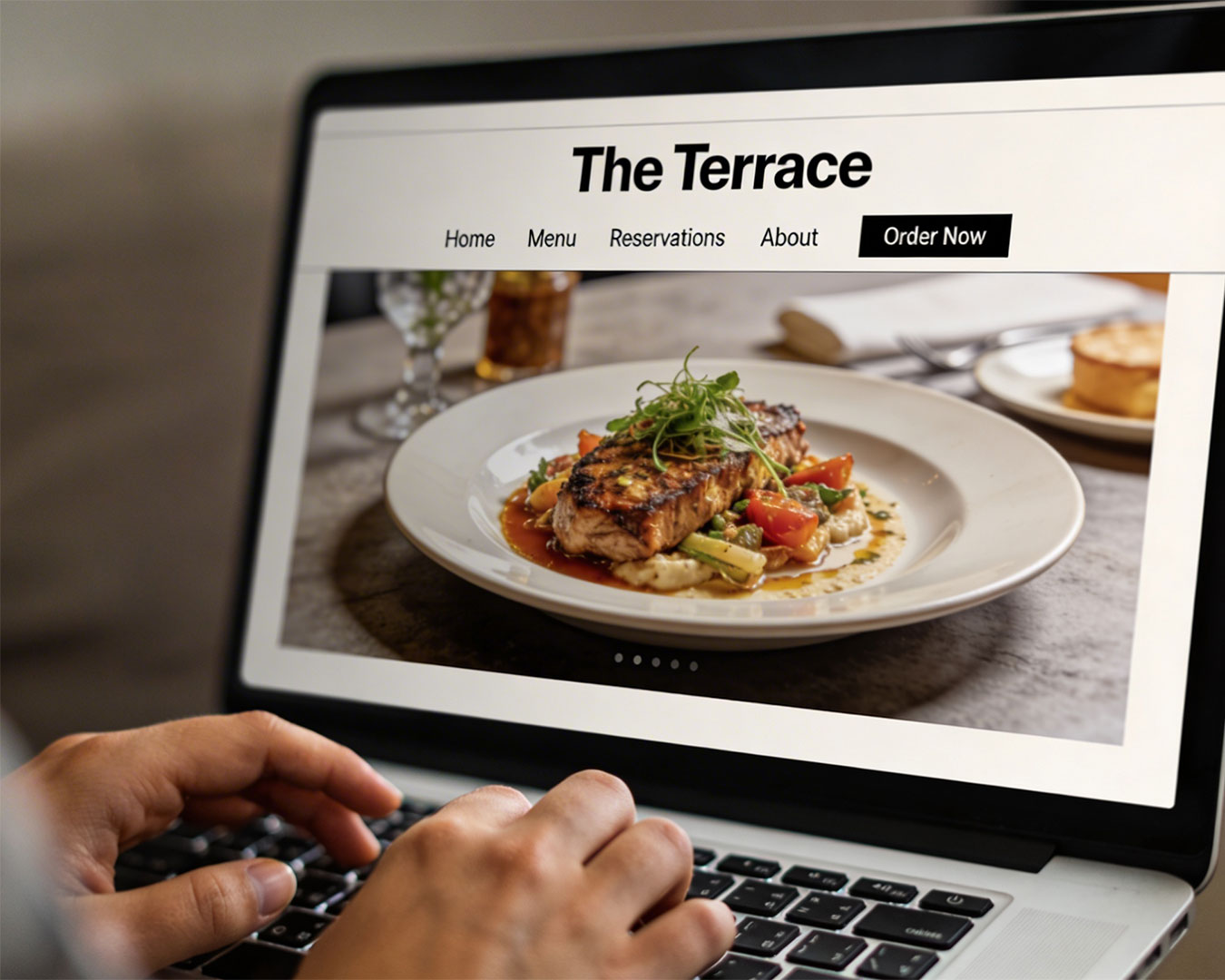
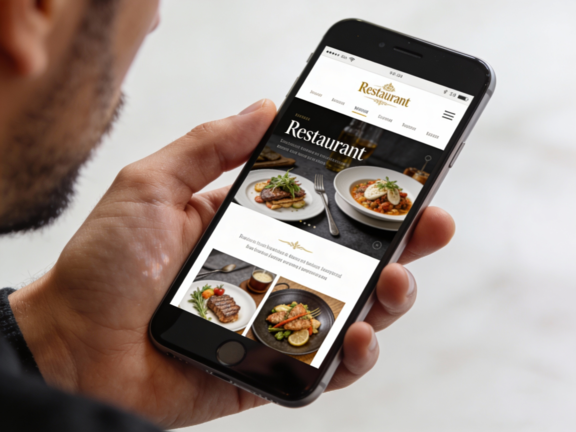
A dedicated website allows you to structure information logically. You can ensure that the most critical information—menu, location, hours, and reservations—is front and center. By removing friction and making it easy for customers to say “yes,” you directly impact your conversion rate from casual browser to confirmed booking.
Integrating Operations and Marketing
A website is not just a digital brochure; it is an operational tool. It can integrate seamlessly with your reservation system, point-of-sale, and inventory management. This integration streamlines your operations, reducing the manual work required to update menus across multiple platforms.
Furthermore, a website is the foundation of any long-term marketing strategy. It is the destination for your SEO efforts, the landing page for your ads, and the home for your content. Without a central website, your marketing efforts are fragmented, often leading to wasted budget and confused messaging.
Protecting Your Margins

Finally, why restaurants need a website often comes down to the bottom line. Third-party delivery platforms and reservation services charge significant commissions that eat into your margins. While these platforms are useful for discovery, your goal should always be to convert those third-party users into direct customers.
Having a functional, easy-to-use website gives customers a reason to book or order directly. When you control the transaction, you protect your revenue.
Taking the Next Step
If you have been operating without a website, or with one that hasn’t been updated in years, it might be time to reassess your digital foundation. You don’t need a complex, expensive platform. You need a clear, functional site that reflects who you are.
Consider reviewing your current digital footprint. Does it accurately represent the quality of your food and service? If not, refining that presence is a practical step toward securing your brand’s long-term health.