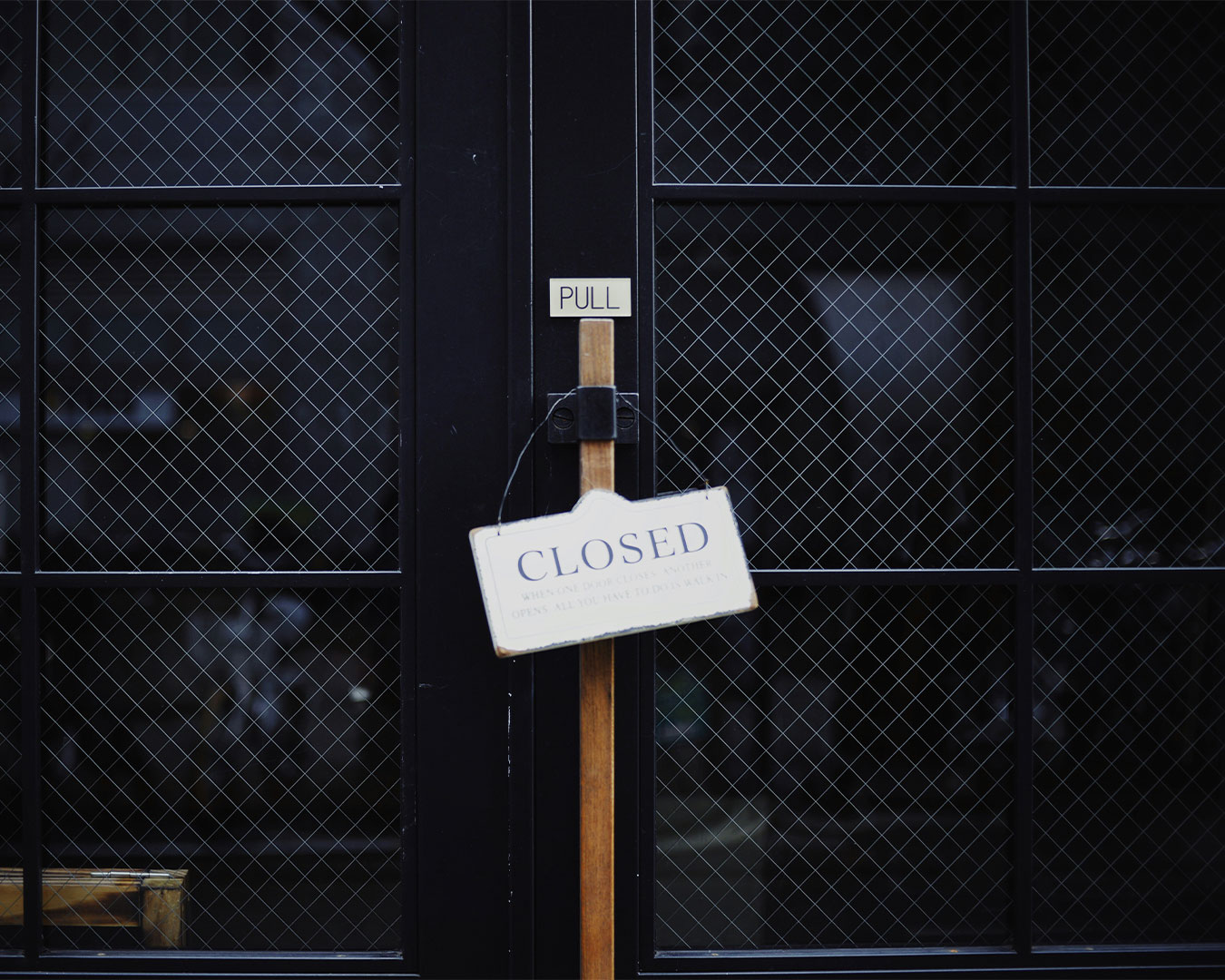

A regular walks past your restaurant and eats at the new place two doors down. Not because the food is better. Because they got a push notification offering a free dessert, and yours never sent one. This is the quiet way loyalty erodes. Not through a bad meal, but through absence.
Every owner wants loyal customers. Few have a clear answer for how to build restaurant loyalty in a market where three new concepts open on the same street every quarter. The instinct is to compete on price or novelty. Neither builds a loyal customer base that sticks around.
Successful restaurant marketing Singapore efforts focus on building genuine relationships and consistent engagement rather than just short-term promotions.
How Customer Behavior Reveals What Customer Loyalty Programs Miss
Most customer loyalty programs are built backwards. A points system gets bolted onto the till, loyalty members sign up once, and nothing changes about how they order or how often they return. Under economic pressures, guests are more selective about where their dollar spent actually earns something back. A rewards program that doesn’t reflect that shift won’t encourage customers to stay.
A successful restaurant loyalty program does the opposite. It responds to customer preferences and customer behavior instead of just recording them. If a guest always orders the same dish on a Friday, that’s a signal. The best restaurant loyalty programs use it. Most restaurant loyalty programs never do.
Bonus Points, Loyalty Points, and the Math Guests Actually Notice
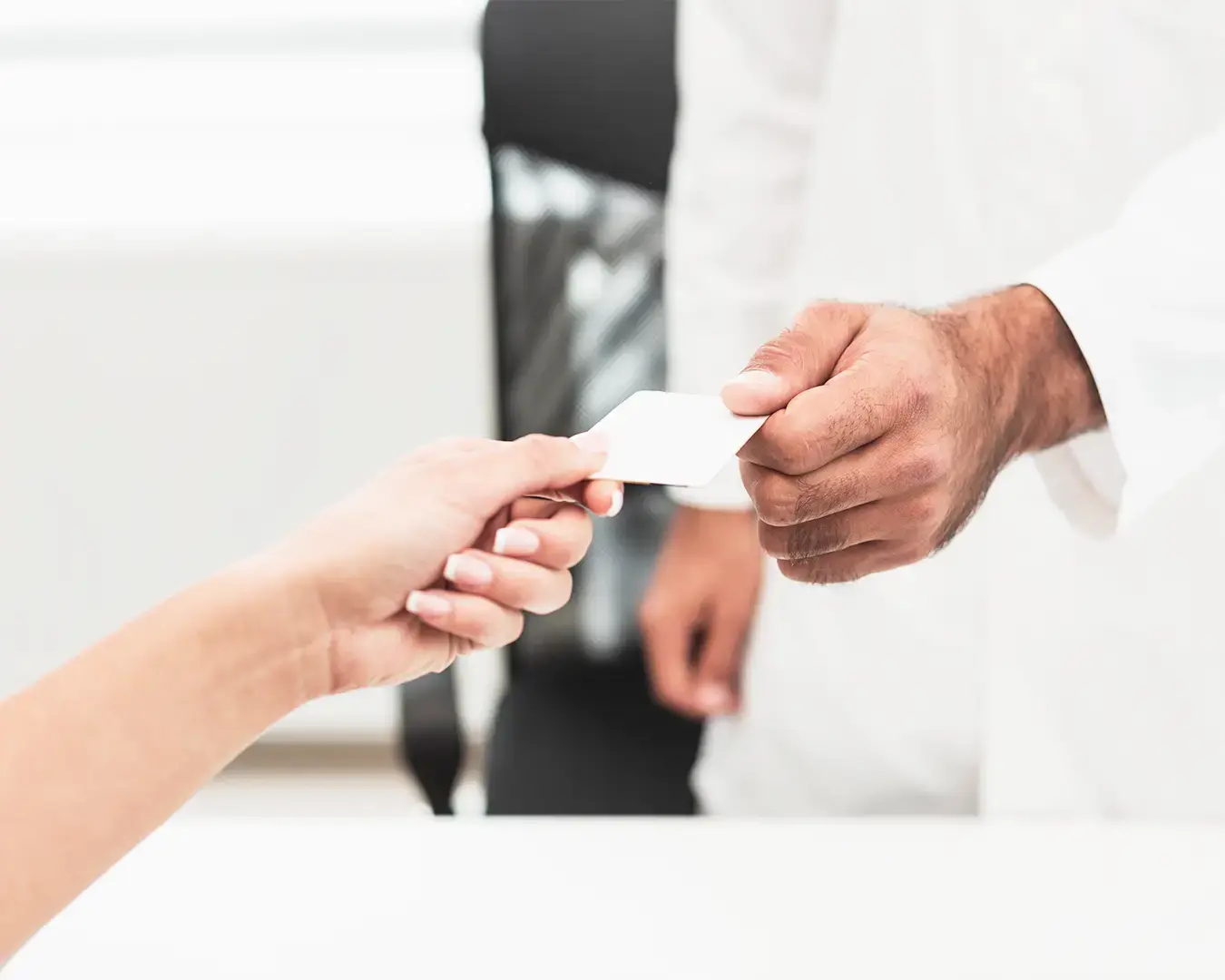
The mechanics matter less than most owners think, but they still matter. Whether customers earn points based on dollar spent or visit frequency, the redemption path needs to be simple. Loyalty points that expire quietly or require ten steps to redeem rewards won’t boost repeat business. They’ll just sit unused.
A tiered loyalty program tends to outperform a flat one. Tiered programs give loyal customers something to work toward, and guests earn rewards faster as their average order value climbs. Bonus points during slower periods, more points for trying a new dish, small nudges like this keep customers engaged without feeling gimmicky.
Small Signals That Increase Customer Loyalty: Birthday Rewards and Free Items
Not every guest wants the same thing. Some successful programs segment customers by purchase history and send personalized offers instead of one blanket promotion. A guest who orders wine with dinner responds differently to personalized rewards than one who always comes for the set lunch.
Small gestures carry weight here too. Birthday rewards, free items after a set number of visits, early access to a new menu item before public launch. None of these are expensive, but they’re often what actually increase customer loyalty, more than any point balance does. Personalized challenges tied to real purchase history tend to outperform generic point chasing.
Turning Loyal Guests Into Customer Retention

Repeat business rarely happens by accident. Reward loyal customers early, and repeat visits follow. Even fine dining establishments, where loyalty programs once felt out of place, are finding that a referral program or a simple thank you gesture keeps loyal guests engaged.
Priority service for loyalty program members, a shorter wait, a seat reserved, costs little and builds outsized customer satisfaction. This is where customer retention quietly compounds.
Customer Lifetime Value: The Real Return on Loyal Guests
Owners often measure loyalty by redemptions per month. The better measure is customer lifetime value. A loyal guest who visits weekly and brings a friend is worth more than ten new customers who never return. This is why chasing new customers at the expense of loyal guests rarely pays off. Retaining existing customers is almost always cheaper, and the lifetime value compounds quietly in the background of your sales data.
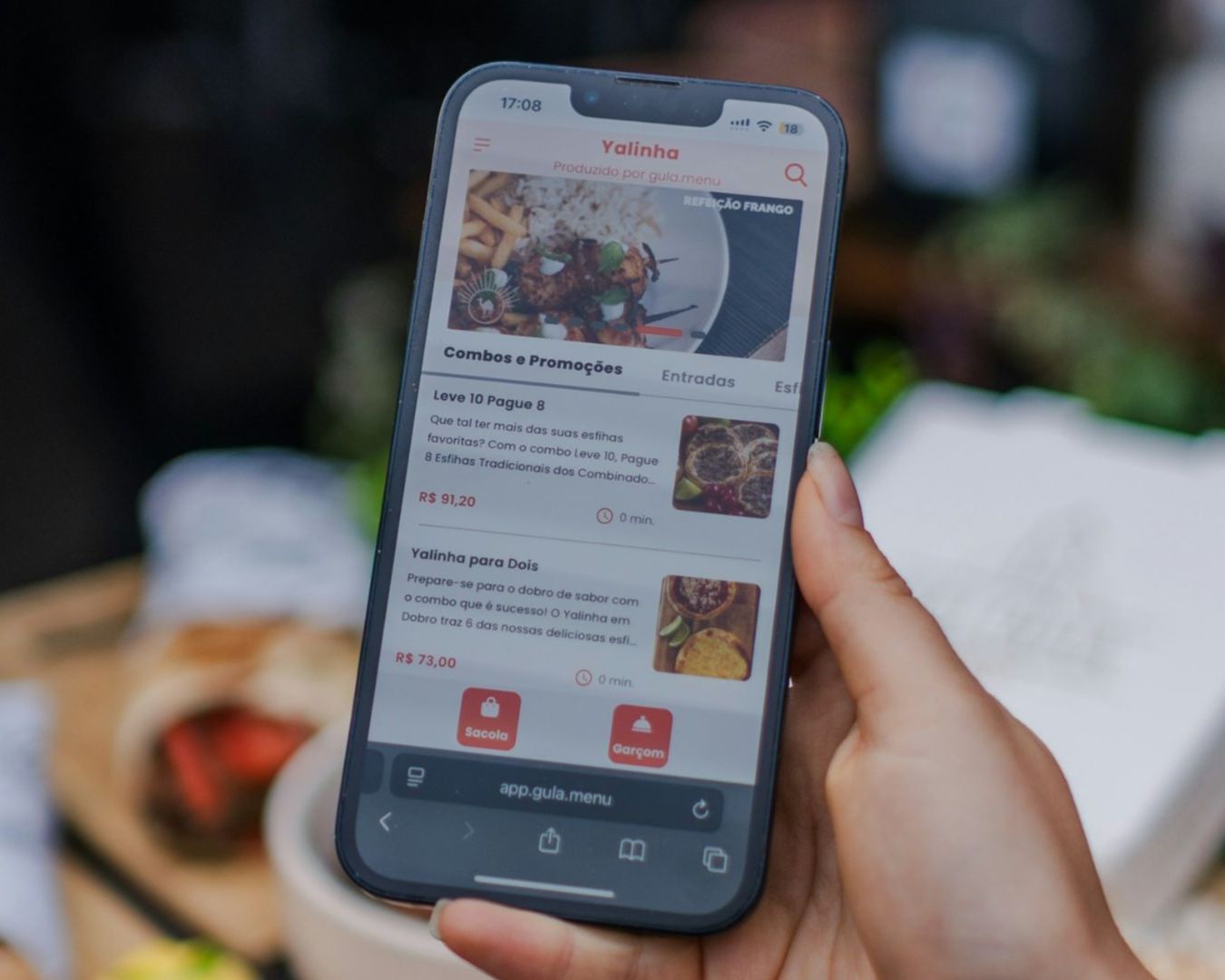
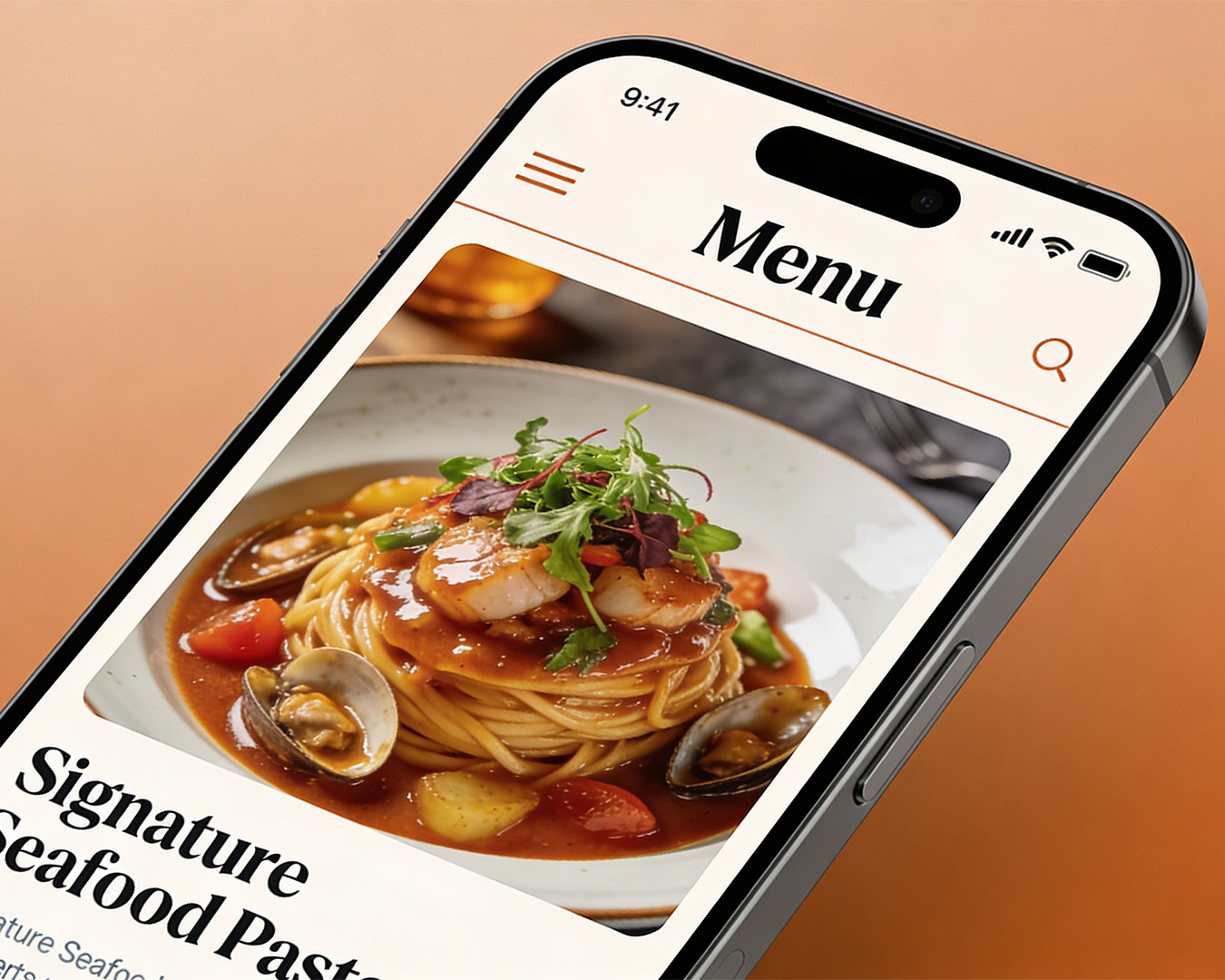
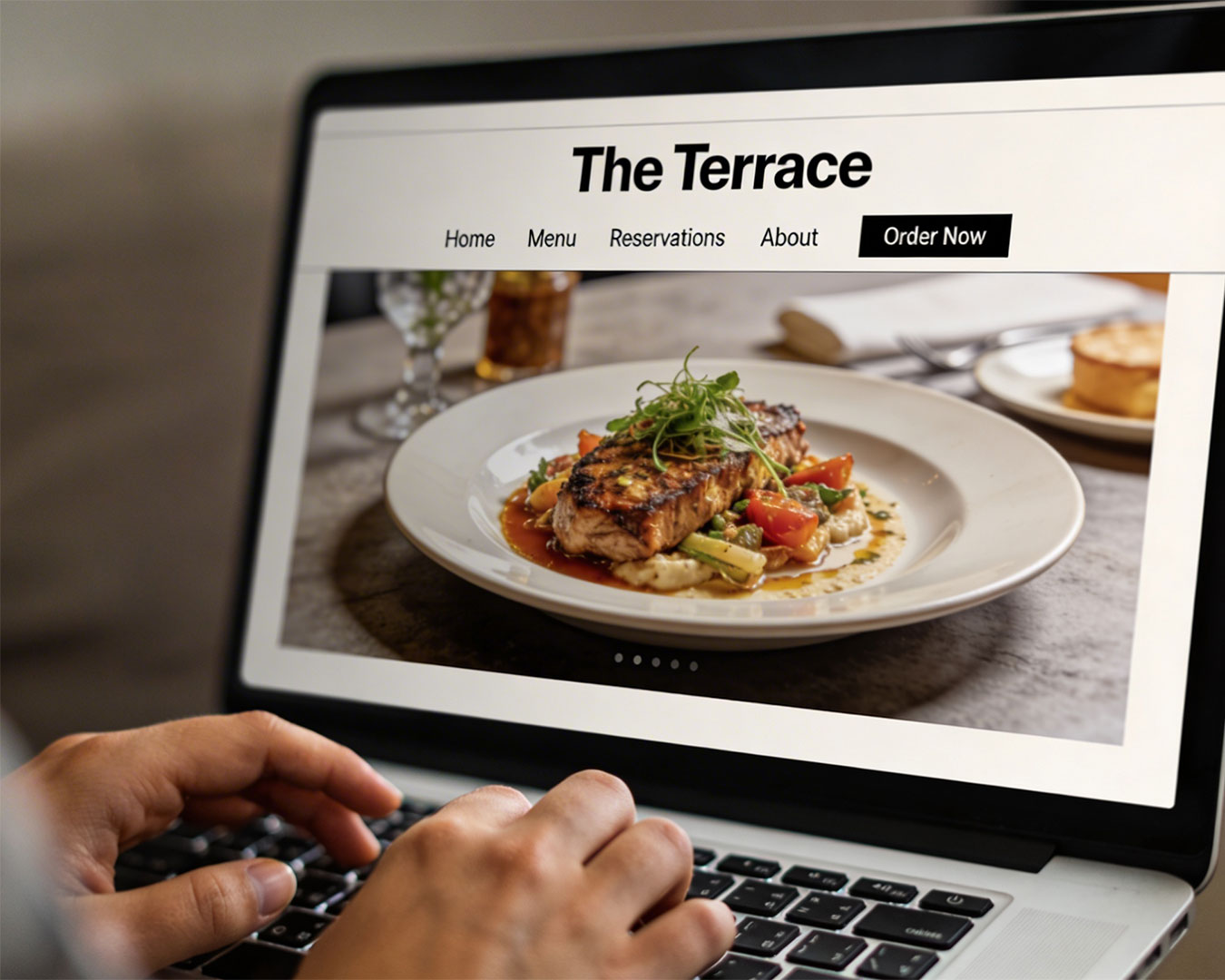
Loyalty members spend more when the program meets them where they already are. Mobile apps and delivery apps have changed how often guests interact with a brand between visits. Online ordering data quietly reveals which loyalty members are close to lapsing, and a well timed exclusive reward can pull them back before they drift.
Digital Loyalty Programs Built for Long Term Success

Digital loyalty programs succeed when they are built for long term success, not a short promotional push. Brand loyalty isn’t built on discounts alone. It’s built on guest satisfaction compounding over time, the sense that the most loyal customers are recognised rather than processed. That recognition is what earns rewards their meaning in the first place.
What Loyalty Actually Buys You
None of this requires a bigger budget than your competitors. It requires attention to what your own customers already do, and the discipline to respond to it consistently.
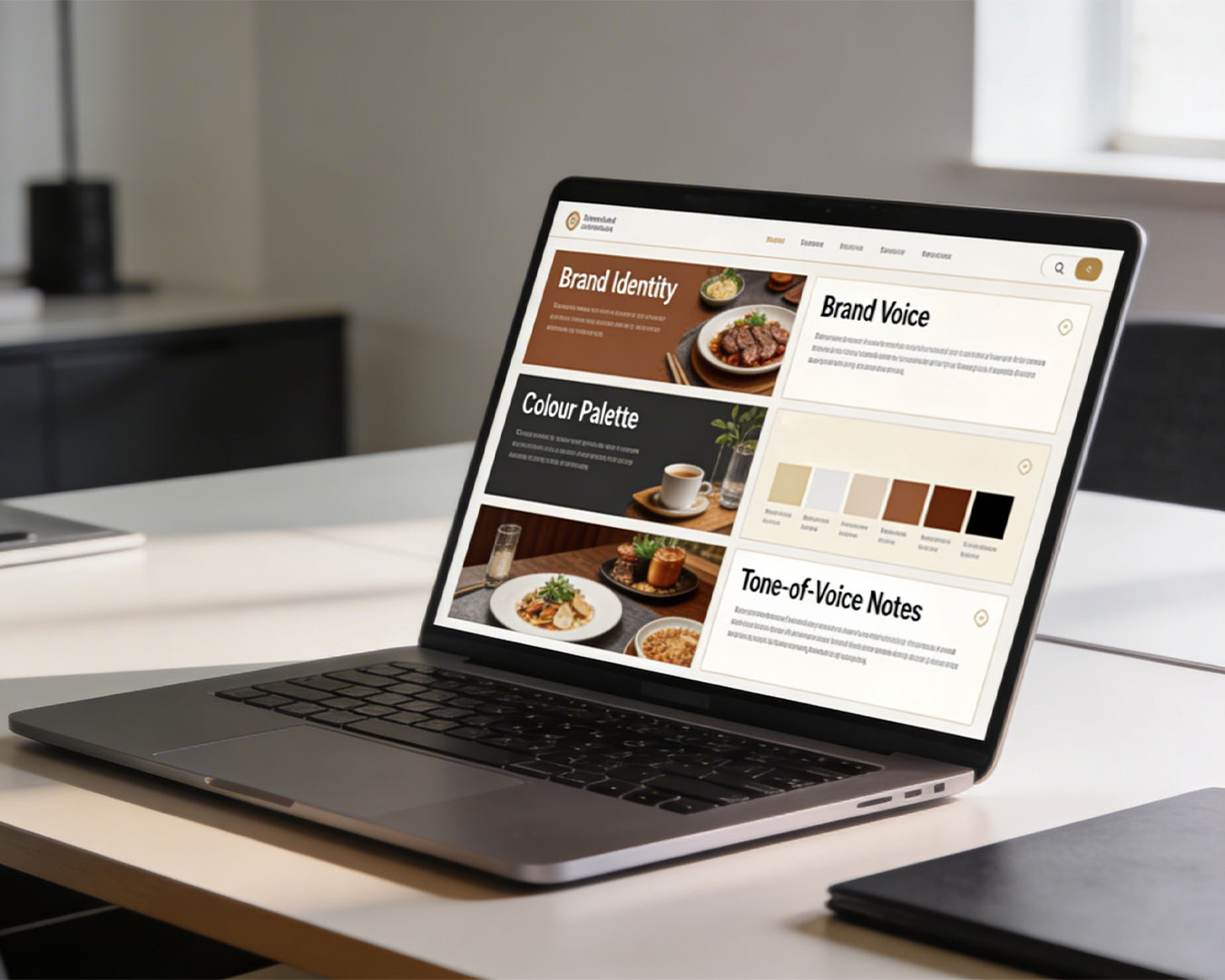
If you’re unsure whether your current setup is actually working, or just running, it might be worth a quiet look. Atelier Creations often start with a short brand audit, a plain read of what’s happening on the ground before anything gets rebuilt.