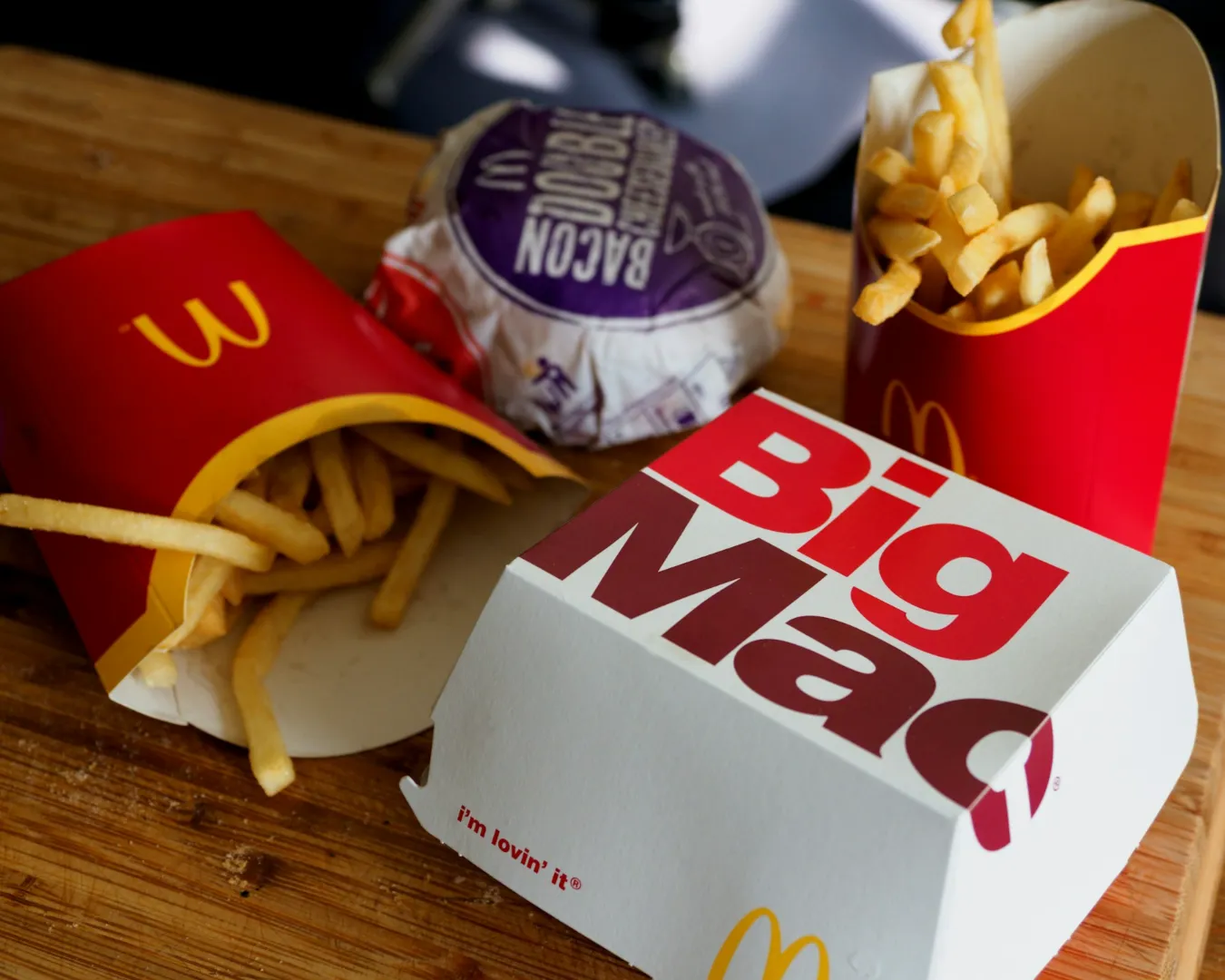
Why do people return to McDonald’s? It is rarely because they believe it is the best burger in the world. They return because they know exactly what they are going to get. The fries will taste the same in Jurong as they do in Tampines. The service speed will be identical. The packaging will feel familiar.
This is not an accident; it is a calculated strategy where restaurant brand consistency builds trust faster than any gourmet ingredient ever could. For independent F&B owners in Singapore, this is often a hard pill to swallow. We want to believe that culinary creativity is the only thing that matters. But in a market this saturated, reliability is often more valuable than novelty.
The Operational Reality of Trust
Trust is not a warm, fuzzy feeling. In the restaurant business, trust is a transaction. A customer gives you their money and their time. In exchange, they expect a specific experience. If you deliver that experience once, they might come back. If you deliver it five times in a row, you have earned a customer for life.
However, if their second visit is different from the first, maybe the portion size changed, the music was too loud, or the logo on the menu looked different from the one on Instagram, that trust breaks. You have introduced doubt. Doubt is the enemy of retention. When a customer has to guess whether their experience will be “good again,” they will simply go somewhere else where the outcome is guaranteed.
Visual Consistency Matters
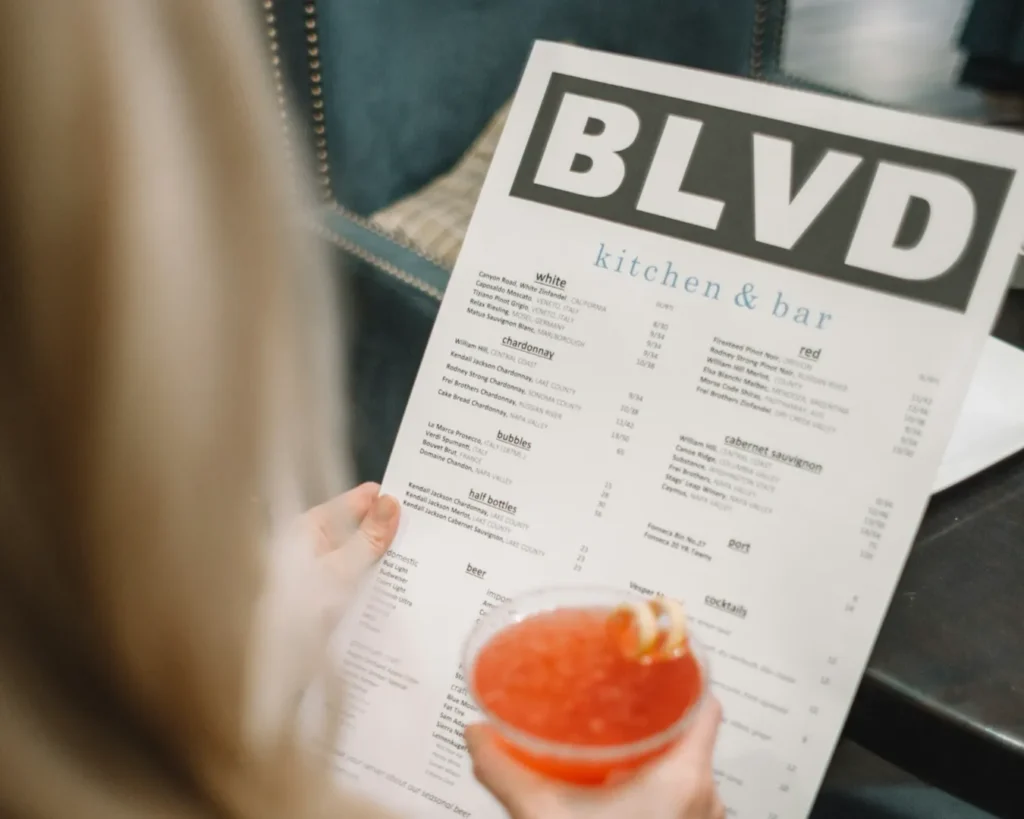
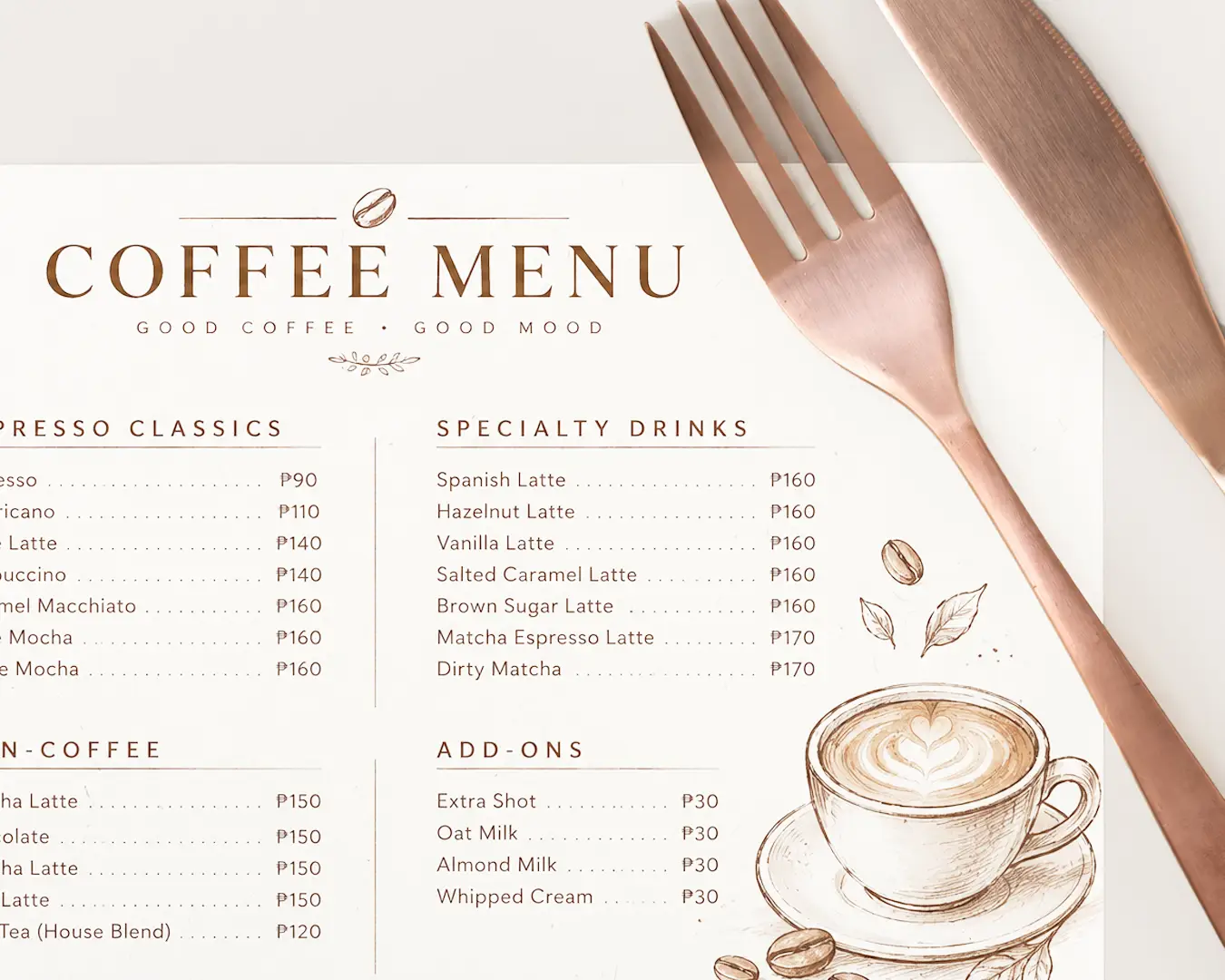
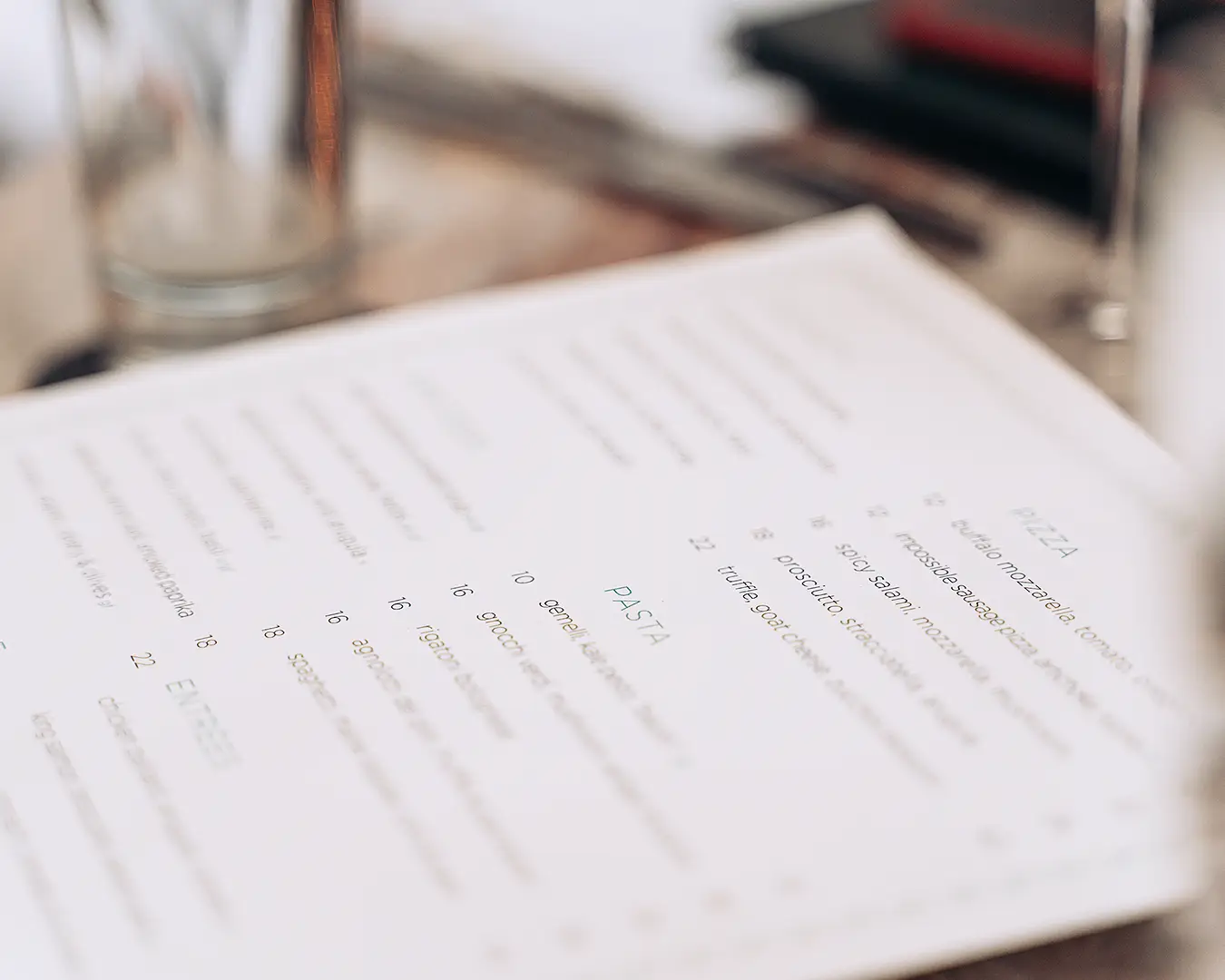
Many owners treat their visual identity as an afterthought. You might have one font on your signboard, another on your menu, and a third on your website. To you, these are small details. To a customer, this looks like chaos.
When your visual language is scattered, your business looks unprofessional. It signals that you do not pay attention to details. If you cannot get your fonts right, why should they trust you to get the food safety right? This might sound harsh, but it is how the subconscious mind works. A unified visual identity: same colors, same fonts, same photography style across all platforms, creates a sense of stability. It tells the customer that this is a professional operation run by people who know what they are doing.
The Tone of Voice Trap

Consistency also applies to how you speak. I often see restaurants that sound like a Michelin-starred establishment on their website but post memes like a teenager on TikTok. This disconnect is jarring.
You need to decide who you are. Are you playful and casual? Or are you serious and refined? Pick one lane and stay in it. If your waiters are trained to be formal and polite, your Instagram captions should not be filled with slang. Every interaction a customer has with your brand, whether reading a caption or speaking to a server, should feel like it is coming from the same person. This coherent personality makes your brand memorable.
The Hidden Cost of Inconsistency
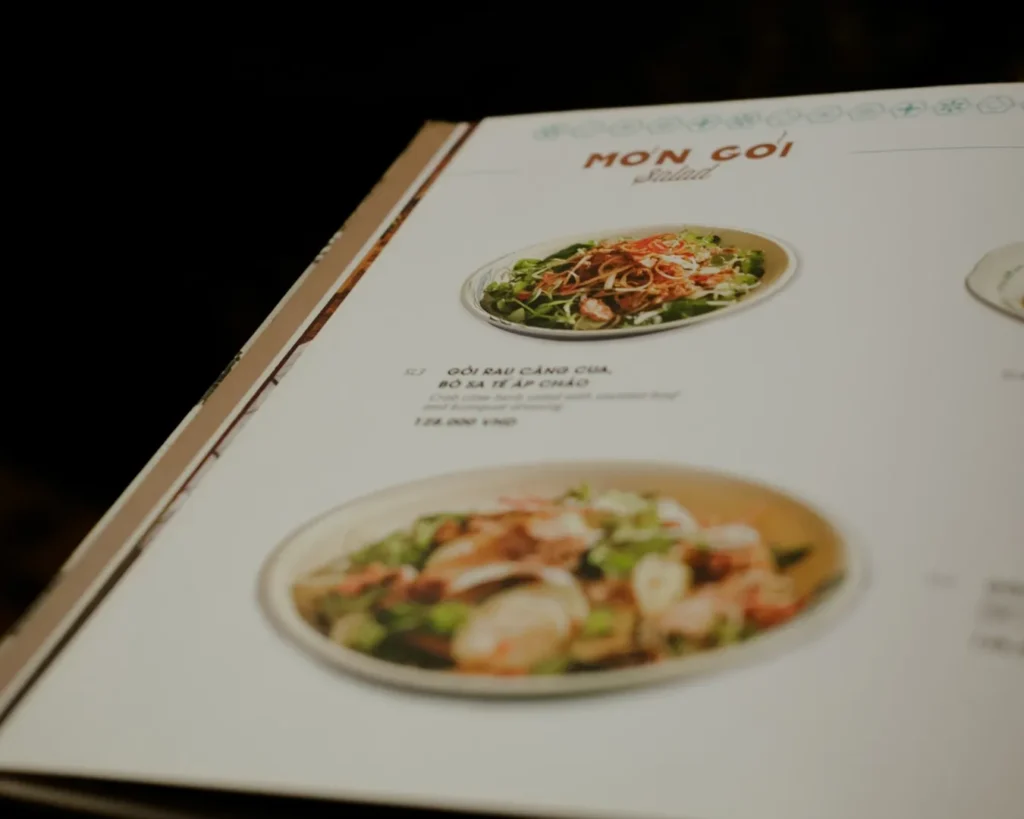
Inconsistency is expensive. It confuses your customers, which makes your marketing less effective. If your message keeps changing, you have to spend more money just to explain who you are.
It also hurts your operations. If your staff does not have clear standards to follow, if the “brand way” of doing things changes every week, they will make mistakes. Service will suffer. Food quality will vary. Operational consistency and brand consistency are two sides of the same coin. You cannot have one without the other.
The No-Budget Brand Fix
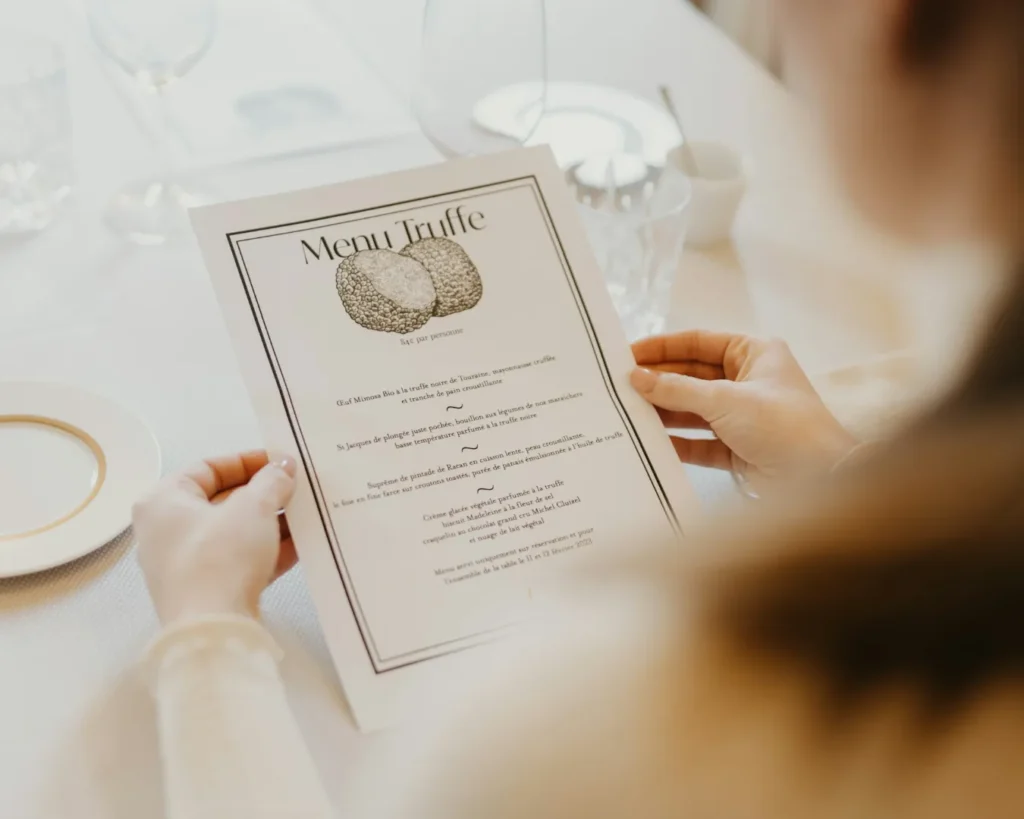
You do not need a massive budget to fix this. You just need discipline.
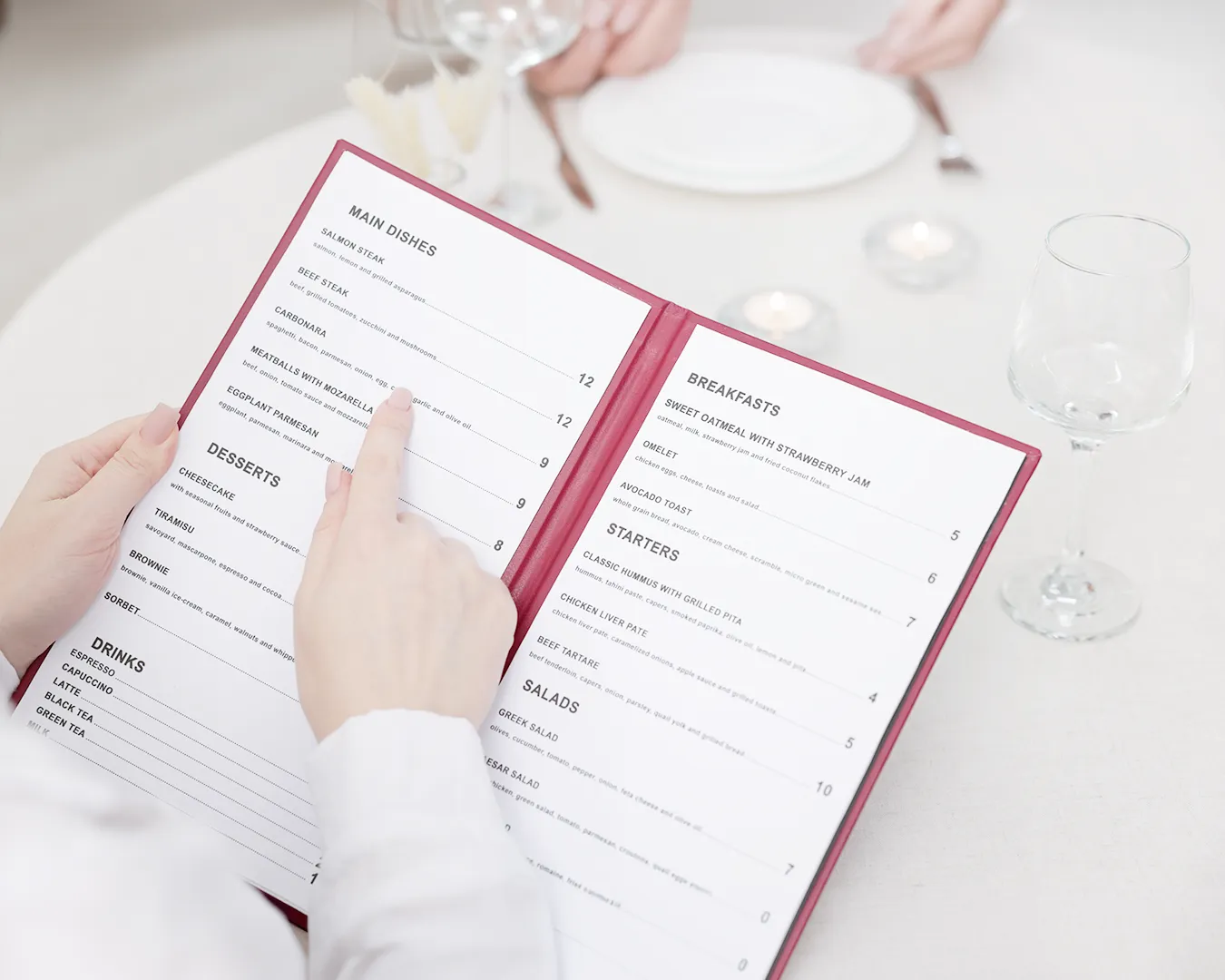
Take a walk through your own customer journey this week. Look at your Facebook page, then look at your physical menu. Do they look like they belong to the same business? Listen to how your staff greets guests. Does it match the tone of your website? If you find disconnects, fix them. It is these small, unglamorous adjustments that solidify a business and turn casual diners into regulars.