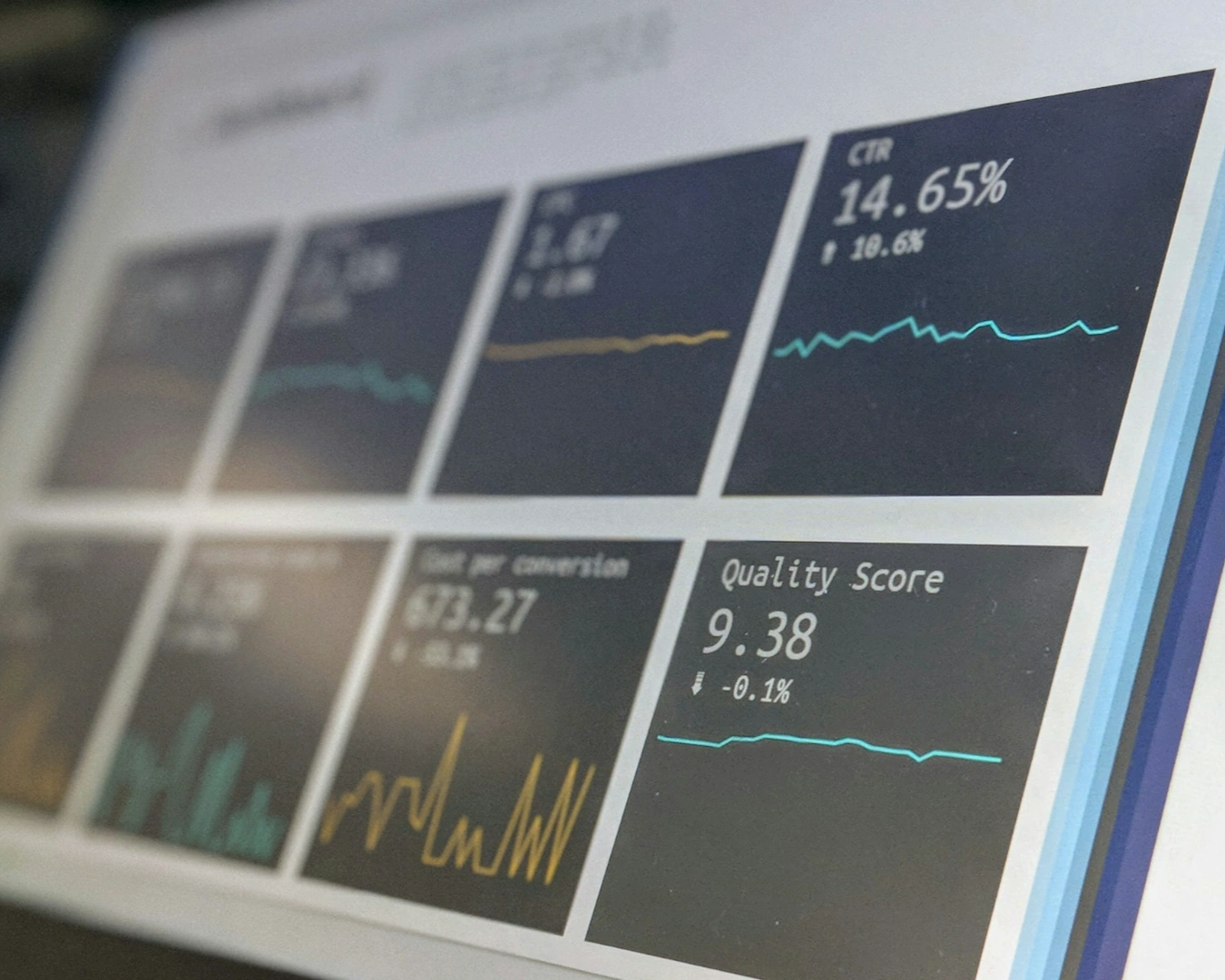
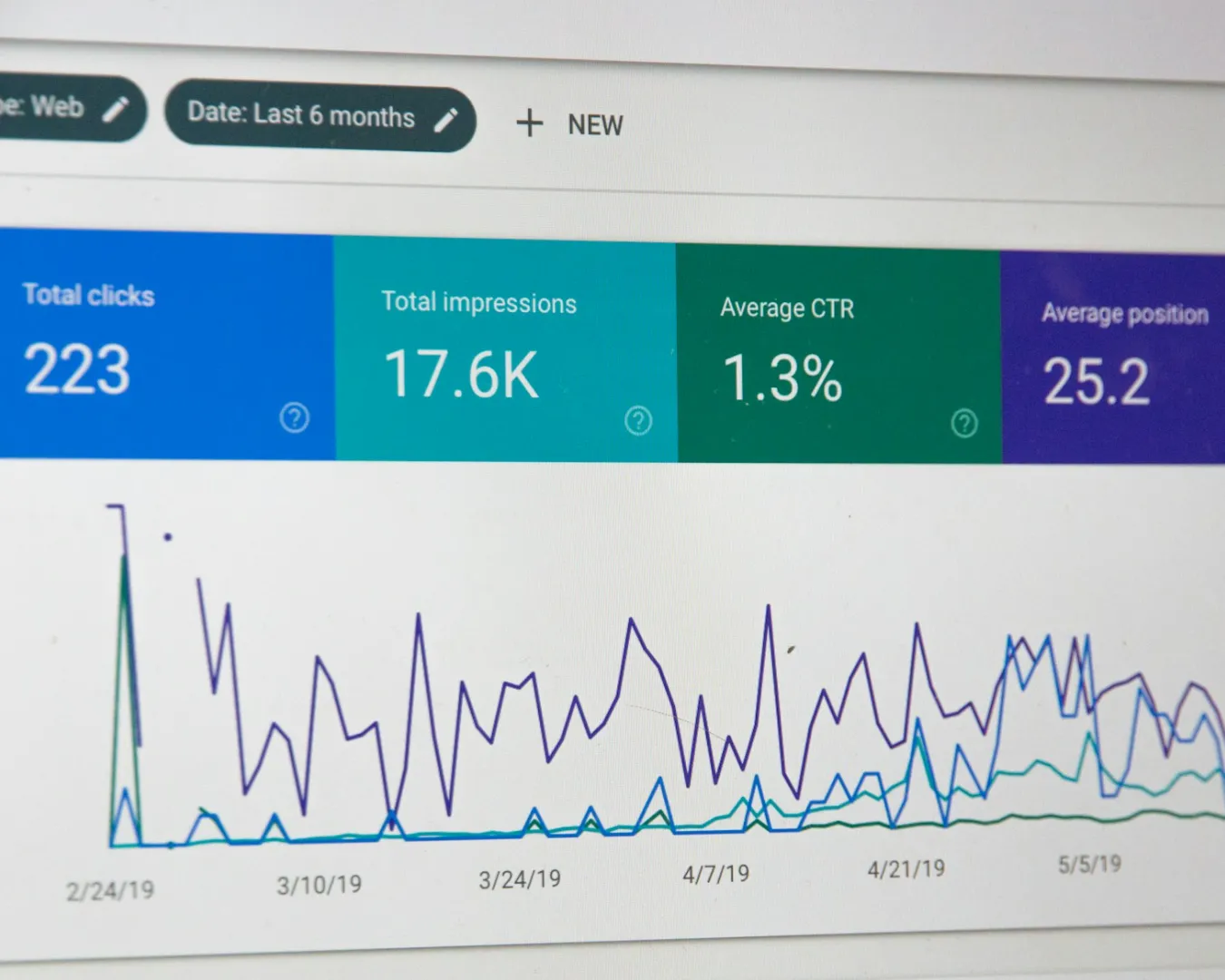
You’re looking at your Google Analytics, and the traffic looks healthy. People are clicking. Your Instagram ads are performing. But when you check your reservation book or the floor on a Tuesday night, the numbers don’t match the digital hype. You have plenty of digital footfall, but as we’ve pointed out before, a restaurant website that isn’t converting is an invisible leak in your profit margin.
The Friction Is the Problem
Most owners believe a website is a digital brochure. They pile on high-resolution photos of wagyu and interior shots of their custom lighting. Then they wonder why the “Book Now” button remains unclicked.
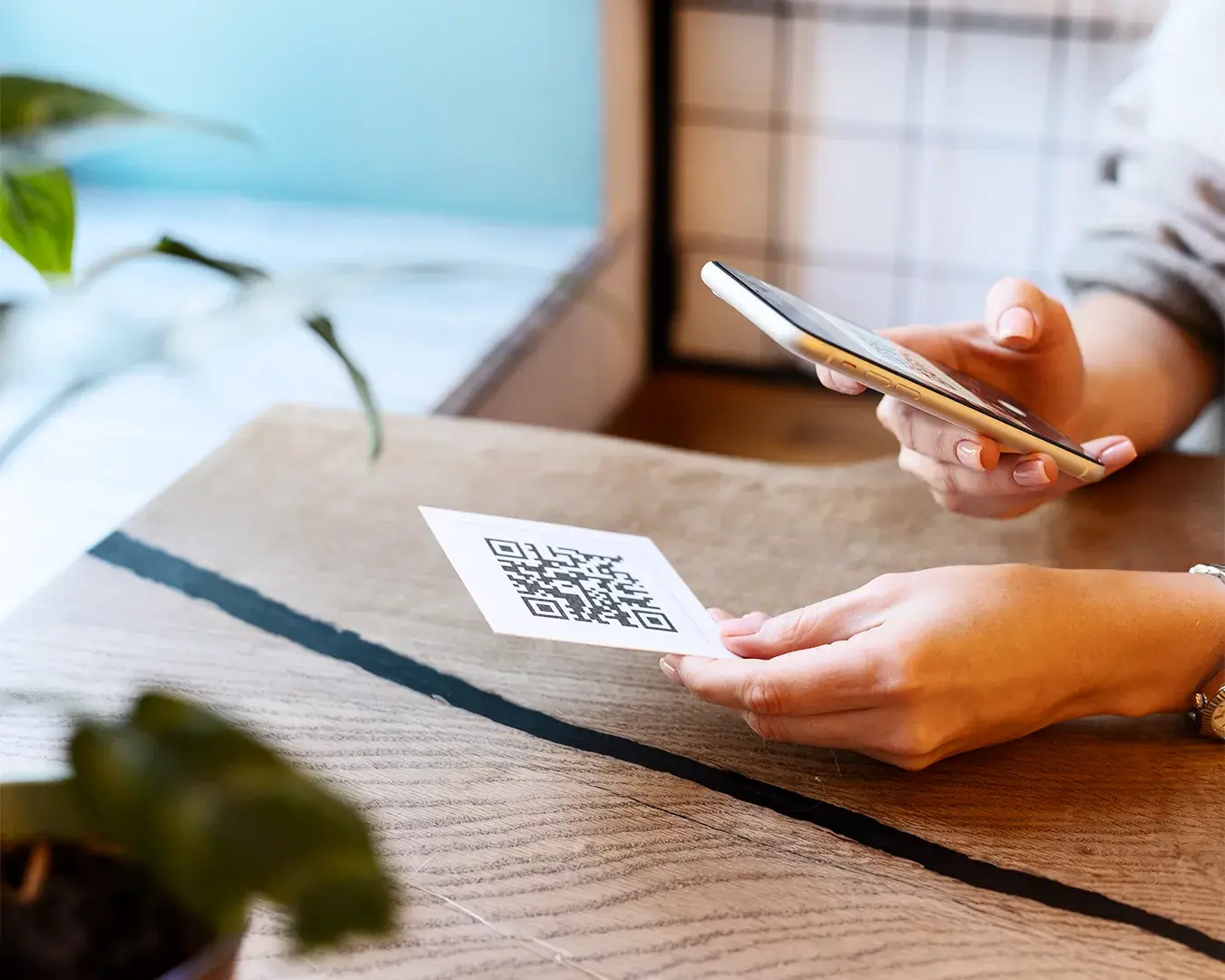
The reality is that a browser is looking for reasons to say no. Every extra click, every PDF menu that takes ten seconds to load on a 5G connection, and every broken link to a third-party booking platform is a point of friction. In Singapore, where options are endless, a diner will not fight your website to give you their money. They will simply go to the next tab in their browser.
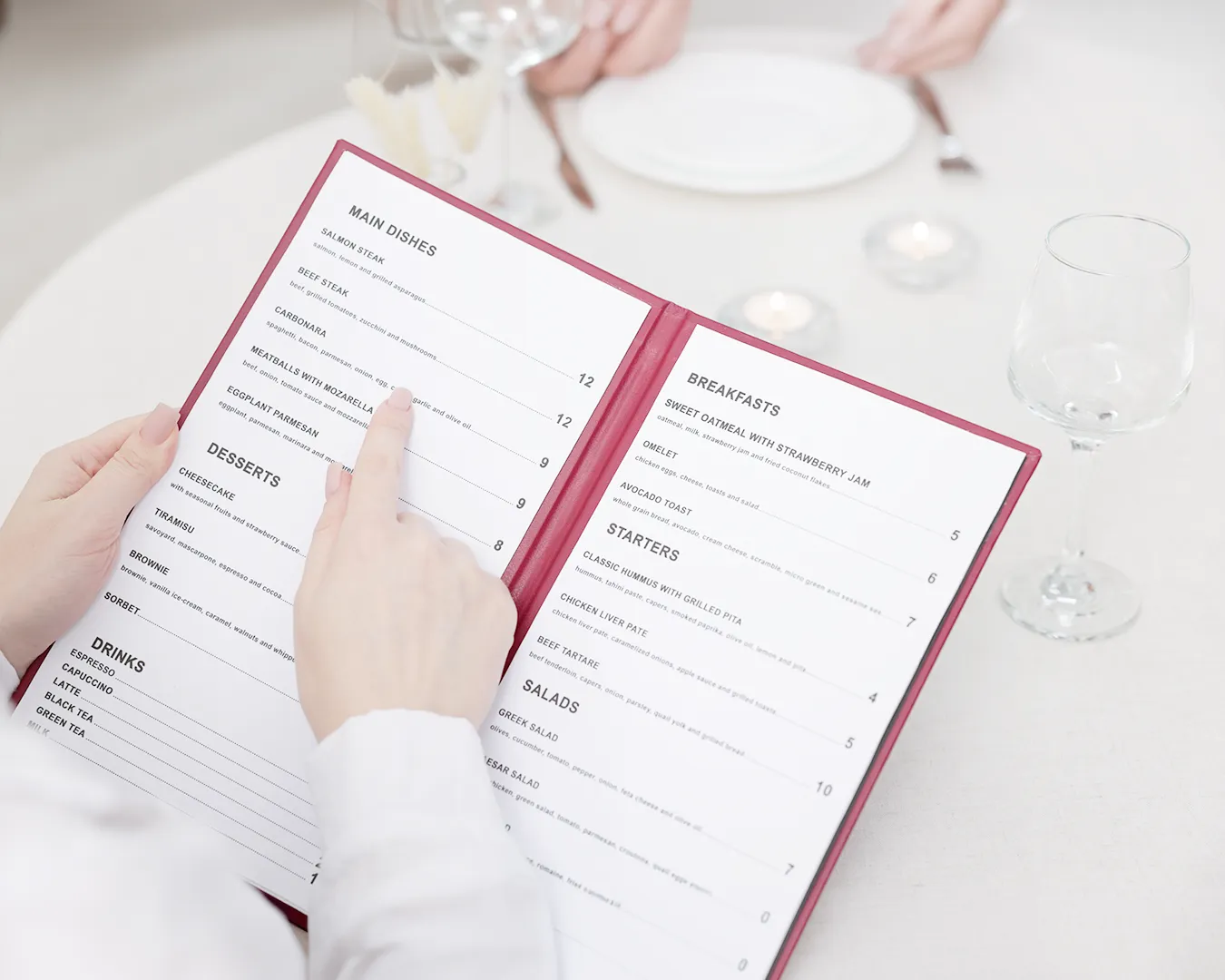
Pinch, Zoom, Leave: The PDF Problem

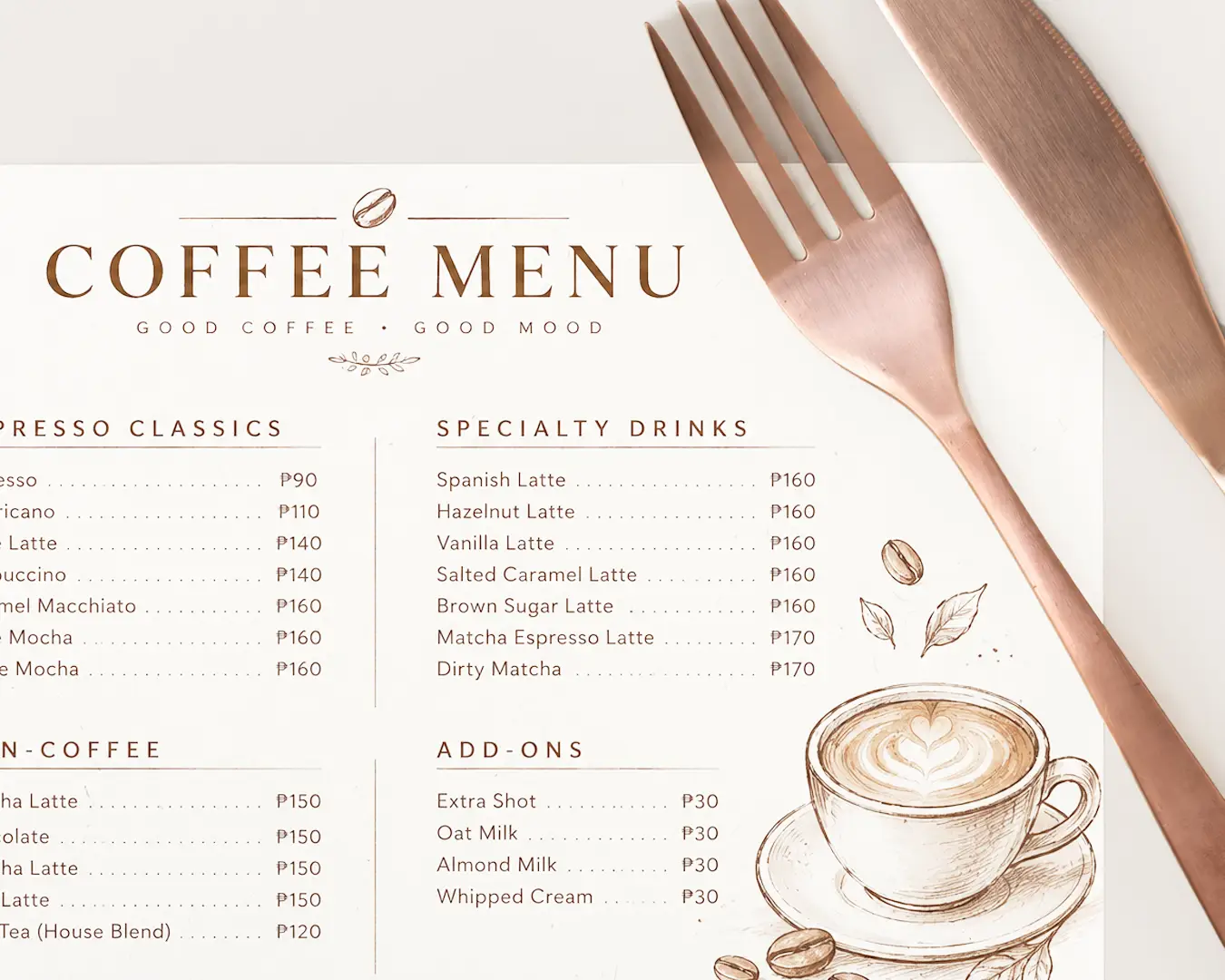
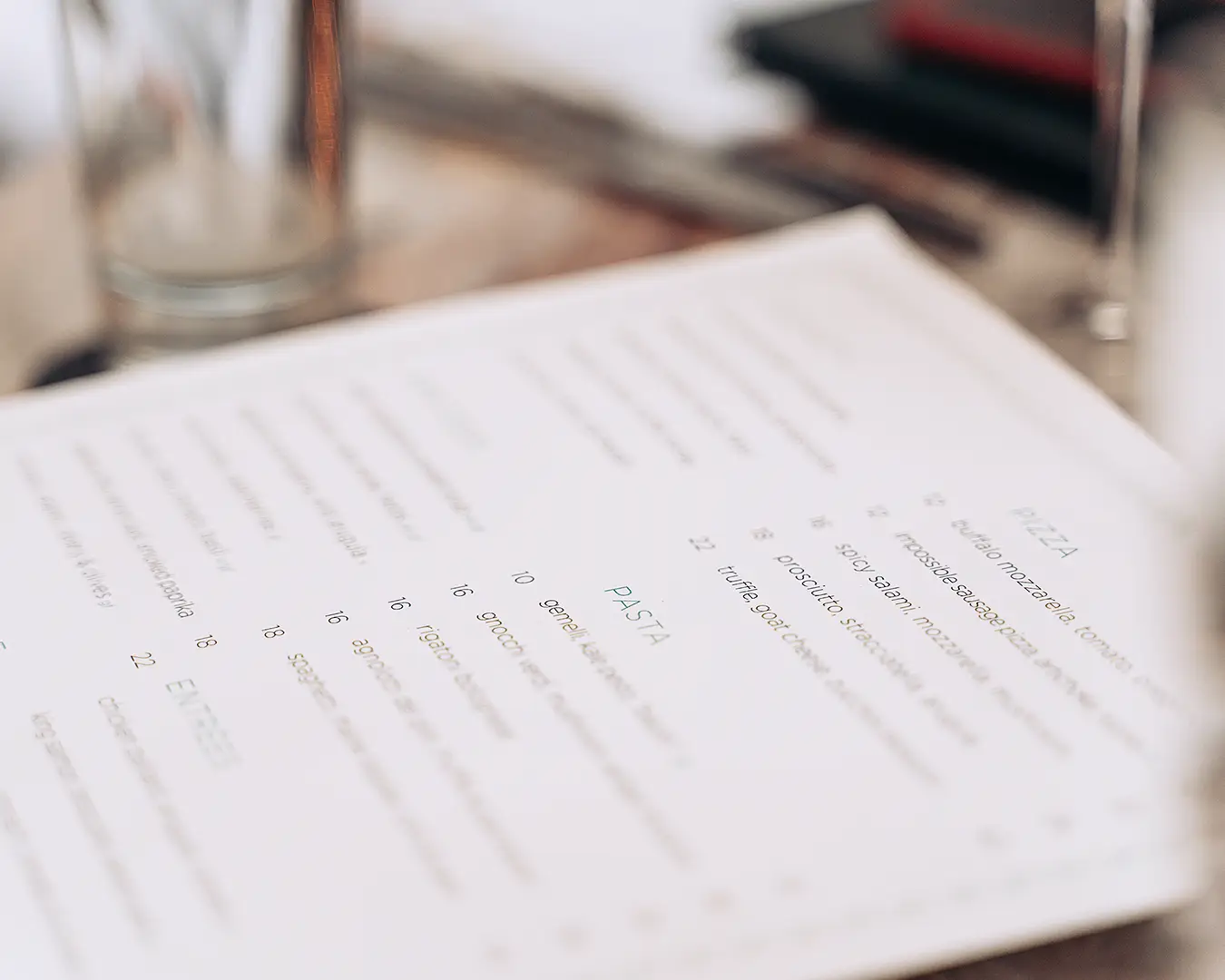
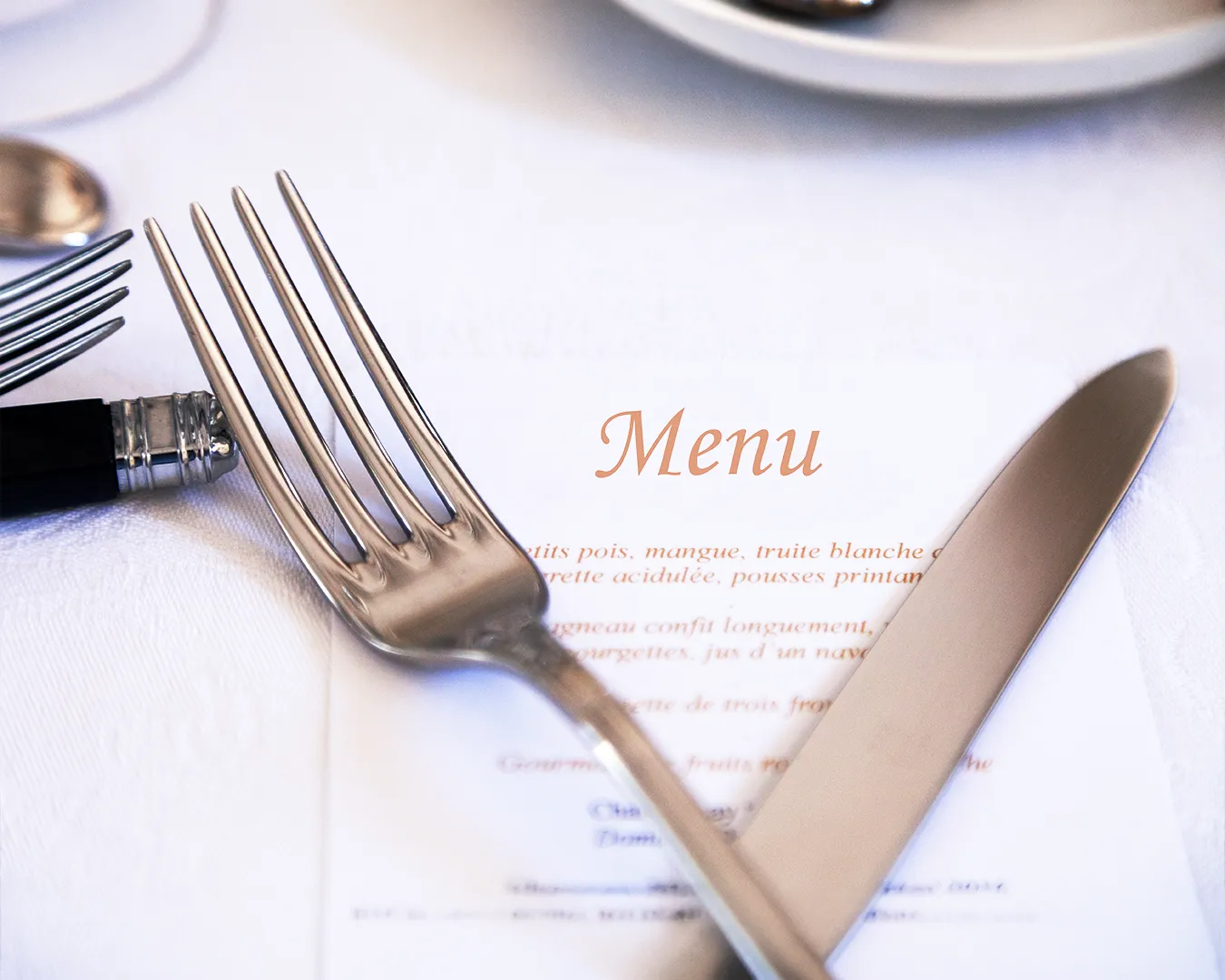
We see this daily. A restaurant spends thousands on branding and interior design, then uploads a 15MB PDF menu to their site.
On a mobile device, this is a user experience disaster. It requires pinching, zooming, and scrolling. It consumes data. Most importantly, it is not searchable by Google. If a diner is looking for “best laksa in Telok Ayer,” your PDF content is invisible to search engines. If you want to fix a website for restaurant that is not converting, start by killing the PDF. Use live, responsive text that loads instantly.
Clarity Over Creativity
Your website should answer three questions in five seconds:
- What do you serve?
- Where are you?
- How do I get a table?
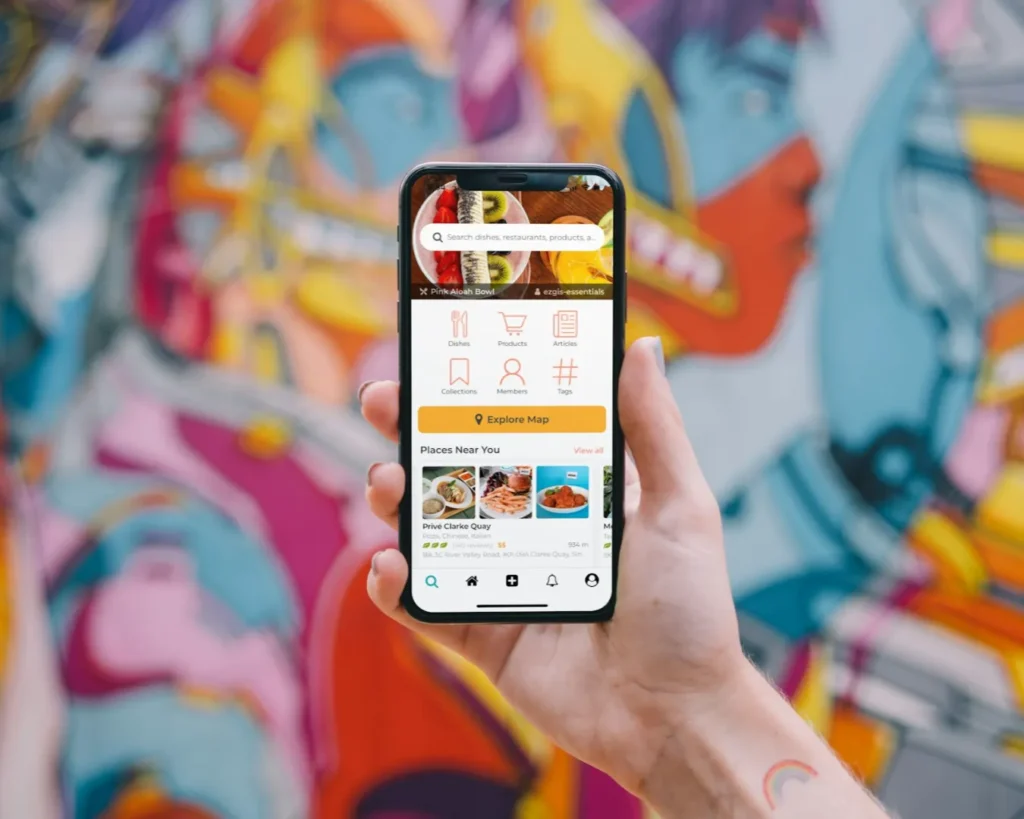
Many F&B sites bury the address in the footer or hide the menu behind a “Discovery” tab. This is a mistake. Practicality drives conversions. Your location should be linked directly to Google Maps. Your “Book Now” button should be persistent, appearing on every page without being intrusive.
A high-performing restaurant website not converting often suffers from “creative bloat.” This happens when design elements, like slow-loading video backgrounds or complex animations, get in the way of the user’s intent. Diners visit your site for information, not an art gallery experience.
Validation, Not Vanity
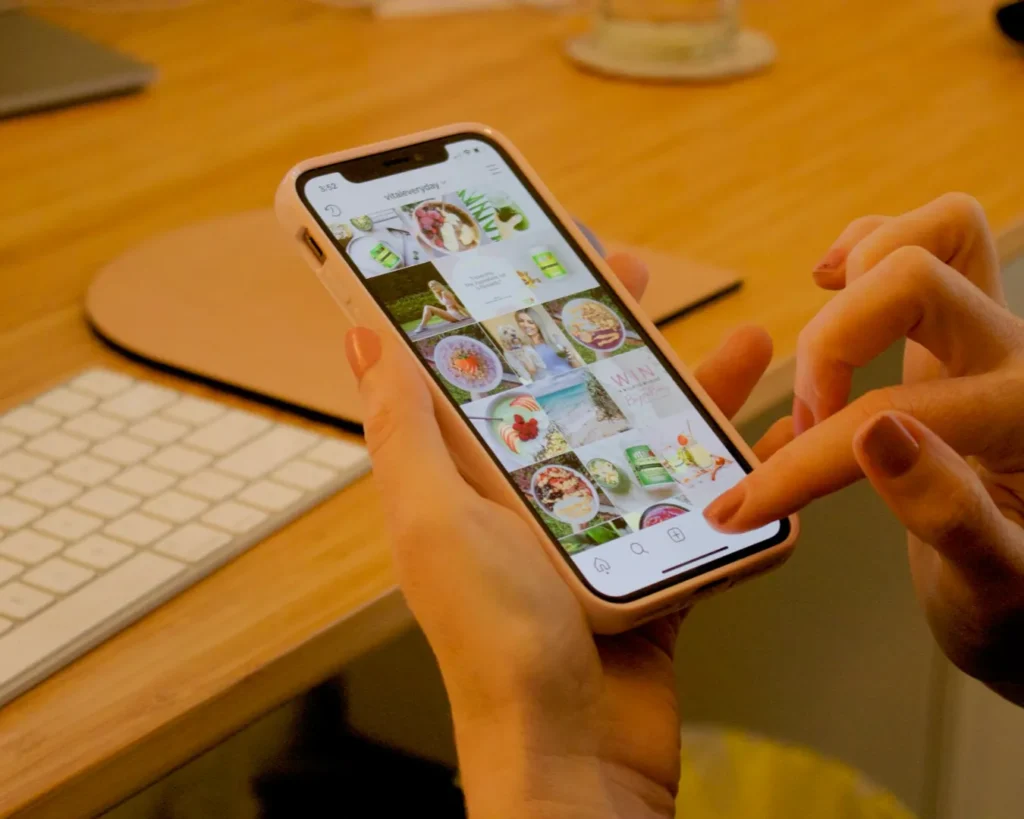
If a browser makes it past your menu, they are looking for validation. One of the most common restaurant marketing mistakes owners make is just linking to their Instagram and hoping for the best.
A better restaurant branding strategy involves embedding social proof directly where the decision happens. This does not mean a wall of generic five-star reviews. It means curated snippets that highlight specific experiences, like “perfect for a quiet business lunch” or “the best sourdough in the East.” This contextual proof reduces the perceived risk for the diner.
Operational Reality
Your digital presence is an extension of your floor service. If your website is clunky and outdated, a diner assumes your service and food will be too. Consistency is the foundation of a premium brand.
Stop treating your website as a static project that was “finished” three years ago. It is a live piece of equipment, just like your oven or your POS system. If it is not generating covers, it is broken.
Audit Your Friction, Not Your Design
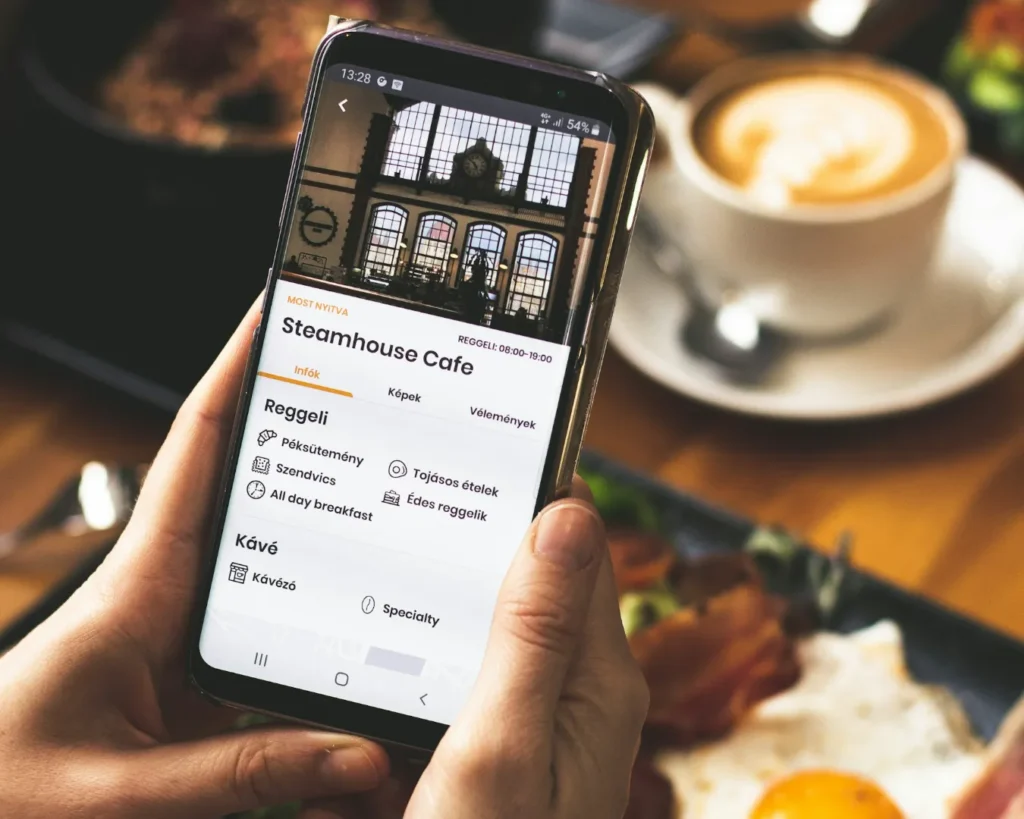
The path forward is not a radical “pivot” or a total redesign. It is an audit of friction. Open your website on your phone right now. Try to book a table for four. If it takes more than thirty seconds or requires more than three taps, you are losing customers to the restaurant down the street.