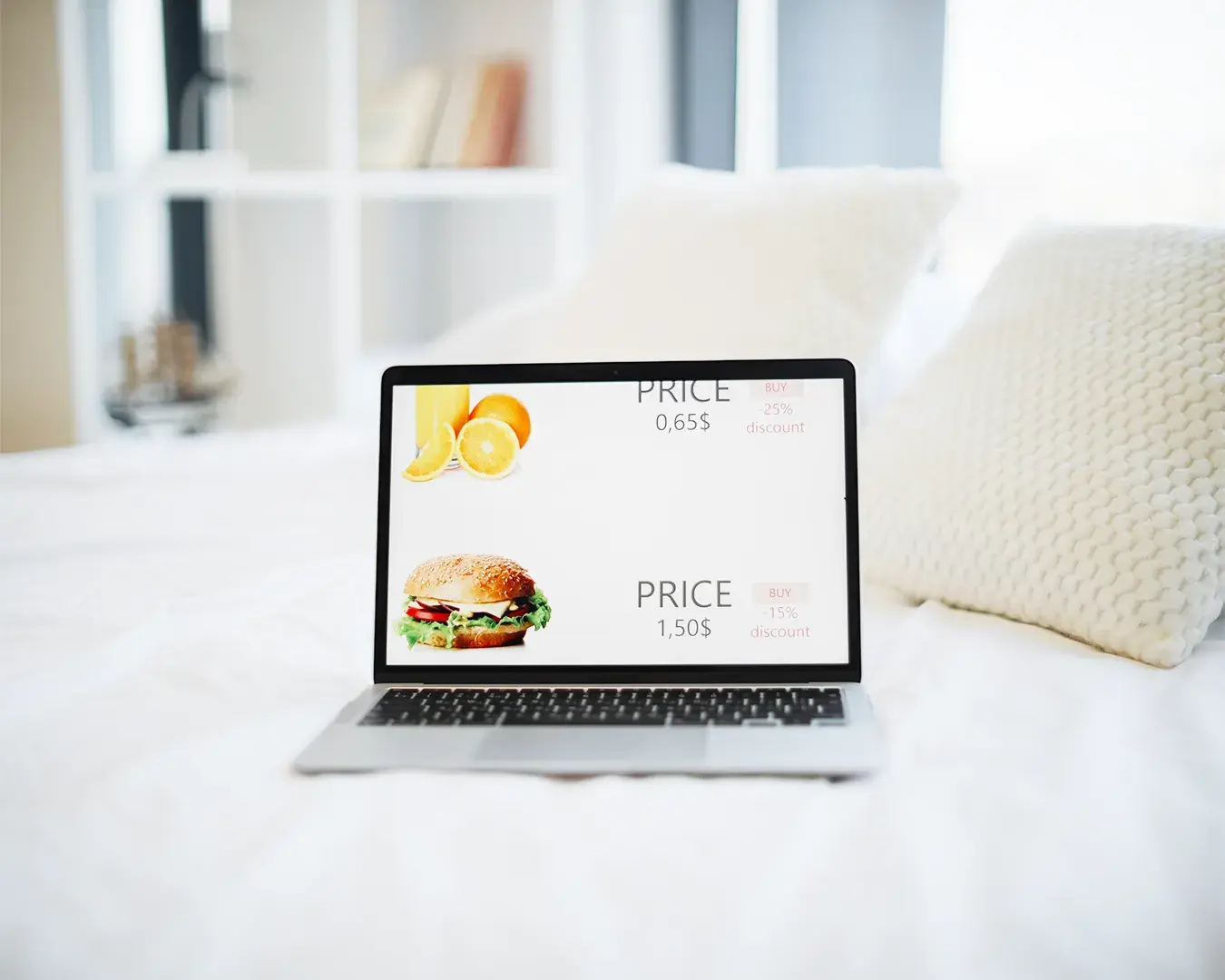
If you stopped your 1-for-1 deals, your flash discounts, and your seasonal promo codes tomorrow, how many of your customers would actually come back?
Most owners mistake a surge in foot traffic for brand loyalty. They see a crowded dining room during a promotion and assume the business is healthy. In reality, they are often just subsidizing a customer’s meal in exchange for a temporary metric. Promotions are a drug. They provide a quick high and a spike in cash flow, but they do nothing to solve the underlying reason why a customer should choose you over the bistro next door.
Restaurant marketing in the Singapore F&B sector requires a shift in perspective. You are not just selling a plate of food at a discount. You are selling a repeatable experience. When you lead with price, you attract the most disloyal segment of the market. These are the “deal hunters” who will disappear the moment your neighbor offers a better percentage off.
The Difference Between a Transaction and a Relationship
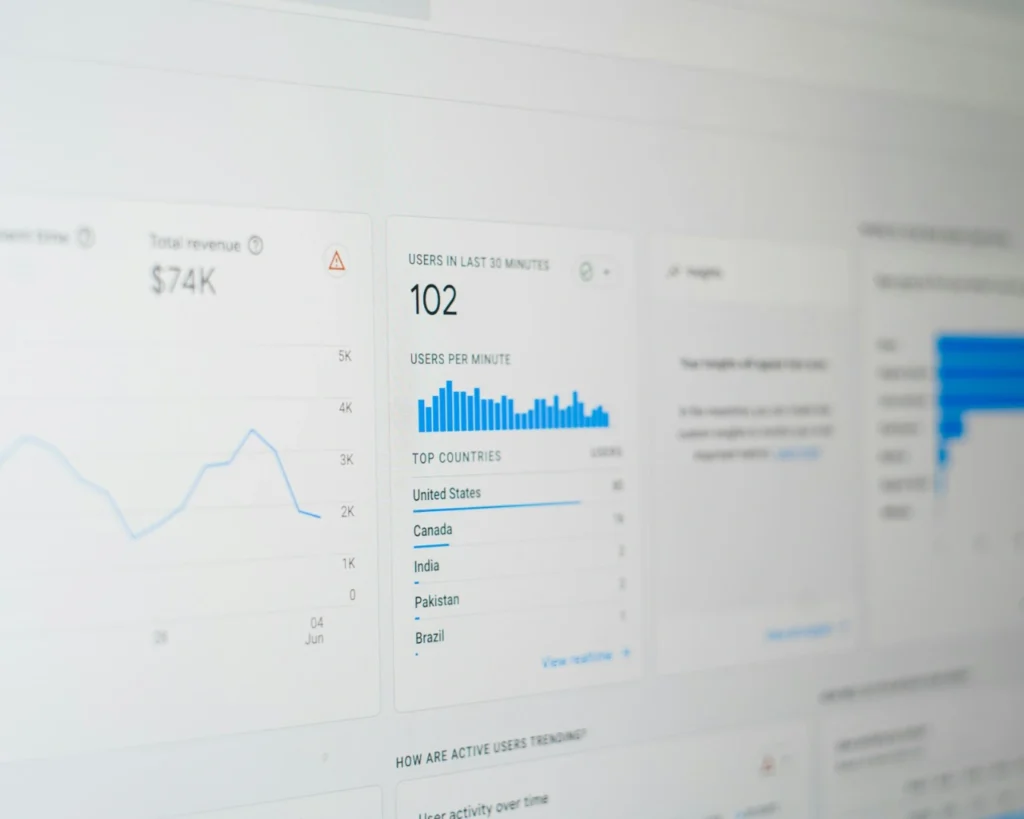
A promotion is a transaction. It is a mathematical trade. You lower your margin, and the customer gives you their time. This is a race to the bottom that most independent operators cannot win. Large chains have the economies of scale to play the volume game. You likely do not.
A brand is a relationship. It is the reason someone travels across the island to visit your specific shop even when you are charging full price. It is built on the consistency of your service, the unique atmosphere of your space, and the specific “voice” your business has.
At Atelier Creations, we focus on operational reality. If your brand is weak, you will find yourself trapped in a cycle of constant discounting just to keep the lights on. This erodes your perceived value. Once a customer views you as a “discount brand,” it is almost impossible to raise your prices later without losing your entire base.
The Cost of the "Quick Fix"
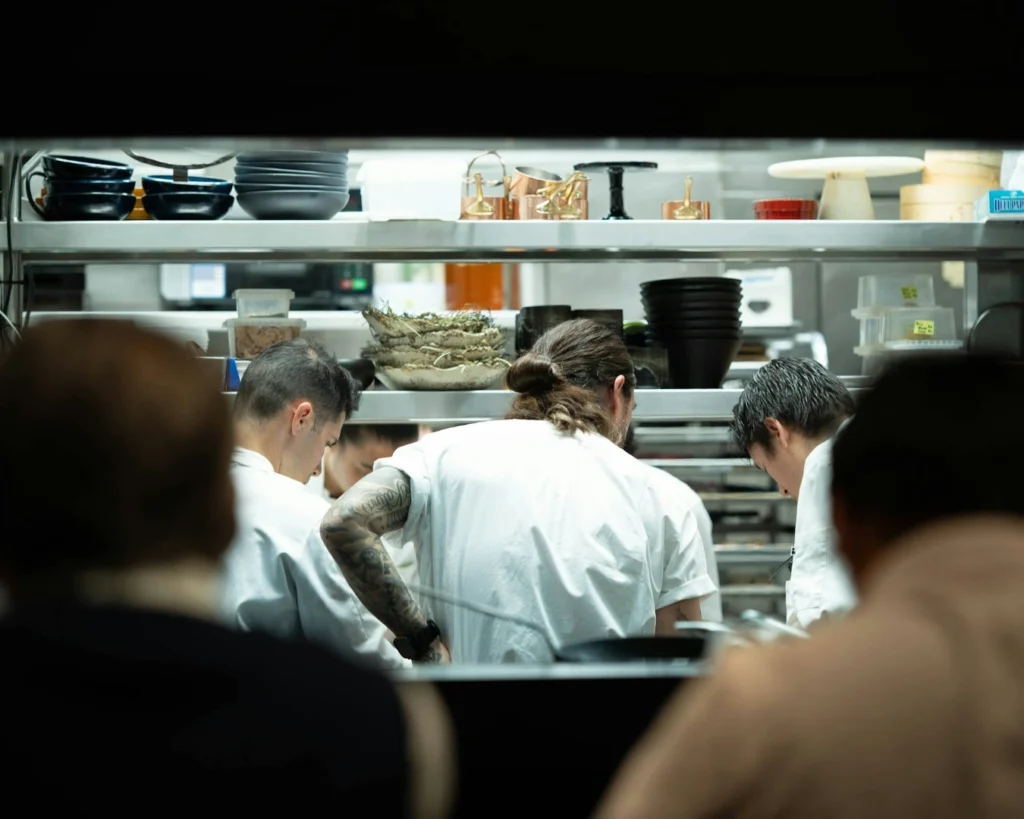
Relying on promotions creates a massive operational strain. Your kitchen gets slammed during the promo period, often leading to a dip in food quality and service standards. New customers see your team at their most stressed and your plating at its most rushed.
You are effectively paying to give a first-time guest a second-rate experience. This is the opposite of brand building. True growth comes from the “middle of the menu” sales. It comes from the regulars who know your staff by name and appreciate the craft behind your signatures. These guests do not need a voucher to feel motivated to visit.
Investing in Lasting Assets
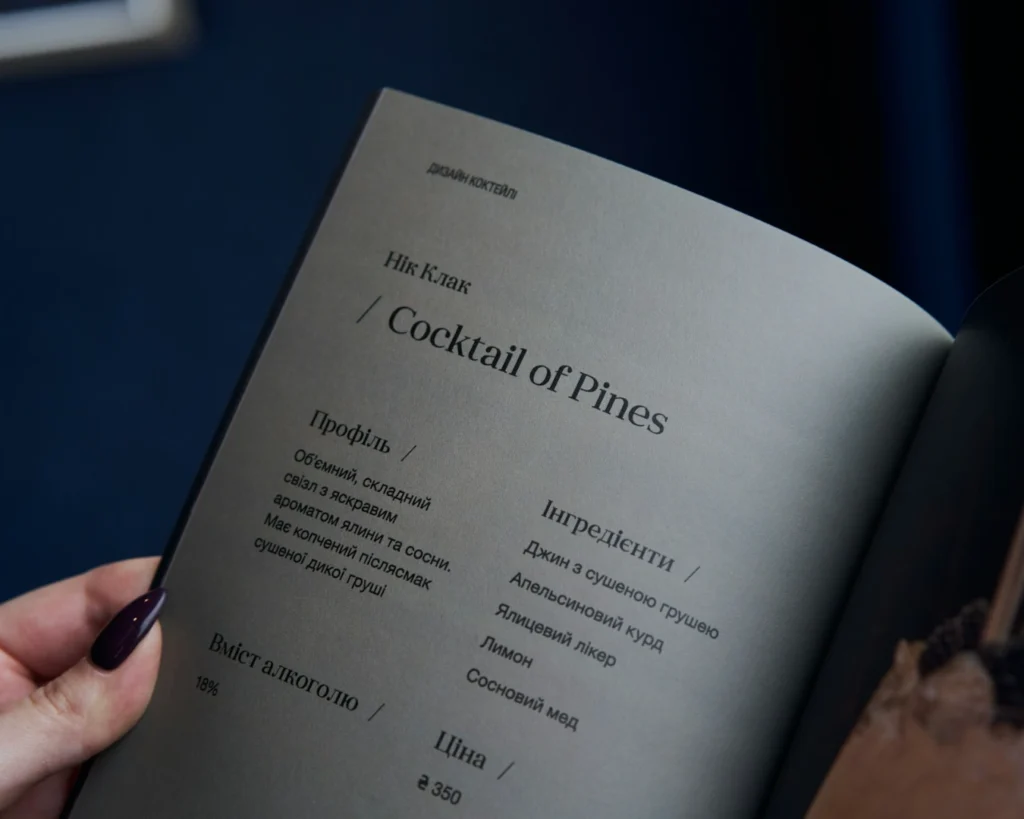
Instead of burning your margin on discounts, reinvest that capital into the assets that actually communicate value. This includes your interior touchpoints, your menu engineering, and your digital storytelling.
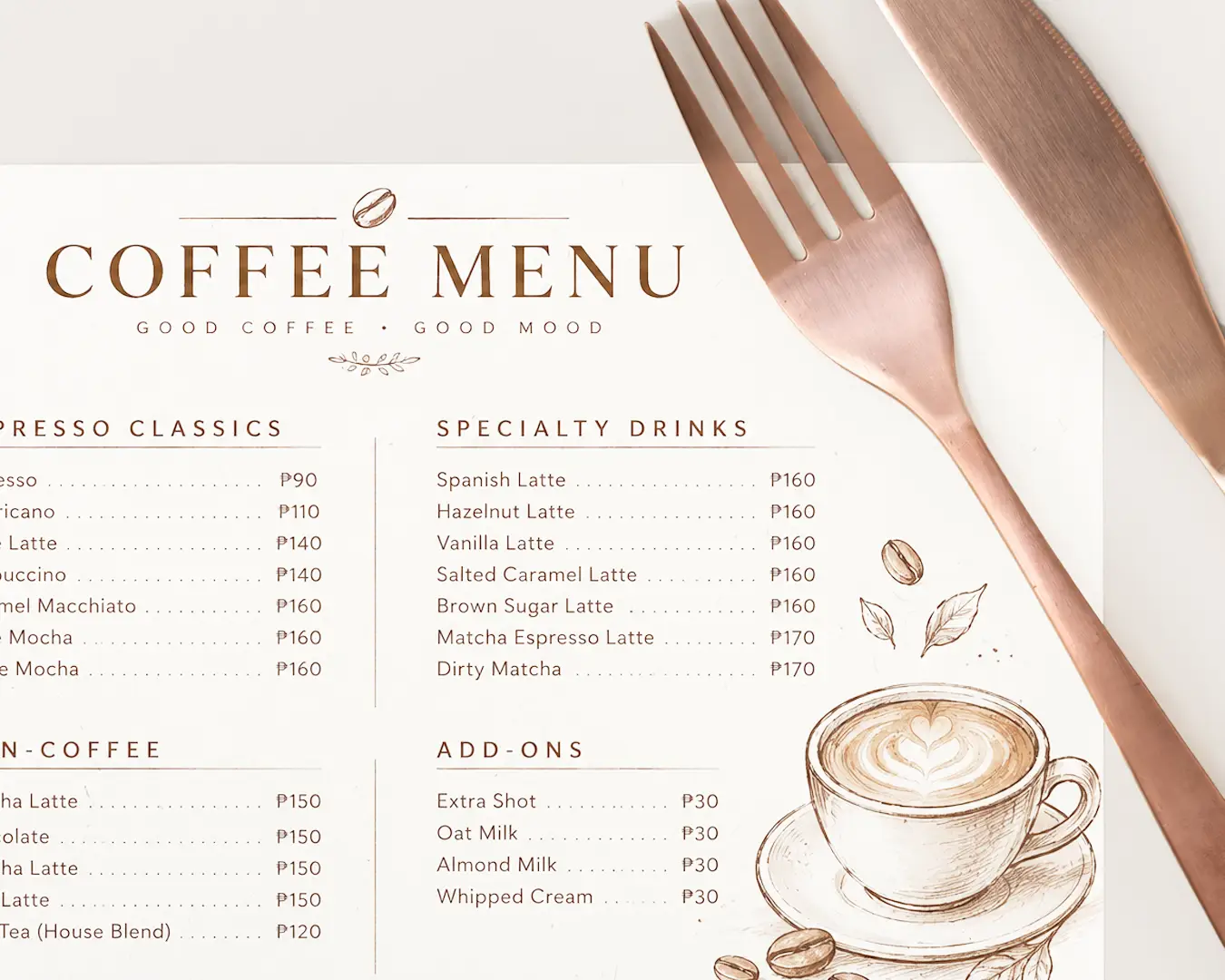
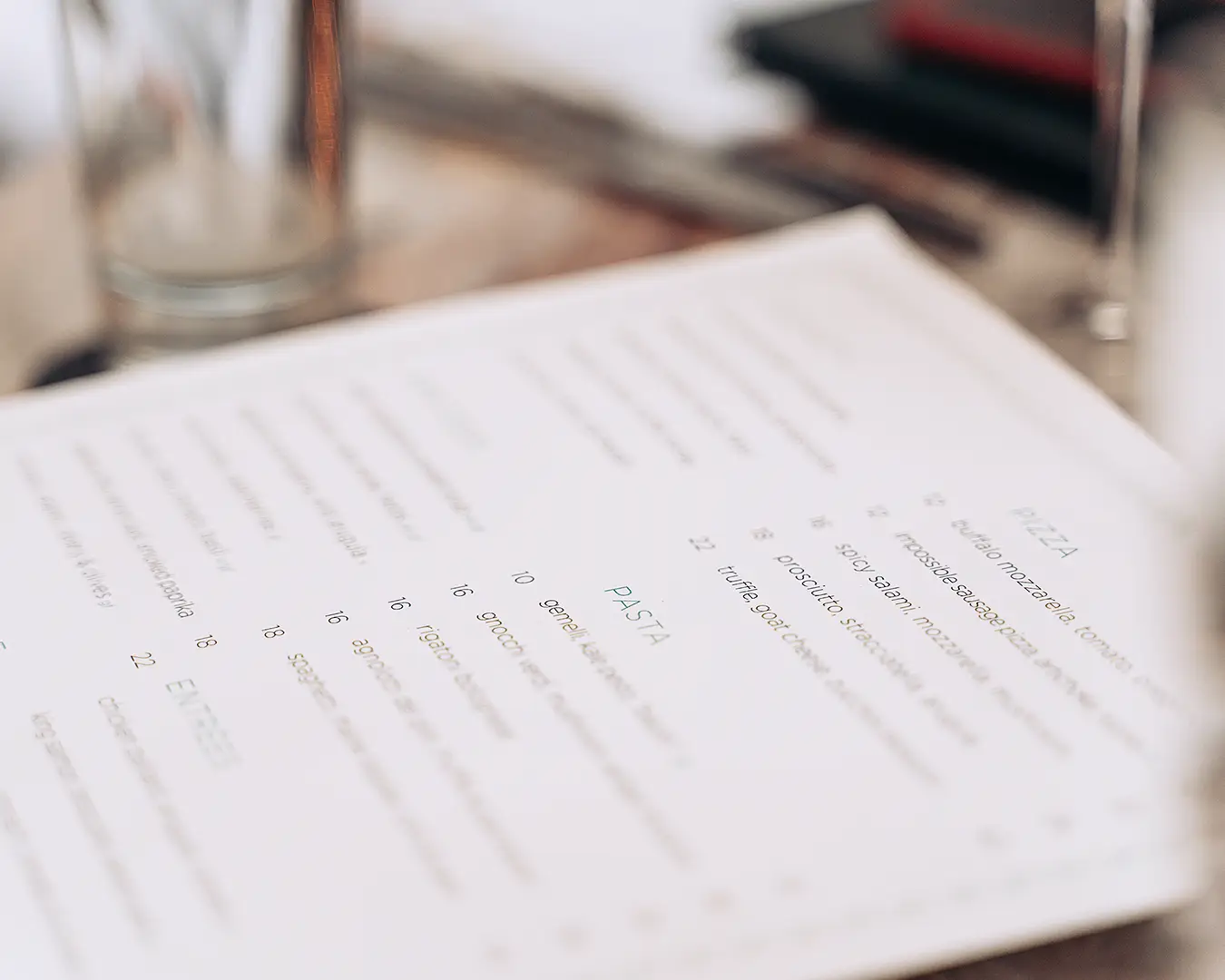
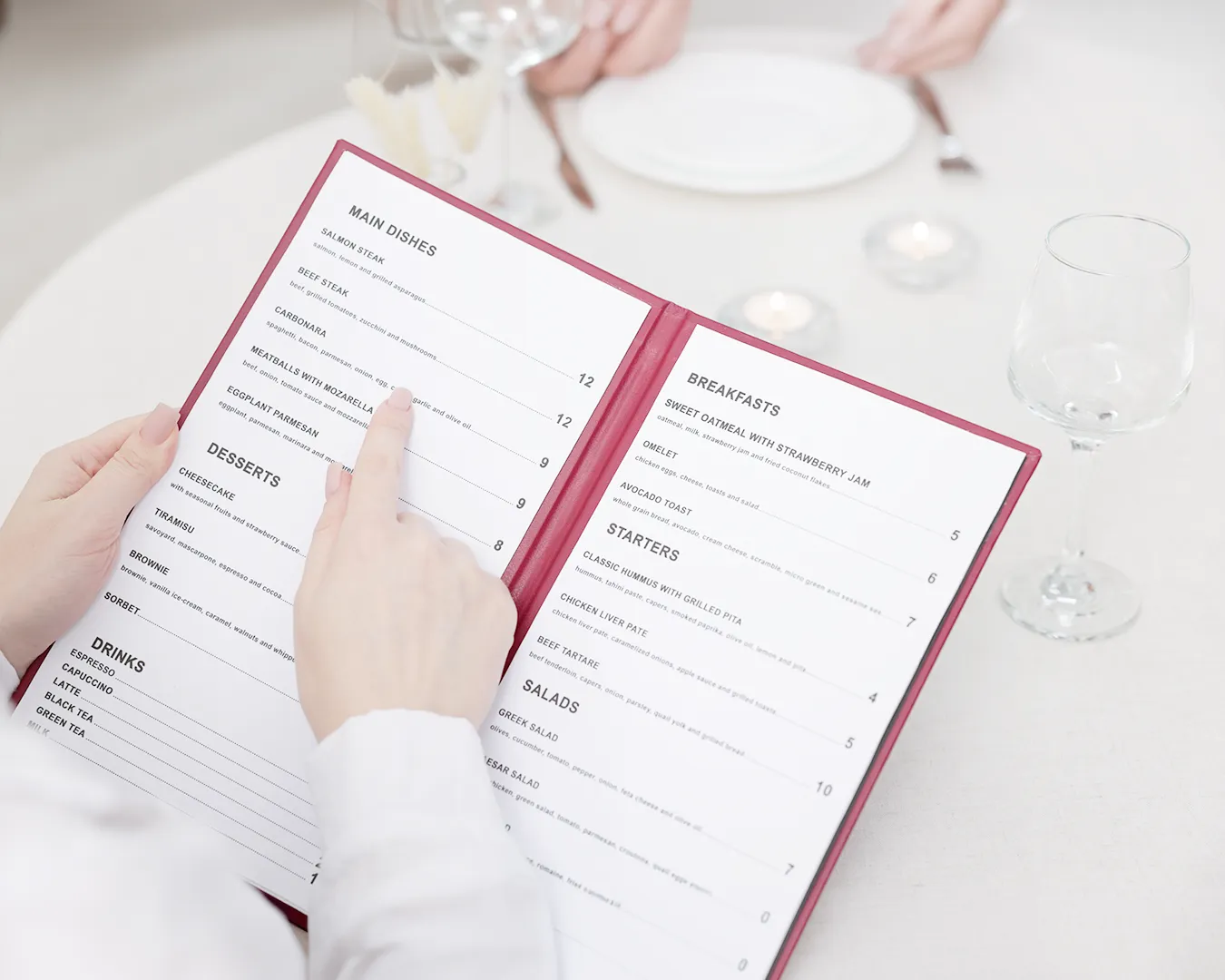
A well-designed menu that guides a guest toward your high-margin items is a permanent asset. A staff training program that ensures every guest feels seen is a permanent asset. A cohesive visual identity that makes your packaging recognizable on a crowded GrabFood feed is a permanent asset.
Promotions expire at midnight. Assets work for you 24 hours a day.
A Path Toward Sustainable Growth
It is natural to feel the pressure to discount when numbers are soft. But the goal of your marketing should be to make your price irrelevant. You want guests to walk through your doors because they crave your specific point of view, not because they found a coupon in an app.
Shift your focus from “How do I get them in today?” to “How do I make sure they can’t imagine going anywhere else tomorrow?”