Why do you think your customers choose to pay $45 for a steak at your neighbor’s shop when yours is objectively better at $32?
It is a high-stakes question that forces you to audit the invisible layers of your business. If your answer is “better marketing” or “luck,” you are missing the mechanics of why restaurants feel premium. Premium is not a price point. It is a psychological state achieved through consistent, intentional cues that signal quality before a single plate hits the table.
The Weight of Quiet Details
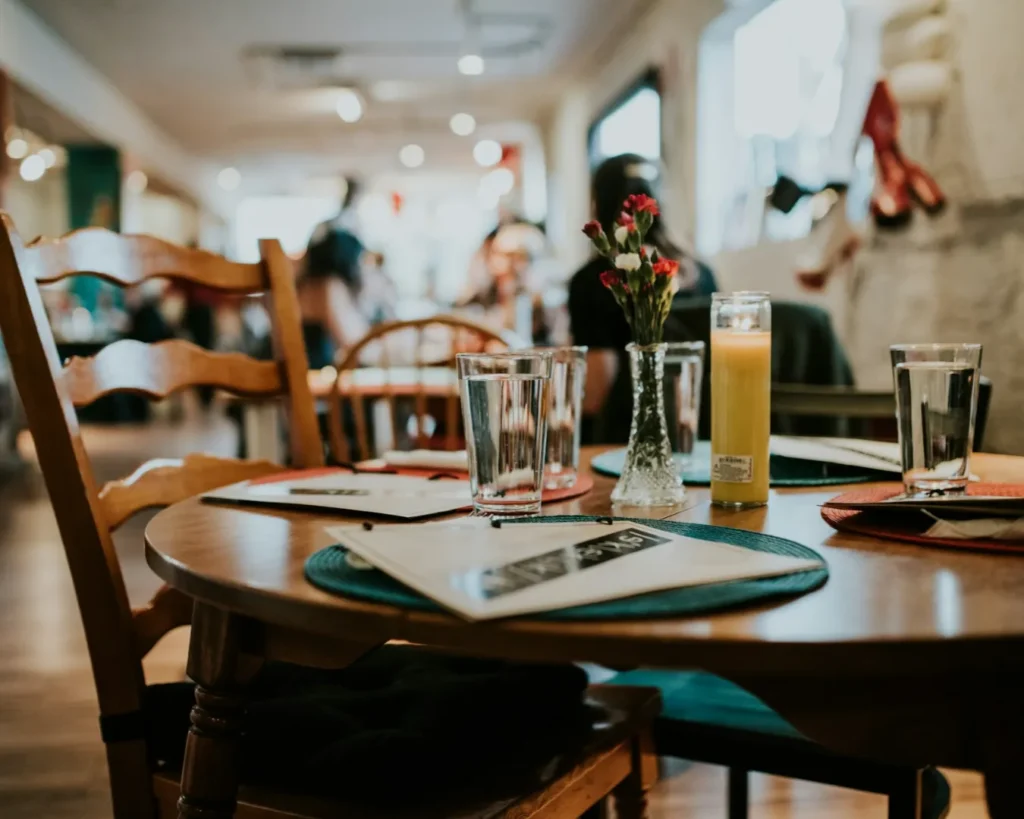
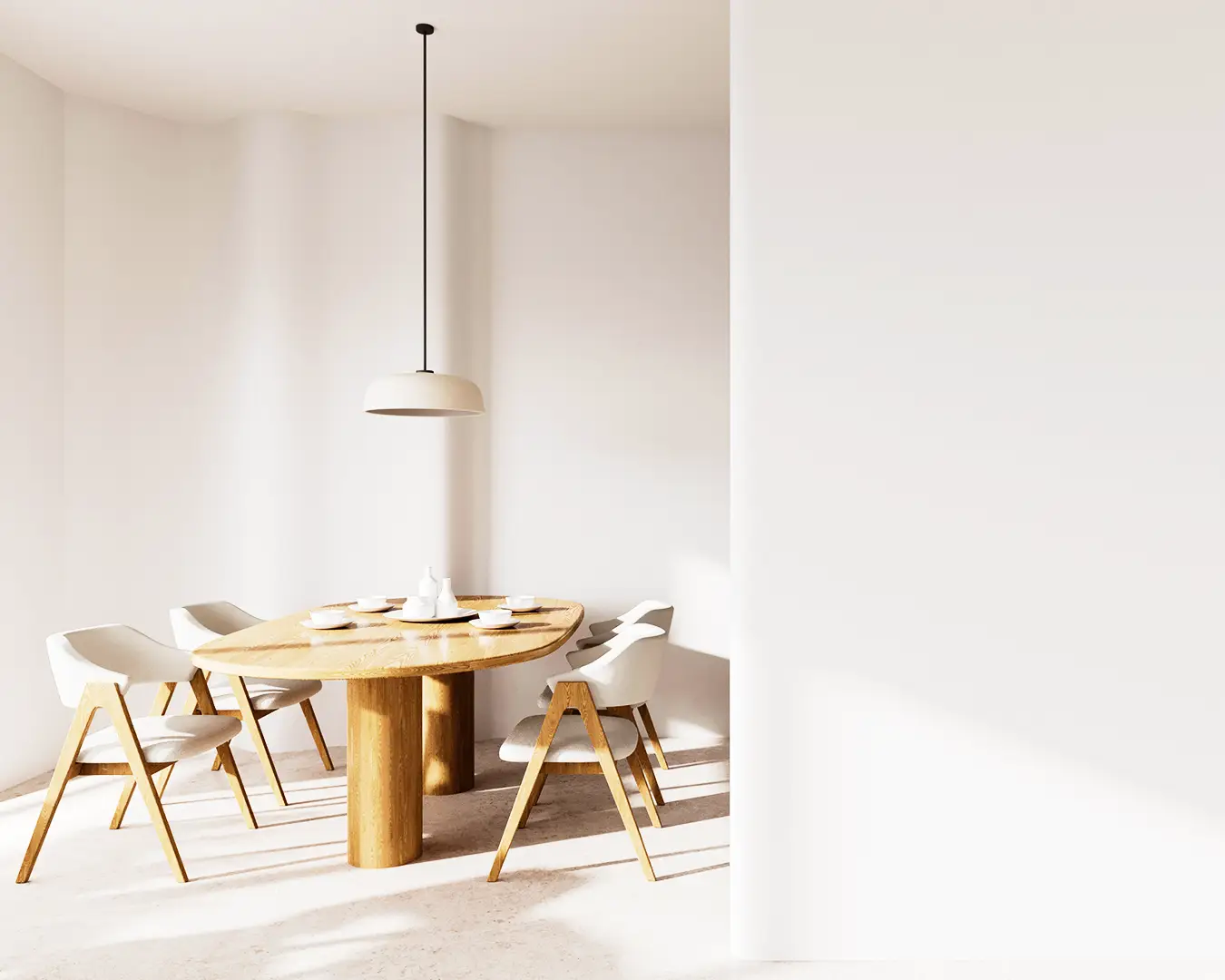
Most owners believe premium means expensive furniture or a gold-foiled logo. In reality, the sensation of luxury often comes from what is absent. It is the absence of visual noise. It is the absence of sticky menus. It is the absence of mismatched staff uniforms.
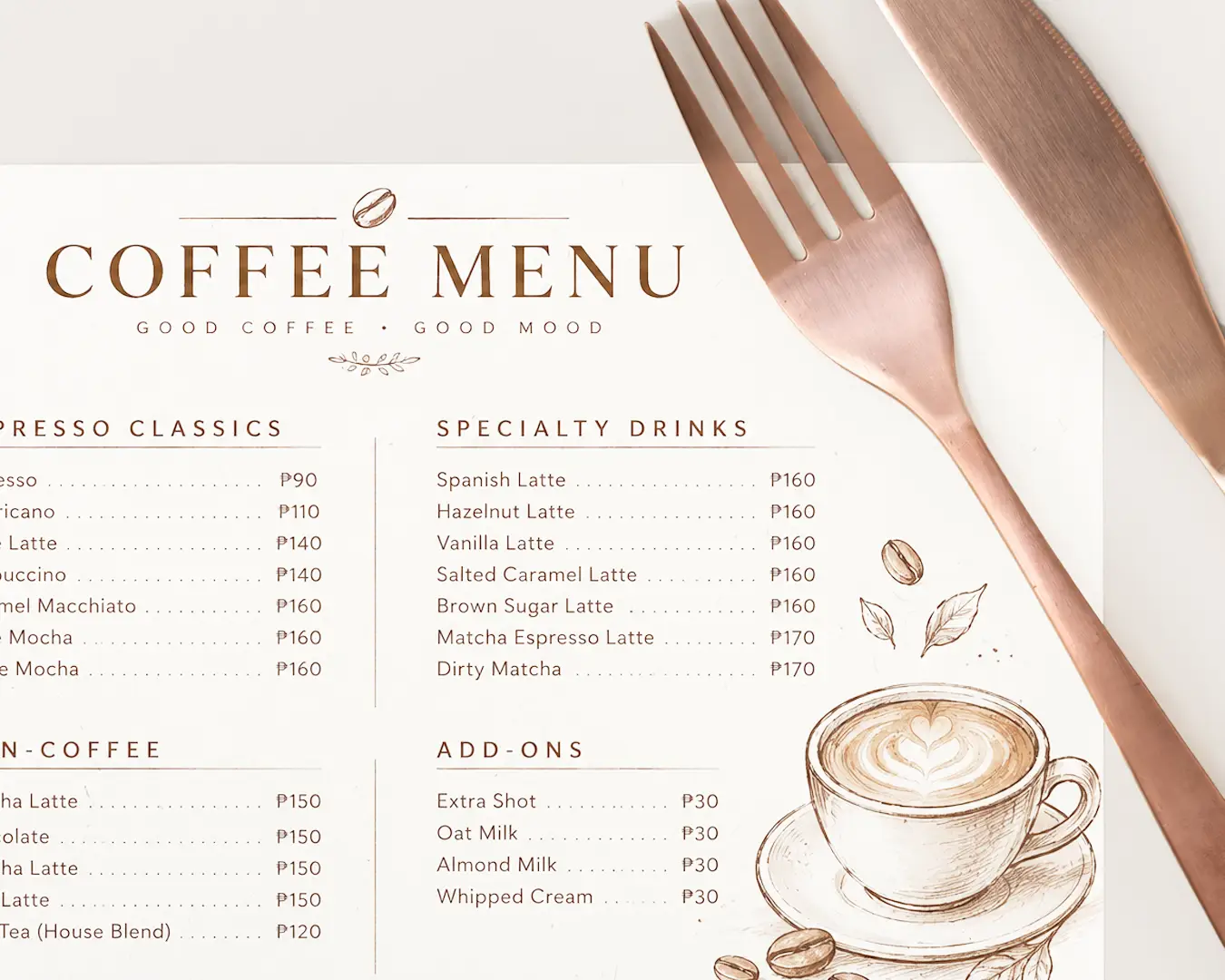
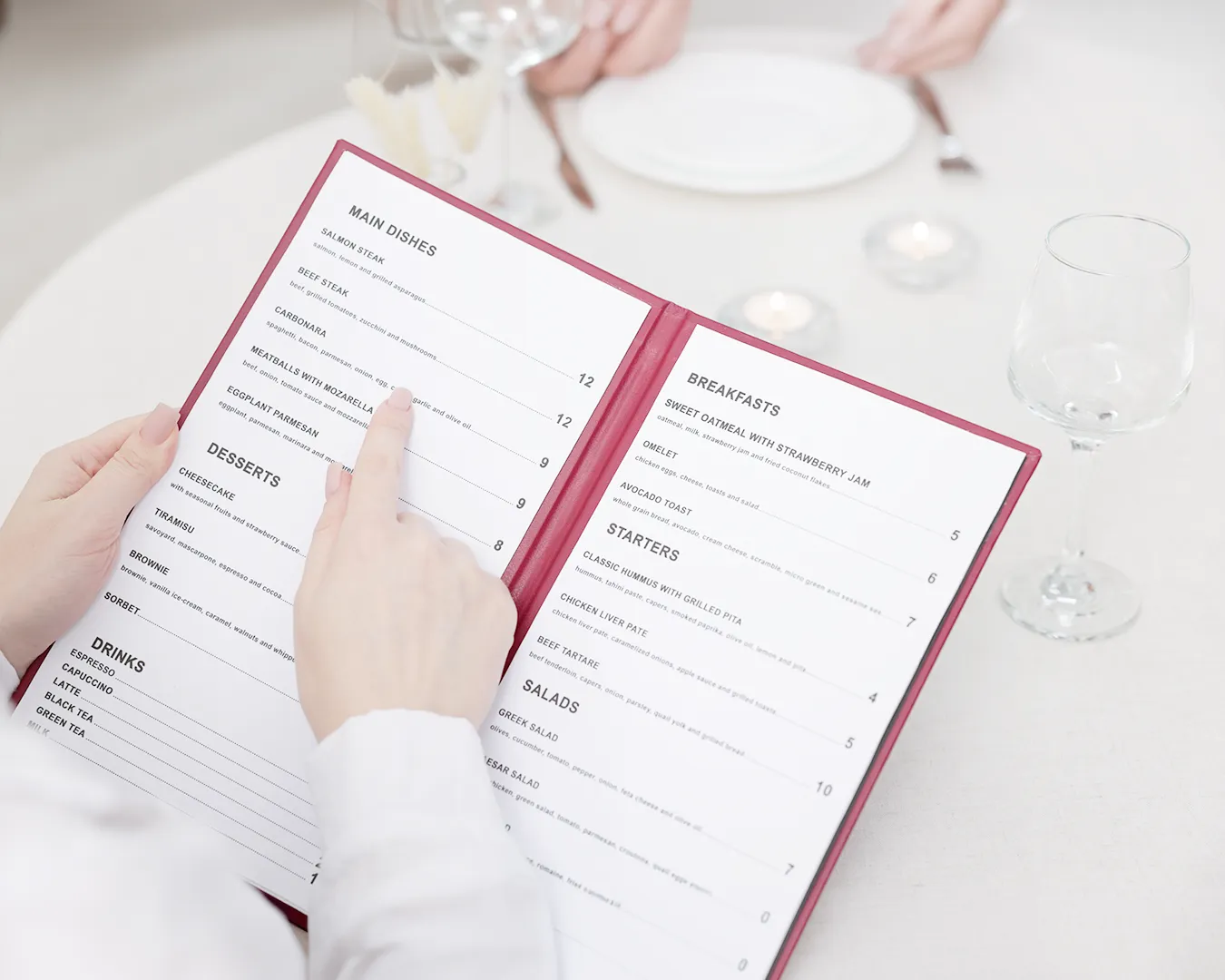
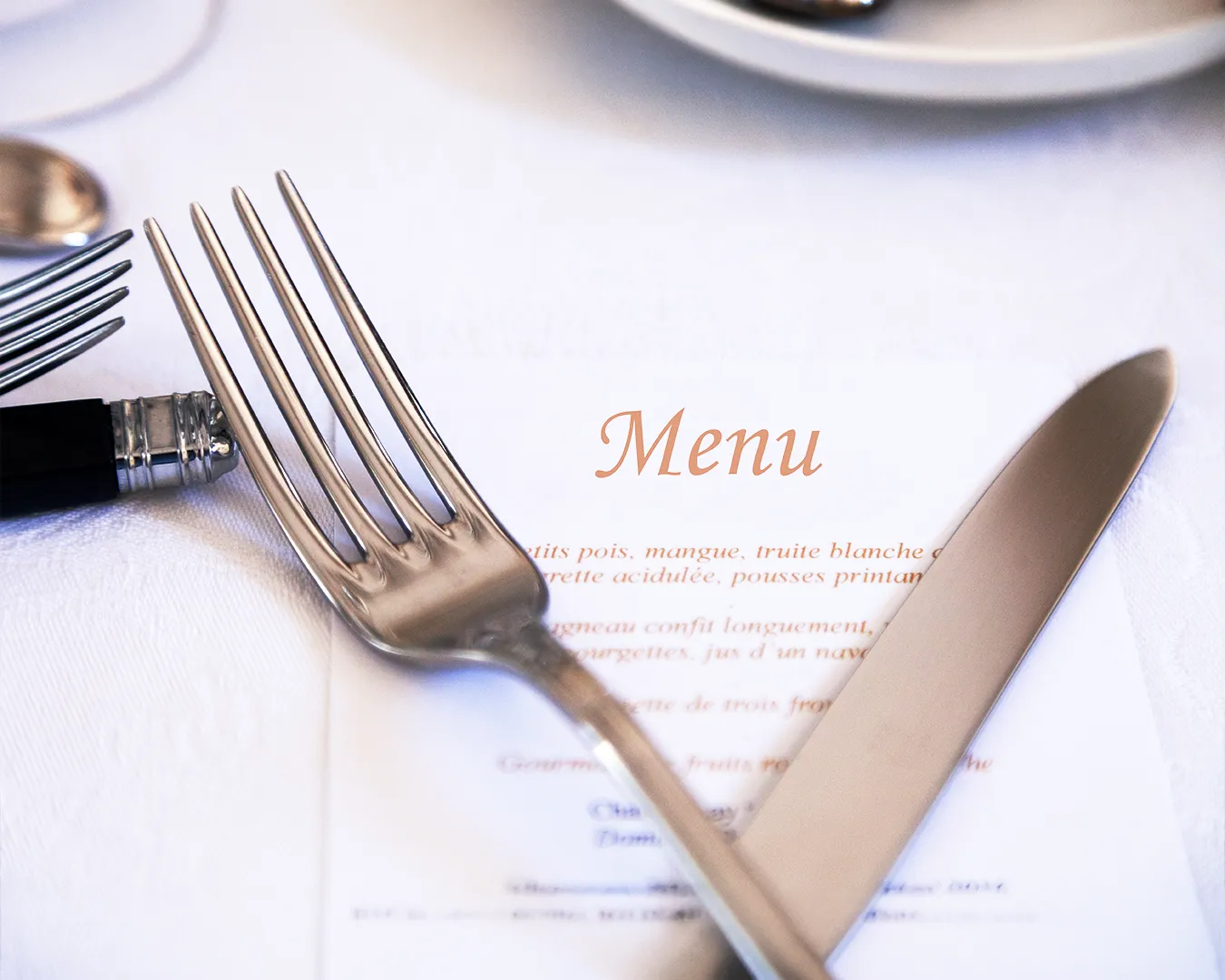
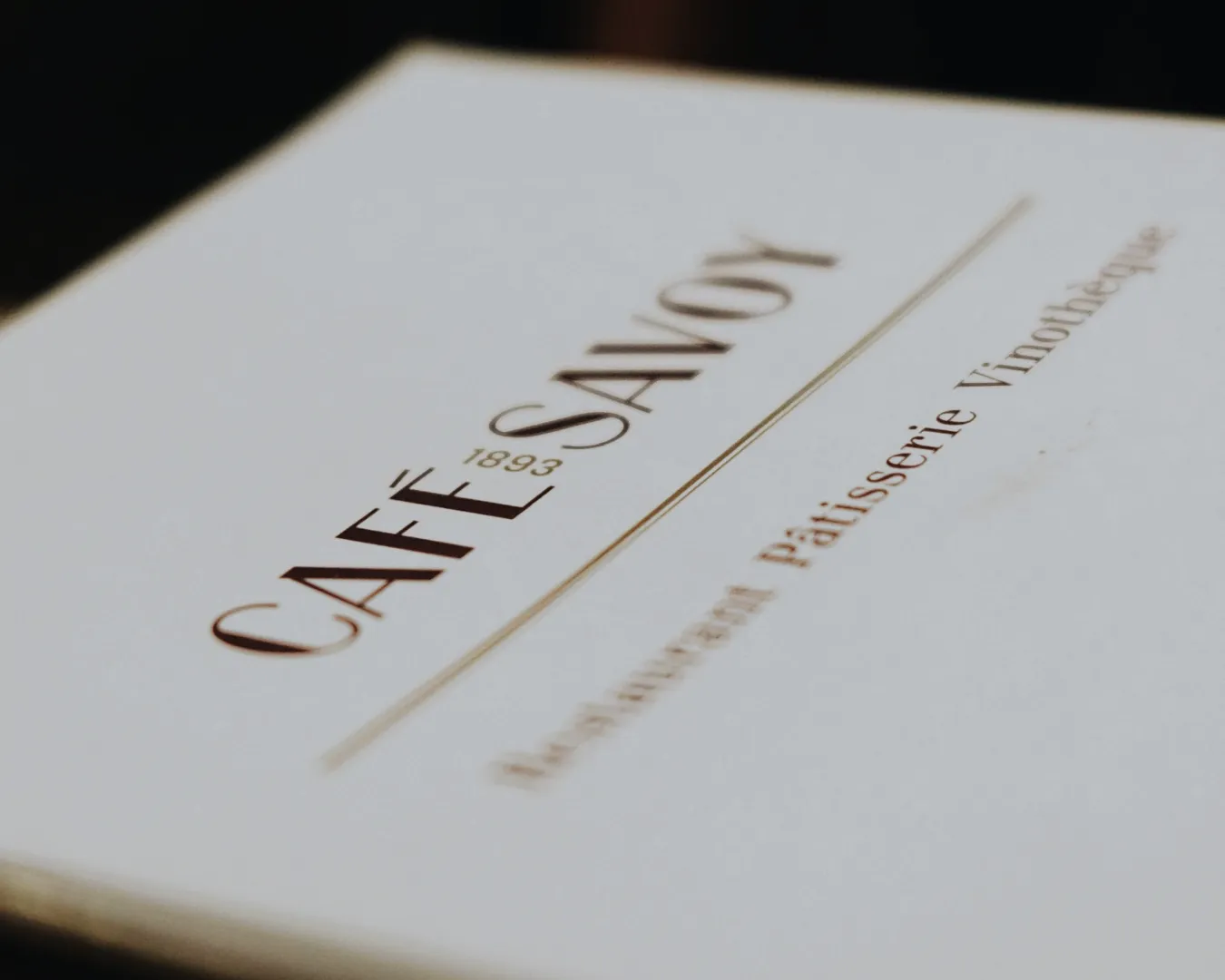
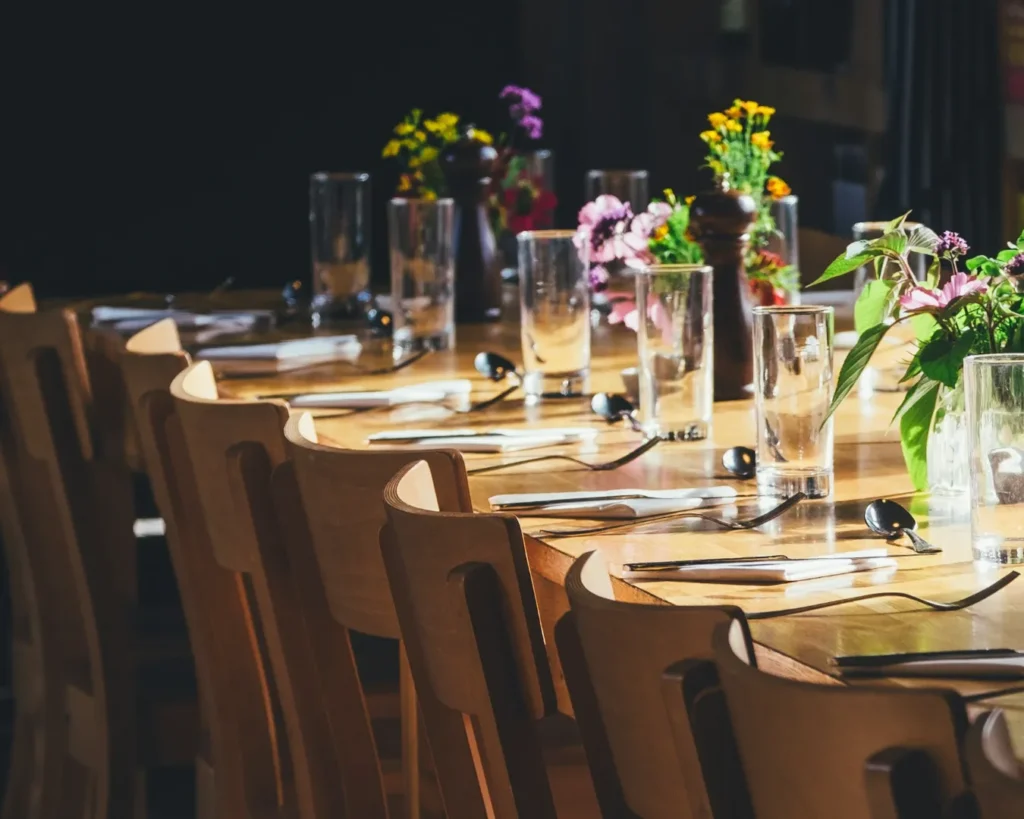
When a space feels premium, it is because the owner has curated the sensory load. High-end dining environments in Singapore often use heavier cutlery. This is not for durability. Research shows that humans associate physical weight with value. If your spoons feel like plastic, your food feels like a commodity. If your menu is printed on flimsy paper, your brand feels temporary.
Logic Over Decoration
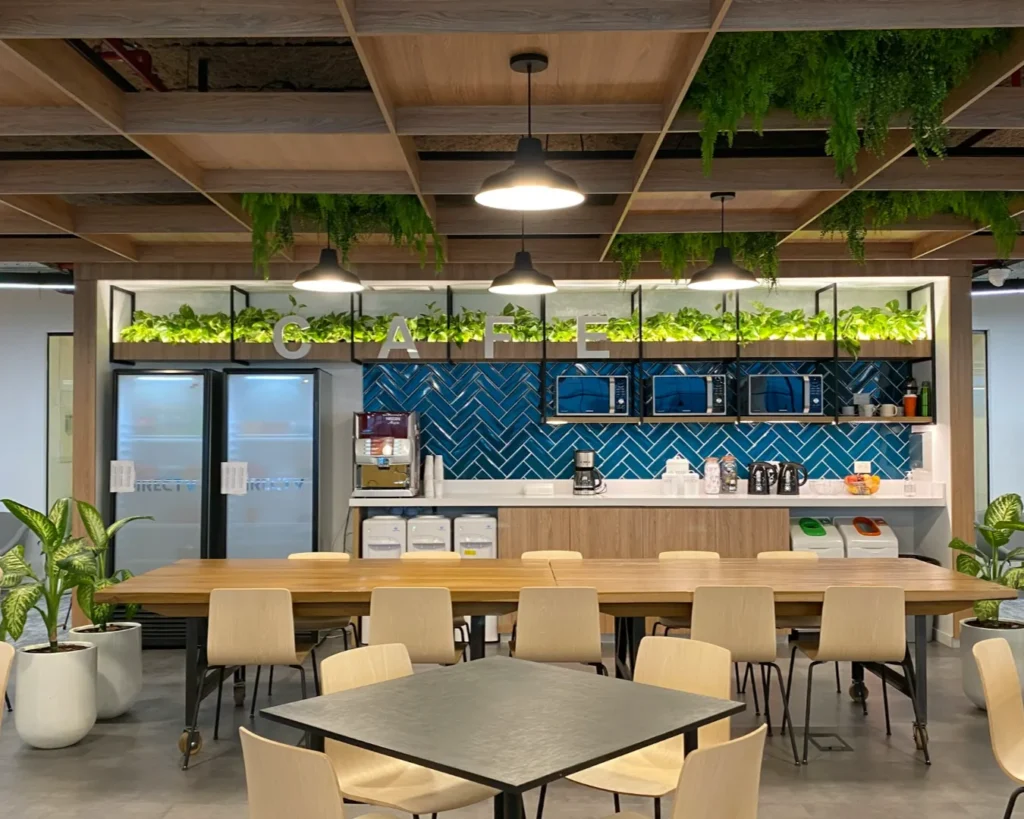
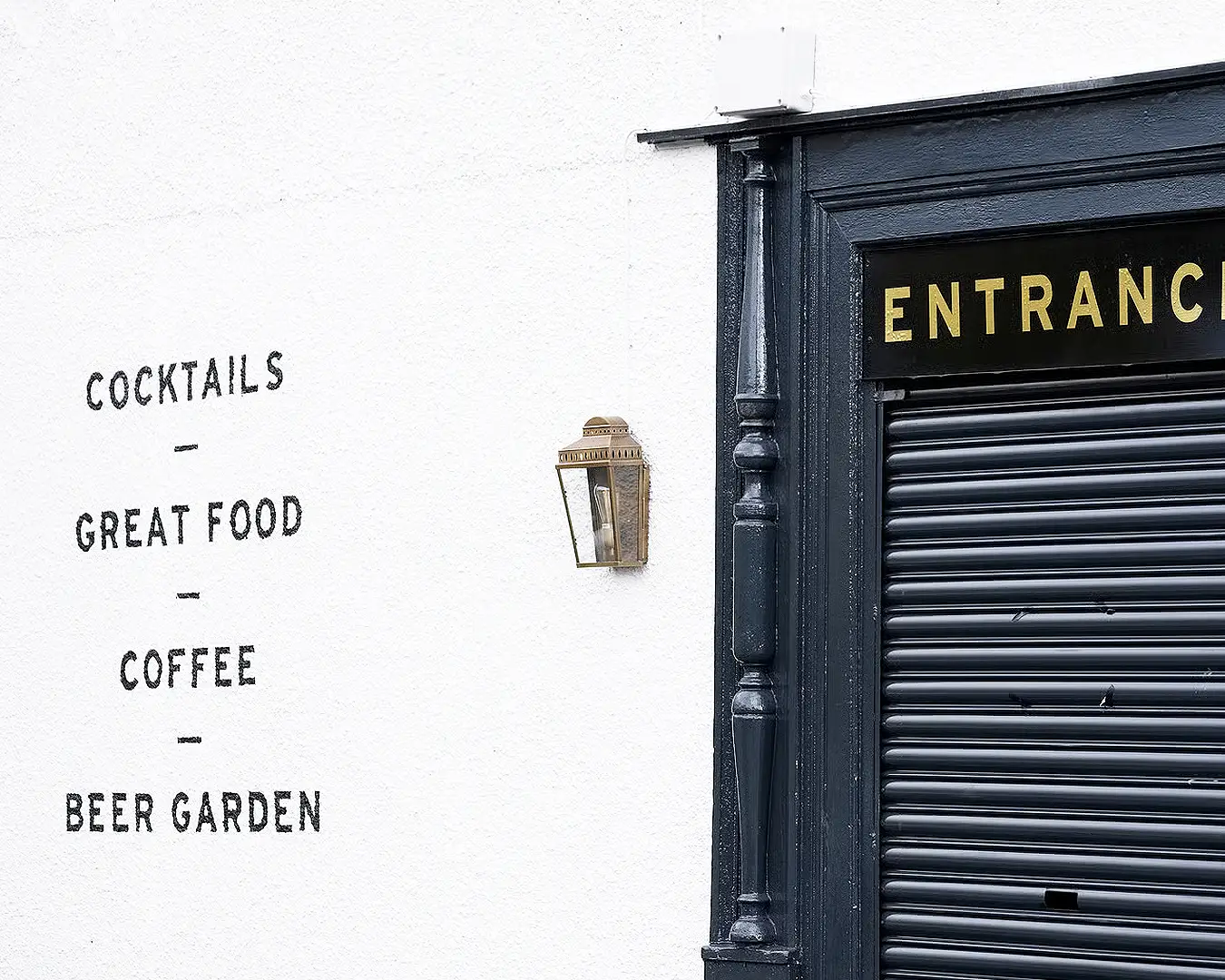
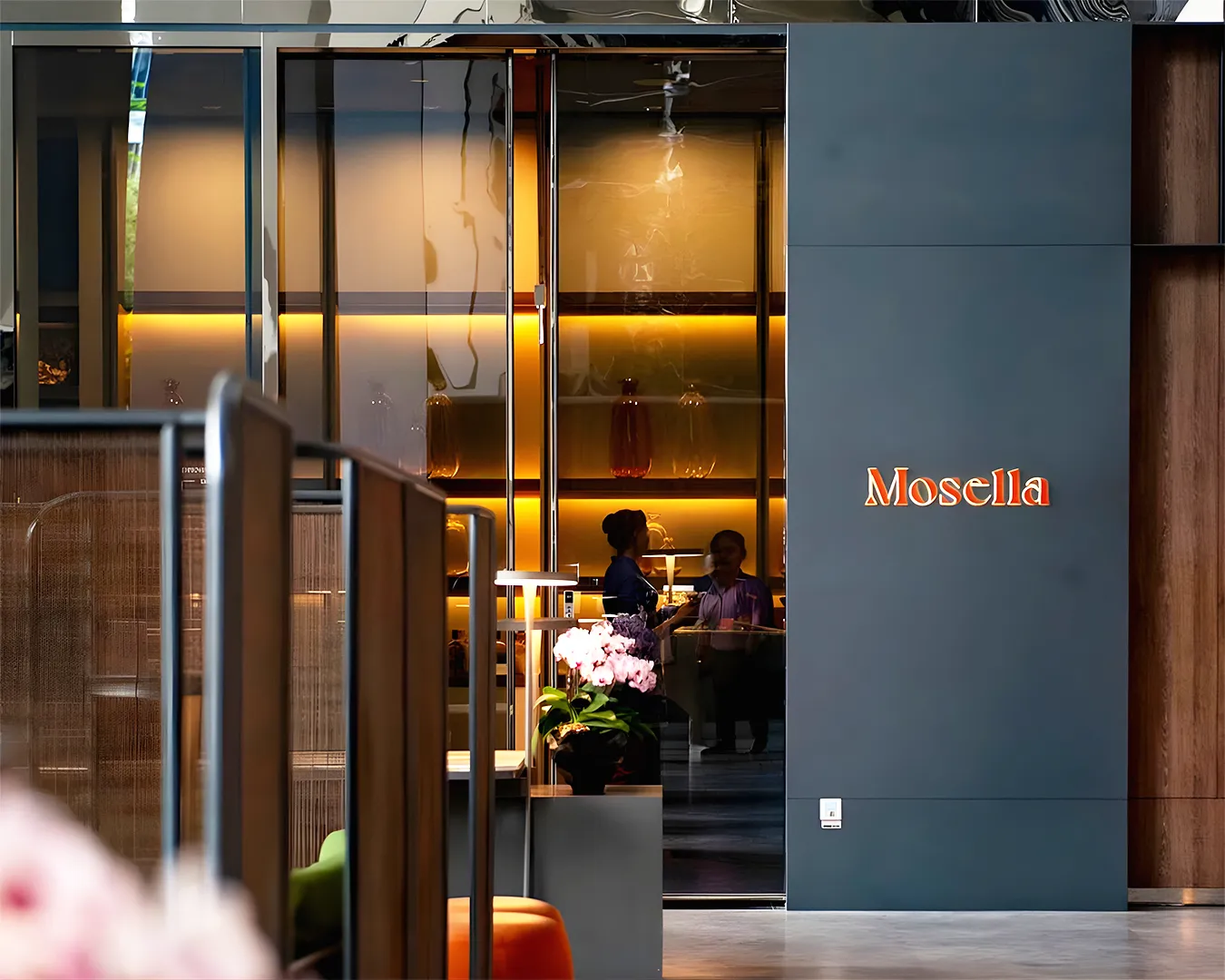
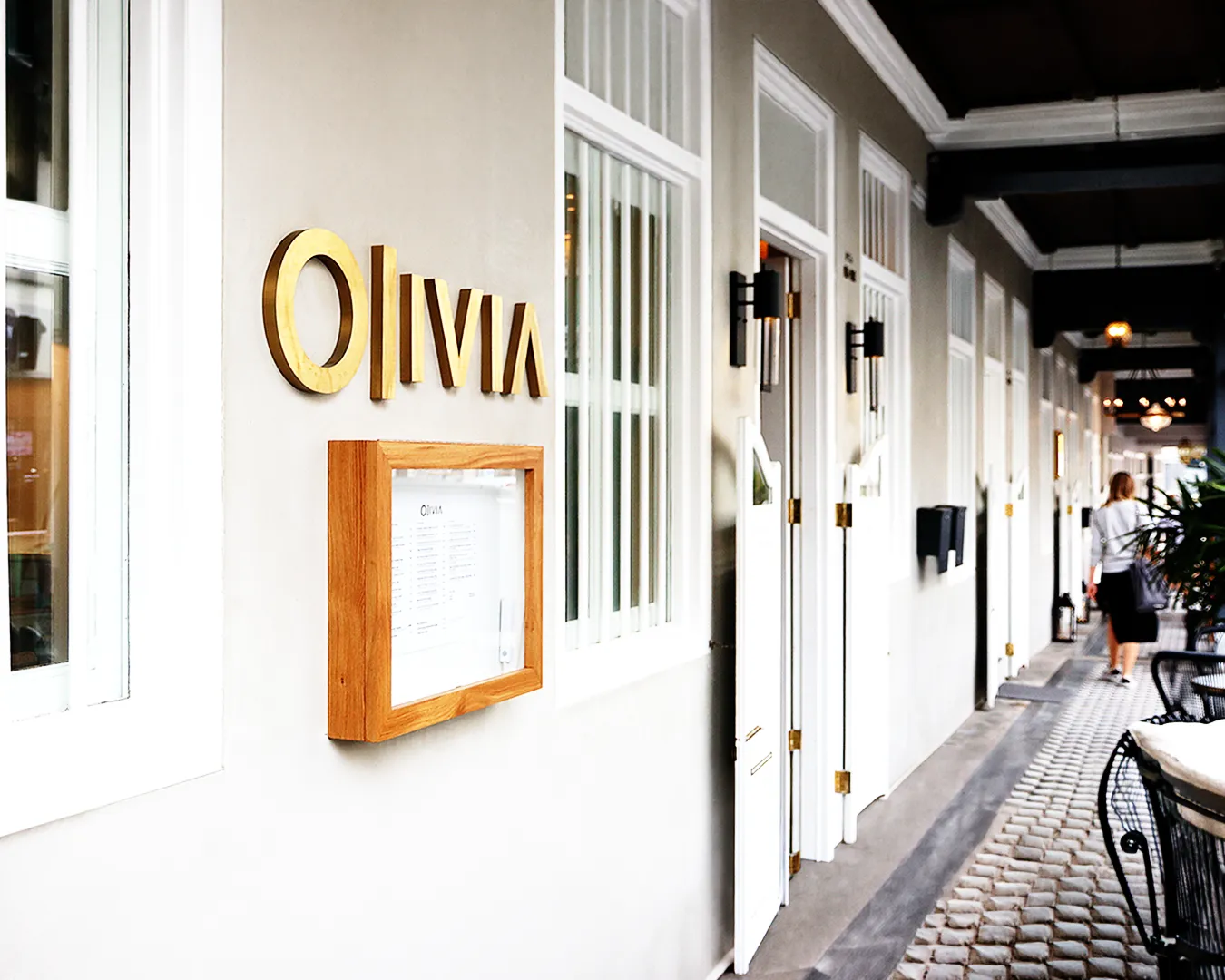
Understanding why restaurants feel premium requires looking at the transition from the street to the seat. A premium brand manages the “threshold moment.”
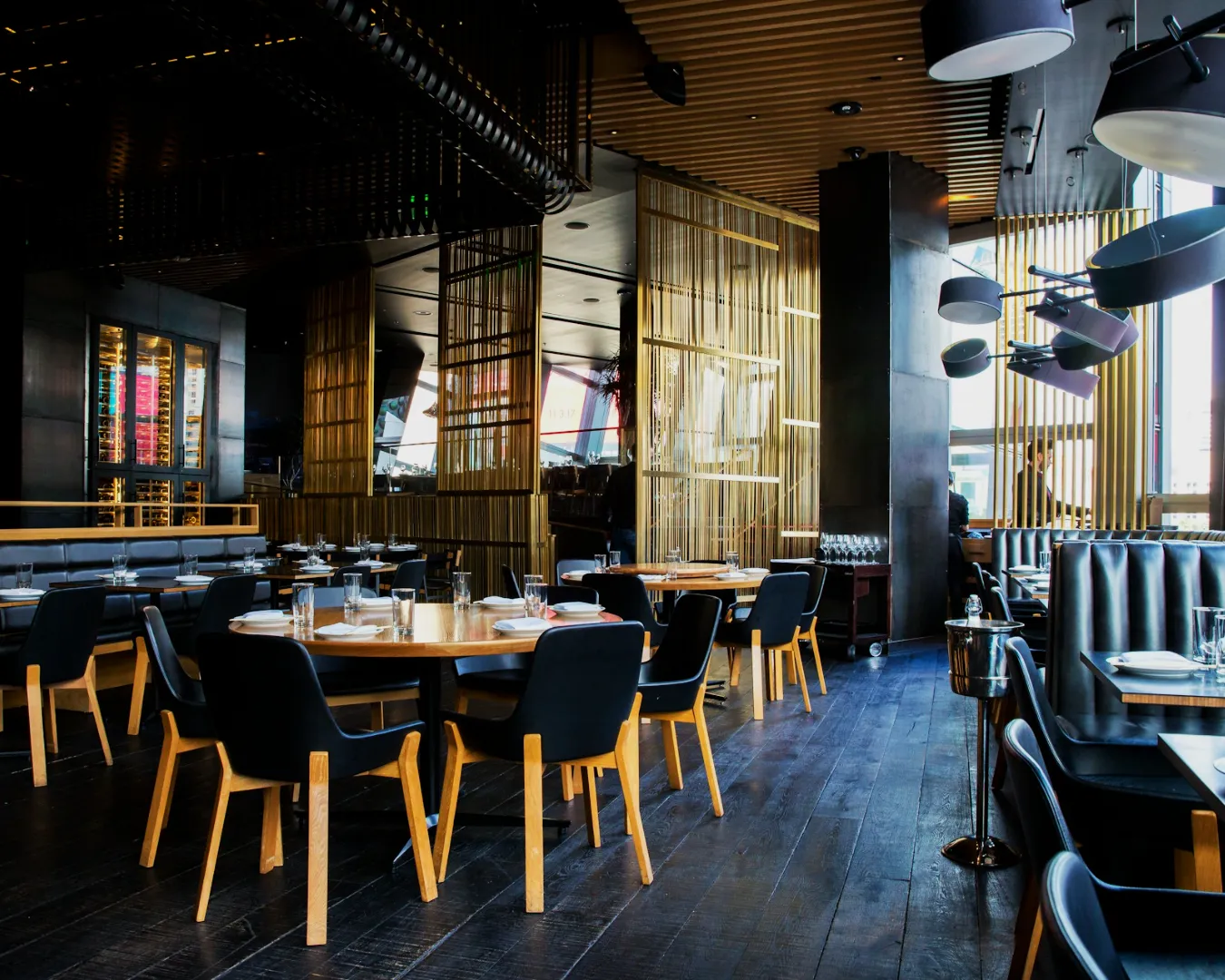
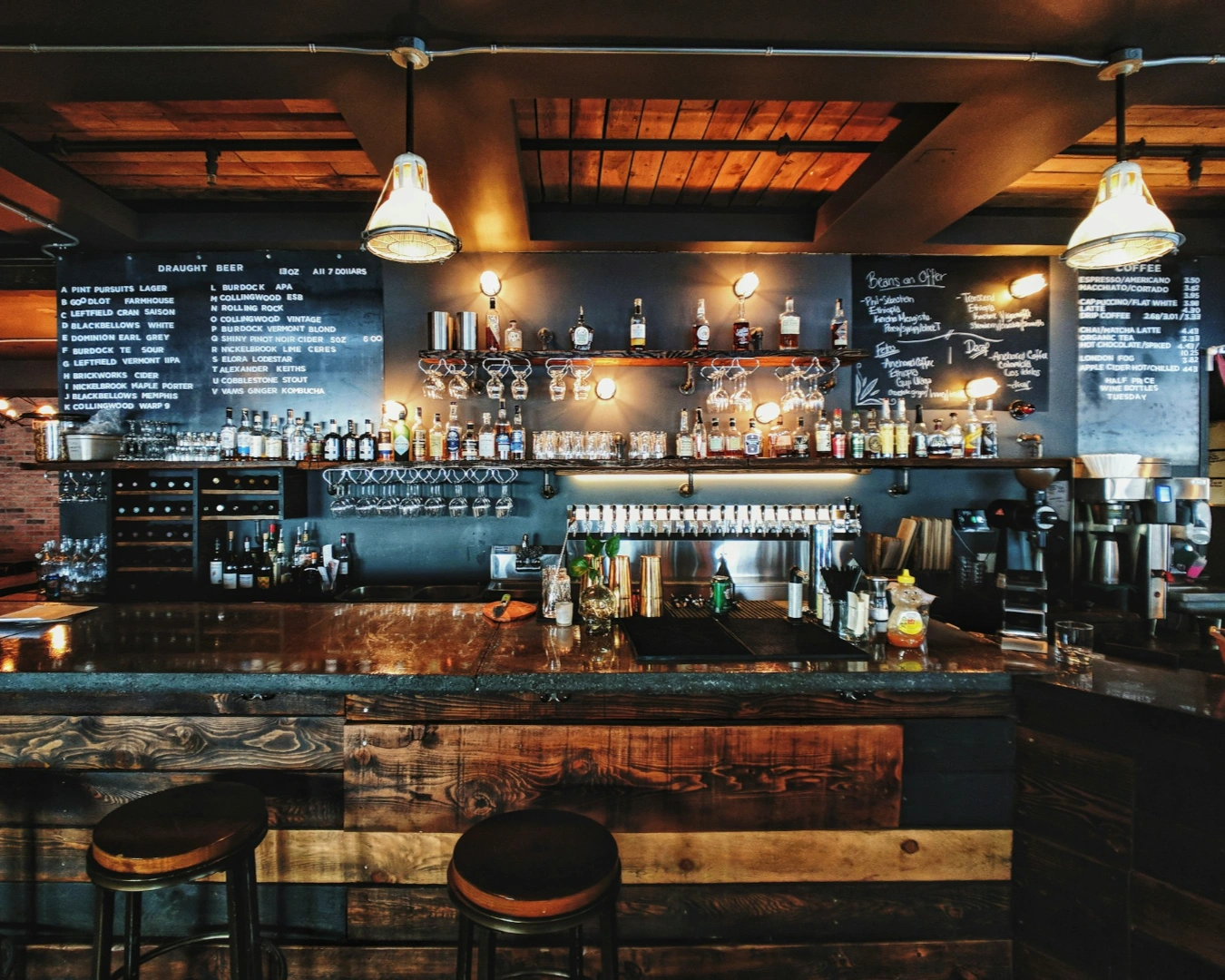
- Lighting Control: Fluorescent lights kill margins. Dim, warm lighting creates intimacy and slows down the dining pace, which naturally increases spend per head.
- The Soundscape: Clanging plates and shouting chefs work for a zi char stall. For a premium brand, acoustic dampening is an investment, not an afterthought.
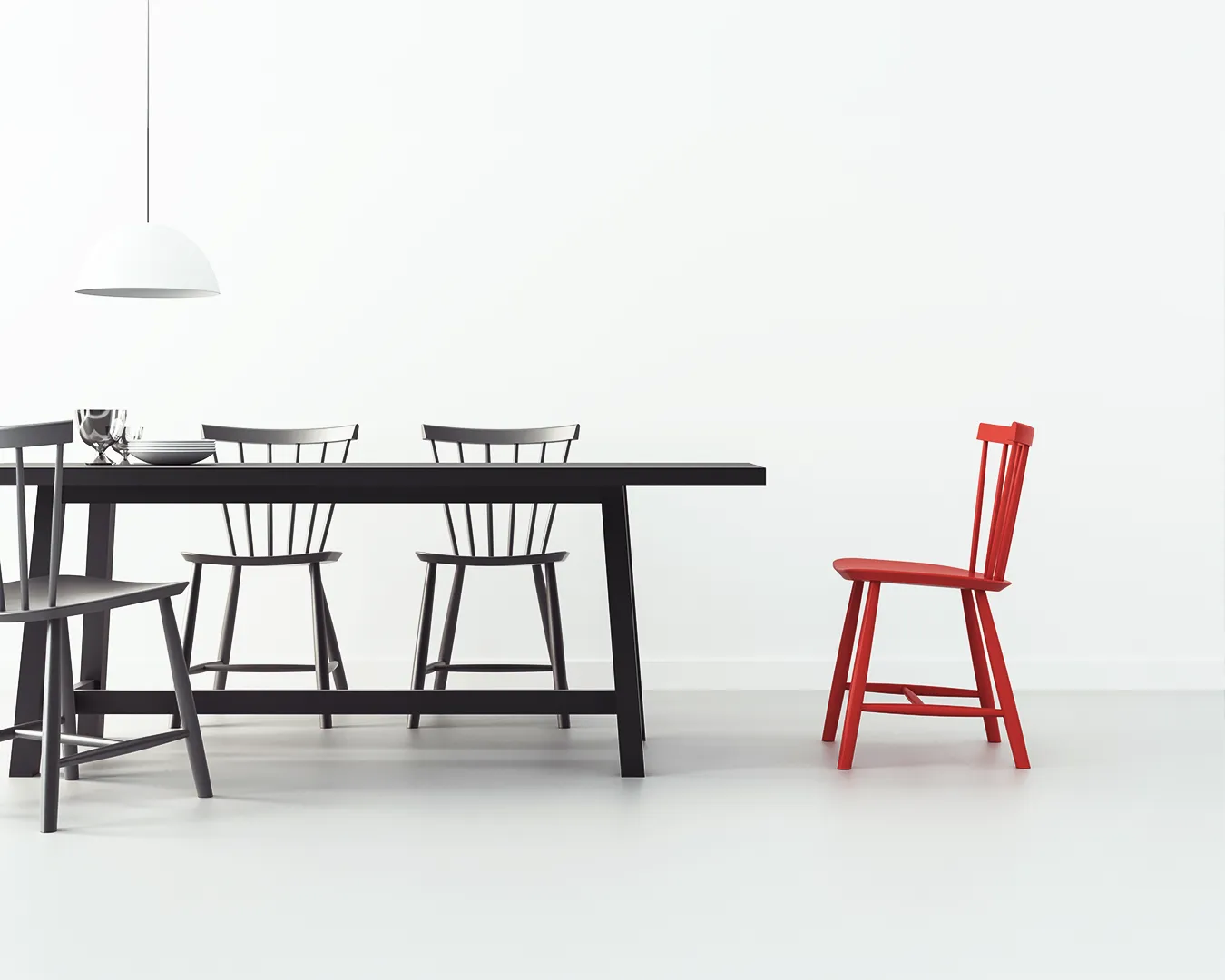
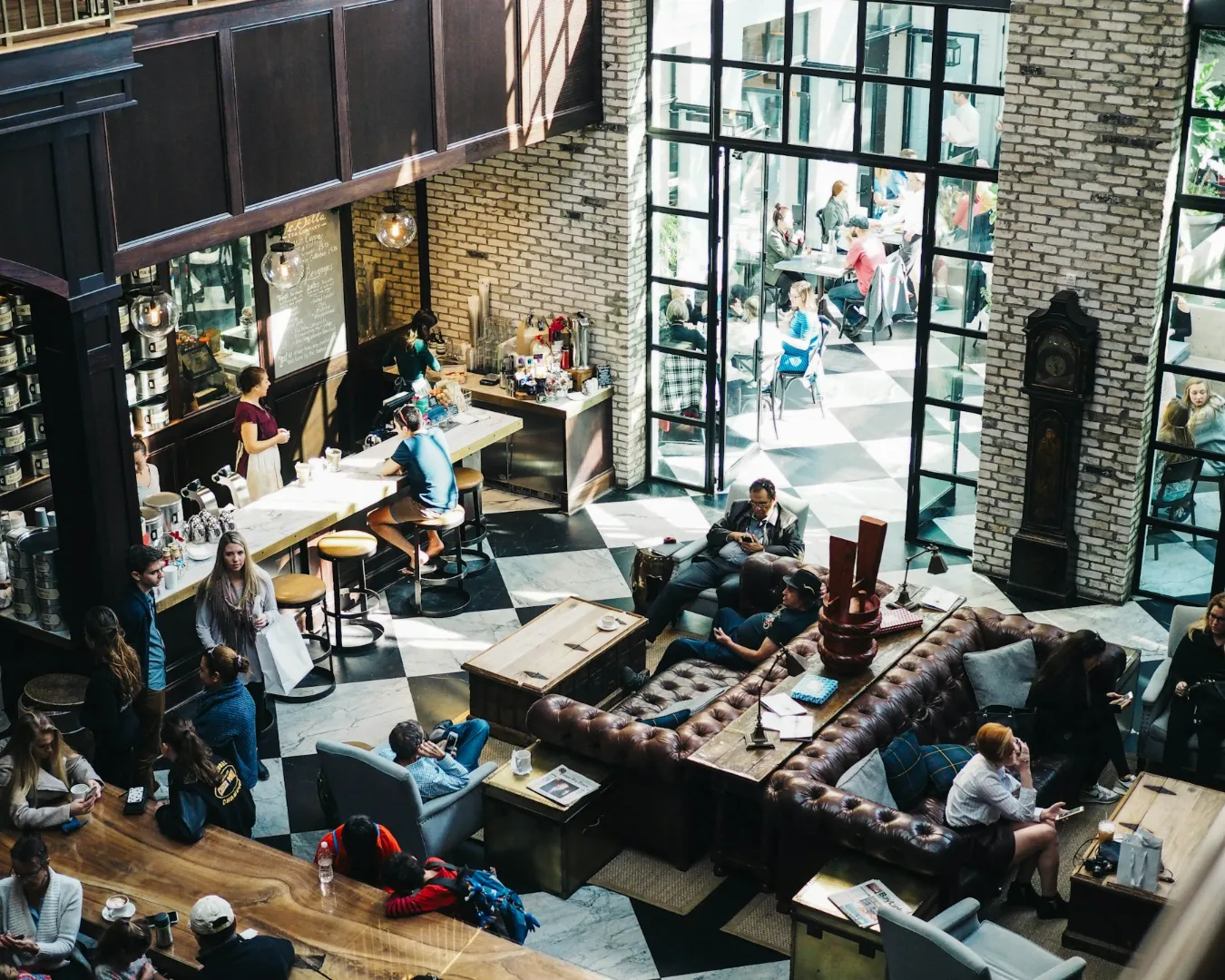
- Symmetry and Space: Cramming an extra table into your floor plan might seem like a revenue win. It usually backfires. Perception of luxury is directly tied to the amount of “wasted” space. People pay more for the privilege of not hearing their neighbor’s conversation.
The Digital Handshake
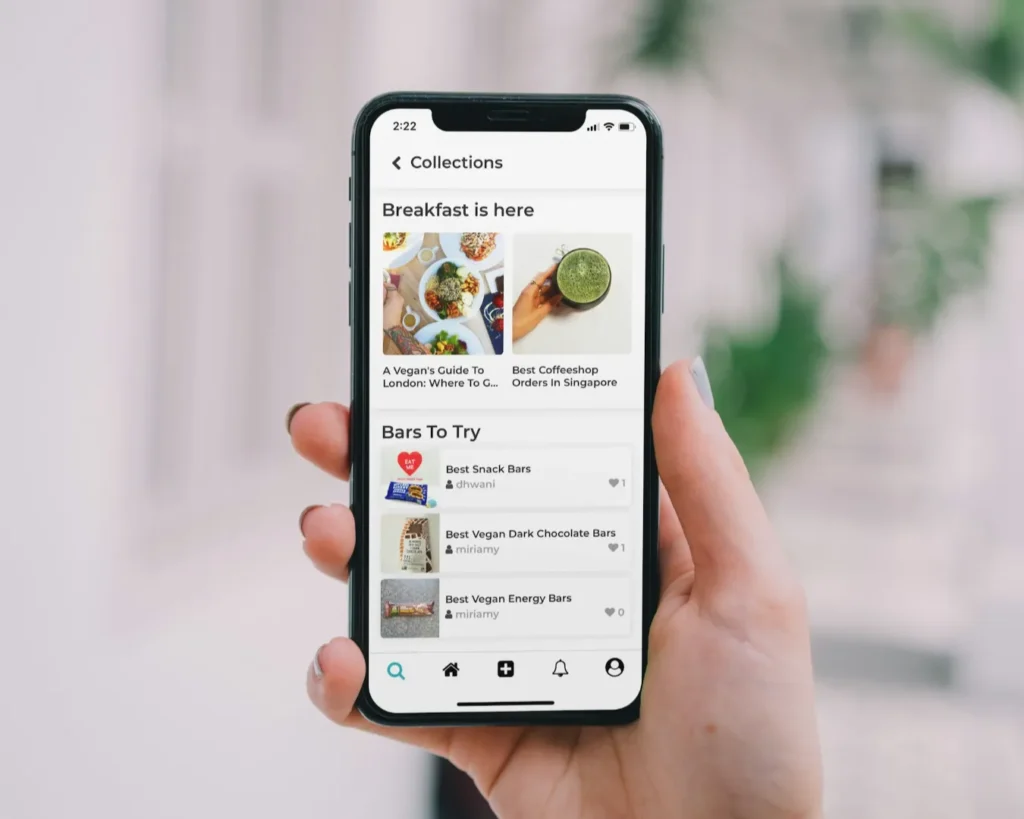
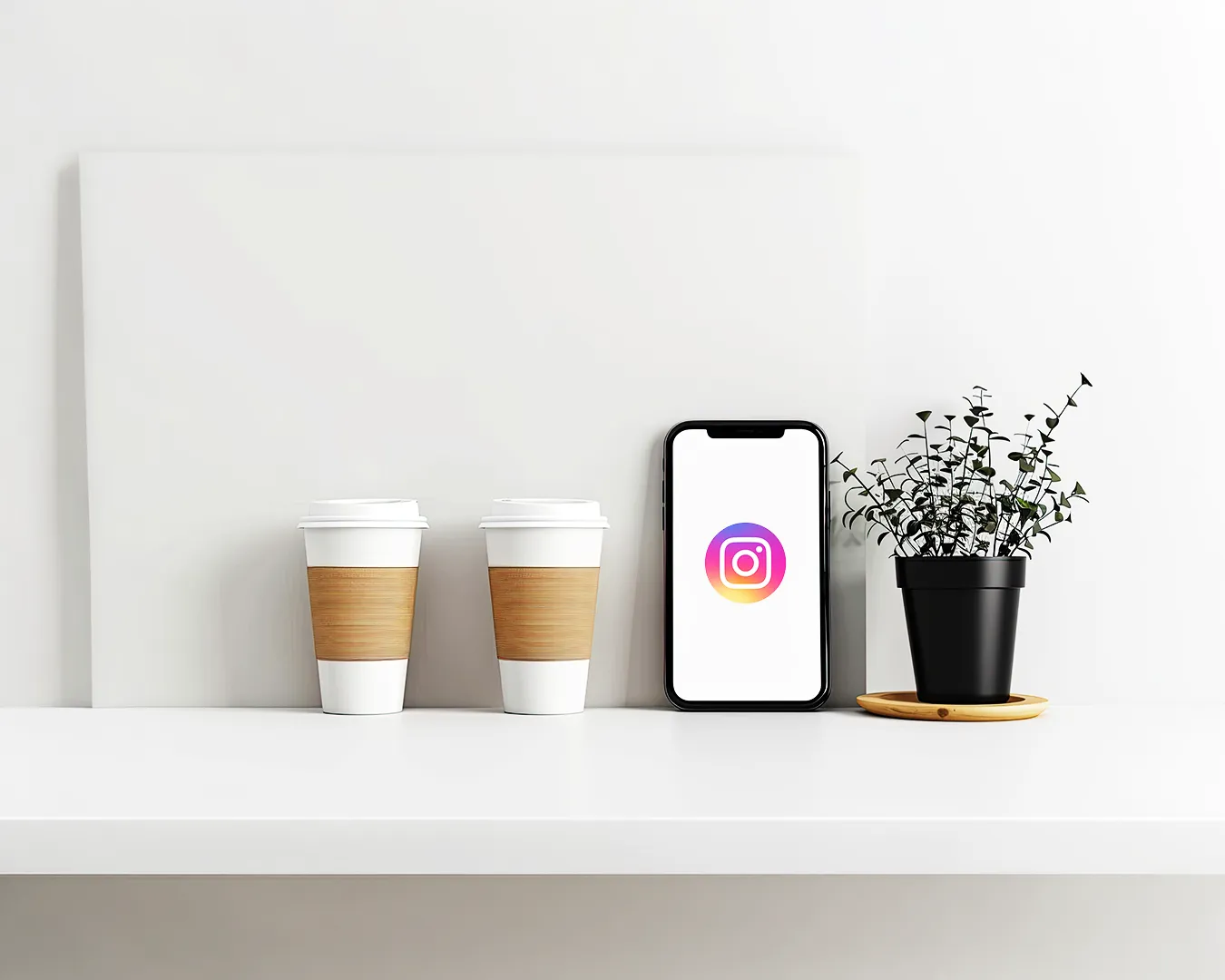
In Singapore, the premium experience starts on a screen long before the reservation. If your Instagram feed looks like a cluttered supermarket flyer, no amount of marble in your dining room will fix the brand gap.
A premium digital presence focuses on one hero image rather than five mediocre ones. It uses a restricted color palette. It speaks in a tone that is confident enough to be brief. When your online aesthetic matches your physical execution, you remove the friction that prevents a first-time customer from booking.
Execution is the Only Strategy
You do not need a massive renovation budget to shift how your brand is perceived. You need an obsession with the mundane. Look at your restroom. Look at the way your staff presents the bill. Look at the font on your daily specials board.
If these elements are disjointed, your brand feels fragmented. When every touchpoint is aligned, the customer stops looking at the price and starts looking at the experience. That is how you move from being a “nice place” to a destination that commands a premium.
The Gap Between Good and Chosen
We find owners are often too close to the daily grind to see where their brand is leaking value. It’s hard to be objective when you’re managing the kitchen and the payroll.
Take a morning to sit in your dining room when it’s empty. Look at your space through the eyes of a stranger who just spent $200 elsewhere.
If you’re looking for a more structured perspective, our article Branding for Restaurants: How Strong Brands Stay Recognisable offers practical ways to assess your brand’s digital and physical presence. We can also help you identify where your brand is losing its edge.