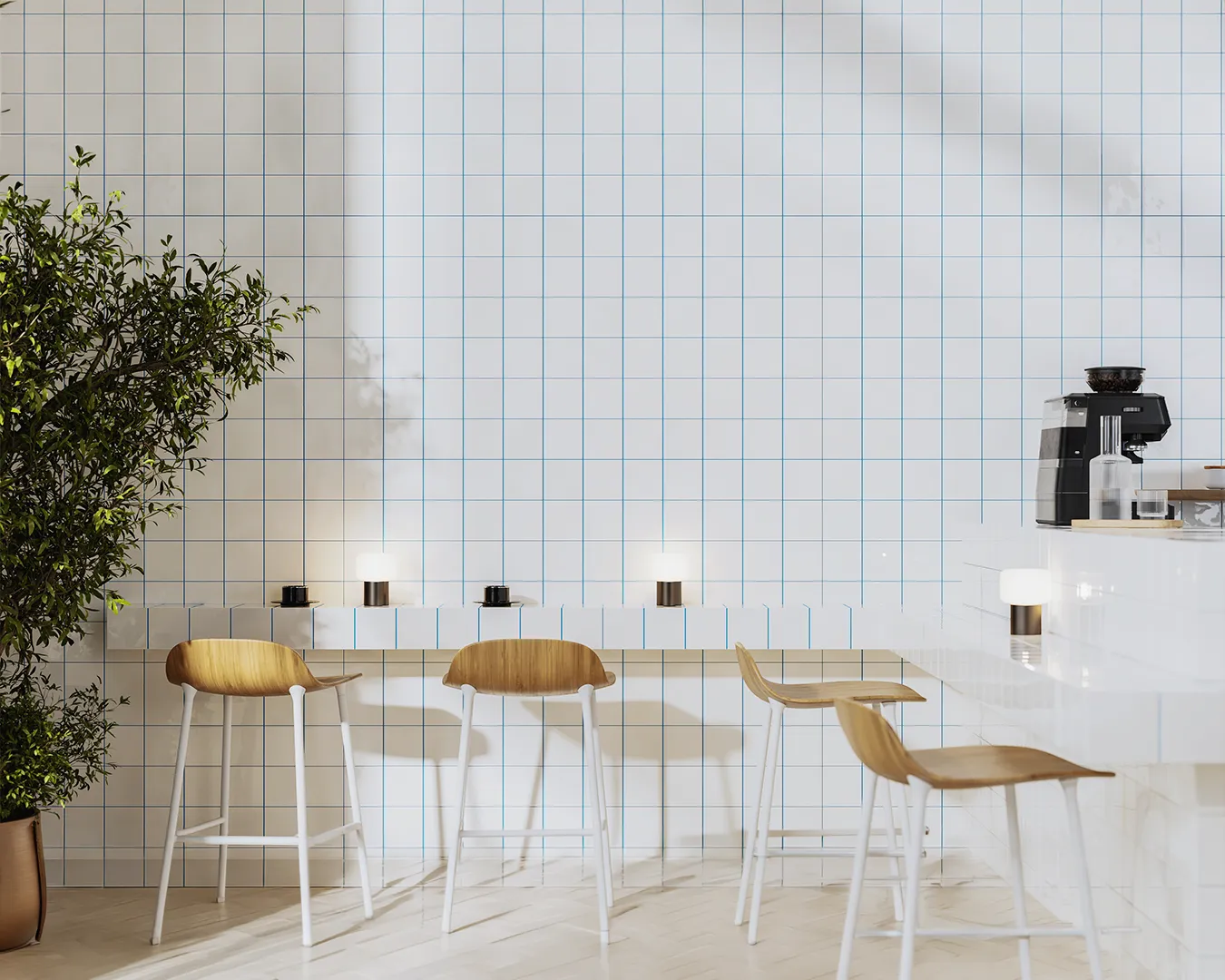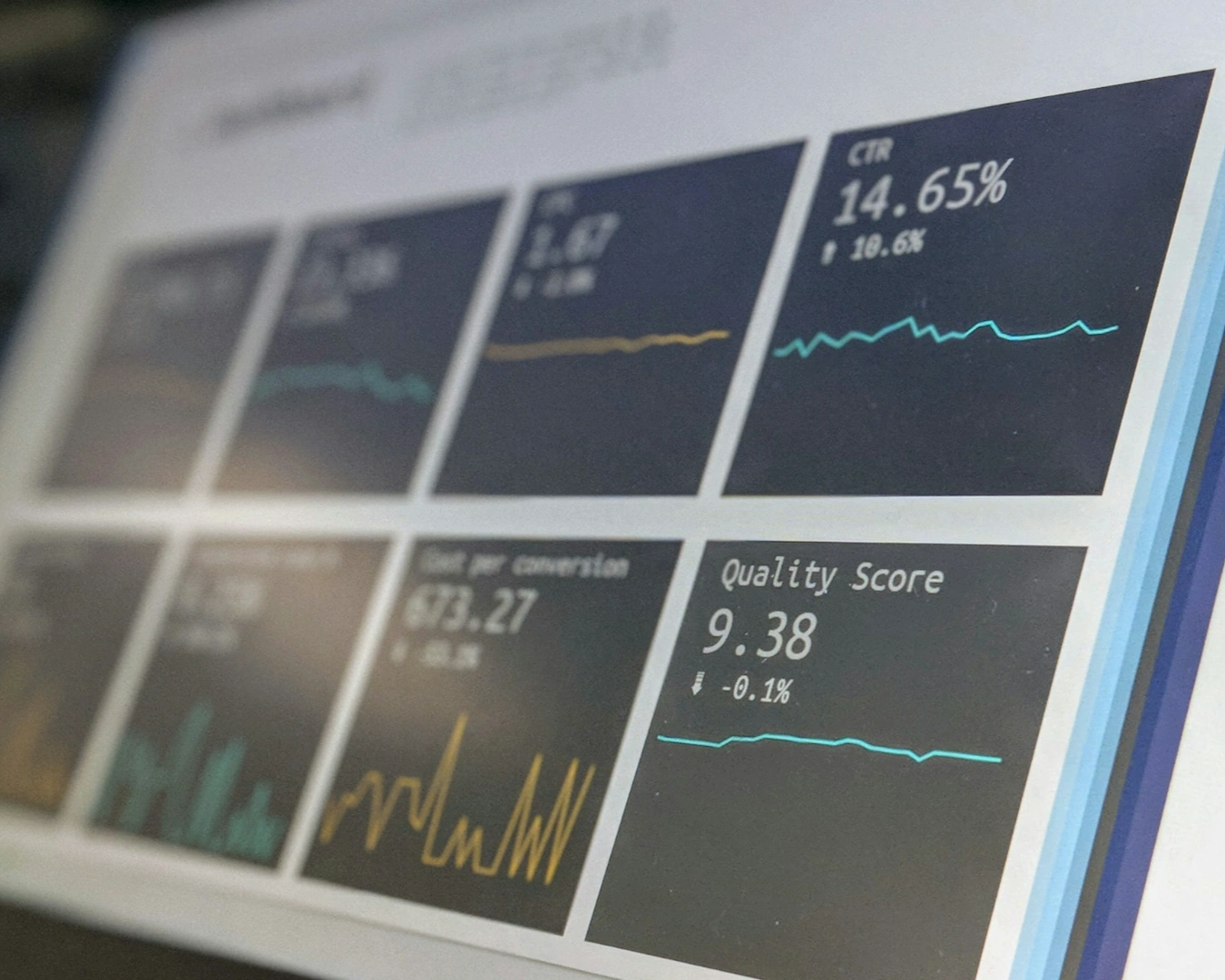

Most owners believe their website is a digital brochure. You likely spent weeks debating the font or the quality of the food photography, only to realize that your “Book Now” button remains unclicked. If your online presence feels like a quiet room, the issue isn’t your food. It is your website structure for restaurants.
The High Stakes of Friction
When a customer lands on your site, they are usually hungry, impatient, or both. They are not there to admire your brand story. They are there to solve a logistics problem: Can I get a table for six at 7:00 PM, and will my mother-in-law find something she likes?
If your website structure forces them to download a 20MB PDF menu or hunt for your address, you have already lost the sale. In Singapore, where options are endless, any friction is a reason to close the tab. A high-performing site serves as a digital concierge, removing every possible barrier between the craving and the reservation.
So, how do you turn your website from a digital brochure into a customer-generating machine? Let’s dive into Website for Restaurant Brands: What Your Website Should Actually Do.
The Missing "Real Talk" Page

Everyone has an “About Us” page. Most of them are filled with generic descriptions of passion and fresh ingredients. Your customers expect fresh ingredients; you do not need to waste a page telling them that.
Instead, your website structure for restaurants needs a “House Rules” or “Experience” page. This is where you manage expectations. Do you have a strict 90-minute seating limit? Is there a dress code? Do you allow outside cakes for birthdays? By being transparent about how you operate, you filter for the right guests and reduce the workload for your front-of-house staff who otherwise spend all day answering these exact questions on the phone.
The Dynamic Menu Strategy
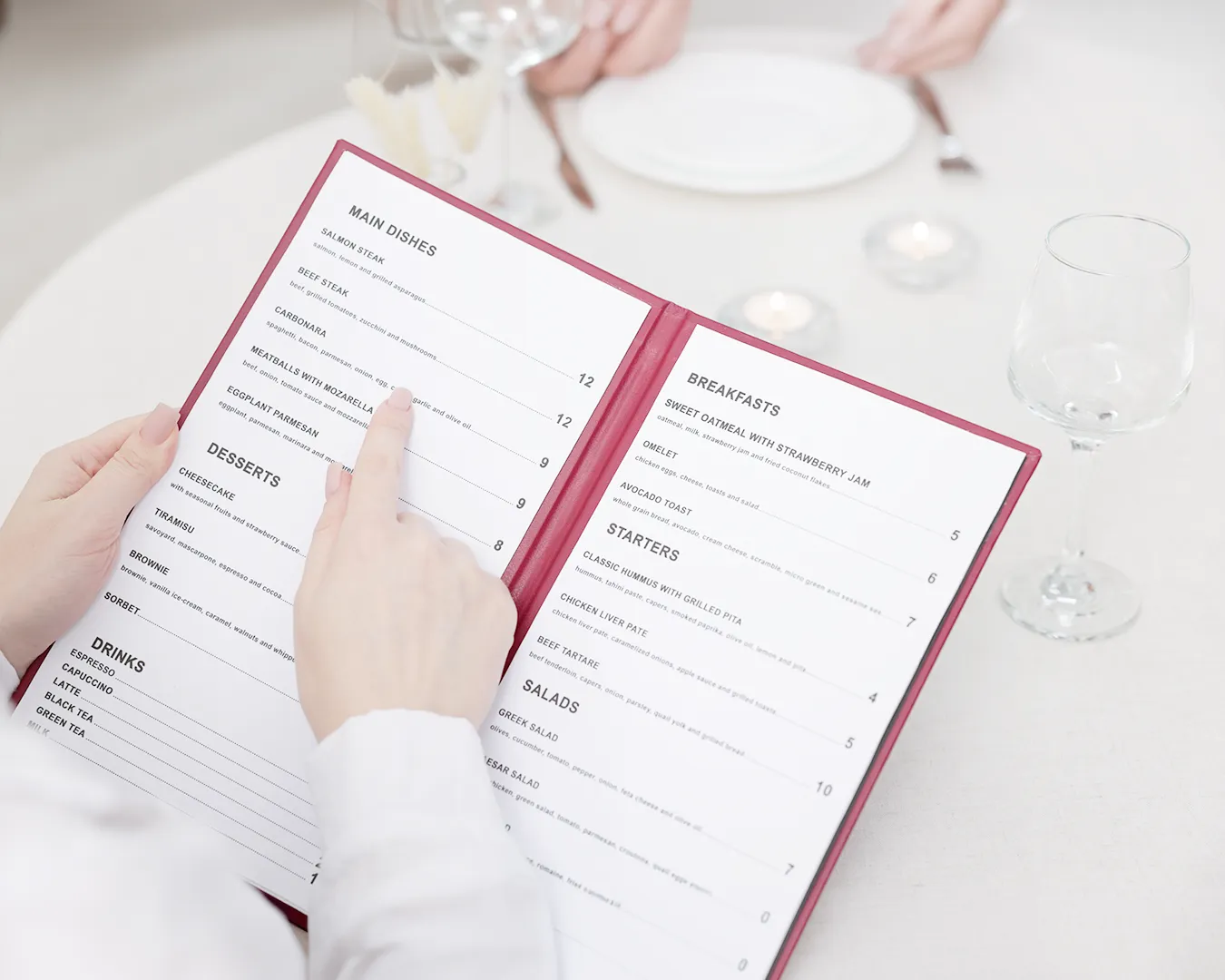
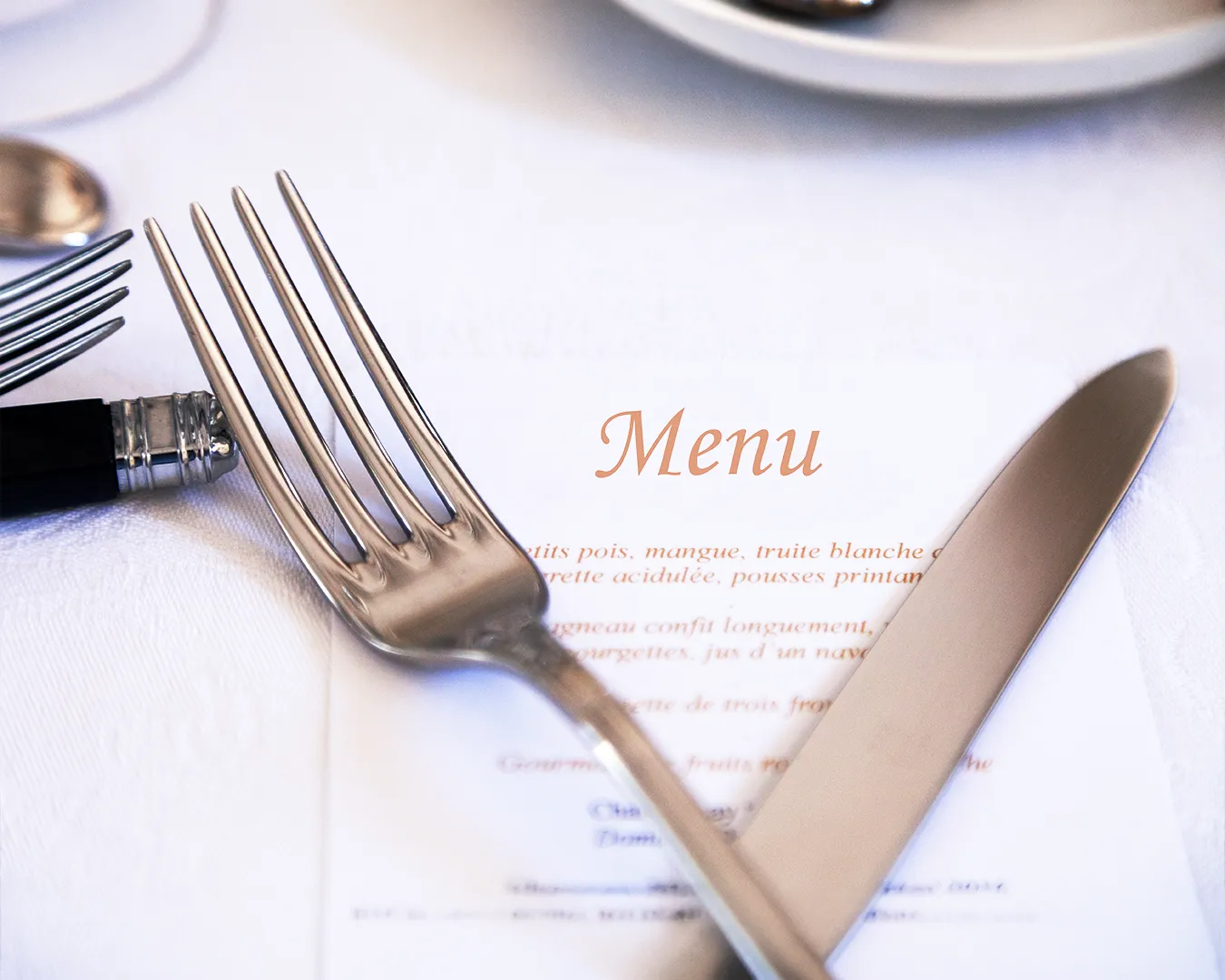
A static PDF is the graveyard of user experience for F&B. It is not searchable, it is difficult to read on a mobile device, and it is impossible to update quickly.
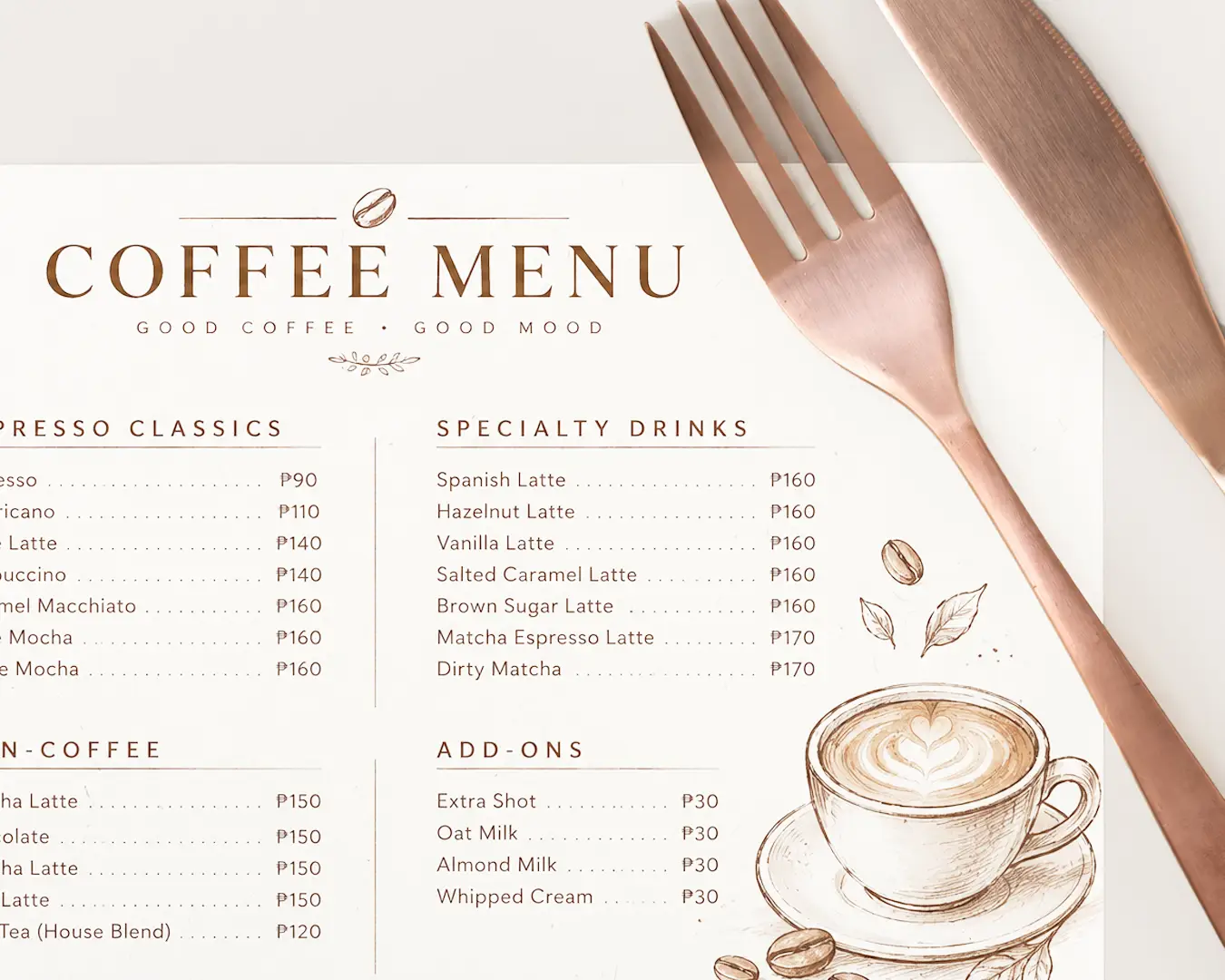
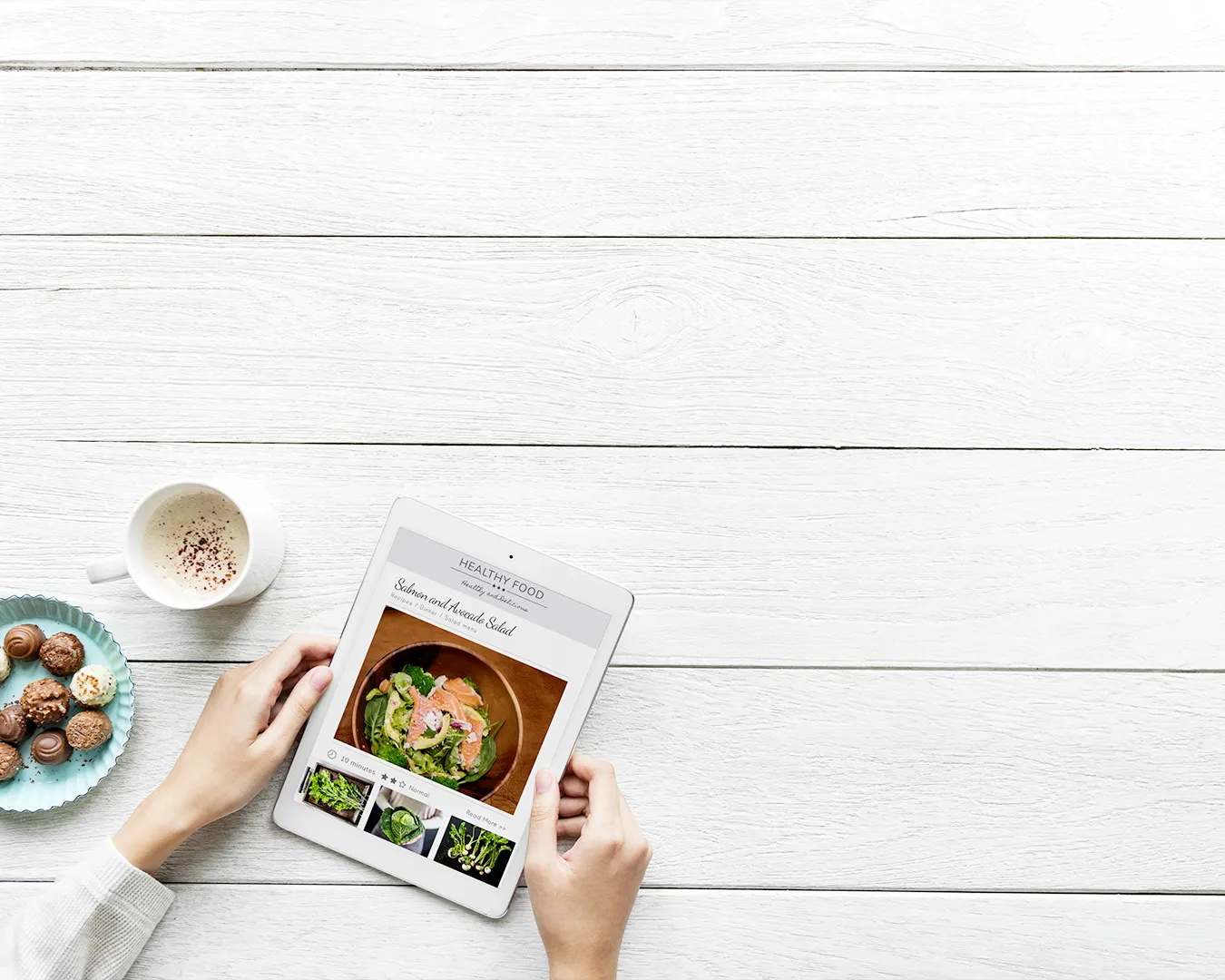
Your menu should be a native, web-based page. This allows you to highlight high-margin items and indicate real-time availability. More importantly, it allows search engines to read your dishes. When someone searches for “best laksa in Telok Ayer,” a PDF will not help you. A live web menu will. This is a foundational pillar of restaurant branding Singapore: being visible exactly when a customer is searching for what you serve.
The Social Proof Engine
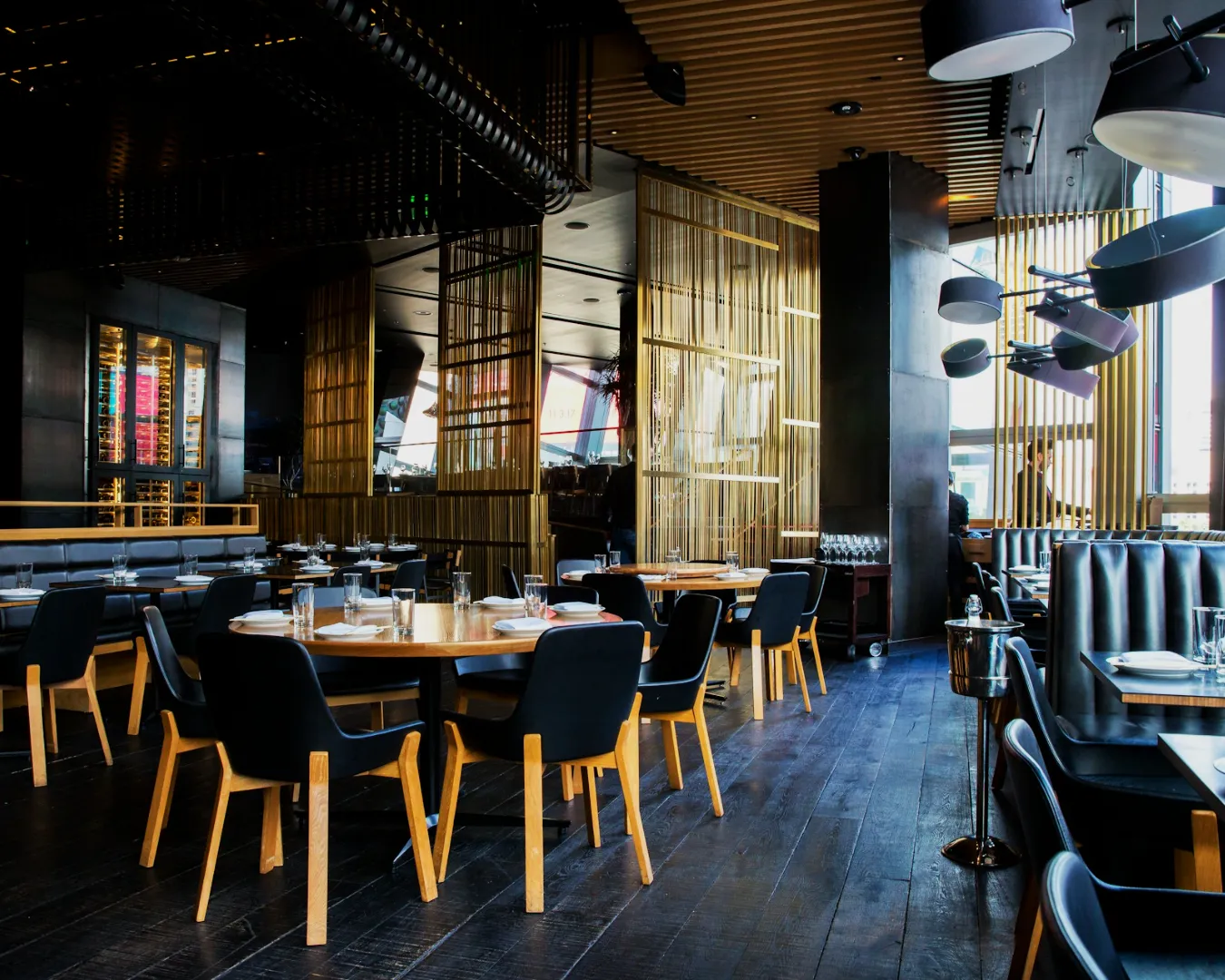
A gallery of empty tables is not a marketing tool. Your website needs a dedicated section that reflects the energy of your space. This is not just a link to your Instagram. It is a curated feed of user-generated content and genuine press mentions.
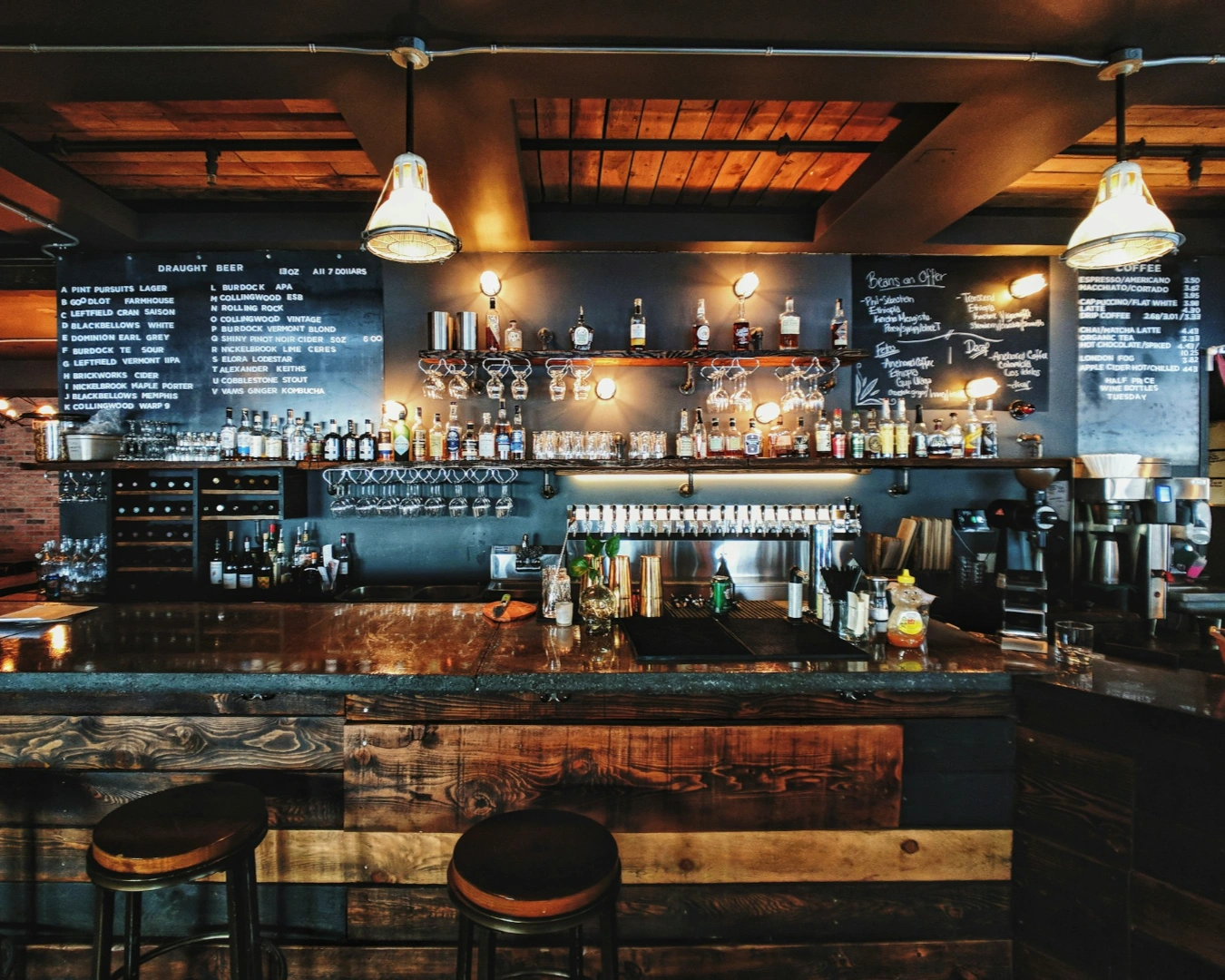
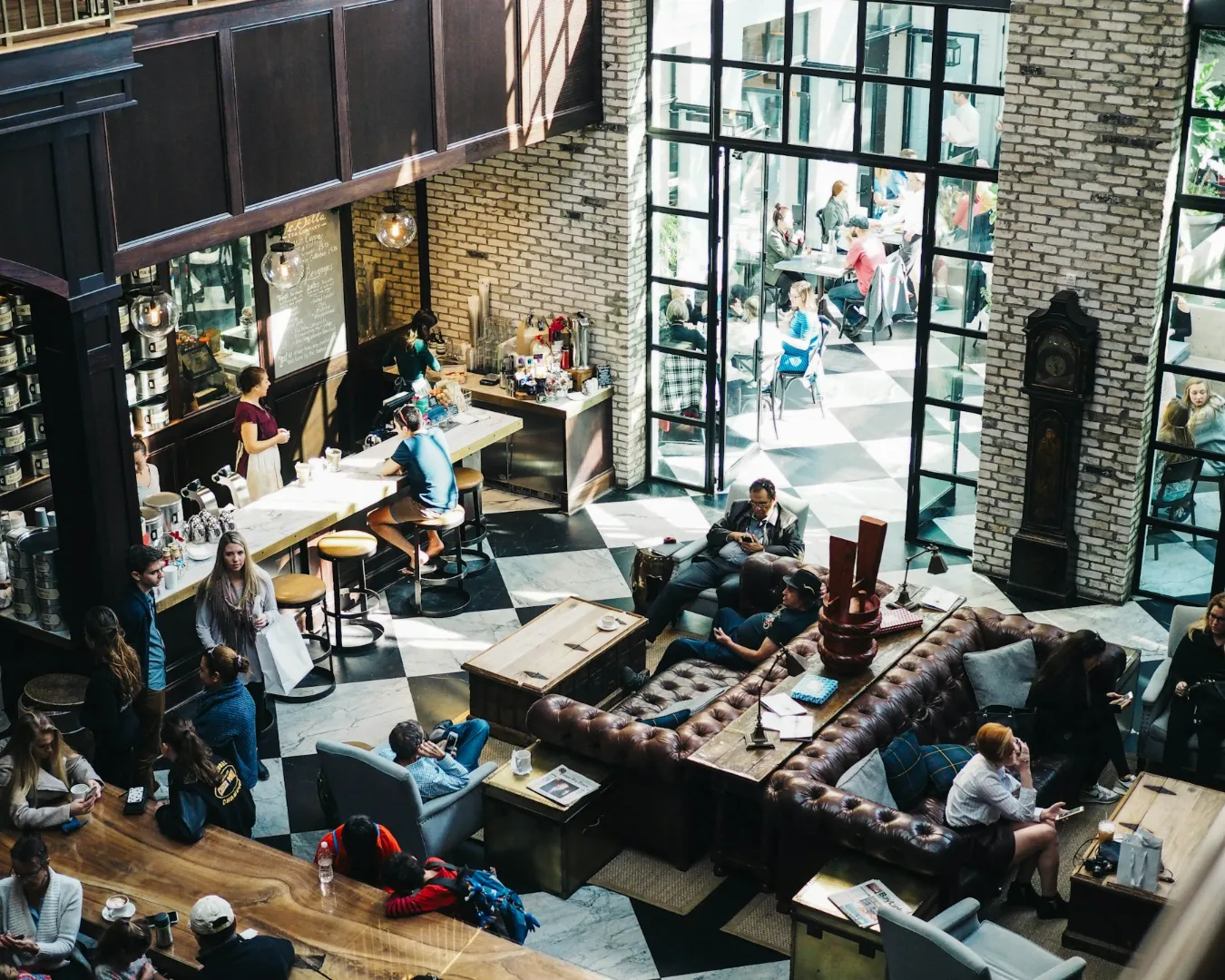
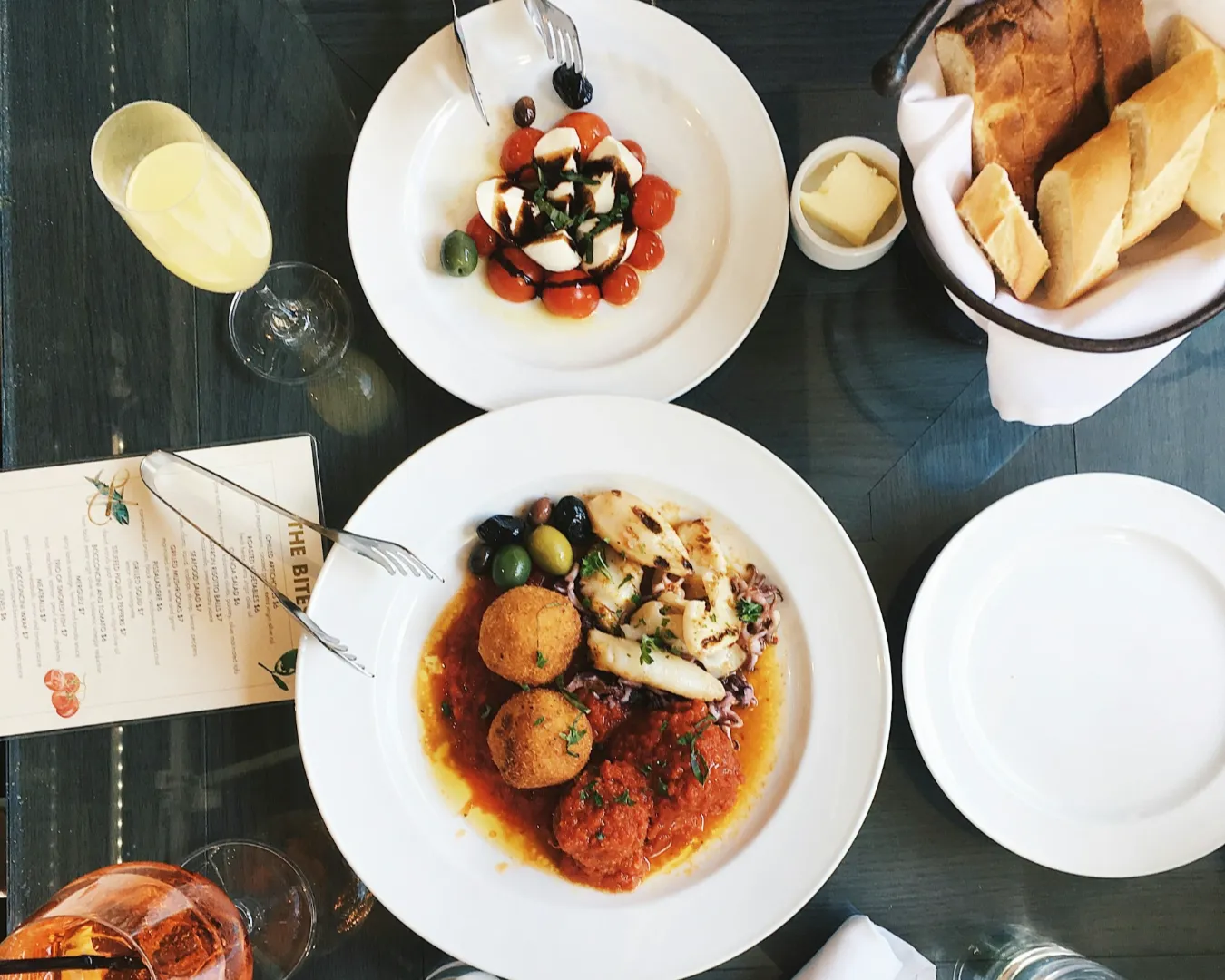
Potential diners want to see the vibe. They want to see the lighting, the plating, and the crowd. If your site looks like a sterile studio, it feels disconnected from the reality of your dining room. A well-structured site bridges the gap between the screen and the seat.
The Logistics Hub
The final piece of a solid website structure for restaurants is a dedicated page for private events and bulk orders. Even if you are a small bistro, you should have a clear path for corporate inquiries or large group bookings.
By giving these “power users” their own landing page with a specific contact form, you professionalize your intake process. You stop chasing leads through WhatsApp and start managing them through a system. This is operational reality: your website should save you time, not just look pretty.
A Coherent Digital Front

Your digital presence is an extension of your physical hospitality. If your restaurant is warm and efficient, your website cannot be cold and confusing. Building a site that prioritizes the user’s journey is not a design choice; it is a business requirement.
We should look at your current data together. A simple audit often reveals that the most important information is buried three clicks deep. We can help you refine your digital touchpoints to ensure they work as hard as your kitchen team.