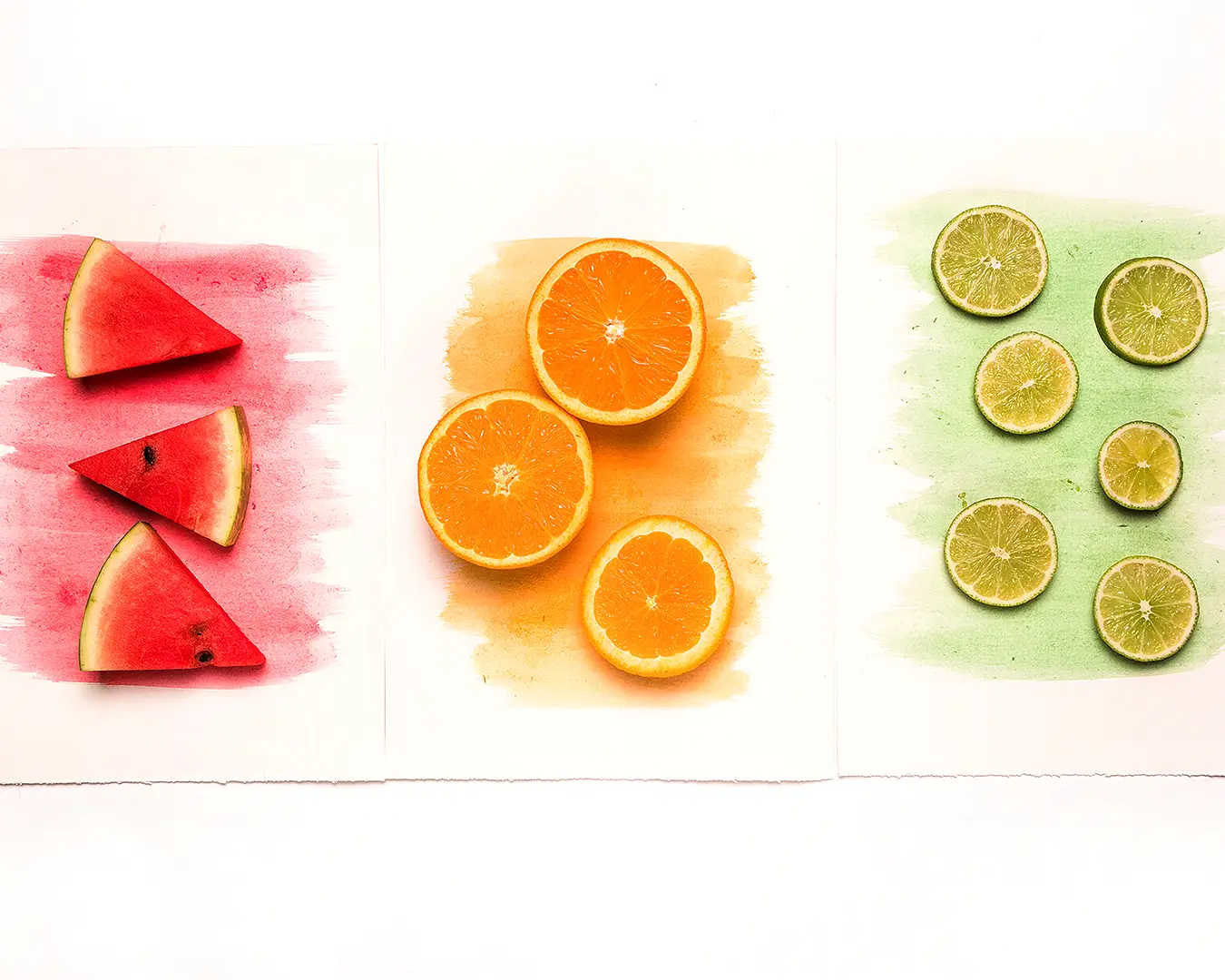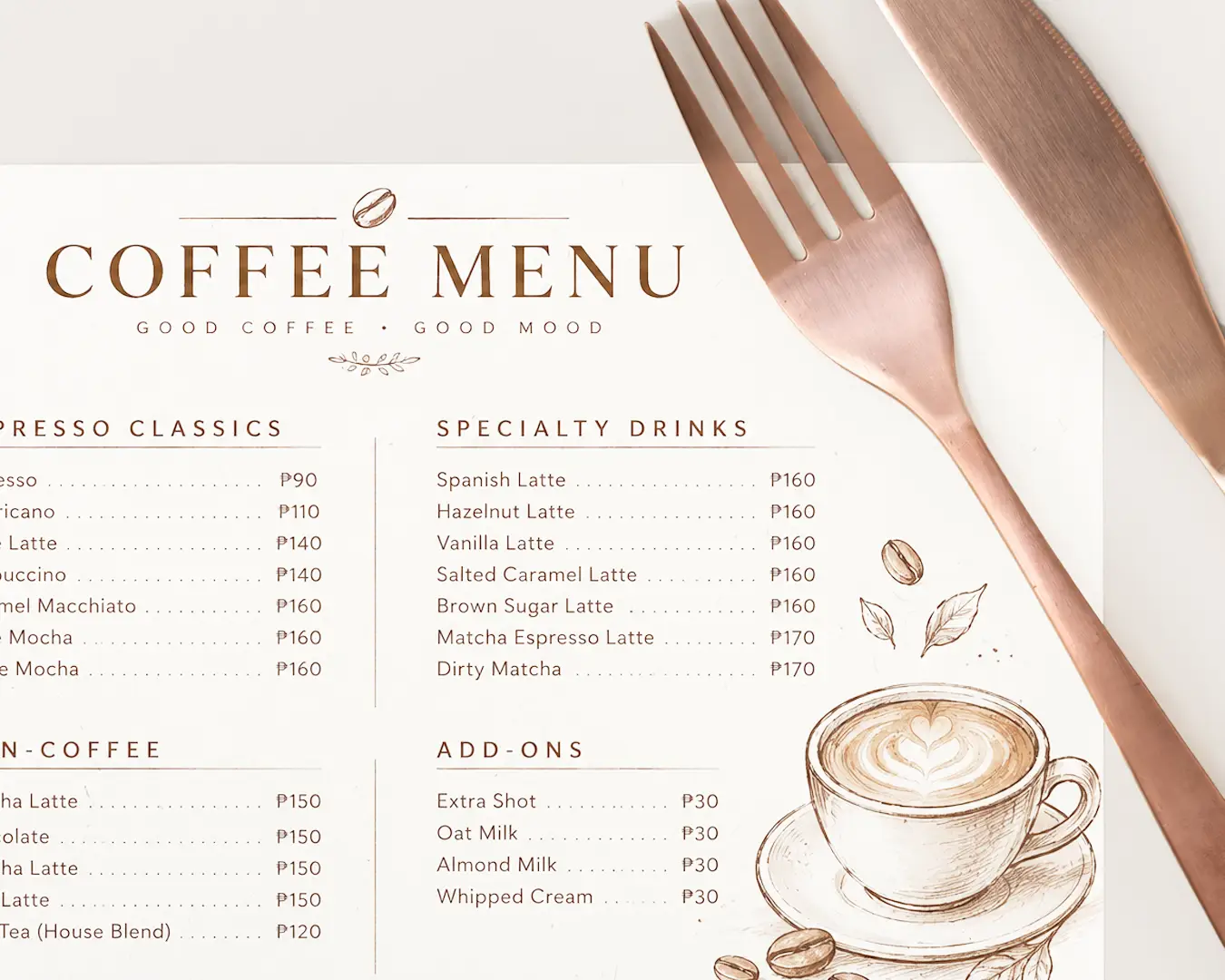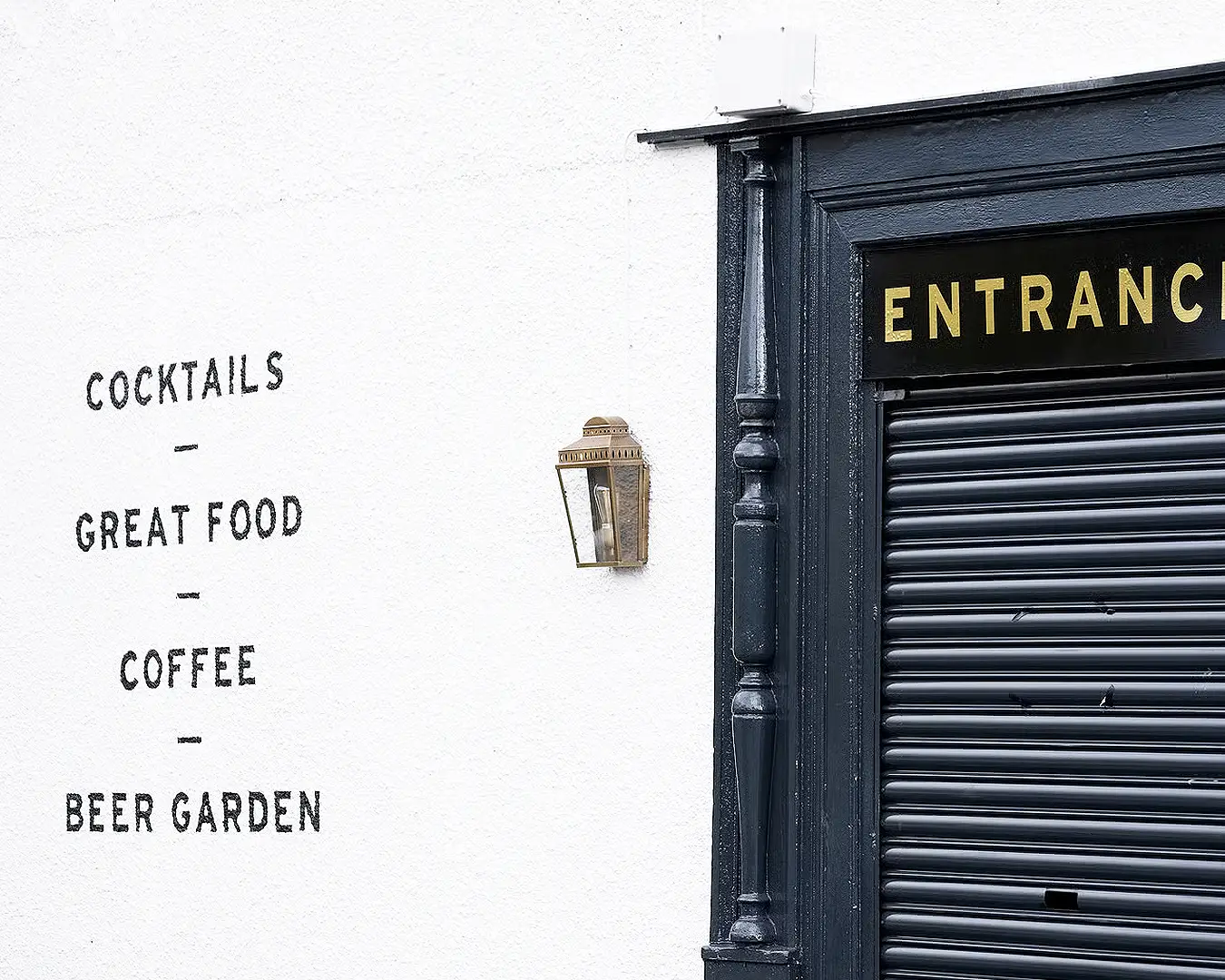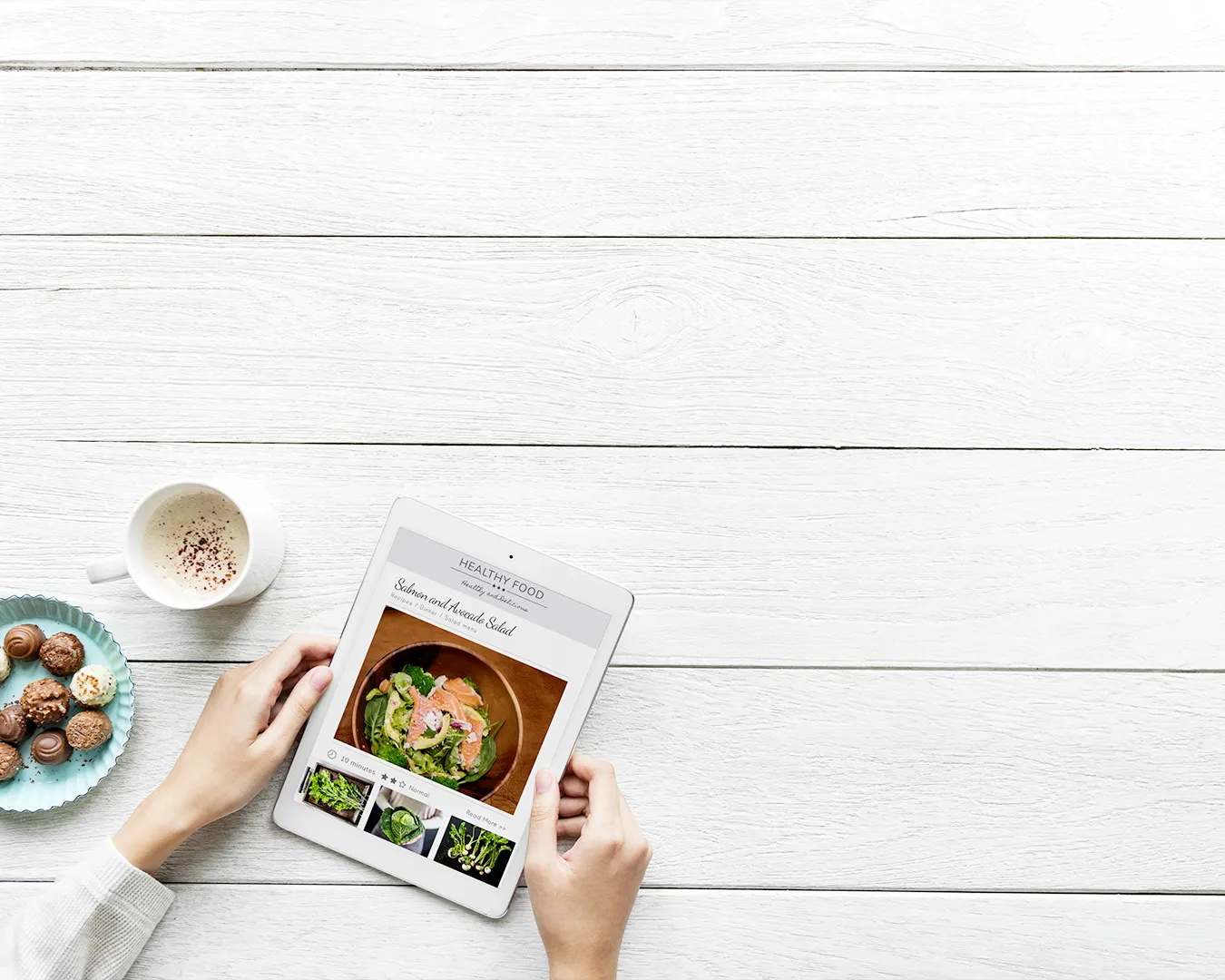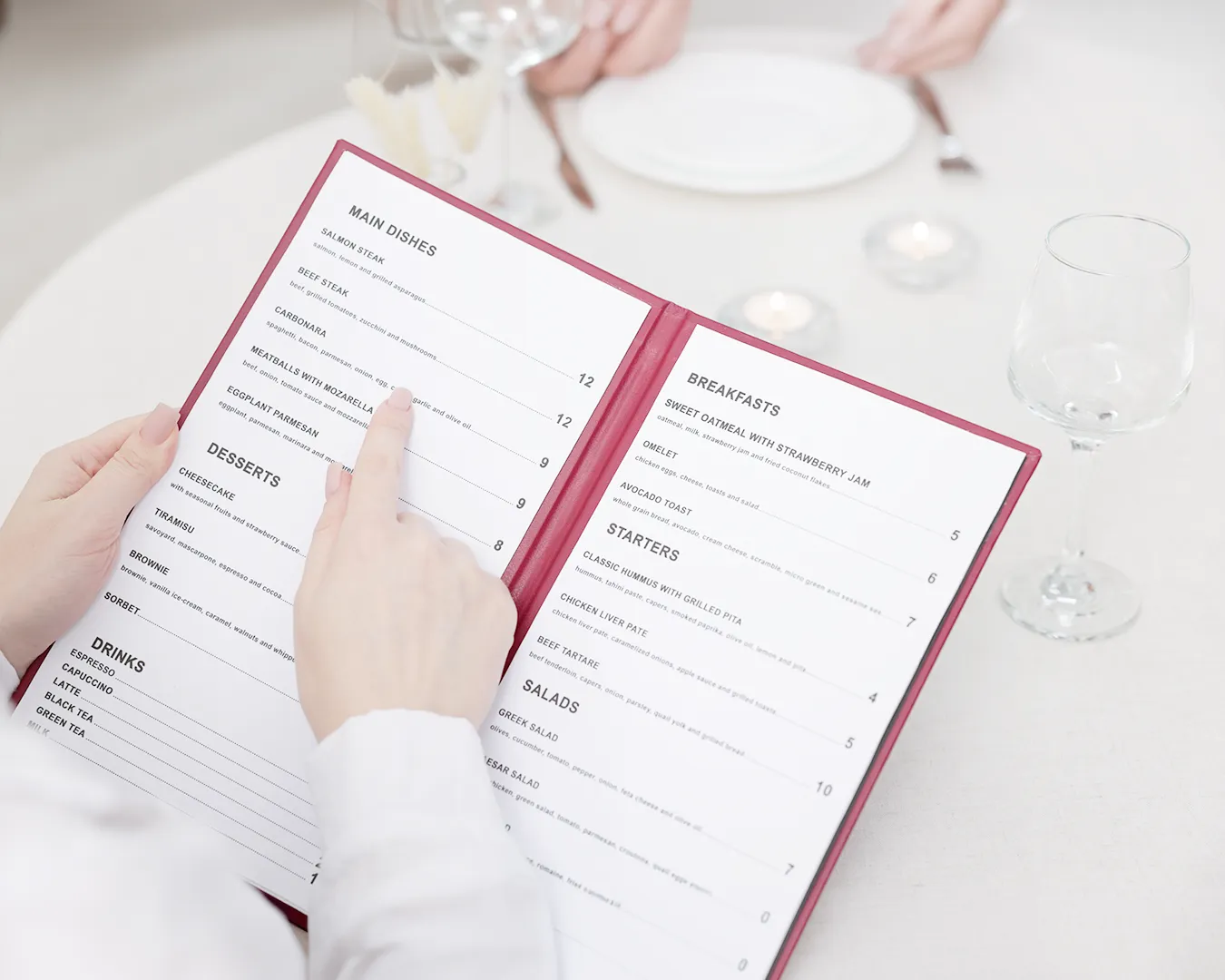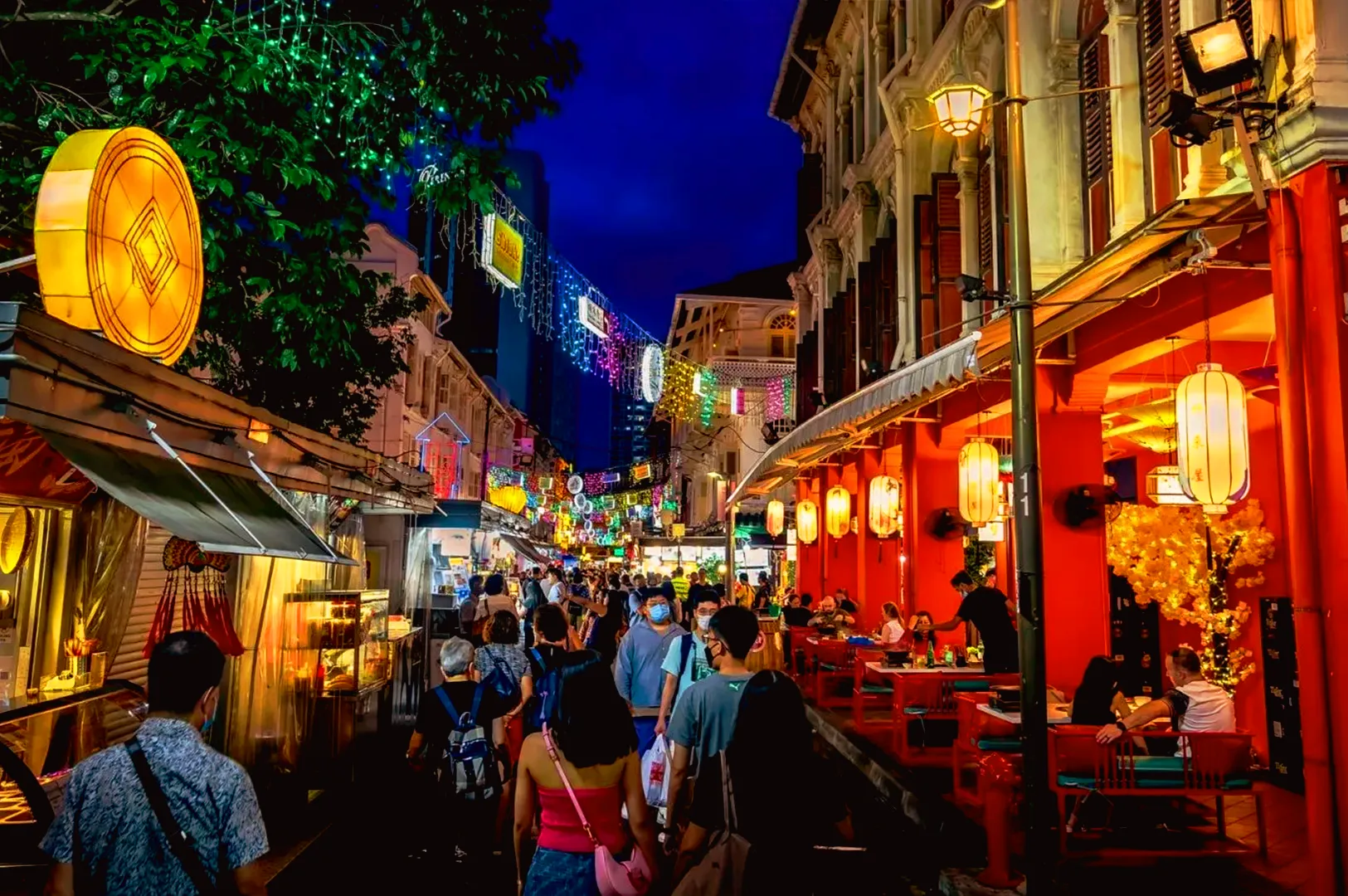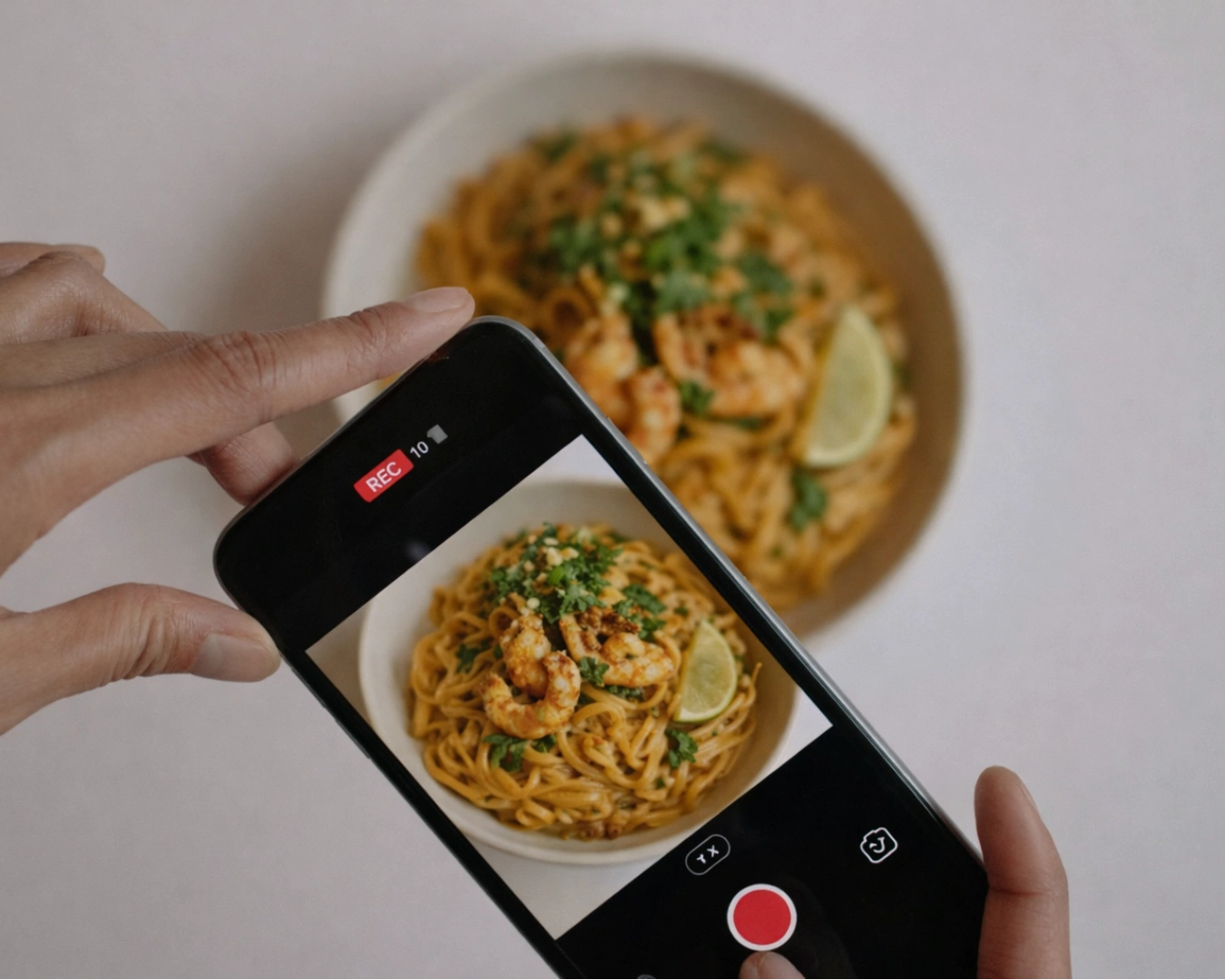
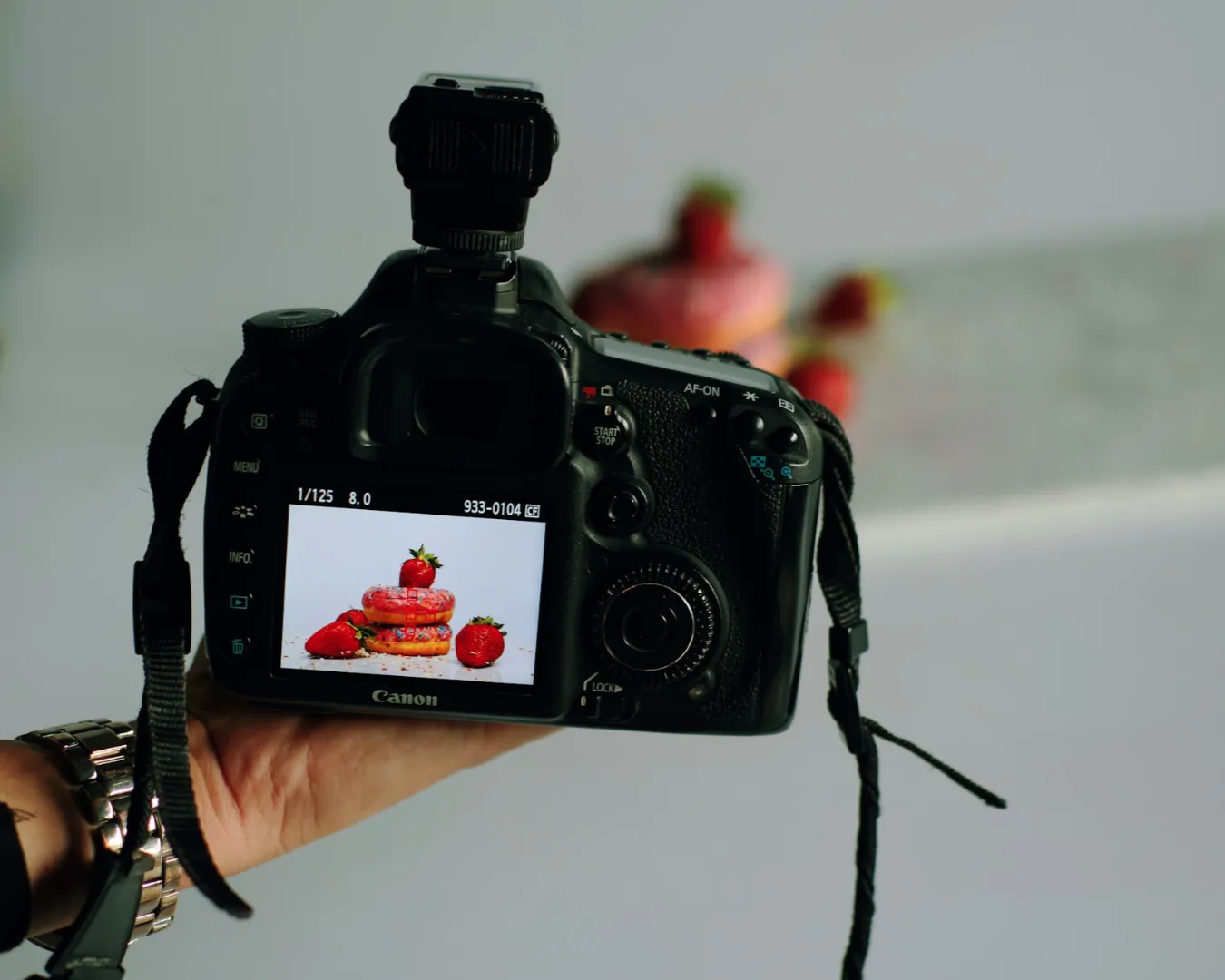
If you think your customers are reading your menu descriptions first, you are mistaken. Most diners have already decided what they are going to order before they even step through your doors. They do this by scrolling through your feed and your website. When it comes to photo content creation, brands often treat it as a luxury or a one-time cost. In reality, your imagery is the most hardworking employee on your payroll. It sells your food while you sleep.
The Direct Question
Does your current social media feed actually taste like your food? If a stranger looked at your last five posts without seeing your logo, would they know it was your restaurant, or would they see a generic collection of plates that could belong to any bistro in Tanjong Pagar?
Most owners settle for “good enough” mobile shots or overly filtered images that do not reflect the physical reality of the dining room. This creates a cognitive gap. If the photo looks premium but the plate arrives messy, you lose credibility. If the food is world-class but the photo looks dull, you lose the booking. Consistency in your photo content restaurant brands strategy is what bridges this gap.
The Psychology of the First Bite
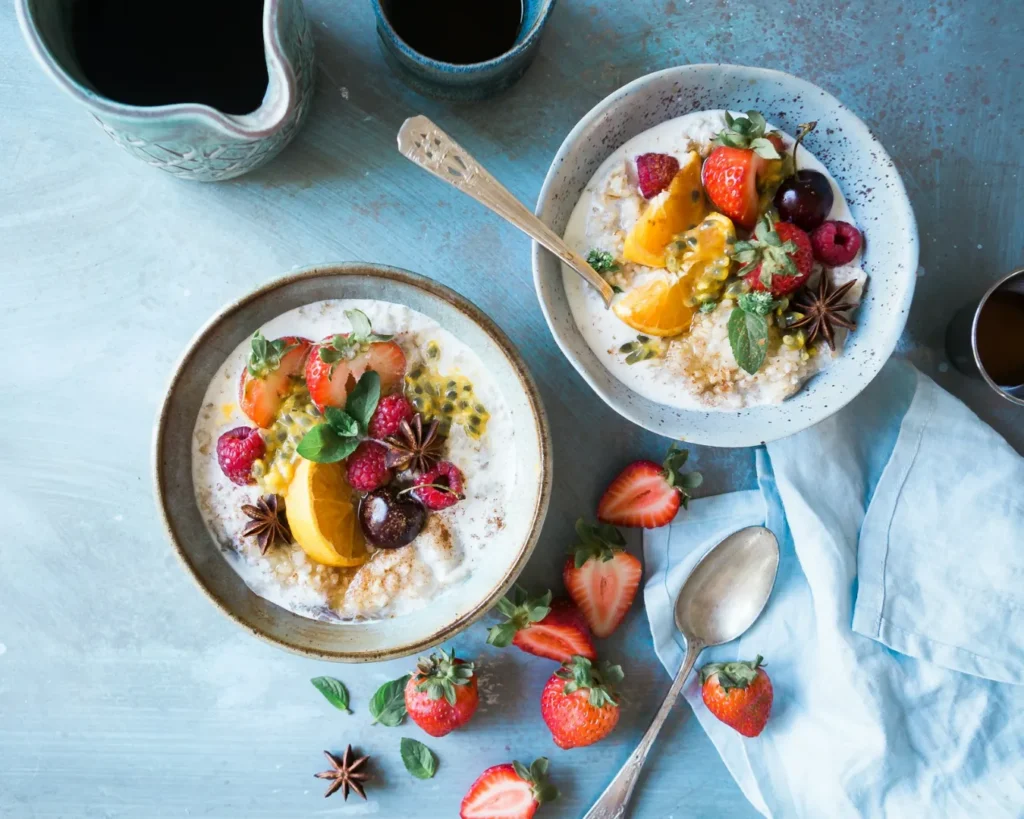
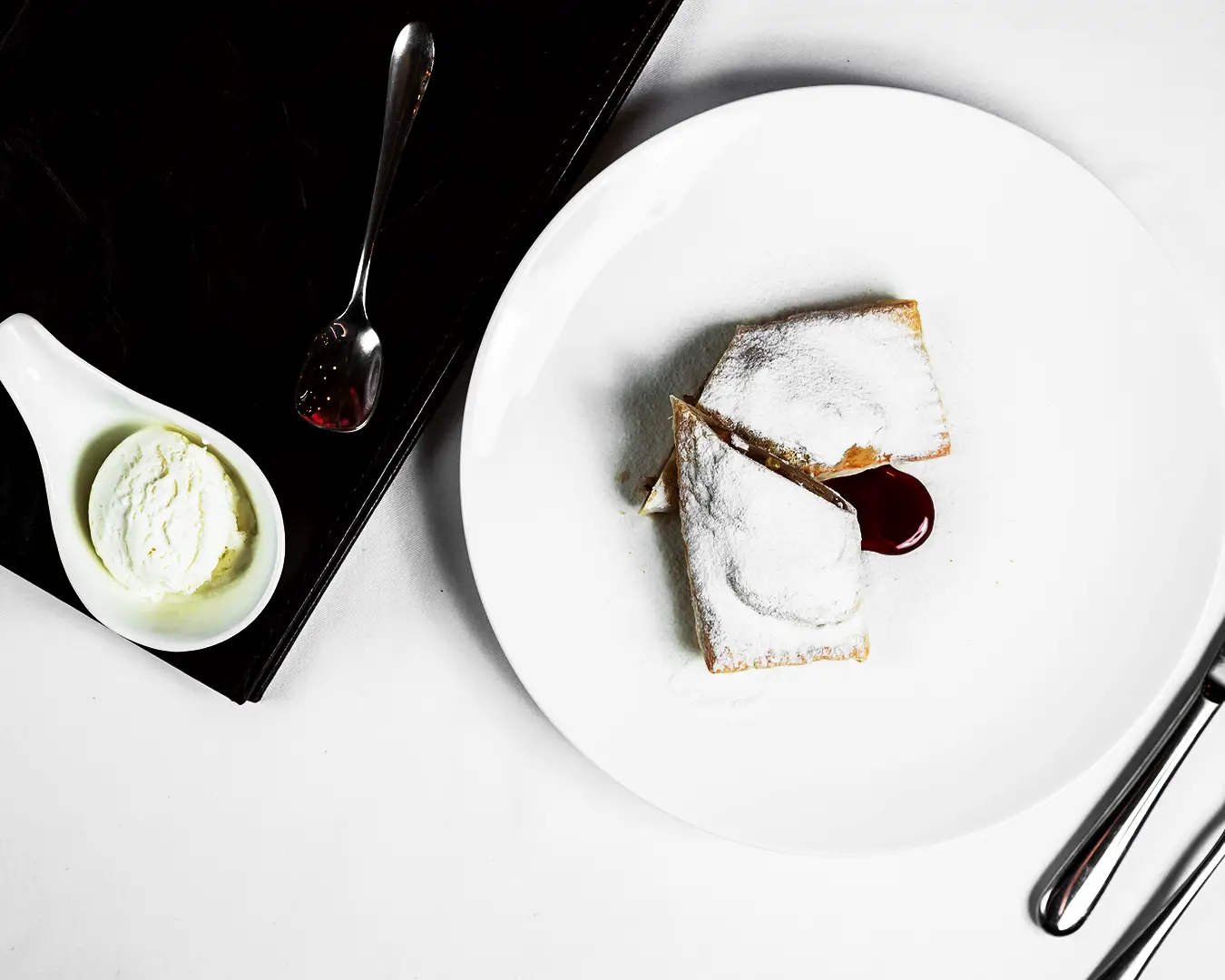
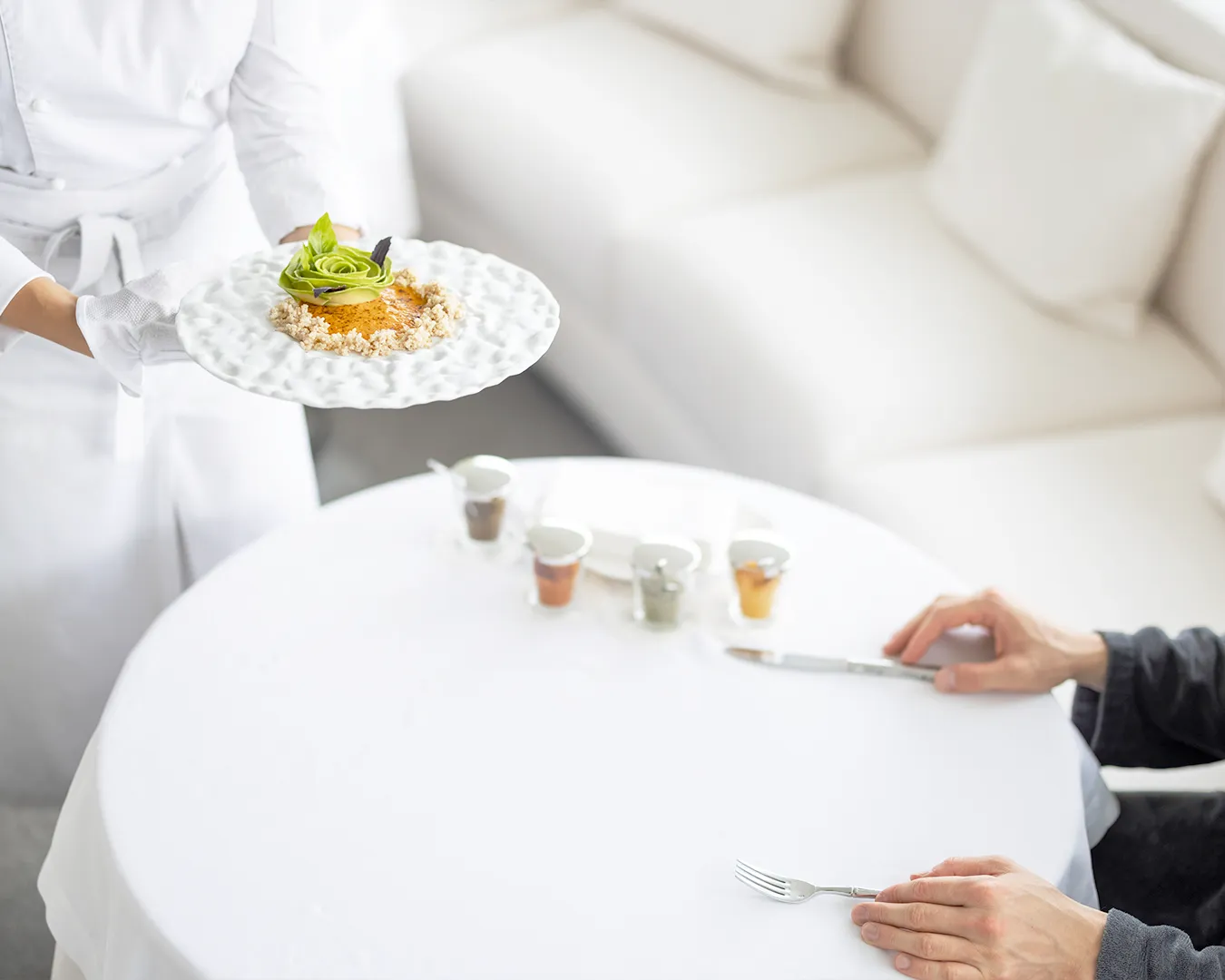
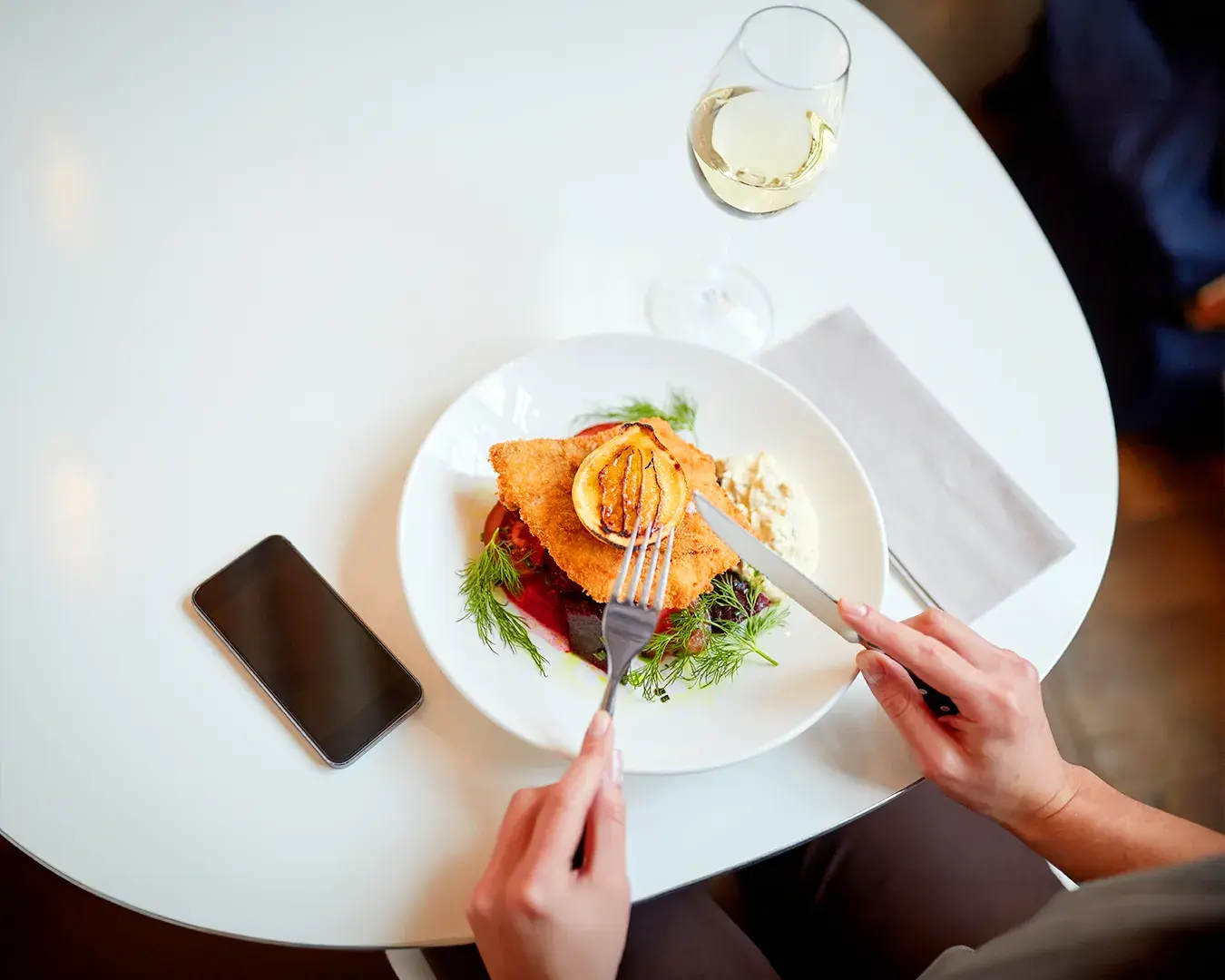
The first bite is always taken with the eyes. This is not just a poetic sentiment; it is an operational fact of food photography Singapore. High-quality imagery triggers a physiological response. It creates a craving. When you invest in professional visual assets, you are not just buying “pretty pictures.” You are investing in a tool that reduces the customer’s perceived risk.
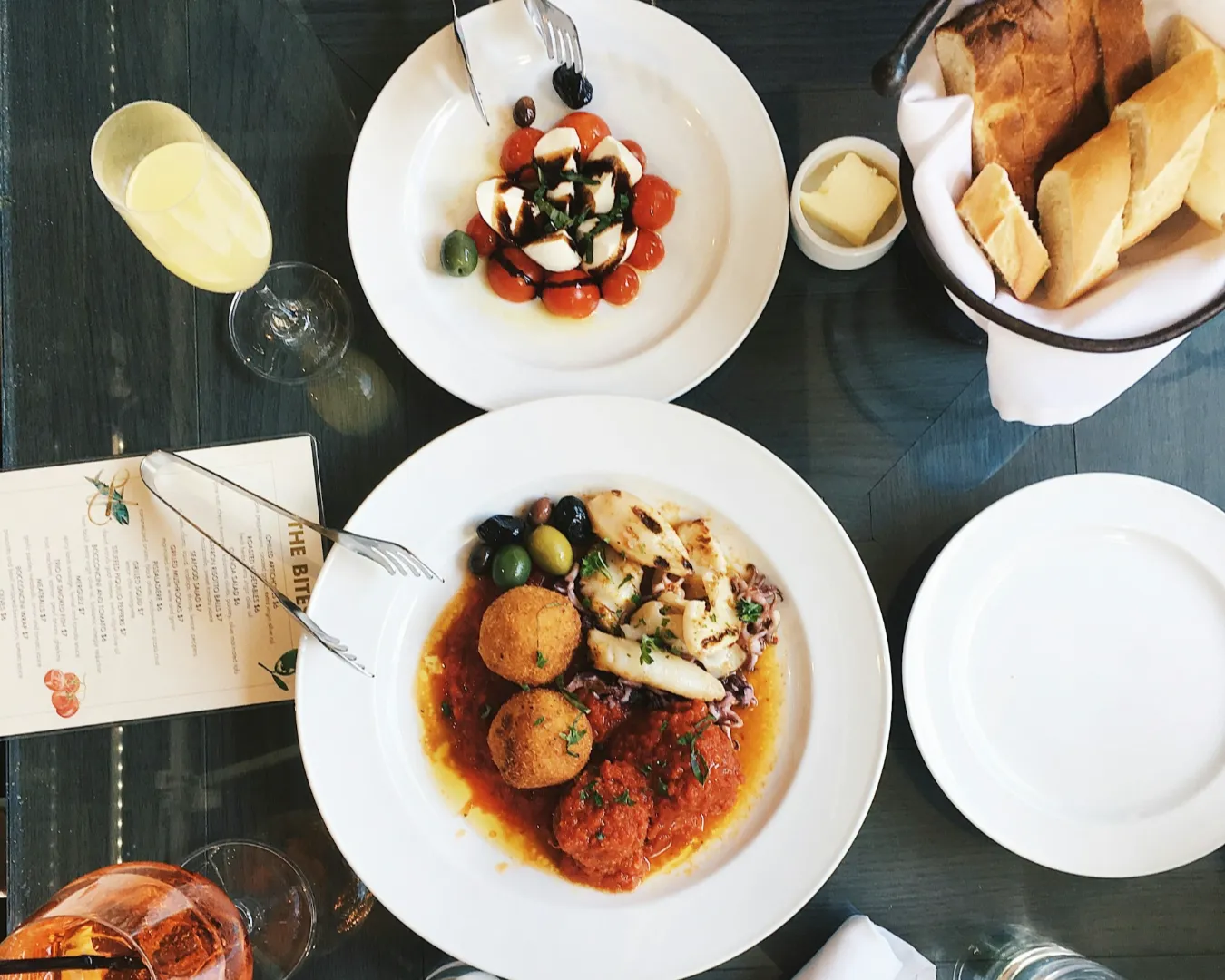
Diners in Singapore are spoilt for choice. They are looking for a reason to say no. A dark, grainy photo of a signature pasta dish is a reason to say no. A crisp, well-lit shot that shows the texture of the sauce and the steam rising from the plate is a reason to say yes. You are essentially providing a digital sample of your product.
Beyond the Plate: Selling the Vibe
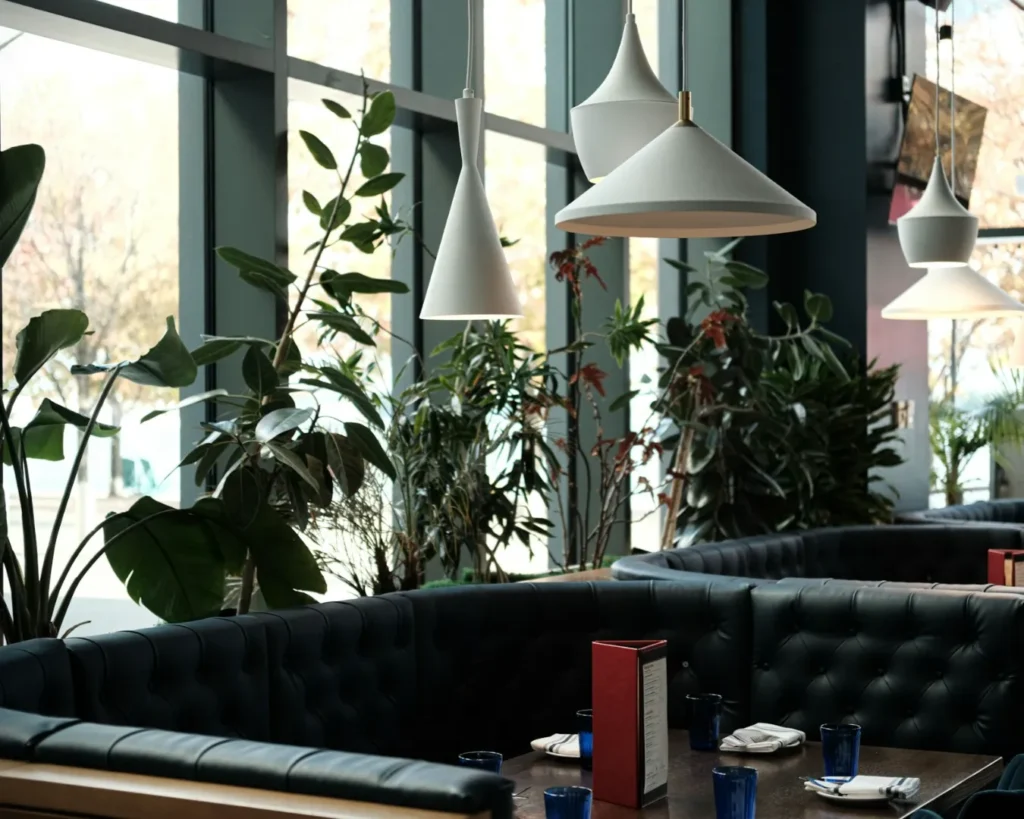
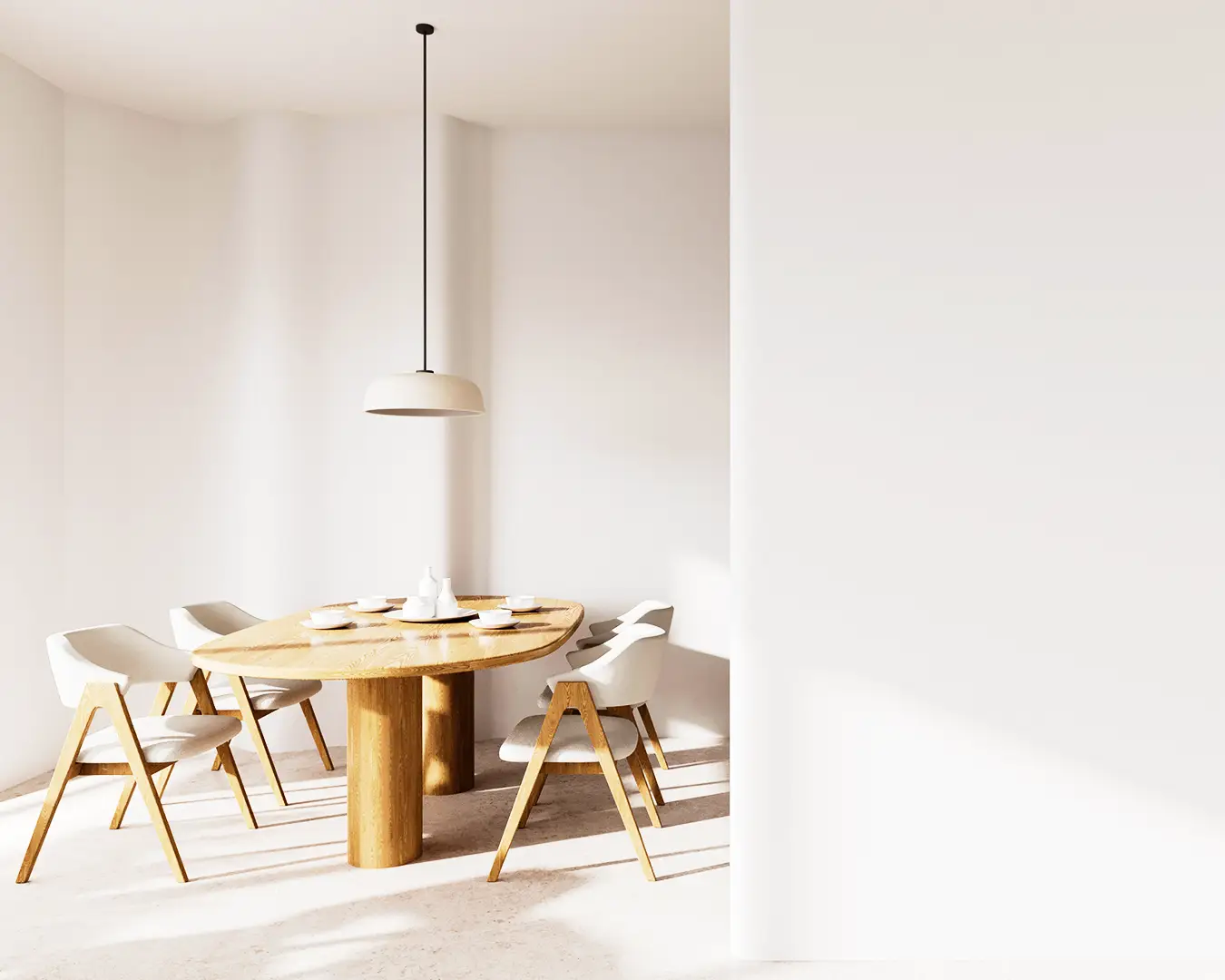
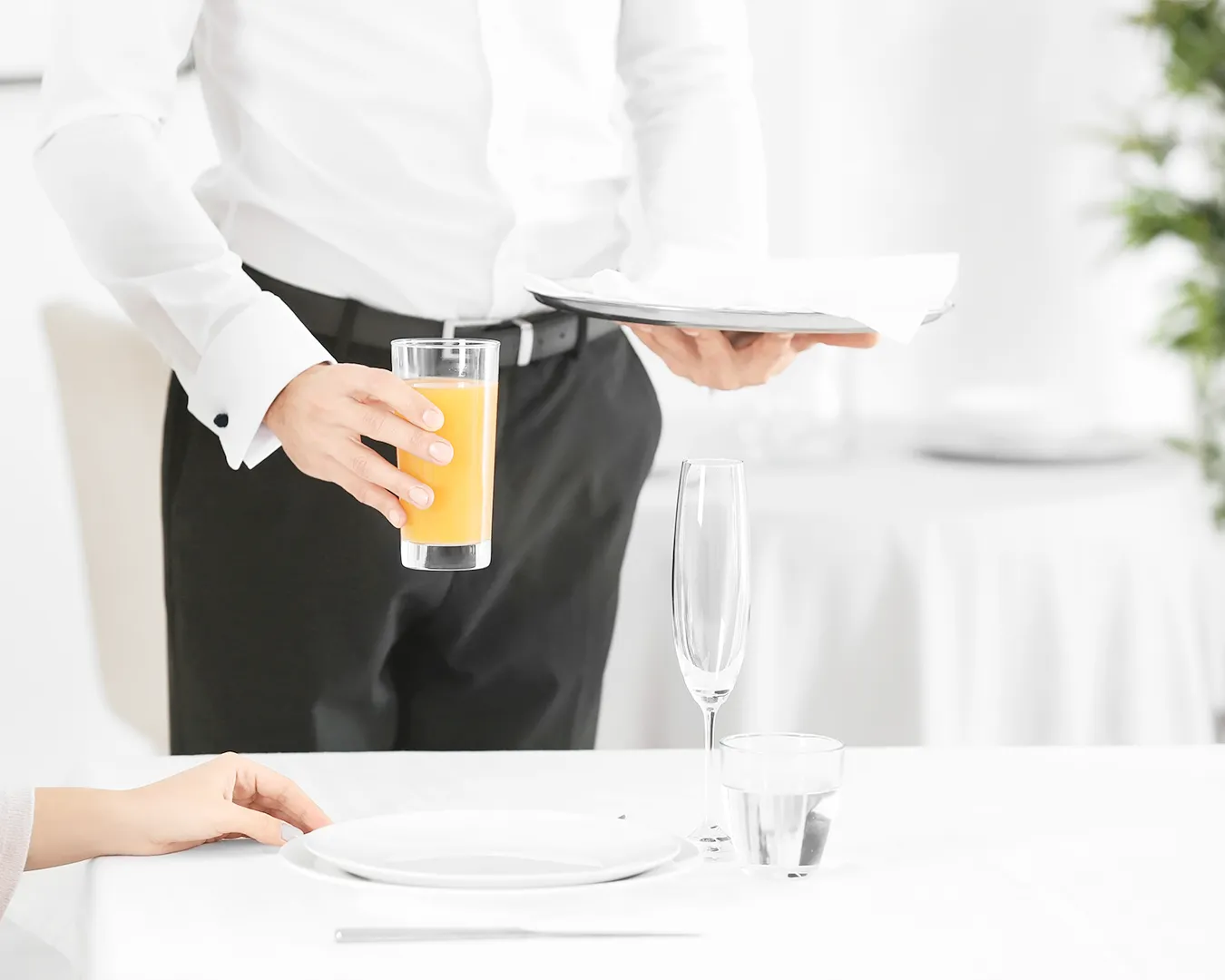
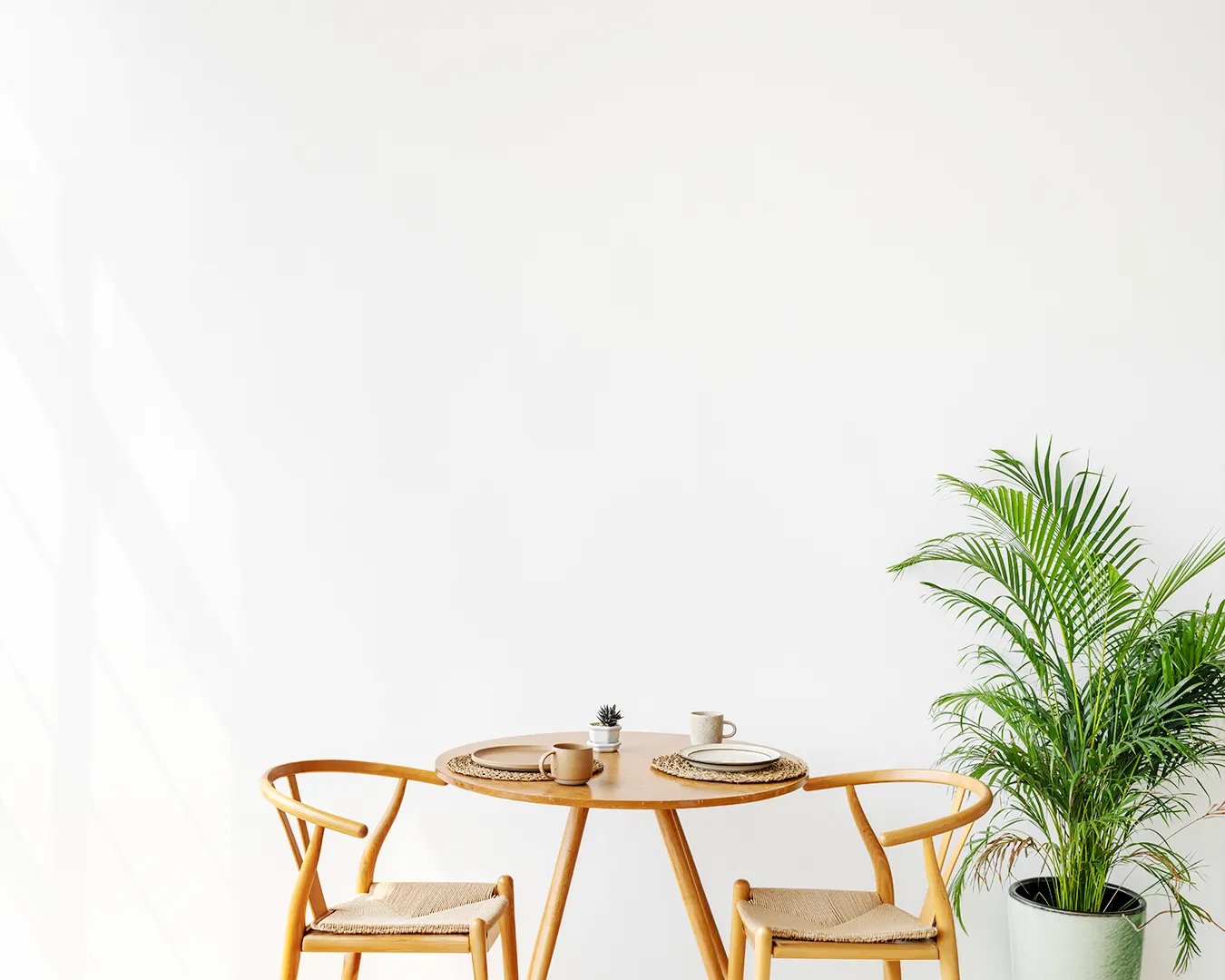
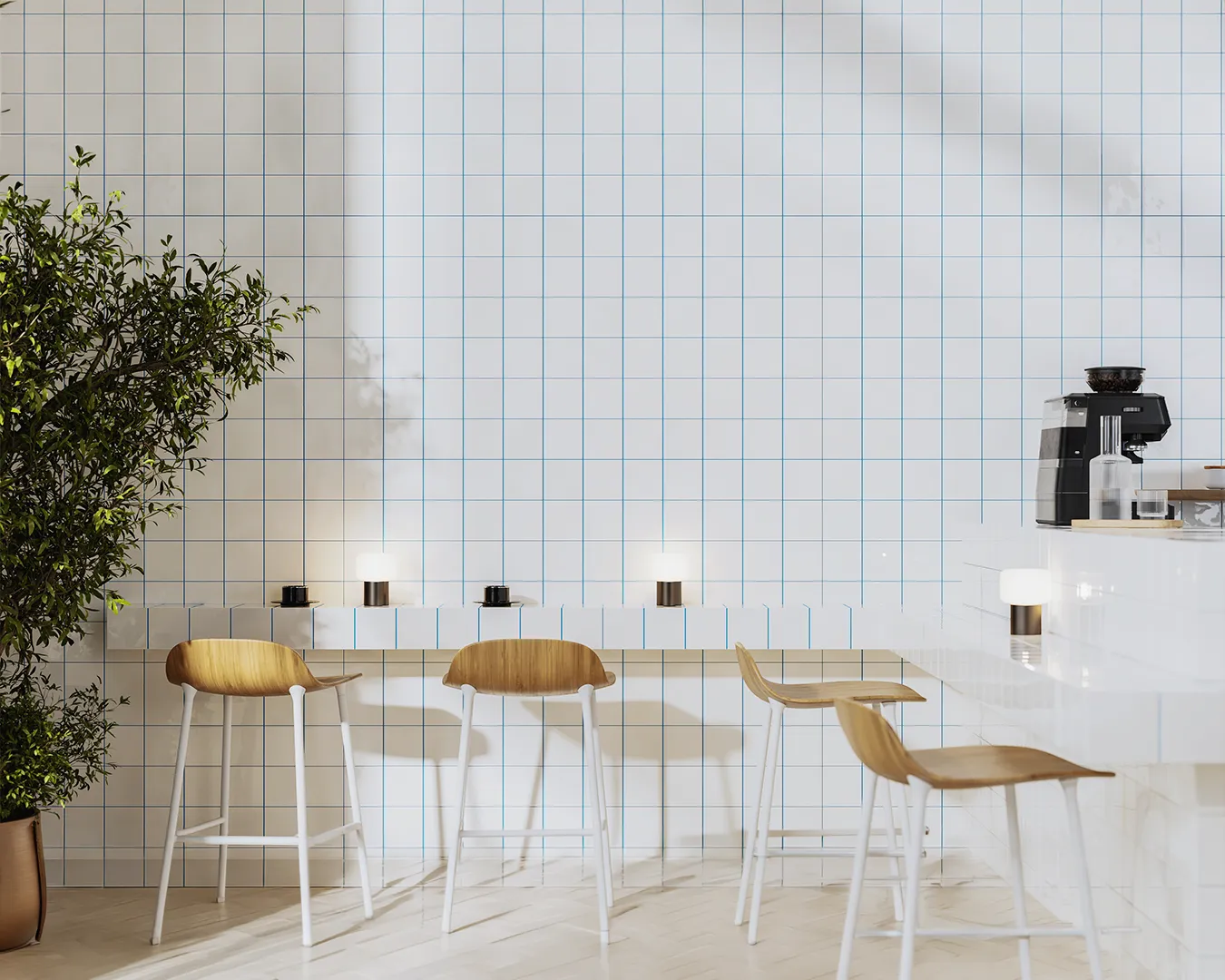
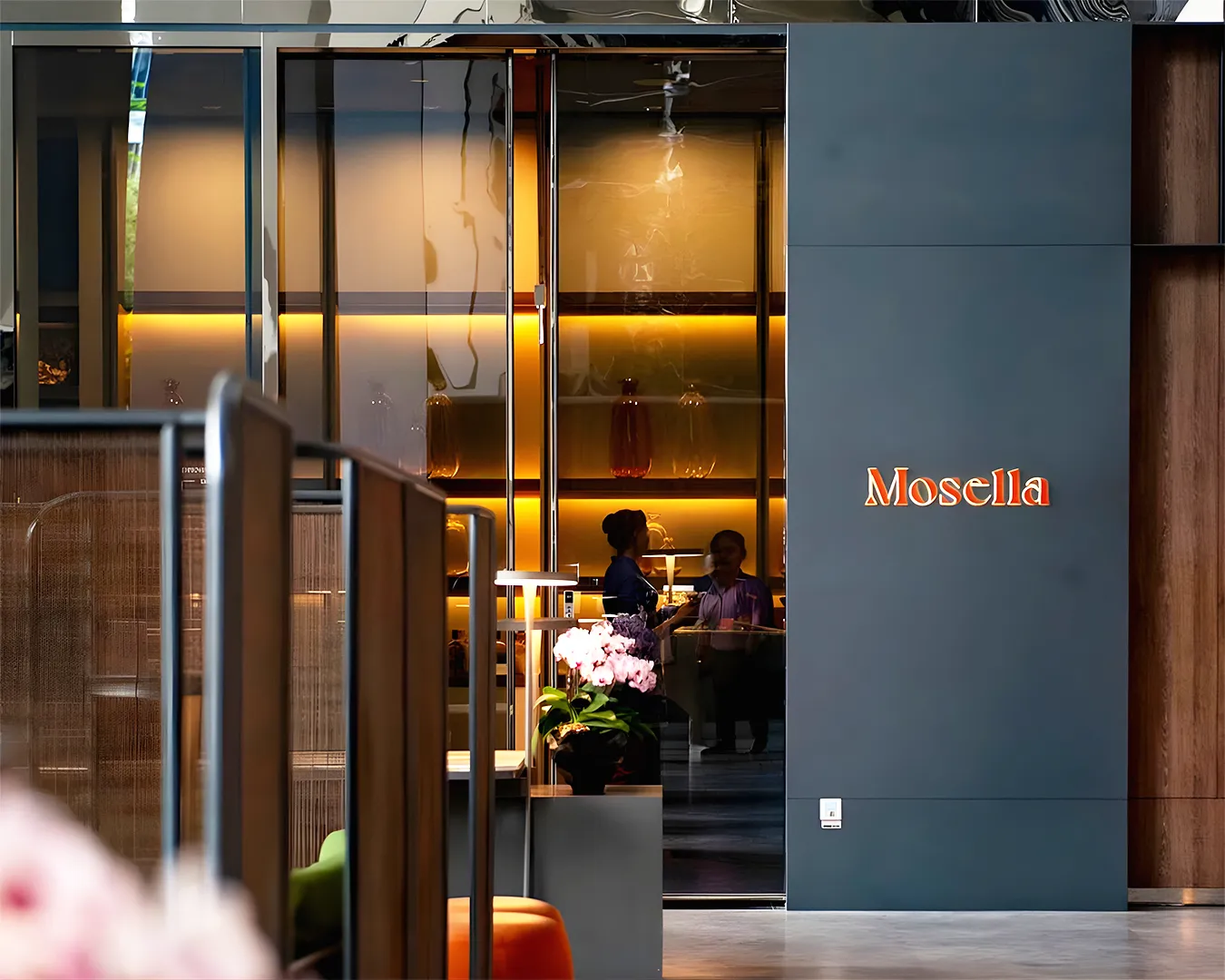
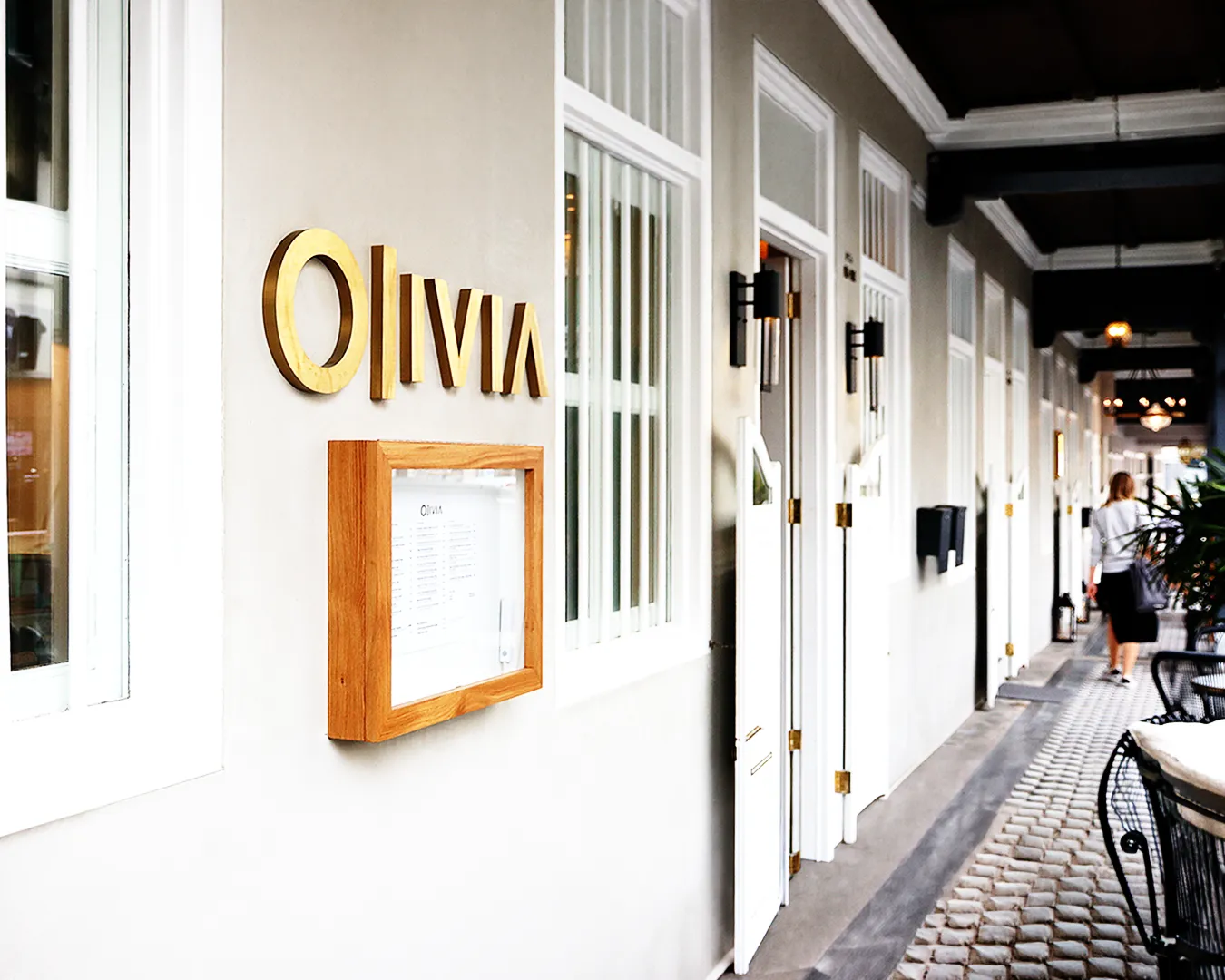
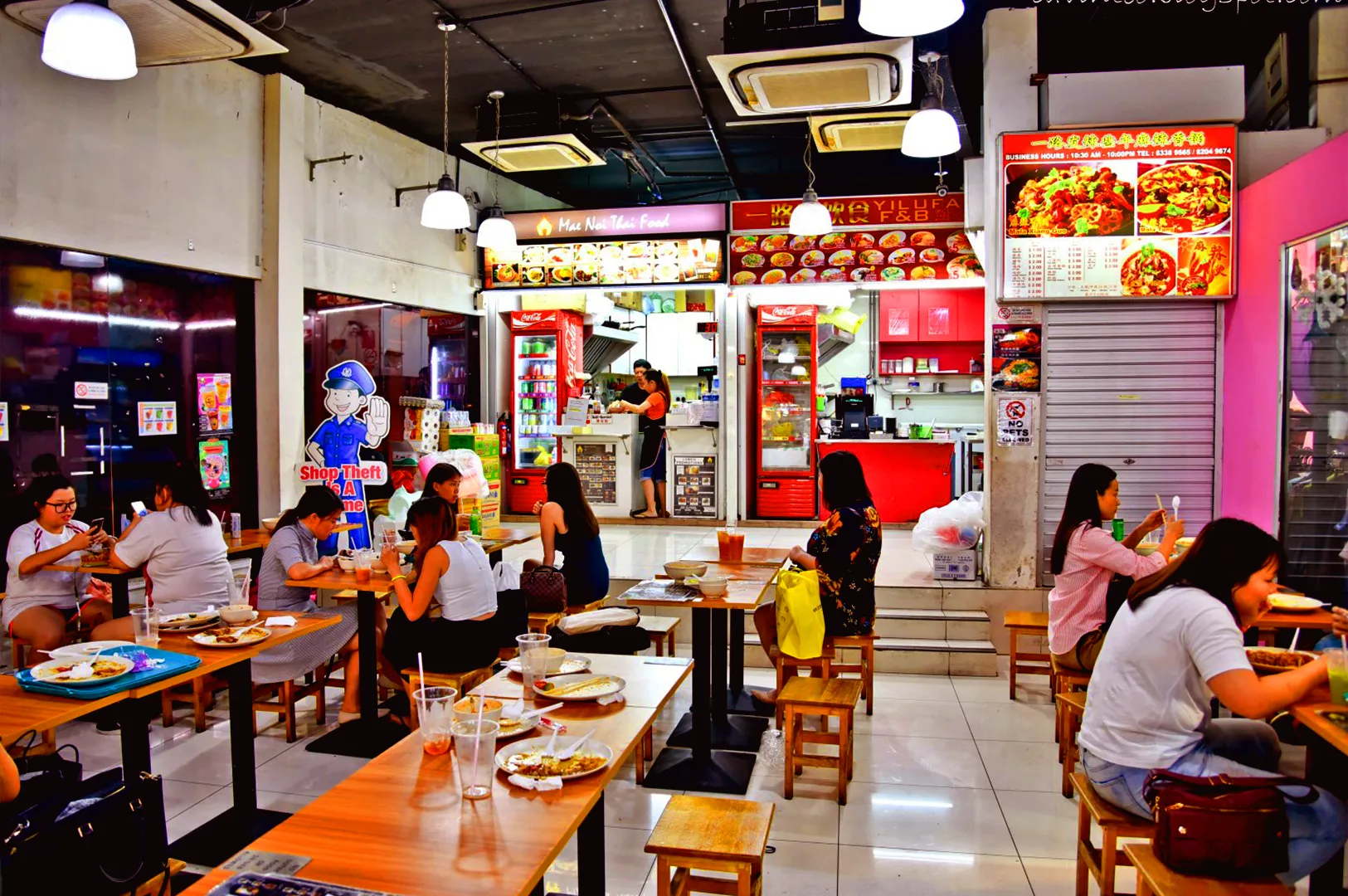
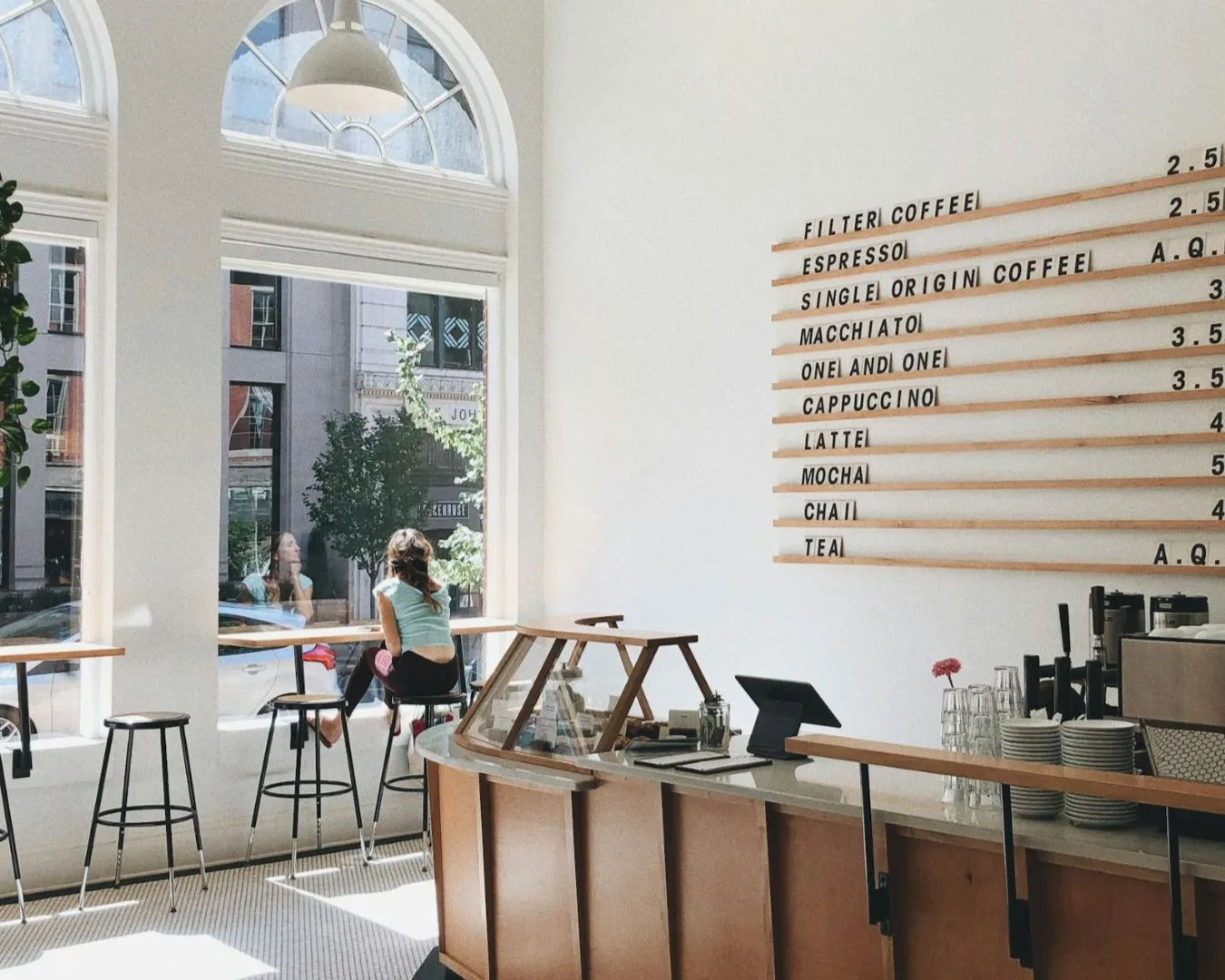
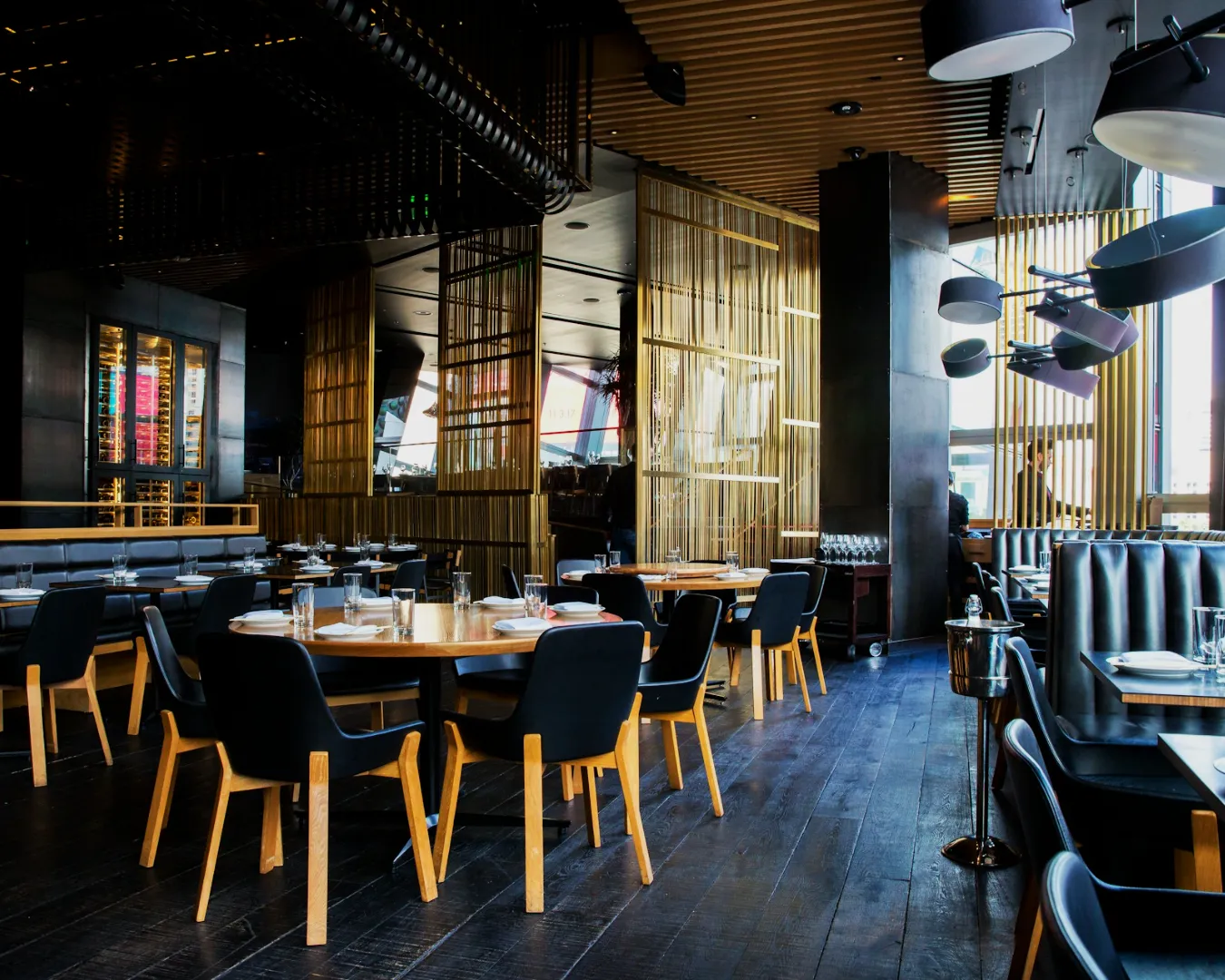
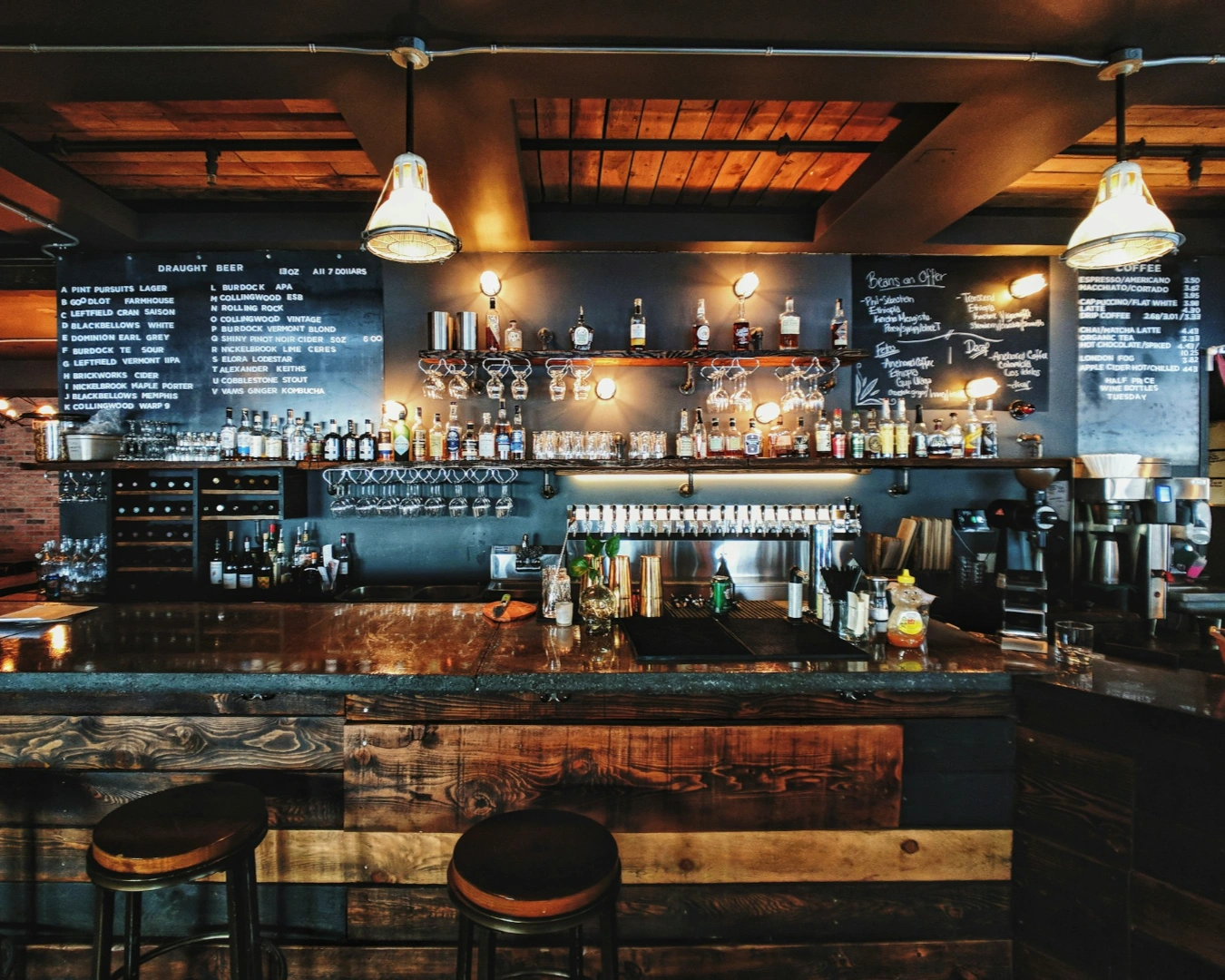
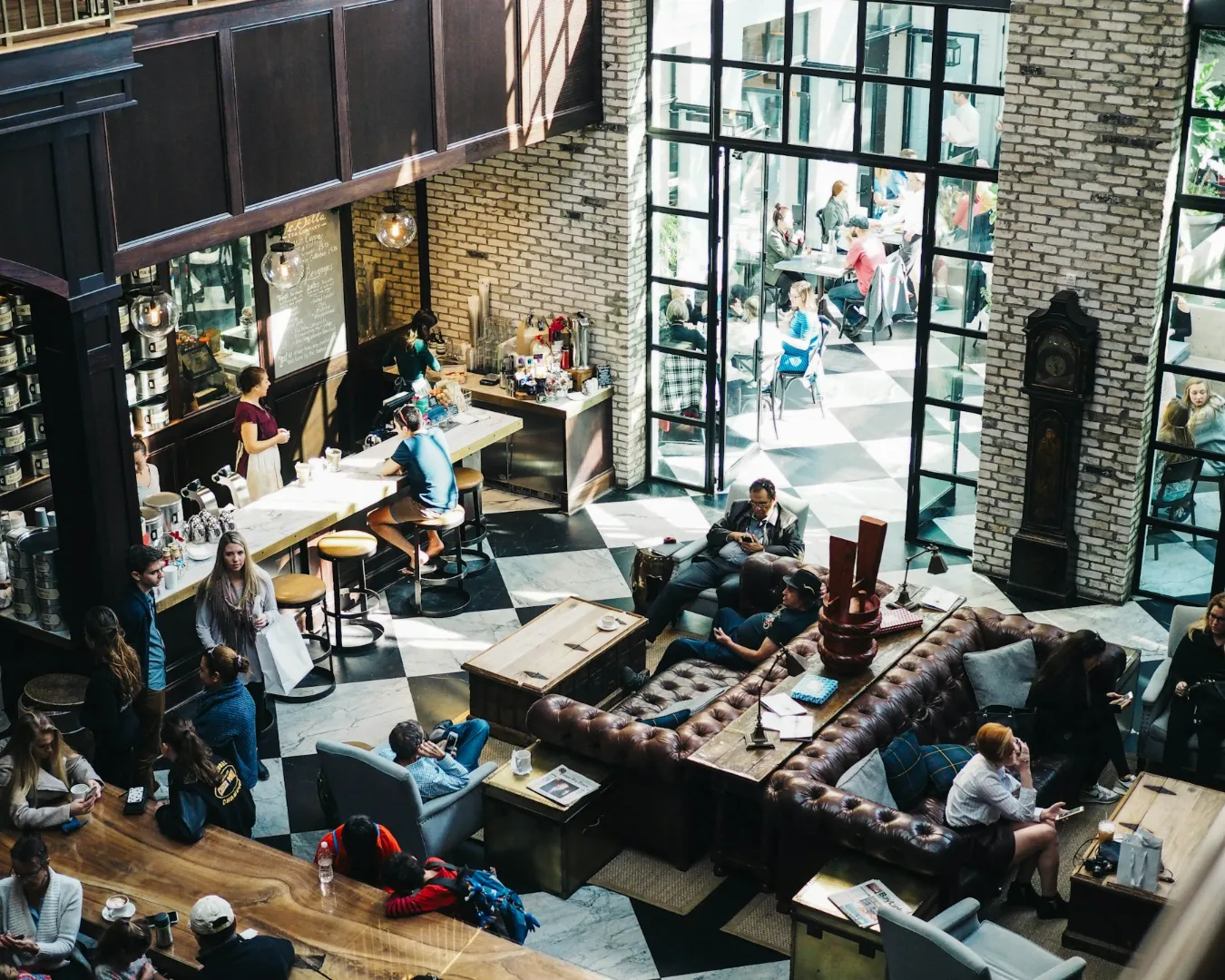
A common mistake is focusing exclusively on the food. While the dish is the hero, your visual identity for restaurants must include the environment. People do not just pay for calories; they pay for an experience.
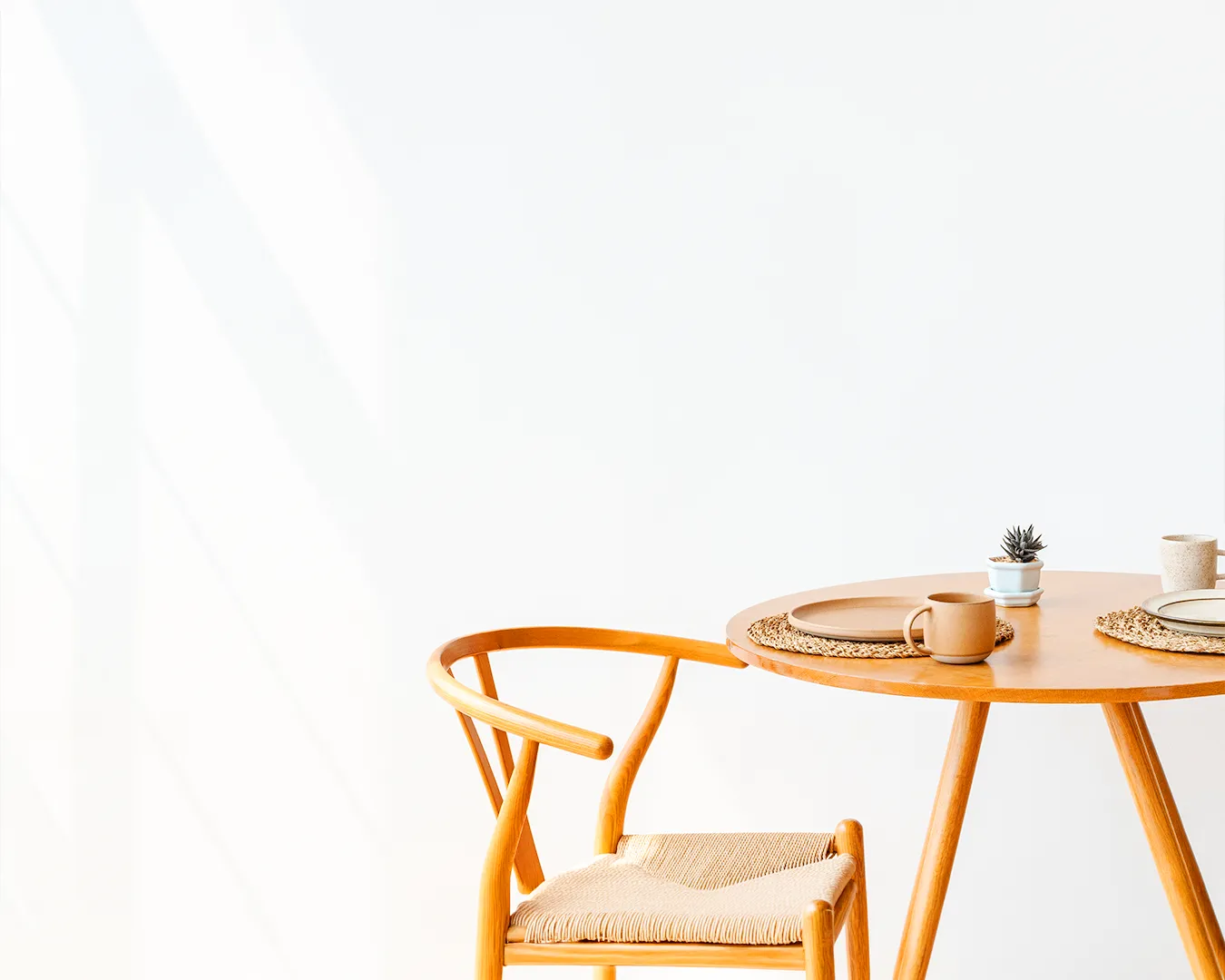
Your photo library should include the “empty room” shots that show off your interior design, the “action” shots of the kitchen team, and the “lifestyle” shots of guests enjoying a drink. This helps a potential customer visualize themselves in your space. If they can see the lighting and the seating, they can decide if your place is right for a business lunch or a first date.
The Efficiency of an Asset Library
Good photography is a compounding asset. One professional shoot can provide enough material for three months of social media, website updates, press releases, and delivery platform banners.
Instead of scrambling for a photo every time you need to post, you draw from a curated library. This improves your social media engagement F&B because your feed looks intentional and polished. It signals to the market that you are a serious operator who cares about the details. If you care this much about a photo, the logic goes, you must care even more about the seasoning in the kitchen.
Aligning Image with Reality
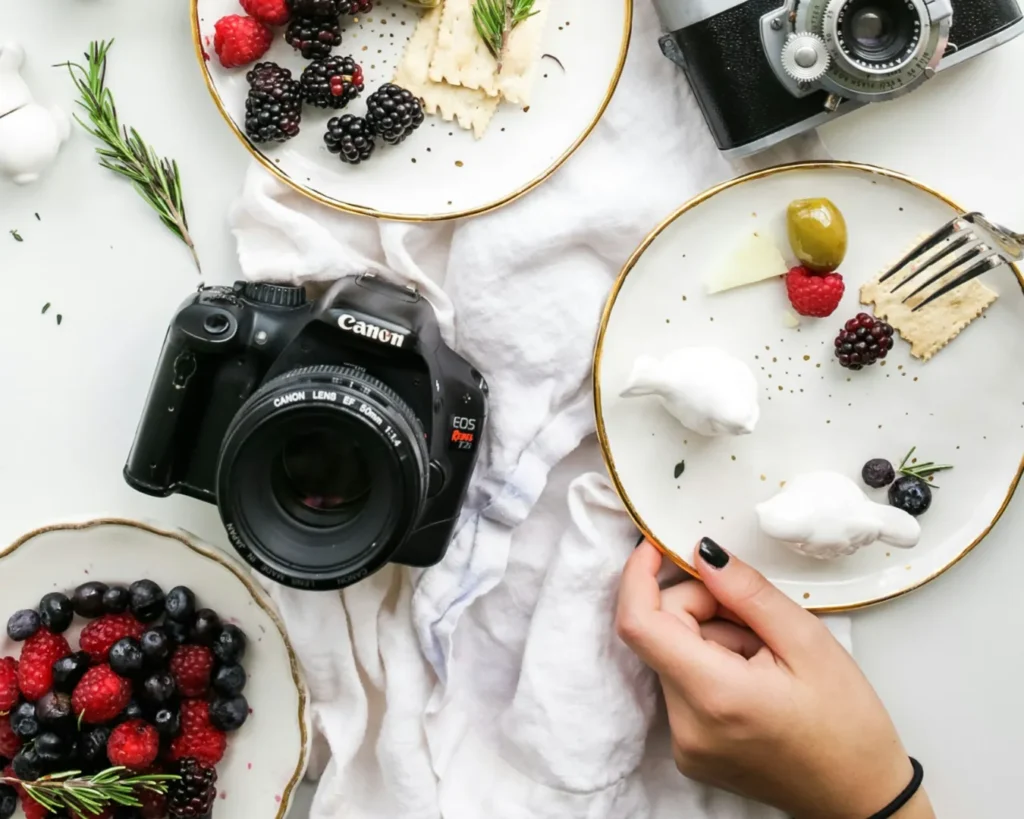
The goal is not to deceive. The goal is to translate the hard work of your kitchen into a digital format that does it justice. Great photography is simply the truth, told well. It removes the friction of the unknown and makes the decision-making process easy for the hungry scroller.
Your digital presence is your storefront. We should take a quiet look at your current gallery and see if it truly represents the quality of your service. Often, a small shift in how you document your work can lead to a significant shift in who walks through the door. We can help you audit your current assets to see where the gaps are.