If you had to remove your logo from your menu and your signage today, would your customers still know they were dining in your establishment? Most owners believe that branding is a cosmetic layer applied at the end of a project. They think it is a matter of choosing the right shade of gold or a trendy font. This is a mistake.
The best restaurant branding examples in our city are not just visually pleasing. They are operationally integrated. They serve as a silent partner that dictates everything from the weight of your cutlery to the specific tone of your staff’s greeting. In a market where attention is the most expensive commodity, your brand is the only thing that justifies your price point before the food even hits the table.
Read more: Outsmarting the Singapore F&B Competition
The Cohesive Menu Hierarchy
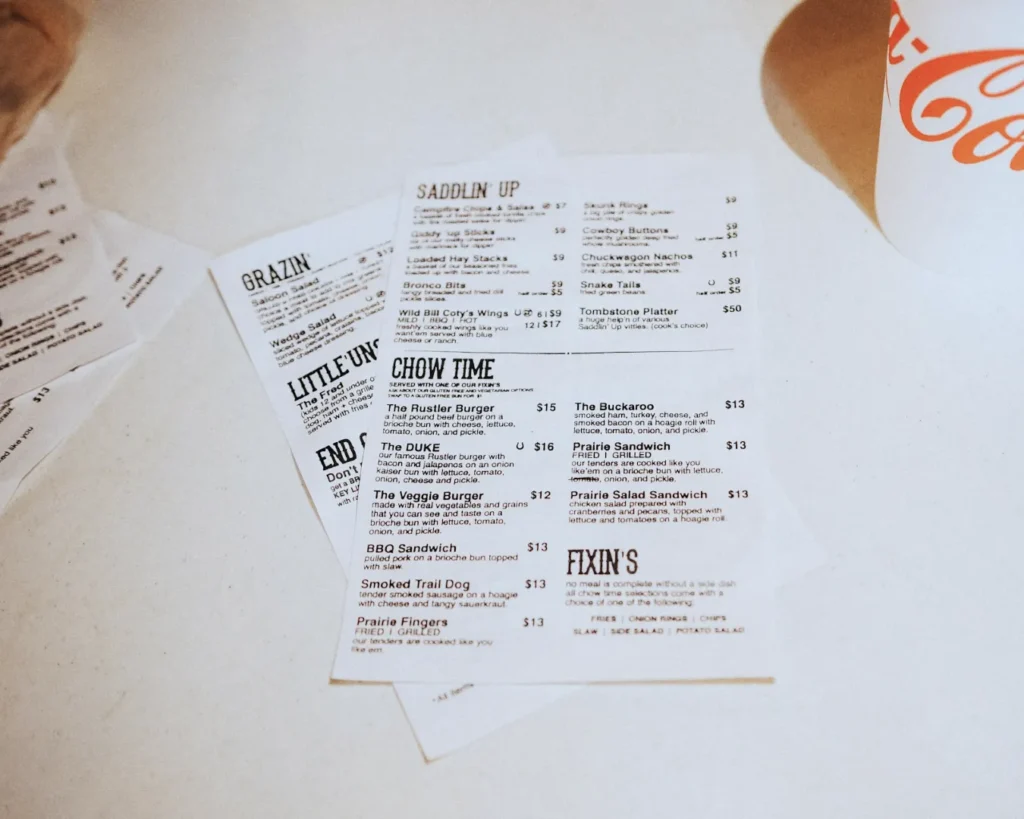
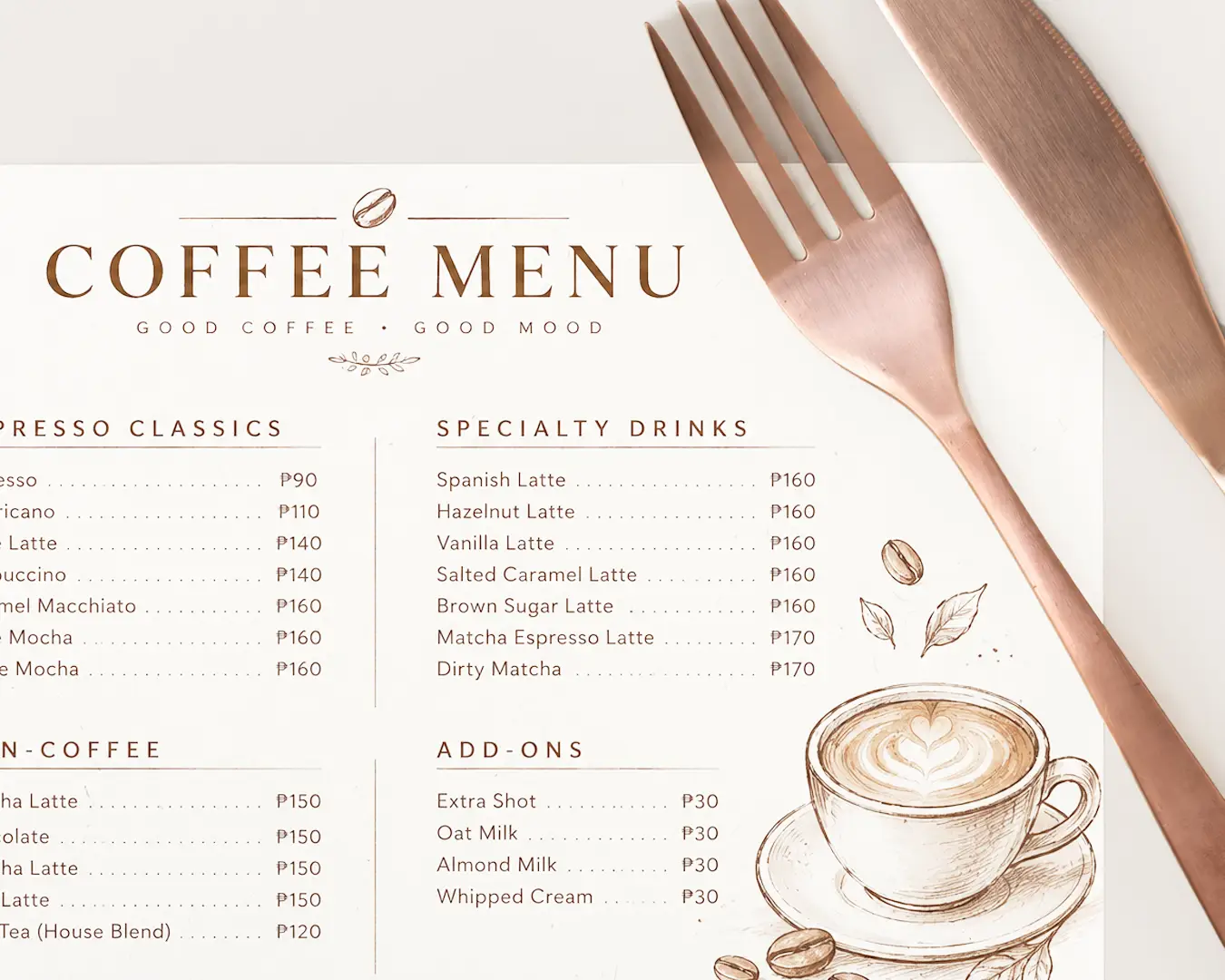
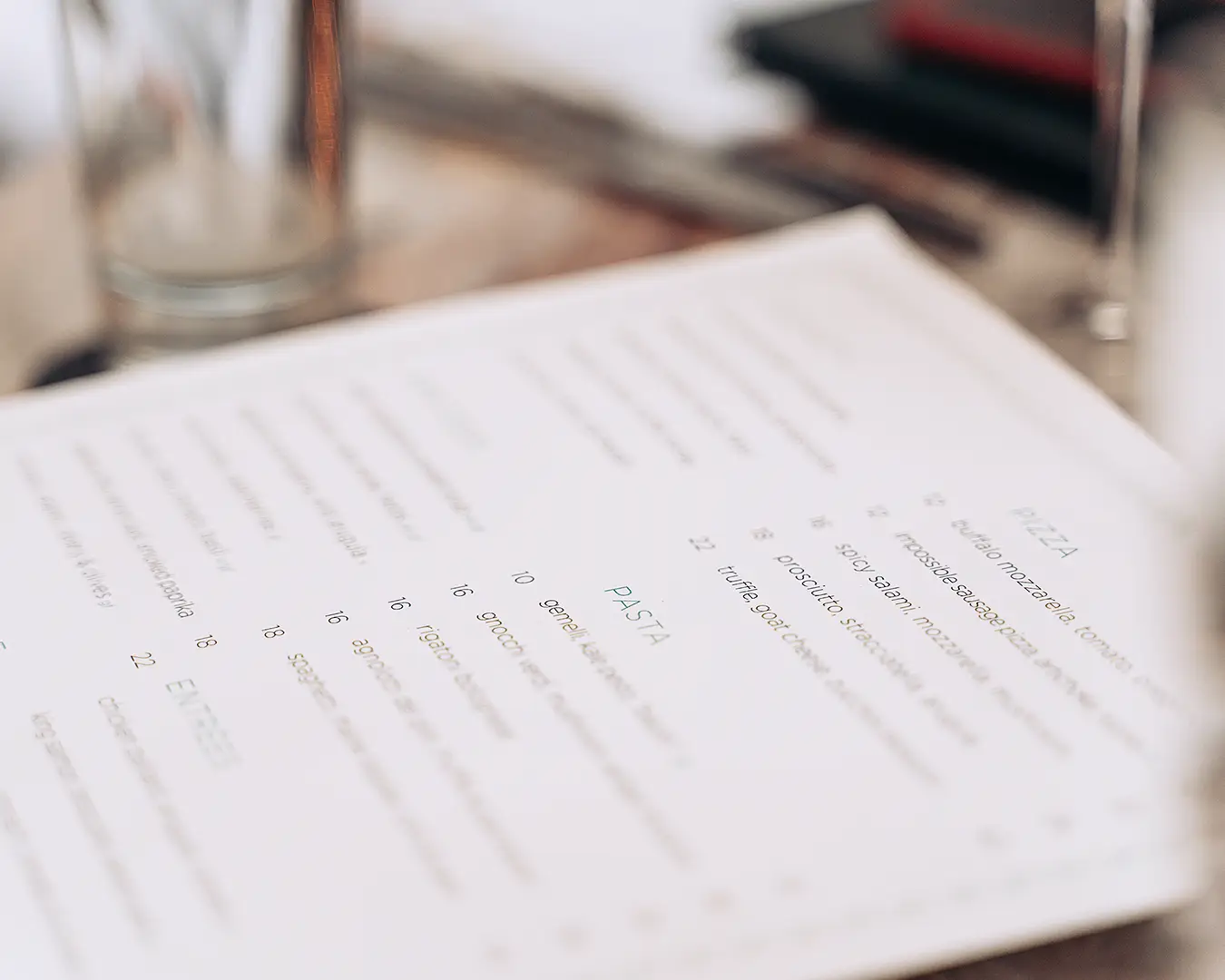
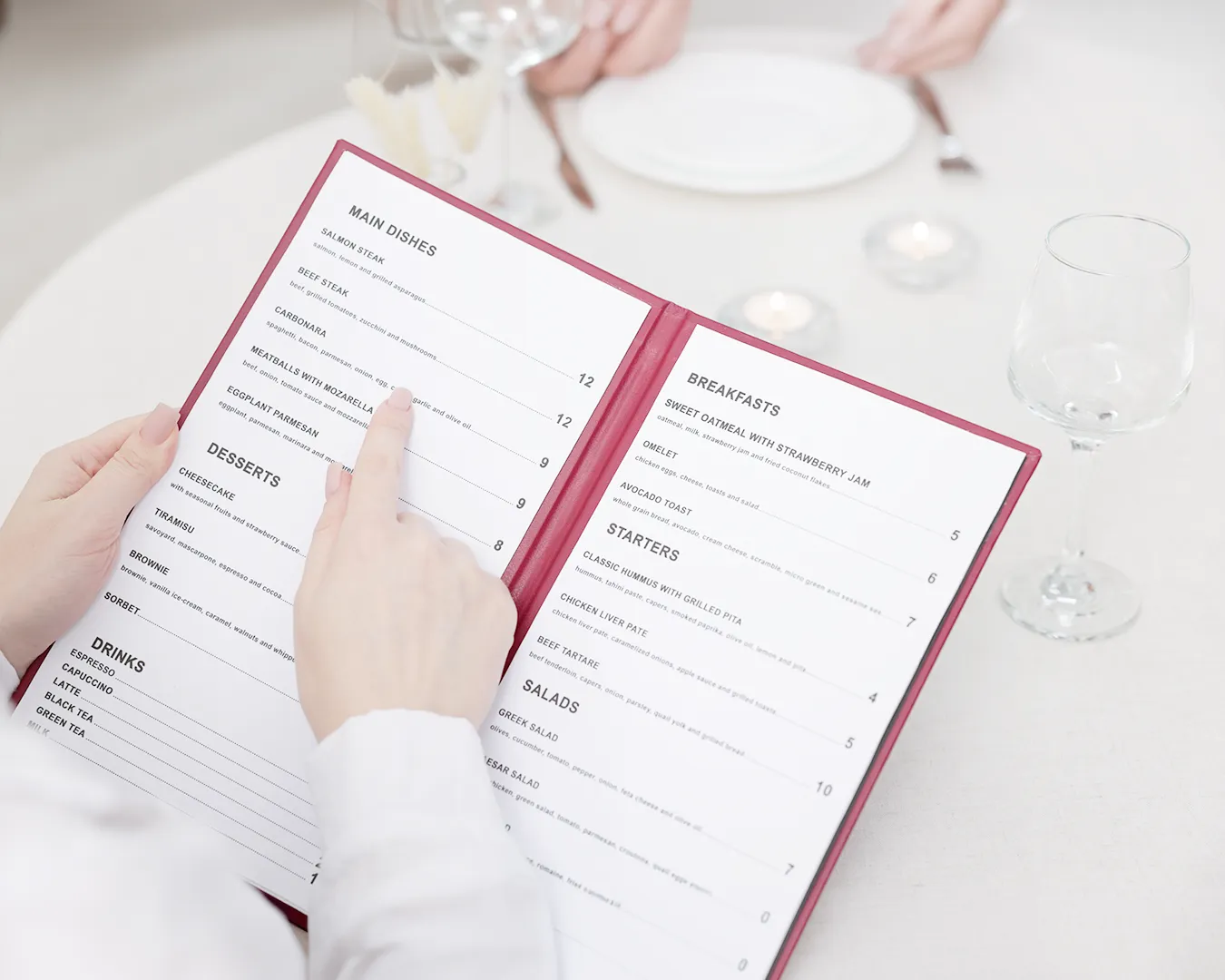
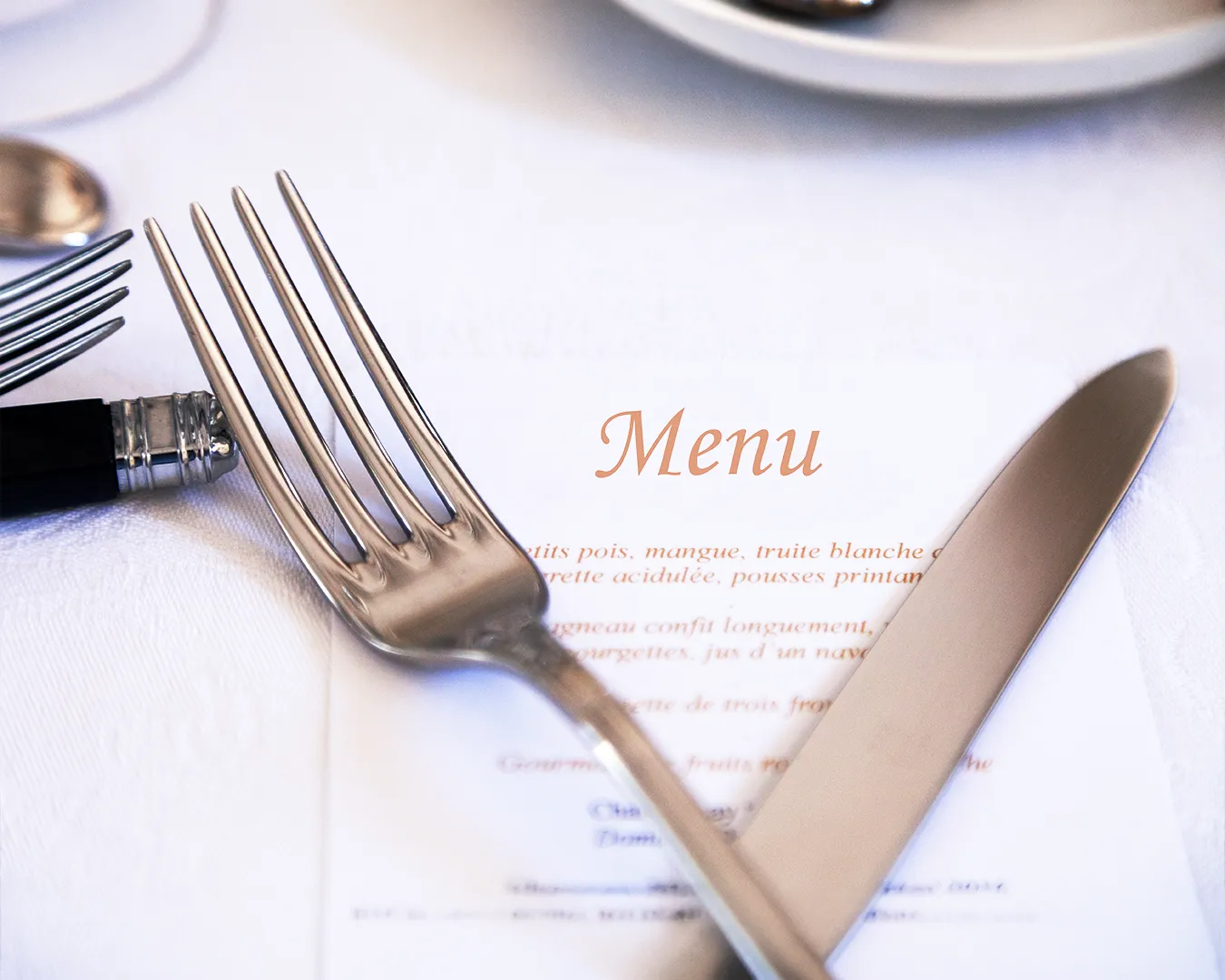
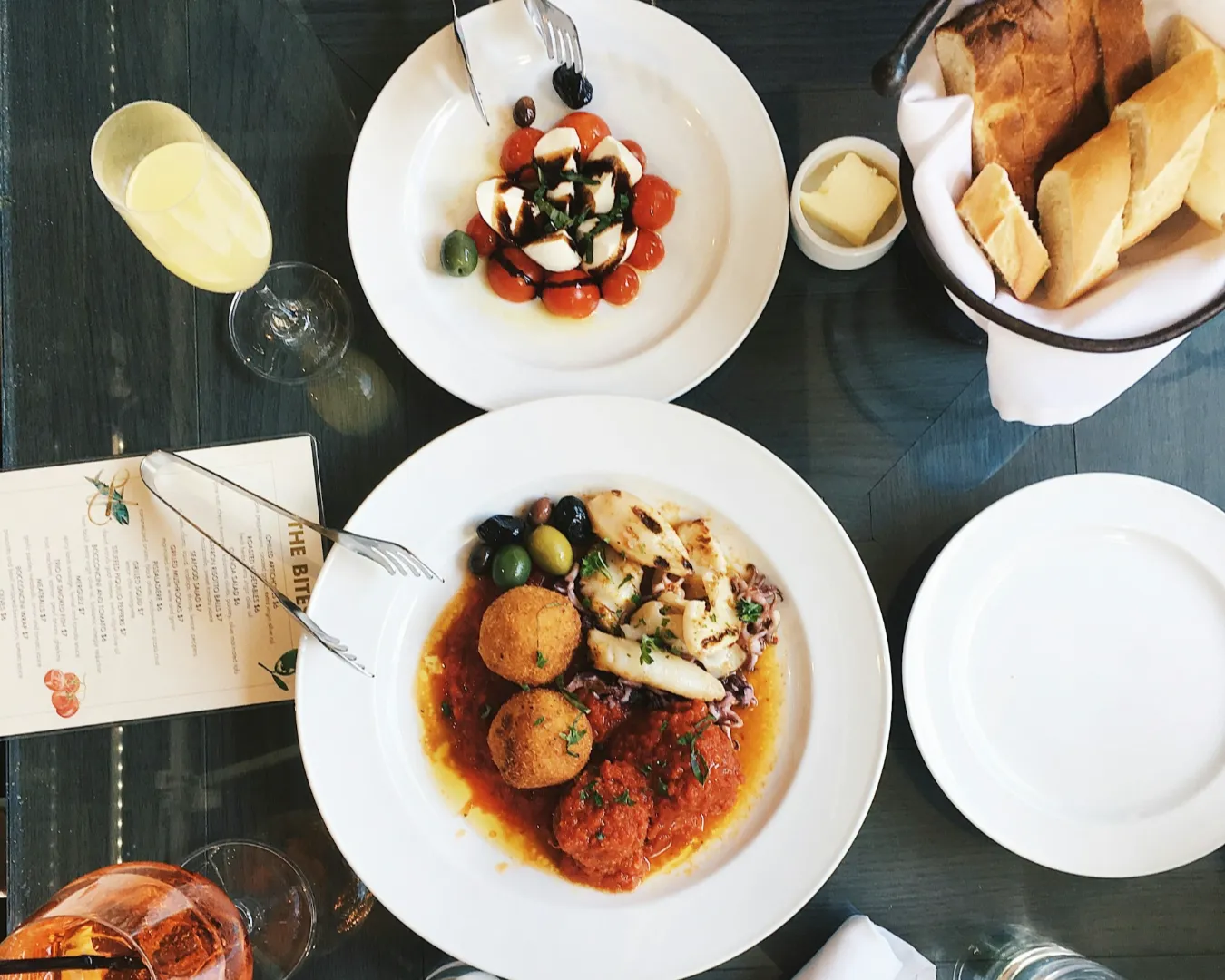
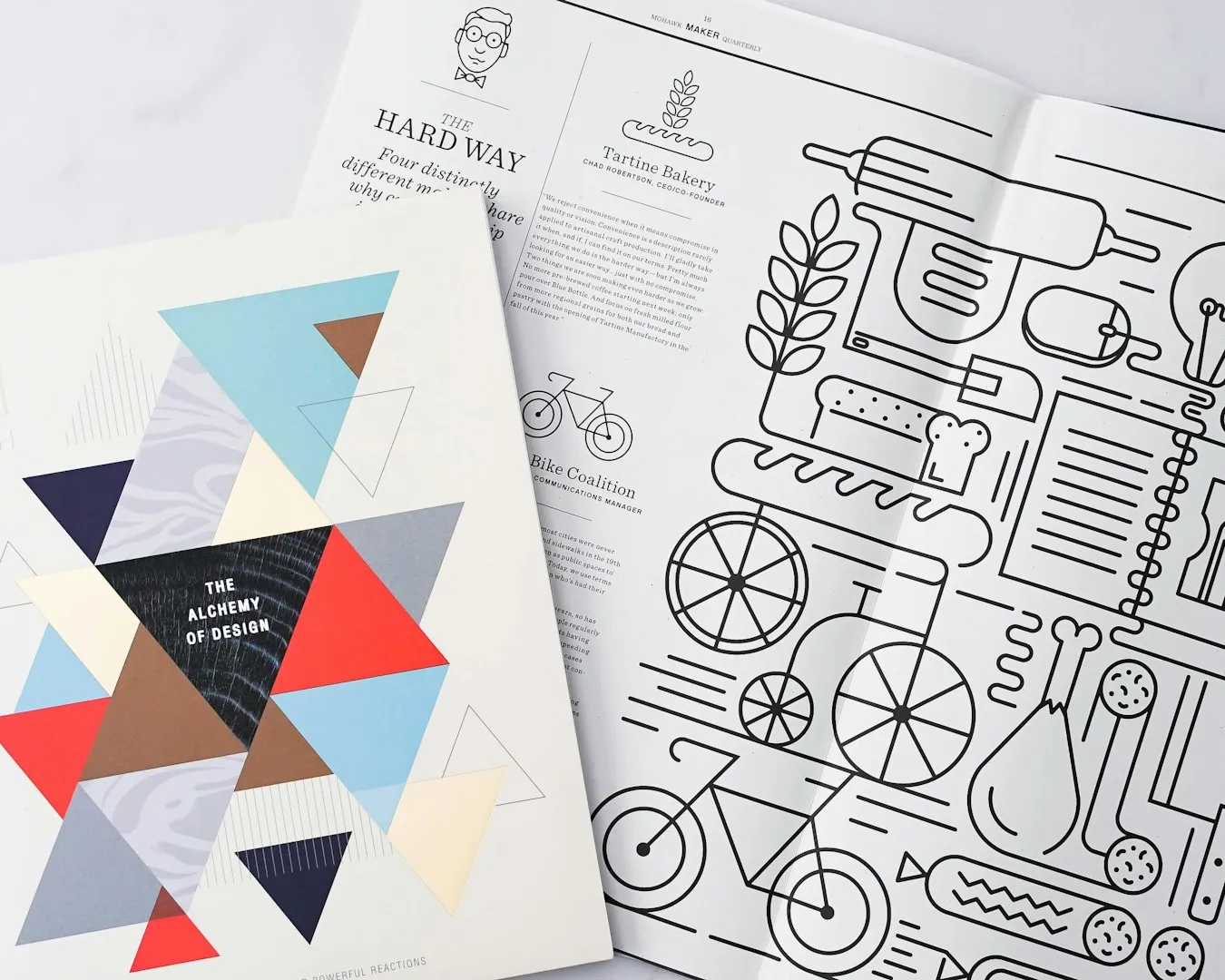
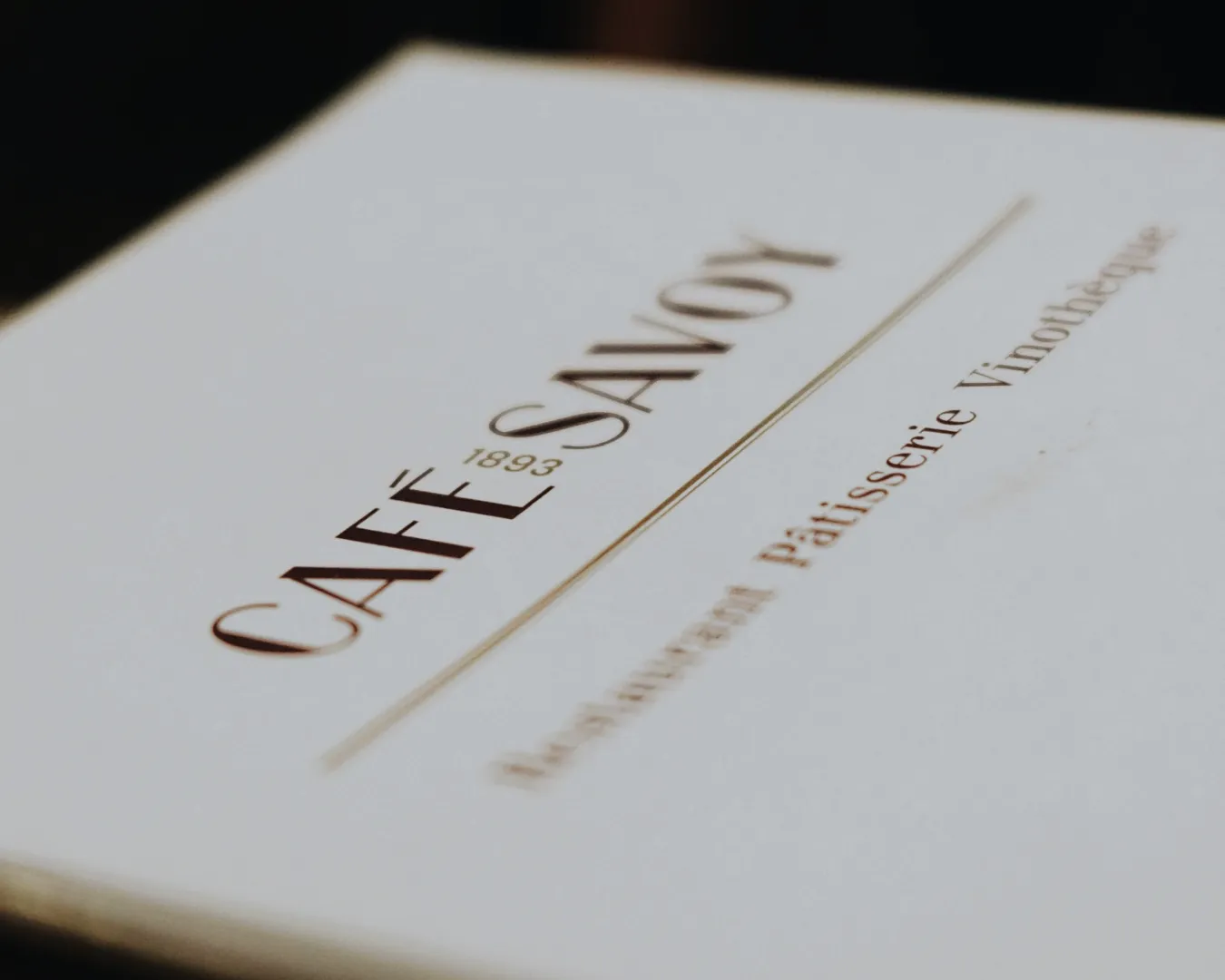
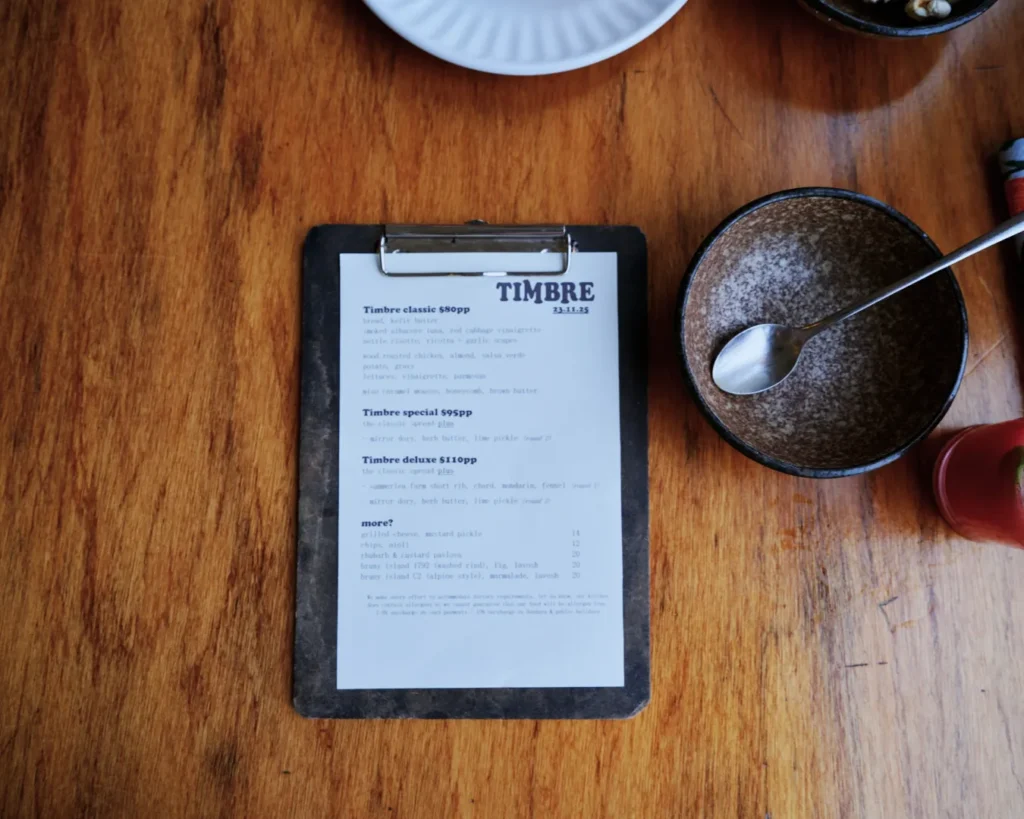
The menu is the most used tool in your restaurant. One of the strongest branding examples is a menu that dictates the pace of the meal through its layout. A brand that understands its identity uses typography and negative space to guide the eye toward high-margin items without looking cluttered.
When the paper stock, the font size, and the descriptions align with your interior, you create a sense of trust. If your menu is easy to navigate, your guest feels at ease. This is branding disguised as utility.
The Signature Service Script
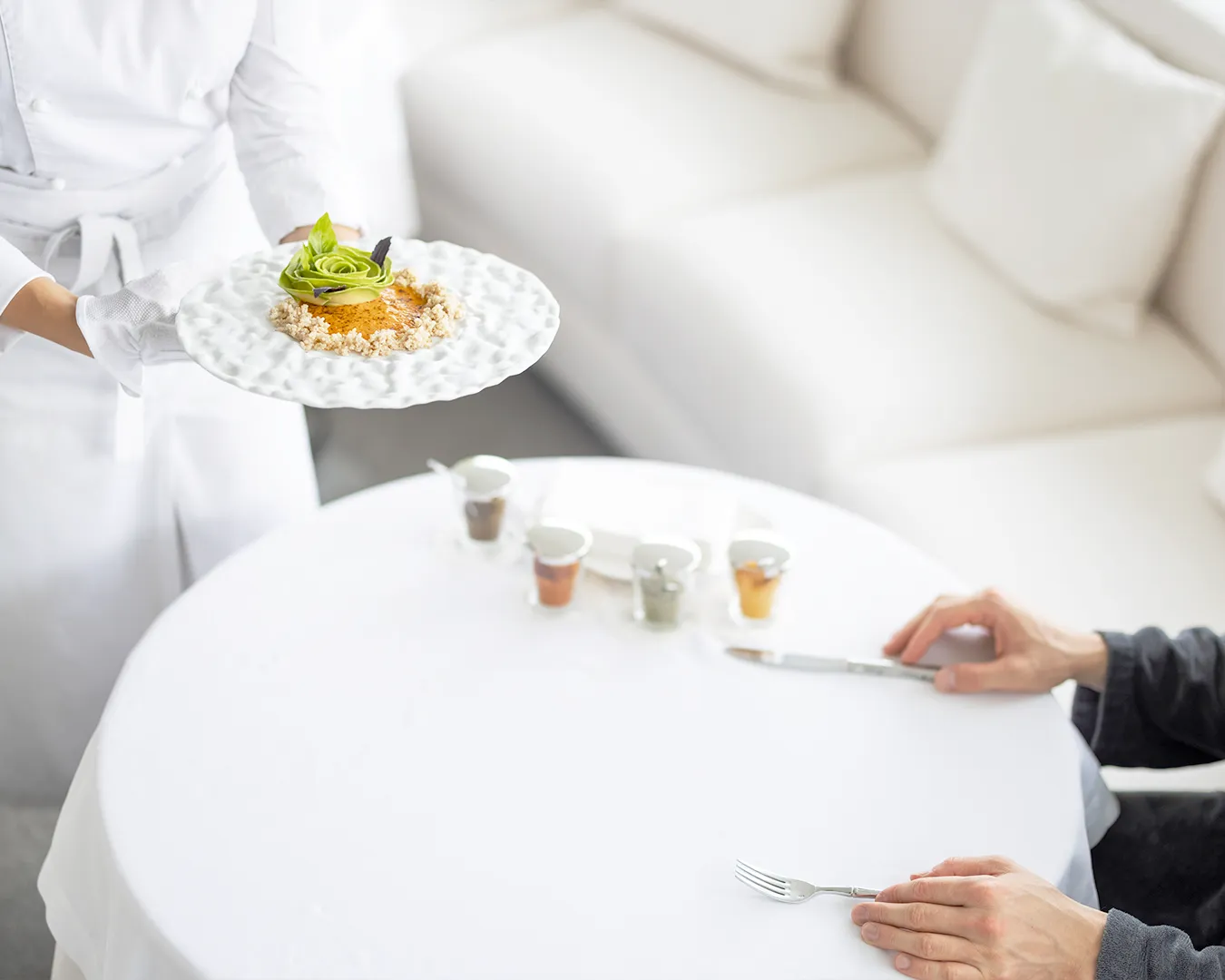
At Atelier Creations, we believe branding isn’t just about what’s printed; it’s also in how your team communicates. We know that a restaurant that has mastered its identity has a specific verbal style. Whether it’s a formal, hushed tone for a fine-dining setting or a high-energy, casual greeting at a burger joint, this consistency is a branding powerhouse. When every staff member uses the same vocabulary to describe a dish or handle a reservation, it reinforces the professional standard of the business. This proves to us, and more importantly your guests, that you are in control of every detail.
The Sensory Environment Strategy
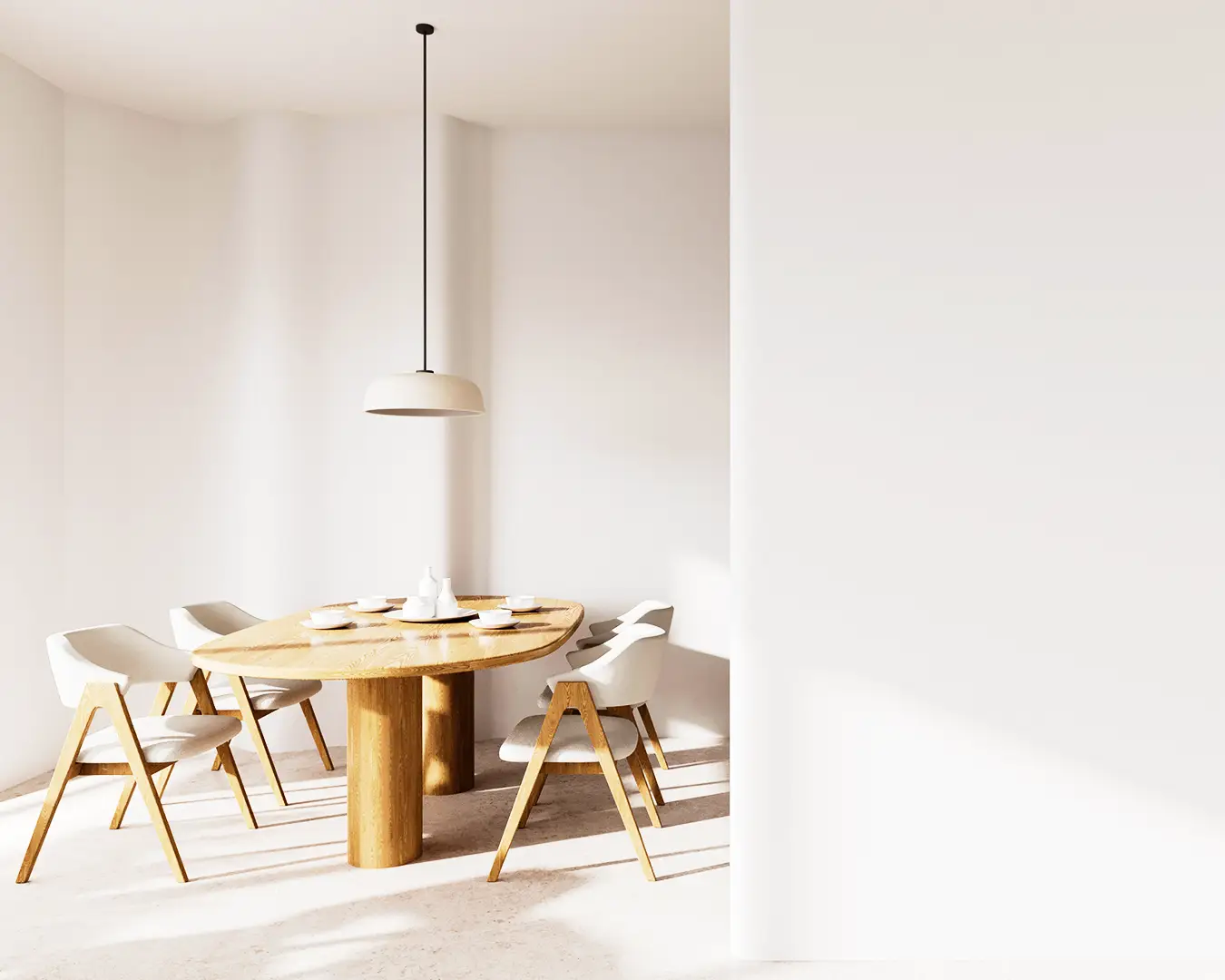
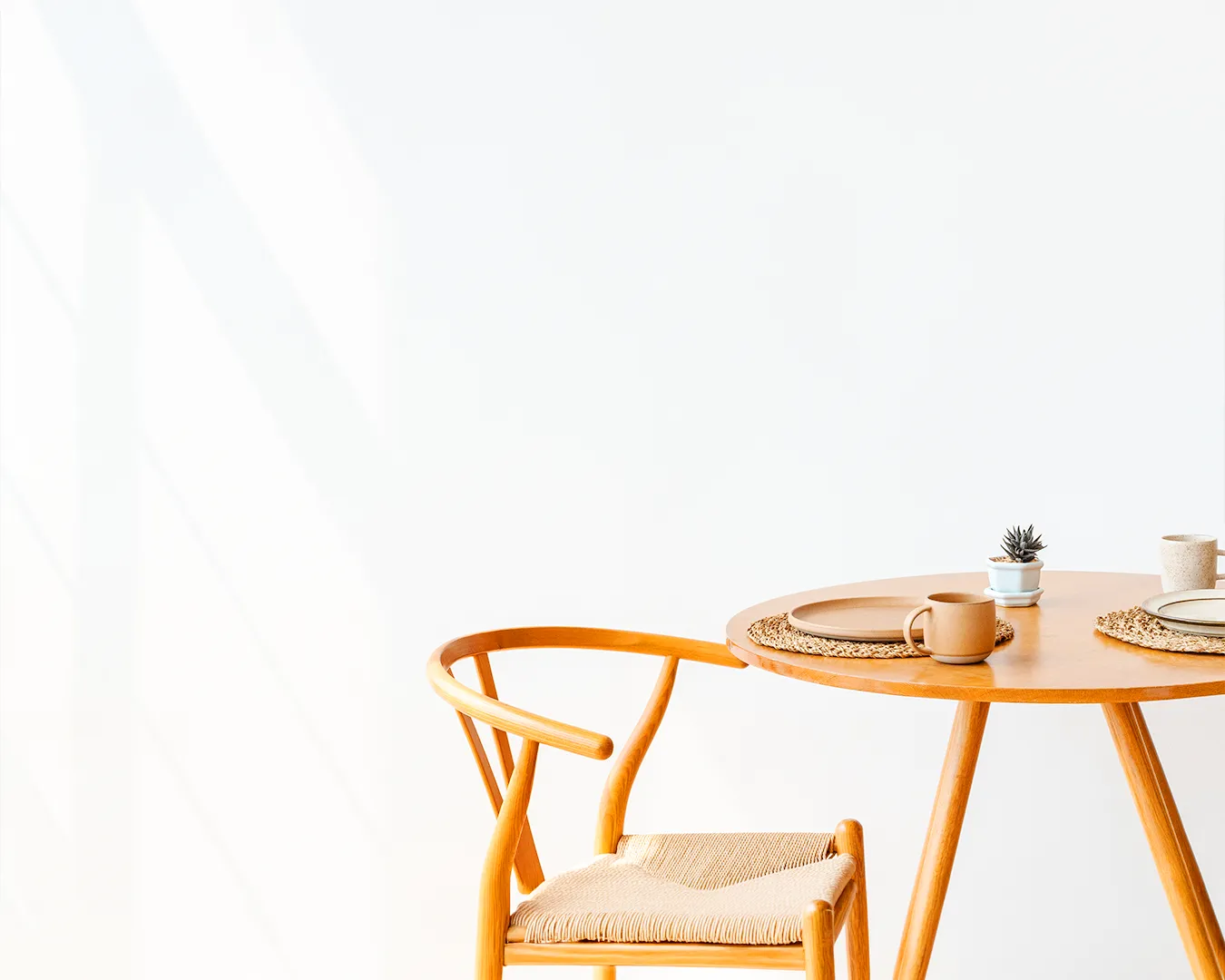
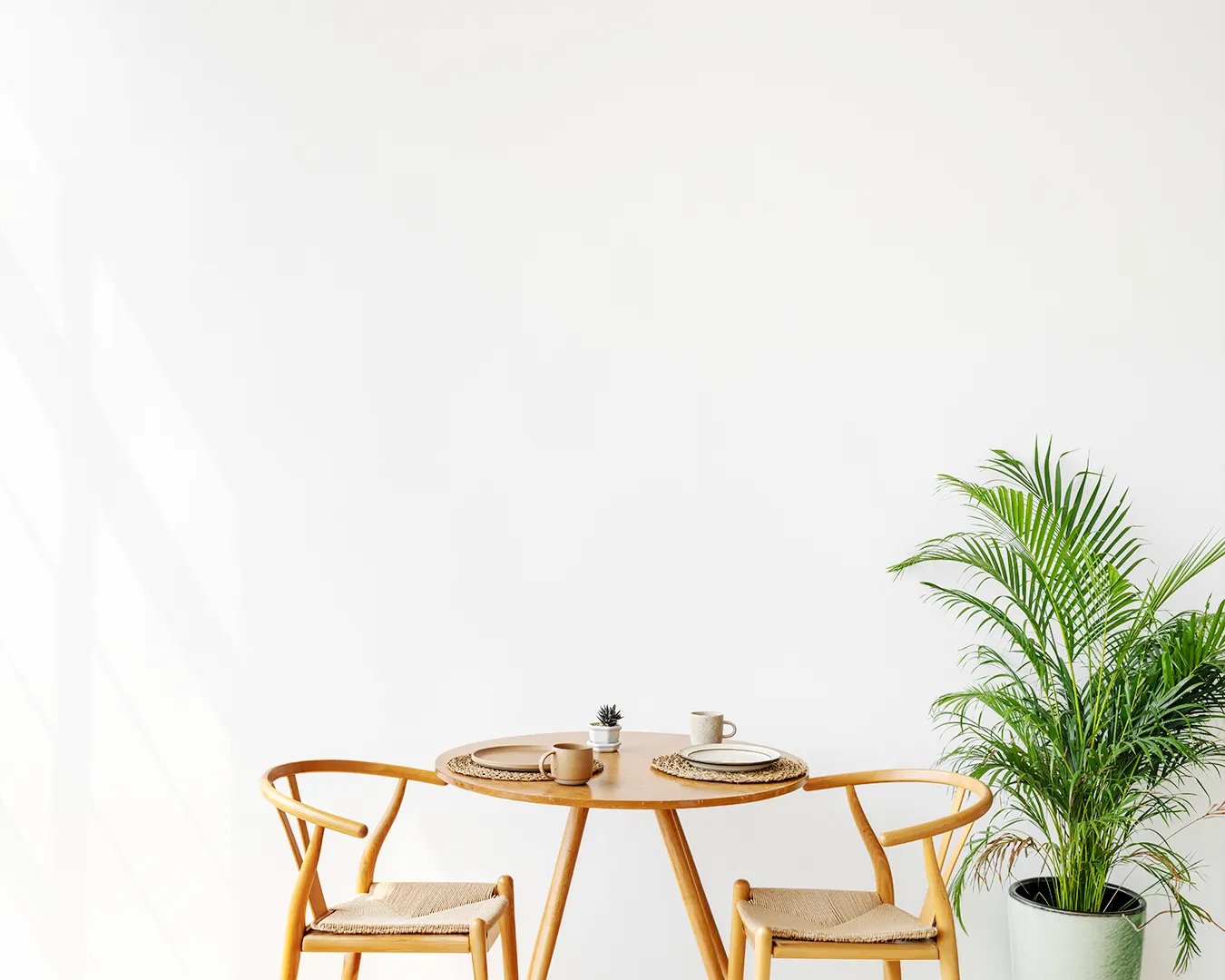
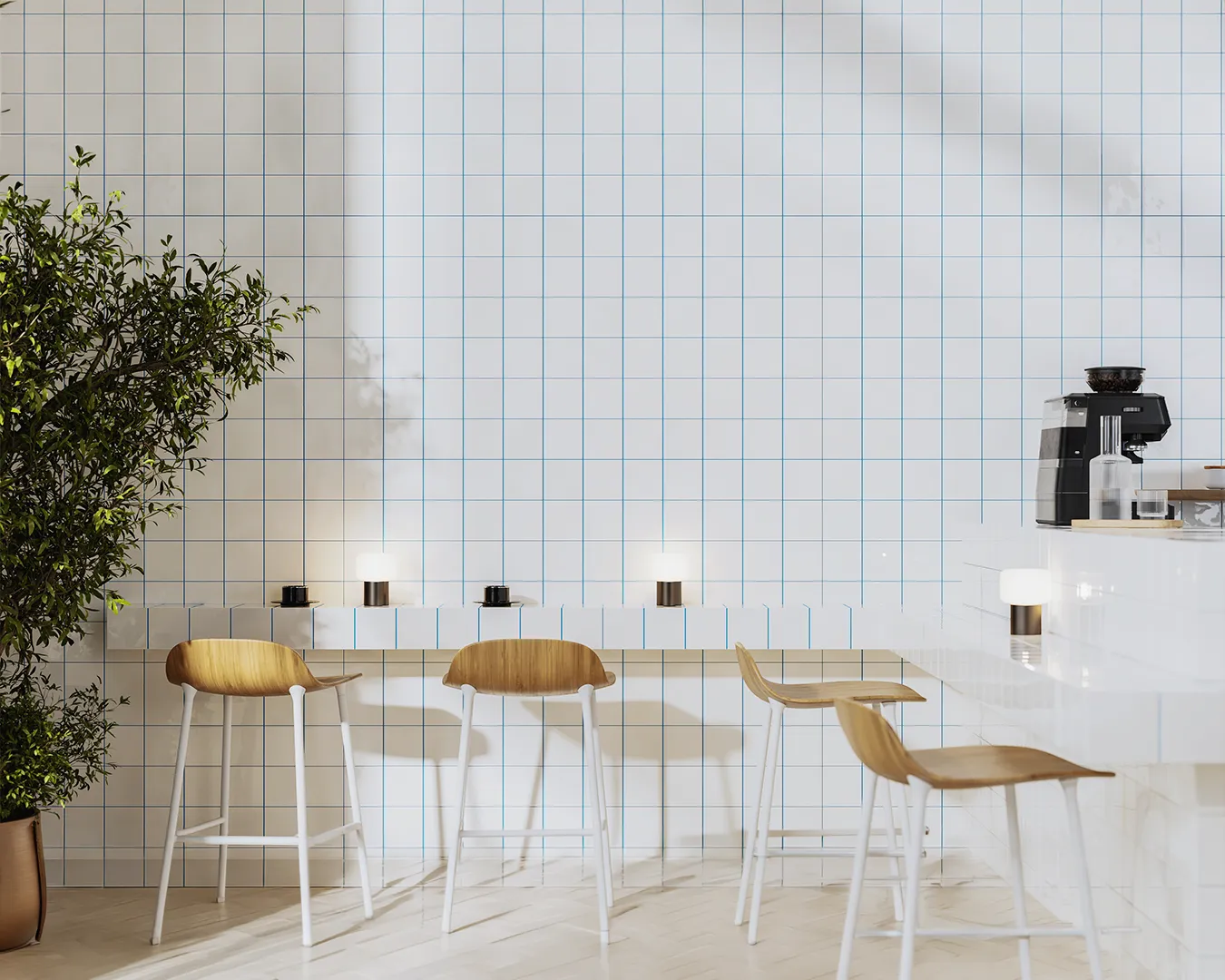
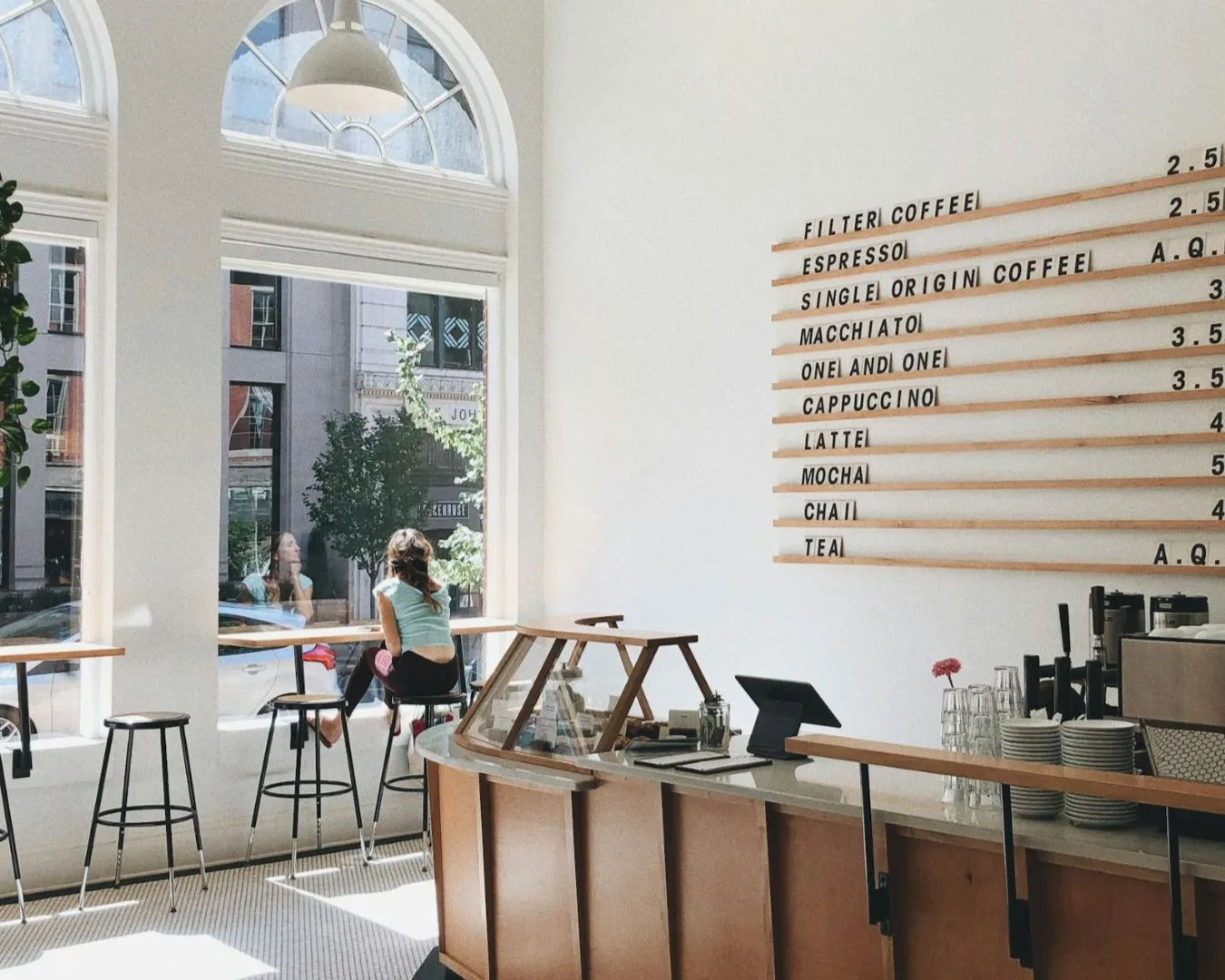
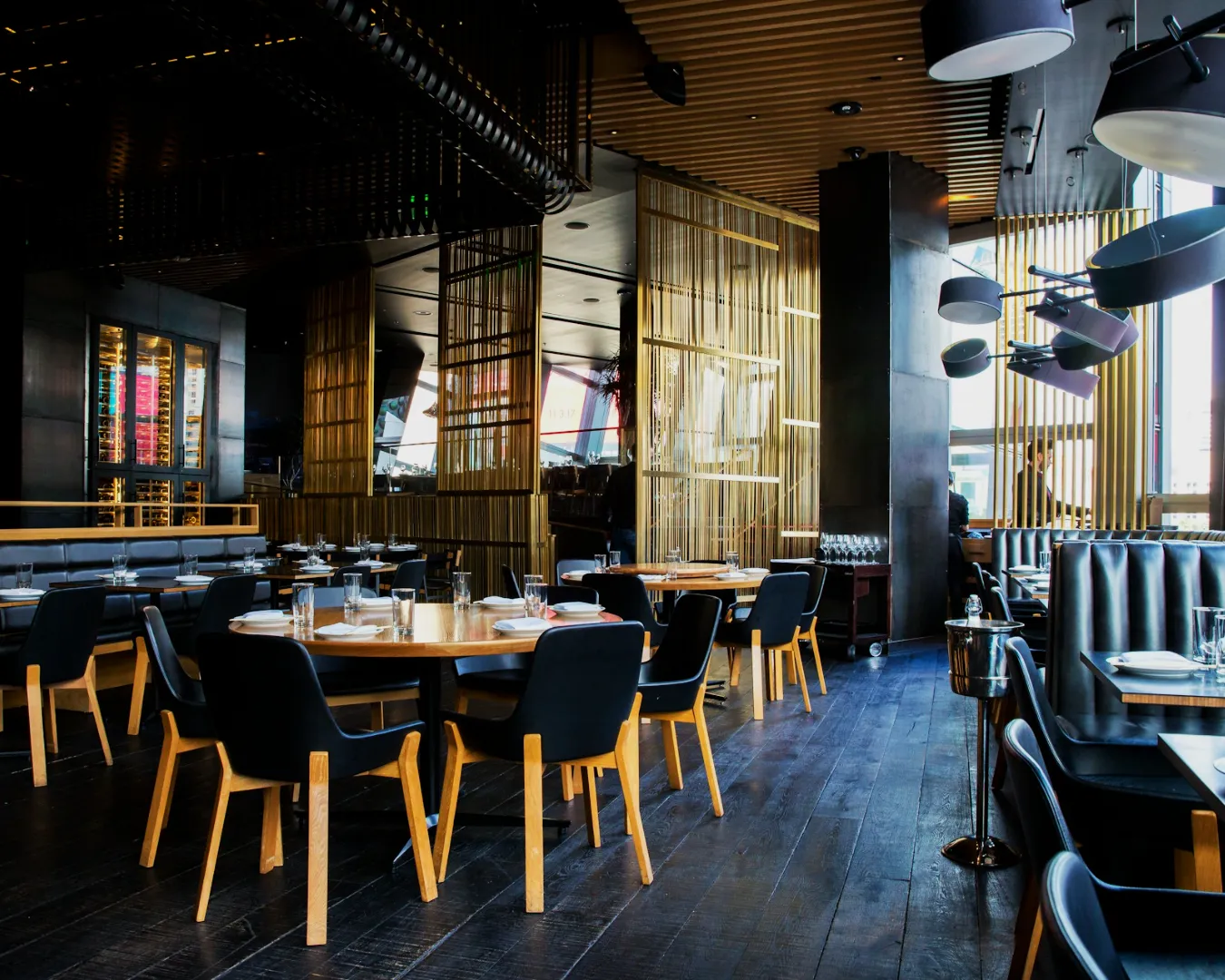
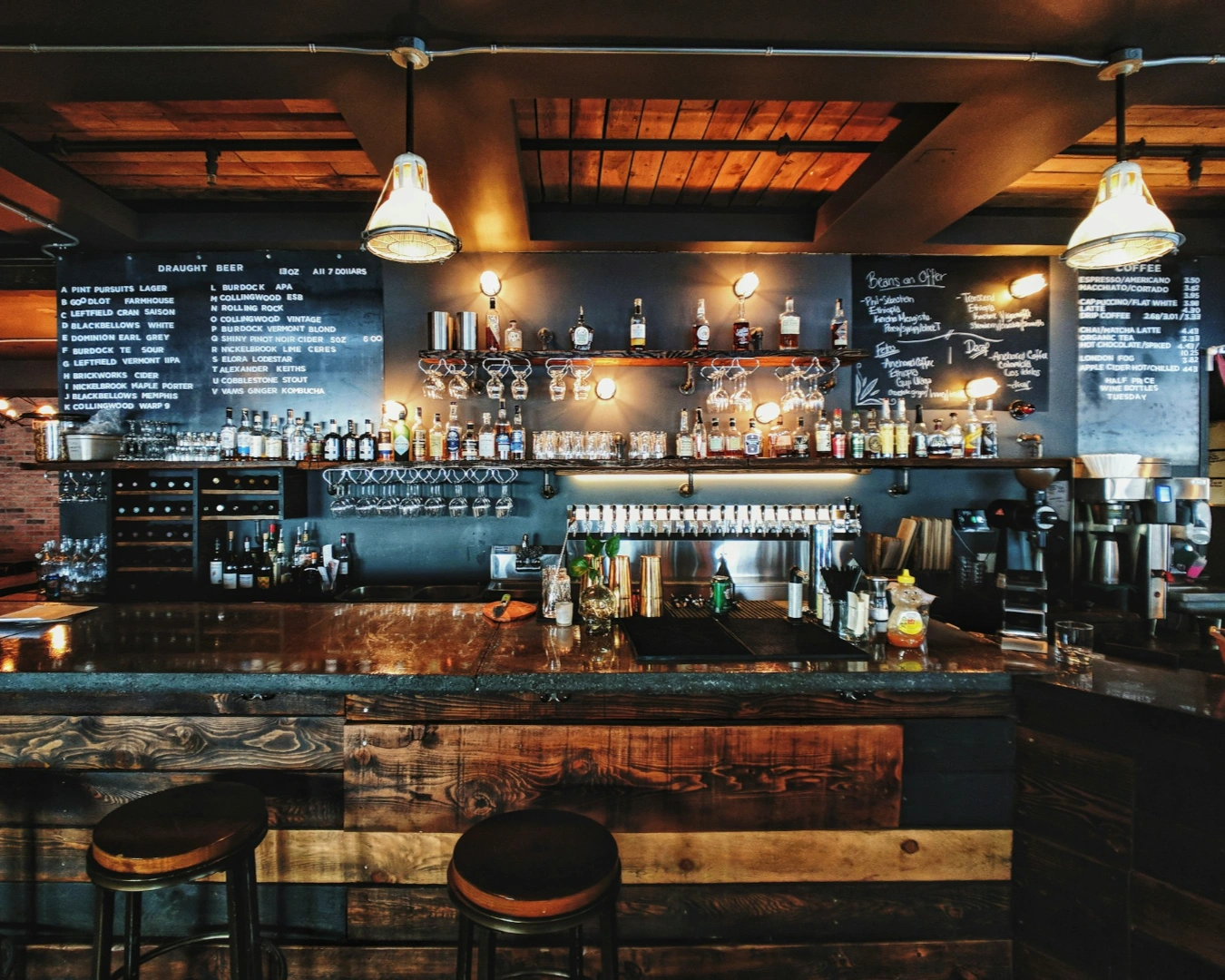
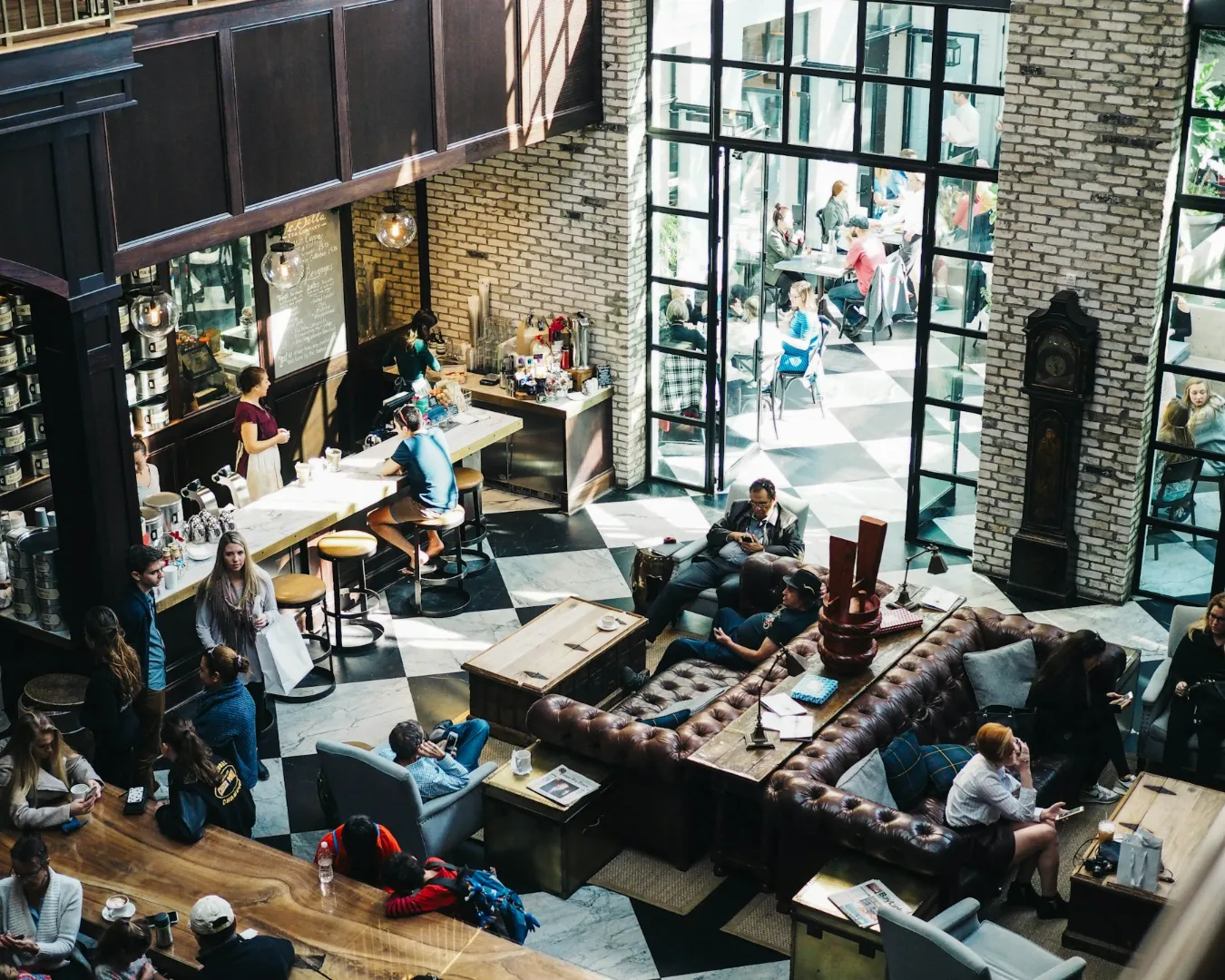
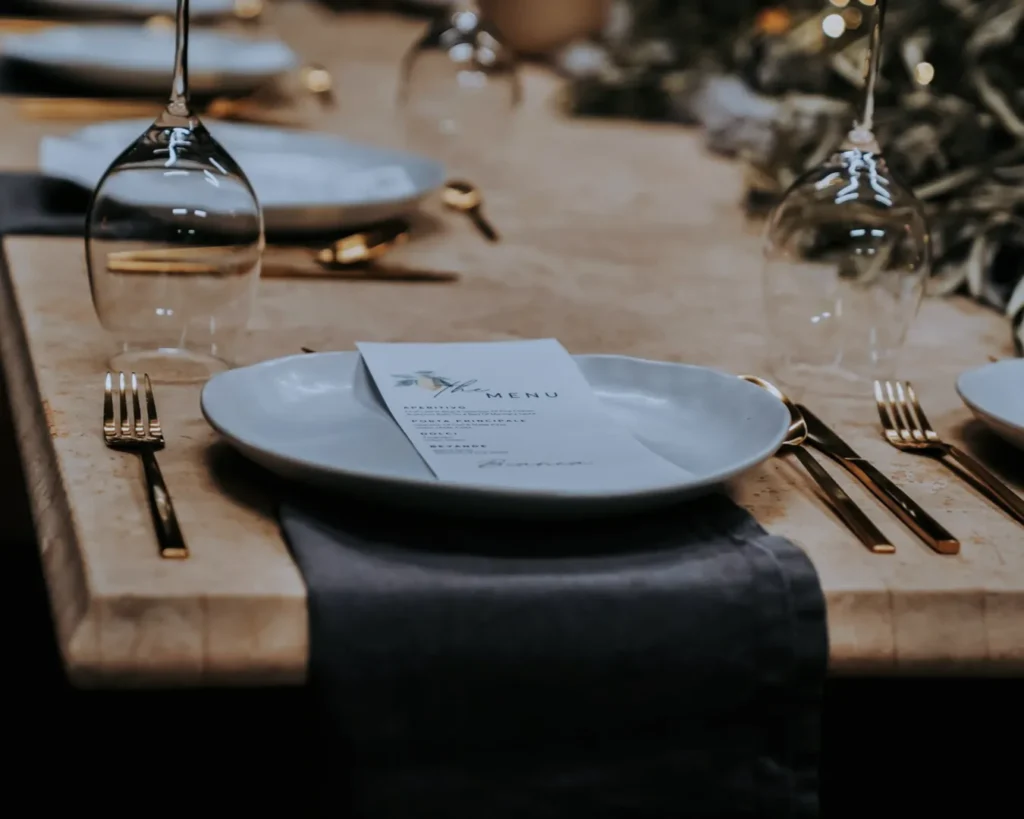
The best restaurant branding examples involve the things a guest feels but rarely mentions. This includes the specific scent of the dining room, the curated volume of the acoustic playlist, and the texture of the tabletops. Branding is a sensory experience. A brand that chooses heavy, stone-topped tables for a steakhouse is signaling permanence and quality. A cafe that uses light woods and open windows is signaling freshness. These environmental cues do the heavy lifting of storytelling so that your marketing does not have to.
The Integrated Takeaway Experience
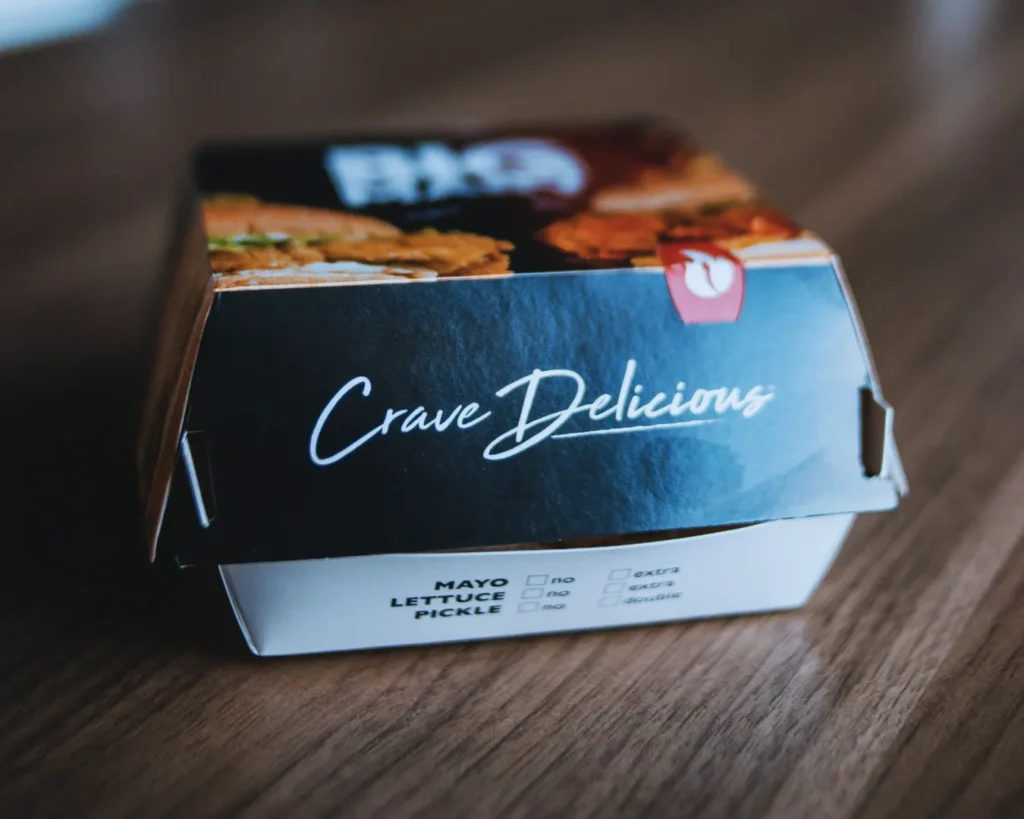
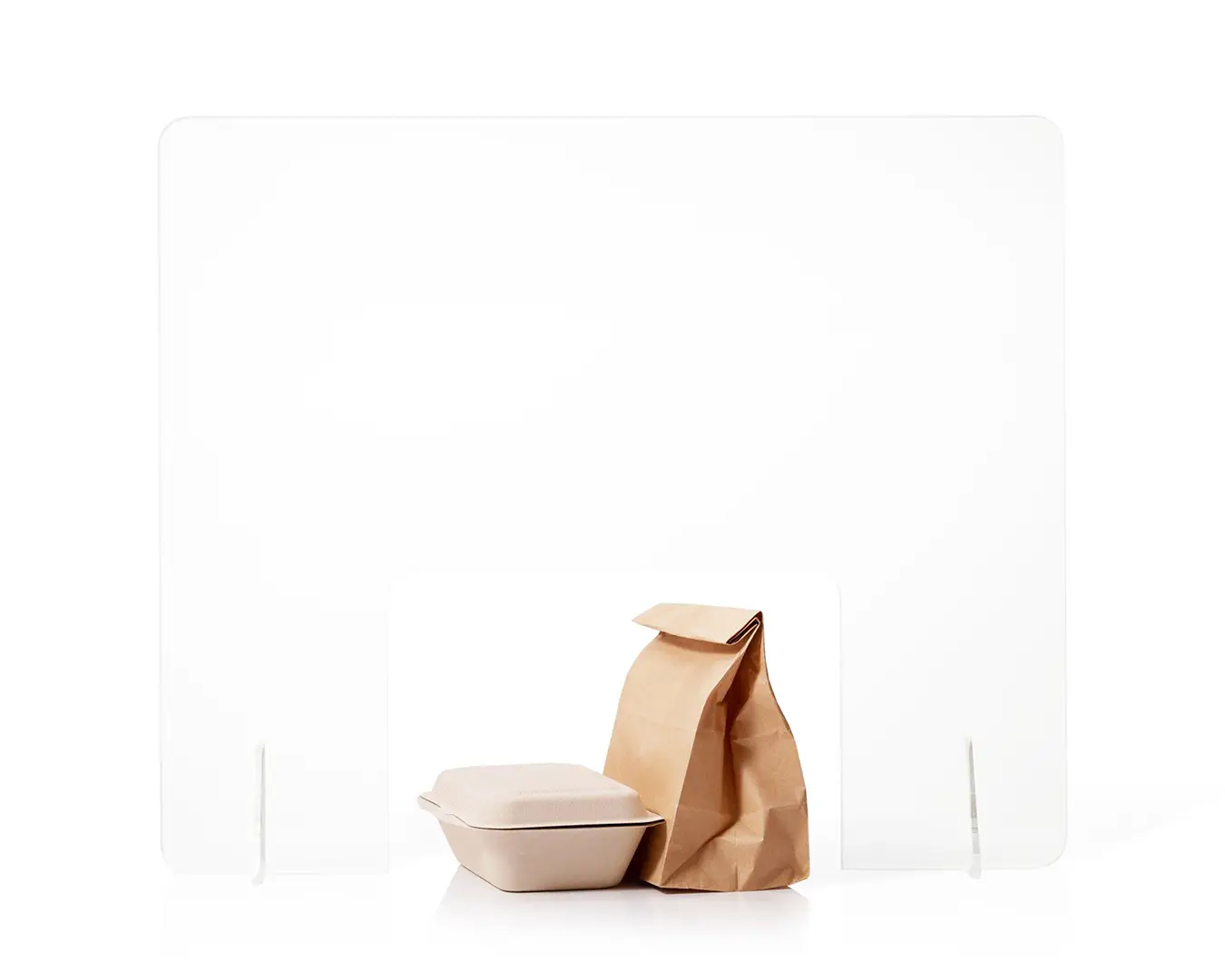
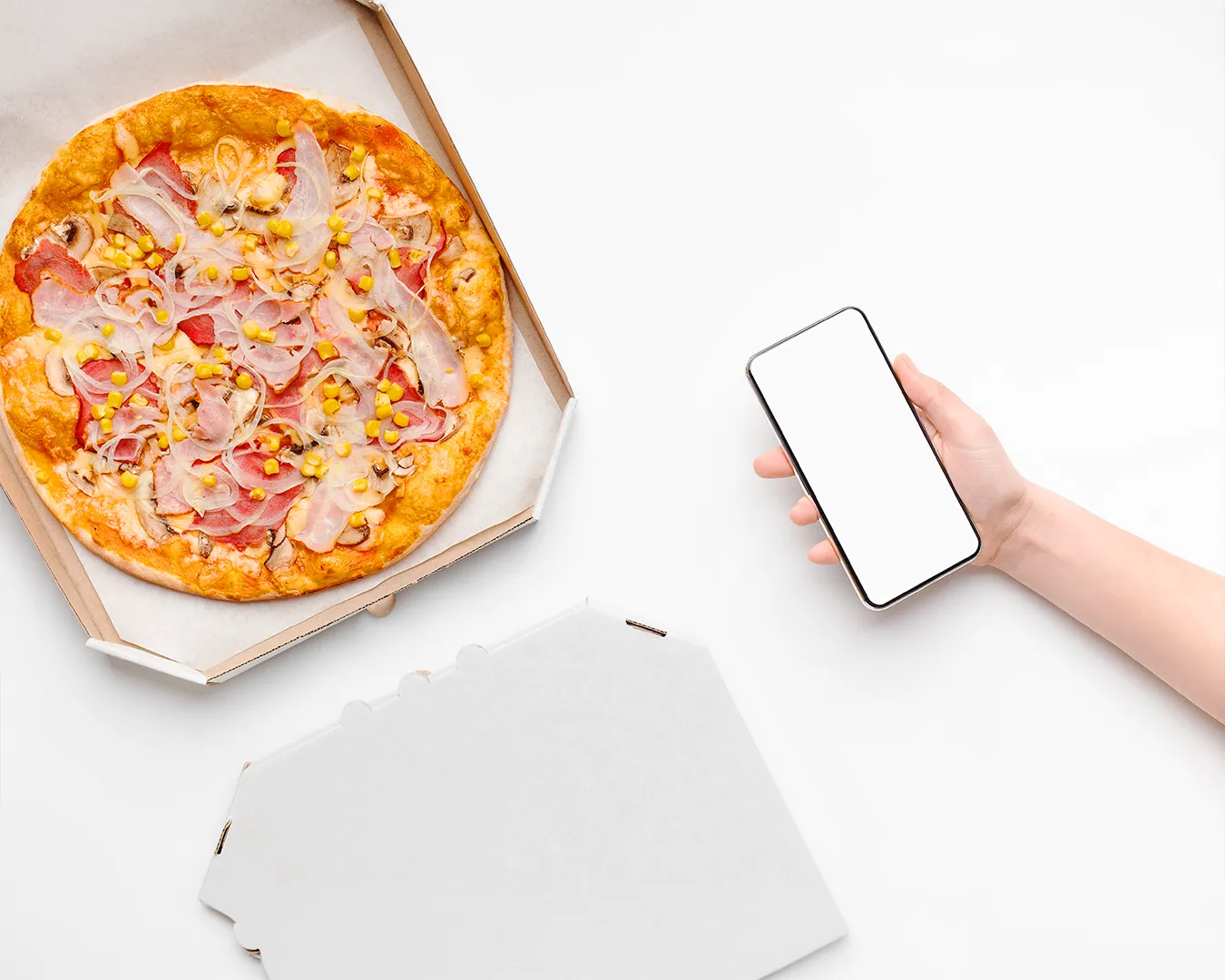
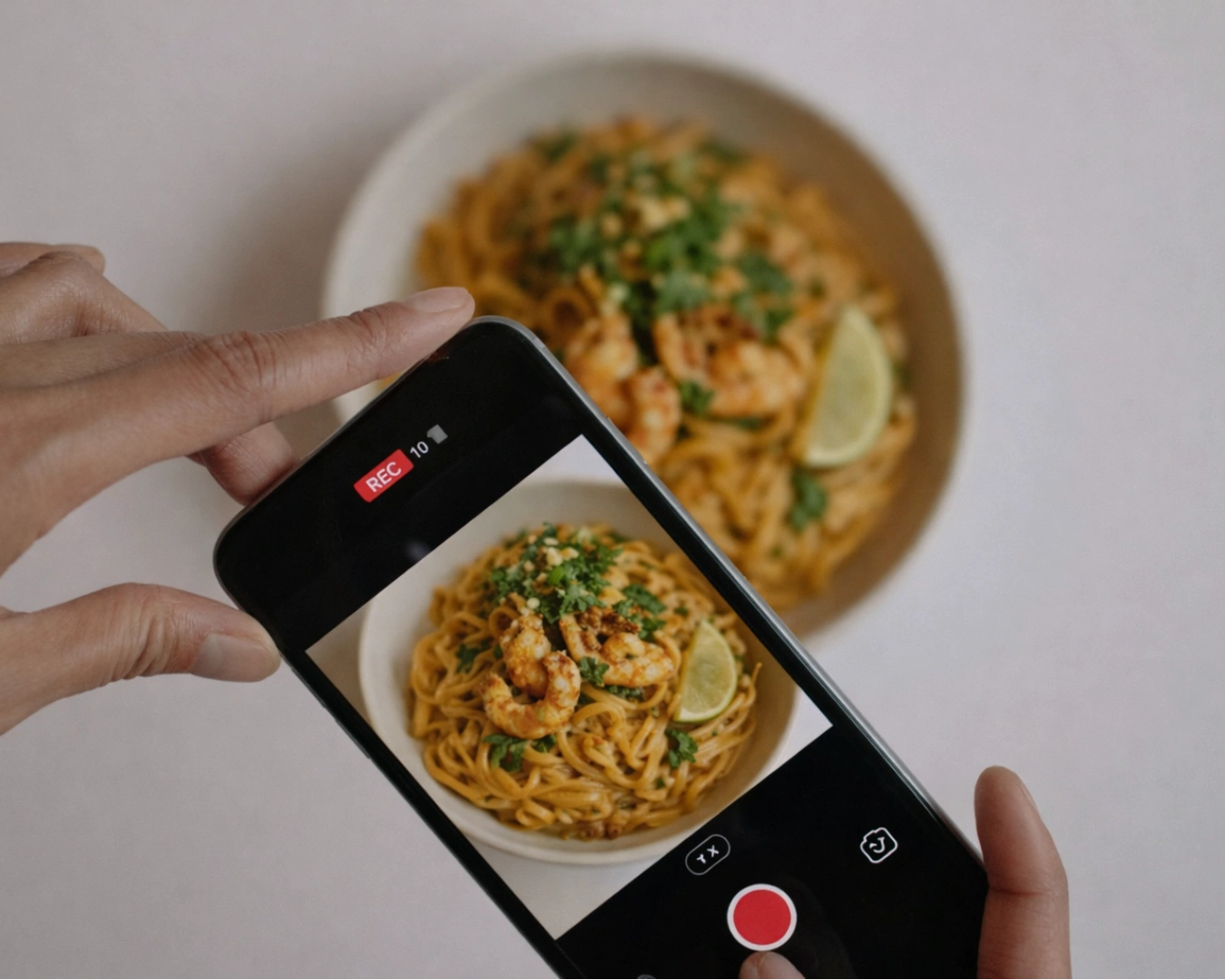
In a city where delivery and takeaway are staples, your brand must travel well. A standout branding example is packaging that feels like a gift rather than an afterthought. This does not mean expensive gold foil. It means thoughtful design where the containers fit perfectly in the bag, the napkins are high-quality, and the instructions for reheating are clear. When the brand experience remains intact even when the customer is eating at their office desk, you have succeeded in building a resilient identity that exists beyond your four walls.
Refining the Brand Pulse
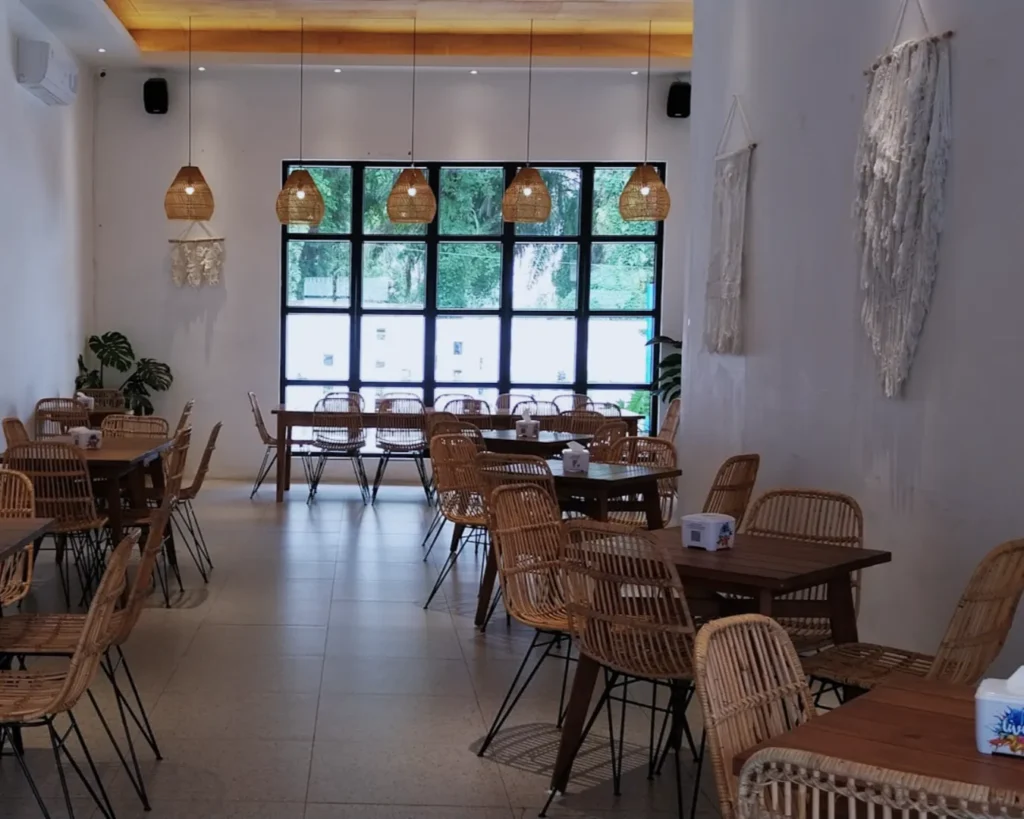
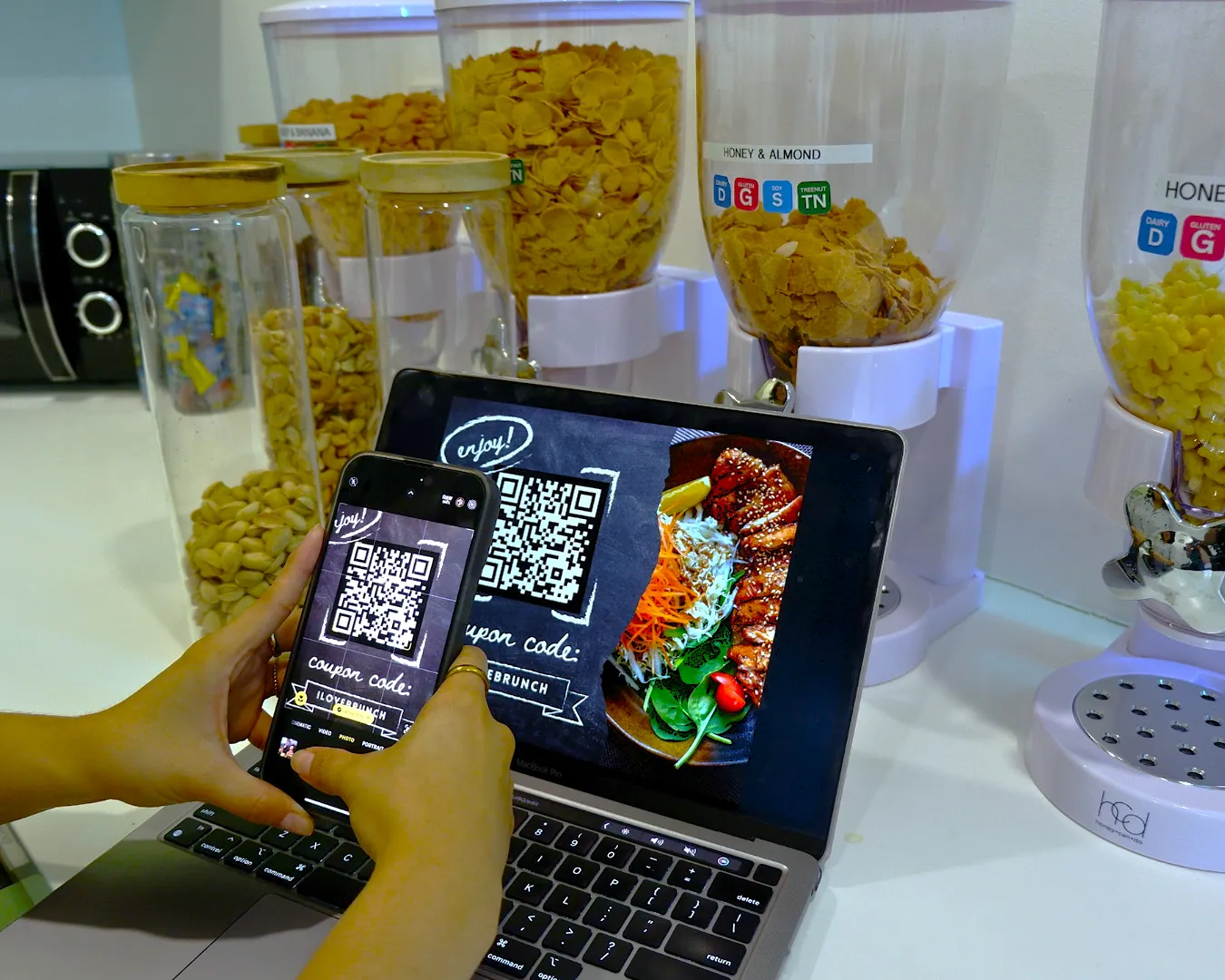
Take a walk through your dining room tomorrow during the pre-shift. Look at every item a guest touches, from the water glass to the bill folder. If these items don’t contribute to the specific story you are trying to tell, they are detracting from it. Branding is a continuous process of editing and refining, extending from your physical space to your online presence, including your website for restaurant bookings and information. It is never finished.
We can help you look at your current operation and identify where your brand is working and where it is failing. Let us perform a brand audit to see how your identity stacks up against the market. Together, we can find the clarity your business needs.