
Your food is excellent. Your interior looks like a Pinterest board. Yet, your tables are empty at 7:30 PM on a Tuesday. If you think a new logo or a fresh coat of paint will fix this, you’re likely about to waste fifty thousand dollars.
Most owners treat a rebrand like cosmetic surgery when the problem is actually a heart condition. Before hiring a designer or changing your signage, you need to address the structural cracks in your business. That’s where Atelier Creations comes in. We focus on more than just fonts and color palettes, we help you tackle the friction points you’ve been ignoring while managing the floor. Rebranding starts with fixing the foundation, not just the facade.
The Operational Debt Audit

A rebrand acts as a megaphone. It tells the world to come and look at what you have built. If your service is inconsistent or your kitchen is slow, a rebrand simply helps more people discover that you are not ready for them.
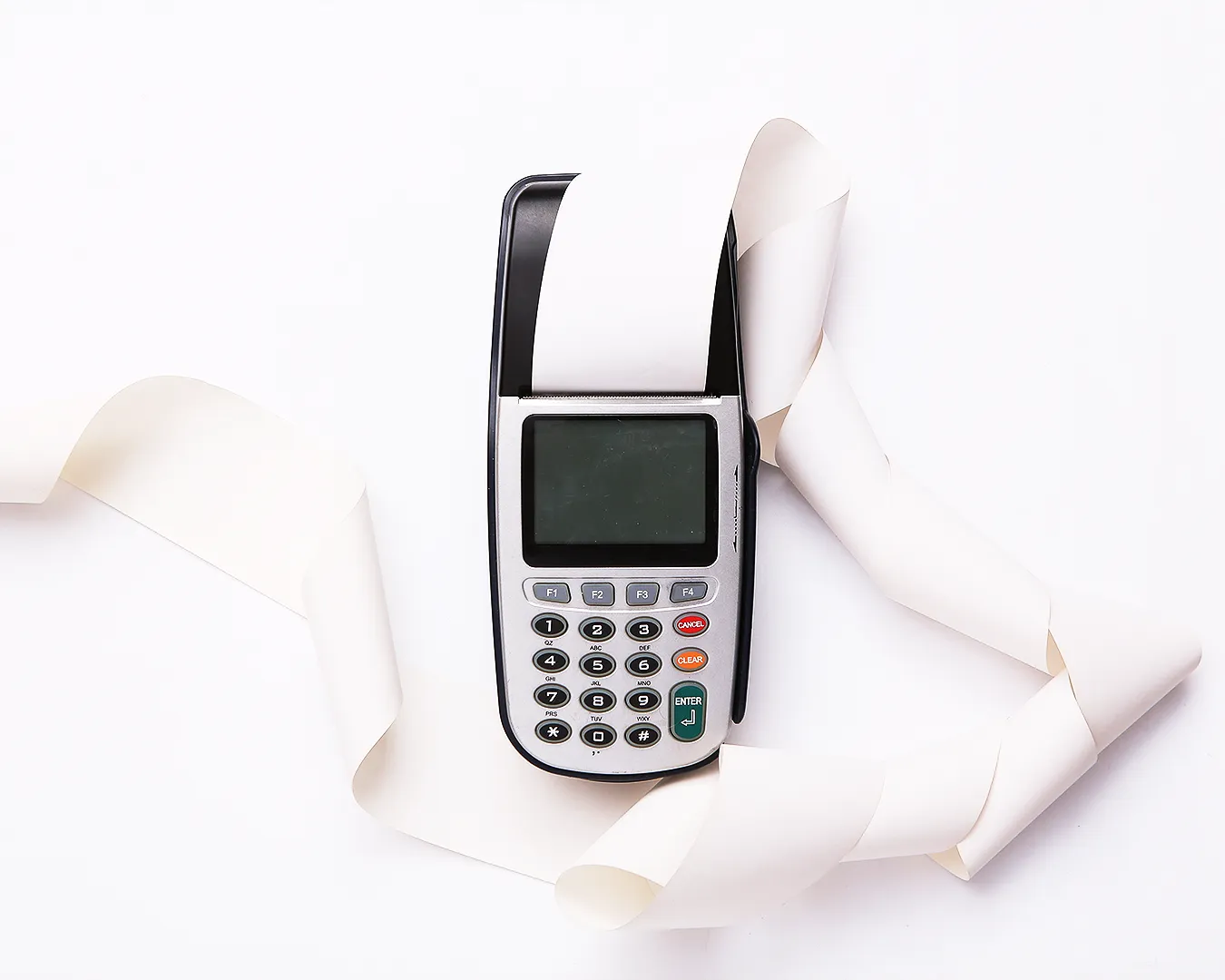
You cannot fix a leaky bucket by polishing the outside. Before committing to a new identity, audit your staff training and your kitchen’s ticket times. If your team cannot articulate what makes your brand special now, they will not do it better just because they are wearing a different uniform.
The Menu Paradox
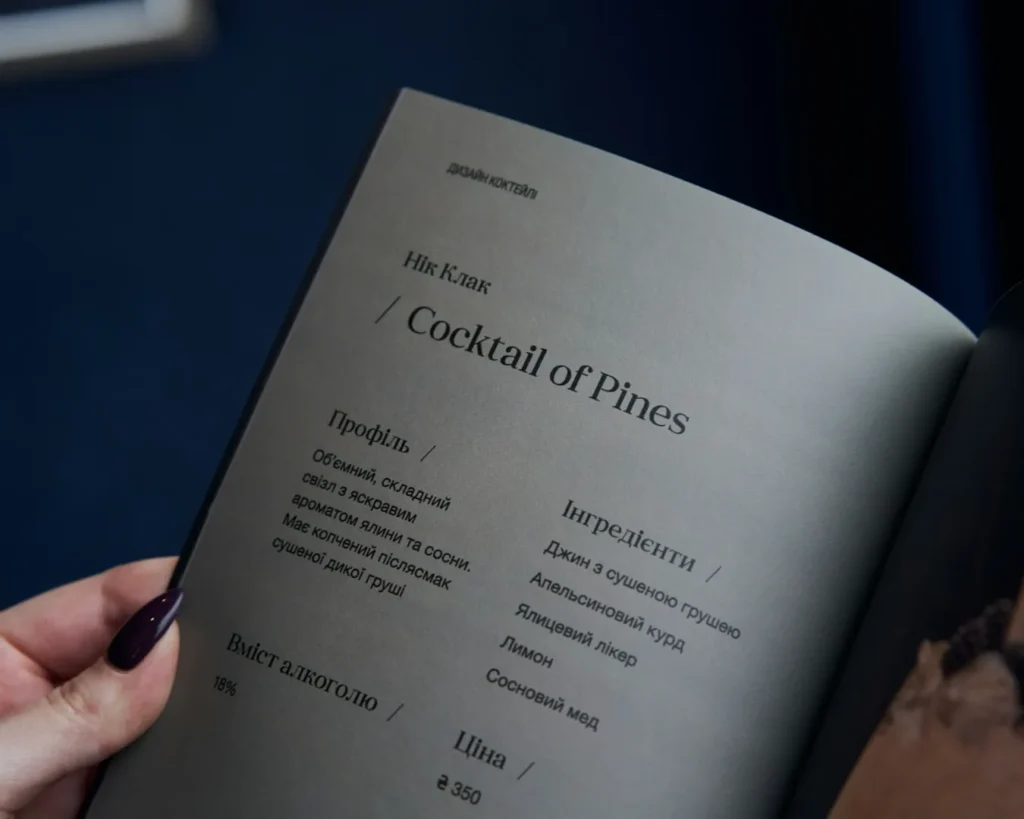
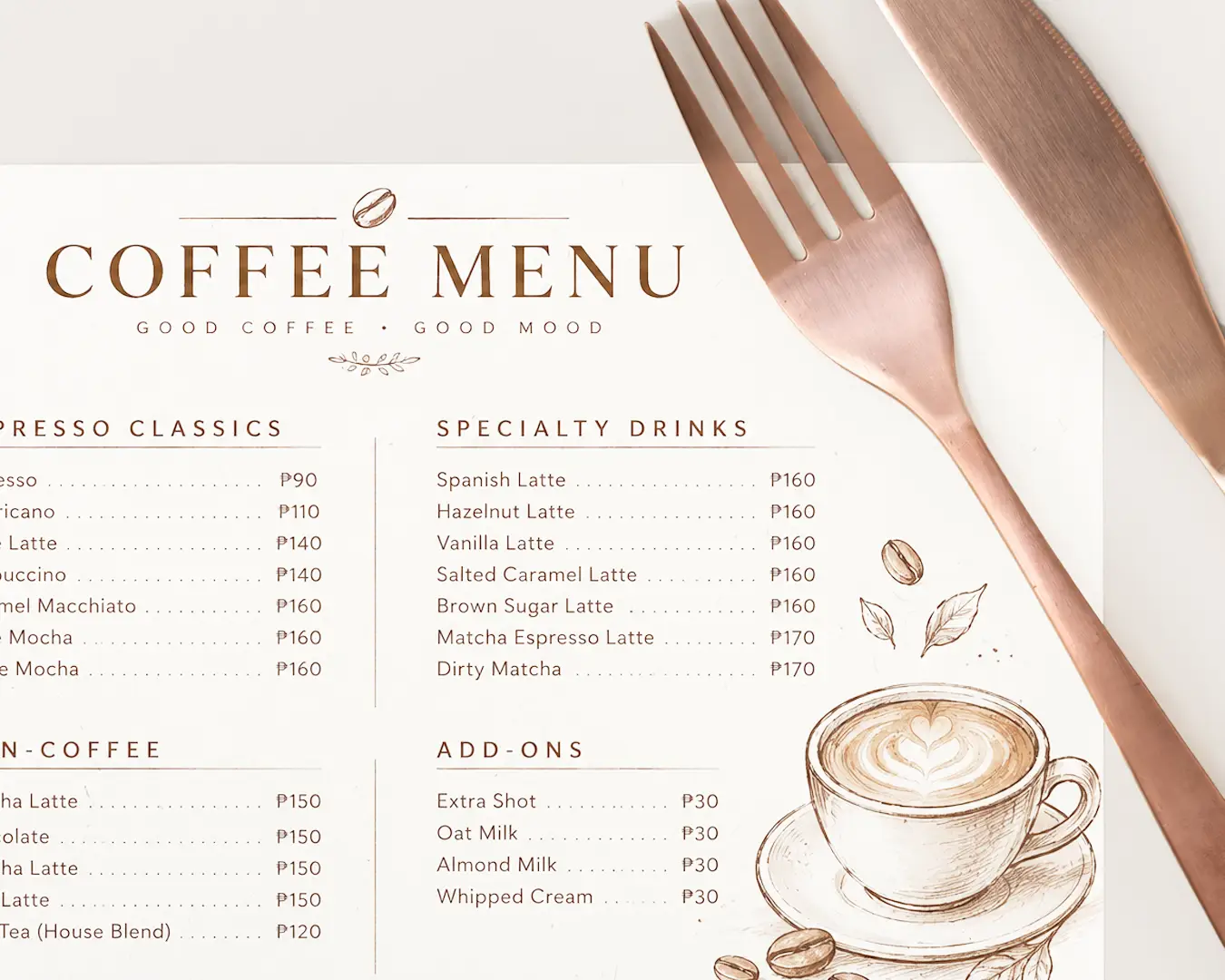
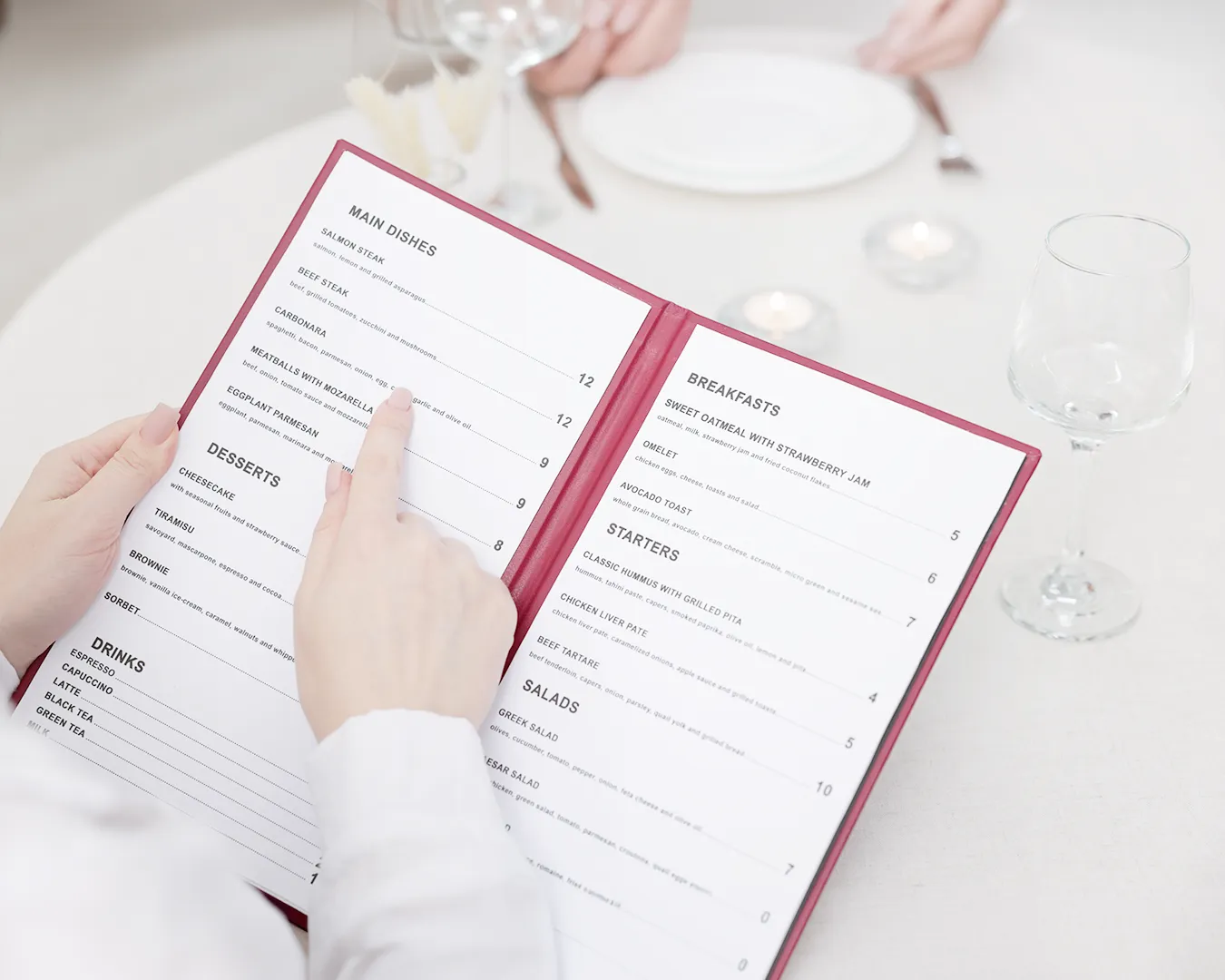
Look at your current menu. If it has twelve pages and tries to please everyone from the keto enthusiast to the pasta lover, your brand is already broken. In Singapore, specialization is the only path to high margins.
A common mistake in the rebranding a restaurant checklist is carrying over legacy dishes that no longer fit the vision. These “sacred cows” dilute your brand. You need to identify which 20 percent of your menu drives 80 percent of your revenue. If your top sellers do not align with your new brand direction, you have a product problem, not a marketing problem.
The Digital Disconnect

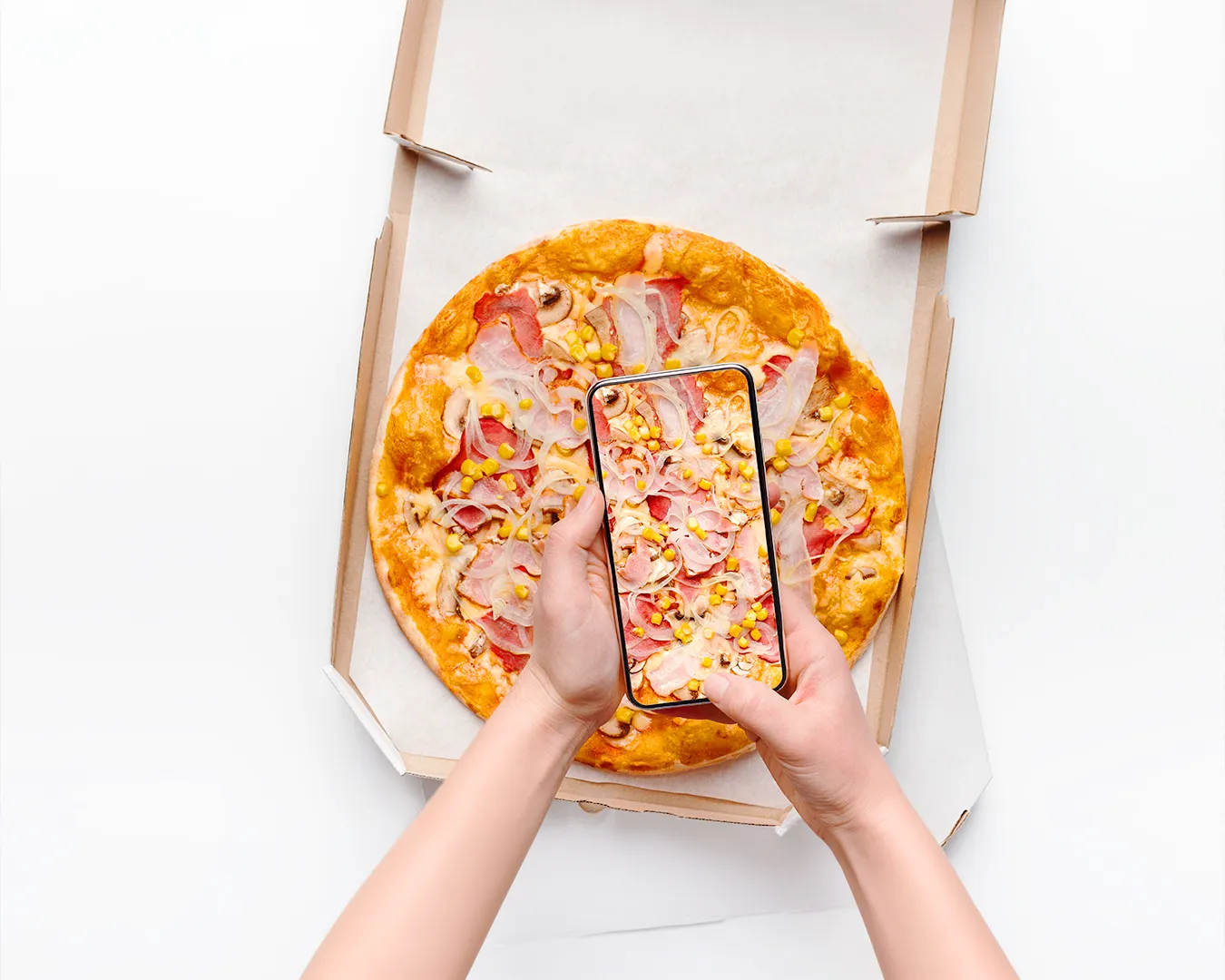
Owners often obsess over their physical space while their digital presence looks like a graveyard. Before you change your logo, check your Google Business Profile. Are the photos three years old? Is your menu PDF impossible to read on a mobile phone?
Your brand exists in the palm of a customer’s hand long before they step through your door. If your online information is inaccurate, a new visual identity will only frustrate people. Ensure your operational basics like opening hours, reservation links, and location tags are flawless. This is the foundation of any successful Singapore F&B brand strategy.
The Ghost of Competitors Past
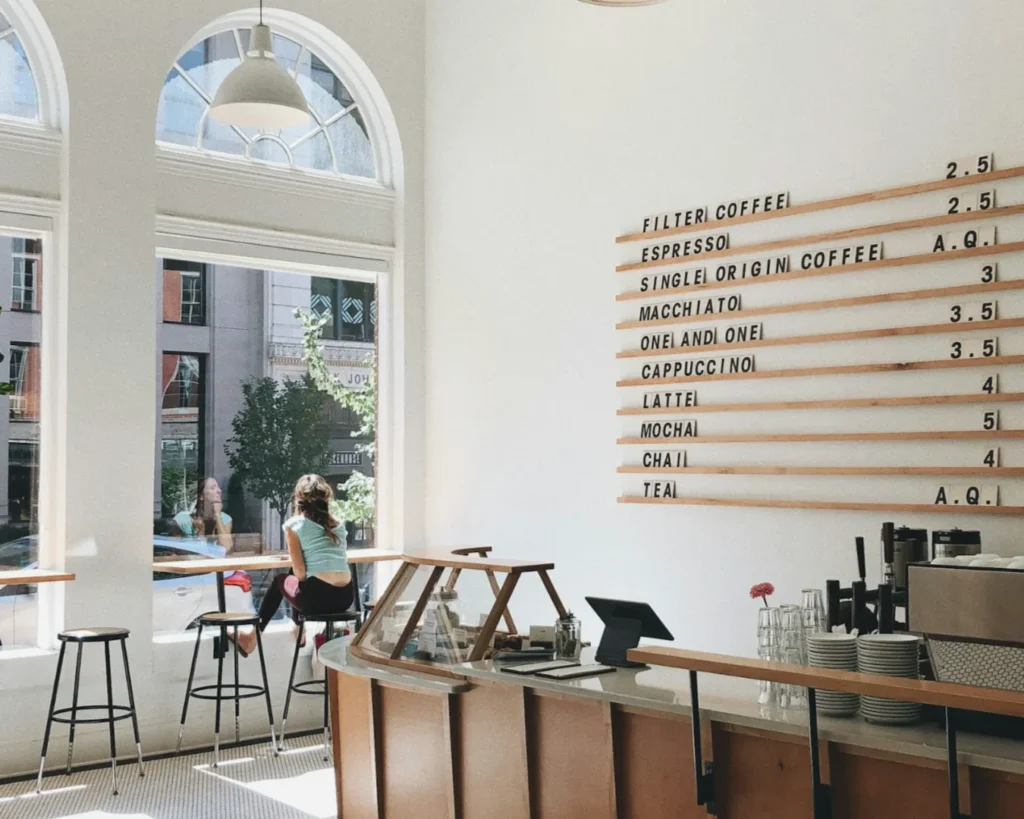
Stop looking at what the cafe next door is doing. Many owners rebrand because they feel “dated” compared to a new competitor. This is a reactive trap.
Instead, look at your regulars. Ask them why they come back. Often, the thing owners want to change is the very thing their loyalists value most. If you strip away the soul of the restaurant to chase a trend, you lose your base without a guarantee of winning a new one. True customer touchpoint analysis reveals that consistency often beats novelty.
Execution Over Theory
A rebrand is not a solution. It is a commitment. It requires you to live up to a new promise every single day. If you are not prepared to change how you hire, how you cook, and how you greet guests, stay as you are.
Fix the friction. Tighten the operations. Then, and only then, tell the world you have changed.