
Most restaurant owners either spend too little and wonder why nobody comes in, or spend too much and have no idea if it worked. Neither is a marketing strategy. It is just noise with a price tag.
So here is the real question: does your digital marketing budget reflect what your business actually needs, or is it just a number you picked because it felt safe? This is especially important in restaurant marketing Singapore, where competition is fierce and targeted spending can make all the difference.
Your Business Objectives Should Set the Number, Not the Other Way Around

The most common mistake in marketing budget allocation is working backwards from comfort. An owner decides on a number first, then tries to make it work. Flip that logic.
Start with your marketing goals and business development objectives. Are you launching a new outlet? Rebuilding after a rebrand? Trying to recover lunch footfall? Each scenario demands a different level of marketing spend and a different marketing channels mix.
A general industry benchmark for F&B is between 3% and 6% of monthly revenue allocated to digital marketing. Newer concepts or those in high-competition areas should lean toward the upper end. Established names with strong word-of-mouth and proven ROI can sometimes hold the lower end, but only if their owned media and digital channels are already performing.
Budget Allocation Across the Right Digital Channels
Not every platform deserves equal funding. Your marketing budget allocation based on past marketing performance and current marketing goals should guide where you allocate resources.
A practical split for most Singapore restaurants looks something like this:
Social media ads (Meta platforms): 35–40%. This is where brand building and discovery happen. Reels, targeted paid ads, and consistent community management build brand awareness and keep you top-of-mind for potential customers
Google Ads and paid search: 20–25%. Capture intent in the sales funnel. Someone searching “Japanese omakase Singapore” is already in your sales cycle. Do not let a competitor take that click.
Content marketing and search engine optimization: 15–20%. Slower to show returns, but it compounds. Good content improves conversion rates over time and reduces dependence on paid campaigns.
Influencer marketing: 10–15%. Works best for new openings or menu launches. Track actual reach and reservation uplift, not just likes.
Email marketing and loyalty programs: 5–10%. Often underused in F&B. High customer lifetime value comes from repeat visits, not just first ones.
To deepen your understanding of nurturing repeat business and enhancing customer engagement beyond initial visits, explore effective communication strategies like text message marketing. This approach can significantly boost repeat customer rates. For practical insights, read our article, Are These Restaurant Text Message Marketing Examples the Secret to More Repeat Customers? It complements your digital marketing budget strategy by showing how targeted messaging maximizes customer value.
The Customer Journey Does Not Start at the Door

One thing worth understanding is the full marketing funnel and customer journey. A diner might discover you through a social media ad, read your Google reviews, check your Instagram before deciding, then finally book. Every touchpoint in those digital marketing activities has a cost and a role.
This is why you cannot optimise in isolation. Wasted spend usually happens when restaurants fund one channel heavily while ignoring the rest of the path. A well-designed landing page matters. So does your Google Business profile. So does what happens after the meal, whether you collect feedback, run a follow-up, or do nothing.
Allocate Budget Wisely: Track, Adjust, Repeat
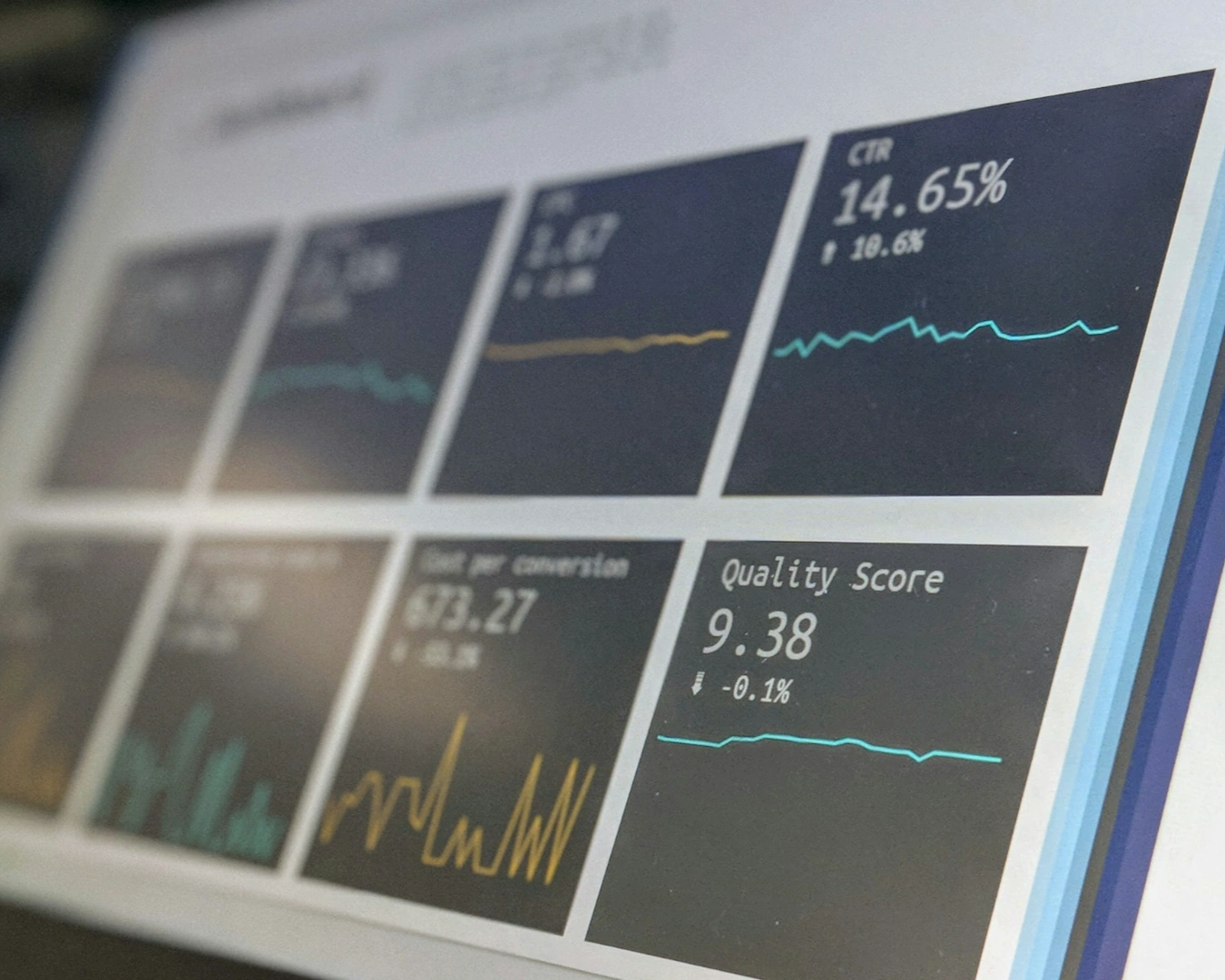
Set your realistic marketing budget, then measure it. Use analytics tools like Google Analytics or social media insights to understand campaign performance. Look at customer acquisition cost against customer lifetime value. If it costs you $30 to acquire a customer who spends $200 across three visits, that is a healthy return on investment (ROI). If you are spending $80 to acquire a one-time $40 table, something needs to change.
Data-driven decisions are not complicated. They just require the discipline to look at key metrics regularly and act on them.
Managing Your Data-Driven Decisions

There is no perfect number. There is only the right number for your stage, your target market, and your growth targets. What matters is that you allocate funds with intention, not instinct.
If you are unsure where to start, let us take a step back together. A quiet review of your current digital presence, your total budget based on actual spend, what you are spending, what is performing, and what is being left on the table, is often all it takes to find clarity. Incorporating industry insights and industry trends can help you align your marketing efforts with your market position and success criteria.
Atelier Creations works with Singapore F&B brands to turn marketing budget allocation into measurable campaign performance. By analyzing past performance and performance patterns, we identify high performing channels and optimize your marketing campaigns to generate leads and improve campaign performance. Our budget based approach ensures better ROI while integrating ad creatives and display advertising strategies tailored for your brand.