Most restaurant owners think an online ordering system is about convenience. It is not. It is about ownership.
Every order placed through a third-party platform hands over something you cannot easily get back: the customer relationship. The name, the number, the order history, the preferences. Gone the moment the transaction clears. You cooked the food. Someone else kept the data.
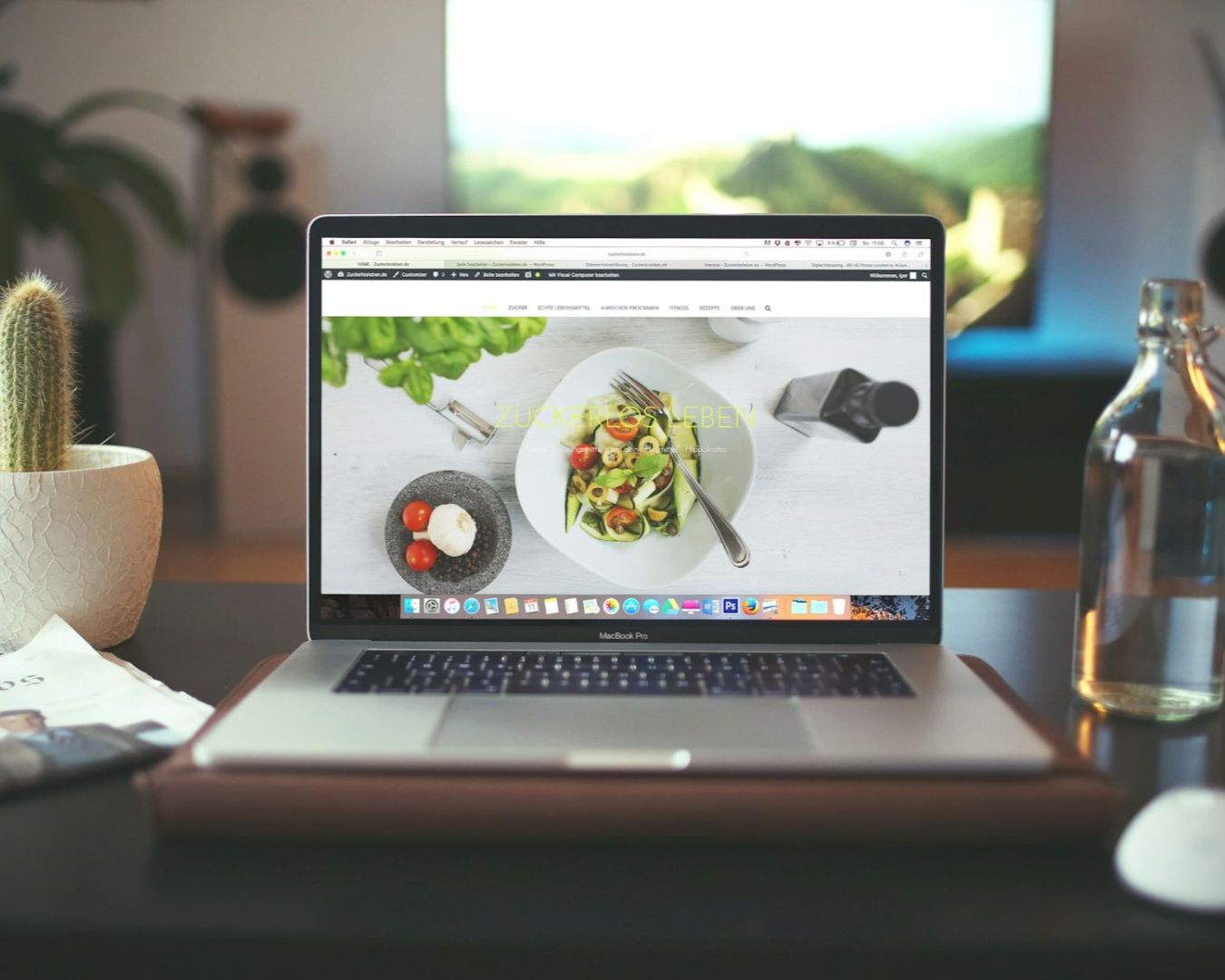
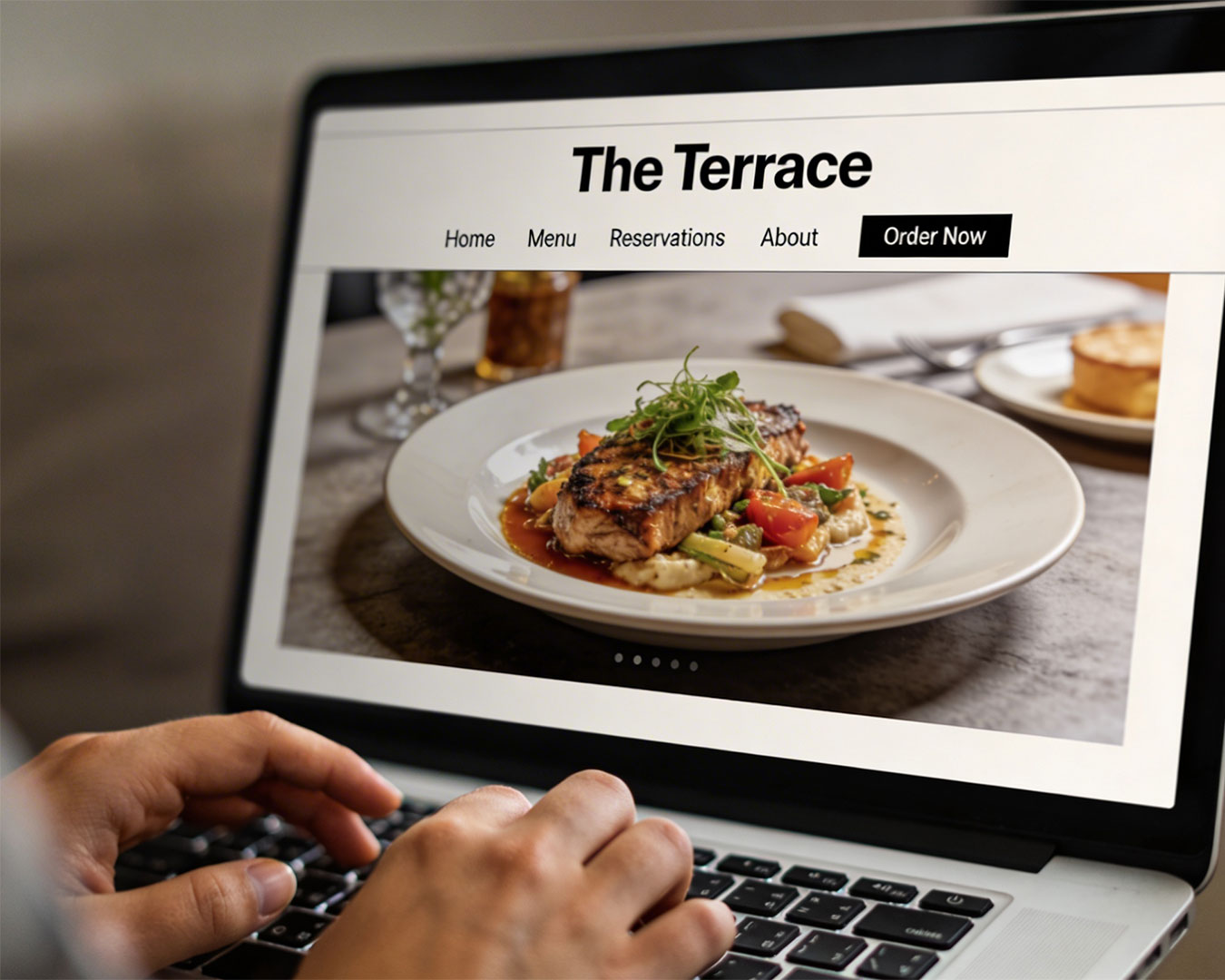
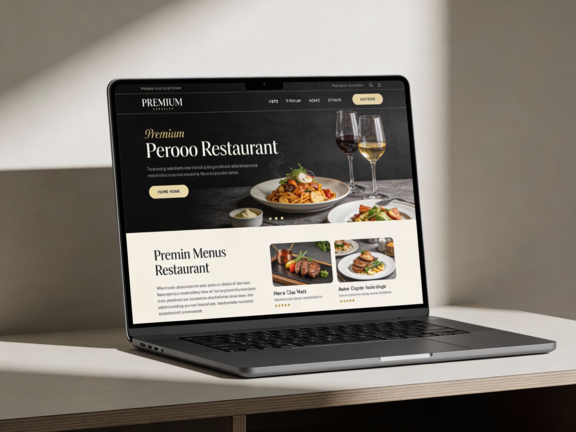
That is the real reason a restaurant online ordering setup matters in 2026. Not because it looks modern. Because it determines who actually owns your customers and who controls the online transactions. Building a website for restaurant linked to online ordering is a crucial step in reclaiming this ownership and establishing a direct connection with your diners.
Why Restaurant Online Ordering Has Changed the Rules

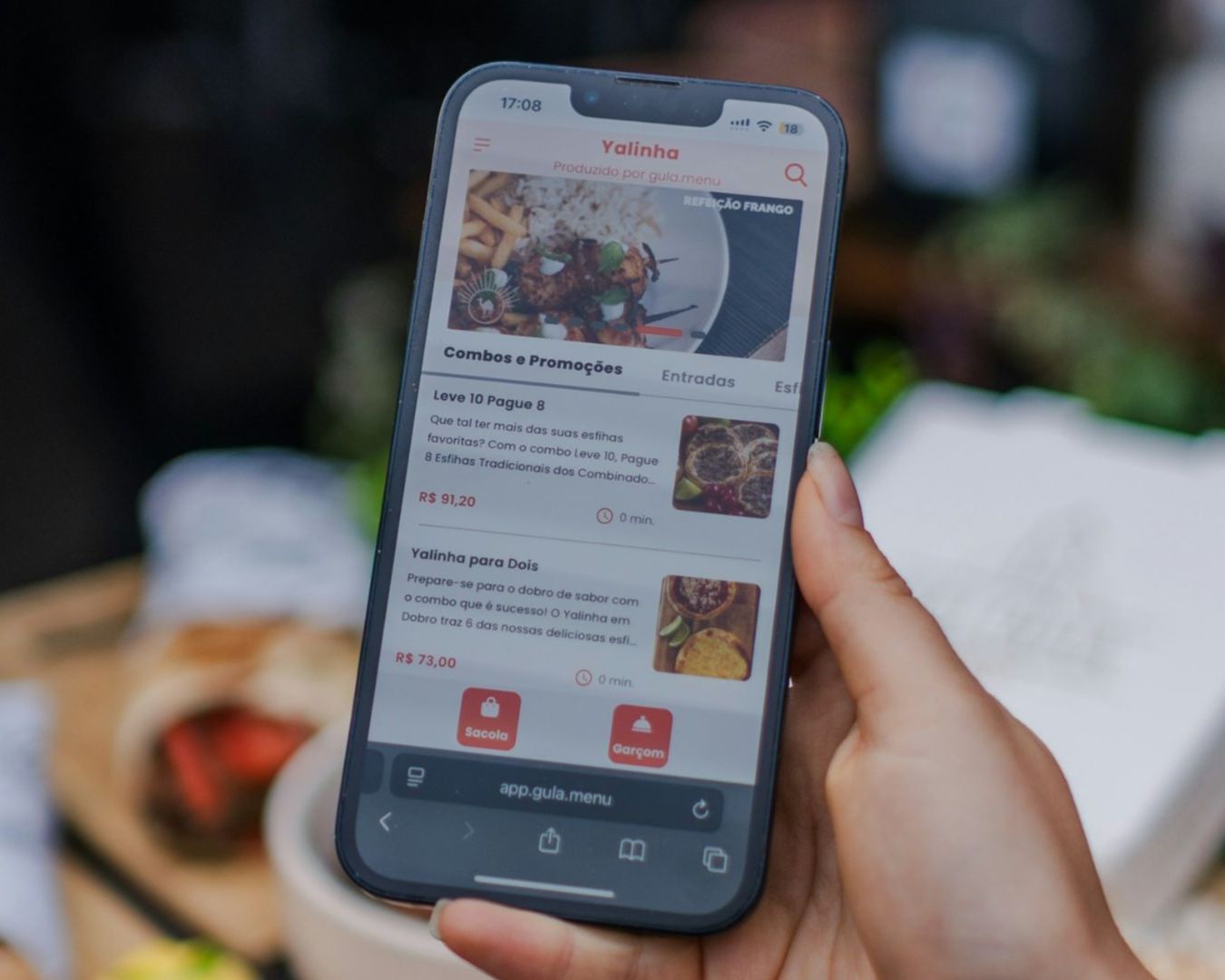
A decade ago, restaurant online ordering meant choosing a delivery app and hoping for visibility. Today, changing consumer behaviors have pushed diners toward online food ordering directly from a brand’s own website, especially for pickup and dine-in pre-orders. Independent restaurants who built a direct online ordering system early are now sitting on something valuable: direct access to a list of repeat customers they can talk to, market to, and reward without paying a commission on every single order.
This is not a trend piece. It is operational math. Commission fees on third-party platforms routinely eat into profit margins by 20 to 30 percent. A direct online food ordering system removes that tax permanently and can significantly increase revenue.
What an Online Ordering Platform Actually Needs
Strip away the marketing language and an online ordering platform needs to do five things well to serve customers effectively and streamline operations.
Seamless POS systems integration. Orders should flow straight into your existing POS and kitchen display system without a staff member retyping anything. Manual entry is where human error creeps in, and human error is where customer satisfaction quietly erodes.
Multiple payment integration options. Cards, digital wallets, and whatever your customer base prefers locally. Friction at checkout costs you orders you already won. Secure payment processing is essential to build trust and allow customers to complete their orders confidently.
Clear order tracking and order confirmation, so customers are not left guessing whether their order went through. Real-time order tracking is an essential feature that keeps customers happy and encourages repeat orders.
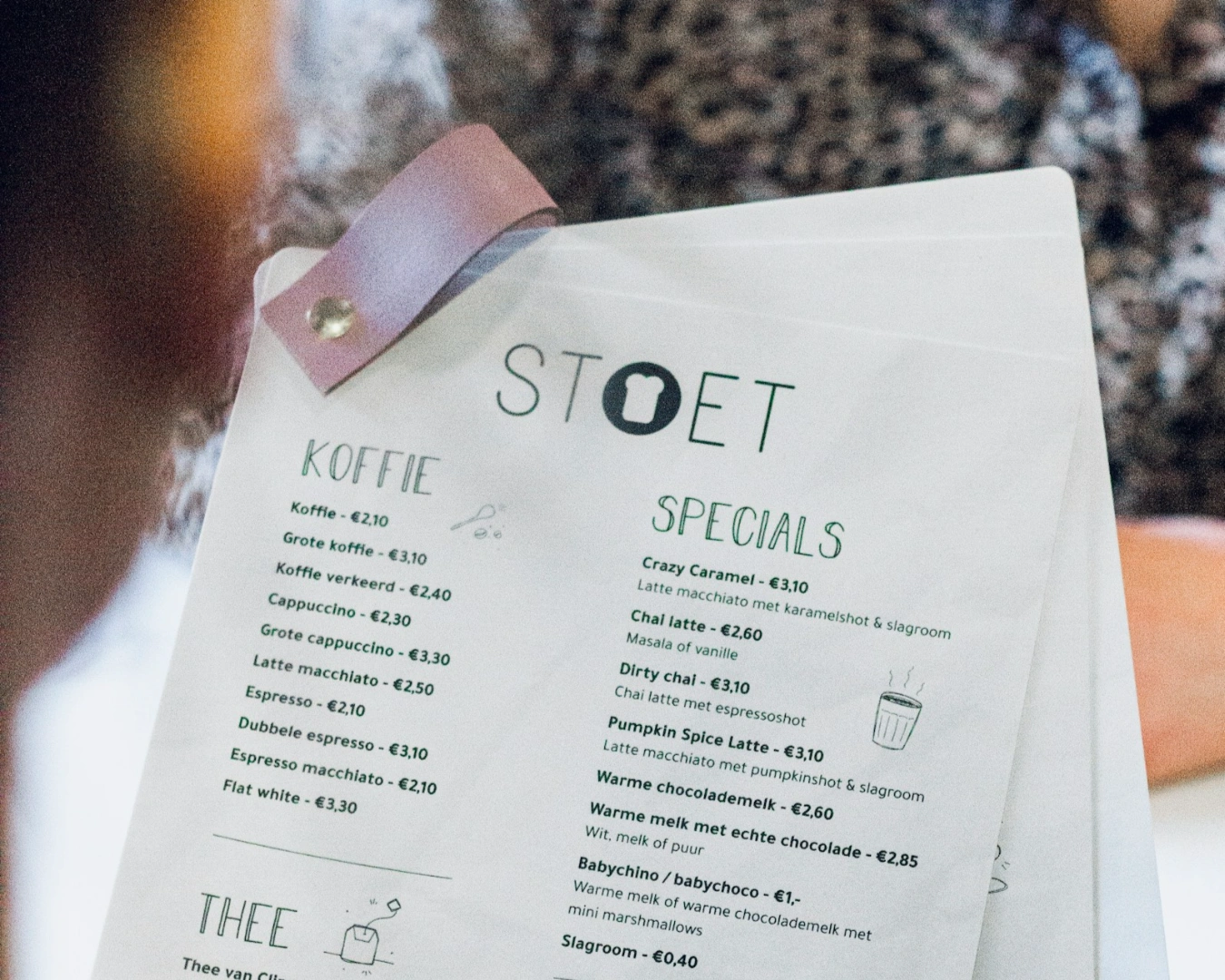
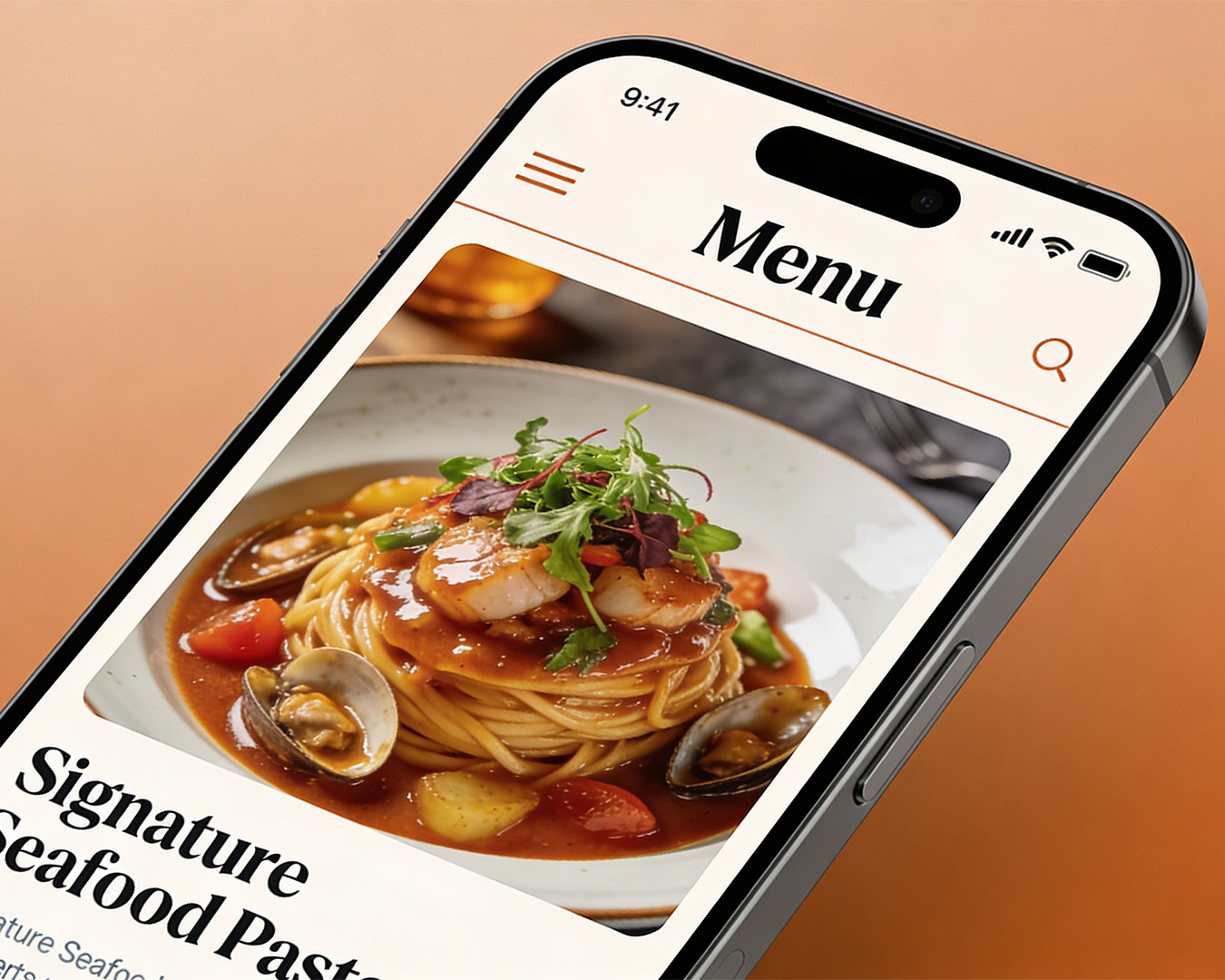
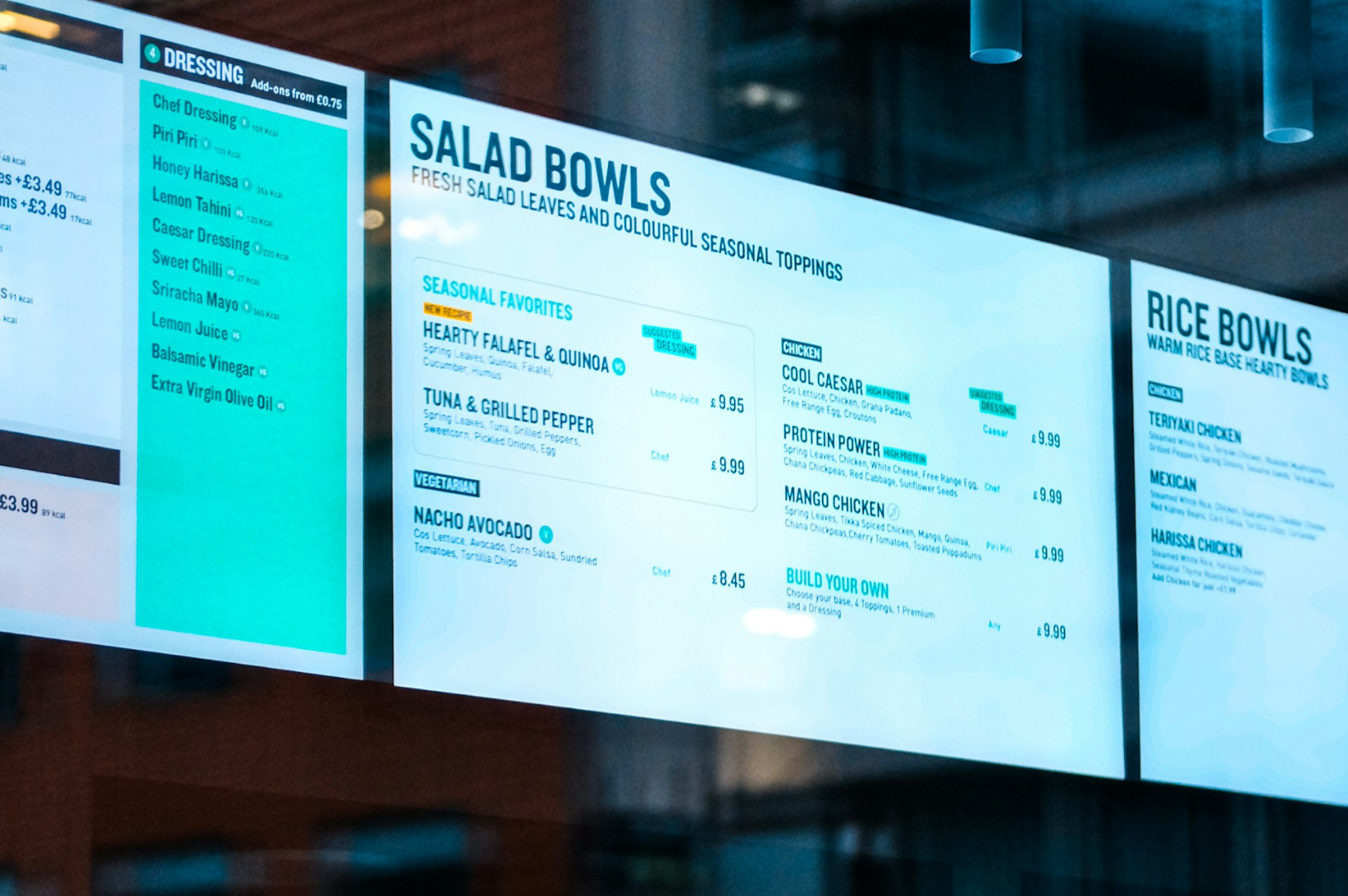
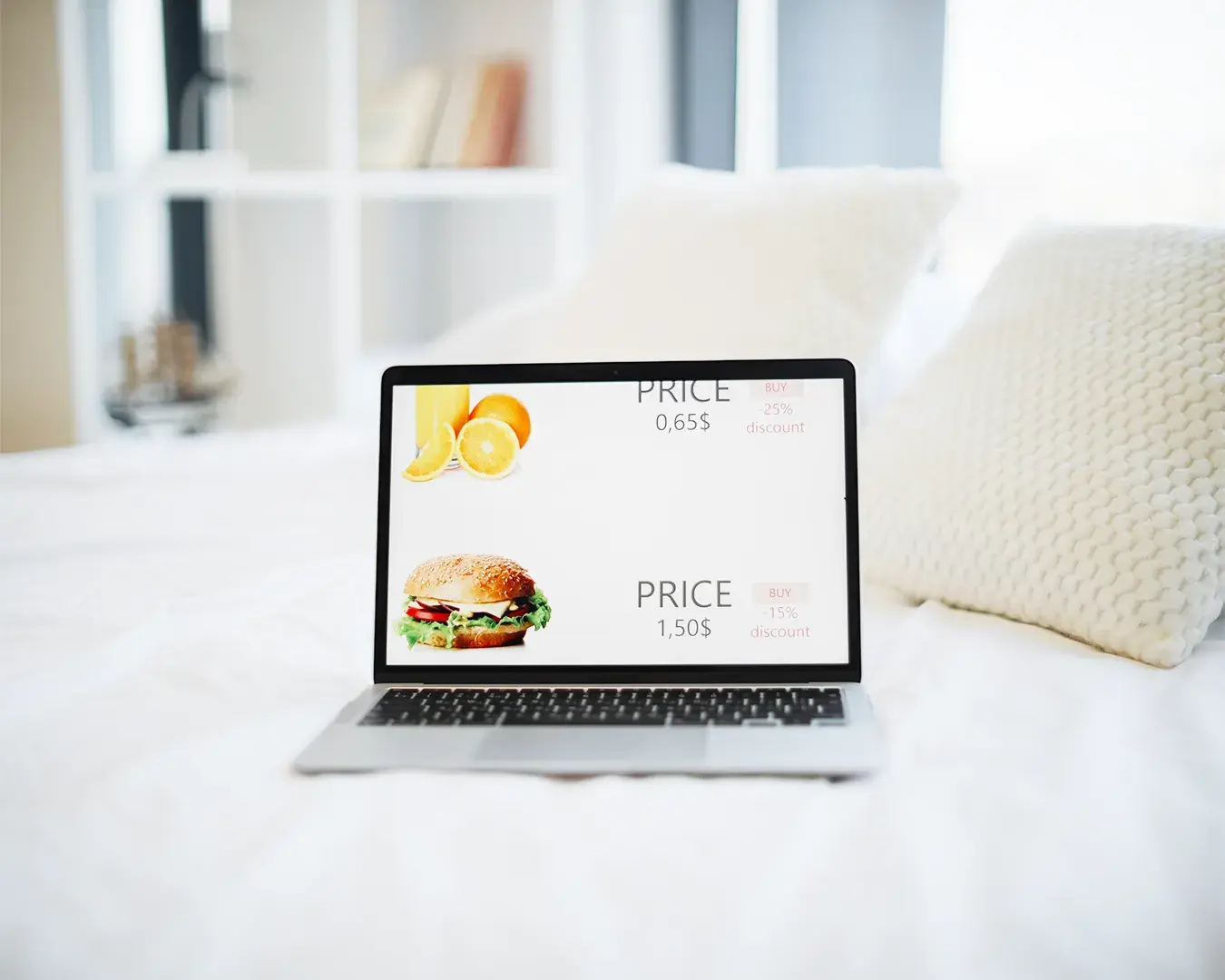
Simple menu management, so price changes, sold-out items, or new specials can be updated in minutes, not days. Optimizing menus for online ordering includes providing clear descriptions and high-quality images of online food to encourage customers to choose more items.
Transparent pricing with no hidden markups passed on to the diner. Customers notice when a direct ordering platform is more expensive than the app they already use. That defeats the purpose.
Additionally, defining delivery zones and managing delivery times accurately are critical to ensure customers order within your service area and receive their food promptly. Delivery management tools that optimize routes can reduce delivery times and improve customer satisfaction.
You might be interested in reading Website for Restaurant Brands: What Your Website Should Actually Do.
Building Customer Experience and Brand Visibility Around Direct Ordering

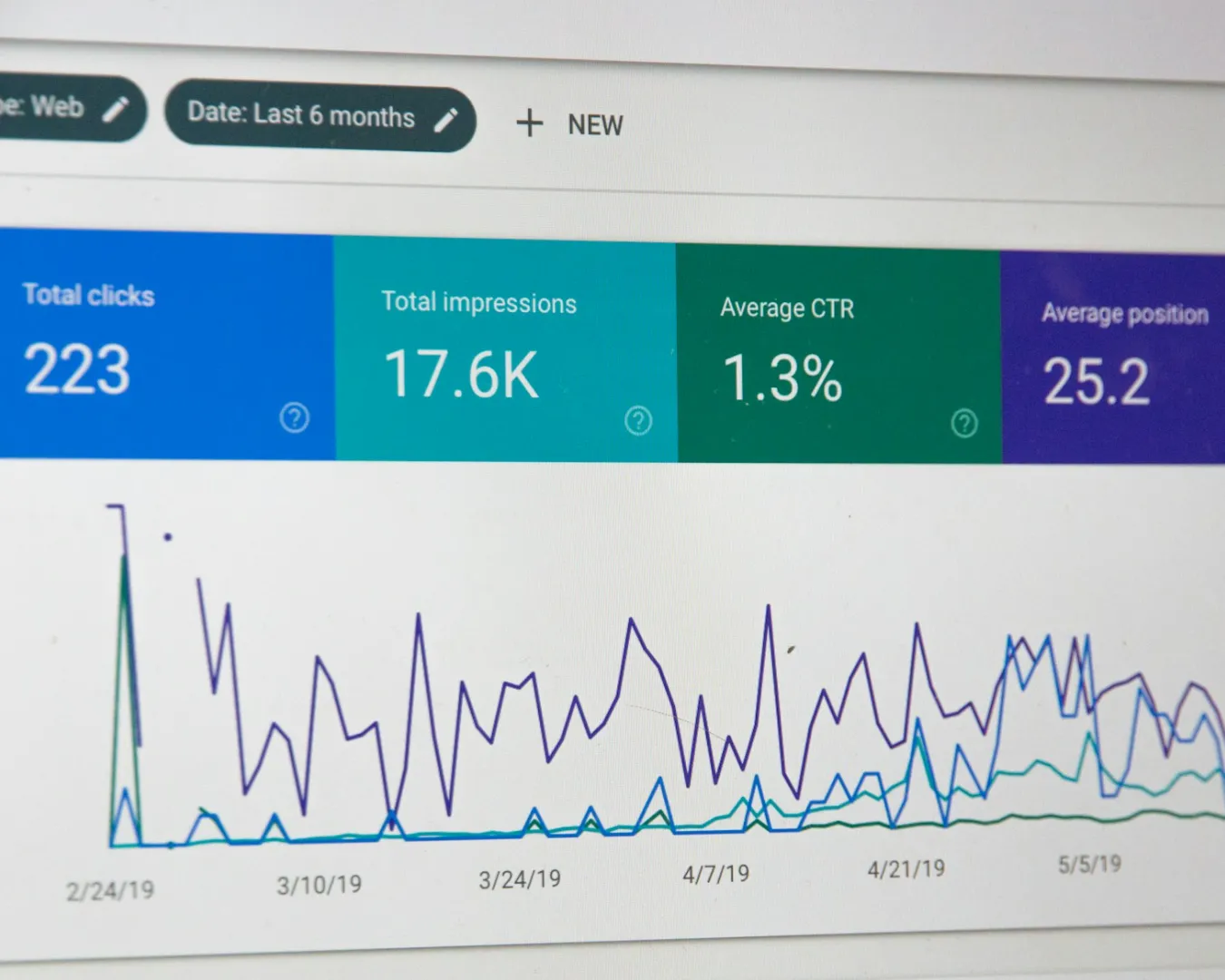
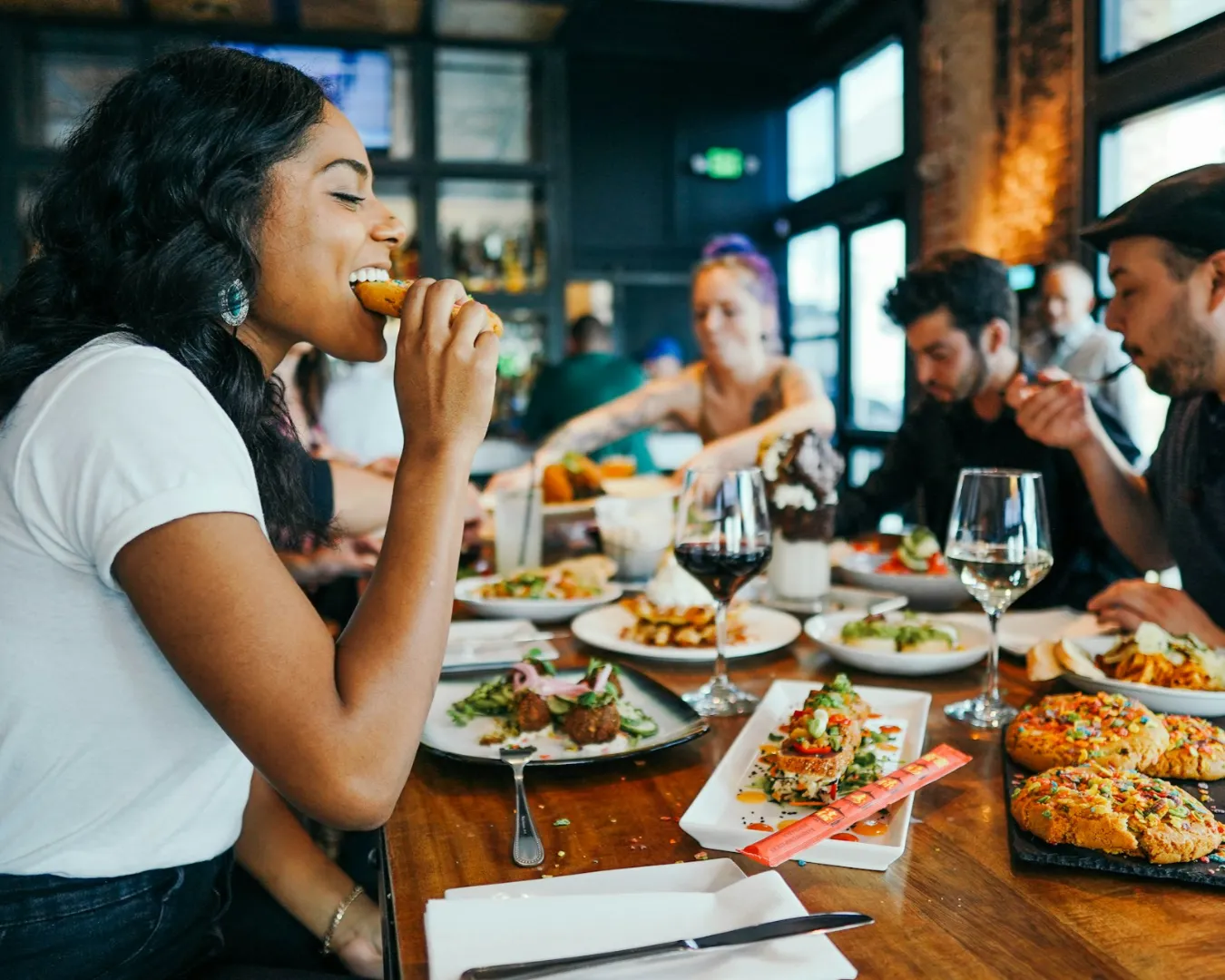
A good restaurant online ordering system is also a quiet engine for brand visibility. Every order confirmation, every receipt, every email is a chance to reinforce who you are, not who delivered the food. Pair this with your Google Business Profile and social media platforms carrying high-quality photos of the menu, and you create a consistent path back to your own website rather than a marketplace listing you do not control.
This is also where customer loyalty programs earn their keep. With customer data sitting in your own system, restaurant owners can track sales trends, spot repeat customers, and run marketing campaigns that actually reflect customer preferences, not generic discounts blasted to everyone. These essential features encourage customers to order directly from you again and again, building repeat business and increasing lifetime customer value.
How to Create Online Ordering Without the Guesswork
You do not need to rebuild your entire operation overnight. Start with test orders on a soft launch before pushing it live across website banners and social channels. Confirm payment processing works cleanly and that the system handles online transactions securely. Confirm the kitchen display system receives orders the same way every time. Then expand ordering channels gradually: web first, then app, then in-store QR codes.
Done properly, this setup does not just attract more customers. It builds the kind of operational efficiency that saves time daily and supports steady revenue growth over the following quarters. Streamline operations by integrating your online ordering software with your POS systems to reduce errors and speed up order fulfillment.
Attract Customers with a Calmer Online Ordering System

None of this requires a complete guide rewrite of your business. It requires one restaurant online ordering system that gives you full control instead of limited control, and a clear view of who your customers actually are.
If you are unsure whether your current setup is helping or quietly costing you, Atelier Creations is happy to walk through it together. A short, no-pressure review of your digital ordering presence is often enough to see where the gaps sit, and what is worth fixing first.
Implementing an online food ordering system that offers seamless integration, payment integration, and delivery management will help you serve customers better, encourage customers to order more frequently, and ultimately significantly increase revenue for your restaurant. Allowing customers direct access to your brand and online ordering platform is the key to winning back control in a competitive market.