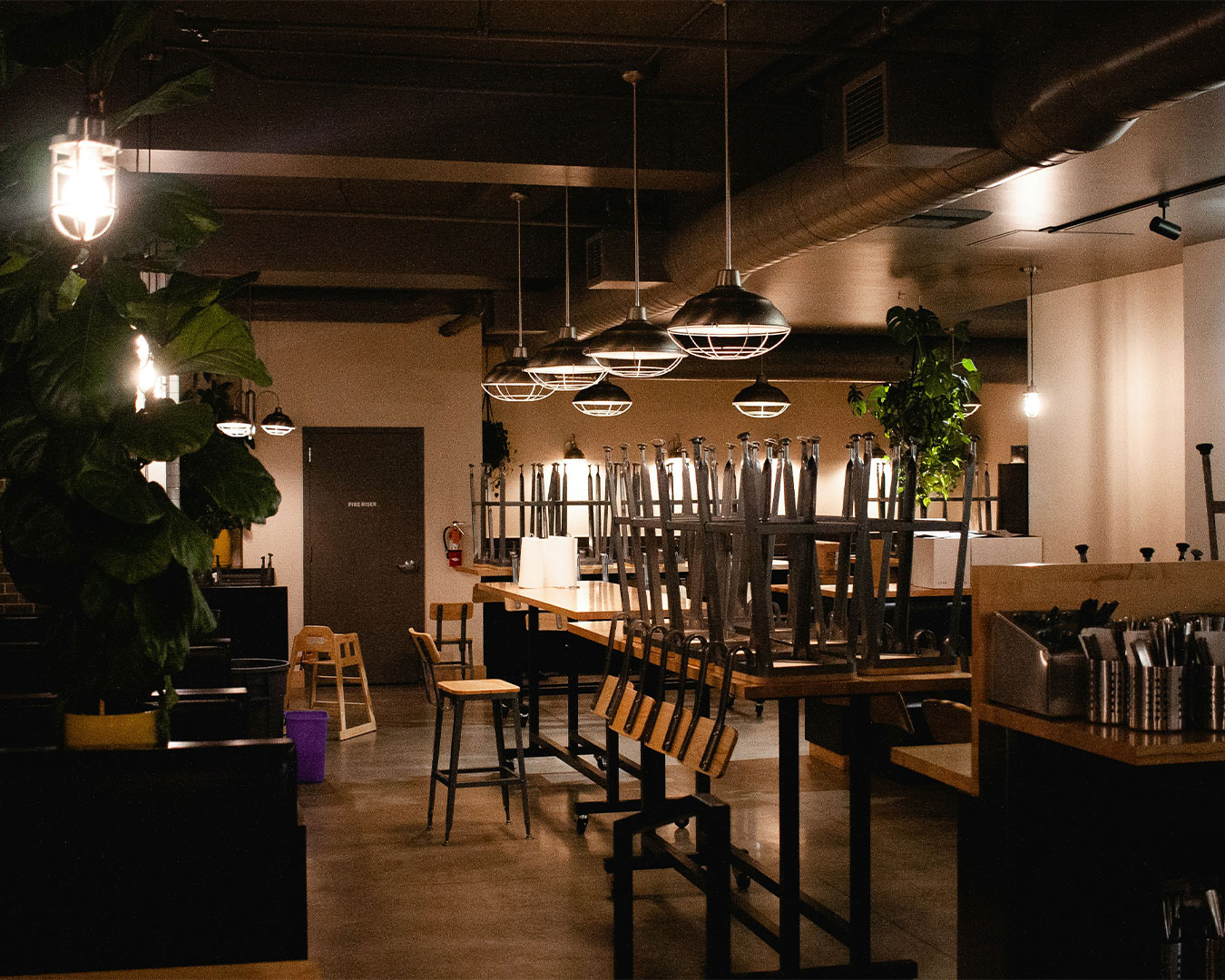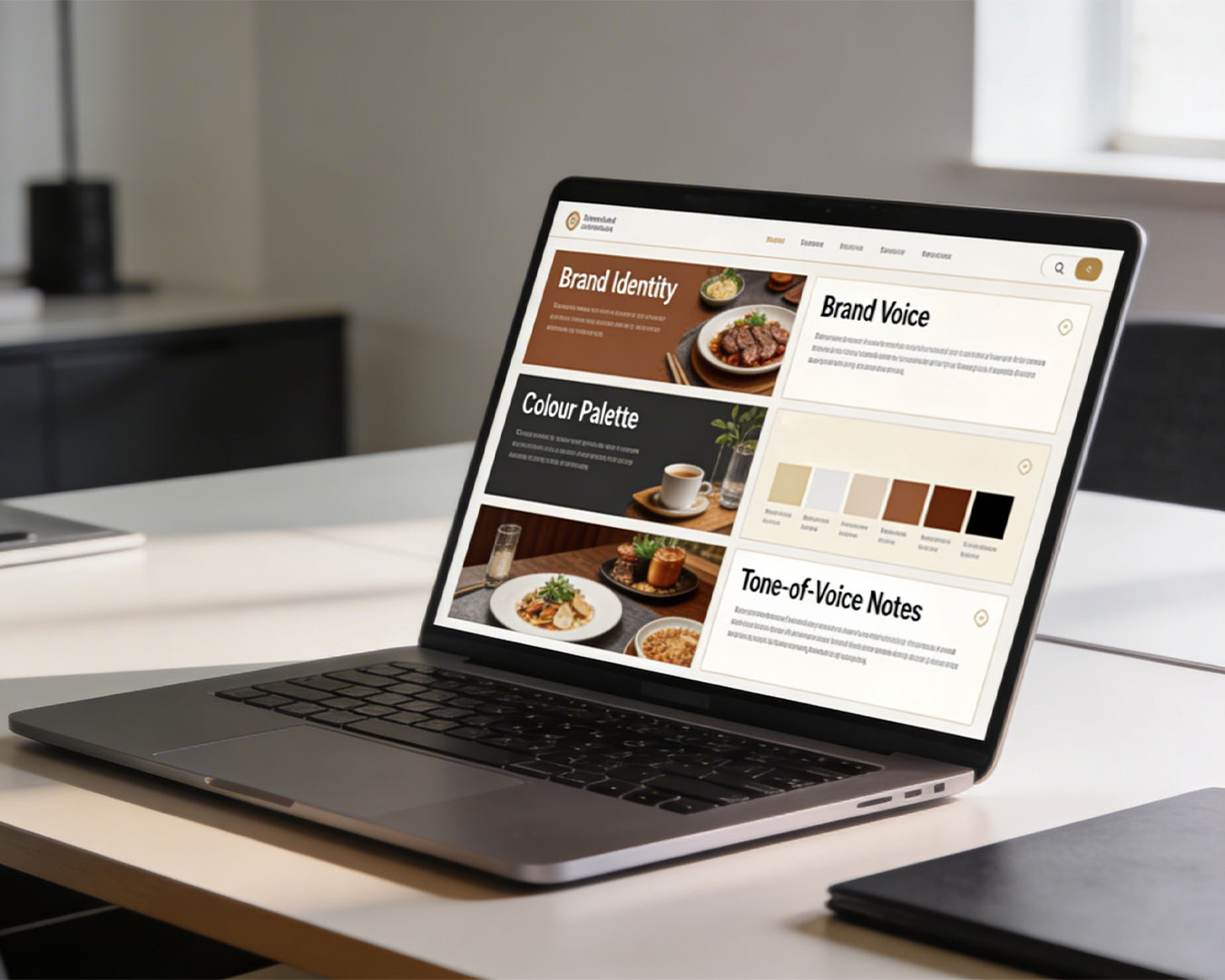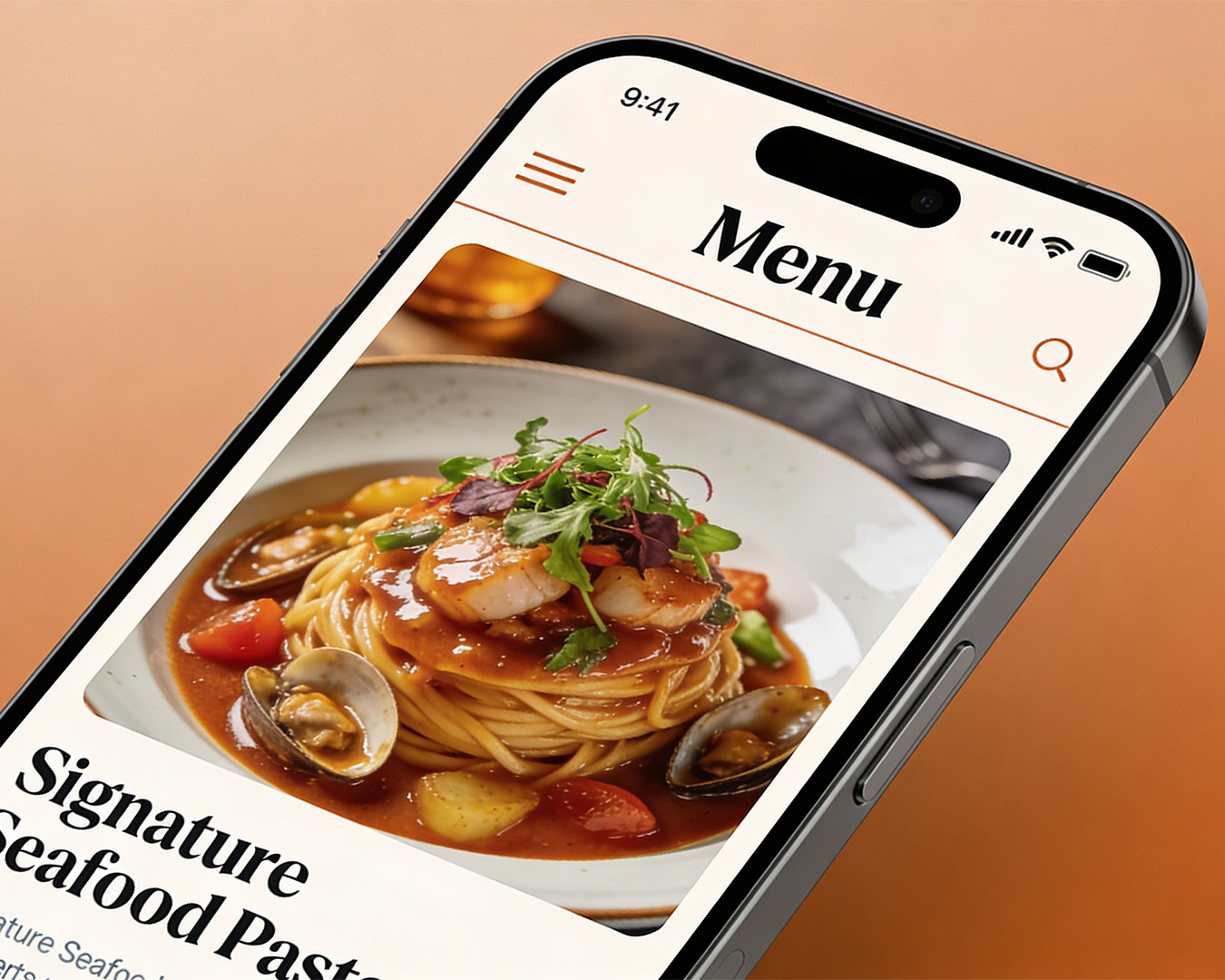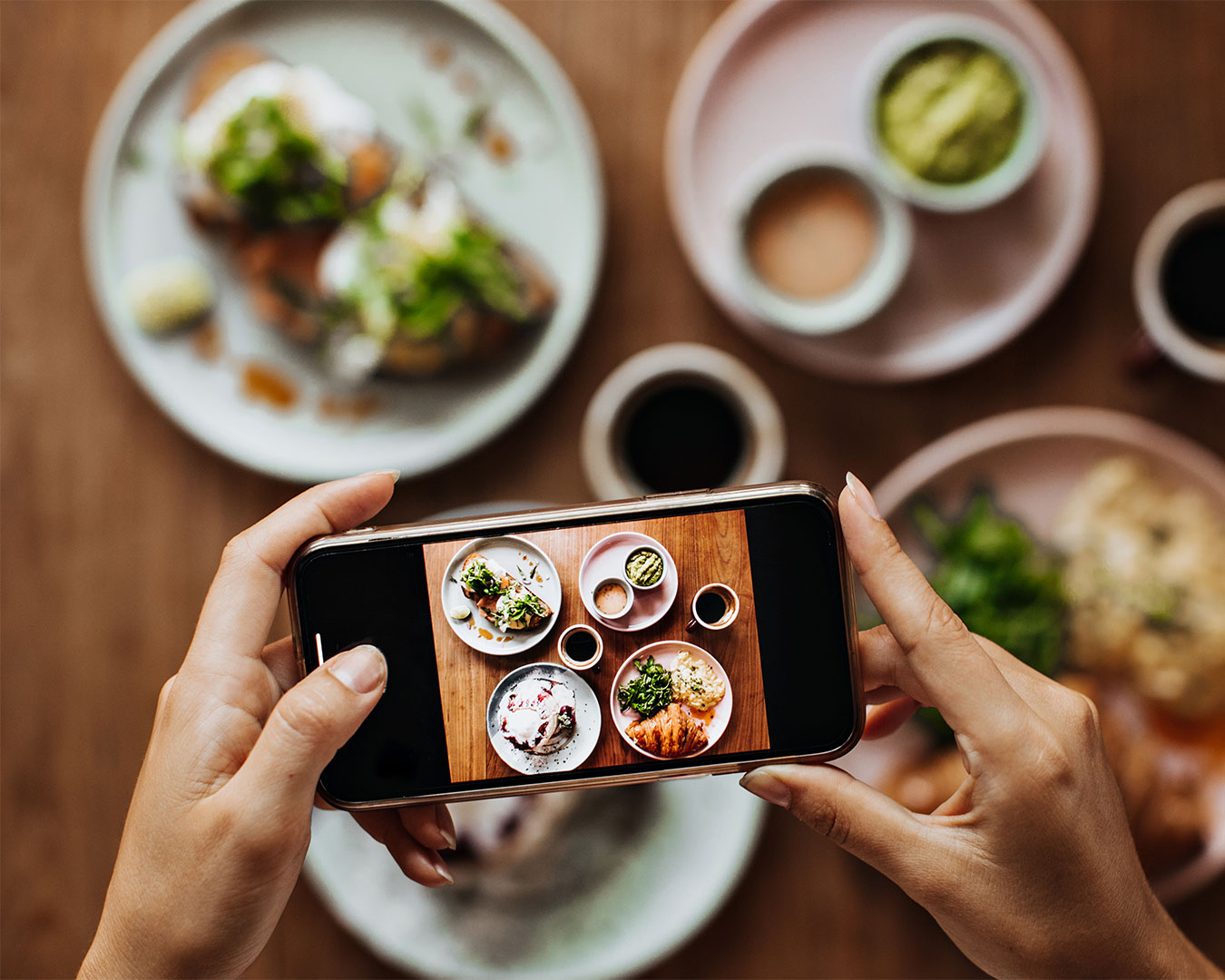

It’s past eleven. The last table has cleared. You’re staring at the sales data on the POS screen, and the number looks the same as last Tuesday. This is the moment most restaurant owners search for how to increase restaurant sales. But the question they should be asking is quieter: why did today’s guests behave exactly like yesterday’s?
Restaurant sales rarely move because of one big idea. They move because dozens of small decisions, repeated daily, either compound or cancel each other out. Chasing a single tactic, a new promotion, a flashy ad, rarely changes restaurant revenue on its own. What changes it is understanding which of your existing levers are quietly underperforming, and which ones are ready to boost sales without a bigger budget behind them. Effective restaurant marketing Singapore strategies focus on these consistent, compounding improvements rather than quick fixes.
Why Local Businesses Watch Sales Performance Instead of Guessing
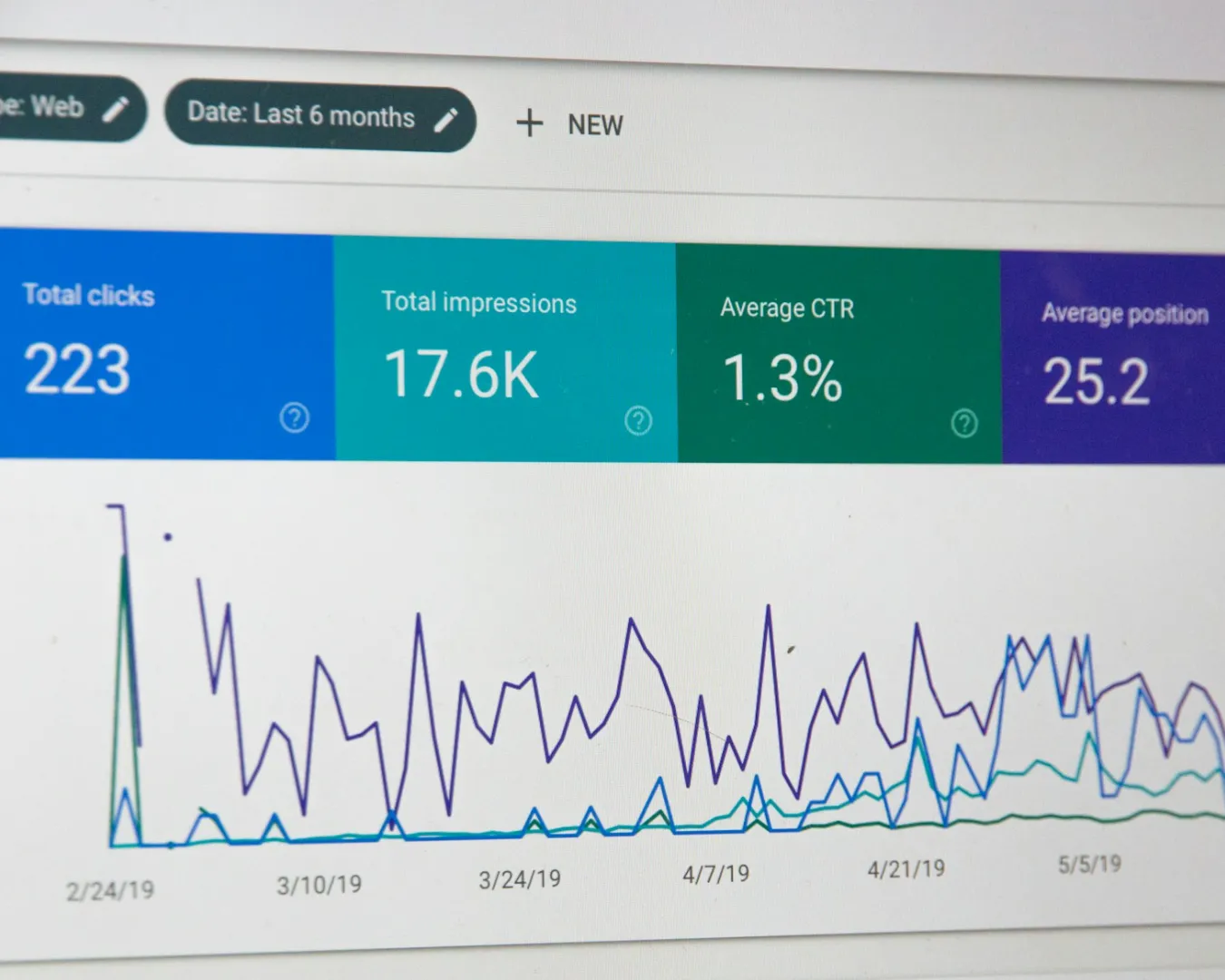
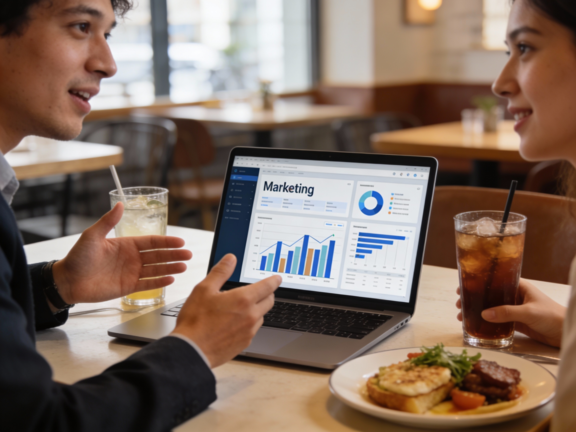
The strongest local businesses in Singapore’s F&B scene don’t guess. They track sales performance the way a pilot reads instruments, calmly, and often. A dip in Tuesday lunch covers or a drop in average spend during off peak hours tells you something specific. Guesswork treats every slow night as a mystery. Data treats it as a pattern you can correct, and it’s usually the fastest route to more sales without touching the menu at all.
The Quiet Line Between Food Costs and Profit Margins

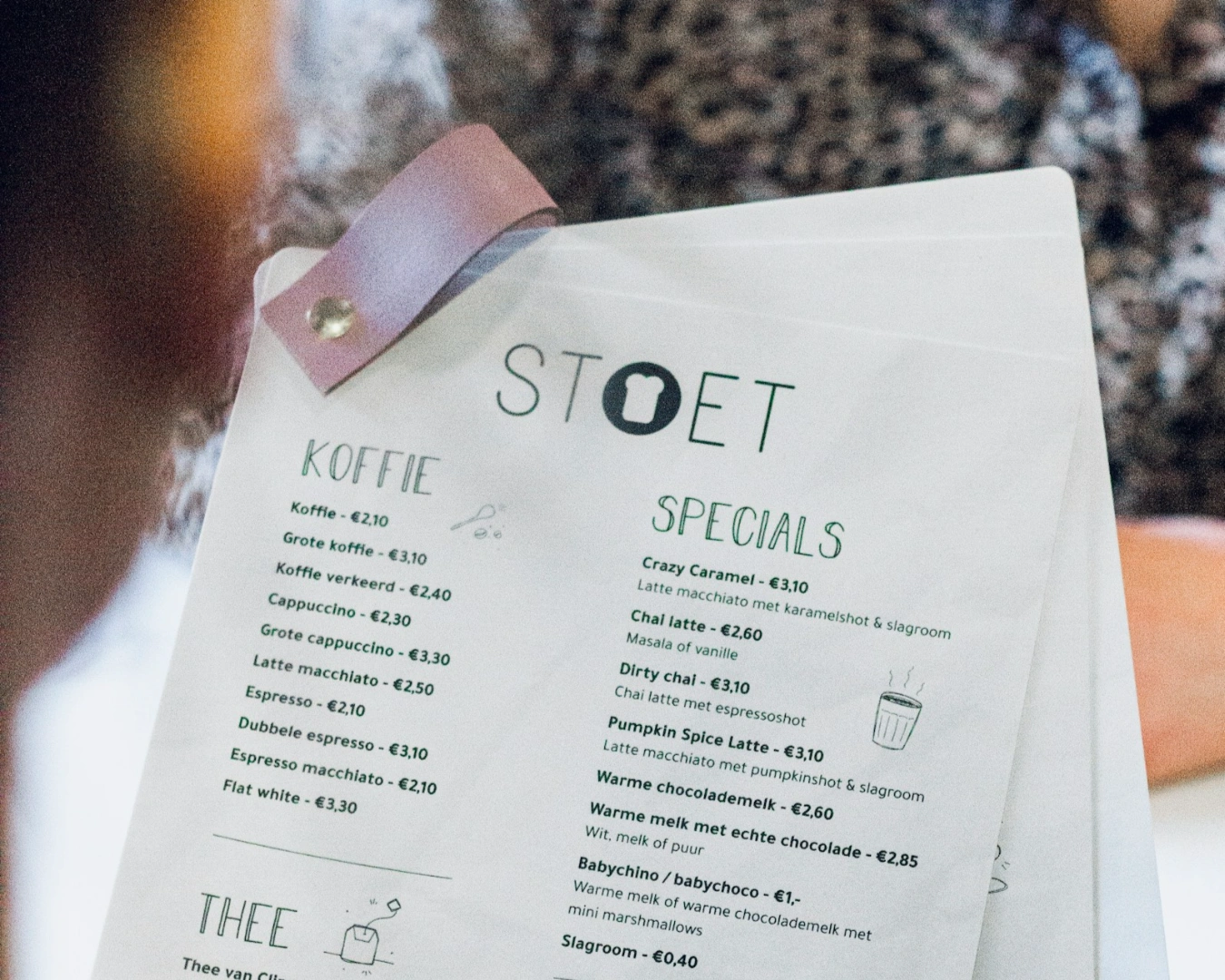
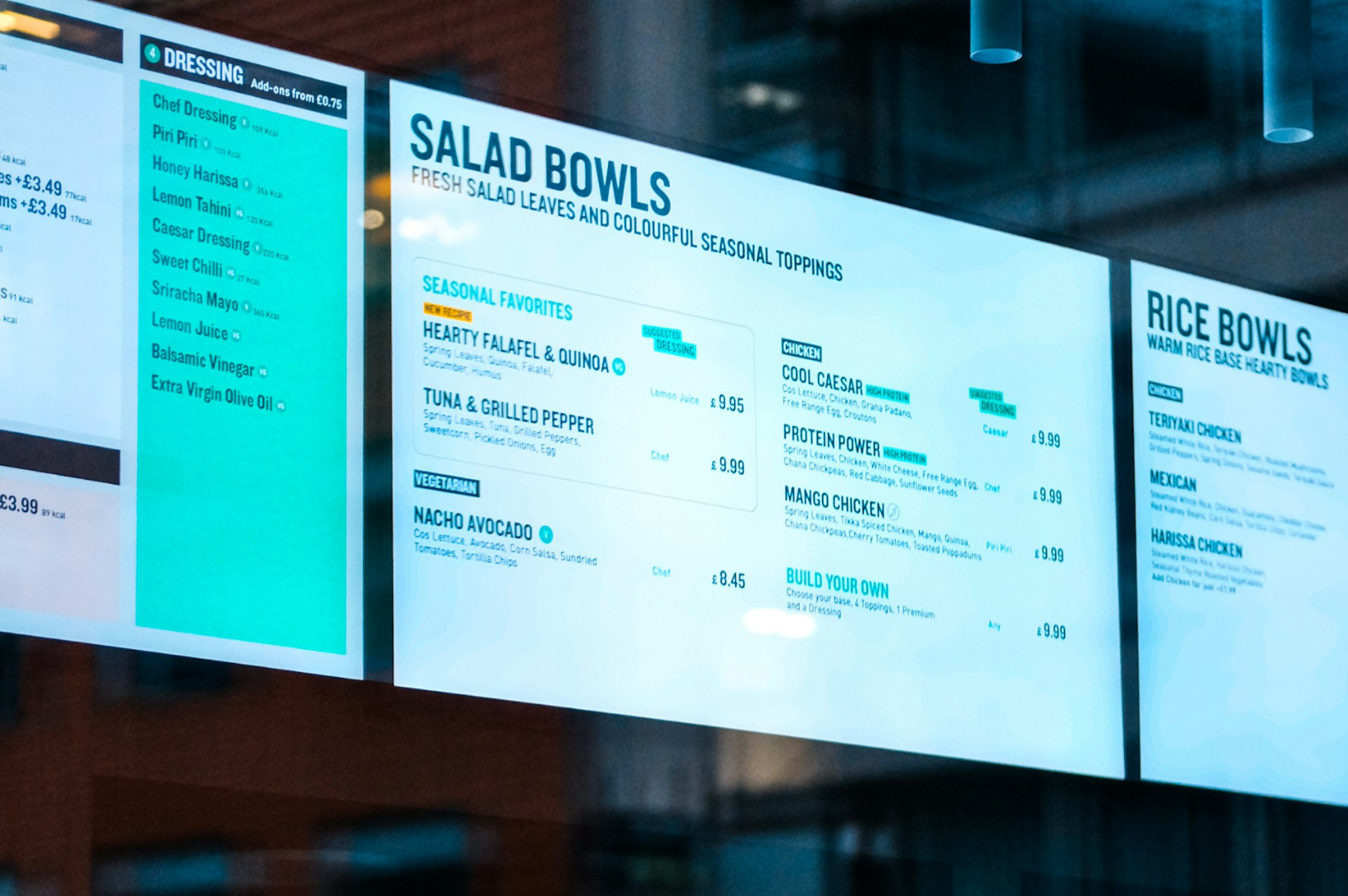
Owners often treat food costs and profit margins as separate conversations. They aren’t. A well-built menu, shaped through basic menu engineering, nudges guests toward high margin items without making the sell feel obvious.
The goal isn’t to hide your most profitable dishes, it’s to place them where guests naturally look first. This isn’t about cutting portions or swapping in cheaper ingredients. It’s about placement, wording, and knowing which menu items carry the business.
Local SEO and Online Reviews Are Doing More Work Than Your Menu
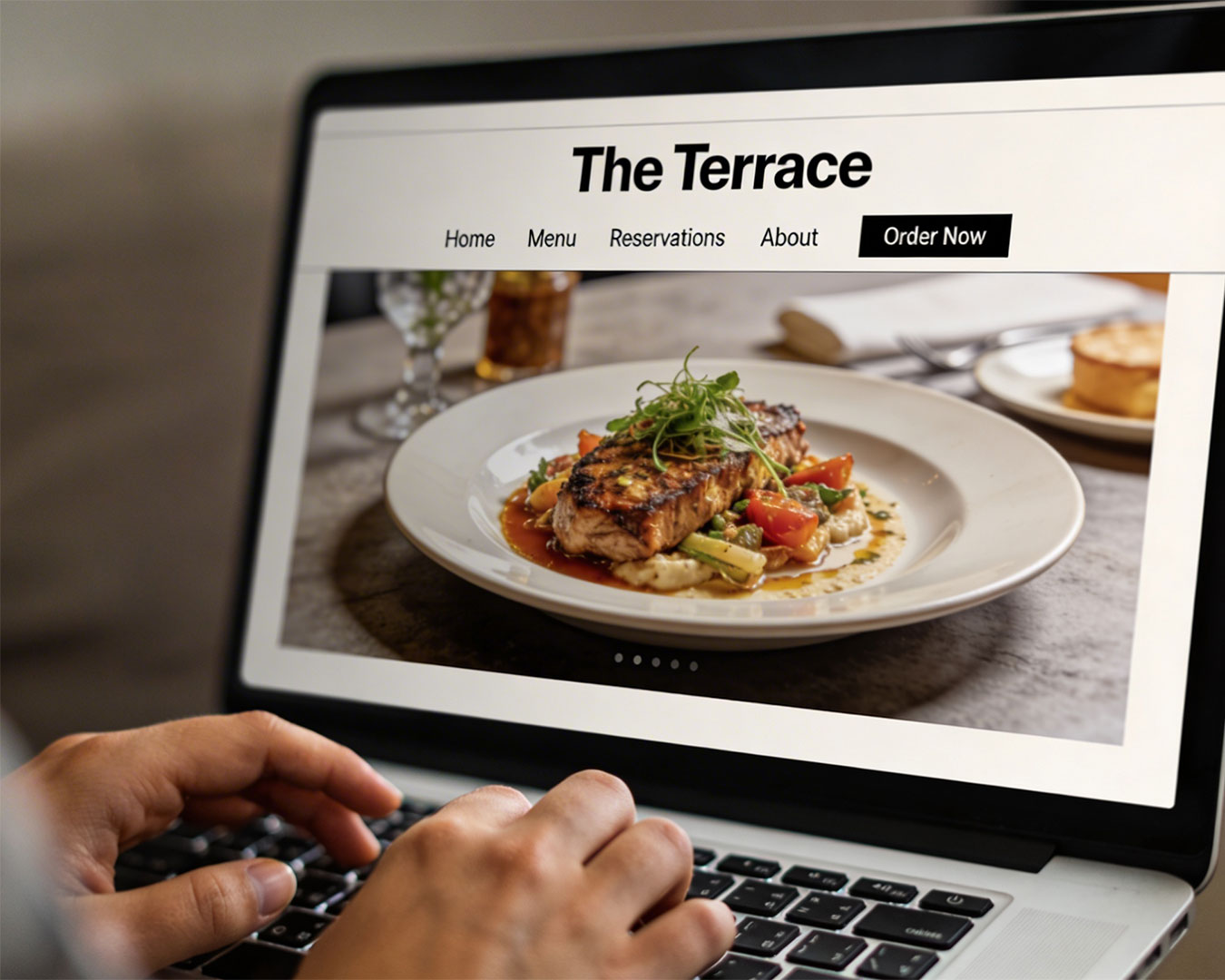
Before a guest reads your menu, they read your reviews. Local SEO and a properly maintained Google Business Profile decide whether your restaurant’s visibility holds up when someone nearby searches for a place to eat tonight.
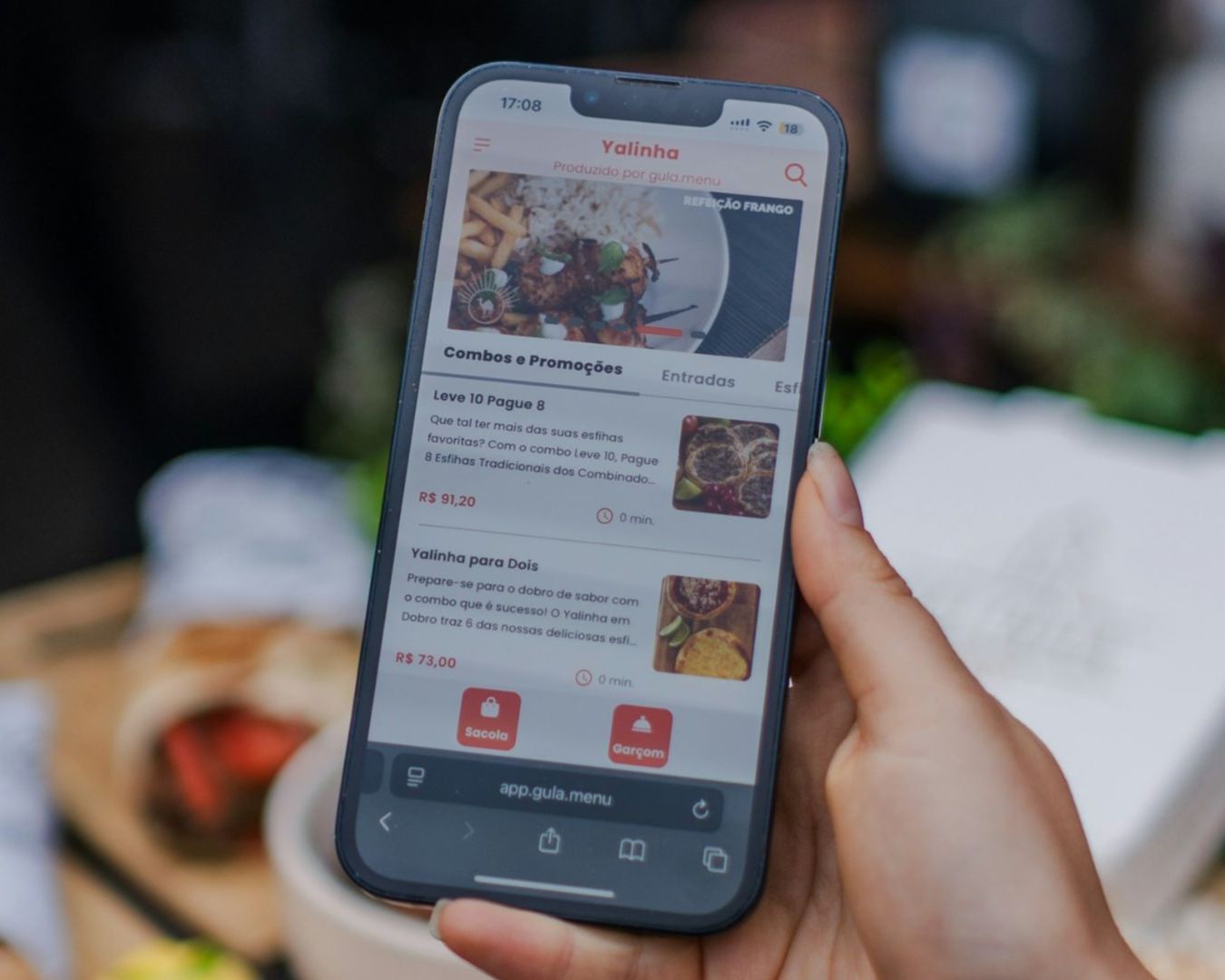
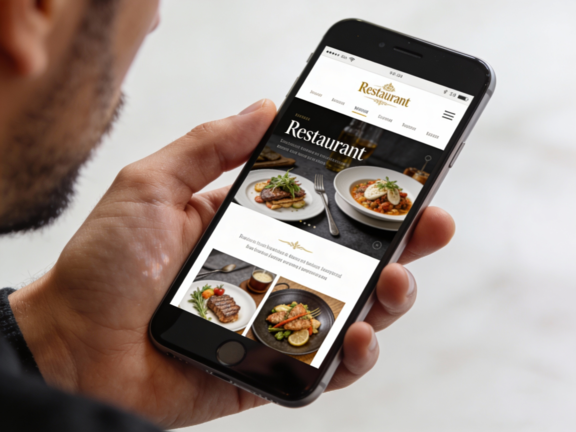
Online reviews function as a second front door. High quality photos on that profile do the rest of the convincing, since most diners decide before they’ve even opened your online ordering system. Left unattended, one bad review sits at the top of your profile for months, quietly discouraging potential customers who never tell you they scrolled past.
Marketing Efforts That Turn First Visits Into Repeat Visits
Most marketing efforts in this industry chase new customers. That’s expensive, and it’s the harder half of the equation. Repeat visits are cheaper to earn and more profitable to keep. A guest who returns three times a month spends more, complains less, and refers friends without being asked. Repeat business, not one-off promotions, is what actually stabilises a revenue stream over a full year.
Encourage guests to come back with something specific, a seasonal menu update, a small acknowledgment of guest preferences, rather than a generic discount that trains people to wait for the next one. Targeted promotions built around existing customers tend to outperform broad ones built to attract strangers.
Building Guest Experience Through People, Not Just Menus
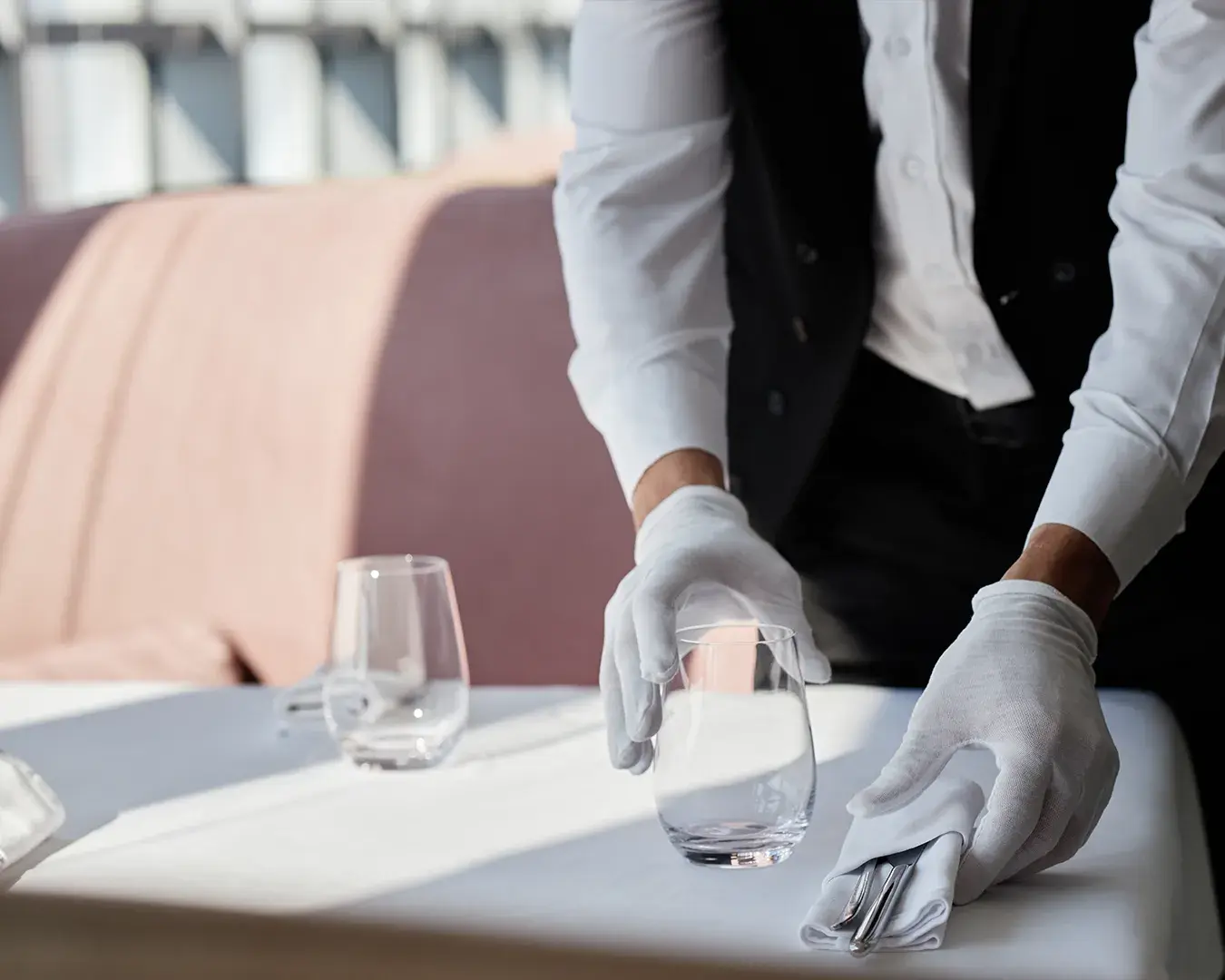
Great service still decides more outcomes than any app or campaign. Guest experience is shaped by service quality on the floor, and service quality is shaped by how well you train staff before the shift starts, not during it.
Happy customers rarely remember the plating. They remember whether someone noticed their glass was empty. This is where customer loyalty is actually built, quietly, one shift at a time, long before it shows up as customer satisfaction scores or an online review.
Marketing Campaigns, Social Media, and the Audiences You Haven’t Reached Yet
Social media channels are not a substitute for great food, but they’re an accelerant once the food is right. A short clip filmed behind the scenes, a mention from local food bloggers, or a feature among wider food bloggers can drive real foot traffic without a paid campaign.
Private events and local events give you a second reason to be visible beyond regular opening hours. Marketing campaigns that lean on these existing relationships tend to convert faster than ones built purely on ad spend, and they open new revenue streams that don’t depend on the dining room being full.
Where Operational Efficiency Quietly Protects Revenue Growth
Increase sales, and you still need the operations to hold. Operational efficiency shows up in table turnover rate, in how fast a table resets, and in whether labor costs creep up during service instead of easing off during off peak hours. Quick service restaurants live and die by table turnover, but even a slower, fine dining venue benefits from streamlining the same basics.
Owners running multiple locations feel this first, since a small inefficiency at one site quietly multiplies across the rest. Third party apps and a direct online ordering system both encourage diners to order more often, but only if the kitchen behind them can keep up without letting service quality slip. Direct bookings, where guests skip the middleman entirely, also tend to carry a better margin than anything routed through a delivery platform.
A Few Low-Cost Levers Worth Testing
Dynamic pricing during quieter hours, a complimentary meal for a loyal regular’s birthday, or a free champagne toast for a small private event all cost little and tend to earn goodwill well beyond their price. None of these require a free dinner giveaway or a major campaign to work. They work because they make a guest feel noticed, which is usually the real driver behind more revenue and long-term revenue growth.
The Real Way to Increase Restaurant Revenue Over the Long Term
To increase restaurant revenue in a way that holds, the fixes have to work together. Local SEO brings the guest to your door. Menu engineering and disciplined food costs protect what happens once they sit down. Marketing efforts and steady guest experience bring them back. None of this is complicated. Most of it has simply never been looked at together, in one sitting, by someone outside the daily grind of service. That’s the kind of outside view we bring at Atelier Creations, not another theory, just a second pair of eyes on what’s already in front of you.
That’s the encouraging part. Nothing here requires a bigger budget or a new concept. It requires a clear look at what’s already happening in your dining room, your online ordering, and your customer data, and the discipline to fix what the numbers show.
If you want that clear look without disrupting service, we’re happy to run a quiet audit of your current digital presence and daily operations. No pitch, just an honest read of where the gaps are, from us to you.