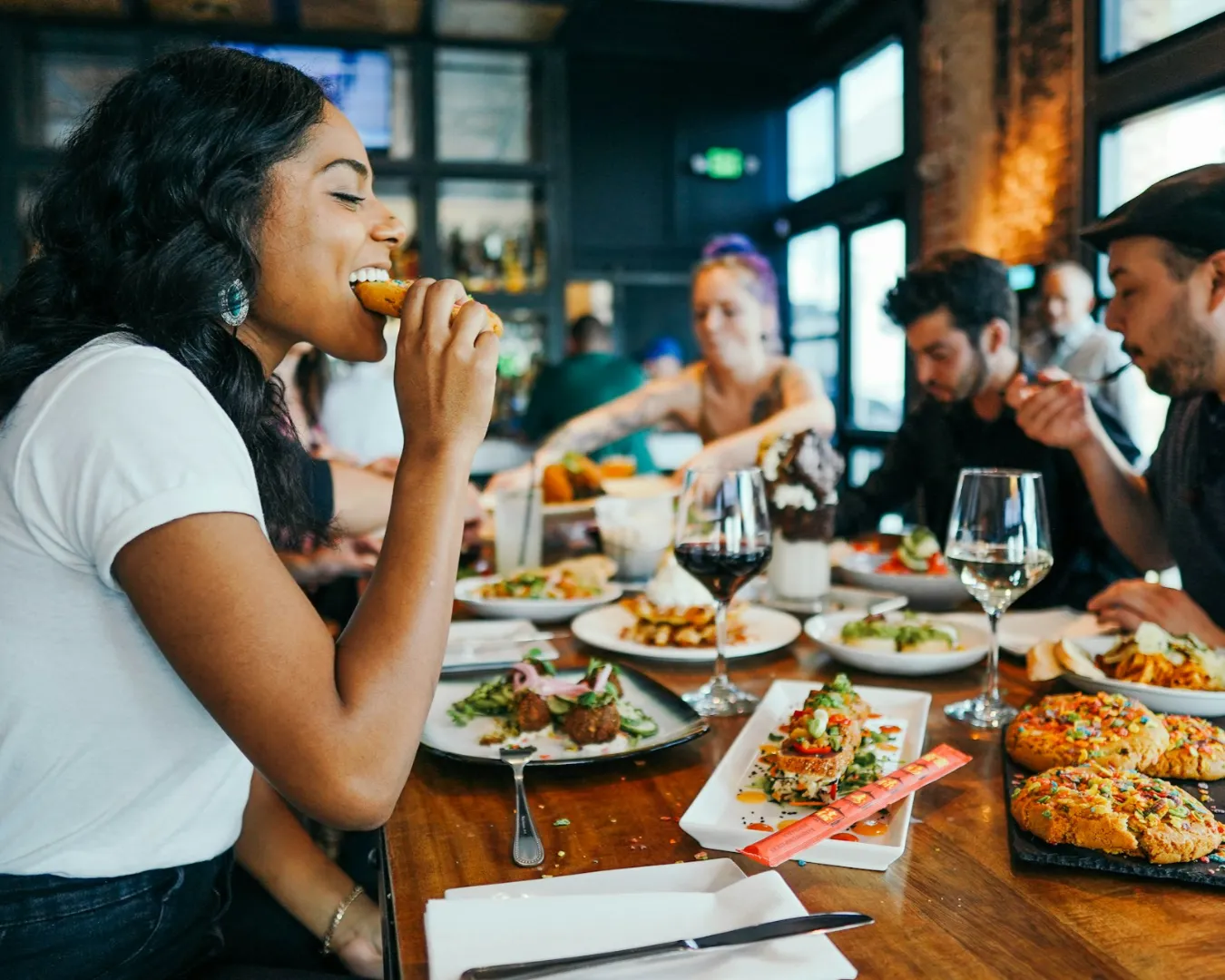

It’s 7:45pm on a Friday. Half your tables are empty. You check your phone, not to see who’s called, but to see what Google is showing when someone searches “restaurant near me” three streets away. That search result, more than your décor or your menu, often decides whether that table fills up tonight.
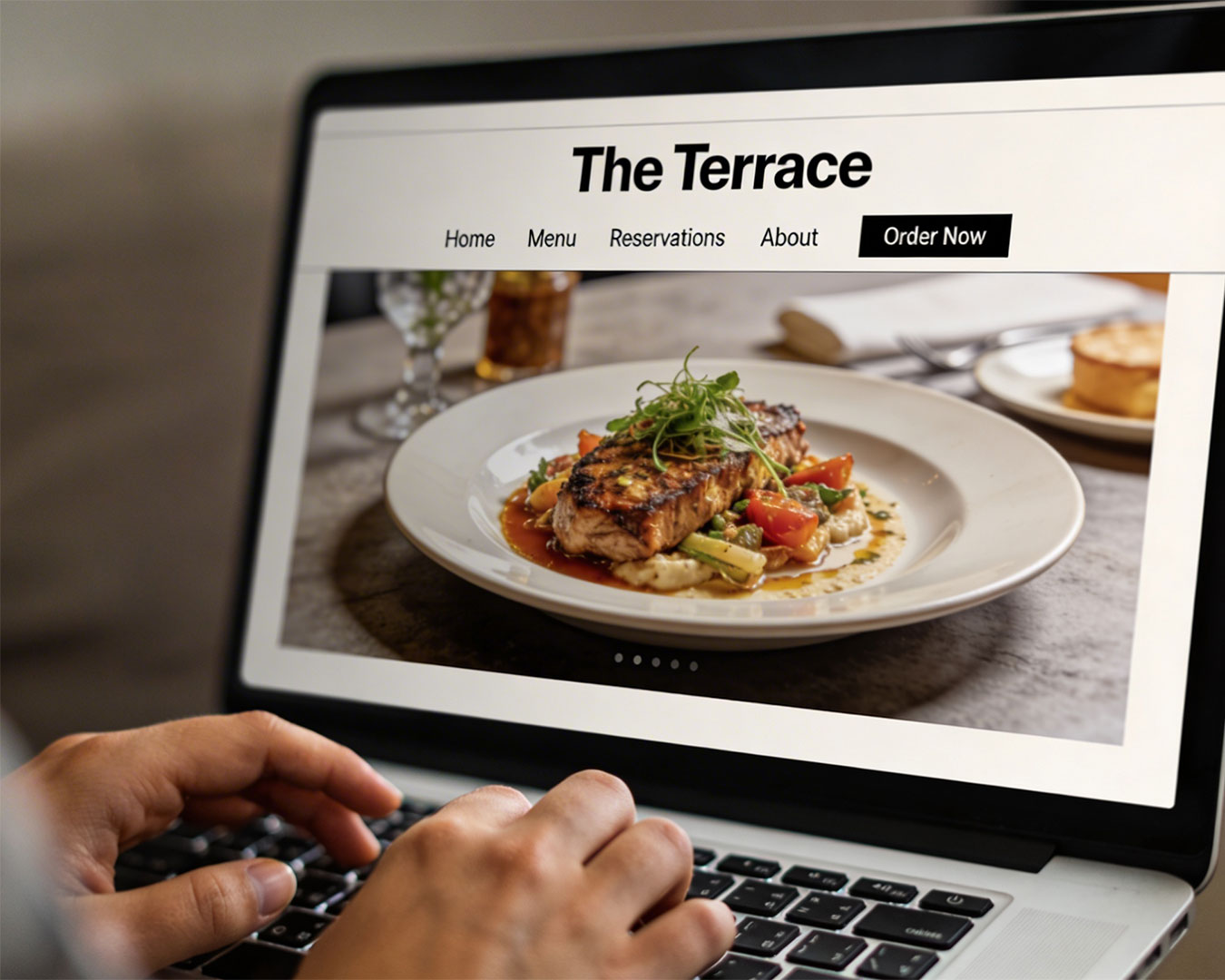
This is the quiet reality behind Singapore restaurant SEO: most owners assume good food and good service are enough. They aren’t, if diners search for you and can’t find you. A well-optimised website for restaurant visibility is essential to capture these potential customers.
Your Google Business Profile Is Your New Storefront

Before a customer walks through your door, they walk through your Google Business Profile. Opening hours, photos, your actual menu, direction requests, all of it lives there first. Many Singapore restaurant owners treat this listing as a formality, filled in once and forgotten. But it’s often the first and only impression a hungry customer forms before deciding where to eat.
In addition, regularly updating photos showcasing your restaurant’s ambiance, signature dishes, and staff can engage food enthusiasts and build trust. Mention reviews strategically in your profile and encourage customers to leave authentic feedback, as review management plays a vital role in enhancing your restaurant’s reputation and ranking. Responding promptly to both positive and negative reviews demonstrates active engagement, which Google rewards with higher prominence in local pack results.
For restaurants with multiple outlets, creating dedicated location pages and ensuring each outlet has its own GBP listing with consistent NAP (Name, Address, Phone Number) across all platforms strengthens local SEO signals. This approach helps each location rank independently for location-specific searches, capturing the attention of Singapore customers searching nearby.
Ultimately, your Google Business Profile is more than just a digital listing—it’s a dynamic storefront that can drive organic traffic, influence customer decisions, and fill your tables by capturing the intent of customers searching for dining options in Singapore.
Google Maps, Google Reviews and the Local Pack
When someone searches “Hainanese Chicken Rice” or “Korean BBQ” nearby, Google shows three results at the top, the local pack, pulled largely from Google Maps and Google Reviews. Review velocity matters here. A restaurant with steady, recent reviews often outranks one with more reviews from years ago. This is why reputation management isn’t vanity. It’s visibility. A simple Google review form, placed where customers naturally see it, quietly compounds over time.
Google Business Profile Optimisation Most F&B Businesses Overlook

Google Business Profile optimisation goes further than most F&B businesses realise. Choosing the right primary category, adding accurate secondary categories, keeping menu data current, these small details shape how often your restaurant appears for relevant searches. A Japanese restaurant listed only under a broad category competes with every eatery in Singapore, not just other Japanese restaurants.
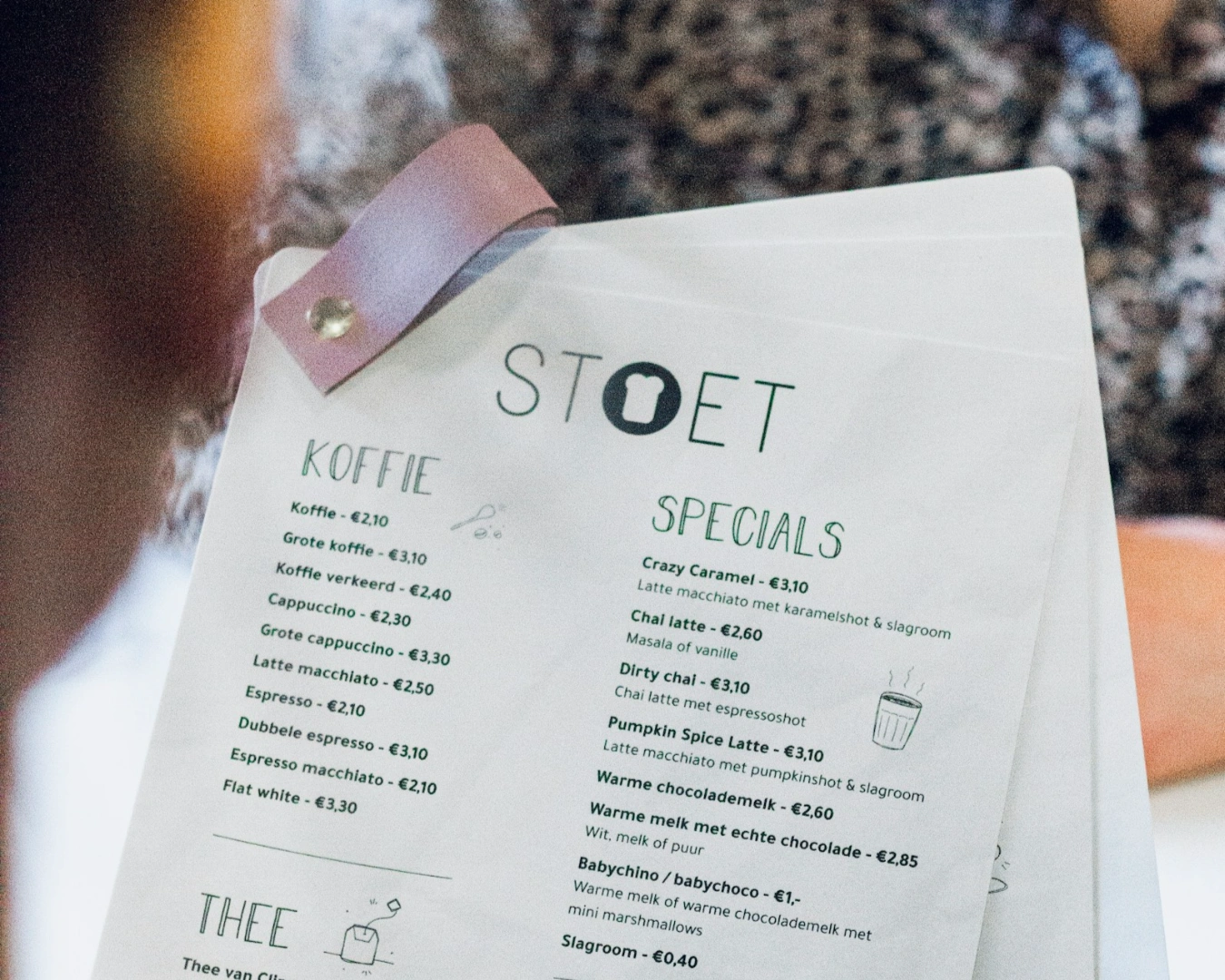
It is crucial to dominate local search results and increase your restaurant’s visibility. Accurate and up-to-date information such as operating hours, contact details, and a direct link to your reservation system can significantly boost click through rates from prospective diners. Including a detailed menu page within your GBP listing not only informs customers about your offerings but also helps Google understand your menu items, improving your chances to rank for dish-specific searches.
What Google Search Console Reveals About Your Restaurant Website
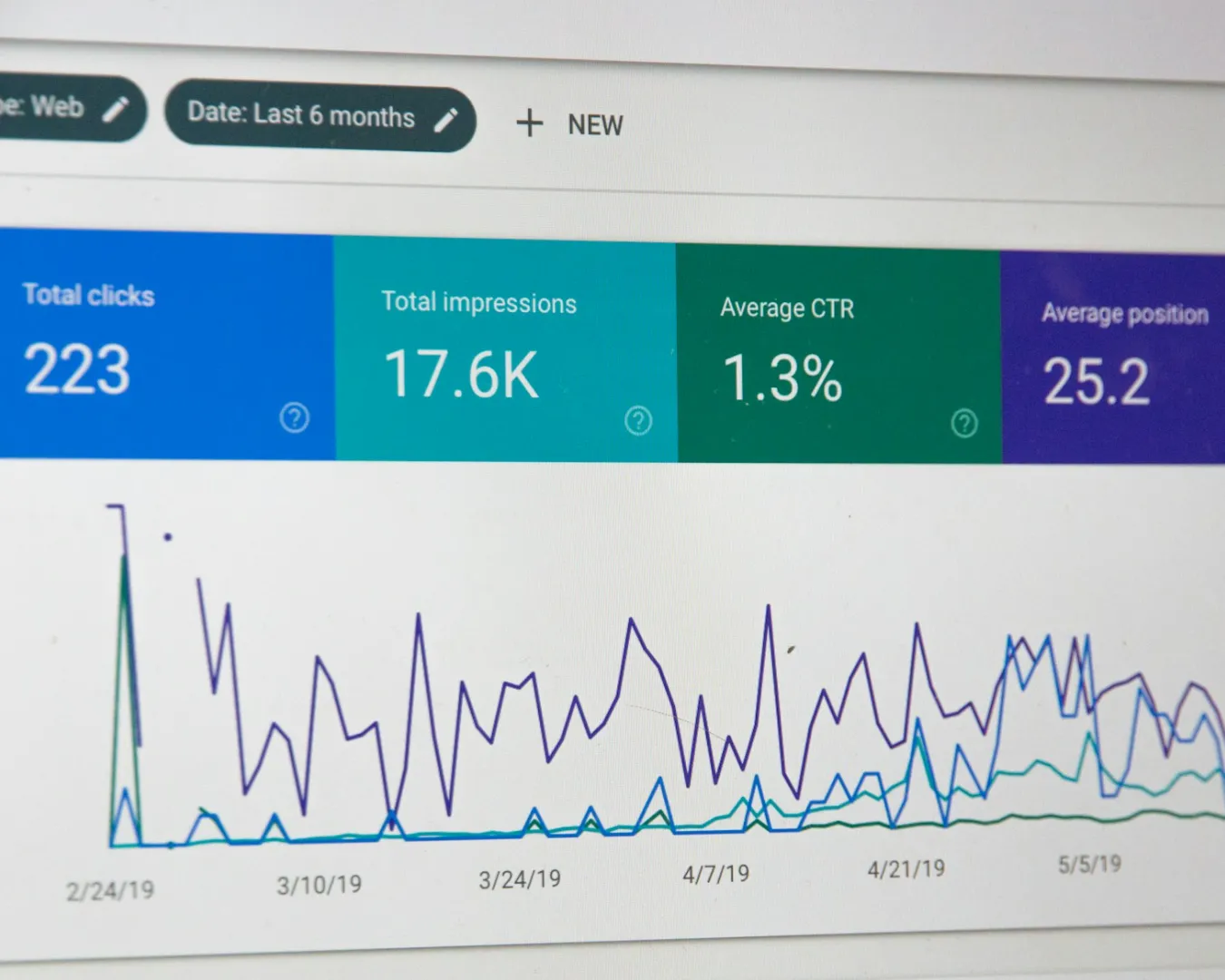
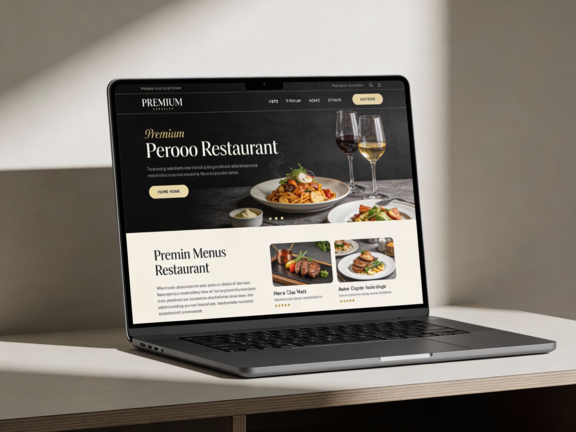
Most restaurant websites are built to look good, not to be found. Technical SEO and on-page optimisation, things like title tags, menu structure, and restaurant schema markup, tell search engines what your restaurant serves before a diner even clicks. Google Search Console shows exactly which searches bring people to your restaurant website and which searches show you the door. Few owners check it. Fewer act on what it shows.
Read: Restaurant Local SEO Agency Singapore: Is It Worth the Investment?
Blog Content, Google Search and the Rise of AI Search
Blog content, a page on your signature dish, a note on private dining, location-specific content for each outlet, builds organic search relevance that paid advertising can’t replicate long term.
As AI search becomes part of how people plan meals out, having clear menu schema and dish descriptions helps your restaurant get referenced accurately, not guessed at. A Cantonese restaurant with clean, structured information on its own website has an advantage that a QR code menu alone cannot provide.
From Fine Dining to Hawker Stalls: F&B SEO Isn’t One Size Fits All
A fine dining establishment and a neighbourhood stall are chasing different customers with different intent. Location-specific landing pages help restaurants with multiple outlets capture nearby searches individually. Local rankings reward specificity, not generic pages that could describe any restaurant in Singapore.
Additionally, crafting unique content for each outlet that highlights its distinct atmosphere, menu variations, and nearby landmarks can further enhance relevance and improve search visibility. This tailored approach not only attracts local diners but also appeals to tourists seeking authentic dining experiences in specific neighbourhoods, ultimately driving more targeted traffic and reservations.
A Quiet Next Step
None of this requires an overhaul overnight. It requires attention, and a clear read of where your restaurant currently stands. Atelier Creations often starts with a quiet review of a client’s Google Business Profile and website, nothing disruptive, just an honest look at what’s working and what’s quietly costing them tables. If you’re curious where you stand, we’re happy to take that look with you.