
The temptation to constantly launch new menu items, experiment with trendy culinary formats, and chase fleeting viral food crazes is strong in modern hospitality. While novelty can spark a temporary spike in foot traffic, relying on constant change is a dangerous long term strategy for a local venue. Neighbourhood dining relies on habit, trust, and predictability.
When local diners choose a venue down the street, they are seeking a reliable, high quality outcome. Consistency beats novelty for neighbourhood restaurants because long term profitability is built on repeat visits from loyal regulars, not one-time visits from curiosity seekers.
The Financial Value of Customer Retention
Attracting a new guest requires significant marketing effort, promotional discounts, and ad spend. At Atelier Creations, we observe that serving an existing regular guest costs very little while generating stable, predictable cash flow over time.
The commercial realities of neighbourhood dining favor retention over constant customer acquisition:
- Higher Lifetime Value: A regular visiting once or twice a week generates far more cumulative profit over a year than dozens of one-time visitors seeking a viral food trend.
- Predictable Purchasing Patterns: Returning guests have established preferences, making inventory management, prep schedules, and waste reduction far easier to control.
- Organic Word of Mouth Marketing: Local regulars act as active brand advocates, recommending your venue to neighbors, friends, and family without requiring ad spend.
The Psychological Friction of Unexpected Menu Changes
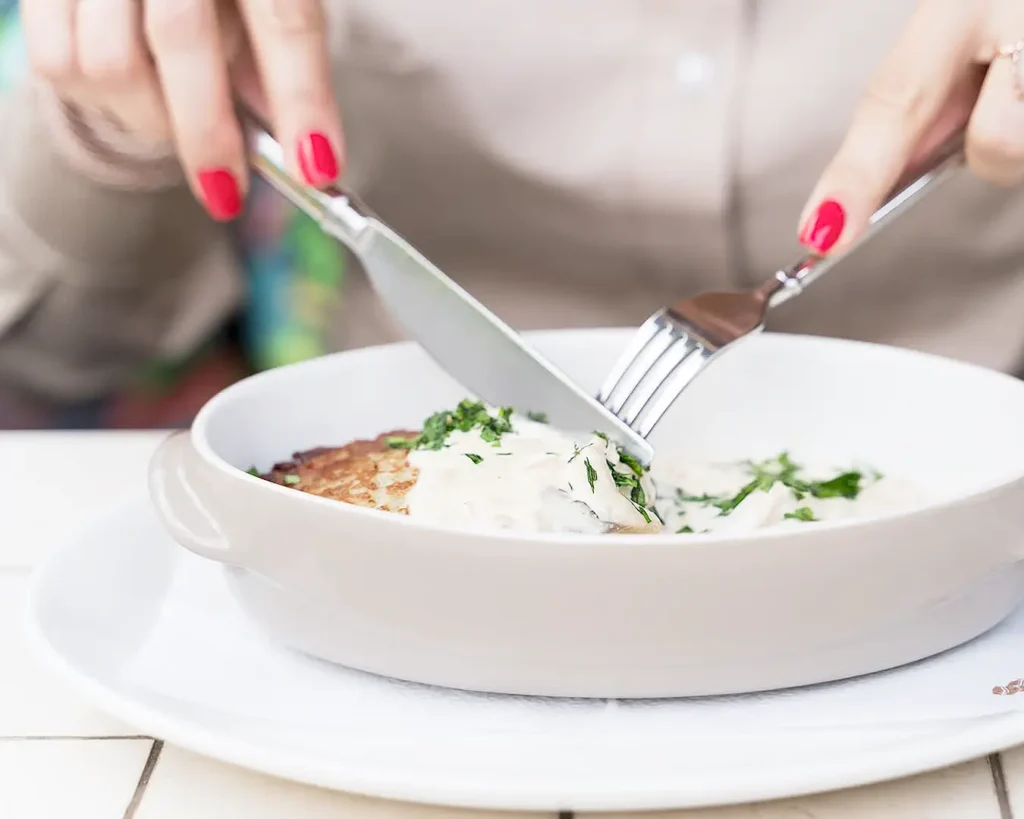
Neighbourhood guests develop emotional attachments to specific signature dishes, table settings, and floor staff interactions. When an operator frequently overhauls menus or modifies core recipes, it introduces friction into the guest experience.
Frequent over-rotation creates operational and brand risks:
- Disappointing Core Regulars: Removing a signature dish to make room for an unproven seasonal trend alienates the exact guests who keep your baseline revenue healthy.
- Decision Fatigue: A constantly changing menu forces guests to re-evaluate their choices on every visit rather than enjoying a comfortable, familiar meal.
- Loss of Brand Identity: Trying every culinary trend dilutes your concept, making your venue look unfocused rather than specialized.
Kitchen Operational Discipline and Speed of Service
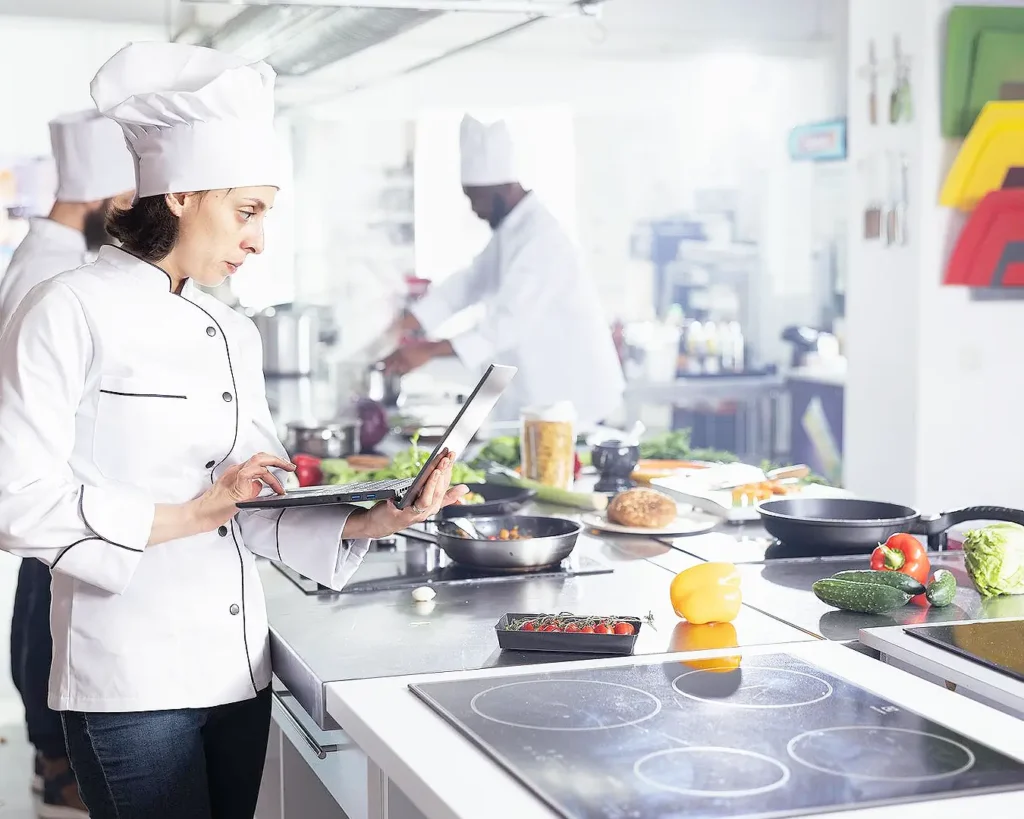
Executing a narrow, highly consistent menu allows your back-of-house team to master prep workflows, minimize ticket times, and keep food costs under strict control.
| Operational Focus | Novelty-Driven Model | Consistency-Driven Model |
| Kitchen Line Prep | High complexity with frequent recipe retraining | Streamlined prep sheets and mastered line techniques |
| Inventory Control | High ingredient turnover and elevated food waste | Stable stock levels and predictable supplier ordering |
| Service Velocity | Slower ticket times due to new dish assembly | Rapid line execution and fast table turnaround |
Mastering a core execution set ensures every guest receives the exact same standard of quality regardless of which line cook or server is working the shift.
Strategic Evolution Versus Constant Disruption
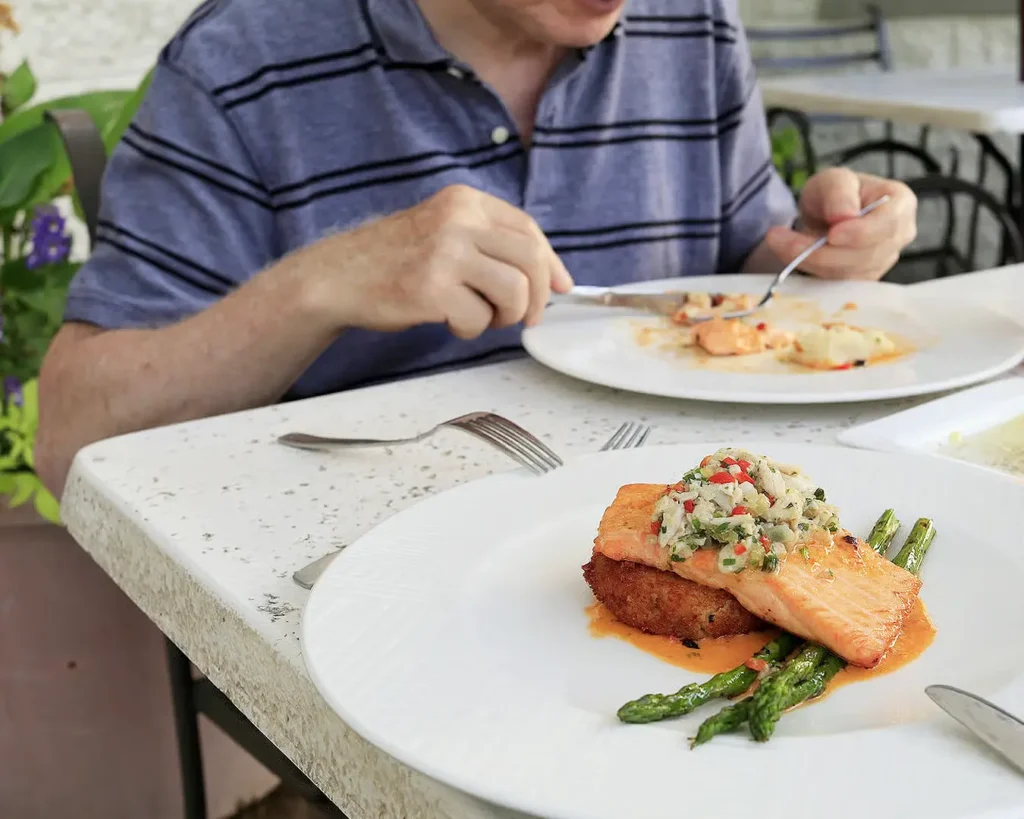
Prioritizing consistency does not mean your menu must remain entirely static forever. The most successful neighbourhood concepts evolve quietly, making gradual, data-driven updates that preserve core anchors while introducing subtle improvements.
Smart execution standards for neighbourhood menu evolution include:
- Protecting Core Anchor Dishes: Keep your top selling items permanently fixed in recipe, portion size, and presentation.
- Utilizing Rotating Specials: Test new seasonal ideas through daily or weekend specials rather than making permanent changes to physical menus.
- Gathering Direct Floor Feedback: Train front-of-house staff to monitor guest reactions to new features before committing ingredients to the main menu lineup.
Protecting Your Neighbourhood Anchor Status
In local dining, reliability is the ultimate competitive advantage. When guests know they will receive exceptional food, prompt service, and a welcoming environment every single time they walk through your doors, your venue becomes a permanent fixture in their weekly routines.
By refining your operational positioning, building disciplined brand frameworks, and protecting margins through strategic menu engineering, you create a sustainable business model. Focusing on execution consistency and protecting your core signature offerings turns casual local diners into lifelong brand regulars shift after shift.