When building a restaurant concept in Singapore, operators spend countless hours perfecting logo marks, color palettes, interior finishes, and paper stocks. Yet one critical design element is routinely overlooked from a legal standpoint: font licensing.
Typography is the visual voice of your brand, appearing on physical menus, exterior signage, website headers, social media graphics, and packaging. However, assuming that buying a standard desktop font file grants unrestricted commercial rights across all those touchpoints is a common and costly mistake. Licensing your restaurant font correctly protects your brand from severe copyright infringement claims, ensuring your typography remains a legal asset rather than a hidden liability.
The Misconception of Desktop Font Licenses

A widespread misunderstanding among local F&B business owners is that purchasing a font once from an online foundry permits unlimited use across every operational channel.
In reality, font software is protected under intellectual property law, and foundries sell end-user license agreements (EULAs) tailored to specific media formats:
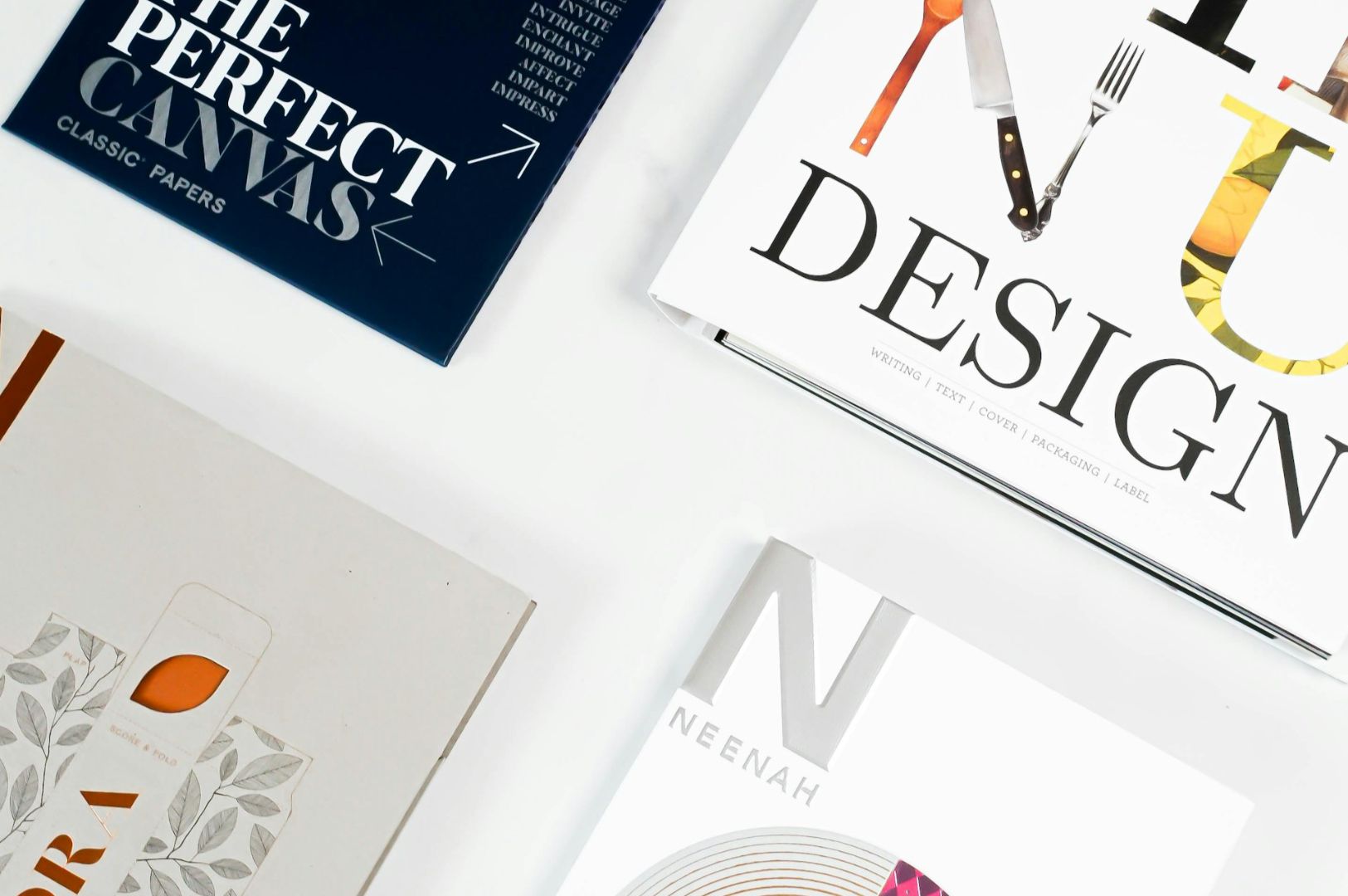
- Desktop License: Covers installing the font file on a single computer to design static print files like physical menus, coasters, or printed business cards.
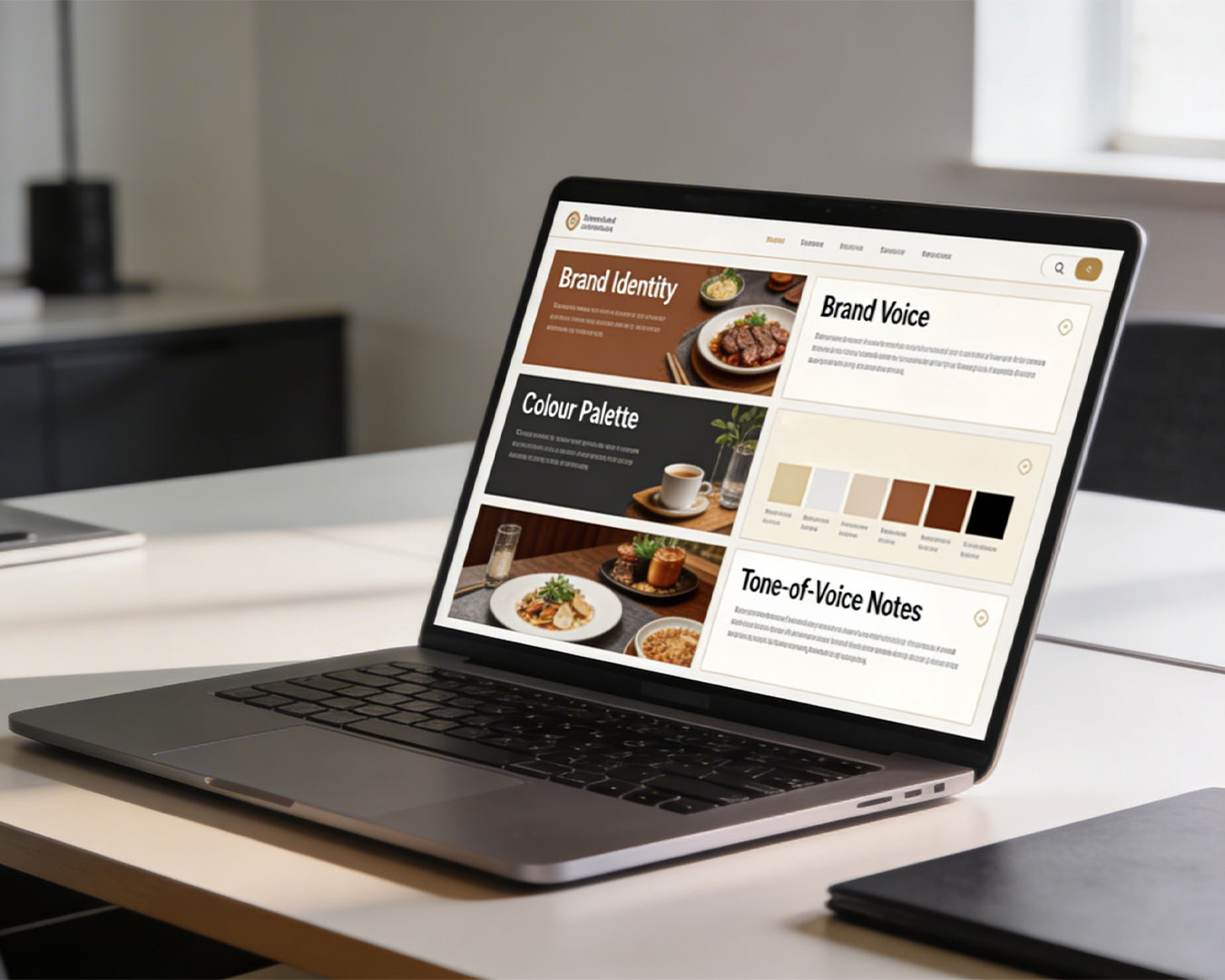
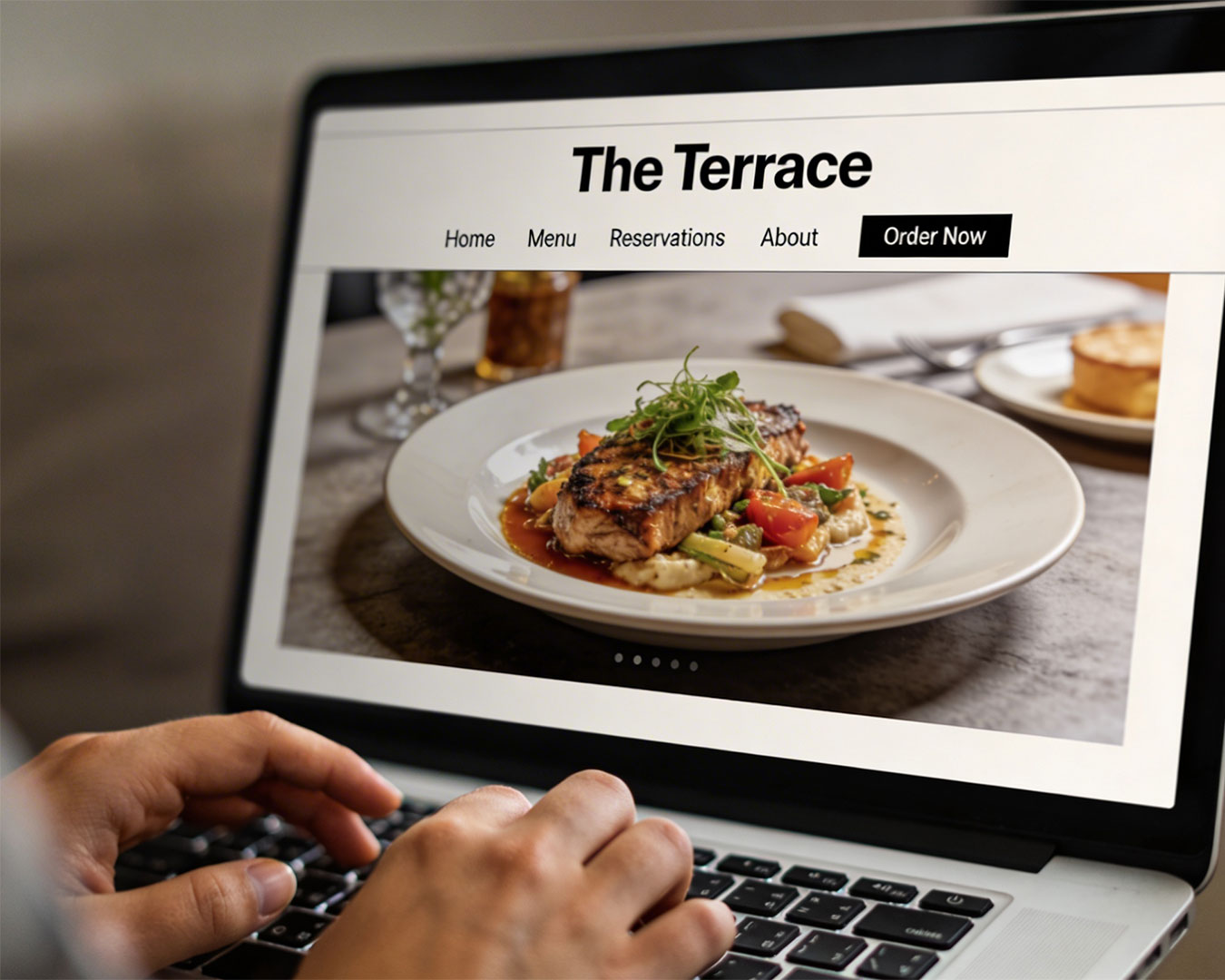
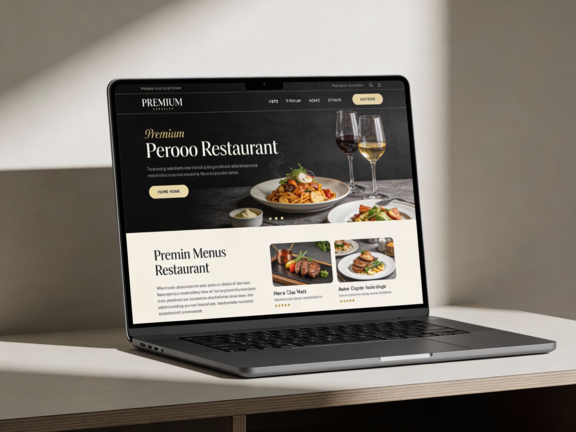
- Webfont License: Allows the font file to be embedded into your restaurant website’s code to render dynamic text on desktop and mobile browsers, usually capped by monthly pageviews.
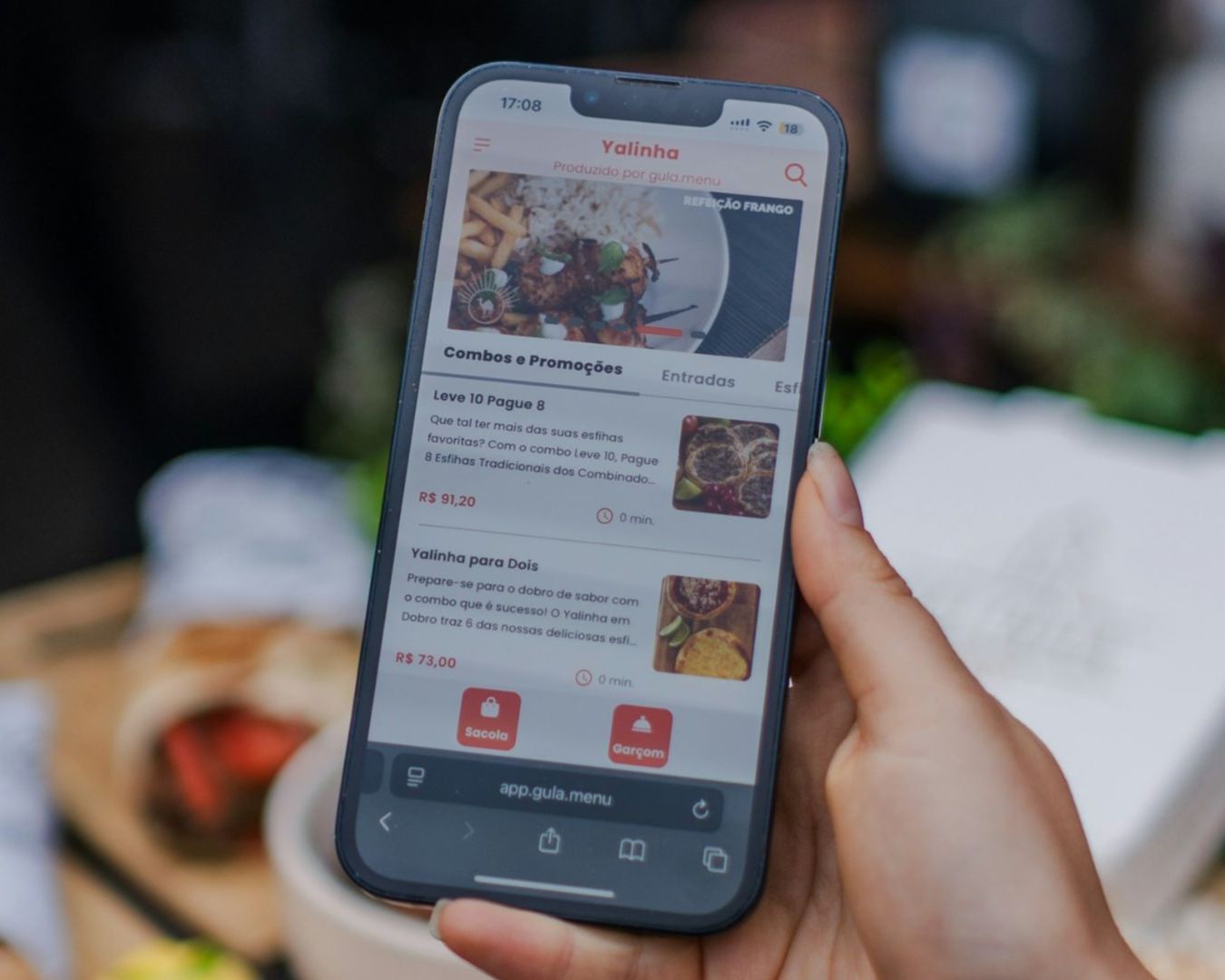
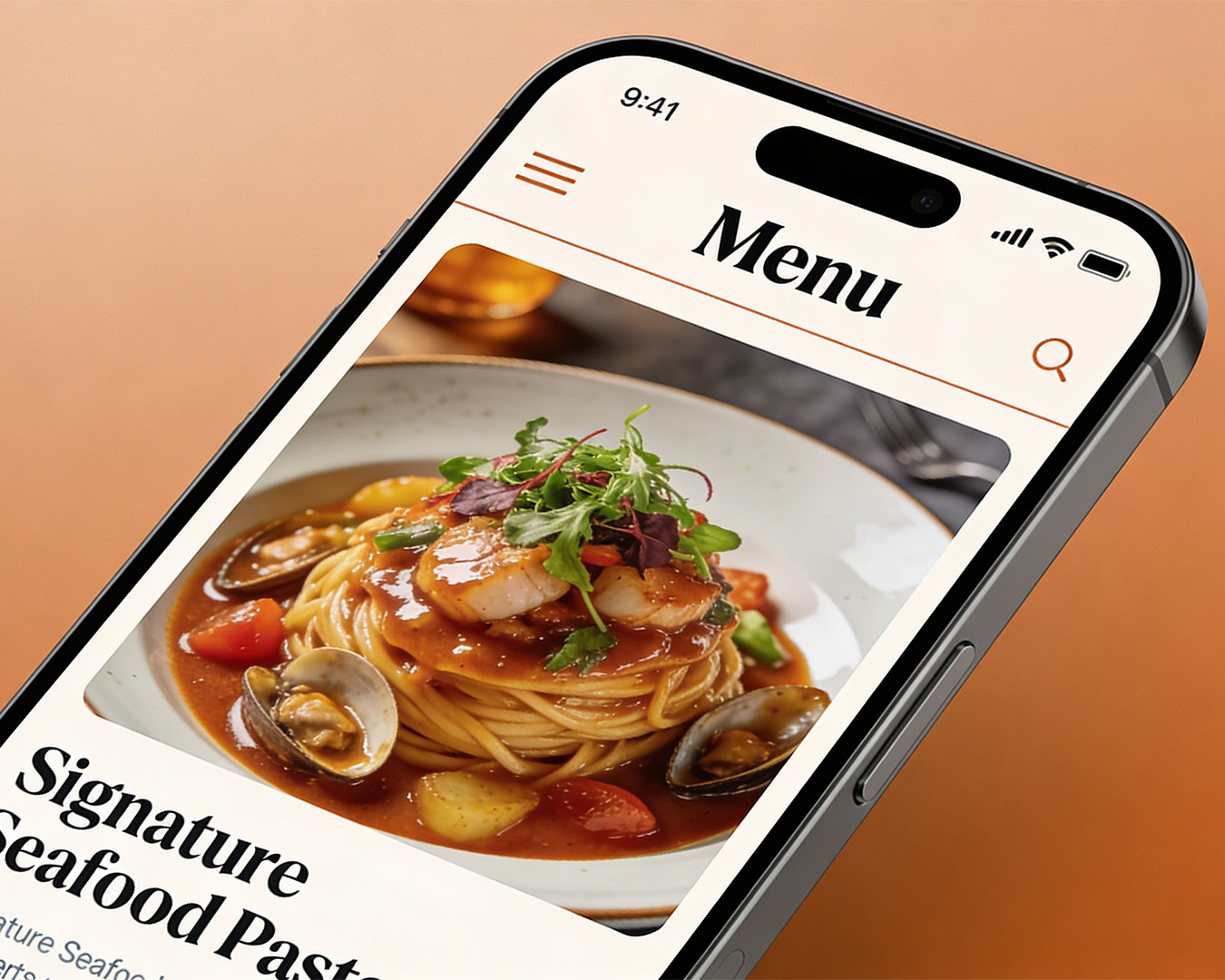
- App / Digital Order System License: Required if your custom online ordering software or mobile app embeds the font software directly into its application build.
- Commercial Merchandising License: Necessary if the font is used on retail products for sale, such as packaged sauces, bottled cocktails, or branded merchandise.
At Atelier Creations, we routinely see operators invest heavily in bespoke menu physical builds while unknowingly relying on unlicensed digital font files across their online ordering touchpoints.
Where Restaurant Operators Accidentally Infringe
Typography licensing traps usually surface as a venue scales its marketing channels, opens secondary outlets across Singapore, or expands into retail distribution.
Common operational scenarios where legal exposure occurs include:
| Usage Touchpoint | Common License Flaw | Legal Risk Level |
| Digital Menu Boards | Using a desktop print license on dynamic digital displays or POS screens | High: Software embedding without an extended digital media license. |
| Direct Online Ordering | Embedding raw desktop font files into website CSS for custom web ordering | High: Foundries run automated scripts to detect unauthorized webfont hosting. |
| Retail Packaging | Printing proprietary fonts on wholesale retail items sold in third-party markets | Medium: Exceeding standard print distribution limits specified in the original EULA. |
| Multi-Unit Expansion | Sharing a single desktop license file across multiple venue computers or agency partners | Medium: Direct breach of seat-count restrictions in the foundational agreement. |
The Financial Realities of Font Copyright Claims

Font foundries actively audit commercial web traffic, social media channels, and digital applications globally using automated brand scanning software. When a violation is flagged, foundries rarely issue gentle warnings.
Unlicensed font usage can trigger significant financial and operational strain:
- Retroactive Licensing Penalties: Foundries often demand back-dated licensing fees at inflated, non-standard rates for the duration of the unauthorized use.
- Forced Rebranding Costs: Infringement demands frequently mandate the immediate destruction of physical menus, signage, packaging, and digital assets using the unlicensed font.
- Legal Fees and Settlement Expenditures: Defending copyright claims consumes substantial capital that should be directed toward floor operations and marketing.
Best Practices for Restaurant Typography Management
Protecting your venue from licensing disputes requires clear protocols during the brand identity phase and ongoing operational oversight.
Implement these typography management standards across your business:
- Audit Agency Deliverables: Require external design partners or branding agencies to supply full EULA documentation and licensing receipts registered under your corporate entity name.
- Consider Open-Source or Google Fonts: High-quality open-source typefaces offer broad commercial licenses with zero usage fees for both print and digital deployments.
- Budget for Extended Licenses Early: Factor webfont and application licensing into your initial technology budget alongside domain hosting and POS software retainers.
Securing Your Brand’s Intellectual Property
Typography sets the visual tone for your hospitality experience, but improper font management creates avoidable operational risk. Ensuring all typography rights are properly acquired protects your assets as your concept grows across new locations and digital channels, keeping your business fully compliant shift after shift.