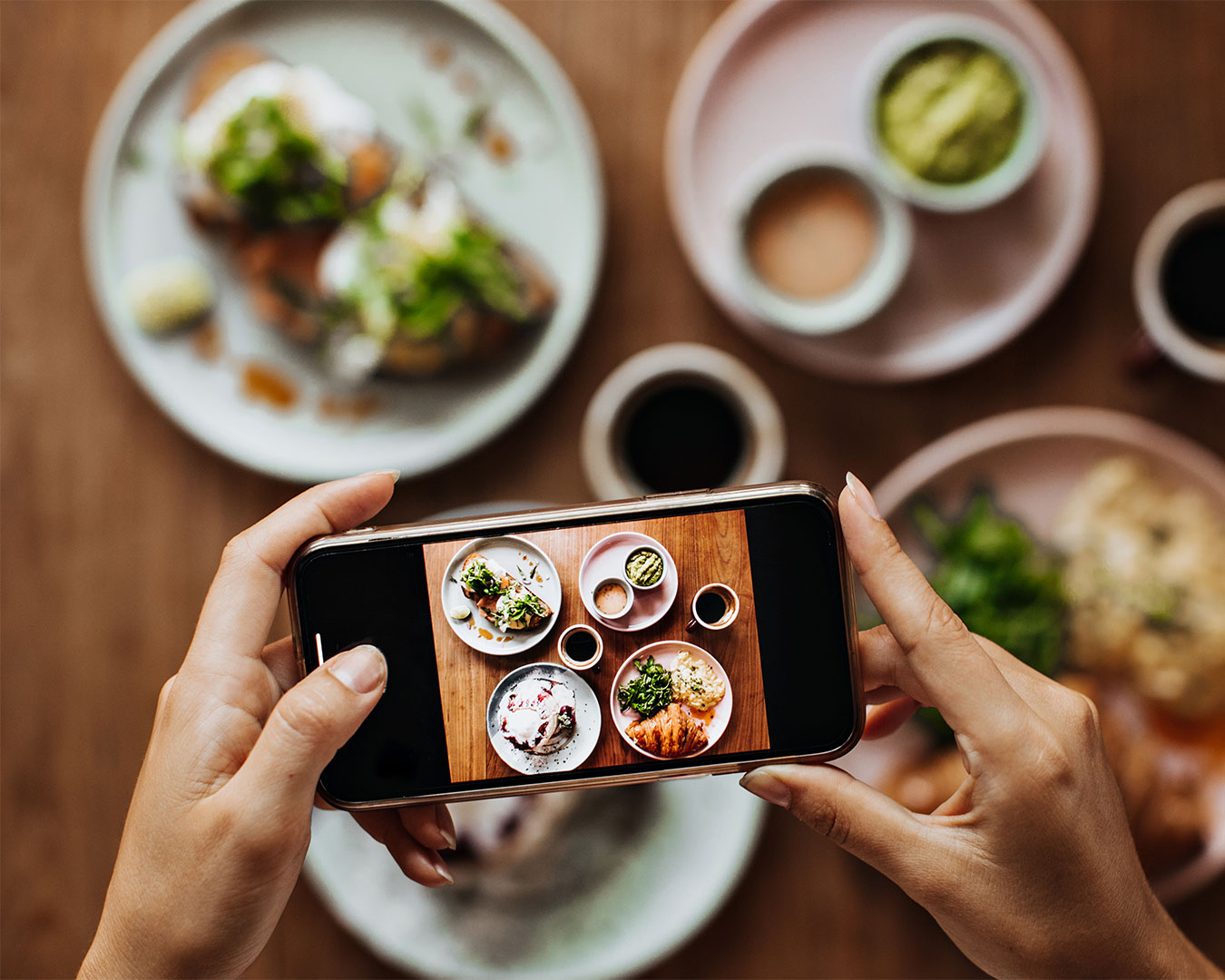

Inviting social media creators and food influencers into your dining room seems like a fast way to build instant buzz. You trade a free multi-course meal or a modest hosting fee in exchange for short-form videos, polished photos, and exposure to thousands of local followers. But in a crowded hospitality market, not all reach is good reach.
Partnering with the wrong influencer can actively hurt your brand, drain your marketing budget, dilute your positioning, and alienate your core guests. Spotting critical red flags before you hand out a hosted table reservation protects your brand equity and ensures your marketing efforts drive real covers, not just hollow vanity metrics.
Inflated Follower Counts and Fake Engagement Rates
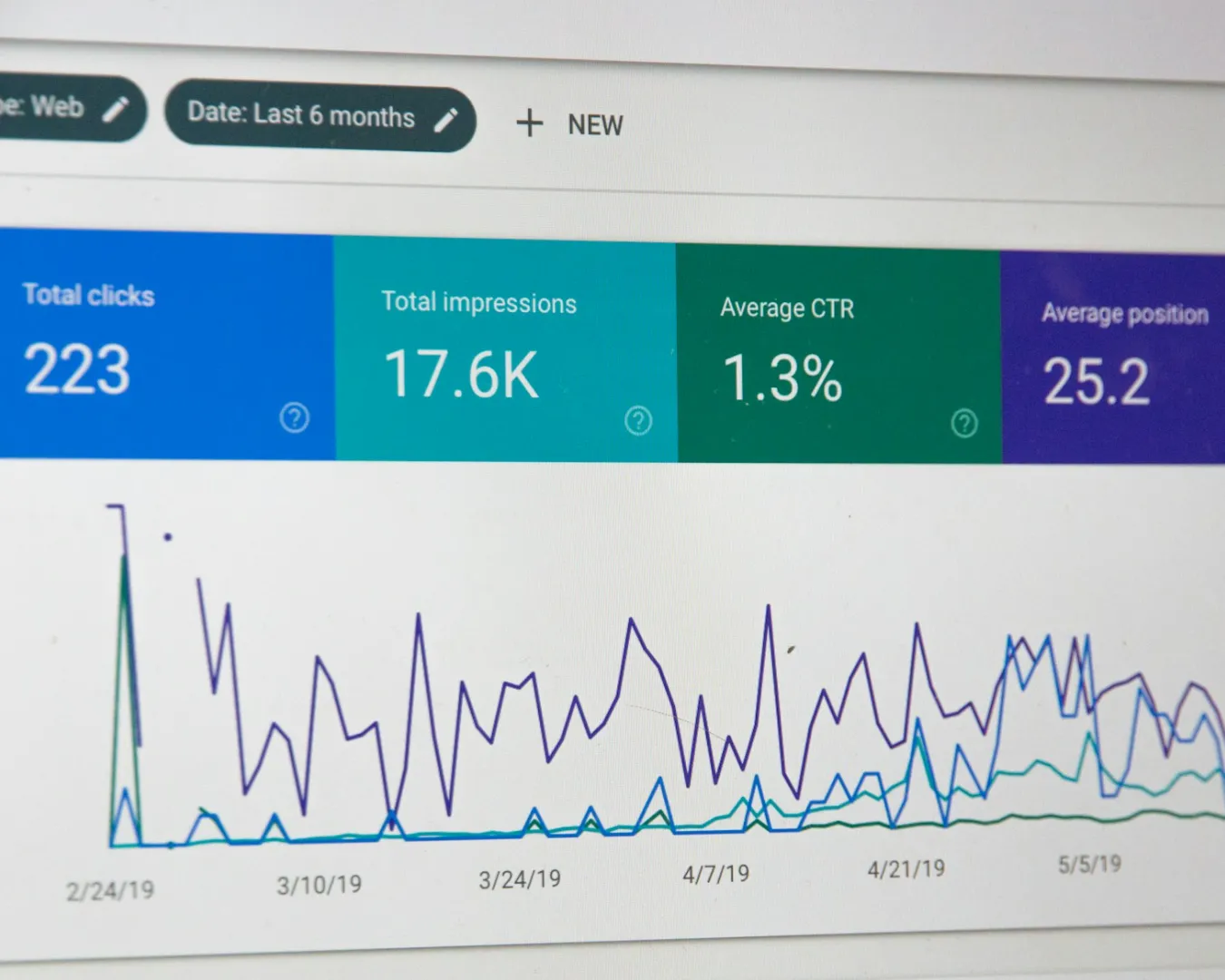
The most common trap in influencer marketing is relying solely on total follower numbers. A massive follower count looks impressive on paper, but if those followers are bought, bot-generated, or located thousands of miles away, those numbers will never translate into real guests at your tables.
You can spot fake audience engagement by auditing a creator’s profile before reaching out:
- Unnatural Engagement Ratios: If an account has 100,000 followers but only gets 150 likes and three generic comments per post, their audience is likely purchased or inactive.
Related Article: The Real ROI of Food Influencer Marketing (Not the Follower Count)
- Generic Comment Sections: Look at who is commenting on their posts. A stream of single-emoji responses, “nice post!” comments, or accounts with no profile pictures usually indicates automated bot activity.
- Geographic Disconnect: Check where their audience lives. If you run a high-end neighborhood bistro in Singapore or London, an influencer whose audience is 80% overseas will not fill your dining room.
Mismatched Brand Positioning and Cheap Aesthetics
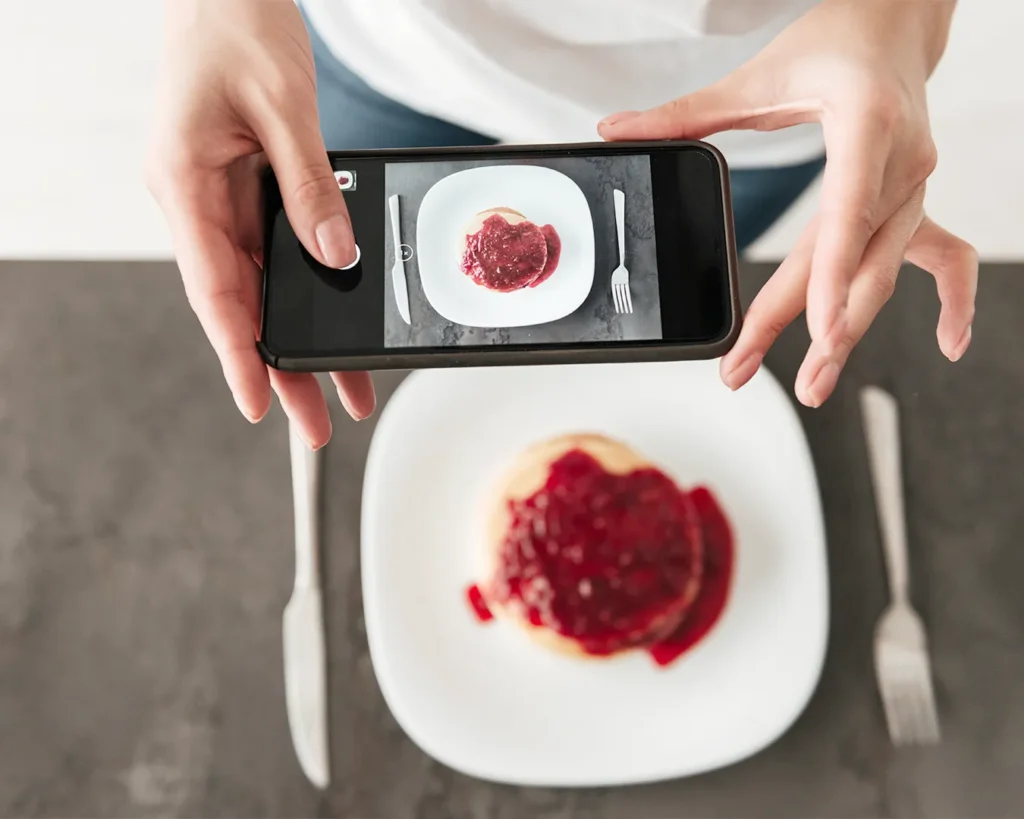
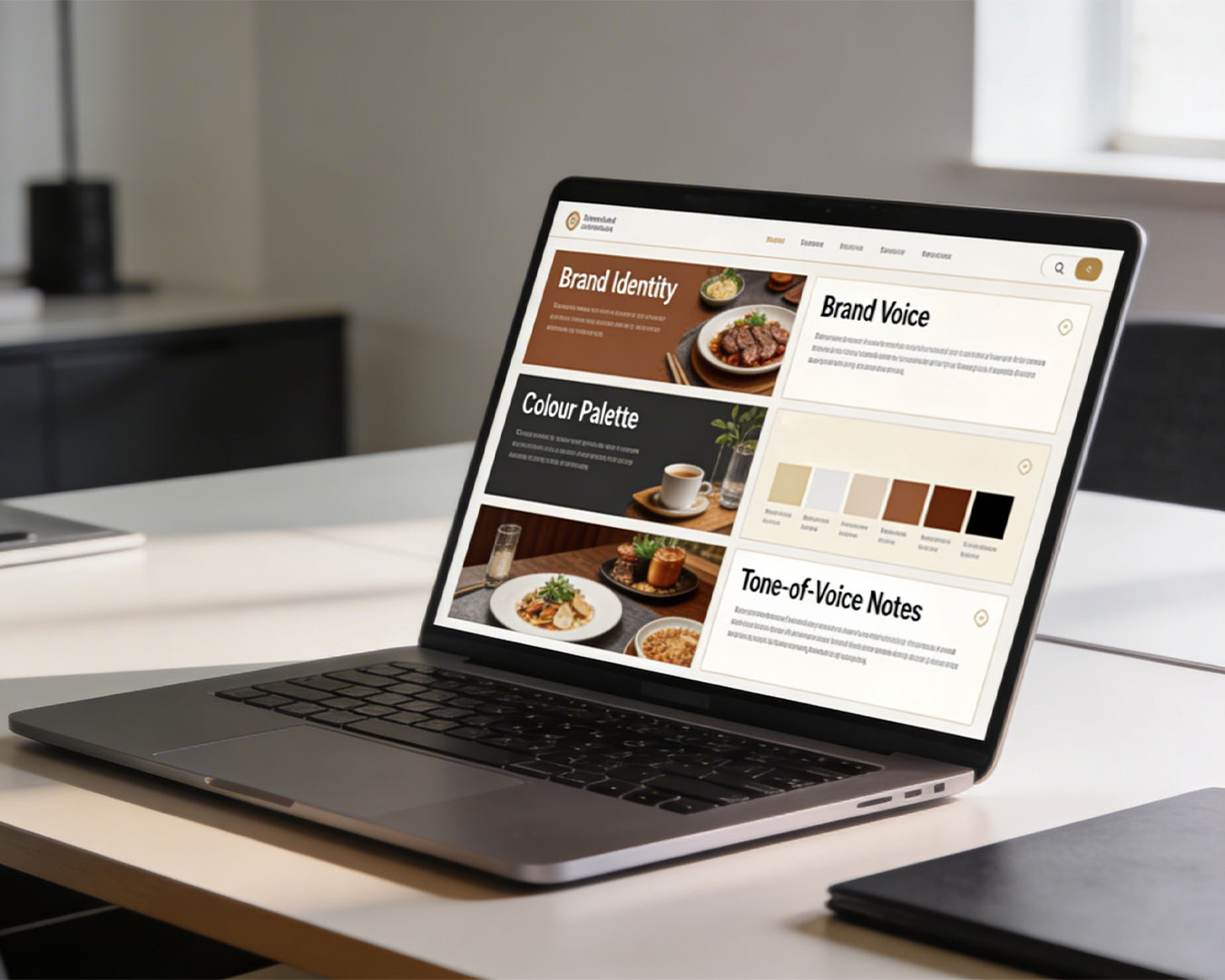
Every creator has a distinct visual style, audience demographic, and tone of voice. Inviting an influencer whose brand conflicts with your concept creates instant friction and confuses potential guests.
Before sending an invite, review their past content to see if it aligns with your brand identity:
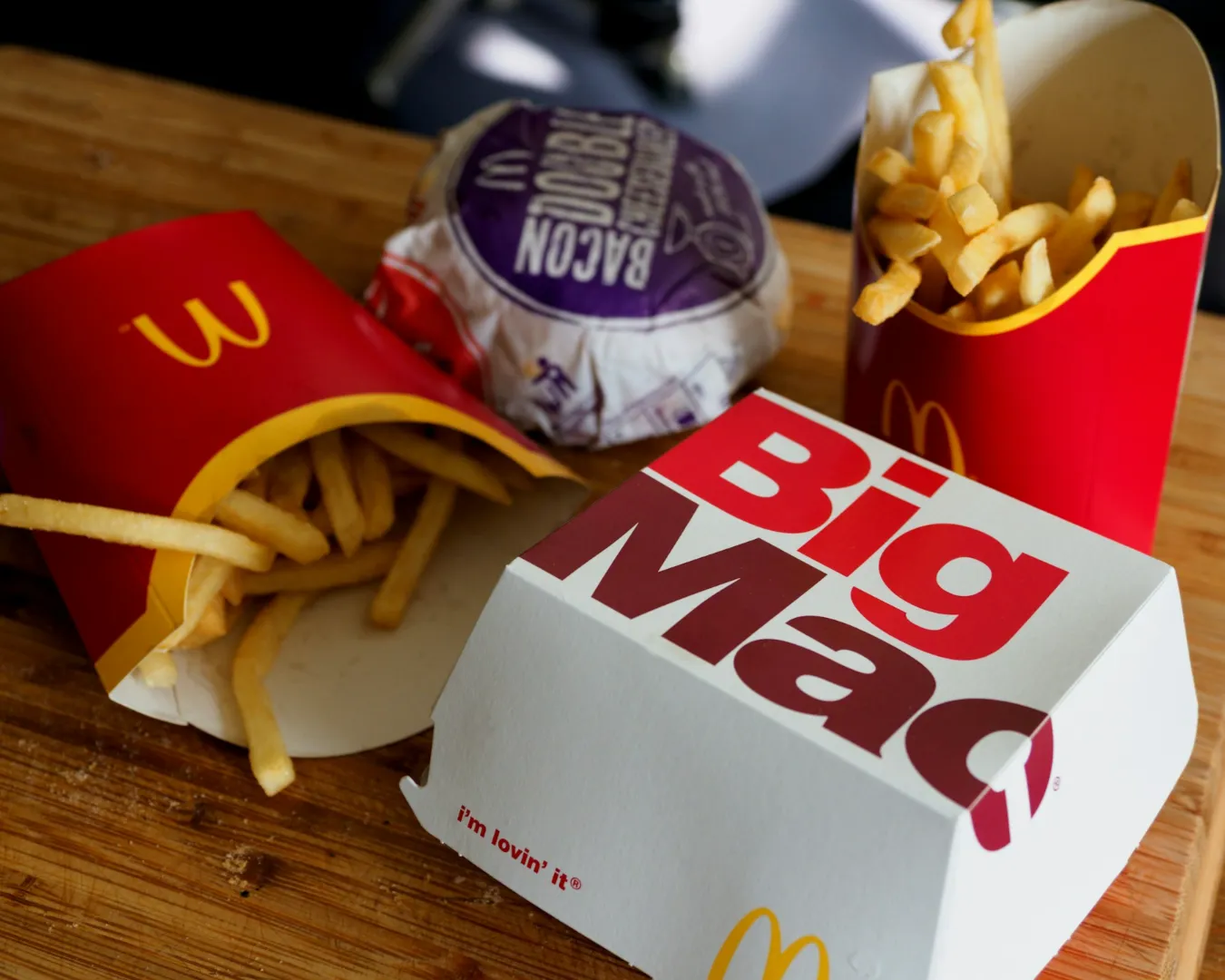
- The Gimmick Obsession: If a creator only reviews viral, over-the-top fast-food gimmicks or extreme eating challenges, bringing them into an unhurried, technique-driven omakase bar will feel jarring and out of place.
- Demographic Mismatch: Pay attention to who follows them. A creator whose audience consists mostly of college students hunting for cheap happy-hour deals will not convert into paying guests for a fine-dining tasting menu.
- Low-Quality Visuals: Look at their production standards. Dark, shaky videos with bad audio and sloppy framing reflect poorly on your kitchen and lower your brand authority.
Entitled Behavior and Demanding Unrealistic Perks
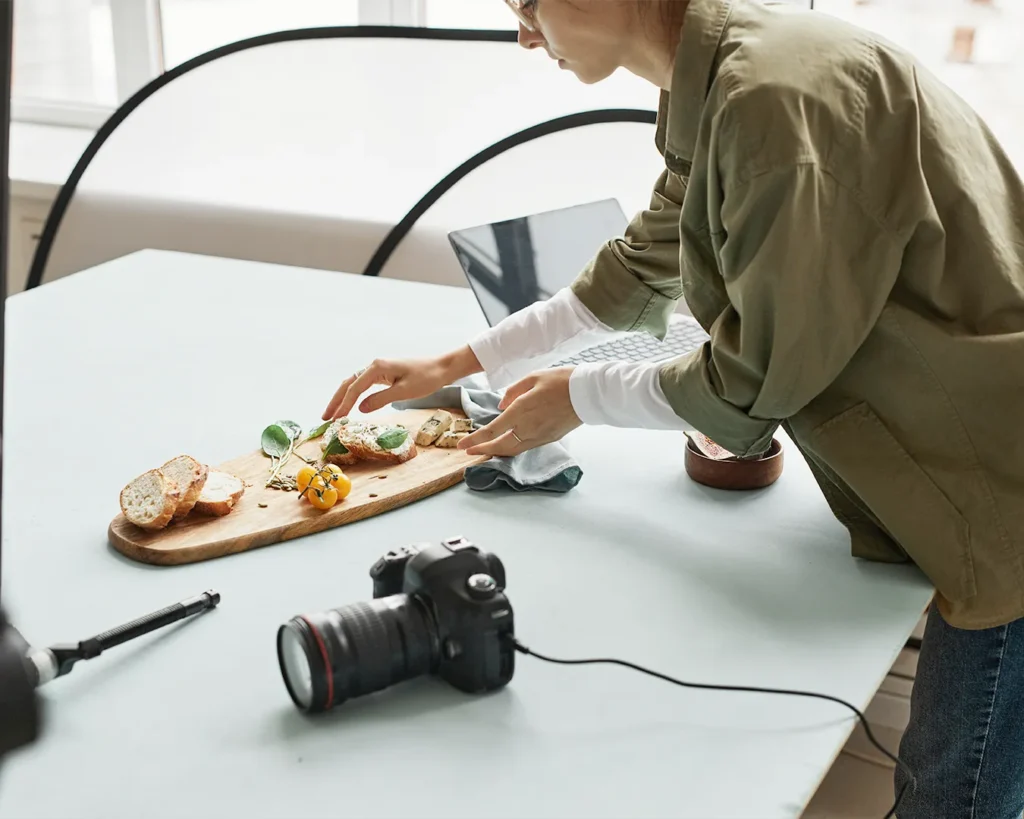
How a creator communicates with your team during initial outreach tells you everything you need to know about how they will behave inside your space. Professional influencers operate like media businesses; entitled creators treat hospitality operators like free catering services.
Watch out for these behavioral warning signs during early conversations:
- Demanding Free Meals for Large Groups: Be cautious of creators who demand free food and drinks for a party of six in exchange for a single short story post.
- Refusing Clear Deliverables: A professional creator willingly agrees to specific deliverables, posting timelines, and usage rights. If they get defensive when you ask for basic terms, walk away.
- Ignoring Your House Rules: If an influencer shows up during peak weekend service, demands special lighting setups that disturb other diners, or treats your floor team disrespectfully, they damage your real-world guest experience.
Lack of Content Longevity and Commercial Strategy
A quick video reel might get a sudden spike in views on launch day, but if the creator does not know how to structure a compelling story, that attention disappears in 24 hours without driving a single reservation.
Look for creators who understand how to build real audience intent:
- No Clear Call to Action: A post that just shows pretty food shots without telling viewers where you are located, how to book, or what makes your signature dish unique is a wasted opportunity.
- Over-Saturated Sponsored Feeds: If every single post on a creator’s feed is a paid ad for a different business, their audience suffers from ad fatigue and no longer trusts their recommendations.
- No Proof of Conversion: Ask potential partners for past performance examples. High-value creators can show real case studies where their content drove website traffic, reservation clicks, or direct sales for previous partners.
Protecting Your Brand Identity and Marketing Dollars

Before you invite another influencer to your host stand this month, review their content through an objective, operational lens. Does their visual style, tone, and audience match the level of hospitality you deliver every night, or are you sacrificing your brand reputation for a brief spike in views?
At Atelier Creations, we specialize in helping hospitality brands build influencer strategies that protect brand positioning while attracting high-value diners. Together, we audit media partners, structure clear creator agreements, and develop digital marketing strategies that deliver measurable return on investment. Let’s review your brand strategy together and keep your dining room full of the right guests.