
You are looking at an invoice for eight hundred dollars and a video with forty thousand views. The next morning, your point of sale system tells a different story. Covers are flat. Nobody mentions the video. This is the moment most owners in the food and beverage industry quietly start to distrust influencer marketing, and they are asking the wrong question when they do.
The right question is not how many people saw the post. It is what those people did afterward. In the evolving world of digital marketing for restaurant businesses, understanding this distinction is crucial for turning online attention into real-world customers.
Why Food and Beverage Owners Get Influencer Campaigns Wrong
Most campaigns are bought like advertising and judged like word of mouth. That mismatch is the actual problem. A business in the food and beverage industry does not need reach. It needs a specific audience, in a specific area, with a specific reason to walk through your door this week. Views are a vanity number. Engagement metrics, purchasing decisions, and repeat visits are the real ones.
Food Brand Content Is Not the Same as a Strategy
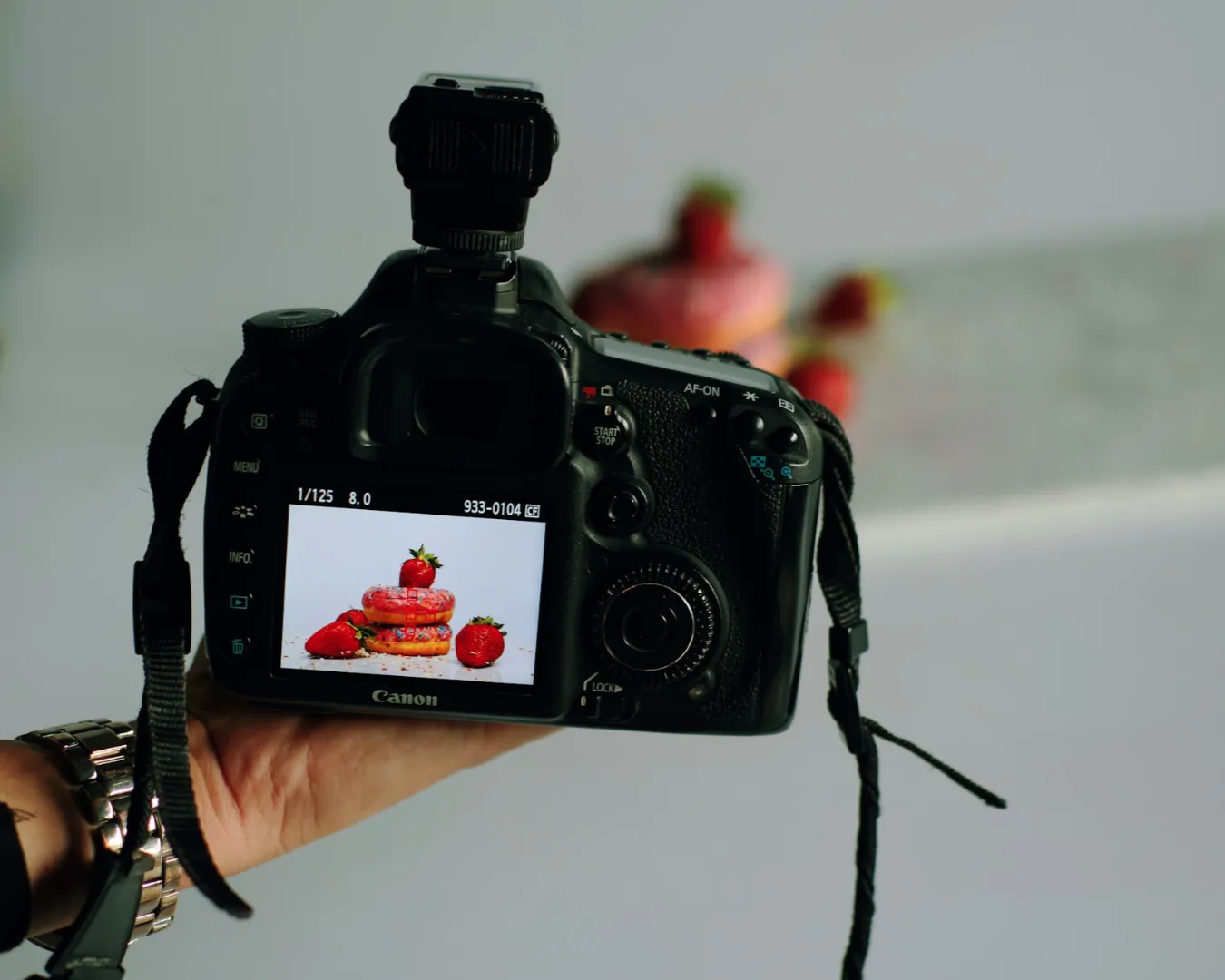
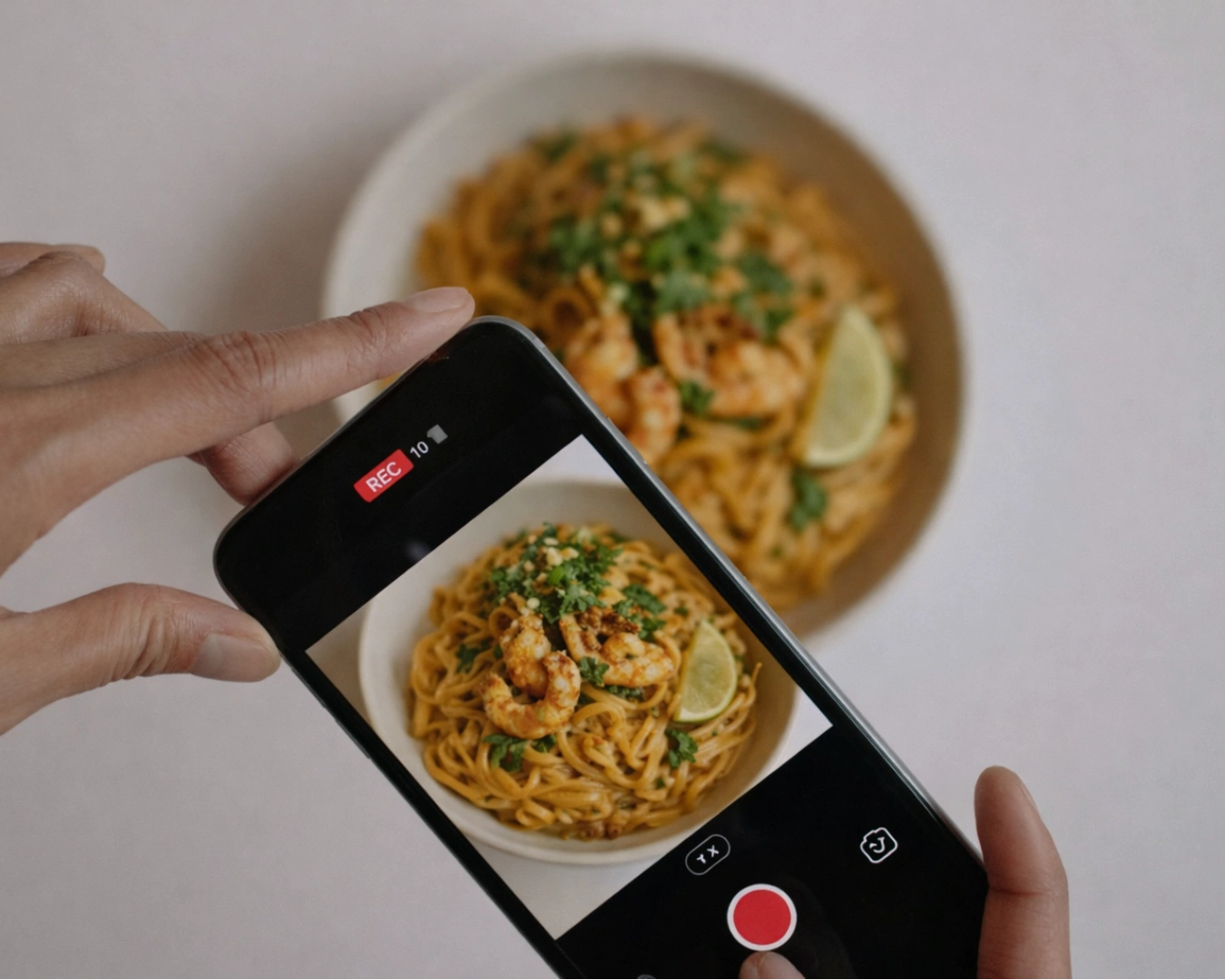
Food content is easy to produce and easy to admire. Visual storytelling around your signature dishes will always get likes. But high quality content without a clear audience match is just entertainment at your expense. The question to ask before any shoot is simple: who exactly is watching, and does their audience interest actually line up with your niche focus.
What Food Influencer Marketing Campaigns Are Actually Selling You
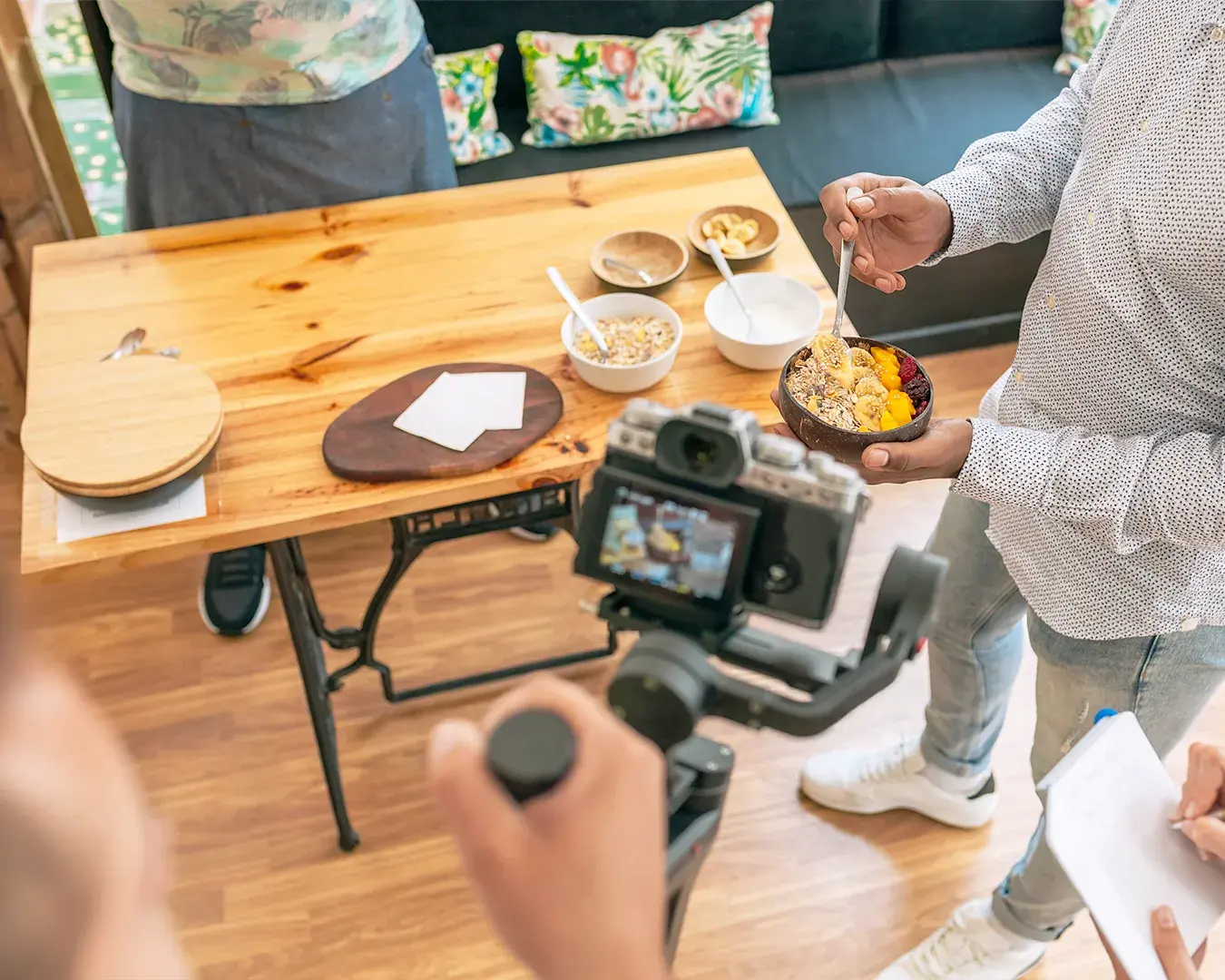
Food influencers are not selling exposure. They are selling access to an audience that already trusts their taste. Audience trust is the entire asset, and it is why social proof from the right voices tends to outperform louder, broader campaigns.
- Nano influencers with a small but genuinely engaged following, home cooks who share everyday meals and recipes, and creators known for honest taste tests often carry more weight than a passing mention from a YouTube star with an audience that has no real connection to your area.
- Macro influencers can still work, but usually for brand awareness rather than footfall, and many brands learn that distinction the expensive way.
Choosing the Right Food Influencer for Your Niche
Influencer selection should look more like hiring than shopping. The right food influencer is not the one with the biggest number attached to their name. It is the one whose content style, cultural context, and target audience genuinely overlap with the people who would book a table at your restaurant. Strong marketing content builds trust by showcasing authentic experiences that resonate with the audience.
A fine dining establishment and a chain built around plant based food are chasing different audiences entirely. Vegan restaurants benefit from creators known for that niche focus specifically, not general food accounts hoping to seem versatile. The same logic applies across the wider beverage industry, where a creator’s usual content, whether that is grocery hauls, coffee reviews, or cocktail features, should already resemble what you are asking them to promote.
Structuring Influencer Partnerships for Results, Not Reach

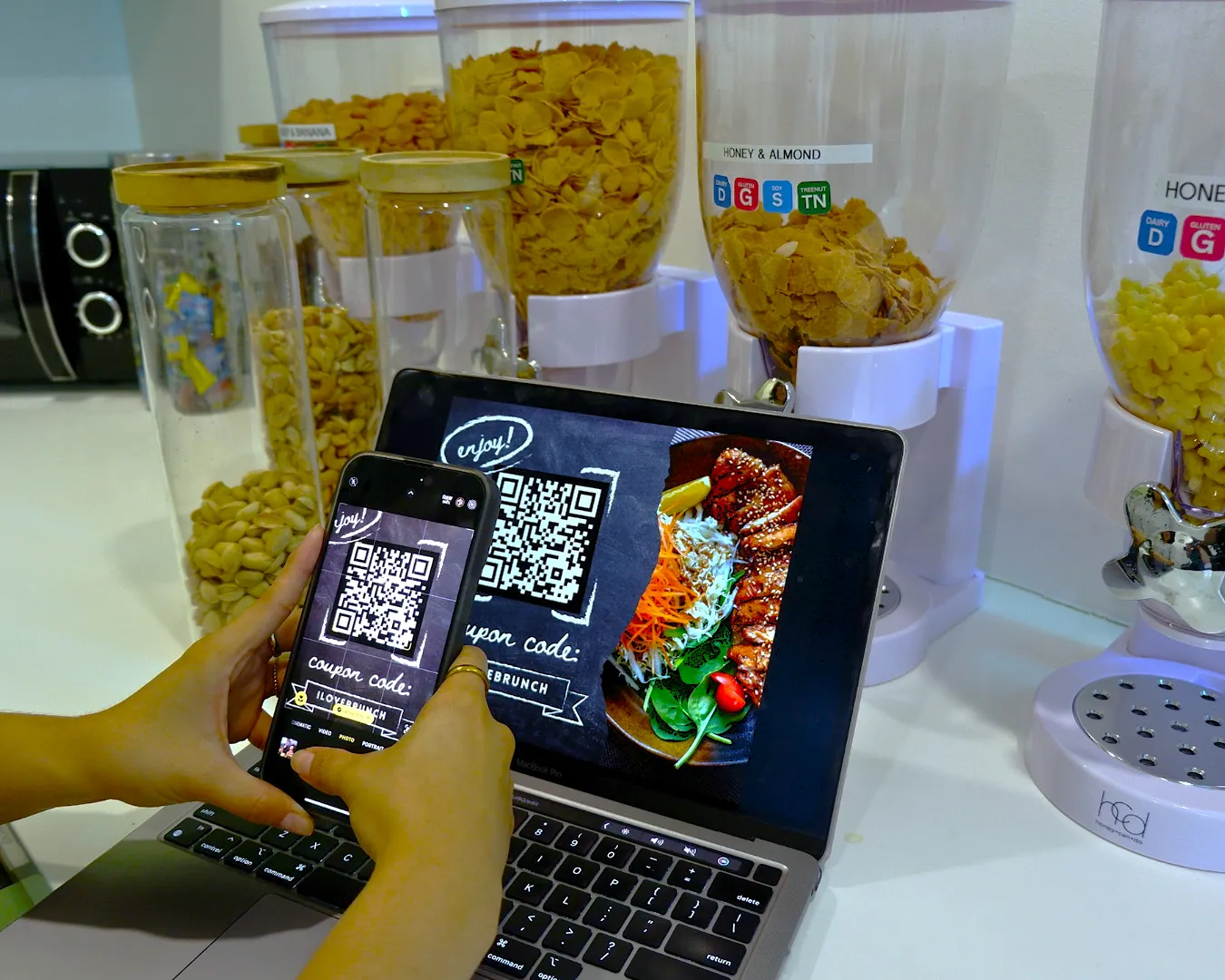
Well built influencer partnerships share three traits. They are built around paid campaigns and sponsored content with a defined target audience. They include a way to track what happens next, such as a discount code or a booking link. And they are reviewed against campaign outcomes, not screenshots.
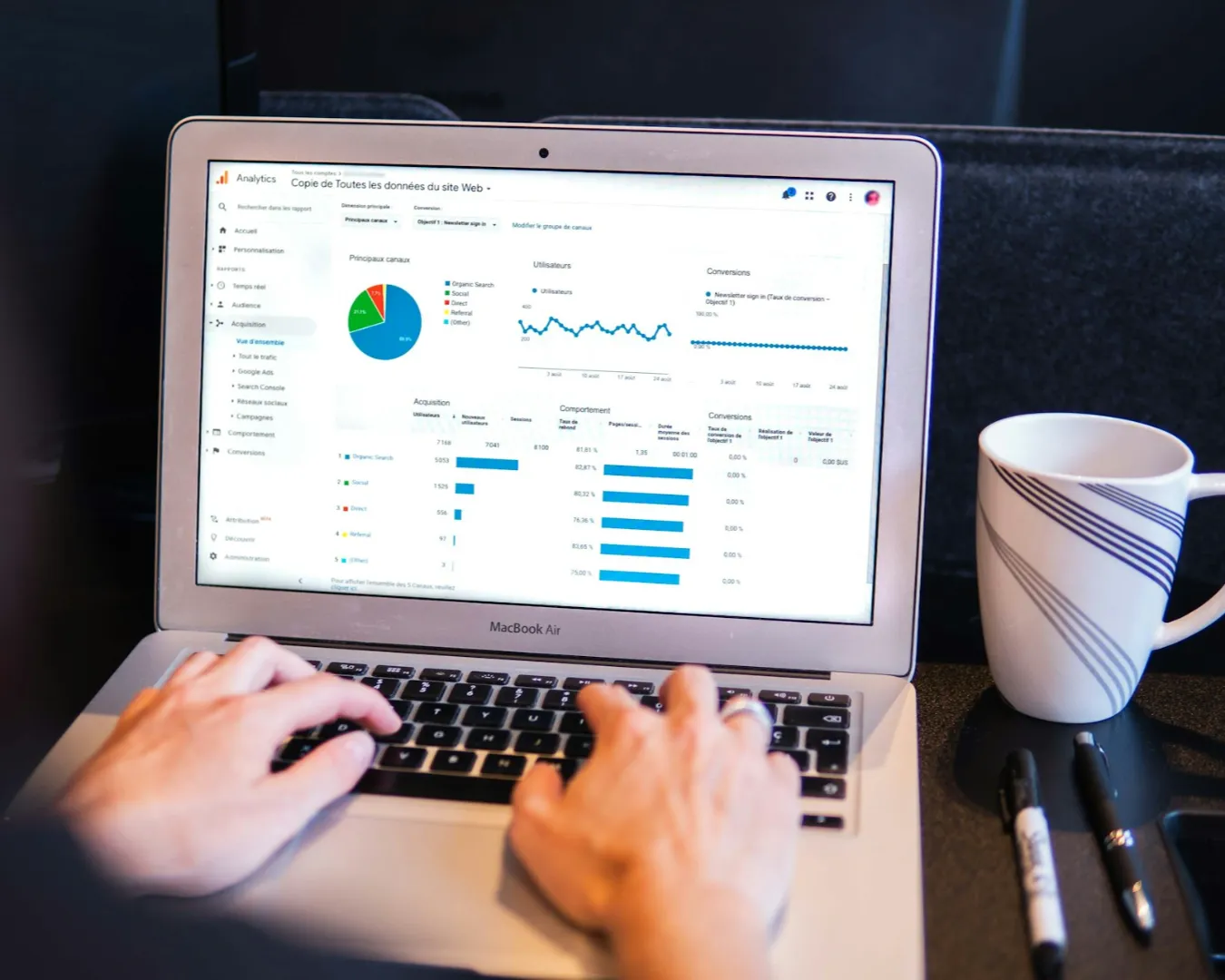
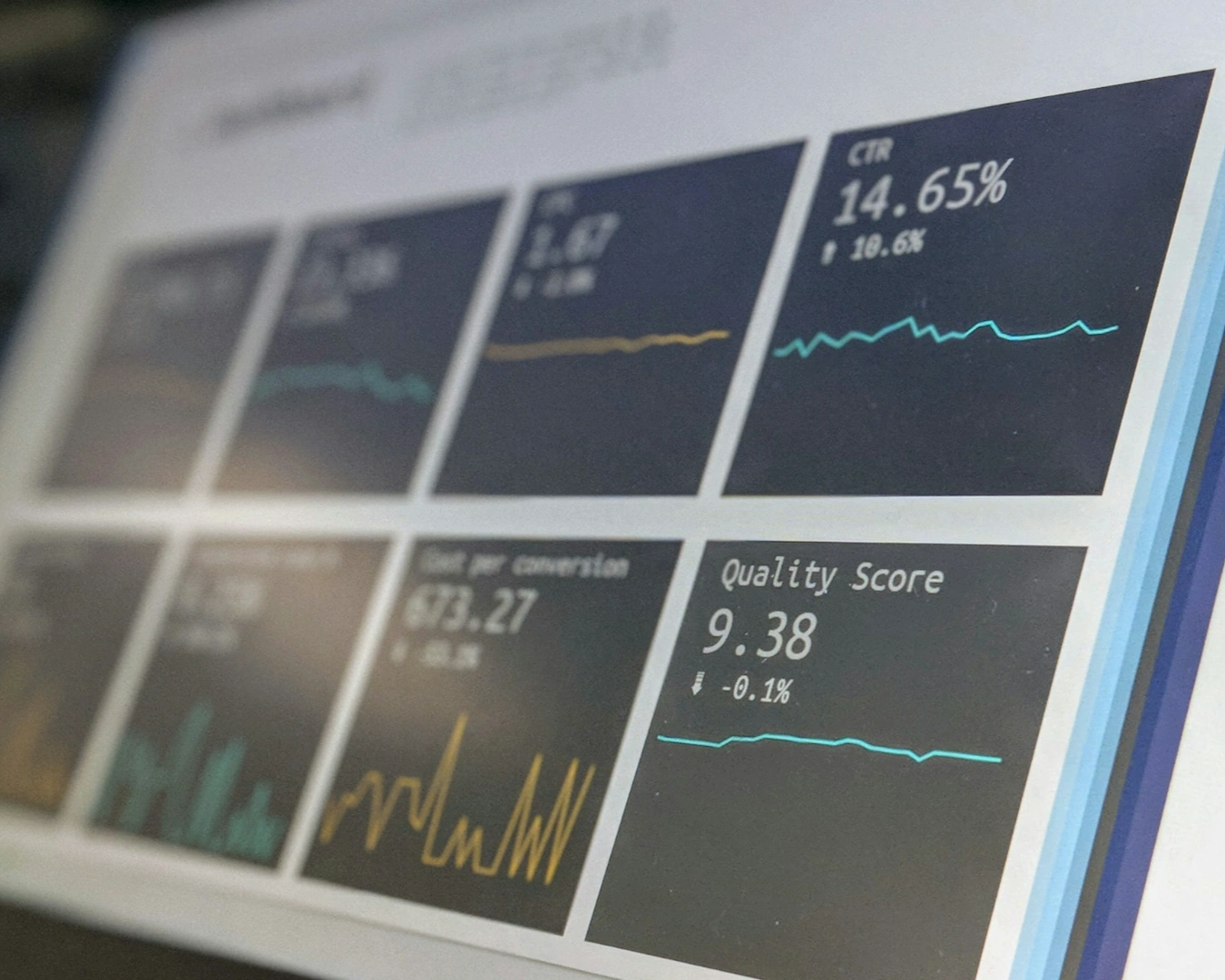
Google Analytics, reservation data, and simple engagement metrics will tell you more about a successful campaign than any comment count. If a partnership cannot show actionable insights within a few weeks, it needs to change, not continue out of habit.
Where the Content Actually Lives
Instagram stories, Instagram posts, TikTok challenges, and short video content each behave differently across social platforms. What works as scroll stopping content on one of your social media channels can fall flat on another, because audiences on different social media platforms show up with different expectations. Content that feels natural to a platform will always outperform content that feels like an ad wearing a costume.
Why the Beverage Industry Needs a Different Playbook
Brands in the beverage industry are often selling a habit, not a single visit. A coffee label or a drinks brand benefits more from a long term relationship with a small number of creators than from a single burst of high engagement. Consistency builds the kind of familiarity that one campaign, however well produced, cannot.
Measuring What Actually Matters
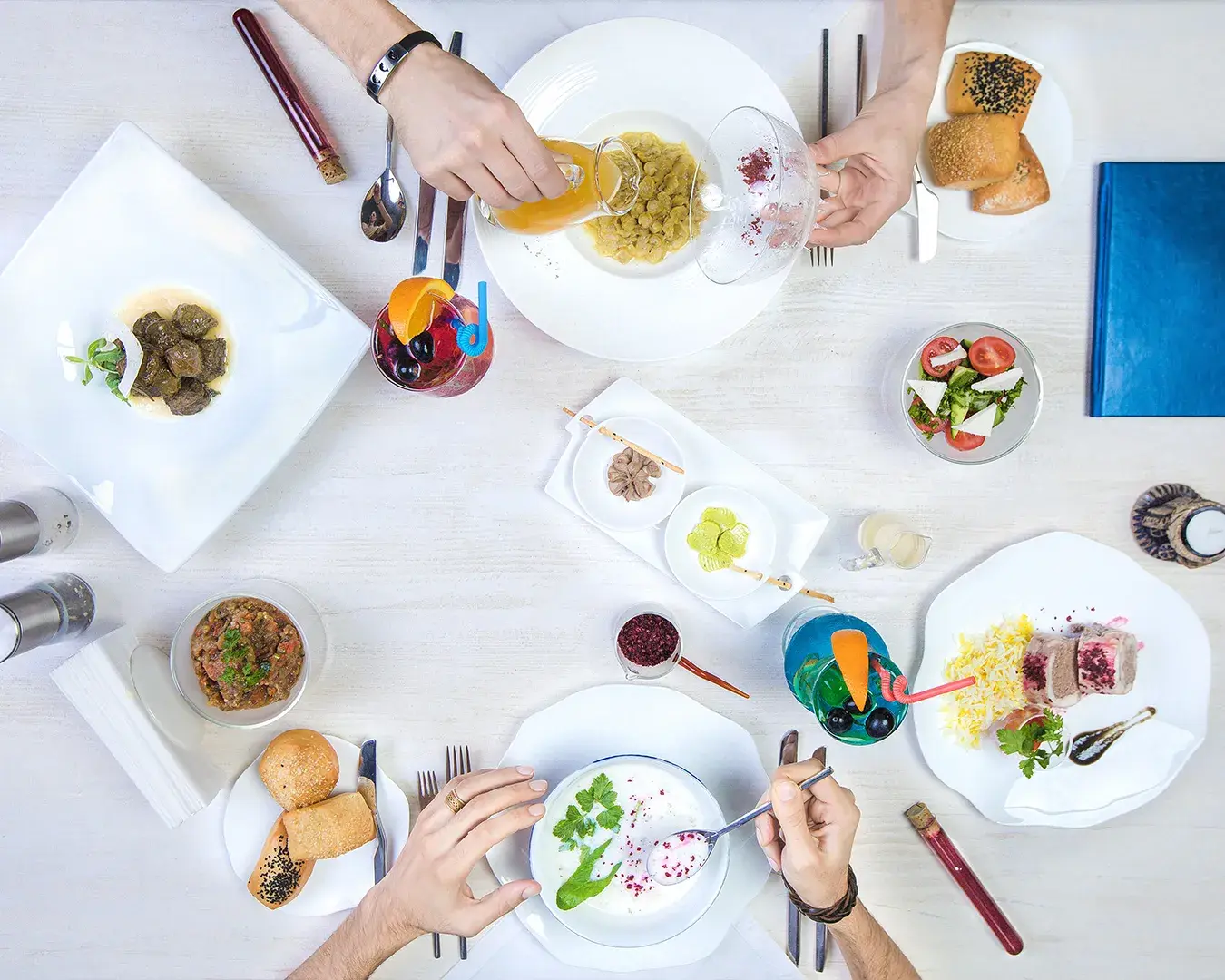
To measure success properly, look past likes. Track campaign results against bookings, repeat orders, and shifts in purchasing decisions over the following weeks. Continuous optimization matters more than any single post. Adjust creators, timing, and offers based on what the data shows, not on which video felt exciting to watch.
Done well, this is how brands deliver measurable results and build genuine culinary experiences worth talking about, rather than a single sponsored content moment that fades by the weekend.
Building Something That Outlasts the Post
The owners who get the most from this space are not the ones chasing the next viral clip. They are the ones treating influencer marketing as one part of a longer plan, measured quietly and adjusted often.
If you would like a second pair of eyes on your last few campaigns, we are happy to walk through them with you, quietly and without obligation. Atelier Creations has been instrumental in helping many brands refine their food influencer marketing strategies, ensuring campaigns deliver lasting impact rather than fleeting moments.