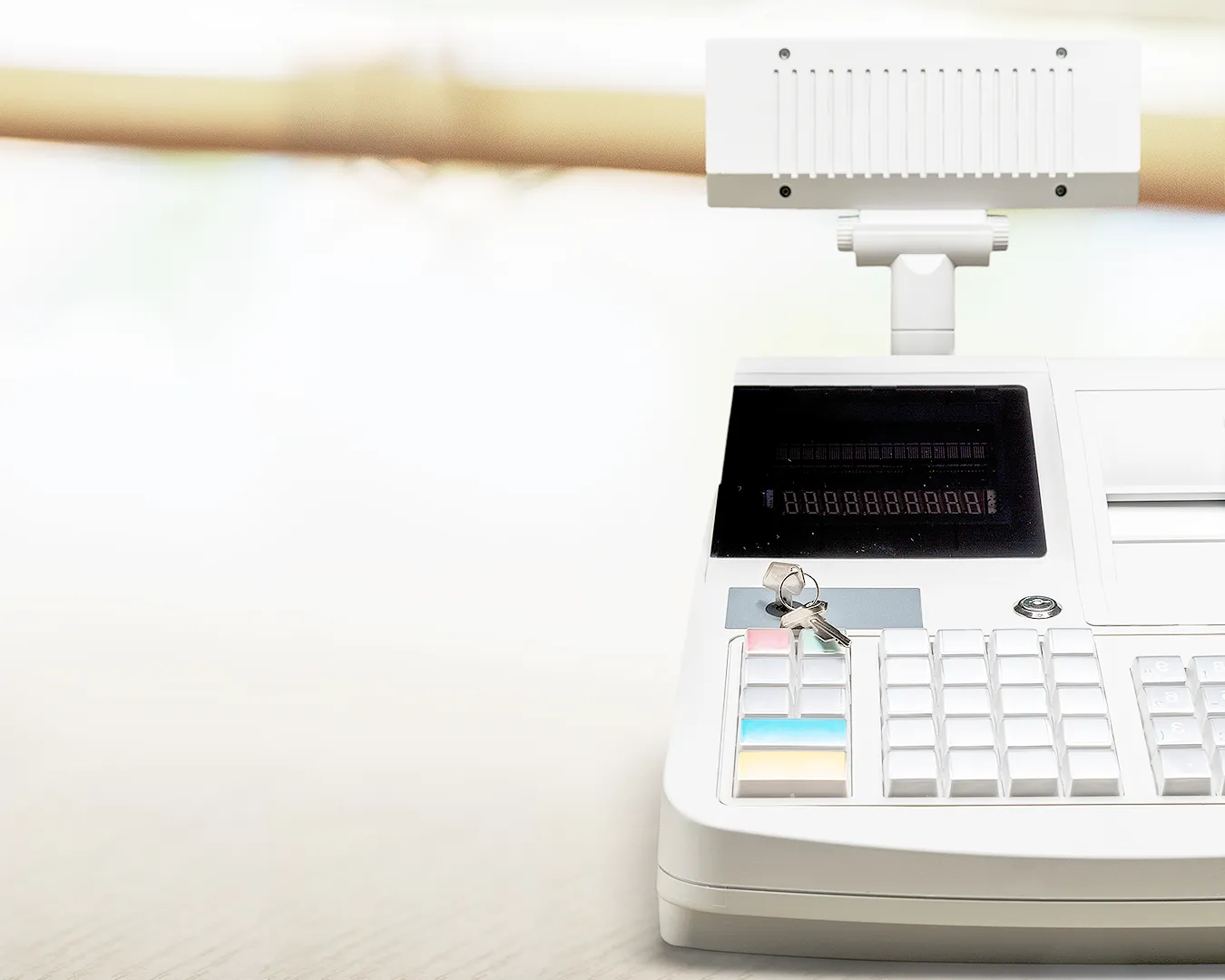
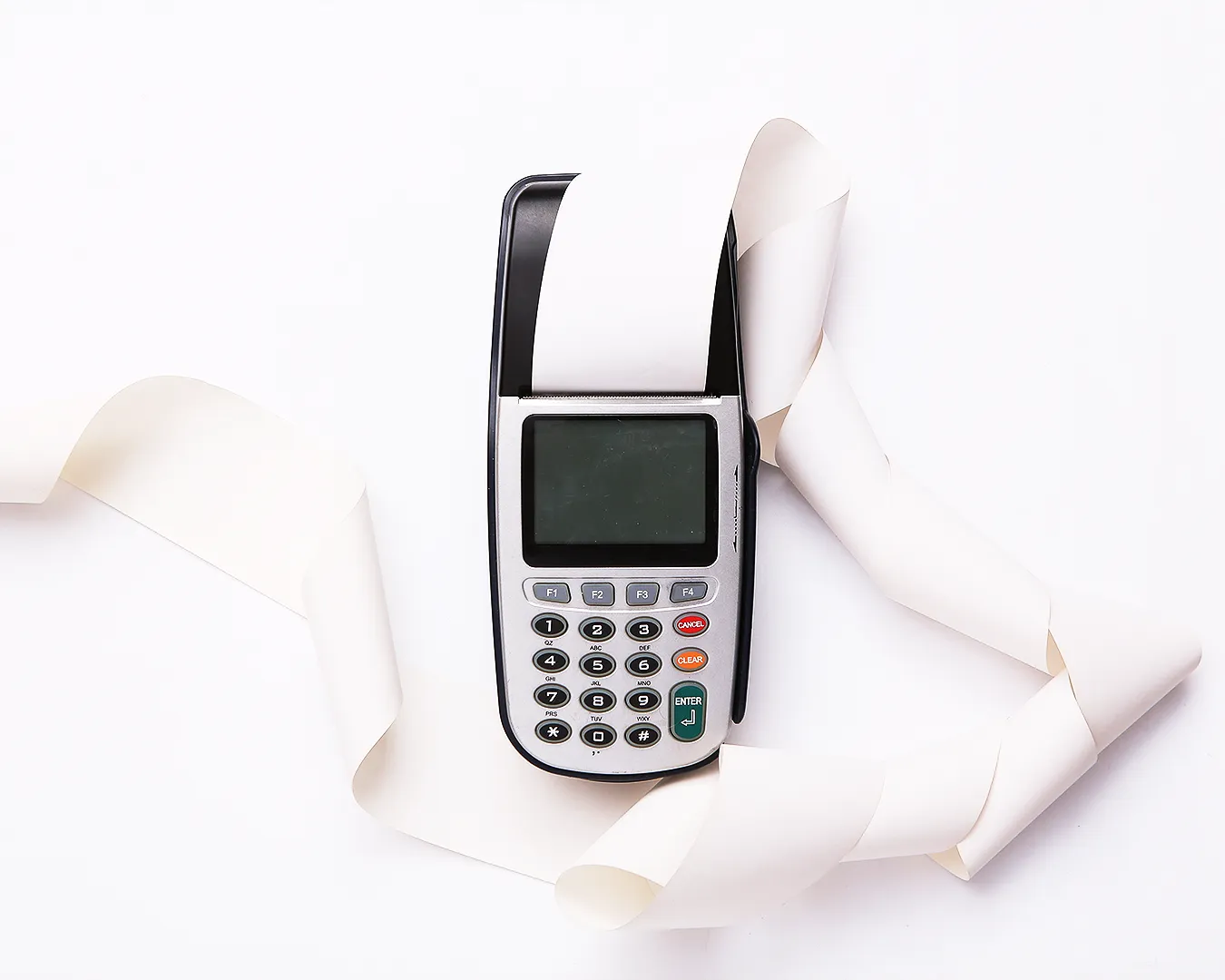
Many operators view their Point of Sale (POS) system as nothing more than a digital cash register. It processes credit cards, sends tickets to the kitchen line, and calculates daily sales totals. Yet sitting inside your transaction history is a goldmine of guest behavior, dish margins, and kitchen execution speeds. Designing a menu based purely on gut instinct or personal culinary preference often leads to bloated ingredient inventory, high labor costs, and hidden margin leaks.
POS data can quietly improve your menu engineering by replacing subjective guesswork with objective sales performance. This allows you to optimize item placement, refine portioning, and maximize your gross profit per cover without disrupting the dining room experience.
Uncovering Your True Menu Matrix Stars and Dogs
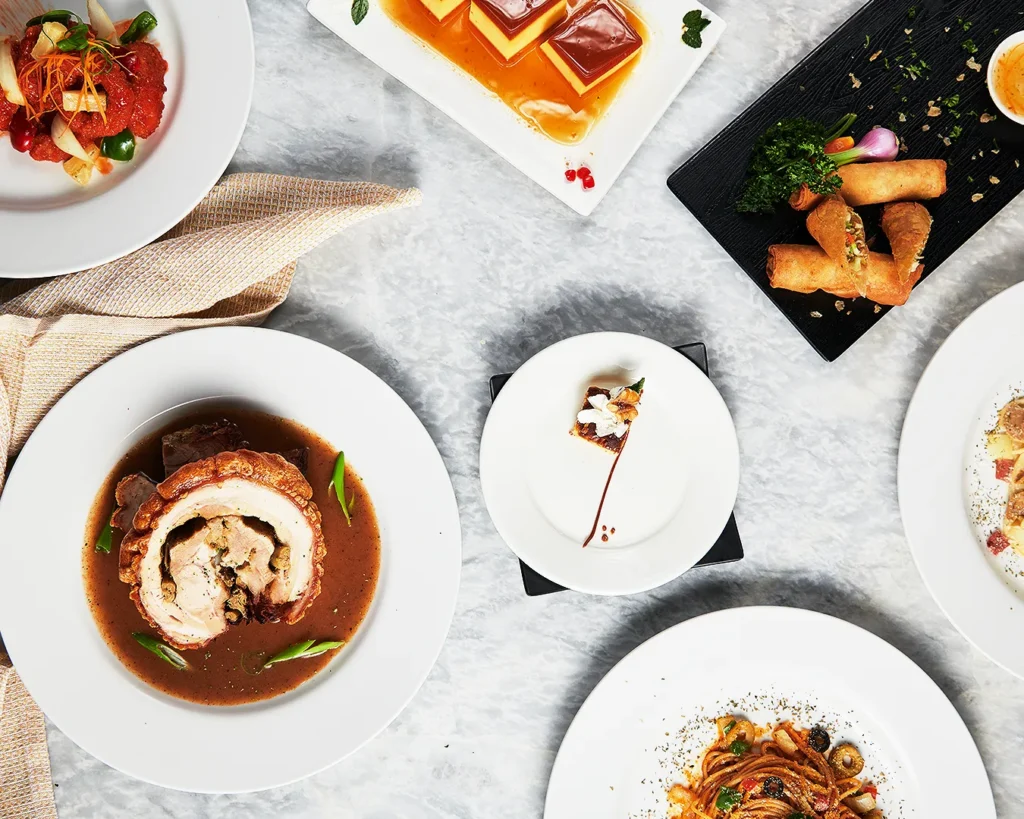
Traditional menu engineering relies on evaluating every dish across two specific metrics: popularity (volume sold) and profitability (contribution margin). Your POS data provides the raw metrics needed to categorize every item on your menu into four distinct operational buckets:
- Stars (High Popularity, High Profit): These are your primary revenue drivers. Your POS data identifies these key items so you can anchor them in prime visual real estate on your physical and digital menus.
- Plowhorses (High Popularity, Low Profit): These dishes sell in high volumes, but their ingredient or labor costs eat away at your profit margins. POS data highlights where subtle price adjustments or slight recipe modifications can instantly reclaim lost margin.
- Puzzles (Low Popularity, High Profit): High-margin items that fail to sell in high volumes. POS reports alert you to dishes that require better menu placement, bolder typographic emphasis, or floor staff recommendation during pre-shift briefings.
- Dogs (Low Popularity, Low Profit): Items that consume precious kitchen prep time and cooler storage without contributing meaningful profit. POS sales velocity reports give you clear justification to remove them completely.
Revealing Hidden Ingredient Dependencies and Kitchen Bottlenecks
A dish might show a strong gross profit margin on a spreadsheet, but if it creates severe prep delays or relies on a single perishable ingredient that frequently rots in your walk-in cooler, it quietly hurts your bottom line.
Analyzing your POS ticket data alongside back-of-house operational logs uncovers these hidden operational friction points:
- Ticket Prep Times: Cross-referencing POS timestamp data with kitchen display system (KDS) prep times reveals which complex dishes slow down the entire ticket line during peak dinner rushes, dragging down your overall table turnover rate.
- Cross-Utilization Opportunities: Sales velocity reports highlight isolated ingredients used in only one low-volume dish. Replacing those specialty items with ingredients shared across high-performing menu items reduces food waste and lowers food costs across the board.
- Modifier and Substitution Trends: Tracking POS custom modification keys shows you what guests are naturally changing about your dishes. If 40% of guests consistently request a specific sauce or side swap, updating the base menu item saves staff time and aligns with guest demand.
Fixing Price Sensitivity with Historic Sales Velocity
Raising menu prices across the board is a risky move that can alienate your core guest base. POS data allows you to take a surgical, data-driven approach to price adjustments by showing you the exact price elasticity of individual dishes over time.
By tracking historic sales volume alongside price changes in your POS system, you can identify how price-sensitive your guests are to specific items:
- Inelastic Signature Items: Unique, highly branded signature dishes often withstand modest price increases with zero drop in sales volume because guests cannot replicate them elsewhere.
- Elastic Side Items and Beverages: Generic items, like basic side salads, coffee, or standard draft beers, suffer steep drops in sales volume if priced even slightly above local market standards.
- Subtle Price Nesting: POS data guides where you can safely increase prices on high-margin accompaniments while keeping anchor main courses competitively priced to maintain perceived value.
Driving Floor Staff Upselling with Real Item Pairings

Your POS database tracks complete guest orders, giving you clear visibility into which starters, sides, and beverage pairings naturally sell together during live service.
Instead of asking floor staff to blindly push random specials, use transaction pairing data to inform your team:
- Data-Backed Pairings: Identify which specific wine pours or craft cocktails sell most frequently alongside your top-tier protein mains, and train staff to recommend those exact combinations during table service.
- Optimizing Menu Bundles: Build fixed-price tasting menus or promotional lunch sets based on high-performing dish combinations proven by past POS order data.
- Highlighting Natural Add-Ons: Position high-margin side dishes directly beneath the specific main courses they are most frequently ordered with on your physical menu layout.
Turning Transaction History into Real Profitability
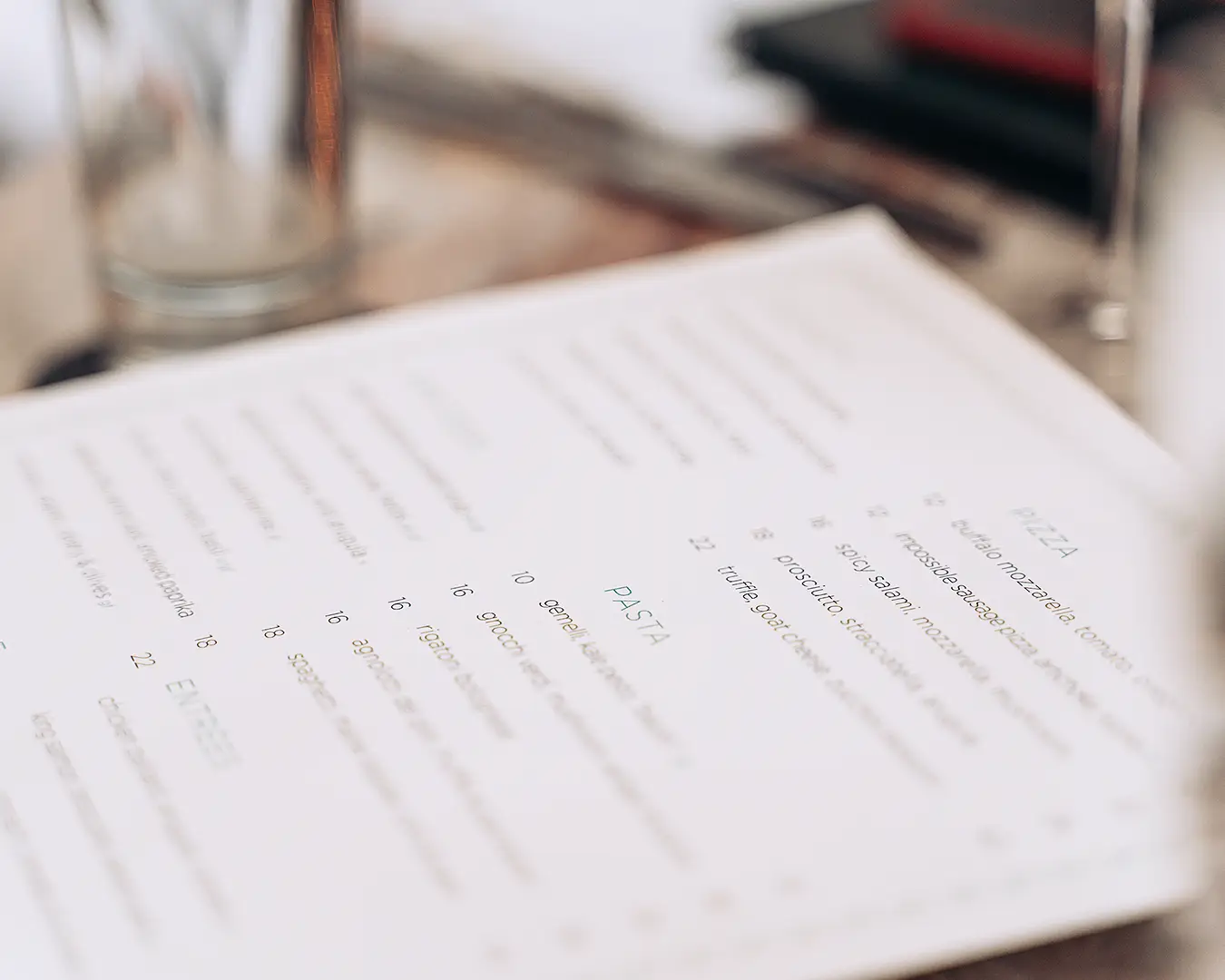
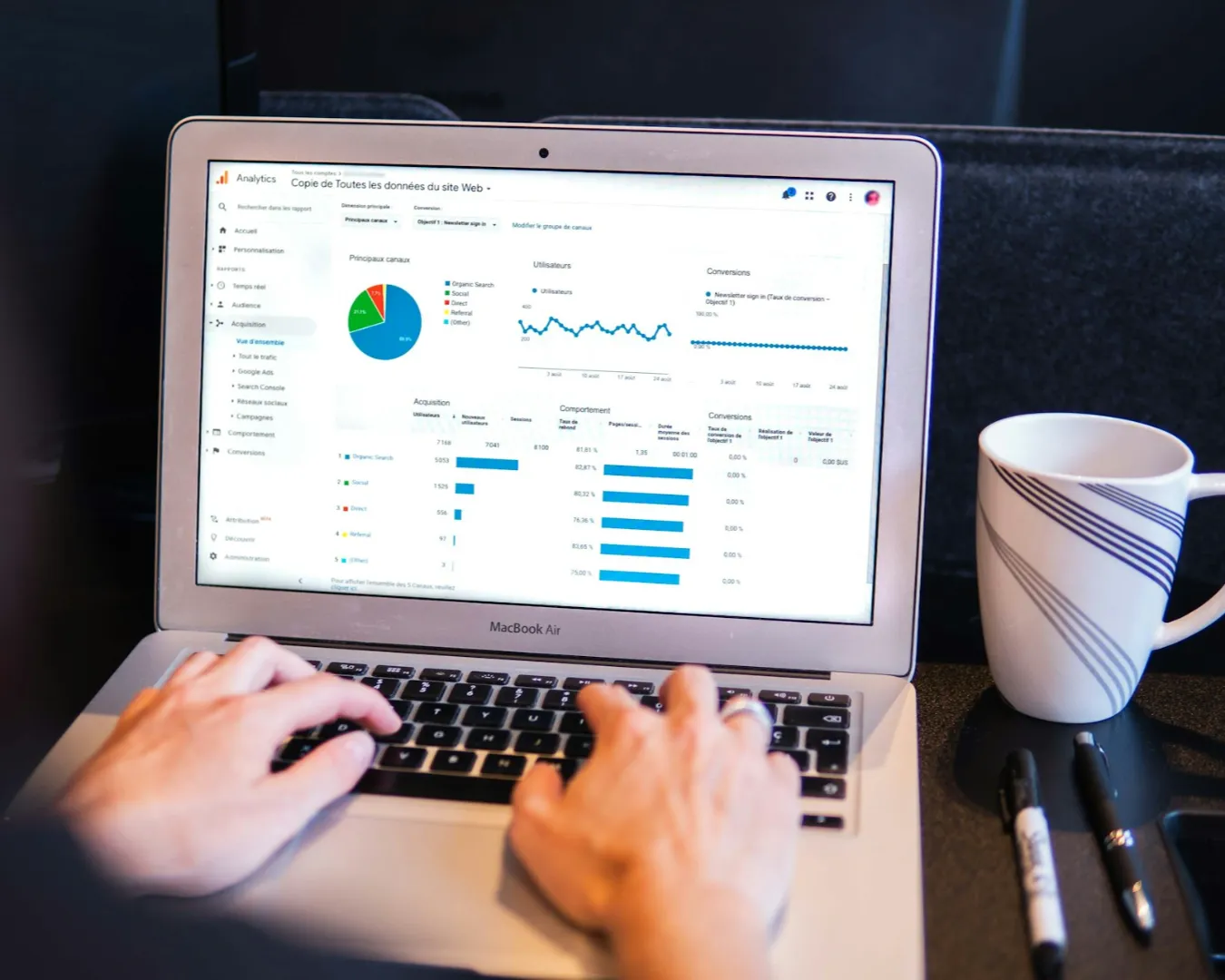
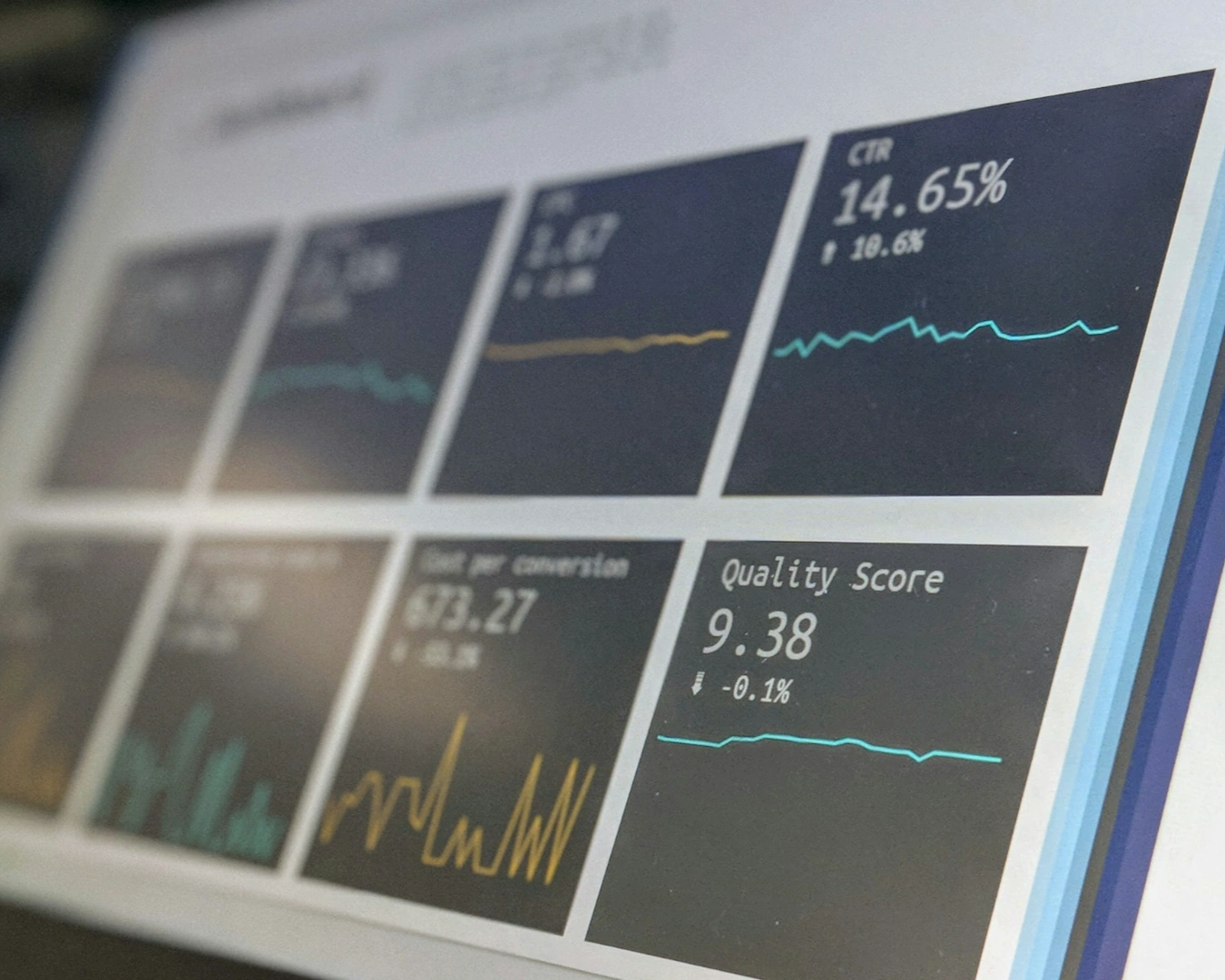
Take a close look at your POS reporting dashboard before planning your next menu update. Are you leveraging your transaction records to engineer a leaner, more profitable layout, or are you still relying on gut feel to set prices and place items?
If your menu design isn’t supported by hard operational data, you are leaving profit on the line every shift. We help hospitality brands analyze POS data, streamline menu architecture, and build high-performance menus that protect back-of-house margins while elevating the guest experience. Let Atelier Creations review your menu matrix and operational data together to optimize your restaurant’s sales engine.