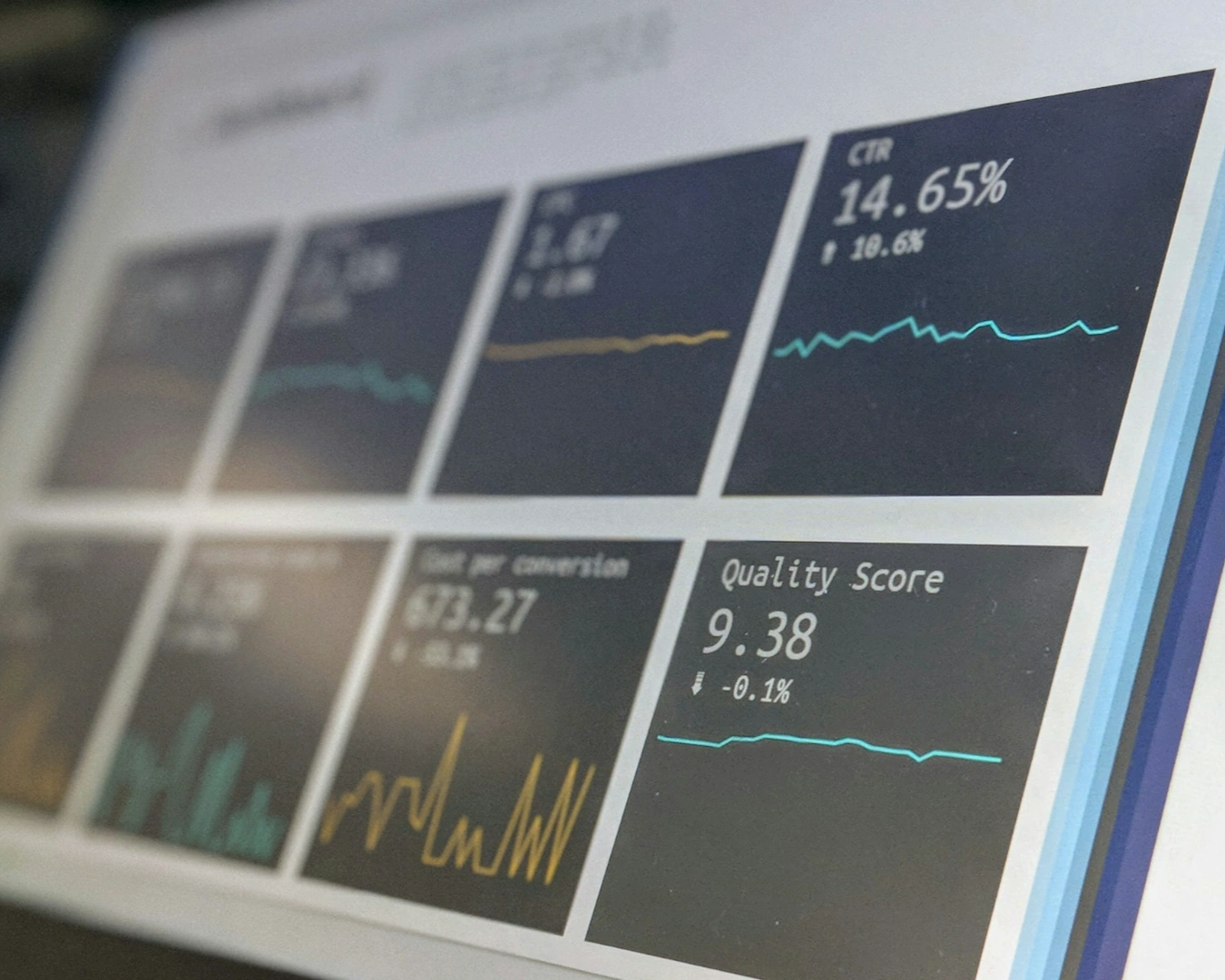

Picture this. You’re at the counter after closing, scrolling through the week’s sales data on your POS. One dish sells out nightly. Another, the one you’re proudest of, barely moves. You assumed popularity and profit went hand in hand. They rarely do. That gap is exactly what menu engineering exists to close. In the F&B world, branding for restaurants plays a key role in how menu items are perceived, but without menu engineering, even the best branding can’t guarantee profitability.
Menu engineering is not a redesign exercise for its own sake. It’s a discipline that looks at what customers actually order against what each dish earns you, then adjusts your menu items accordingly. Done properly, it protects margins without asking you to raise prices across the board or chase trends you don’t believe in. For restaurant operators juggling rent, staffing, and food costs that fluctuate weekly, this is one of the most important sales tools available, and arguably one of the most important sales tools most owners never formally use.
Why Guesswork Fails Restaurant Owners
Most menus are built on instinct. A chef loves a dish, so it stays. A supplier offers a good rate, so a dish gets added. Neither decision considers food cost, sales volume, or customer preferences. Over time, the menu offerings drift away from what actually influences customer choices, and restaurant profits quietly erode.
Menu Layout and Menu Design Do Quiet Work
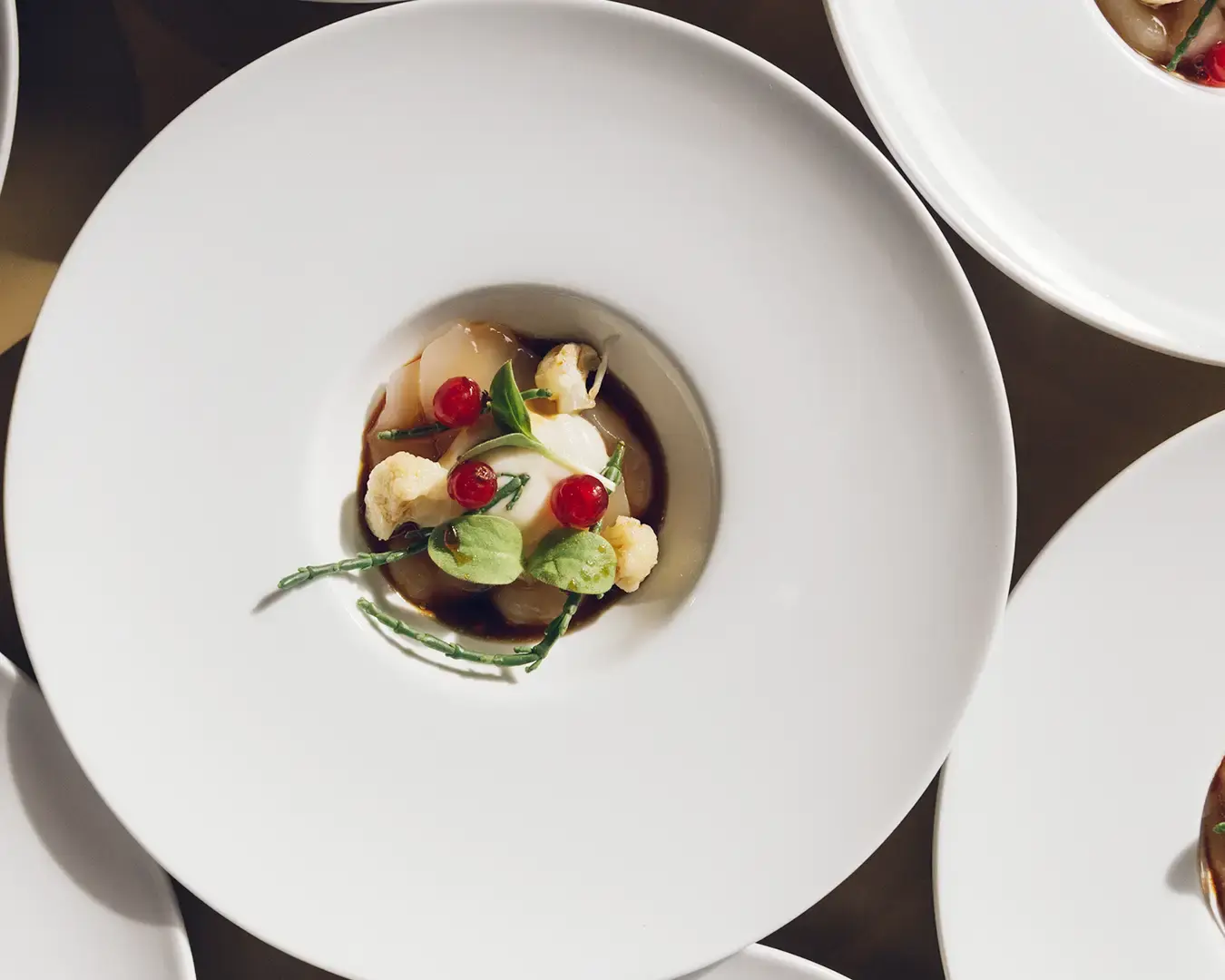
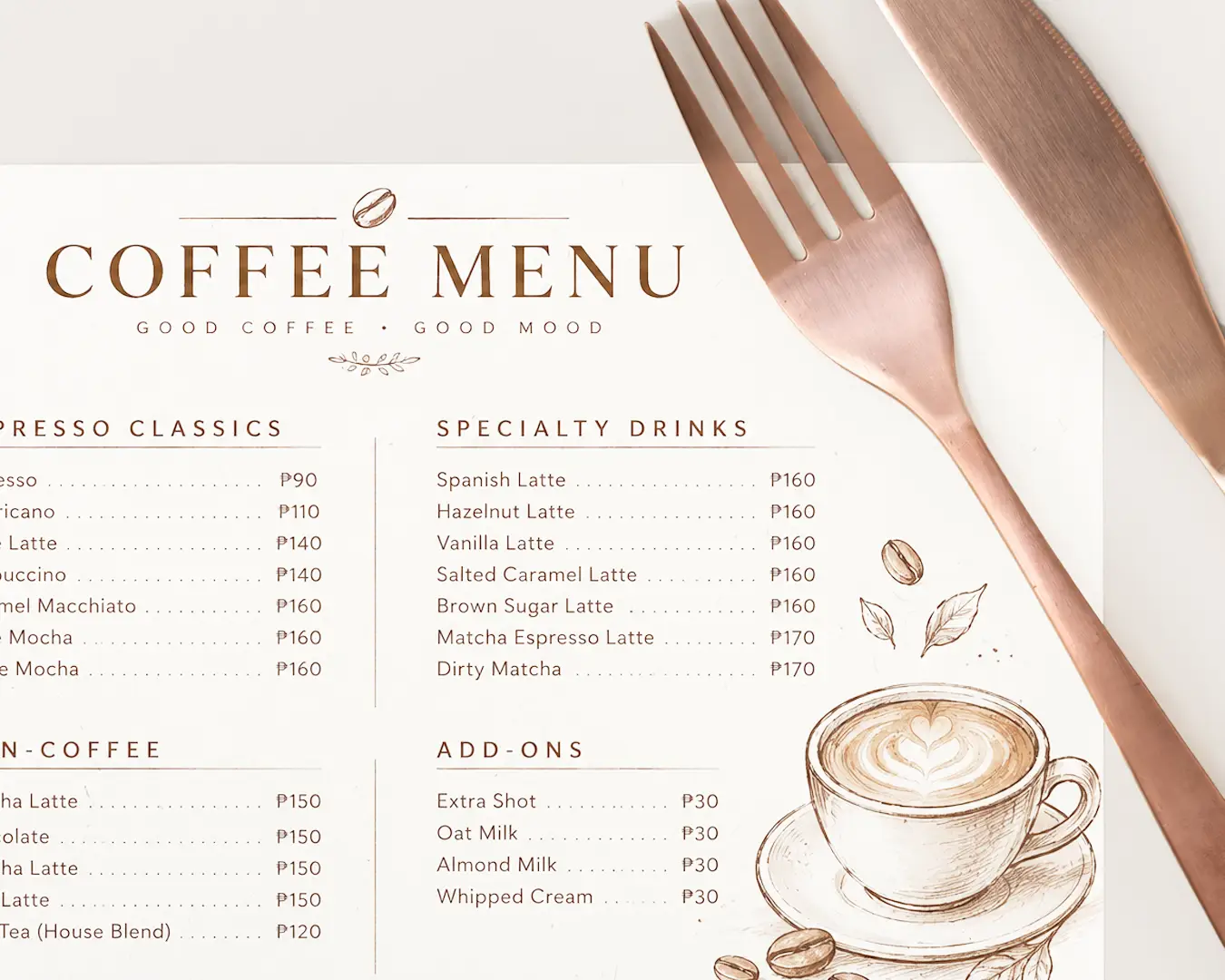
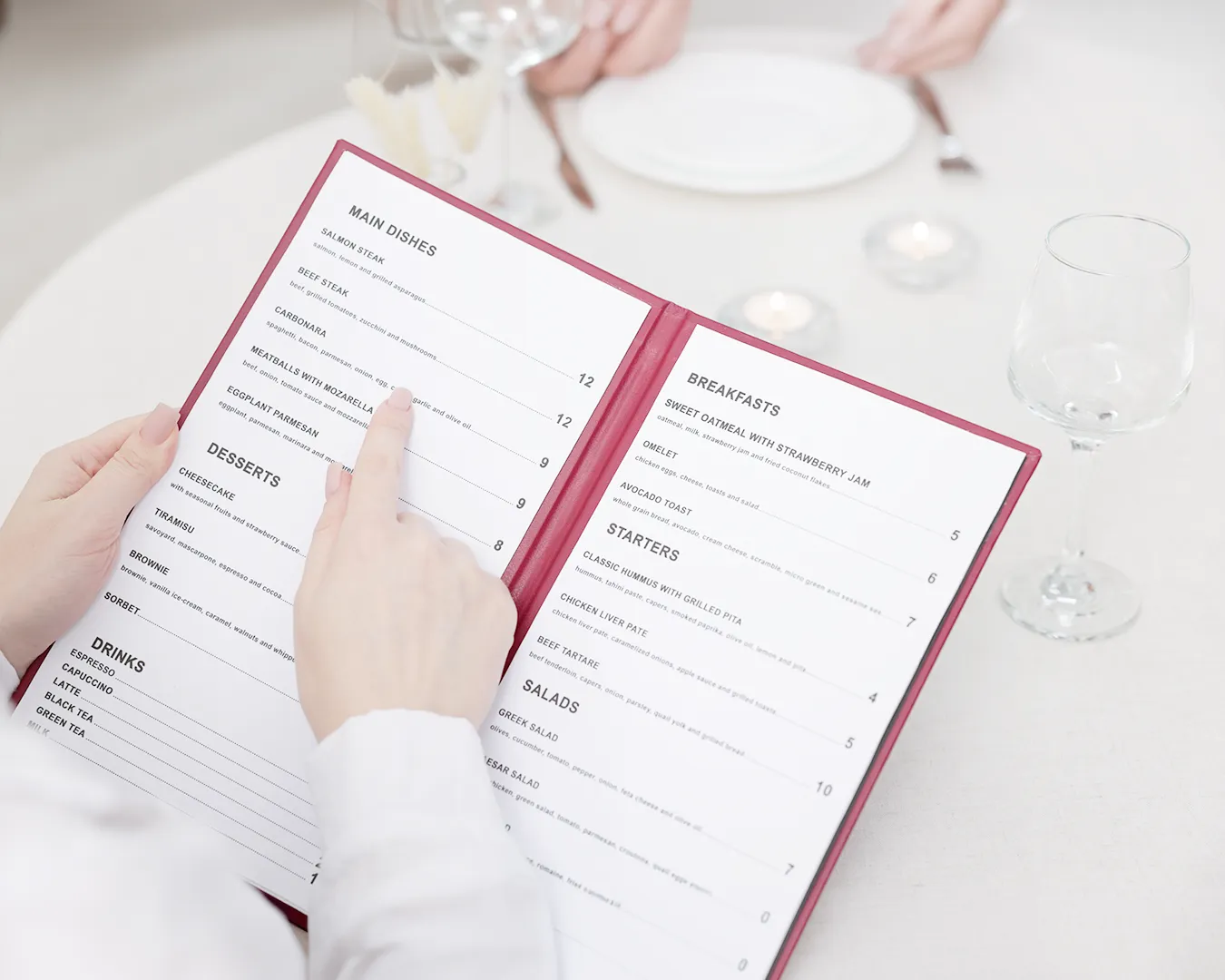
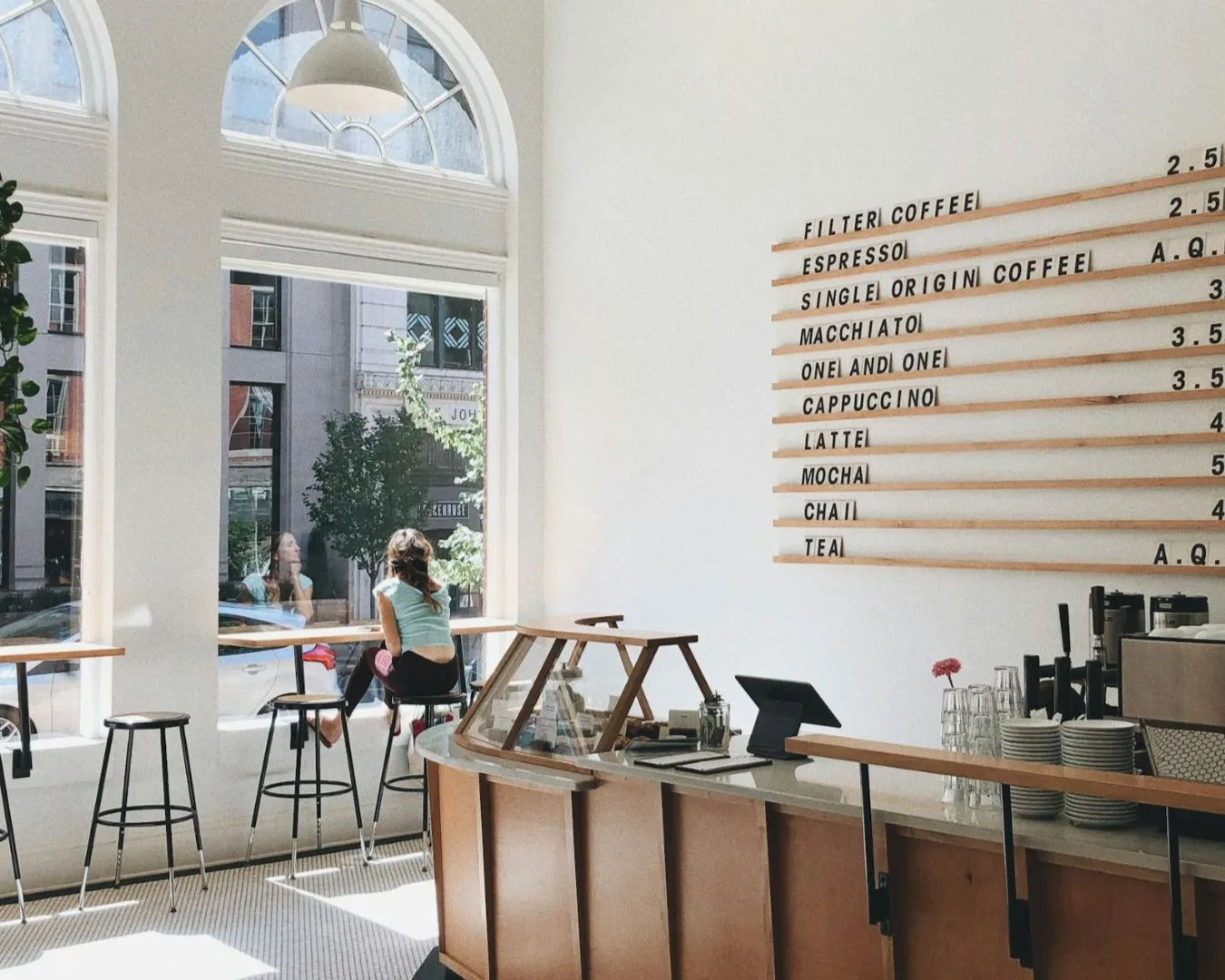
Before you touch pricing, look at menu layout and menu design. Where the eye lands first, often the top right of a page, is prime real estate. As discussed in our recent article The Art of the Menu: Fonts, Layout, and Why They Matter, this is menu psychology in practice.
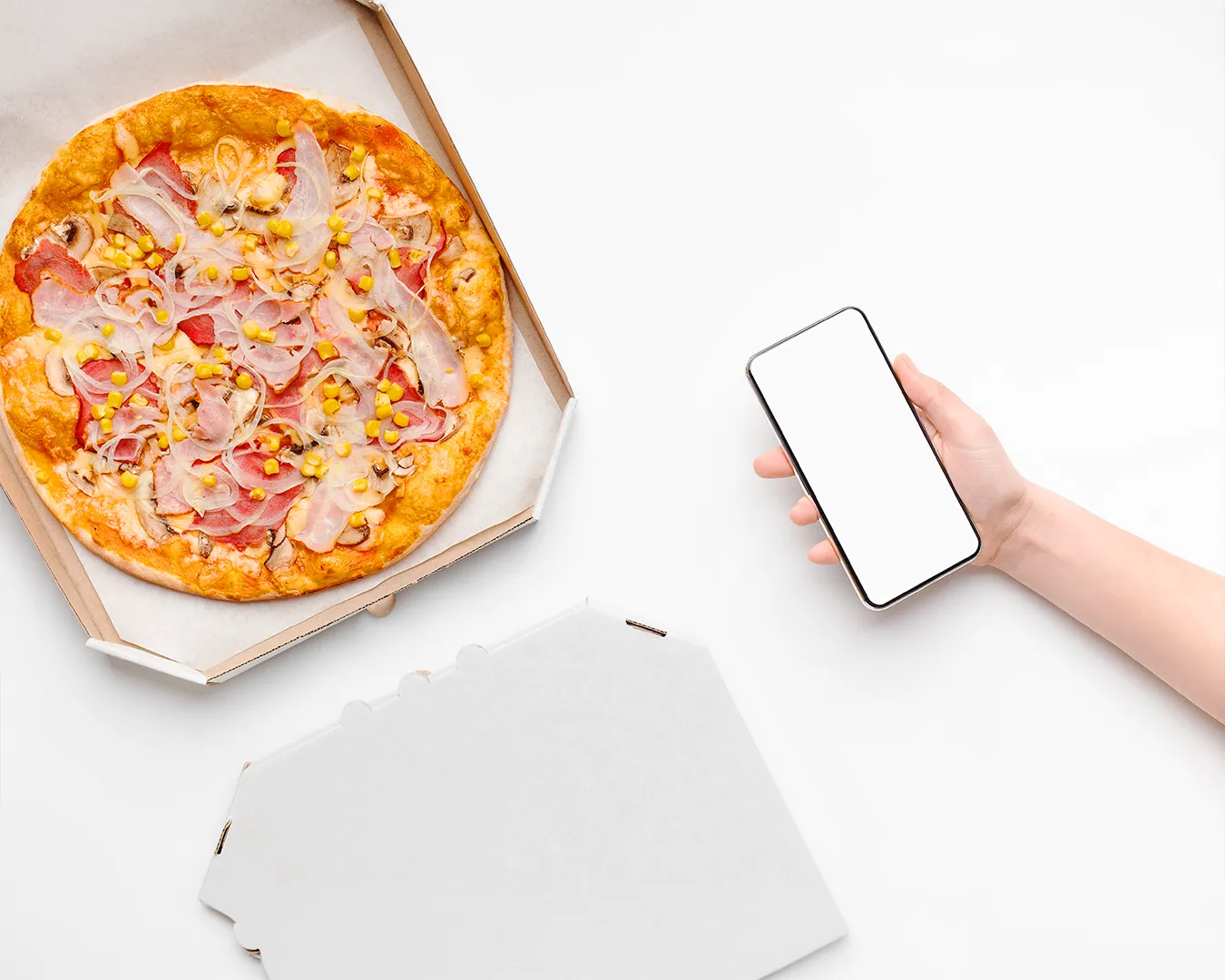
Learning to leverage menu psychology means understanding that strategic item placement in that golden triangle can lift the visibility of high-profit dishes without a single word of persuasion. Signature dishes deserve this kind of attention. So do delivery menus, where layout has to work even harder since there’s no server to guide the eye.
The Menu Engineering Matrix, Explained Simply
The classic tool here is the menu engineering matrix, sometimes called the menu matrix for short. It sorts every dish into four categories based on two figures: menu item popularity and contribution margin. Calculating menu item popularity is simple, it’s just the share of total orders a dish earns. Calculating contribution margin takes slightly more discipline: price minus direct cost, per dish.
Reading the Four Categories
- Stars have high popularity AND high profitability. These are your best dishes. Protect and promote them.
- Plow horses sell well but earn little, often because food costs fluctuate and menu pricing hasn’t kept up. Fix: often a small price adjustment.
- Puzzles are profitable items that don’t get ordered enough, a mismatch of profitability and low popularity usually caused by placement or weak descriptive language. These low popularity puzzles deserve a second chance before removal.
- Dogs suffer from both low popularity and low profitability, a combination that rarely deserves a spot on a well engineered menu.
Before and After: A Real Adjustment
Before: a pasta dish priced low to seem approachable, ordered often, earning almost nothing once food cost percentage is accounted for. This is a classic case of profitability and popularity pulling in opposite directions.
After: the same dish repositioned with a small price adjustment, sharper descriptive language, and placement near a proven bestseller. Sales volume barely dropped. Profit per cover rose. That’s the practical benefit of menu engineering efforts done well, not dramatic, just deliberate.
What This Means for Restaurant Profitability
Restaurant profitability lives here, in aligning customer choices with what the business needs to earn. A data driven pricing strategy protects perceived value while still improving margins. Certain dishes will always carry the restaurant financially. A proper menu analysis tells you which ones, and stops you from guessing based on which dishes you personally enjoy.
Keeping the Menu Fresh Without Chaos

Menu engineering aims to be an ongoing process, not a one-time fix. Reviewing menu performance and adjusting the menu seasonally, retiring dogs, and giving puzzles a fair chance keeps the menu fresh without constant upheaval.
It also reduces food waste, since underperforming ingredients get phased out before they go unused. Tracking menu performance monthly, rather than relying on annual guesswork, is one of the simpler menu engineering tricks that pays off quietly over time.
Where Menu Engineering Fits, Whatever Your Format
The menu engineering process looks slightly different for fine dining than for a casual eatery, but the logic holds. Whether you’re managing a tasting menu or a delivery-only kitchen, strategic menu design starts with the same question: does this dish earn its place on the page.
Customer feedback still matters here, it tells you what people want, but menu data tells you what actually makes money. The two together, not one alone, should guide any menu redesign.
Turning Insight Into a Repeatable Menu Strategy
A single round of menu engineering analysis is useful. A repeatable one is what actually moves the needle. Building menu engineering into a regular habit, reviewing average contribution margin by category, checking which popular dishes are quietly unprofitable, and refining the menu optimization process each quarter, is what separates a profitable restaurant menu from one that simply looks busy on paper. This is also where customer satisfaction and profit stop competing. A well-priced, well-placed dish that customers already love doesn’t need to be forced. It just needs to be seen.
A Menu That Works as Hard as You Do

None of this requires reinventing your restaurant menu or your identity as an operator. It requires looking honestly at numbers you likely already have and making small, deliberate changes. Strategic menu design, applied consistently, tends to outperform dramatic reinvention, and it’s a far steadier way to increase sales than chasing every new trend.
If you haven’t looked closely at your menu engineering process in a while, that’s worth a second look. Atelier Creations often start with a quiet review of a client’s current menu and digital presence, simply to see where popularity and profitability have quietly drifted apart. No pressure, just a clearer picture of where you stand.