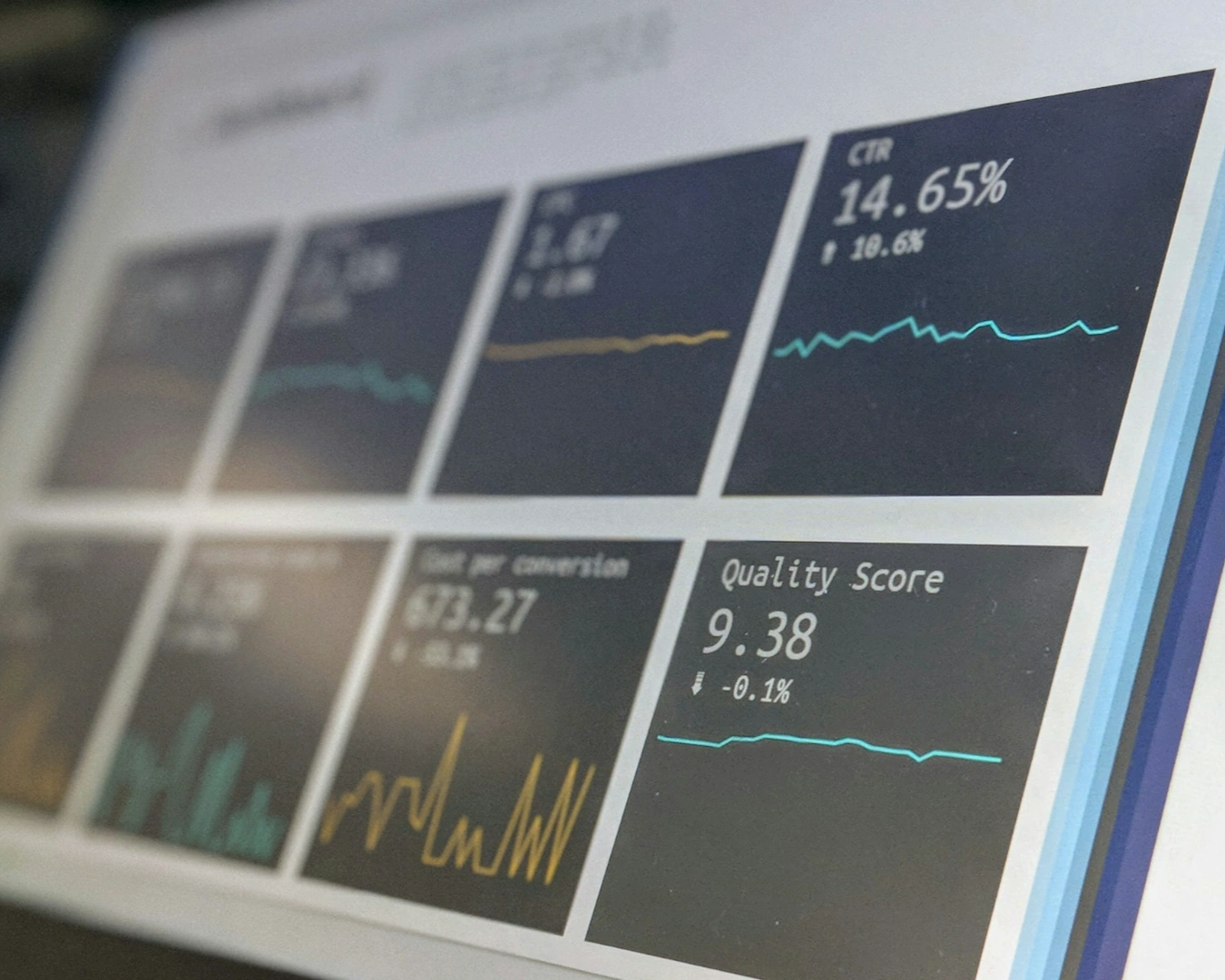

Cloud-based Point of Sale (POS) systems are routinely sold as a low-cost, hassle-free upgrade over traditional on-premise hardware. Sales reps emphasize modest monthly software fees, automatic cloud updates, and sleek tablet setups. Yet behind the low entry price lies a complex pricing ecosystem designed to extract continuous revenue from your venue.
For restaurant operators and multi-location hospitality brands, the sticker price of a Software-as-a-Service (SaaS) platform rarely reflects its actual operational cost. Understanding the hidden costs of cloud POS subscriptions is essential to prevent margin erosion, avoid restrictive vendor lock-in, and protect your cash flow over time.
Payment Processor Lock-In and Markup Rates
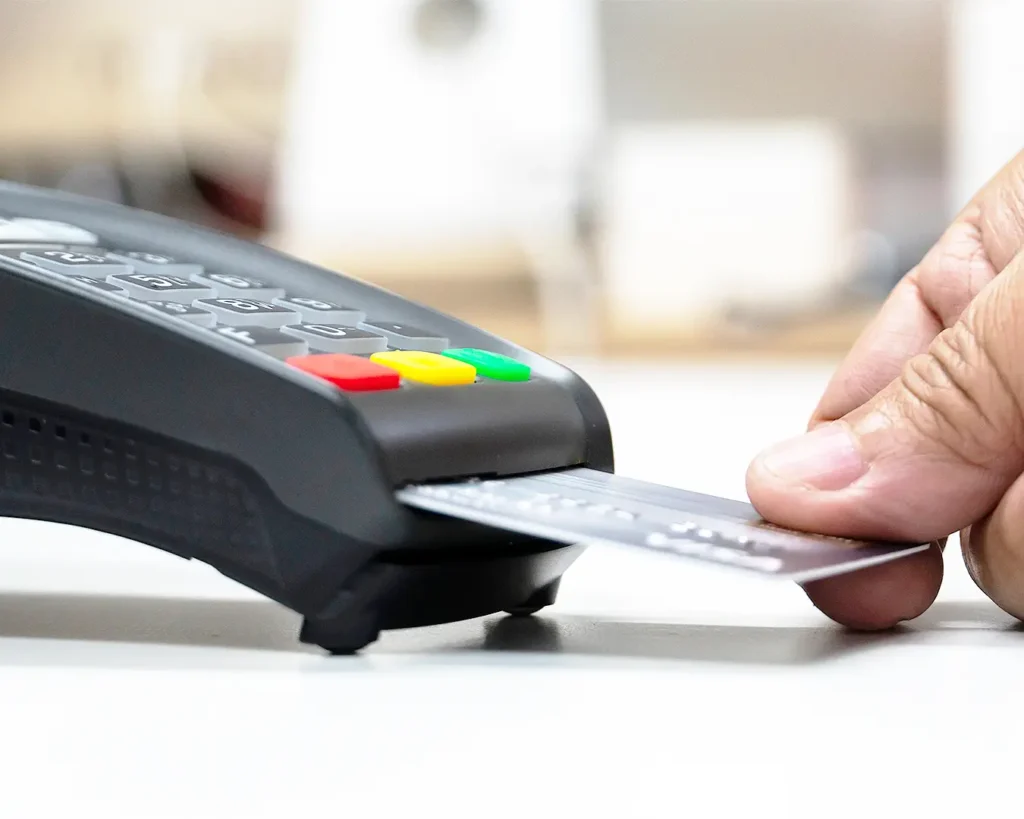
The most significant disguised cost of a cloud POS system rarely appears on your software invoice; it is embedded directly in your credit card processing statements.
Many SaaS POS vendors rely on a closed processing model or charge substantial penalties if you choose an external merchant service provider:
- Forced Proprietary Processors: Vendors frequently force you to use their internal payment processing branch, charging flat-rate pricing models (such as 2.6% + $0.10 per tap) rather than transparent Interchange-Plus pricing.
- Third-Party Processor Penalty Fees: If a POS vendor allows you to bring your own credit card processor, they often impose a monthly “non-processing fee” or add a per-transaction penalty surcharge (ranging from 0.20% to 0.50% of gross volume), effectively neutralizing any savings negotiated with outside merchant partners.
- Unilateral Rate Hikes: Once your entire kitchen and front-of-house operations depend on their platform, processing rates can gradually increase. Changing POS systems to escape high payment fees involves re-training staff and buying new hardware, creating immense friction that forces most operators to absorb the rate increases.
The Add-On Feature Trap
The base monthly subscription rate quoted during the sales pitch usually includes only core register functions. To run an efficient, modern restaurant, essential features must be added back in through individual monthly modules.
| Feature Category | Quoted Base Standard | Hidden Add-On Monthly Cost |
|---|---|---|
| Online Ordering | Third-party marketplace links | $50 to $150/month or per-order commissions |
| Loyalty & Gift Cards | Basic digital tracking | $40 to $100/month plus card issuing fees |
| Kitchen Display Systems (KDS) | Receipt routing software | $20 to $50/month per active screen license |
| Advanced Inventory | Simple item count tracking | $50 to $200/month for yield tracking |
| Employee Scheduling | Manual time-clock punches | $3 to $5/month per active employee |
Over time, these modular charges accumulate rapidly. A platform advertised at $79 per month can quickly swell to over $450 per month per location once standard operational tools are enabled.
Per-Device and Multi-Terminal Compounding

SaaS POS platforms often price their software on a per-terminal or per-register basis. While a single active tablet might fit within your budget, real-world high-volume service requires extensive hardware configurations.
As your operational footprint expands, subscription fees compound in unexpected ways:
- Handheld Order Tablets: Equipping servers with mobile order-and-pay tablets incurs additional monthly license fees for every device added to the local network.
- Secondary Bar and Host Stations: Placing secondary terminals at service bars, host stands, or patio stations adds full-price monthly software fees, even if those stations process orders only during peak weekend shifts.
- Seasonal Device Deactivation Rules: Many cloud providers require year-round monthly payments for all registered terminals, preventing seasonal operators from pausing software fees on unused tablets during slow periods.
Network Infrastructure and Offline Dependencies
Cloud POS vendors showcase slim tablets and wireless configurations, but omitting robust local network infrastructure frequently results in operational disruptions and unexpected expenditures.
- Commercial Network Upgrades: Consumer-grade Wi-Fi routers cannot reliably manage live order routing alongside customer traffic. Installing enterprise access points, managed network switches, and dual-WAN backup internet solutions costs anywhere from $800 to $2,500 upfront.
- Offline Mode Storage Risks: When local internet connectivity drops, cloud systems enter an offline transaction queue. Payments taken in offline mode cannot perform real-time balance checks, leaving your business liable for declined cards, chargebacks, or fraudulent transactions processed during power or network outages.
- Proprietary Hardware Refresh Cycles: Consumer tablets repurposed as commercial POS hardware suffer high thermal wear in kitchen environments. Battery degradation and forced operating system updates typically require replacing consumer tablet hardware every two to three years.
Auditing Your True Cost of Ownership

Transitioning to a cloud POS platform offers genuine operational advantages, including real-time enterprise reporting and flexible menu management. However, evaluating software purely on its entry-level subscription fee guarantees unexpected operational expenses down the road.
Before committing to a multi-year cloud contract, demand a comprehensive Total Cost of Ownership breakdown from prospective vendors. Calculate your effective credit card processing rate, outline all required software add-ons, and clarify per-device license terms across your peak staffing setup.
At Atelier Creations, we help restaurant groups and hospitality brands audit tech stacks, negotiate software agreements, and design cost-efficient POS architectures that protect operating margins. Contact our team to review your current POS contract and uncover hidden cost drivers across your venue footprint.