Pre-opening panic has a predictable rhythm. The general contractor is running late, the landlord is refusing to extend the rent-free period, and the opening budget is burning away every single day. In the middle of that chaos, the founder suddenly turns to the design team with an urgent plea: We need the full brand package done in ten days.
It is an easy check to cash, but taking the job is a trap. Saying no to an impossible two-week deadline saves the owner from a messy, expensive rebrand, ensuring the visual identity can actually survive real restaurant floor conditions.
The Hidden Damage of a Rush Job

Branding a restaurant is not just drawing a clever logo and picking a cool accent color. It is the groundwork for how guests justify paying your prices, and how your staff handles peak dinner service.
When you cram three months of strategic decisions into ten days, the cracks show up the moment you open the doors:
- Invisibly Bland Branding: Skipping deep competitive research means picking safe, trendy ideas that look exactly like the place two blocks away.
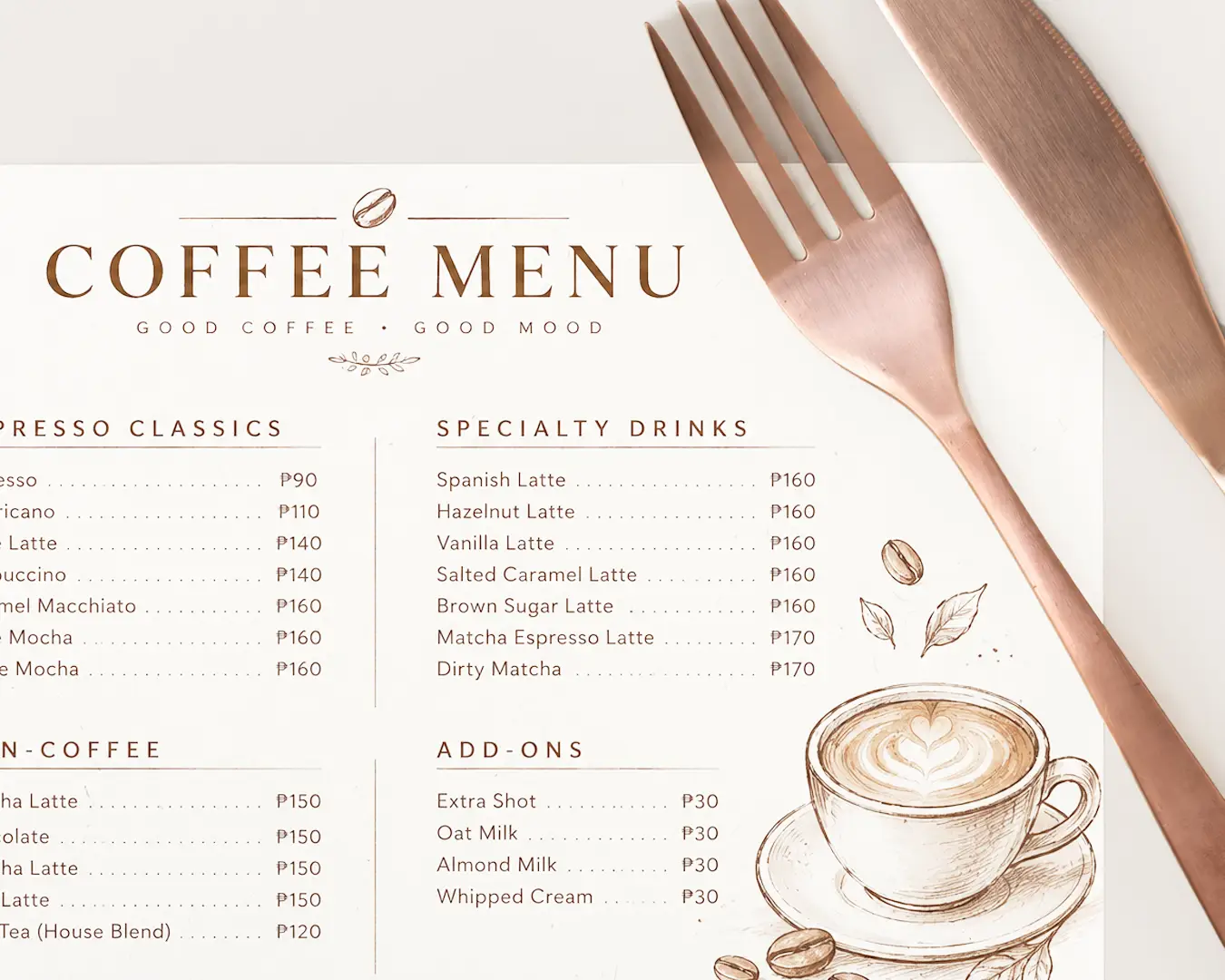
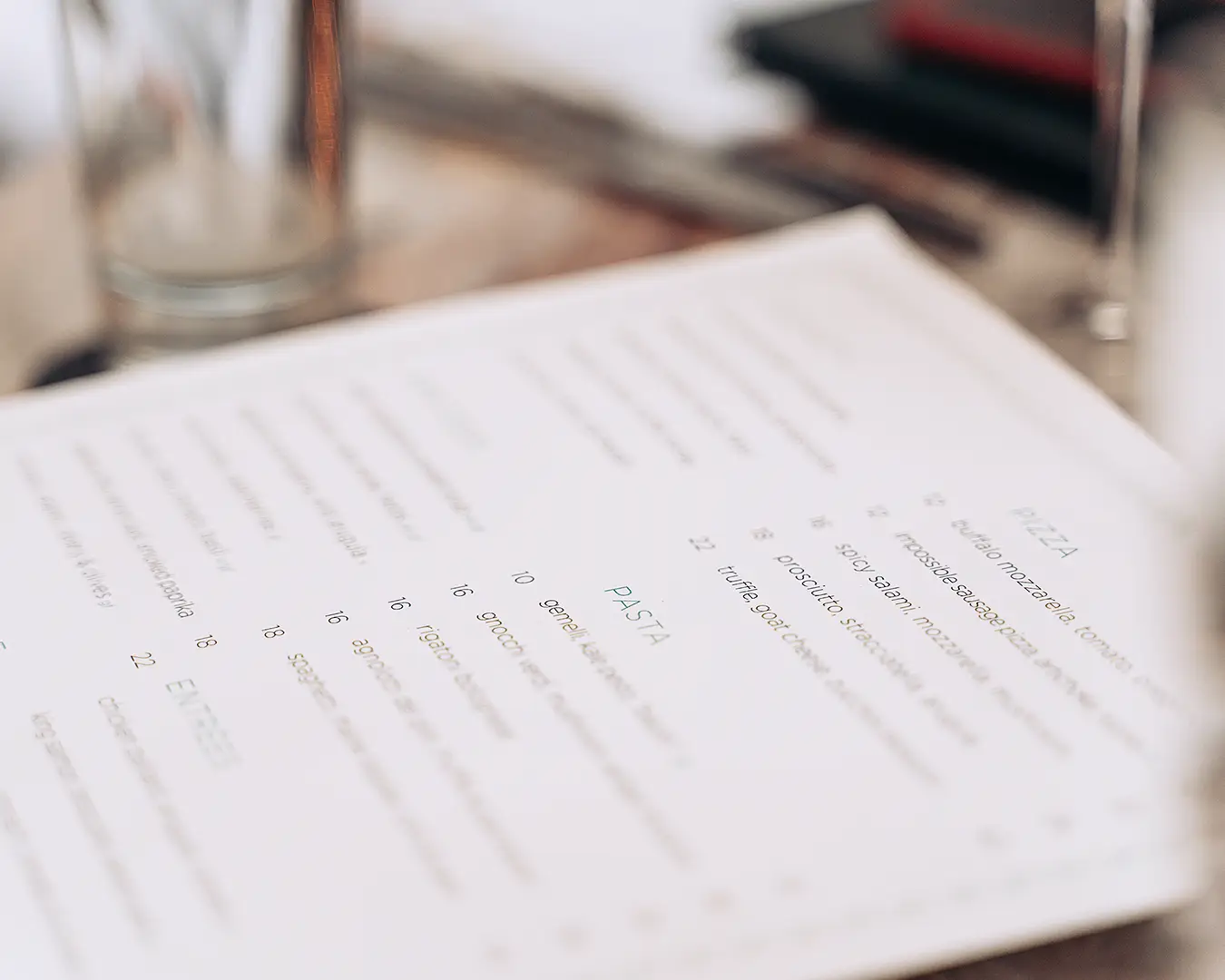
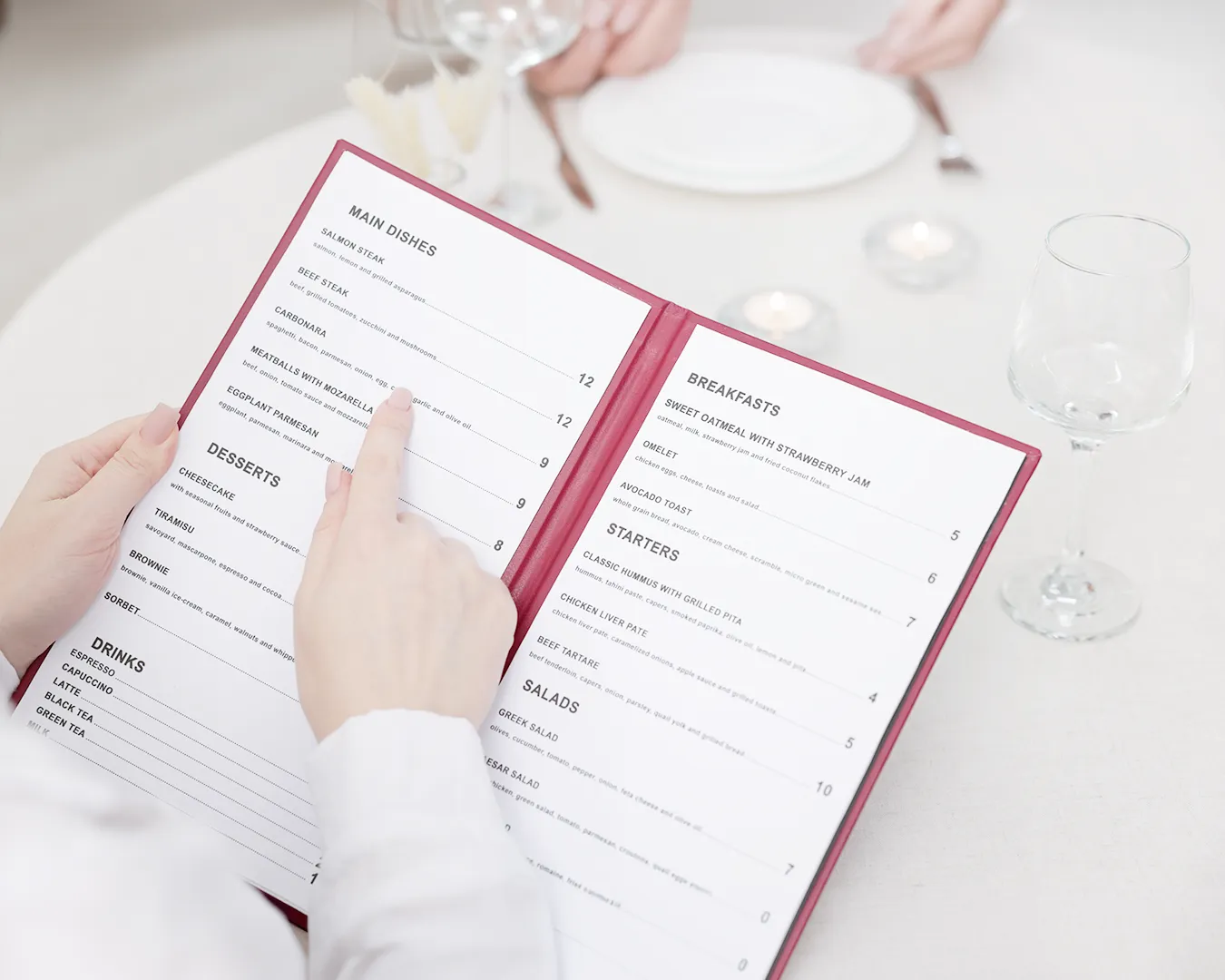
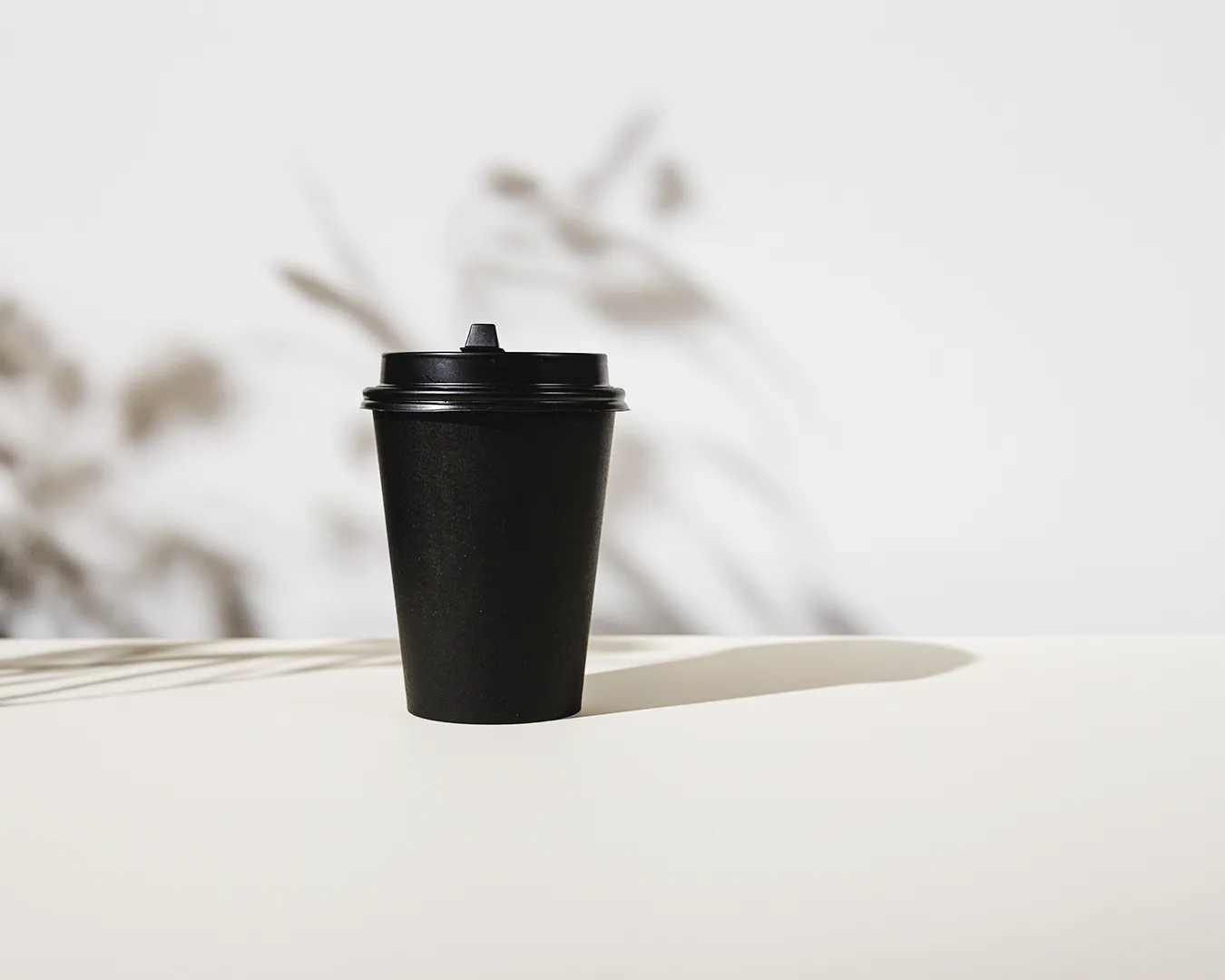
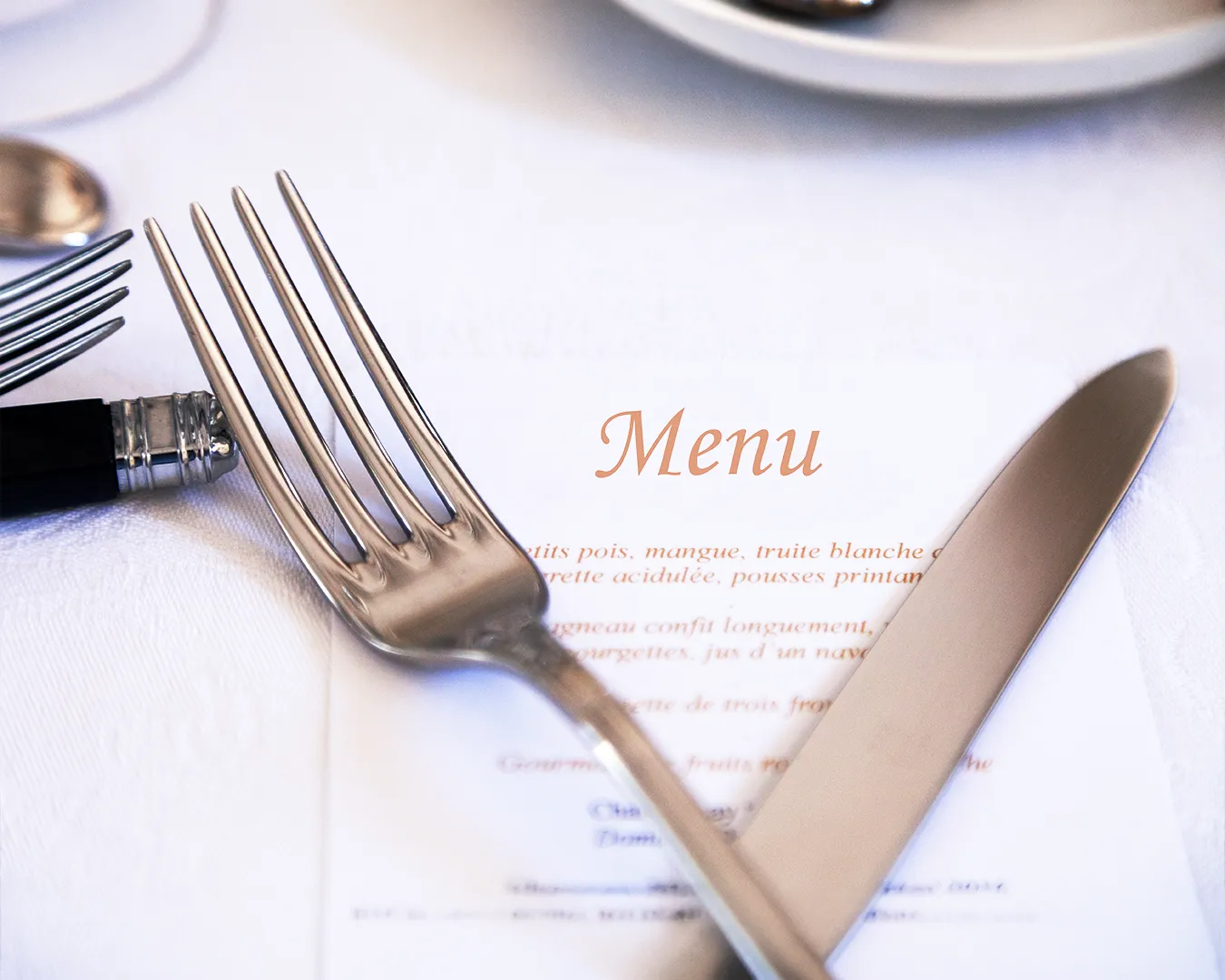
- Menus That Do Not Last a Week: Choosing paper, leather, or foil stamps without testing them first leads to sticky, stained, or dog-eared menus after a single busy weekend.
- Leaving Money on the Table: Designing a menu layout without looking at dish costs or cover margins means guests miss your highest-margin items.
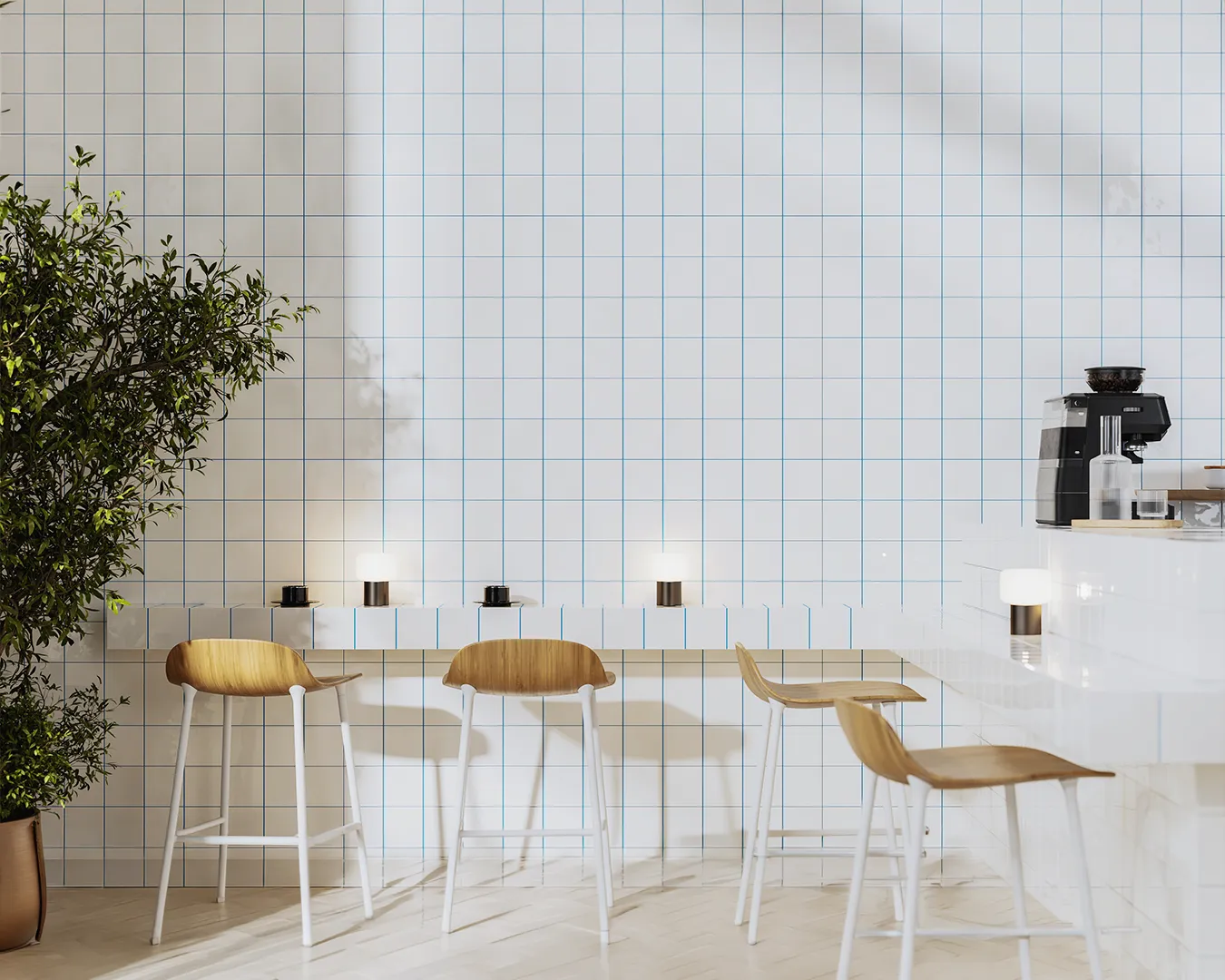
- A Room That Fights the Logo: Creating print and digital assets without talking to the interior designers results in a dining room that feels totally disconnected from the visual identity.
What a Proper Brand Timeline Actually Looks Like
Building a brand that holds up over time requires a clean, logical sequence. You cannot rush material sourcing or menu engineering without cutting corners.
| Phase | What Gets Done | Why It Matters on the Floor |
| 1. Strategy & Positioning | Market research, target guest profiles, concept positioning | Keeps pricing competitive and gives the venue a distinct voice. |
| 2. Visual Identity | Logos, typography, color palettes, brand guidelines | Builds a cohesive look that stands out across the neighborhood. |
| 3. Menu & Material Design | Menu layouts, print testing, packaging specs | Maximizes spend per cover and ensures physical menus last. |
| 4. Digital Setup | Web templates, social graphics, direct ordering UI | Delivers a smooth experience for guests booking or ordering online. |
Holding the Line When the Pressure Is On
Protecting a client’s money means telling them what they need to hear, not just what gets the contract signed. Pushing back on unrealistic deadlines keeps operators from throwing good money after bad.
At Atelier Creations, we keep pre-opening timelines on track without sacrificing the quality of the build:
- Use a Soft-Launch Identity: If the landlord will not budge on the lease date, open with a clean, temporary typographic layout while the permanent brand system finishes production properly.
- Test the High-Wear Assets First: Get draft menu layouts and signage into the space early so your floor team can practice service runs with real materials.
- Put Materials Through the Wringer: Spill soy sauce, wine, and hot oil over print samples under dim dining room light before printing thousands of copies.
Respecting the Investment
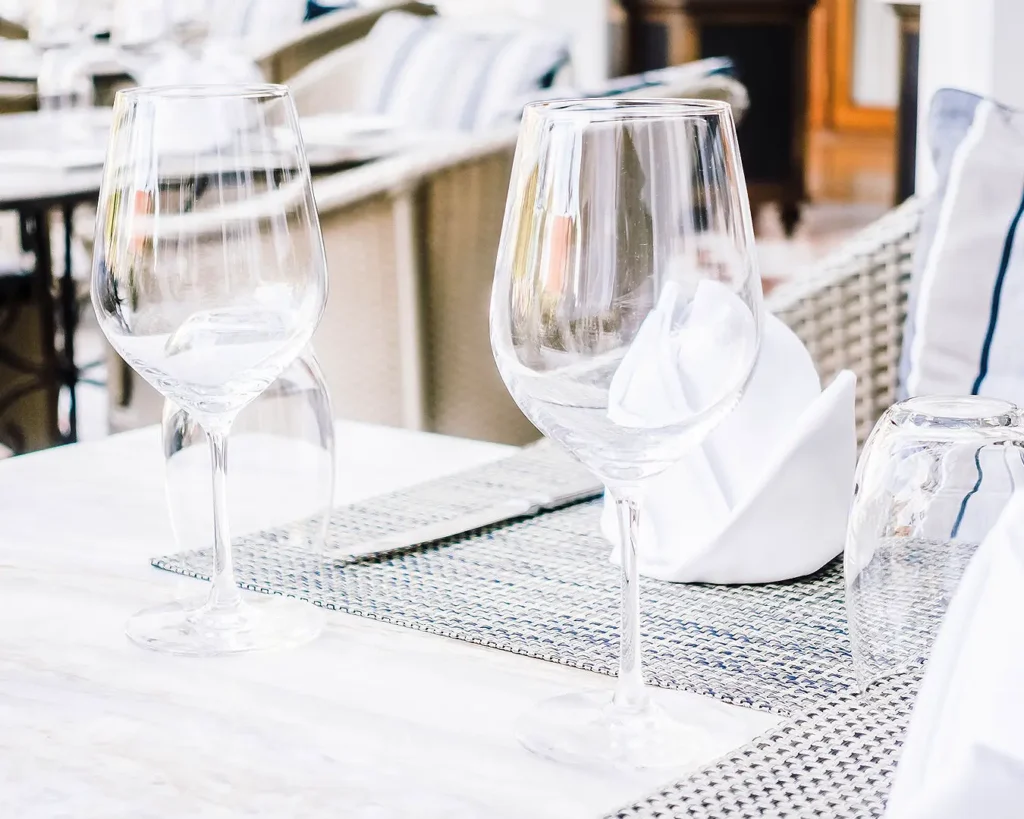
Cutting corners on brand strategy to hit an arbitrary opening date endangers everything else: the lease, the kitchen buildout, and the culinary talent in the back of house. A great hospitality concept needs time to settle into its identity. Giving the design process room to breathe guarantees you open with confidence and stay full long after the soft-launch hype dies down.
If your launch date is creeping up and you need an honest look at your timeline, let us sit down and build a rollout schedule that actually protects your launch capital.