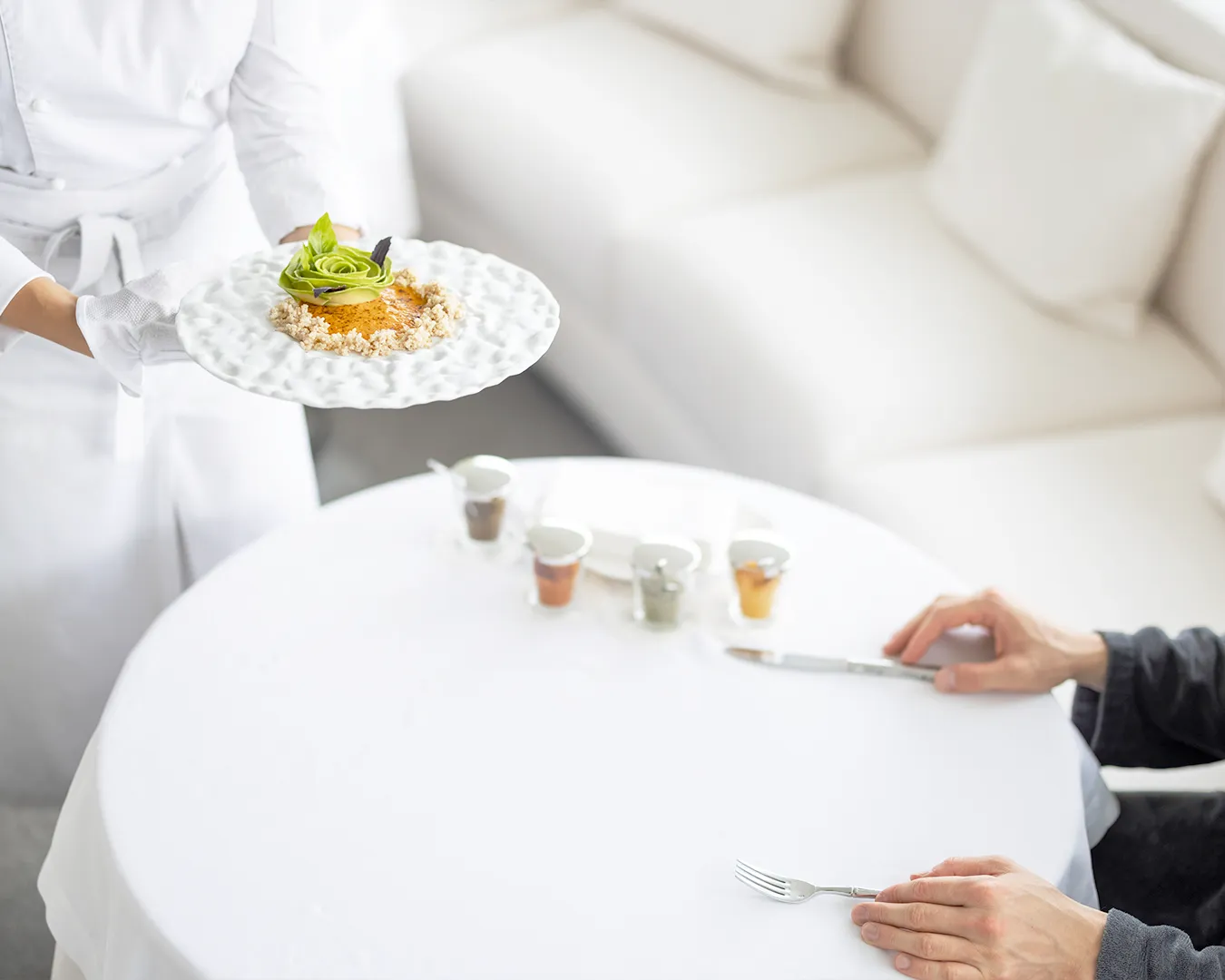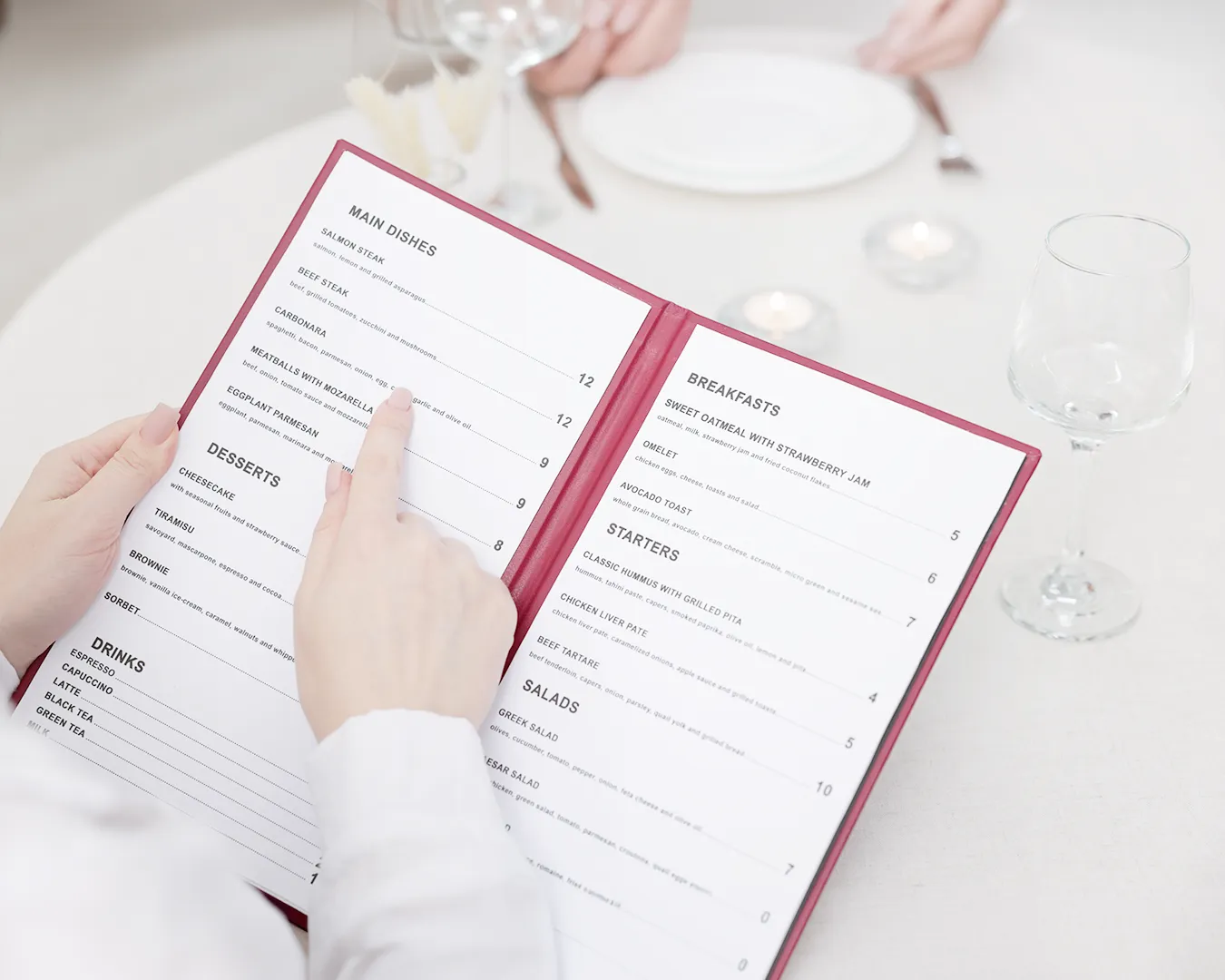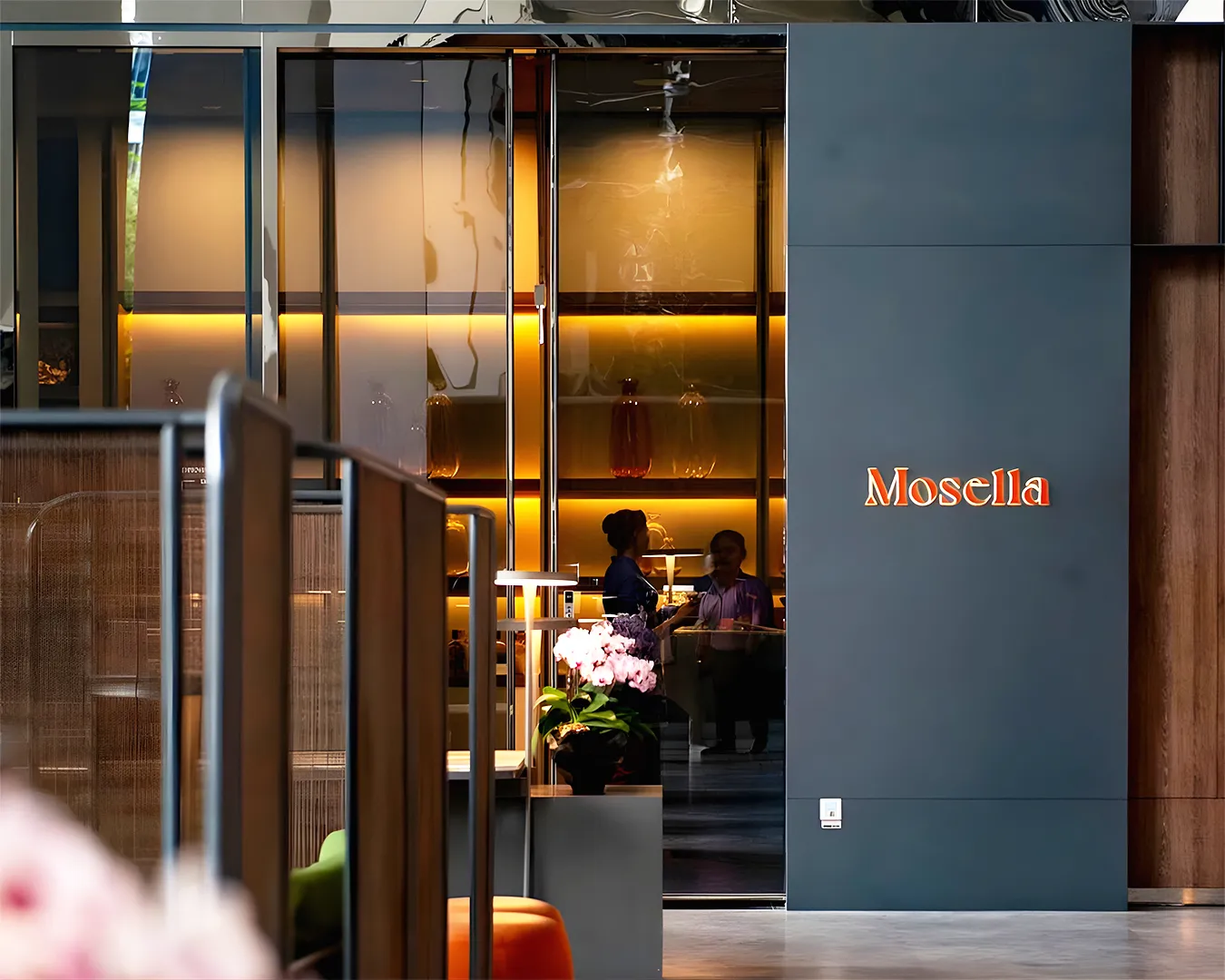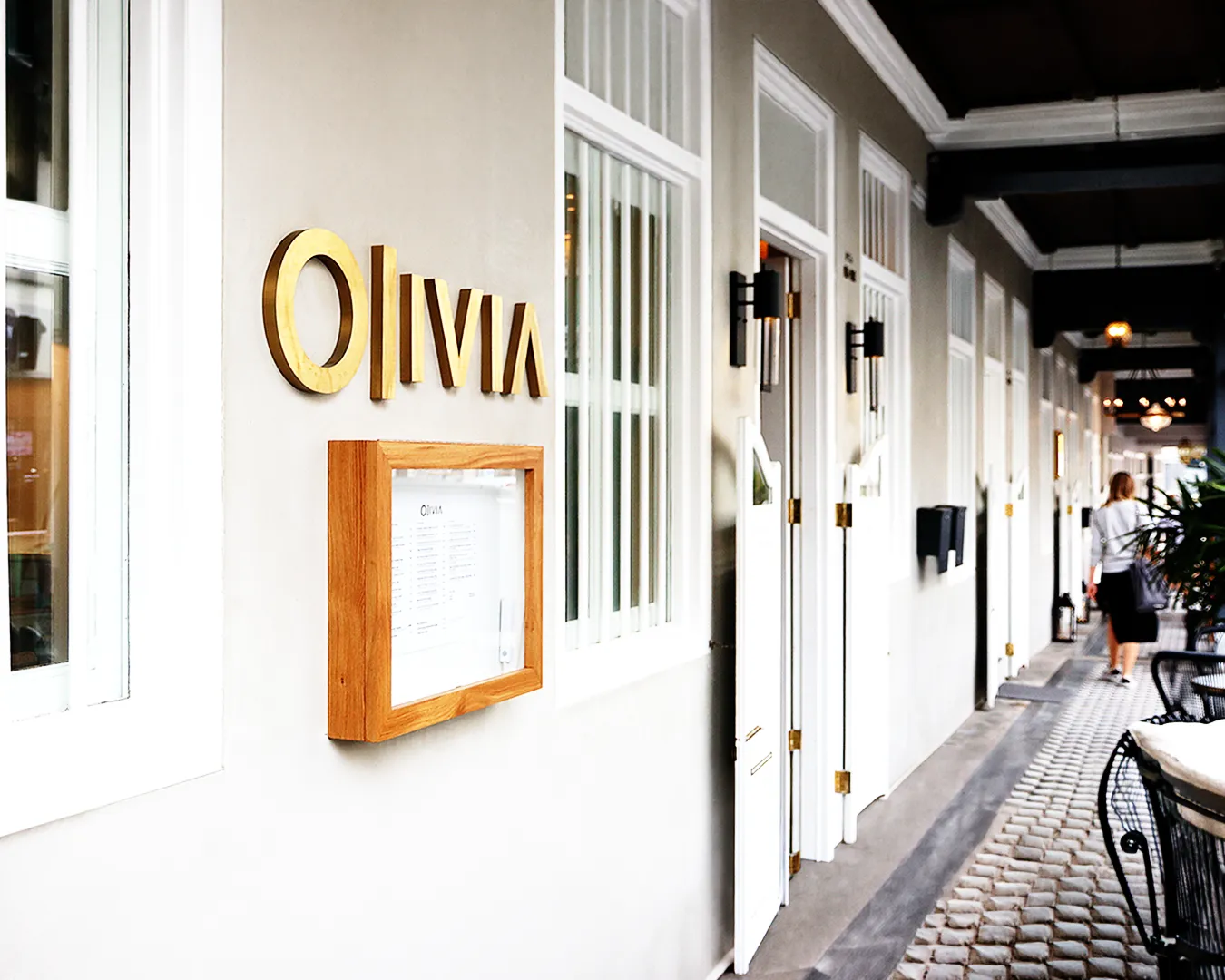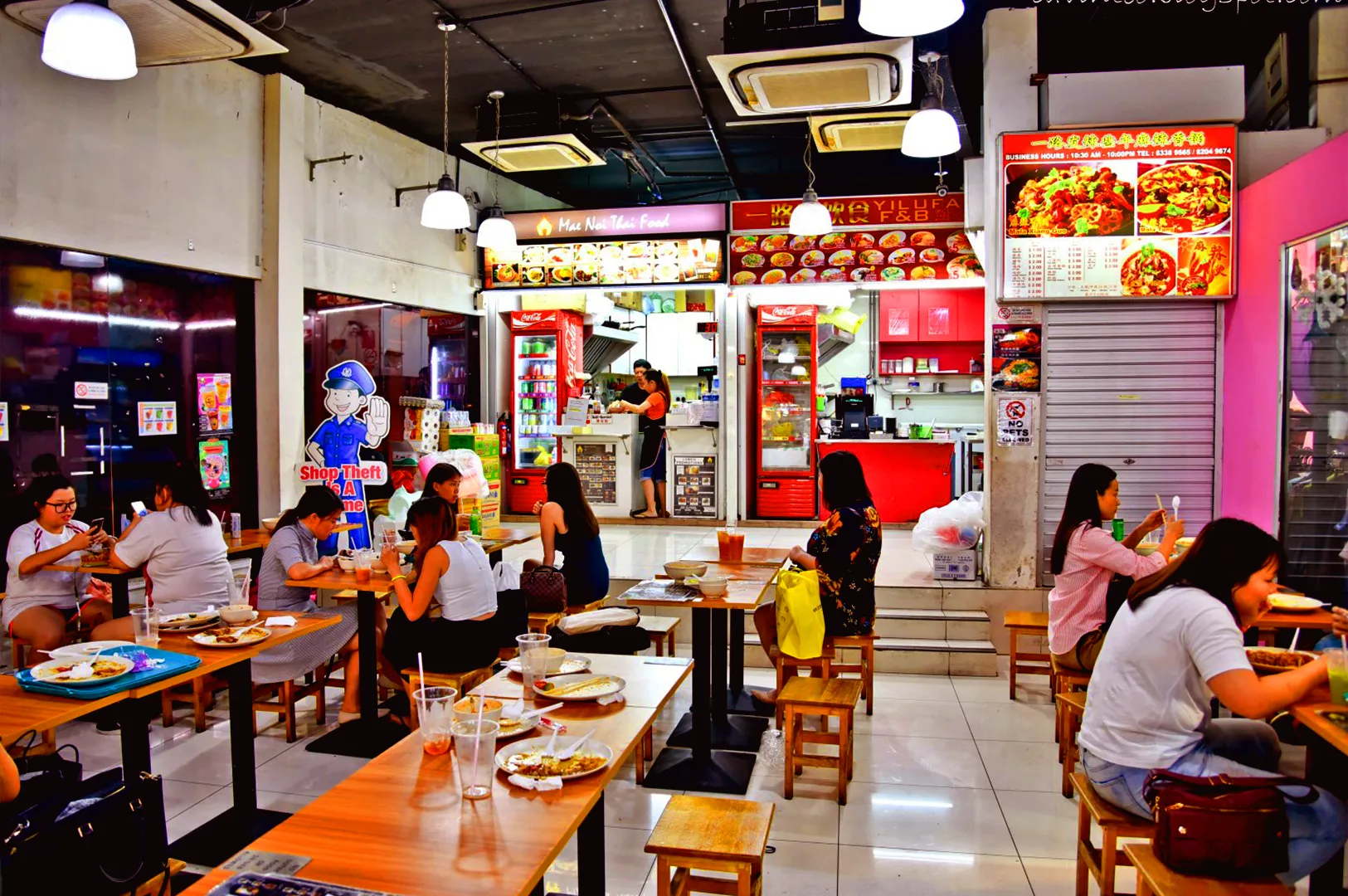
A restaurant’s brand identity is a promise made to the guest long before they take their first bite. The visual identity, anchored by the logo, sets immediate expectations around price point, service style, atmosphere, and culinary philosophy. The menu, on the other hand, is the physical fulfillment of that promise. When these two core touchpoints tell conflicting stories, the resulting friction creates confusion, erodes trust, and depresses ticket averages.
A logo-menu mismatch happens when visual branding and culinary execution are developed in isolation, leading to a disconnect between what a restaurant promises visually and what it delivers on the plate.
The Core Causes of Brand Disconnect
Understanding why a logo-menu mismatch occurs requires looking at how restaurant concepts evolve during development and operational shifts over time.
A structural disconnect usually stems from one of four operational breakdowns:
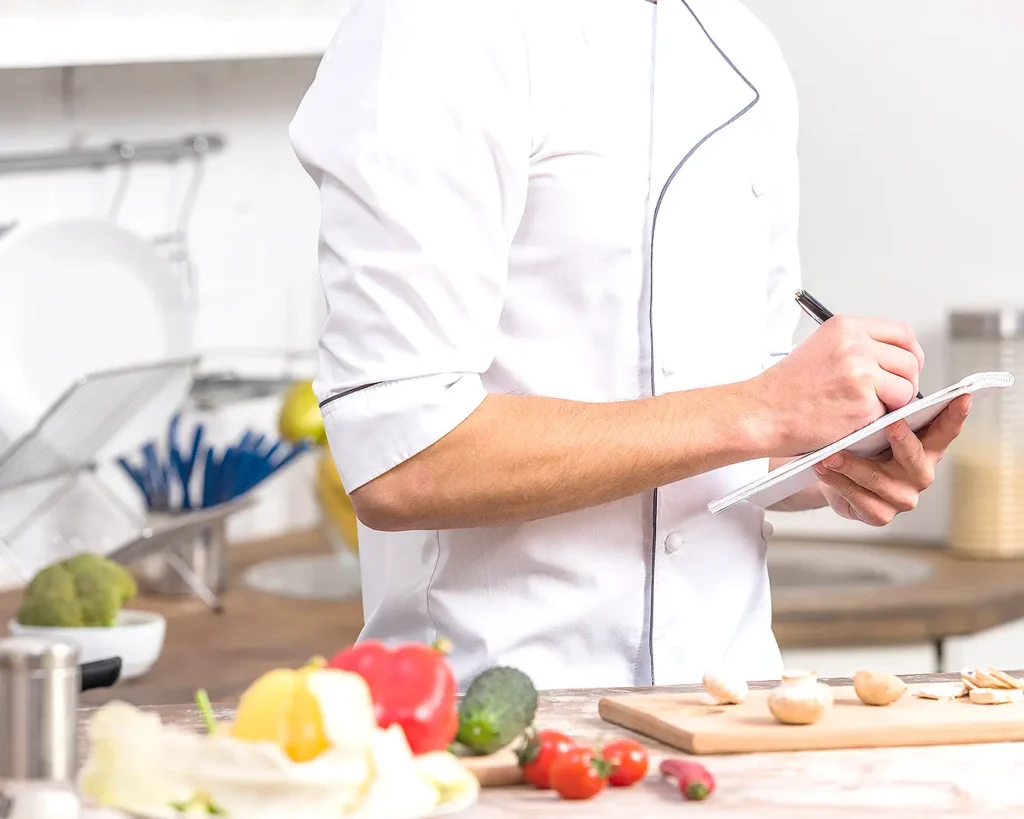
- Siloed Agency and Culinary Development: Hiring a graphic design studio to create a visual identity without giving them direct access to the chef’s finished recipes, ingredient sourcing, or plate presentations.
- Concept Drift Over Time: An established restaurant updates its food offerings to match market trends—such as adding elevated, high-margin dishes—while leaving an outdated, casual logo untouched.
- Misaligned Aesthetic Cues: Using high-end, minimal typography for a venue that serves rustic, large-format comfort food, or conversely, using a playful, casual emblem for a high-ticket, fine-dining experience.
- Trend Chasing: Adopting a viral, trendy visual style that has no authentic connection to the kitchen’s actual culinary capabilities or concept heritage.
The Operational Impact of Visual Misalignment
When guests experience a mismatch between your visual identity and your physical menu, the psychological friction directly affects their ordering behavior and perception of value.
| Visual Branding Style | Menu Offering Disconnect | Guest Reaction & Operational Impact |
| Ultra-Minimal & High-End | Fast-casual, heavy comfort food | Dissonance: Guests expect small-plate fine dining and refined presentation, leading to perceived cheapness despite good flavor. |
| Playful & Retro Casual | High-ticket, technical omakase | Price Resistance: Guests hesitate at elevated price points because the informal logo lowers perceived culinary value. |
| Traditional Heritage | Modern fusion or experimental cuisine | Confusion: Returning traditionalists feel misled, while target adventurous diners pass by assuming the concept is outdated. |
Diagnosing a Mismatch in Your Venue
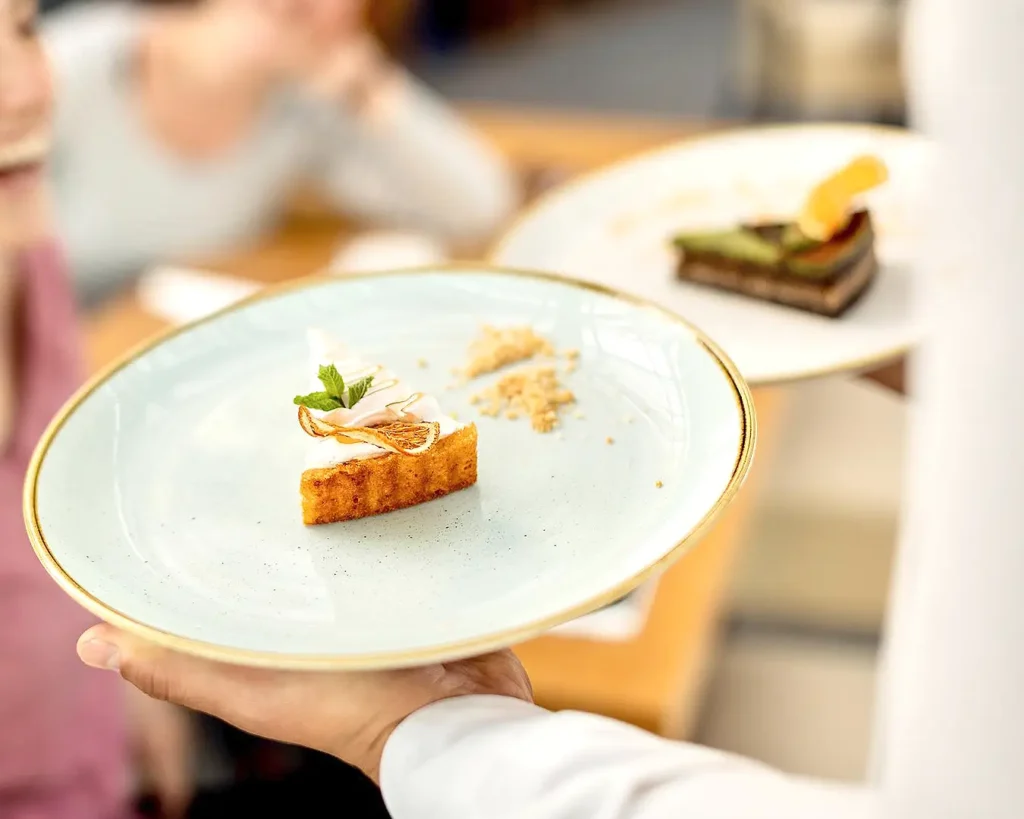
Identifying a brand disconnect requires looking at your physical and digital touchpoints through the eyes of a first-time guest.
Run this simple brand diagnostic across your venue:
- Evaluate Price-to-Design Proportion: Does your logo typography signal the same price category as your highest-margin entrees?
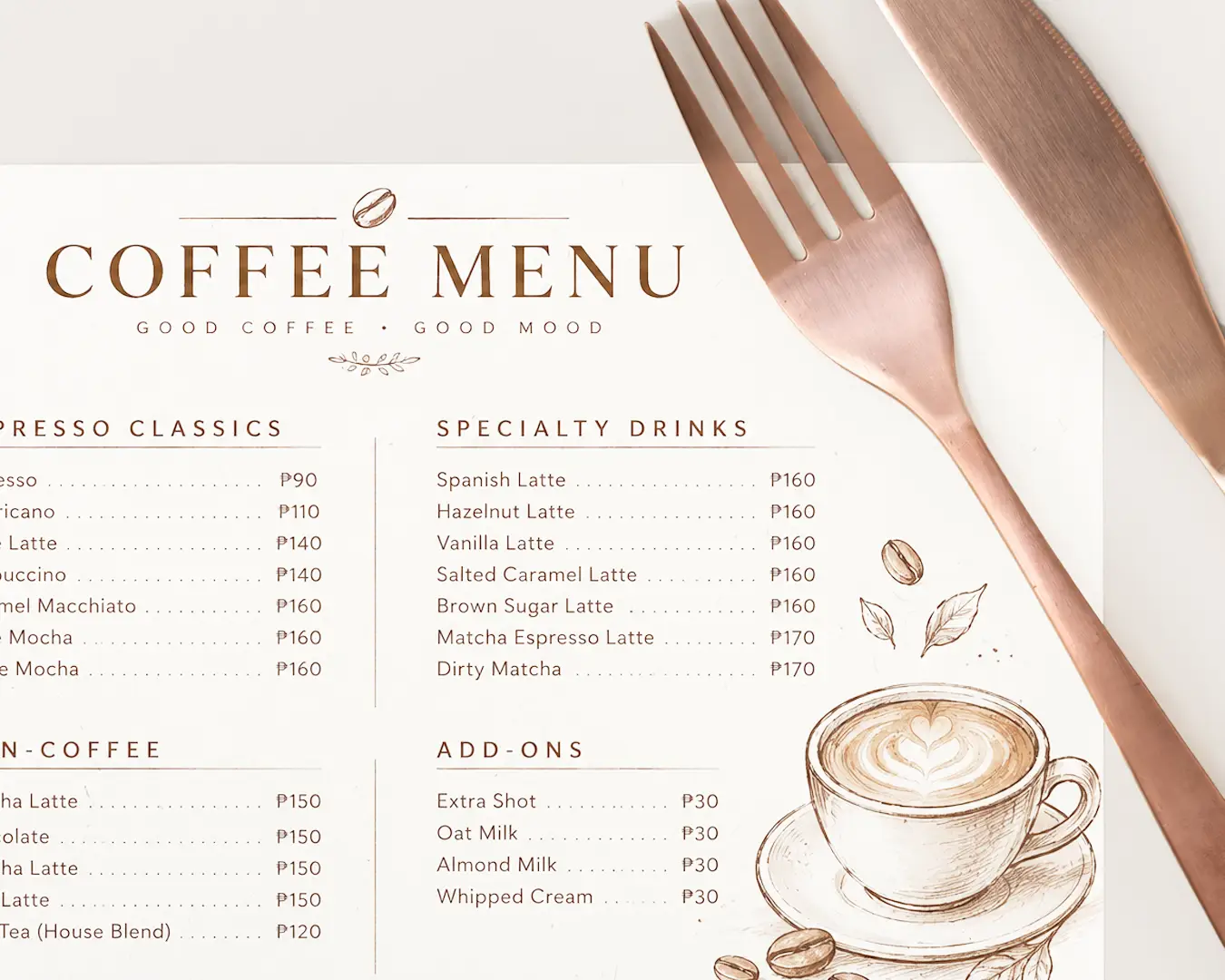
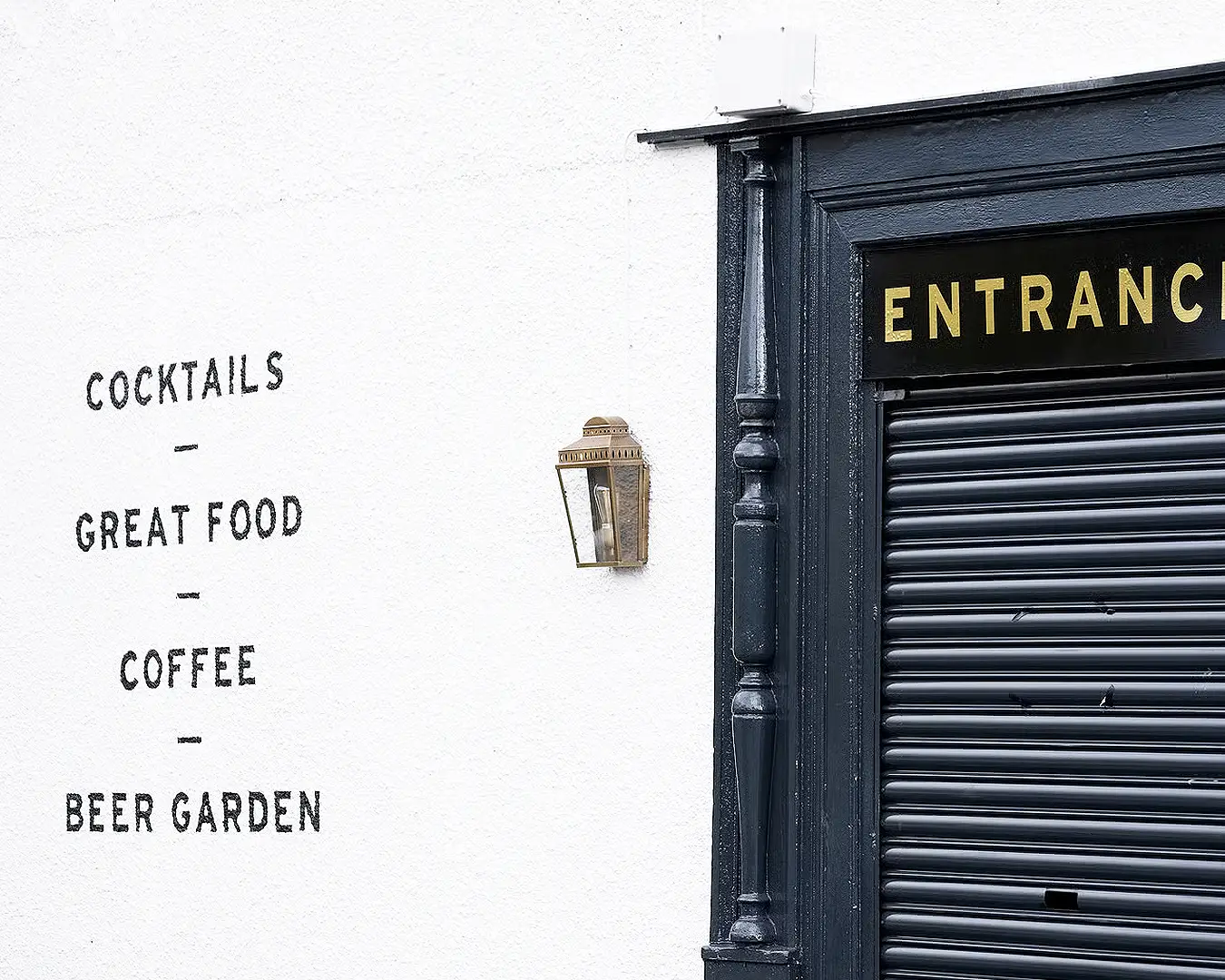
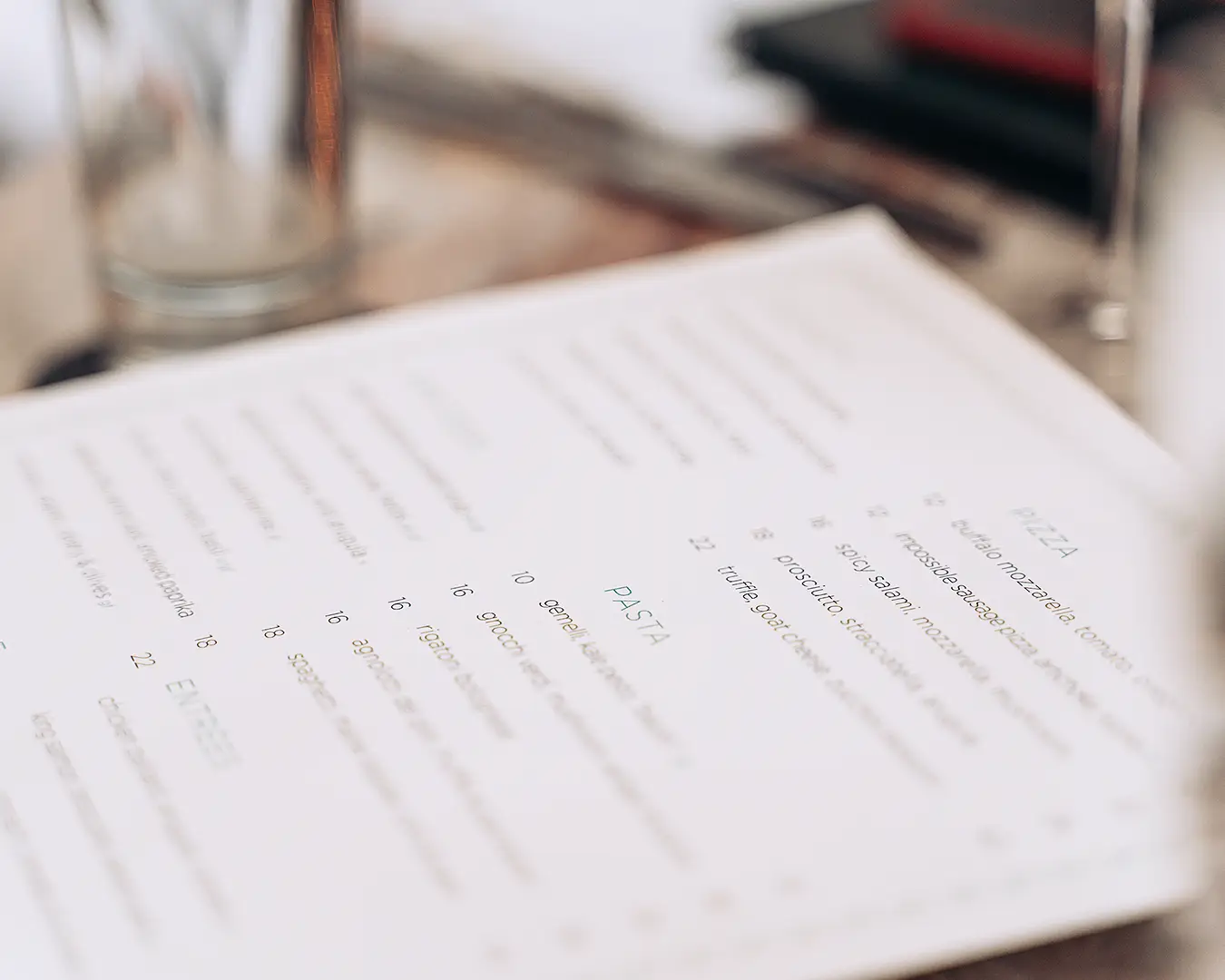
- Compare Digital versus Physical First Impressions: Does your social media icon or storefront signage set an expectation that matches the physical weight, font choices, and paper stock of your menu?
- Observe Floor Reactions: Do first-time guests express surprise at your prices, dish portion sizes, or presentation styles when their food arrives?
Realignment: Unifying Visuals and Culinary Philosophy
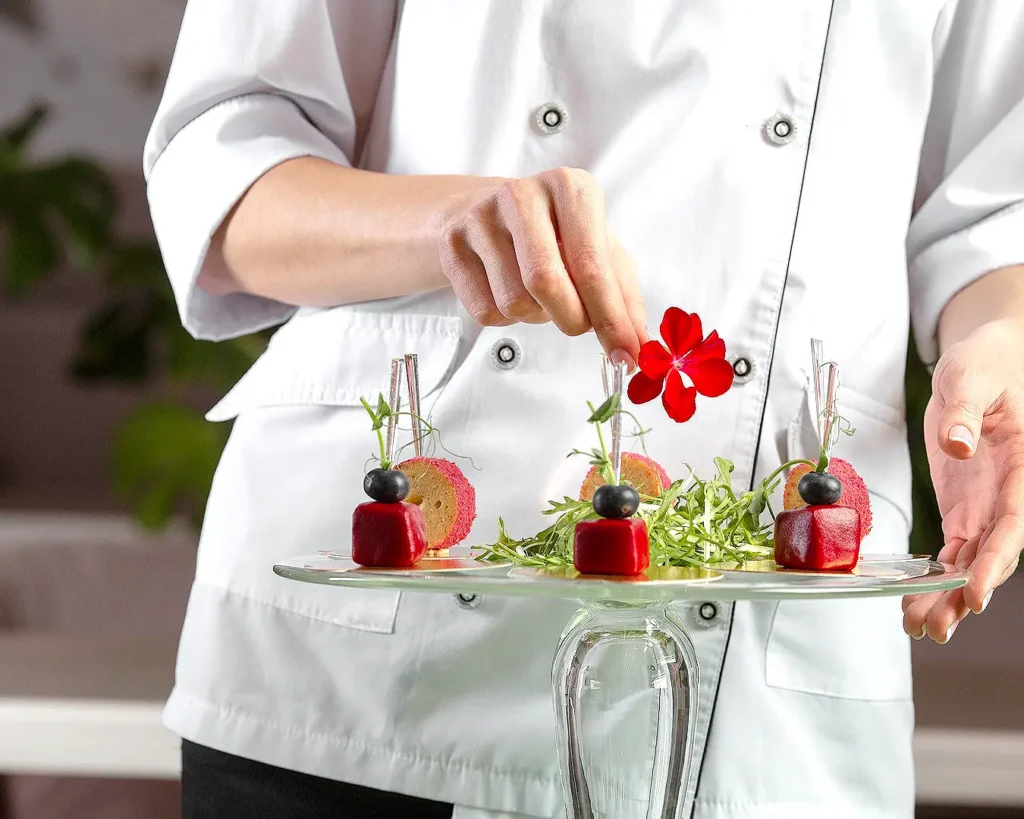
Resolving a mismatch does not always require a total brand overhaul. Often, subtle refinements to menu typography, color palettes, and menu copy can bridge the gap between your logo and your food.
At Atelier Creations, we evaluate brand identity and menu architecture simultaneously to ensure every visual detail reinforces culinary positioning. Aligning your logo’s personality with your physical menu layout creates a seamless guest experience that justifies your price points and reinforces brand authority.
Building Visual and Culinary Harmony
In a competitive market, clarity is profit. When your logo, interior design, and menu layout speak with a single unified voice, guests instantly understand your concept and feel confident in their selections. Eliminating brand friction builds authentic credibility, protects your price positioning, and elevates guest satisfaction shift after shift.