
Cloud-based design tools, automated social scheduling apps, and cheap ad platforms make it tempting for restaurant operators to handle their own marketing in-house. When operating margins are tight, managing brand strategy between kitchen prep and floor shifts feels like a smart way to save money. Yet treating marketing as a casual side project usually creates hidden operational liabilities.
In a competitive hospitality landscape, amateur campaigns, disjointed branding, and mismanaged digital assets quietly drain your revenue. The true cost of a DIY marketing mistake far exceeds the price of hiring professional help; it damages your market authority, alienates your target audience, and wastes valuable capital on ineffective execution.
The Financial Drain of Inefficient Ad Spend

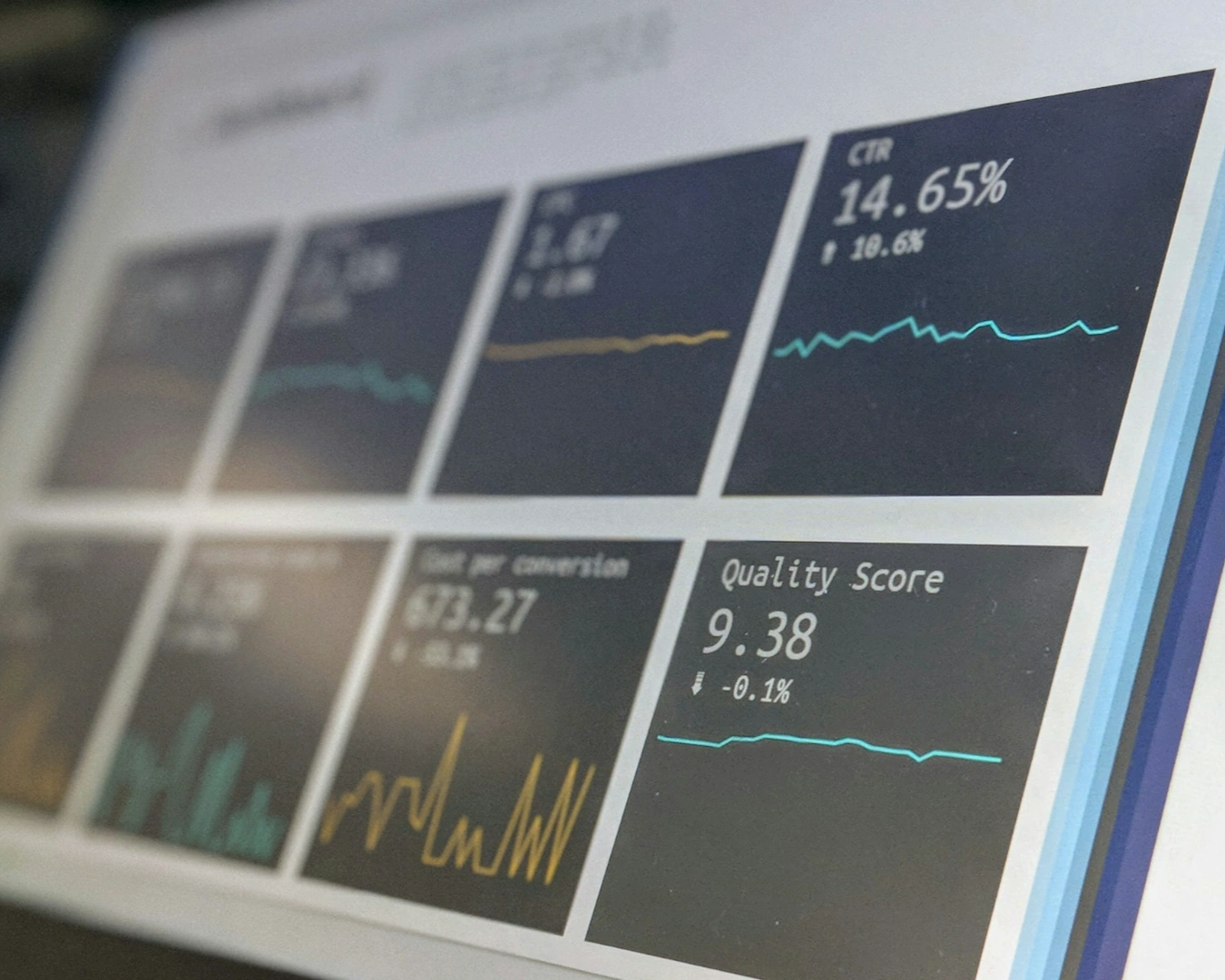
Setting up paid social media ads or local search campaigns takes only a few clicks, but running them efficiently requires continuous optimization, pixel tracking, and audience targeting. DIY ad setups routinely bleed money on broad, untargeted audiences.
Common execution errors directly impact your bottom line:
- Targeting the Wrong Geographic Radius: Running local ads without tight radius controls pays for impressions from users living too far away to ever visit your venue.
- Misinterpreting Conversion Metrics: Confusing high click-through rates with actual table bookings leads operators to keep funding campaigns that generate online views without filling dining room seats.
- Failing to Retarget High-Intent Visitors: Neglecting to build custom retargeting audiences means abandoning potential guests who visited your reservation page but dropped off before completing a booking.
A DIY budget spent on unoptimized campaigns is not money saved; it is capital handed directly to ad networks with zero measurable return on investment.
Brand Dilution and Market Misalignment
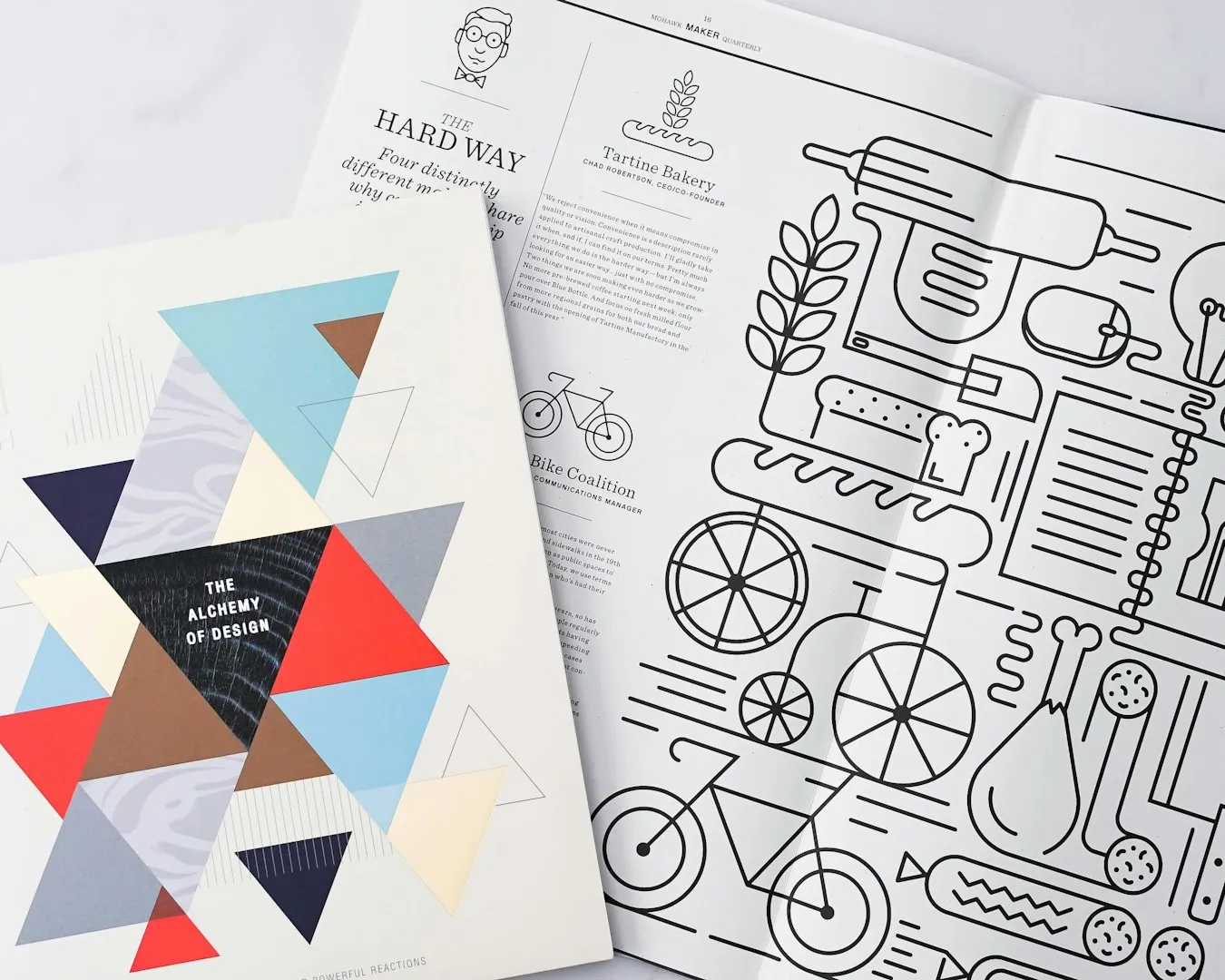
Building a sustainable hospitality brand requires a consistent visual identity and a clear, distinct tone of voice. When marketing tasks are passed around to busy floor staff or patched together using generic online templates, your visual presentation becomes scattered and confusing.
Inconsistent branding creates immediate friction for potential guests:
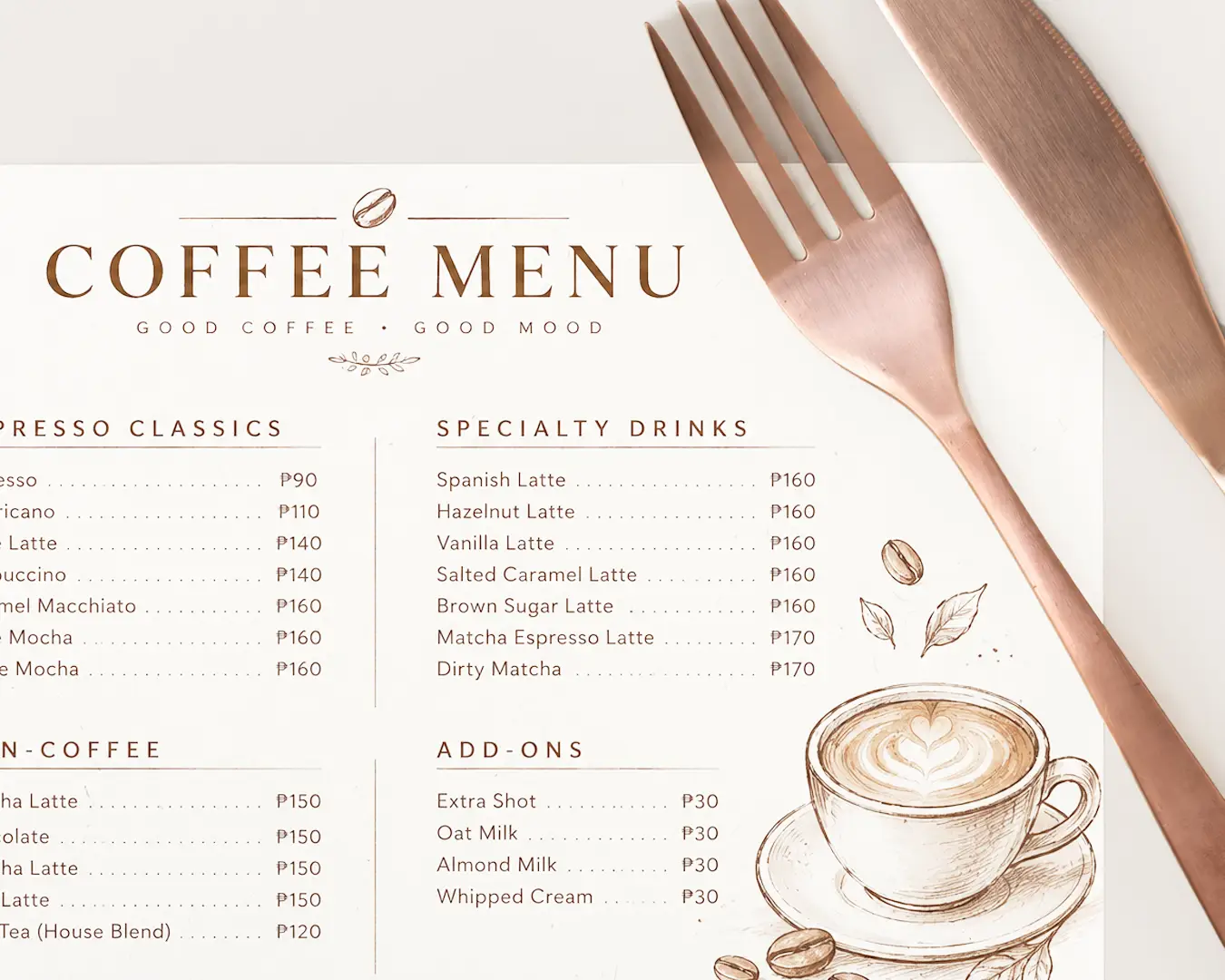
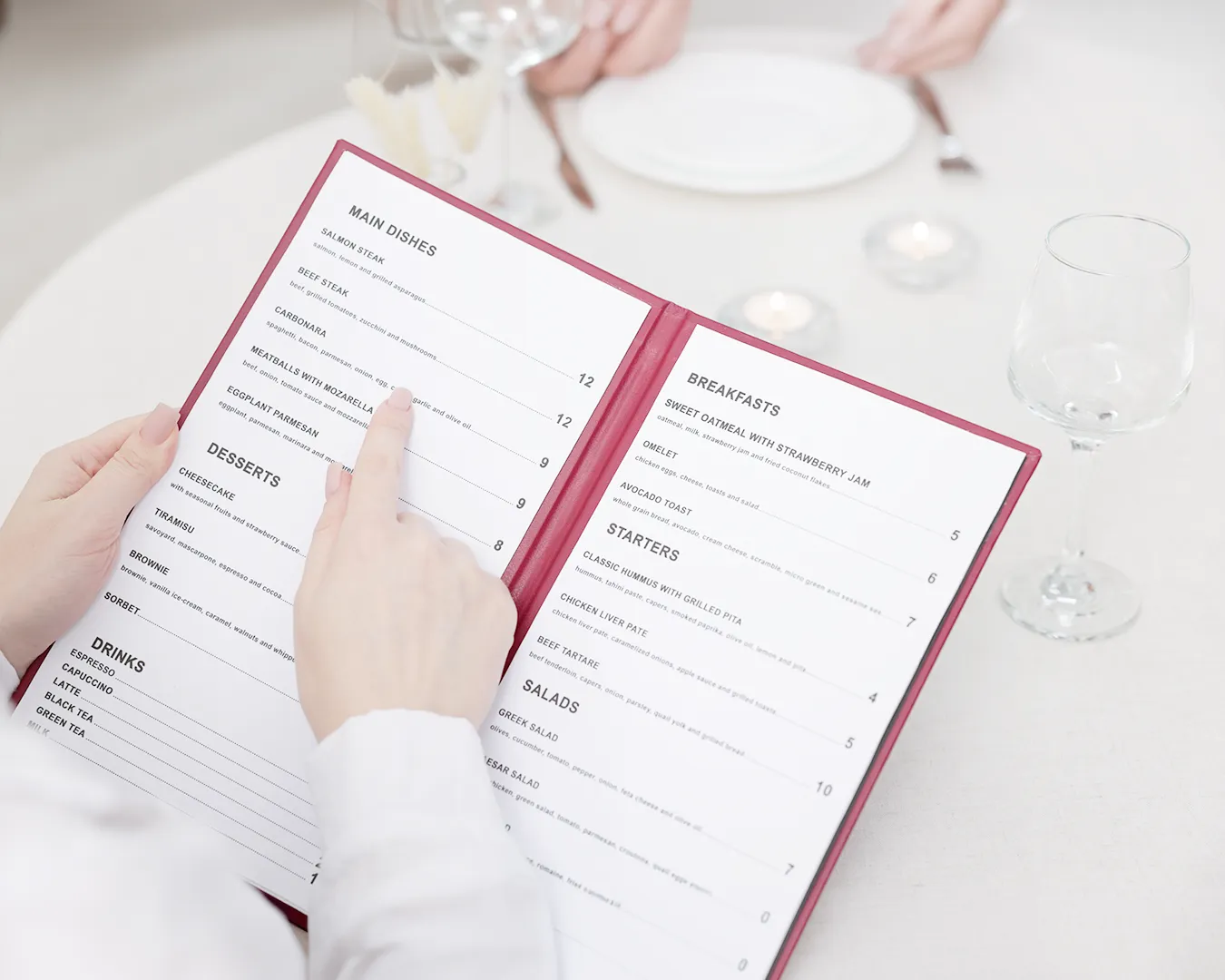
- Clashing Visual Styles: Mixing elegant physical menus with low-resolution social media graphics and chaotic digital promotional flyers erodes your perceived culinary value.
- Unclear Value Proposition: Trying to appeal to every demographic simultaneously dilutes your core concept, making your restaurant look generic rather than specialized.
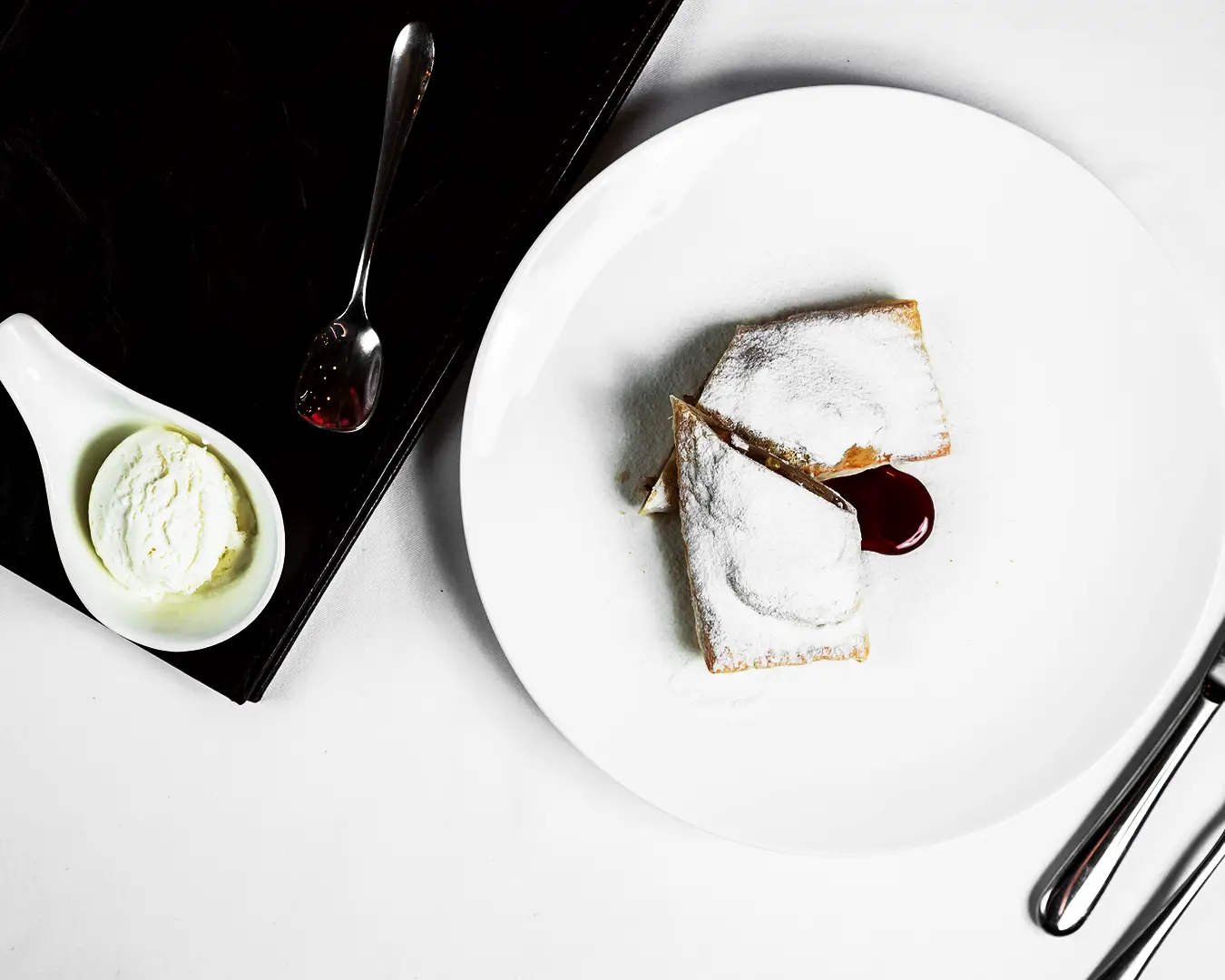
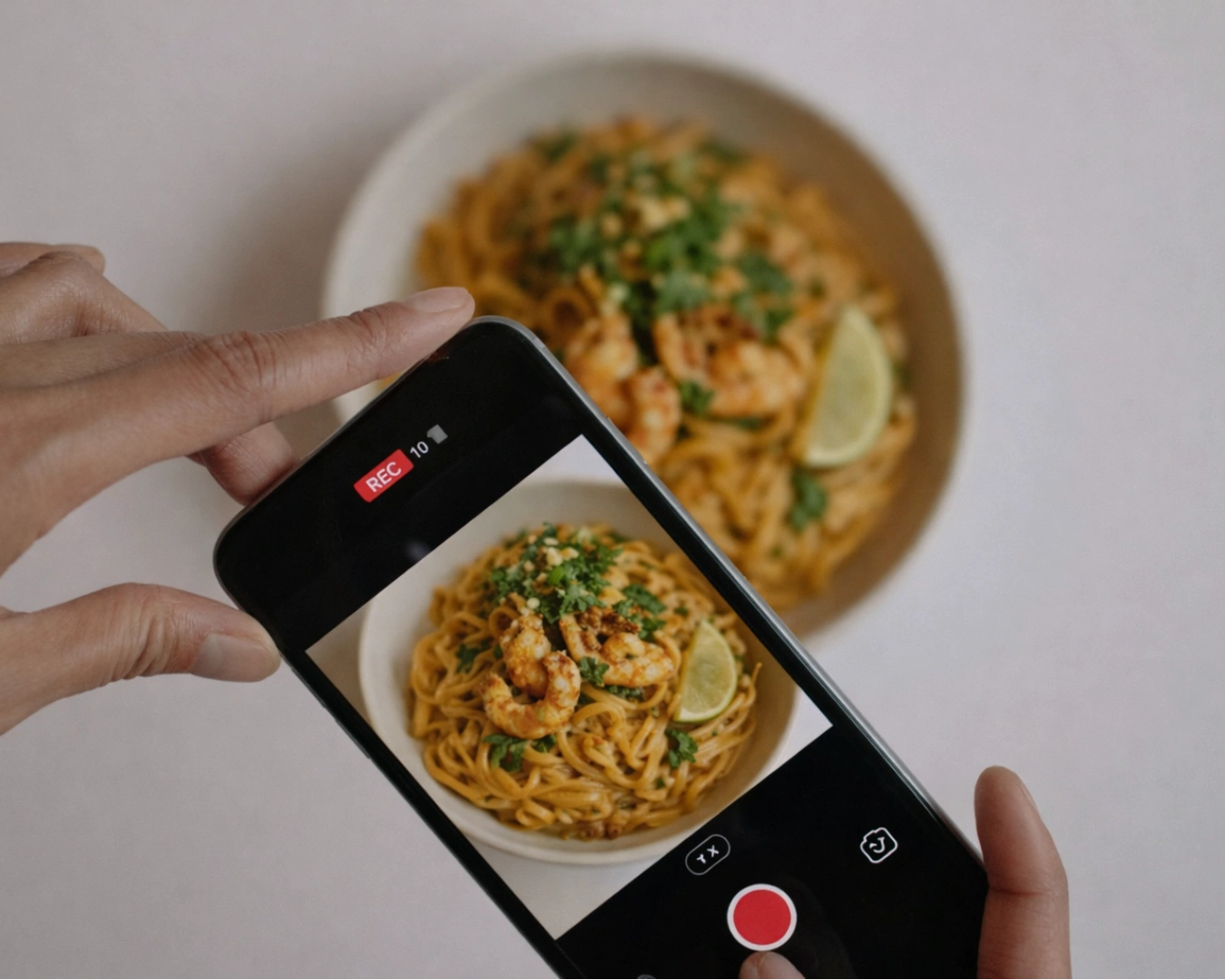
- Amateur Visual Presentation: Bad lighting, awkward angles, and unedited smartphone photos of signature dishes make high-end culinary preparations look cheap and unappealing.
Guests associate the care you put into your visual branding with the care you put into your food and service. Incoherent marketing signals inconsistent operational standards.
Opportunity Costs and Executive Burnout

The most expensive aspect of DIY marketing is the time it steals from core restaurant operations. Every hour an operator spends trying to learn ad platforms, edit videos, or troubleshoot website code is an hour taken away from food cost control, kitchen oversight, and staff training.
When key management focuses on tactical marketing chores:
- Kitchen and Floor Consistency Suffers: Food quality and service steps degrade when management is distracted by content creation deadlines.
- Strategic Growth Stalls: Important long-term projects—such as renegotiating vendor contracts, optimizing menu margins, or developing corporate catering channels—are continuously pushed aside.
- Burnout Accelerates: Managing high-stress service shifts while attempting to run a full marketing department leads to operational fatigue and poor decision-making.
Your operational bandwidth is best spent leading your team and refining the guest experience, not acting as an entry-level digital marketer.
Irreversible Reputation and Digital Asset Ownership Errors
Mistakes made on public platforms or inside backend digital infrastructure can take months to rectify, occasionally causing long-term damage to your business equity.
Sloppy management of digital assets creates severe operational risks:
- Losing Access to Core Channels: Setting up business pages, domain names, or ad accounts under personal profiles often results in lost credentials or locked accounts during staff turnover.
- Public Relations Stumbles: Off-hand responses to negative reviews or poorly phrased social media posts can trigger swift community backlash that permanently harms your local reputation.
- Ignoring Local Search Infrastructure: Failing to structure your local profiles correctly leaves your business vulnerable to incorrect address listings, outdated operating hours, and lost search rankings.
Protecting Your Brand Capital

Saving money on marketing feels satisfying in the short term, but cleaning up from amateur mistakes is far more expensive than executing a professional strategy from day one.
Take an honest look at your current marketing efforts. Is your internal strategy building genuine equity, driving measurable cover growth, and elevating your brand identity, or is it distracting your leadership team from core operations?
We assist hospitality brands in auditing their digital presence, streamlining marketing workflows, and executing high-performance brand strategies that protect profit margins. Contact Atelier Creations to review your marketing architecture and ensure your brand communicates with quiet authority.