Cutting delivery apps completely might cost you money, not save it. That is the uncomfortable truth most articles on this topic skip. The real question is not commission delivery apps vs direct ordering as an either-or decision. It is knowing the real cost of each channel and pricing your menu accordingly.
Most restaurant owners in Singapore already feel the squeeze. A $12 plate nets far less once food delivery app fees are deducted. But abandoning the platforms outright ignores why customers found you in the first place, and ignores the significant costs of rebuilding that reach on your own. Incorporating digital marketing for restaurant strategies alongside your direct ordering system can help bridge this gap by enhancing customer engagement and driving repeat business.
What Delivery Apps Charge You
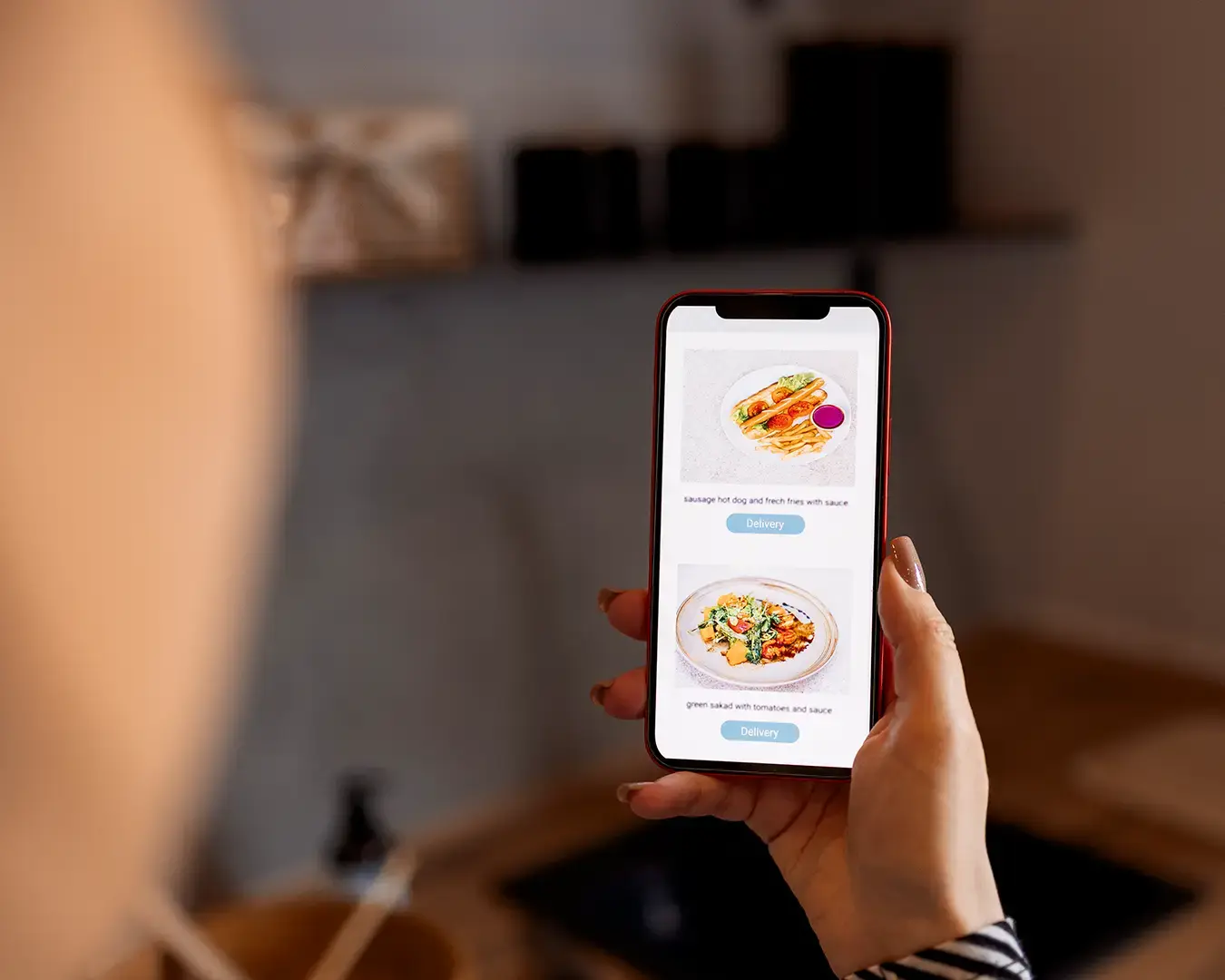
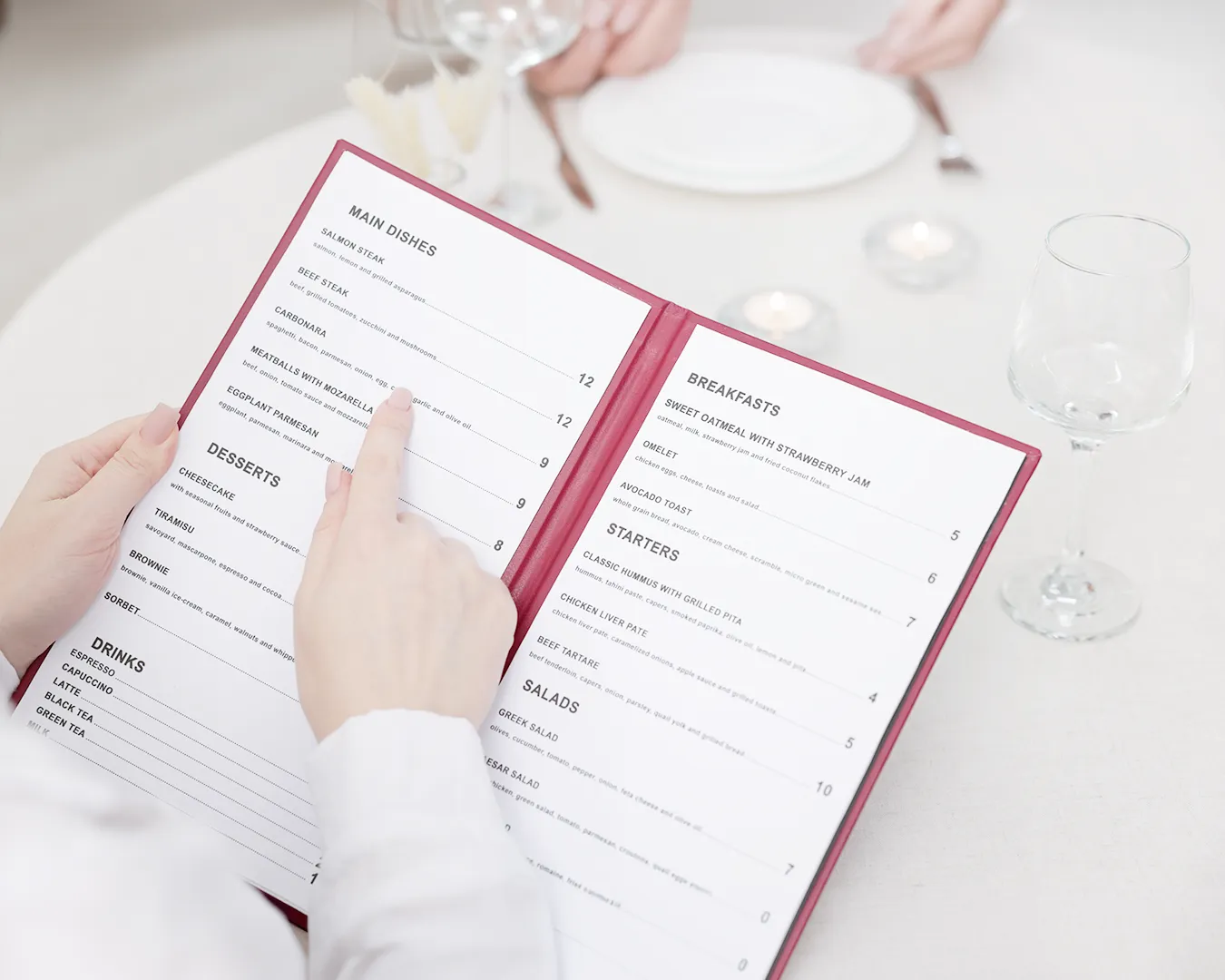
Delivery apps charge a commission that typically sits between 25% and 35% per order, depending on your service tier. Layer on delivery app fees, payment processing fees, and occasional promotional costs, and the hidden costs quietly become your second largest expense after food price. Many restaurants absorb this by raising menu prices slightly across the board, which affects customer satisfaction on both delivery and dine in orders.
Delivery Platforms and the Real Delivery Fee
The delivery fee customers see is not what you pay. Your cut across most delivery platforms and food delivery platforms covers delivery infrastructure, delivery logistics, app maintenance, marketing cost, and customer acquisition.
For a new outlet with no brand recognition, that trade can be fair. For an established name, it is often a tax on customers you already earned, and one that quietly erodes average order value once discounts are factored in.
Why the Food Delivery App Still Matters
Every major food delivery app remains useful for discovery. New customers browsing nearby options will find you here before they know your name. Treat this channel as a marketing cost, not your primary sales engine. The goal is to capture first time diners through food delivery services, then move them toward direct ordering channels.
Should You Rely on Third Party Apps for Growth
Third party apps, and third party platforms more broadly, are built to keep transactions inside their ecosystem, not to build your brand. That is not a criticism, it is simply how the model works. Leaning on third party delivery services indefinitely means someone else owns the relationship with your customer, including the data that drives customer retention. The delivery app commission you pay funds their growth, not necessarily yours.
Building Your Own Ordering System
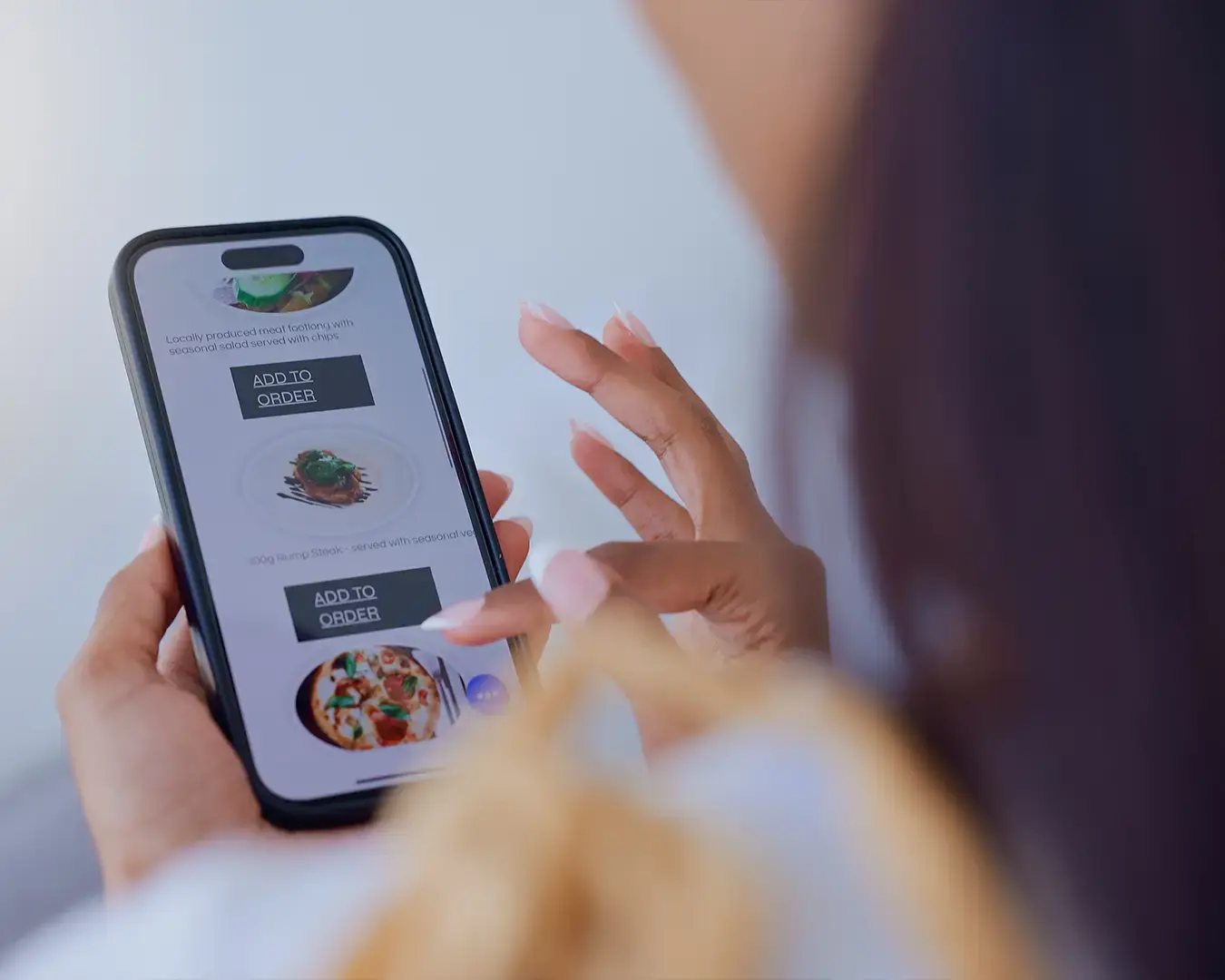
An own ordering system, whether a simple own website or a lightweight app, gives you something the platforms never will: direct customer relationships and customer data ownership. You learn what people order, how often, and when. That visibility supports sharper pricing strategies and stronger customer loyalty, without paying commission fees on every transaction.
Commission free ordering does not require heavy mobile app development. A well built own online ordering system linked from your Instagram bio, WhatsApp, and receipts is often enough to shift a meaningful share of orders toward direct online ordering, and it removes many of the indirect costs tied to managing multiple platforms.
In House Delivery and Learning to Order Direct
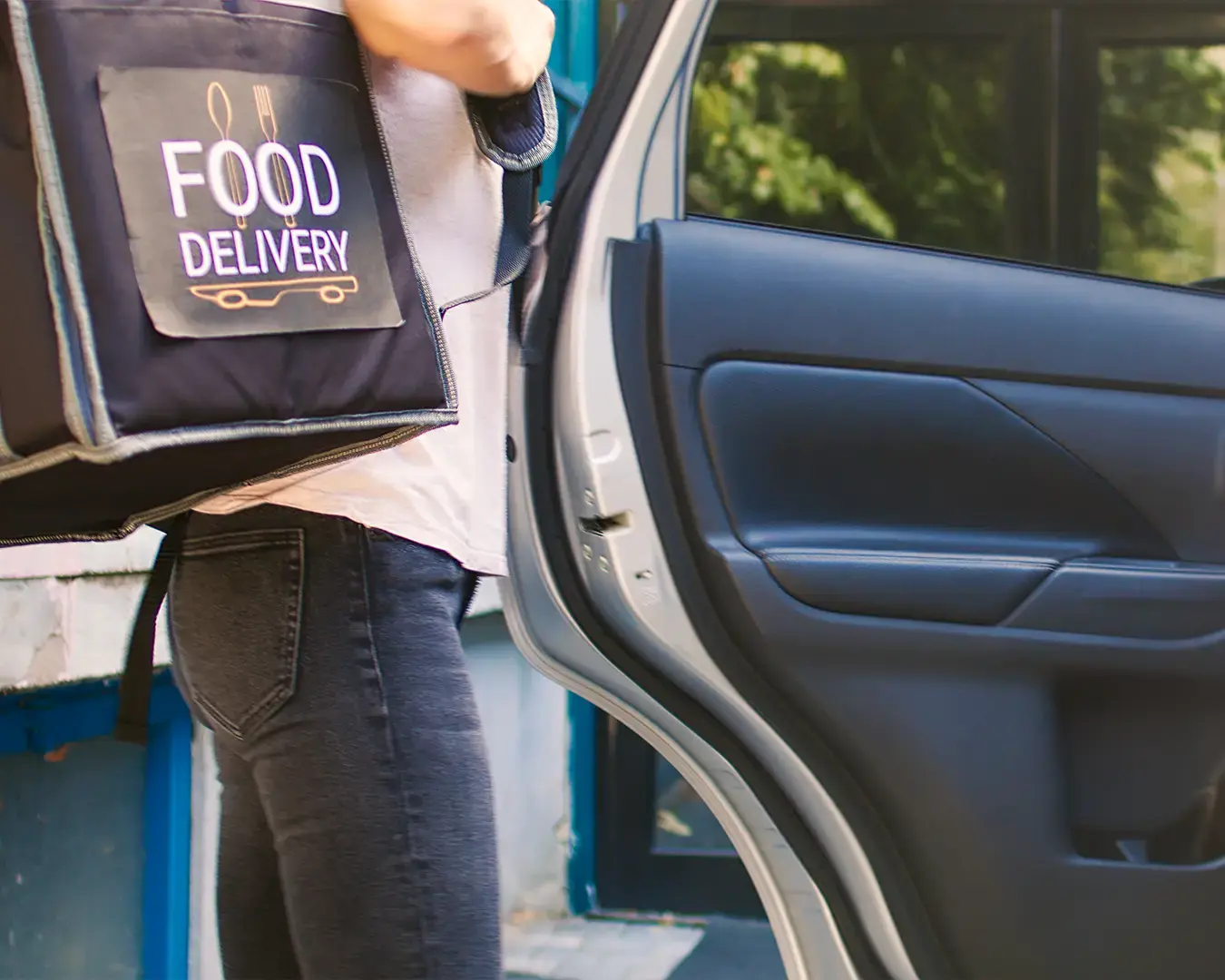
Running in house delivery, using your own delivery drivers, only makes sense past a certain order volume. Below that, the upfront costs of vehicles, staff, and delivery zones outweigh the commission saved. Some owners try to bypass delivery apps entirely and manage own delivery from day one, but the delivery process demands real infrastructure. Calculate your break even point honestly. Many restaurants also underestimate what maintaining customer satisfaction looks like once delivery orders are entirely their responsibility, from customer complaints to late arrivals.
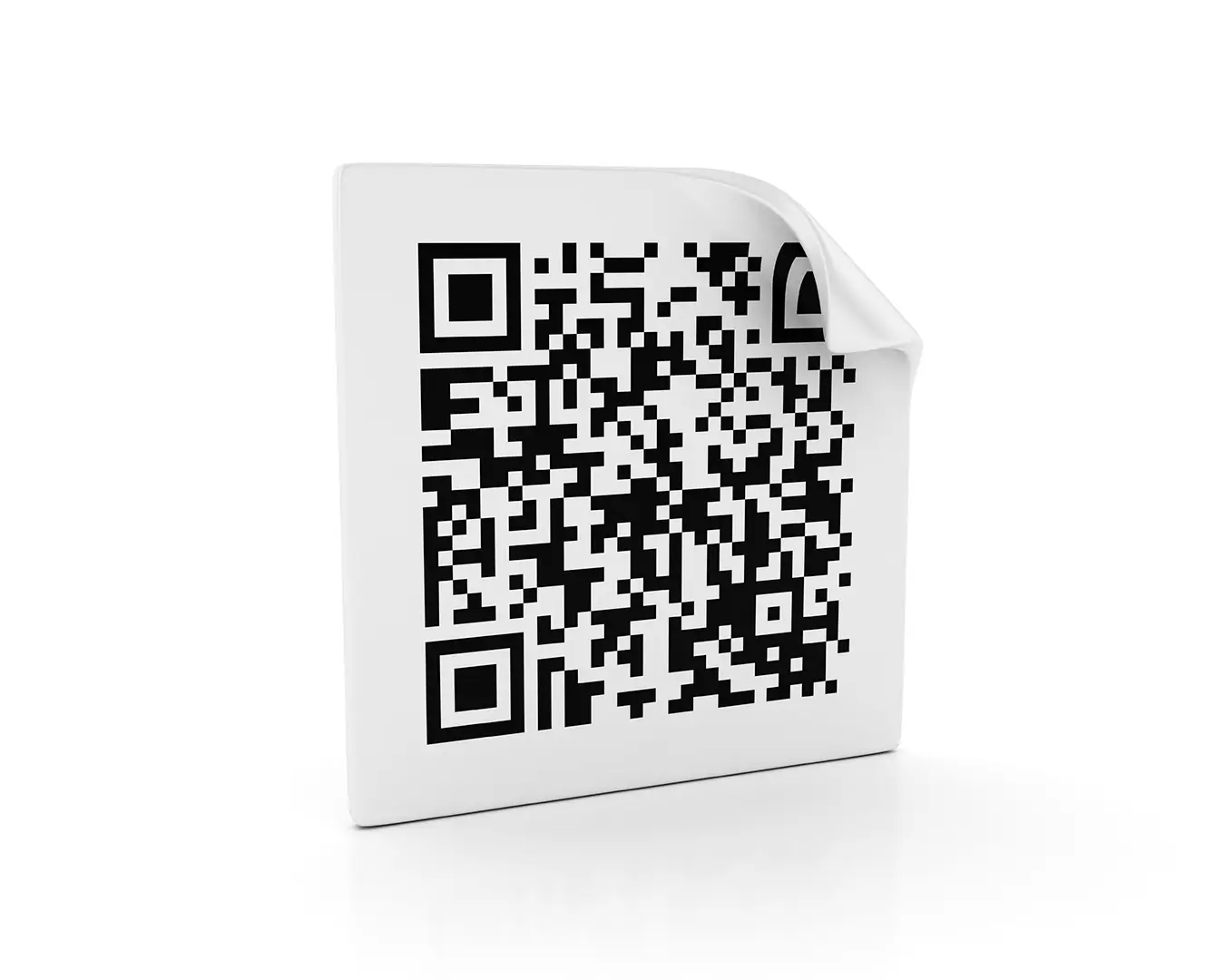
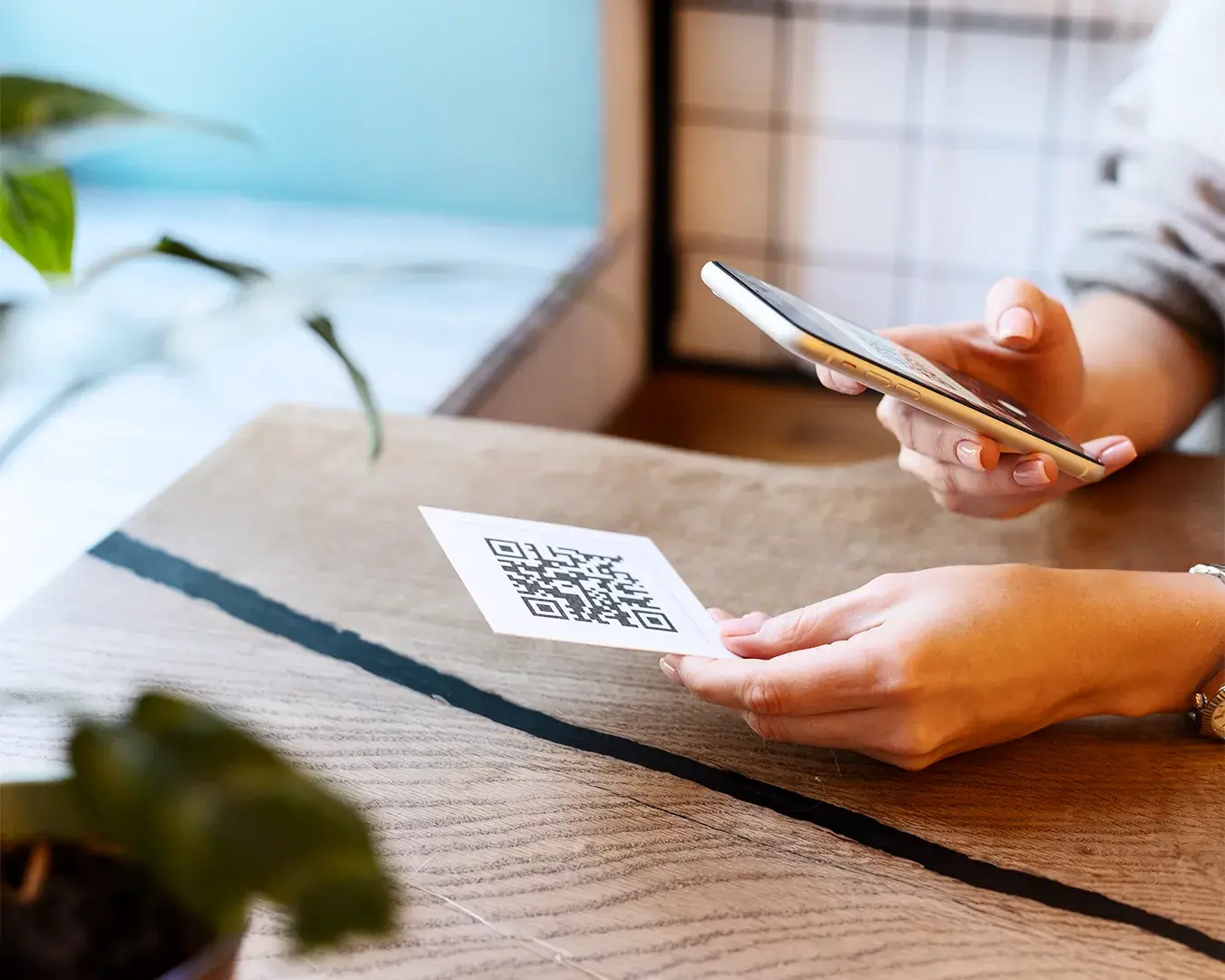
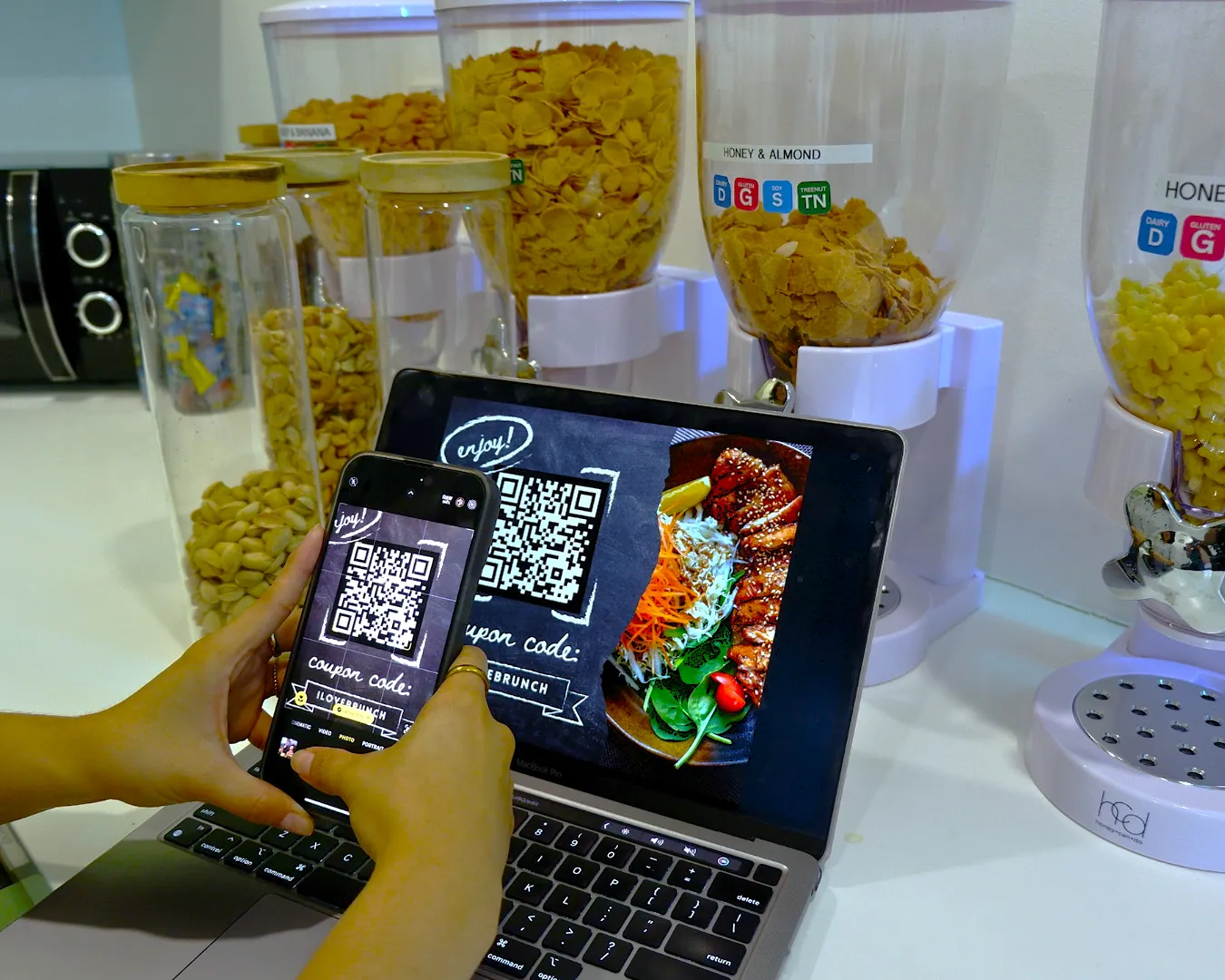
The owners who manage this well never fully abandon delivery apps. They use platforms to attract new customers, then focus on encouraging direct orders through a card in the bag, a small discount for next time, or a QR code on the receipt. This builds direct relationships and repeat business without sacrificing visibility, and it steadily improves the customer experience across every touchpoint.
A Hybrid Delivery Strategy
There is no universal answer here. Average order value, delivery zones, and customer behaviour all shape the right mix for your business. What matters is choosing deliberately, not defaulting to whichever channel is easiest to switch on.
Getting this balance right takes a clear look at your actual numbers, not assumptions carried over from another restaurant’s playbook. Atelier Creations often start with a quiet review of a client’s current ordering setup, menu pricing across channels, and where their repeat customers actually come from. If you would like a second pair of eyes on yours, we are happy to have that conversation.