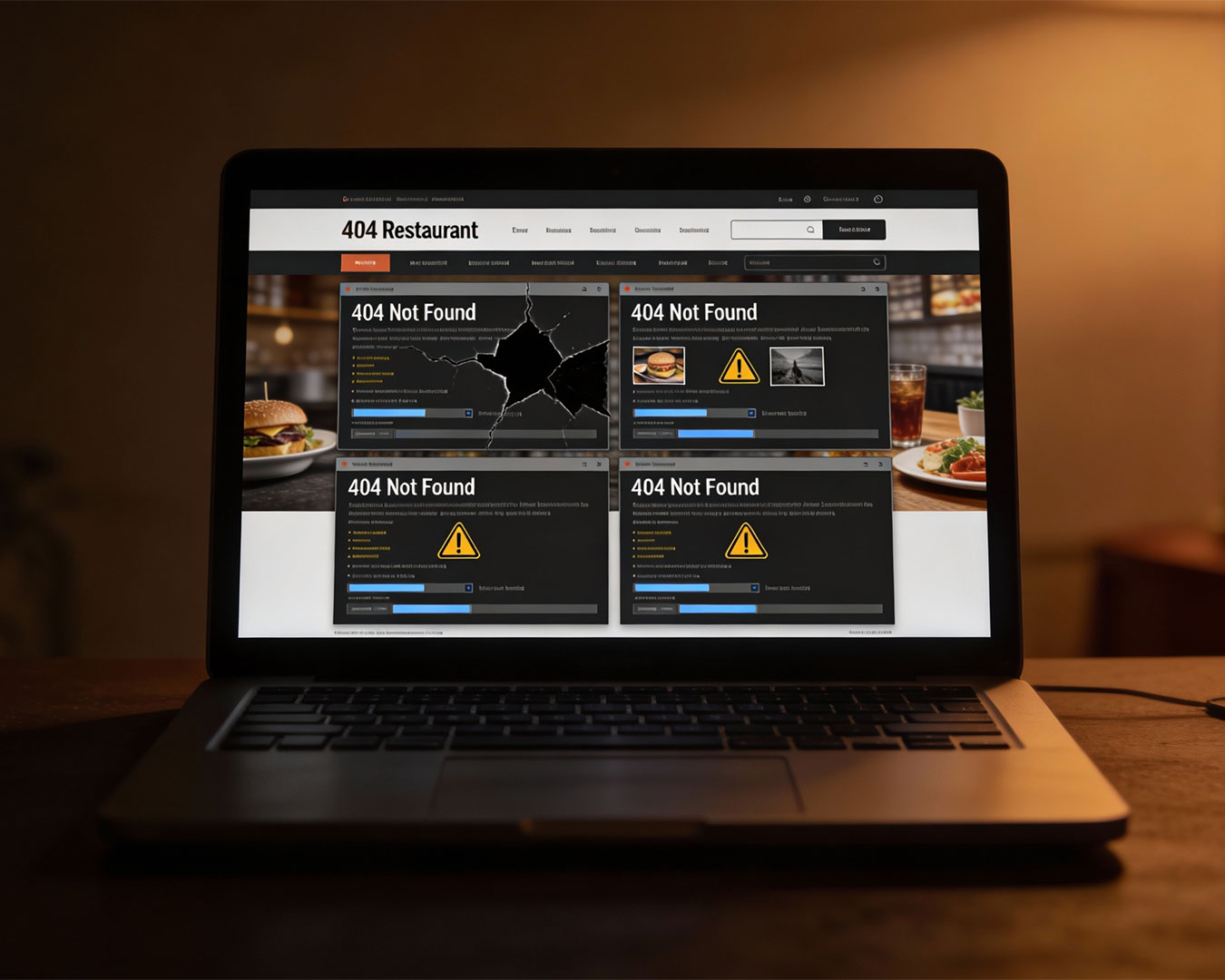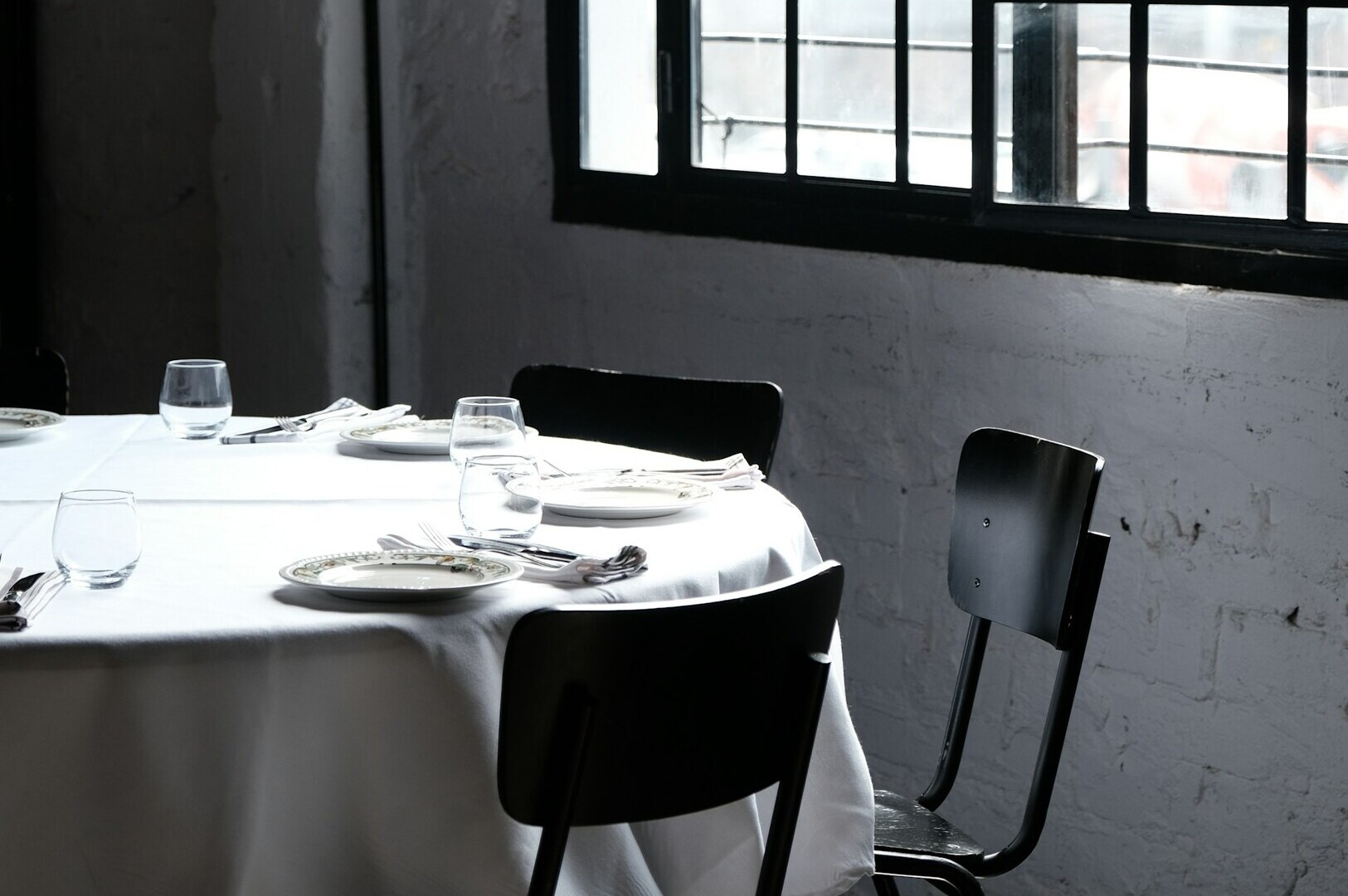
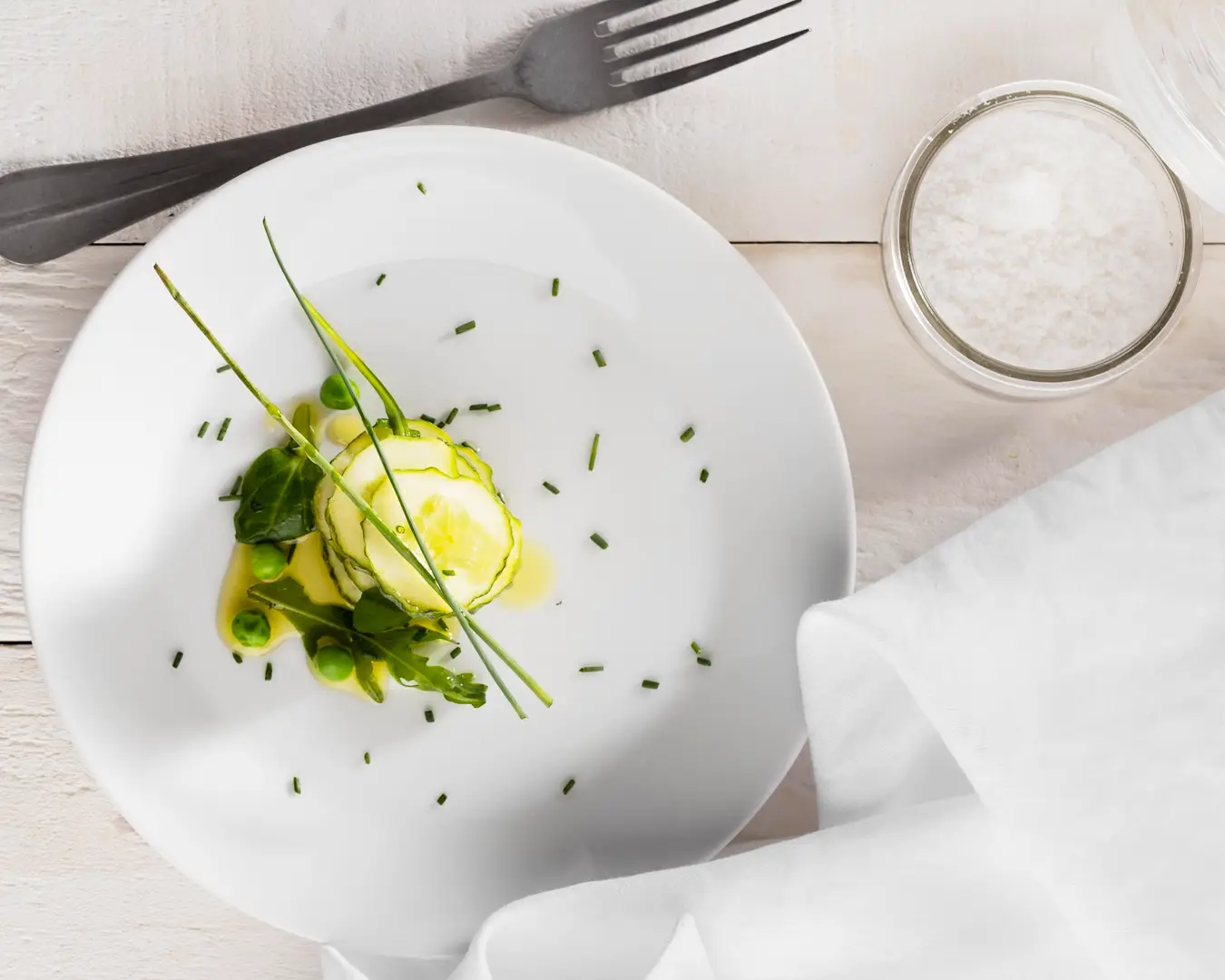
You are scrolling through Instagram at 11pm, and a competitor three blocks away has just posted a new menu shot. Clean plating. A font you don’t recognise. A caption that sounds nothing like the shouty promo posts you’ve been running. You close the app and wonder, quietly, if your food is actually the problem.
It probably isn’t. Your restaurant brand identity design might be.
Customers decide what your food will taste like before they order it. They do this through your logo design, your color palette, your signage, your restaurant website. None of this is vanity work. It is information. A strong branding for restaurants tells a stranger what to expect, and when that promise matches the plate, you get repeat business.
Why Logo Design and Color Palette Set the Tone
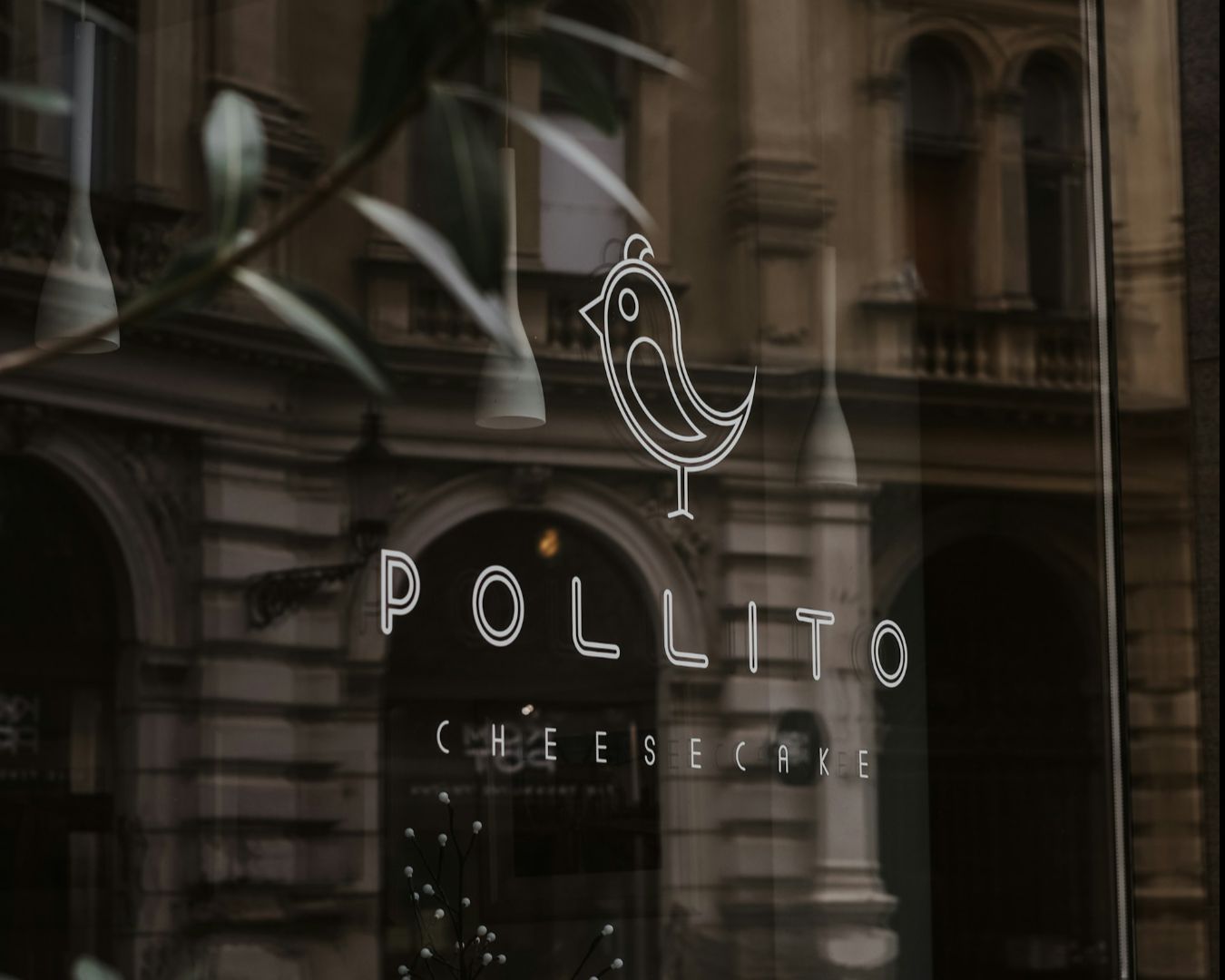
Most owners treat the logo as a formality, something a nephew designs in an afternoon. But logo design is the first filter a customer applies.
- A new logo isn’t just a fresh look, it’s a signal of what’s changed inside the business too.
- A script font on a hawker-style stall confuses people before they’ve read the menu.
- A bright color palette on a comfort food concept undercuts warmth you’re trying to sell.
This isn’t about being pretty. It’s about not sending mixed signals to someone deciding whether to sit down. Successful restaurant brands treat this as a starting point, not an afterthought.
Interior Design and Decor Set the Expectation Before the First Bite
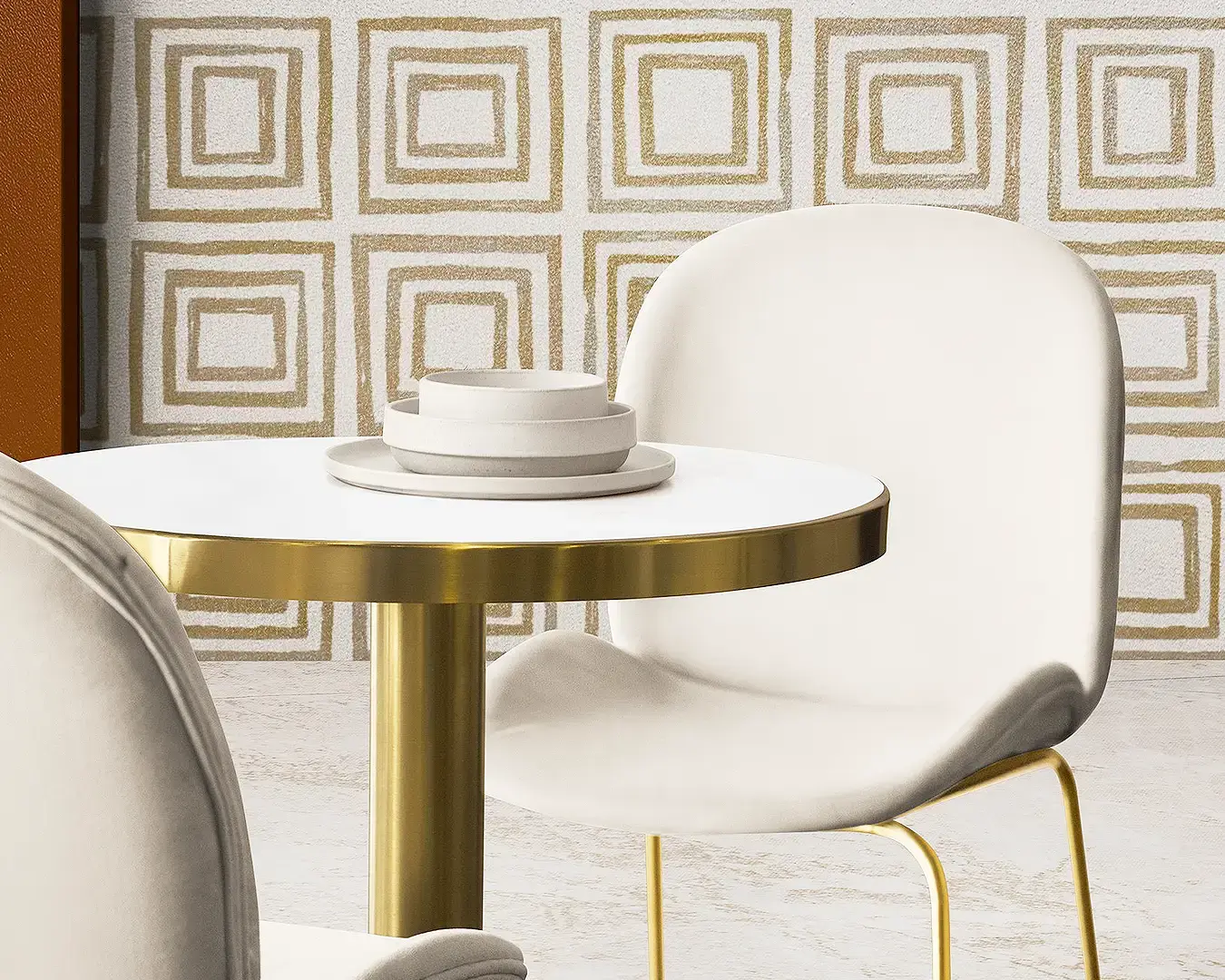
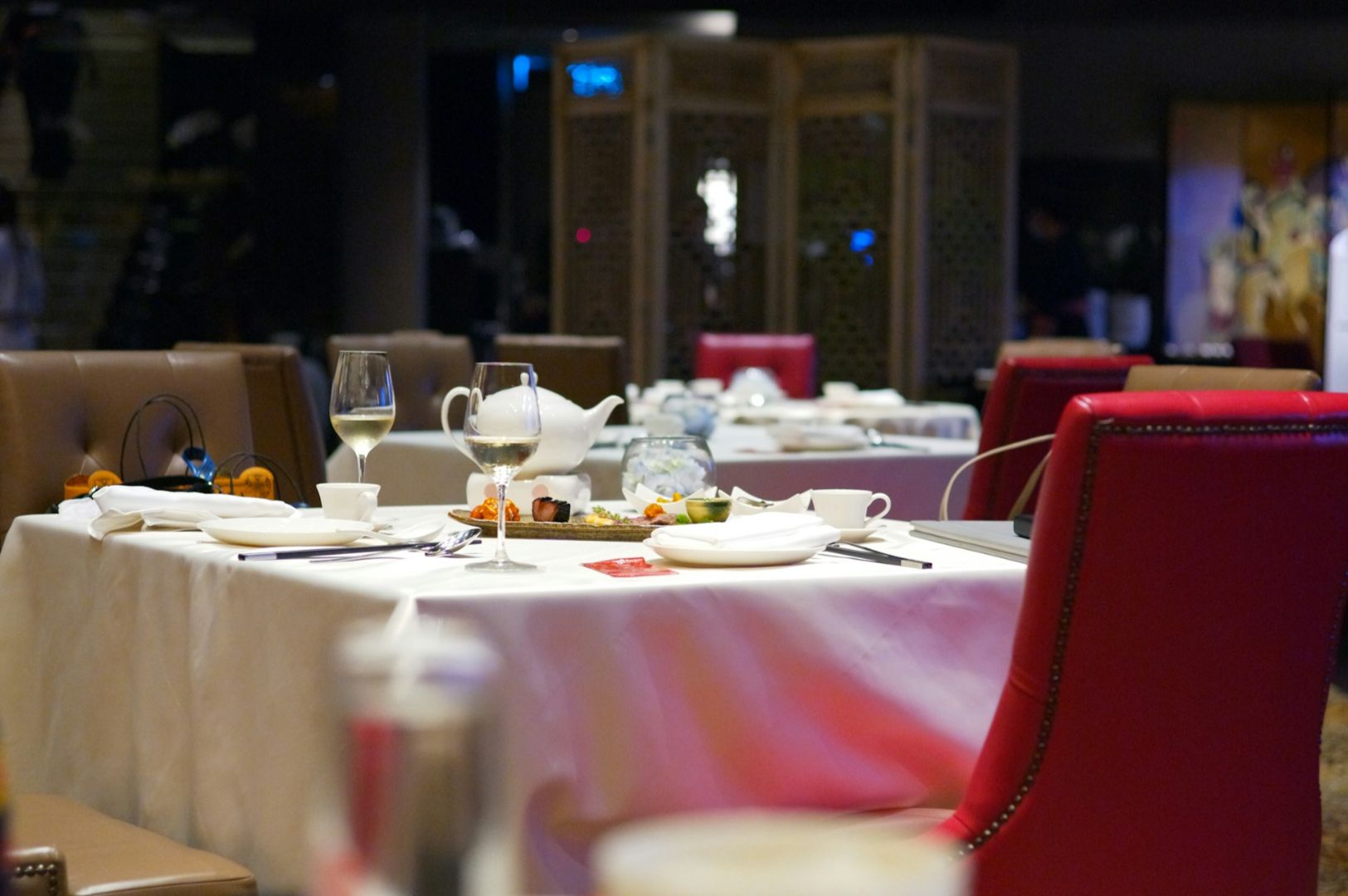
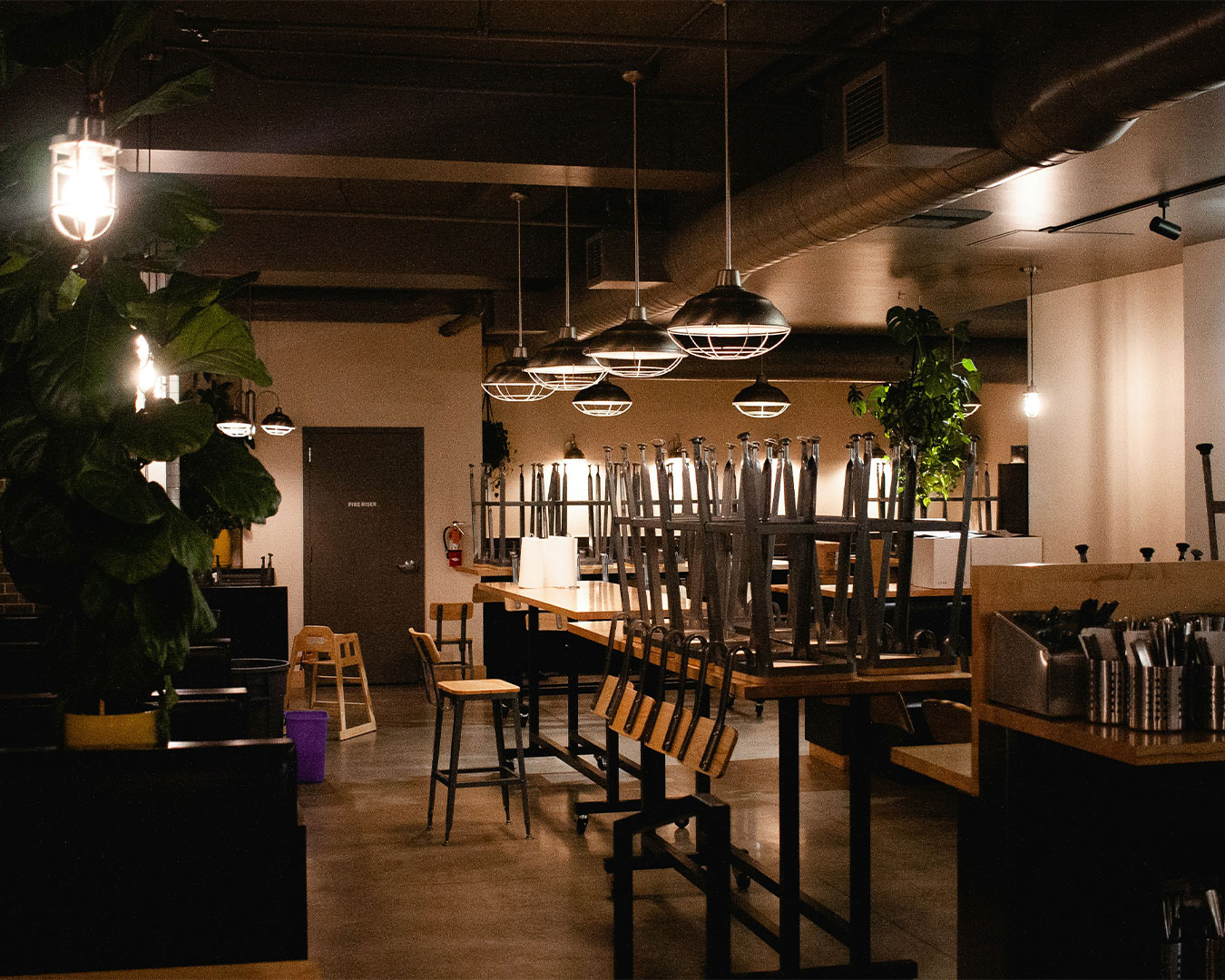
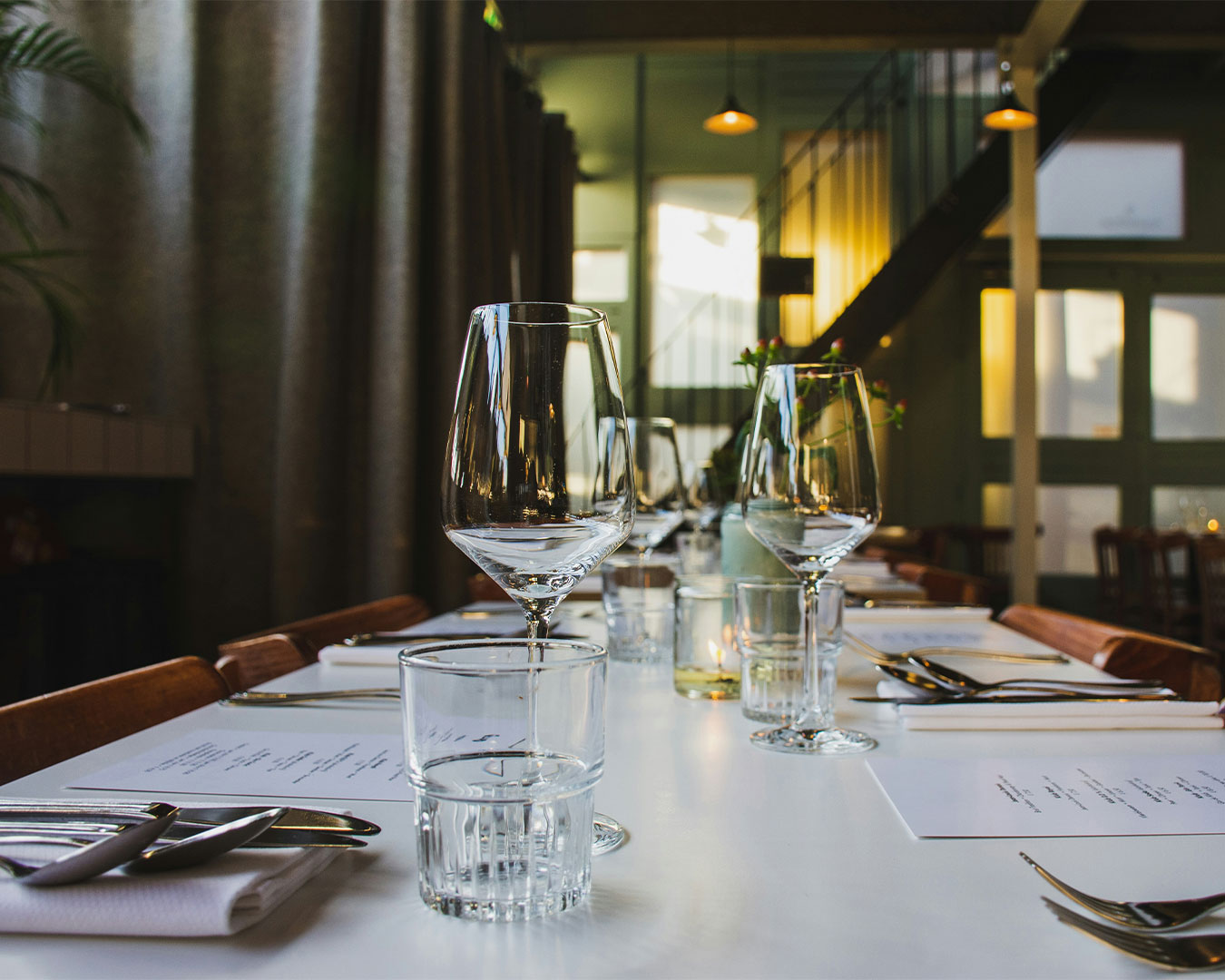
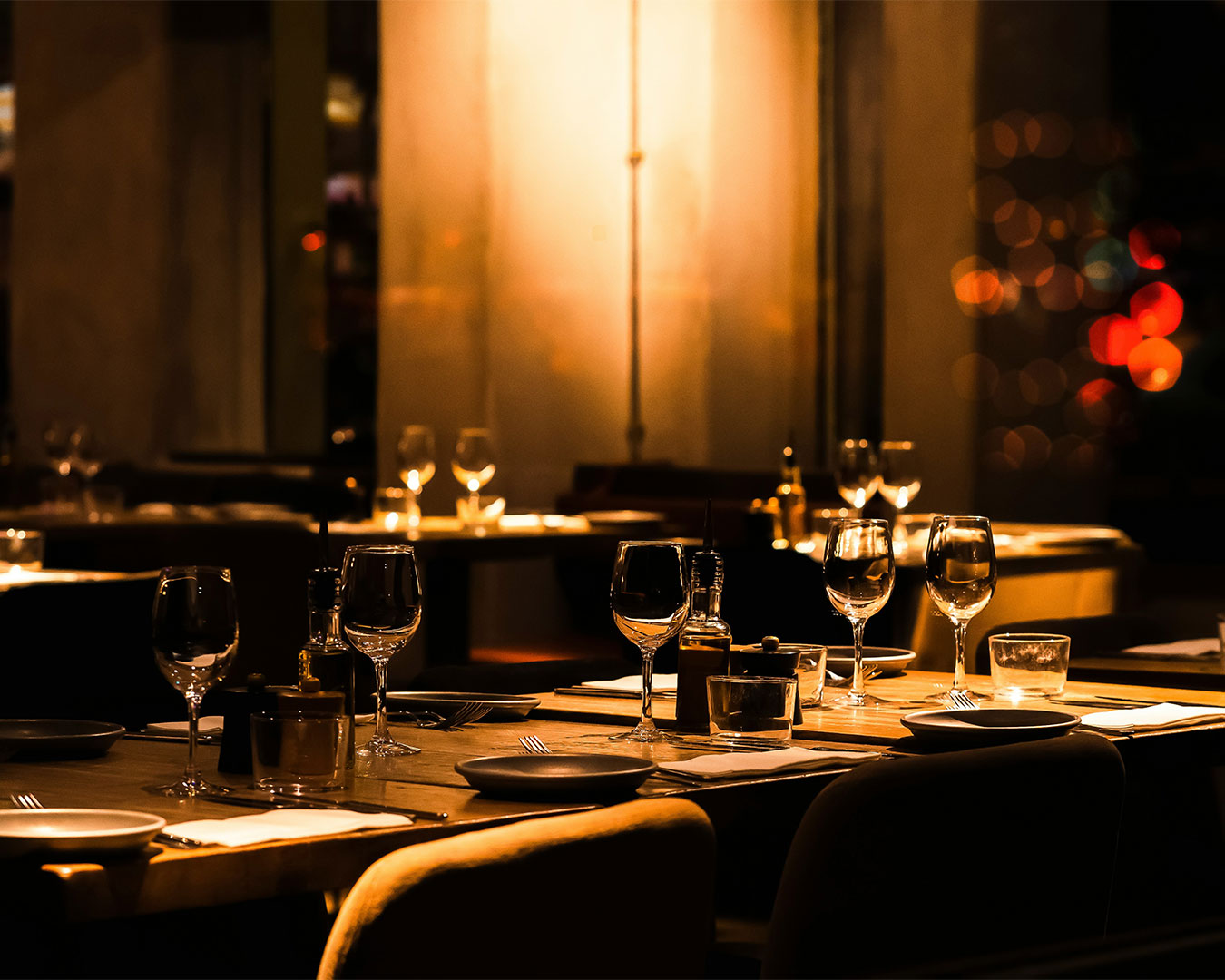
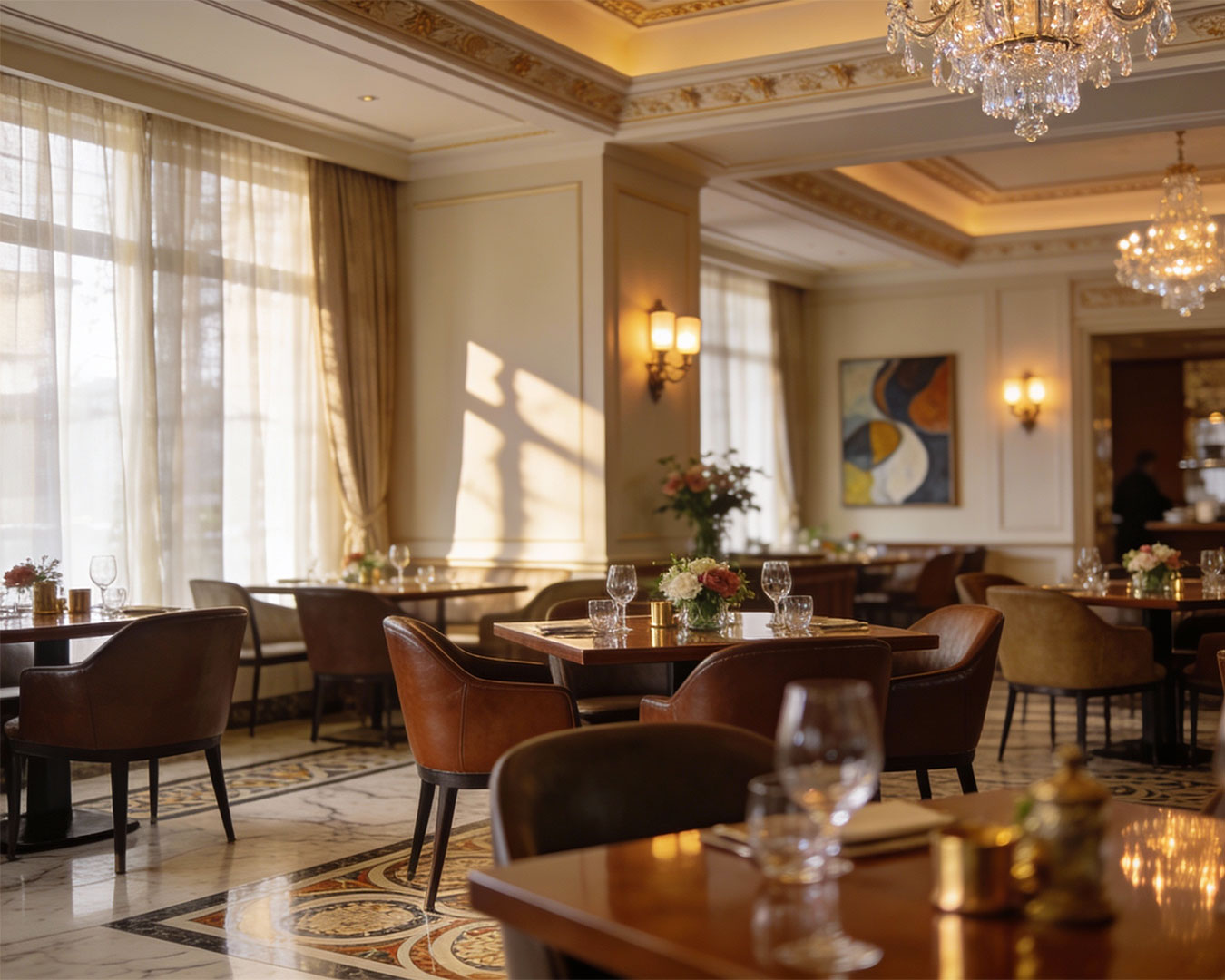
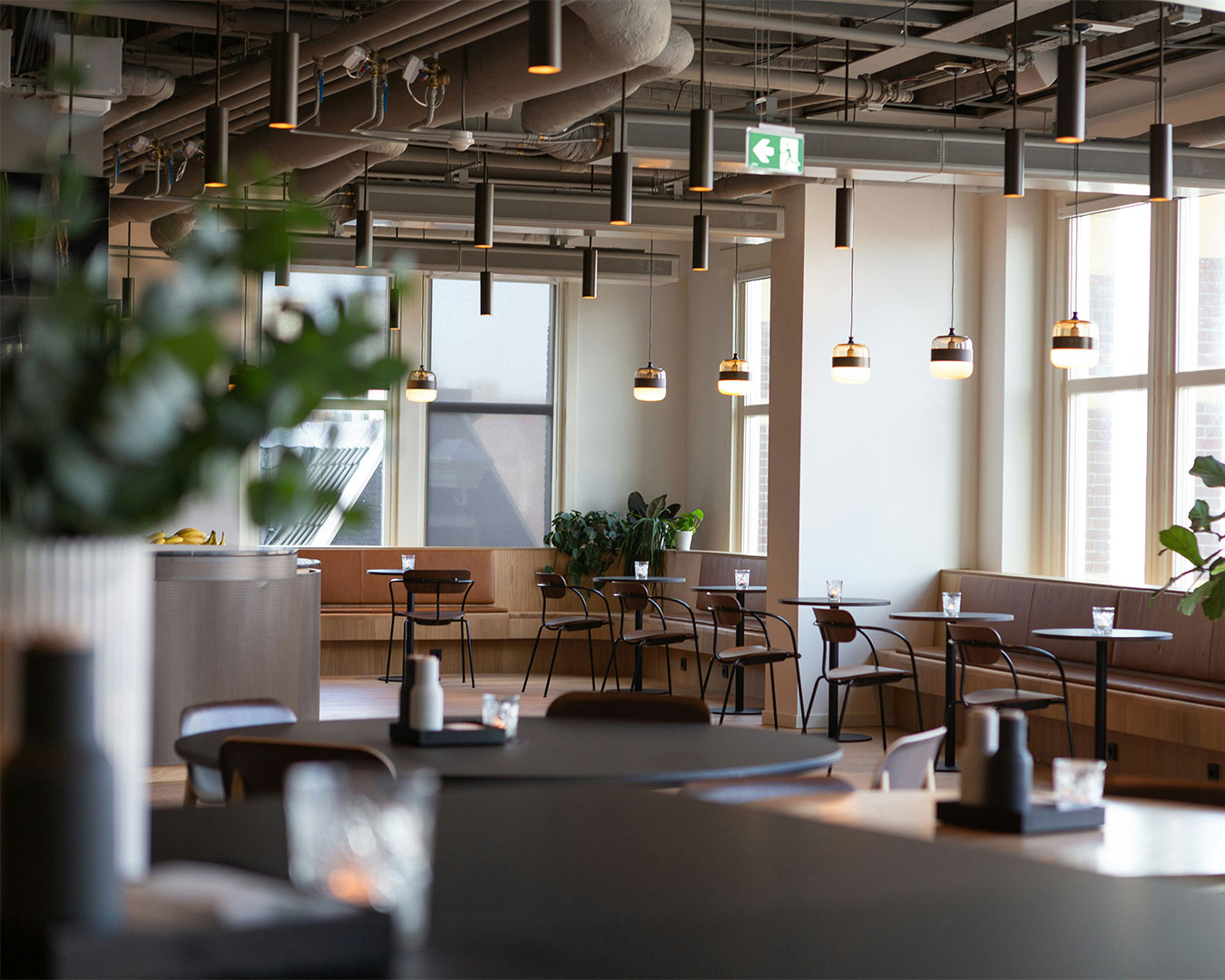
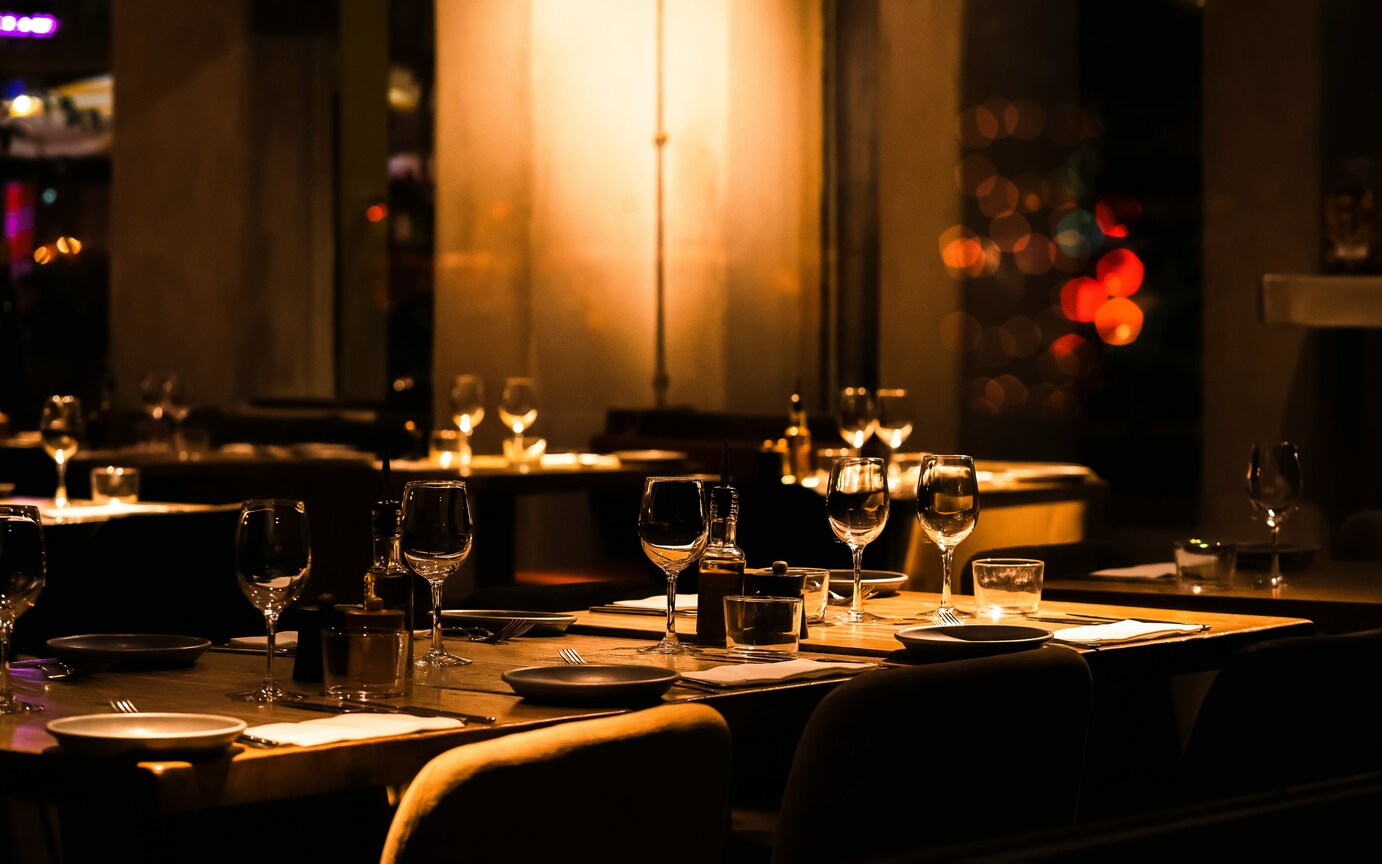
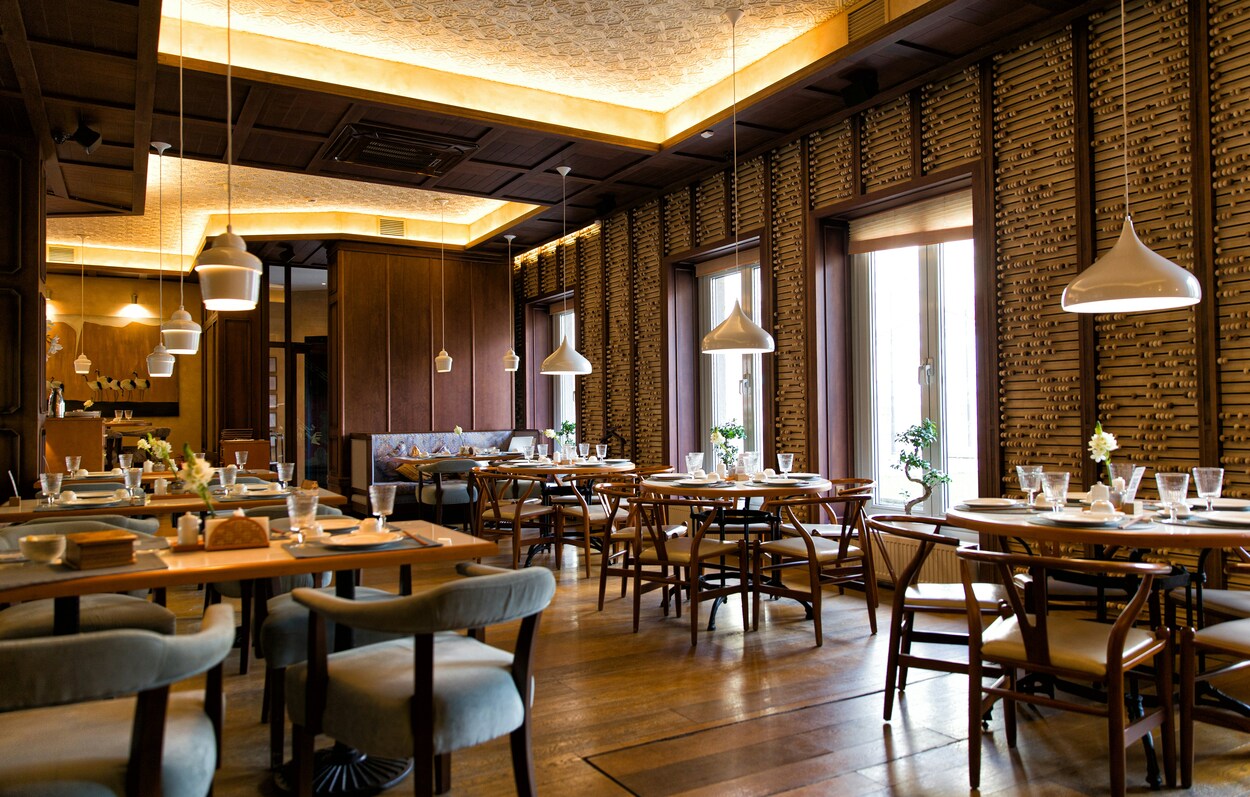
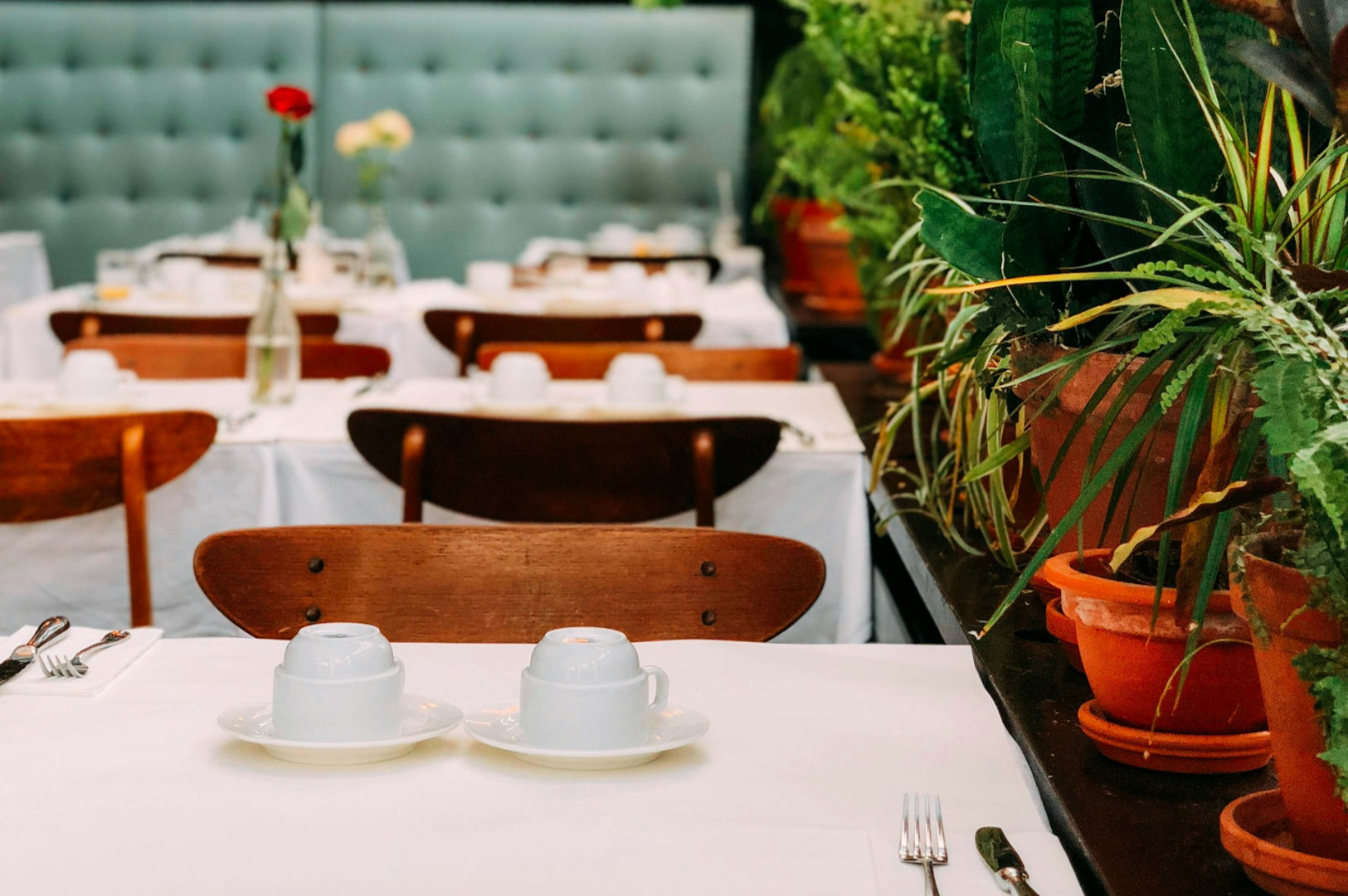
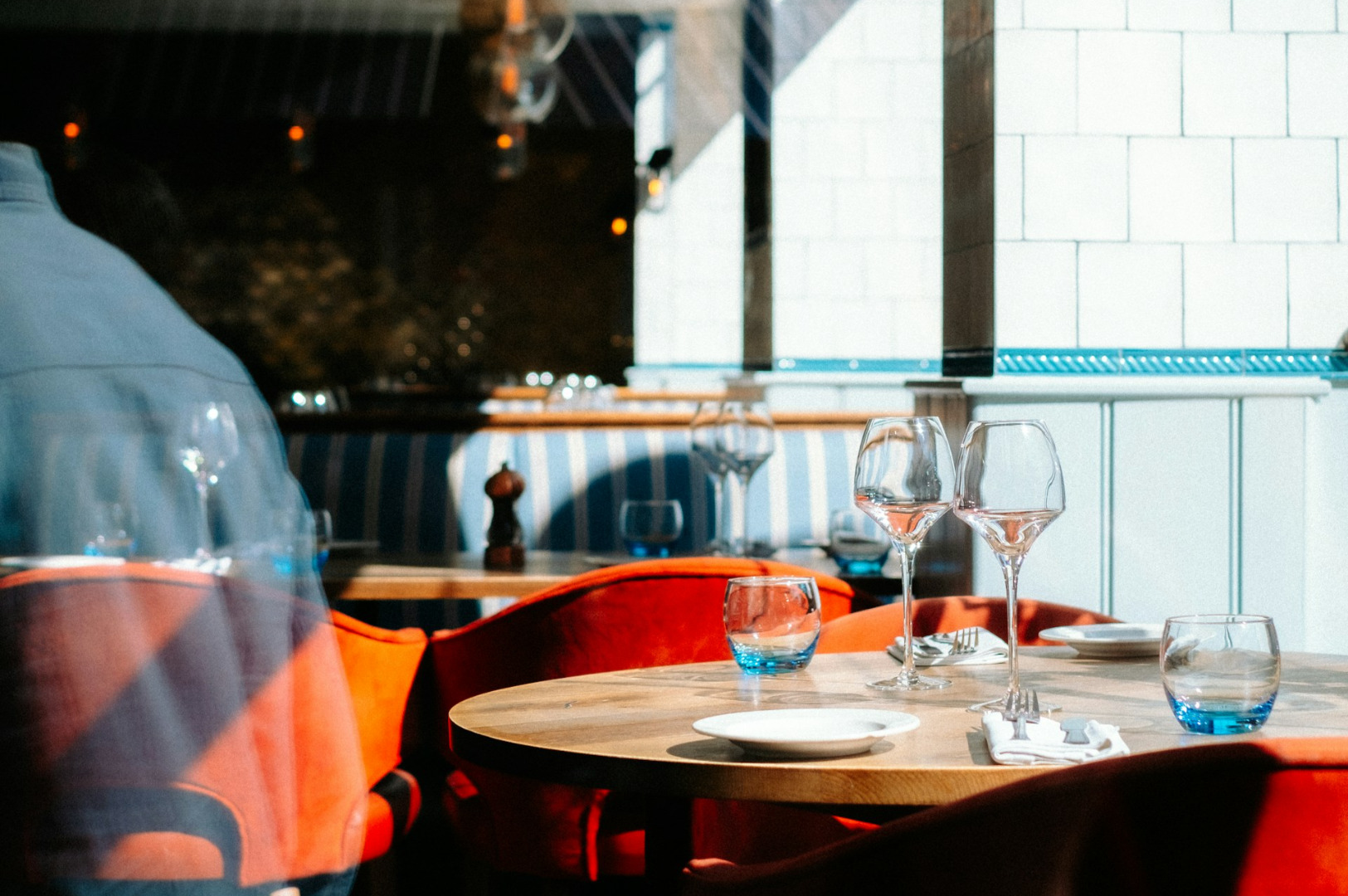
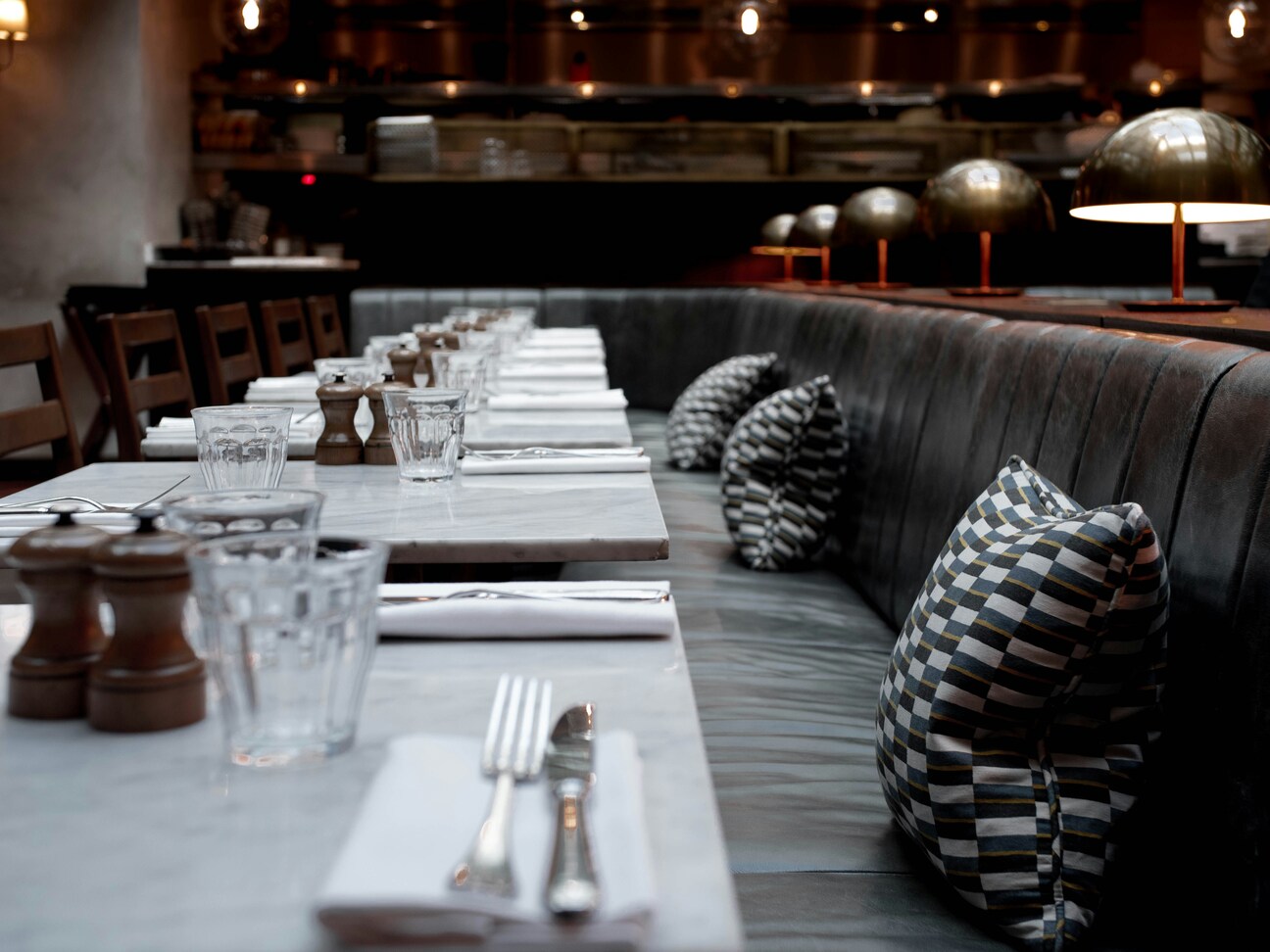
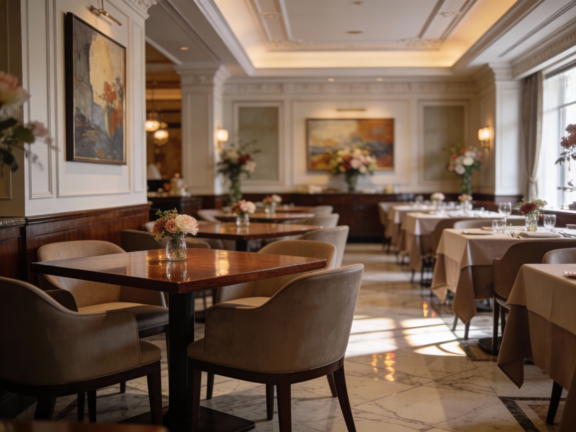
Interior design is the physical version of the same promise. Lighting, decor, seating, and noise level all tell a customer what kind of meal they’re about to have. A space styled for fine dining but priced for casual lunch creates hesitation at the door.
Location matters here too, a bright, open shopfront reads differently to passersby than a tucked-away unit. Get this alignment right and people relax into the experience, developing a sense of the place before the food even arrives.
Menu Design Shapes Sales, Not Just Presentation
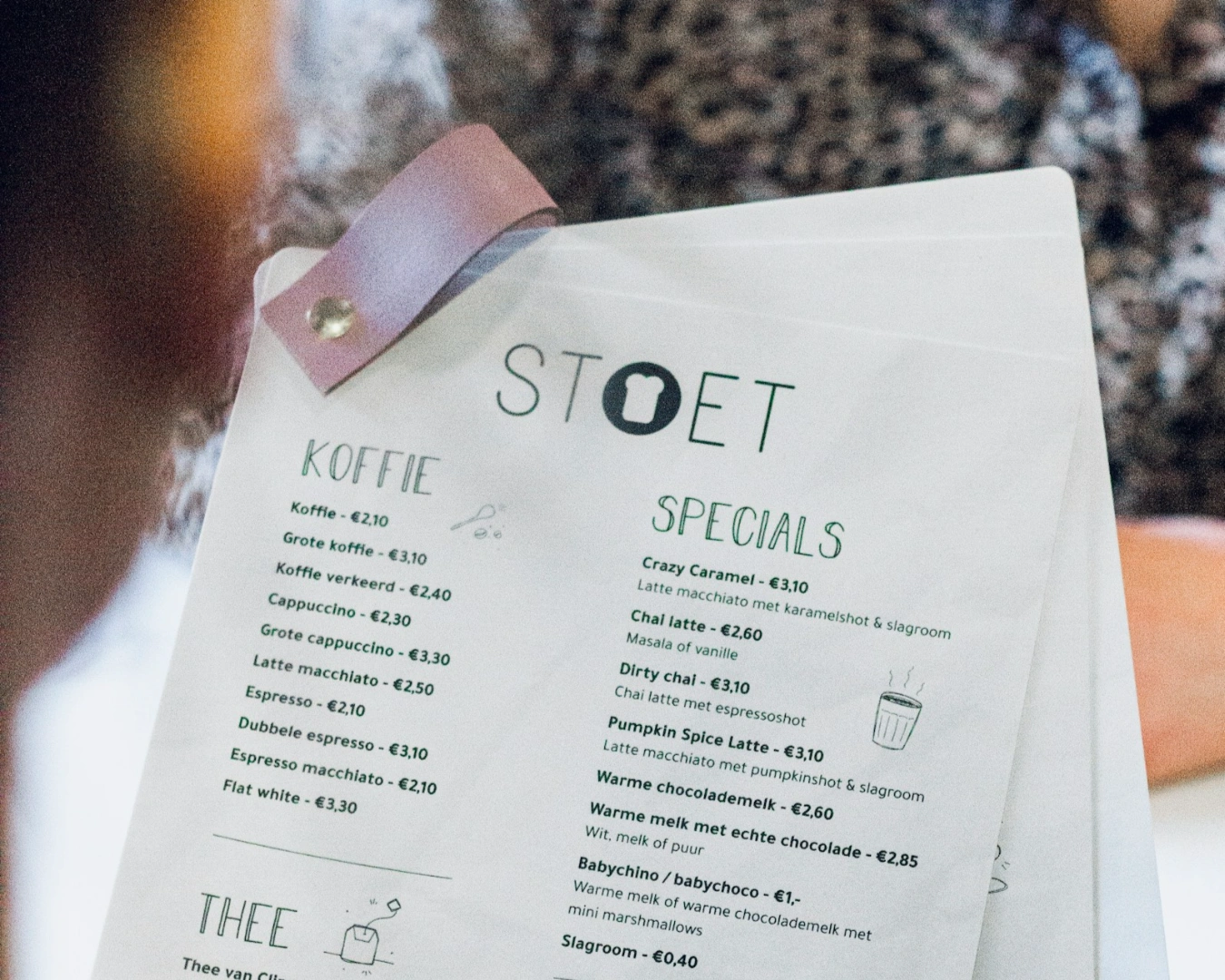
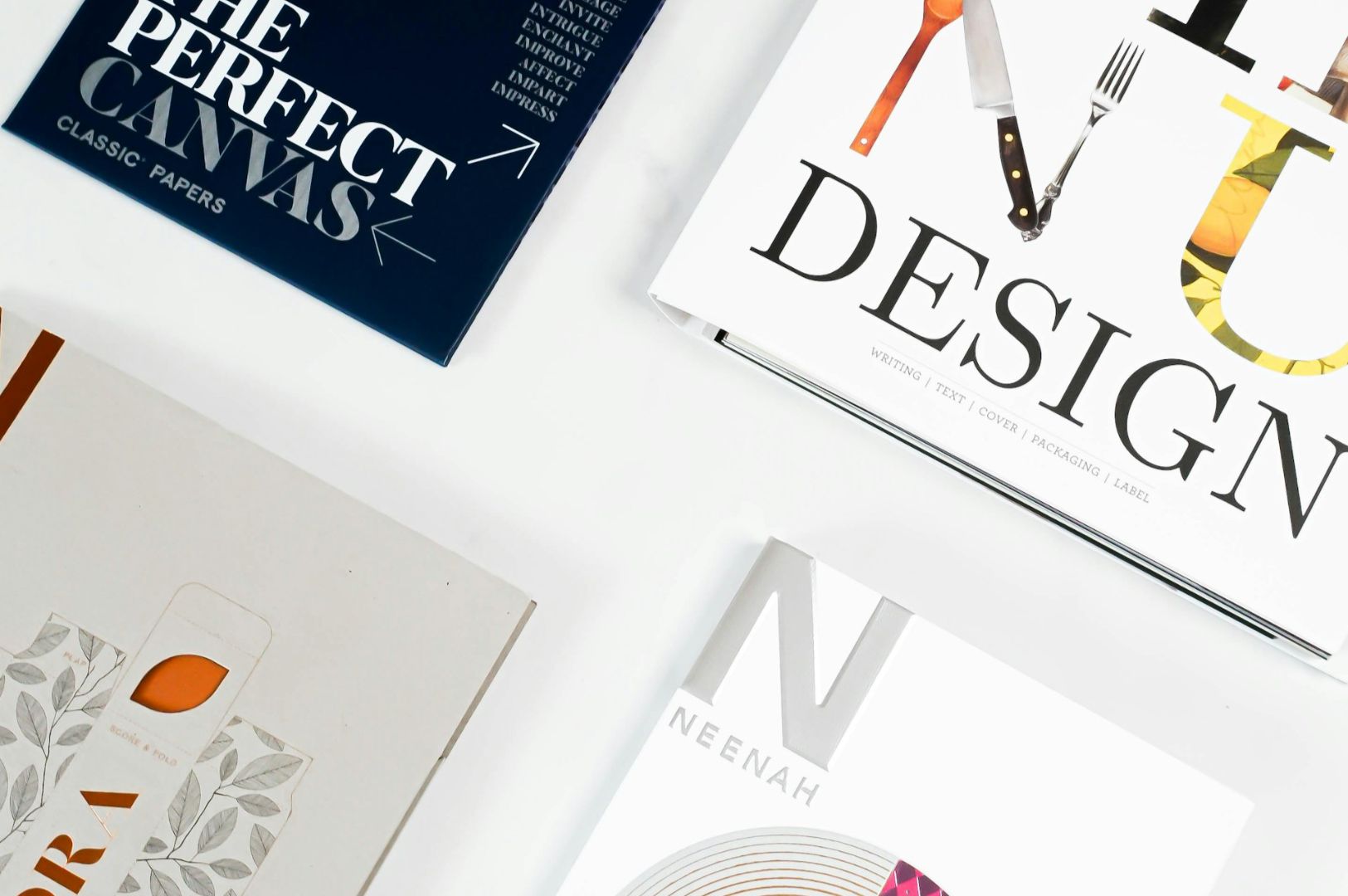
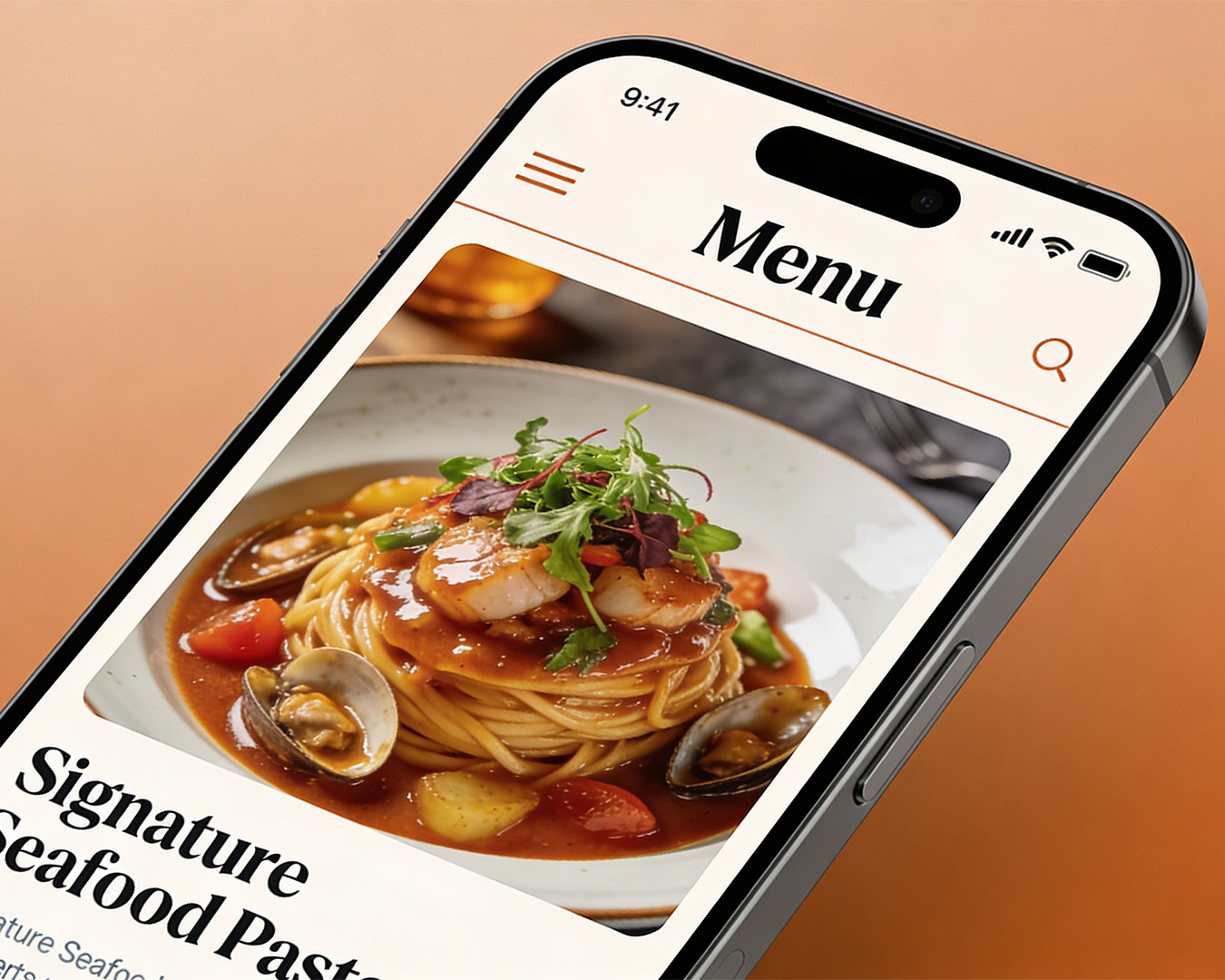
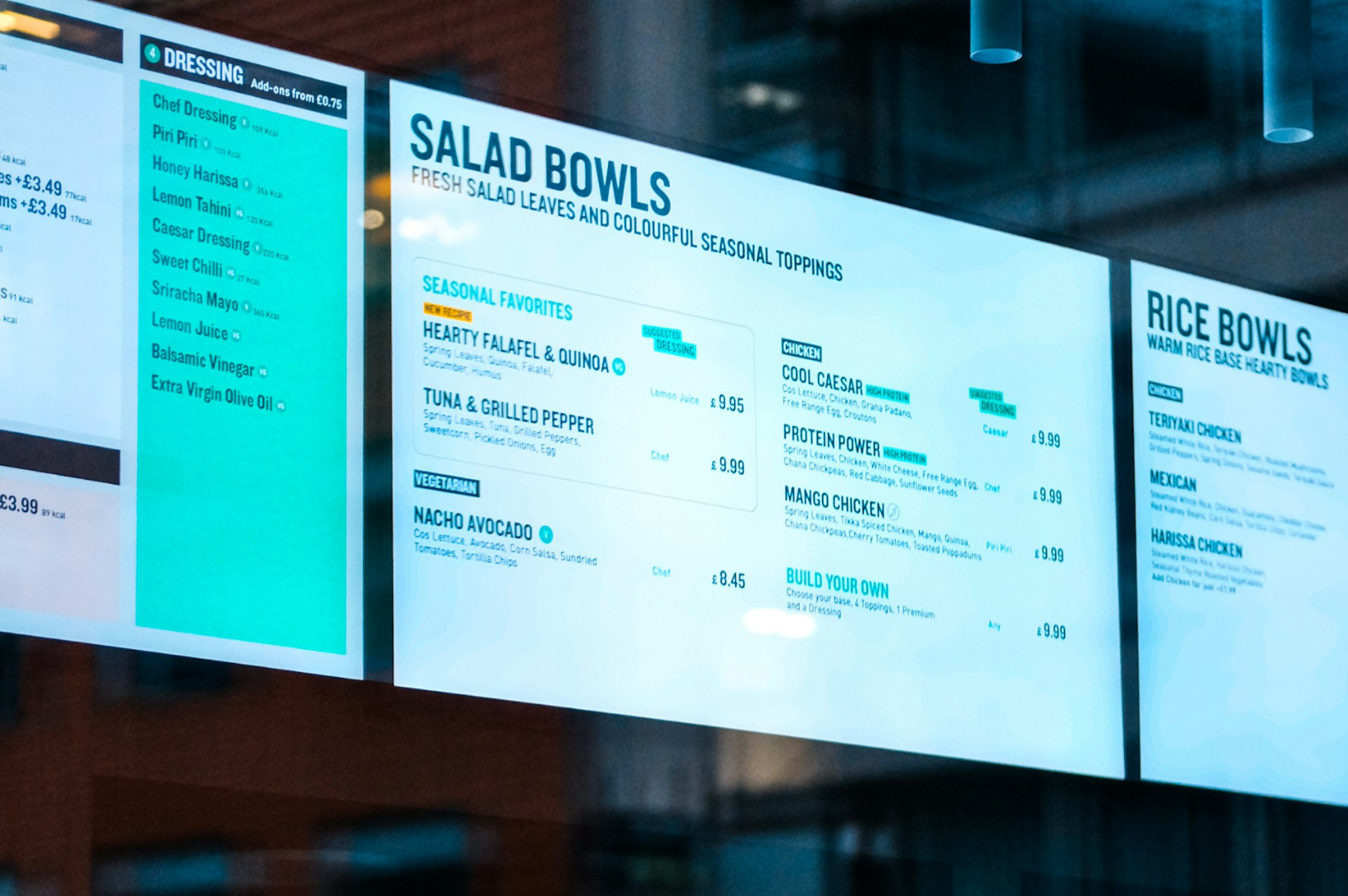
Menu design either helps people order confidently or leaves them stalling, asking the server what’s good. Serif fonts for headings paired with cleaner body text is a small choice that quietly signals professional intent. Layout, sequencing, and how you describe menu items all shape perceived value and, ultimately, sales. A well-structured menu nudges customers toward your best margin items without anyone feeling sold to.
Food Photography and Your Restaurant Website Do the Selling When You’re Not There

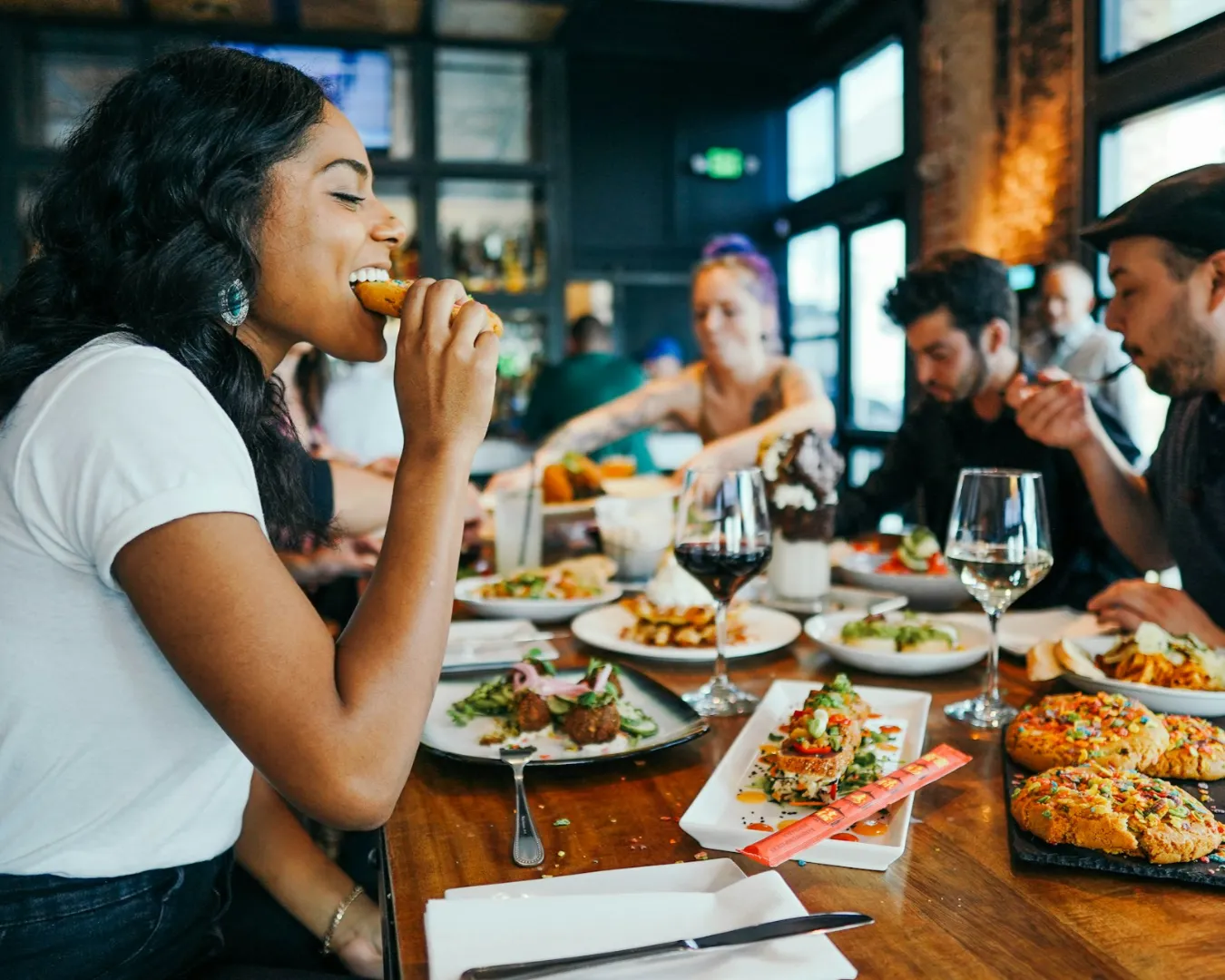
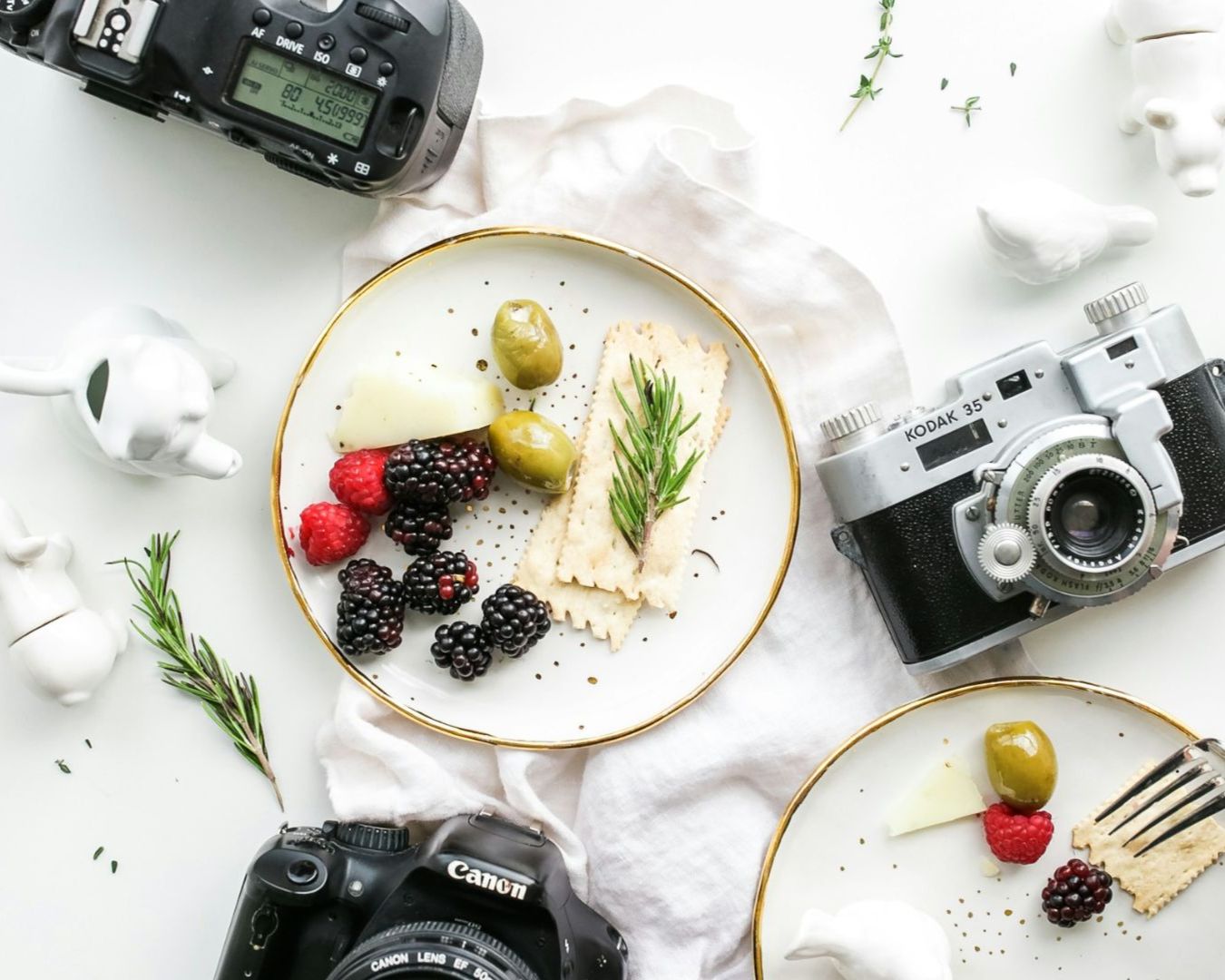
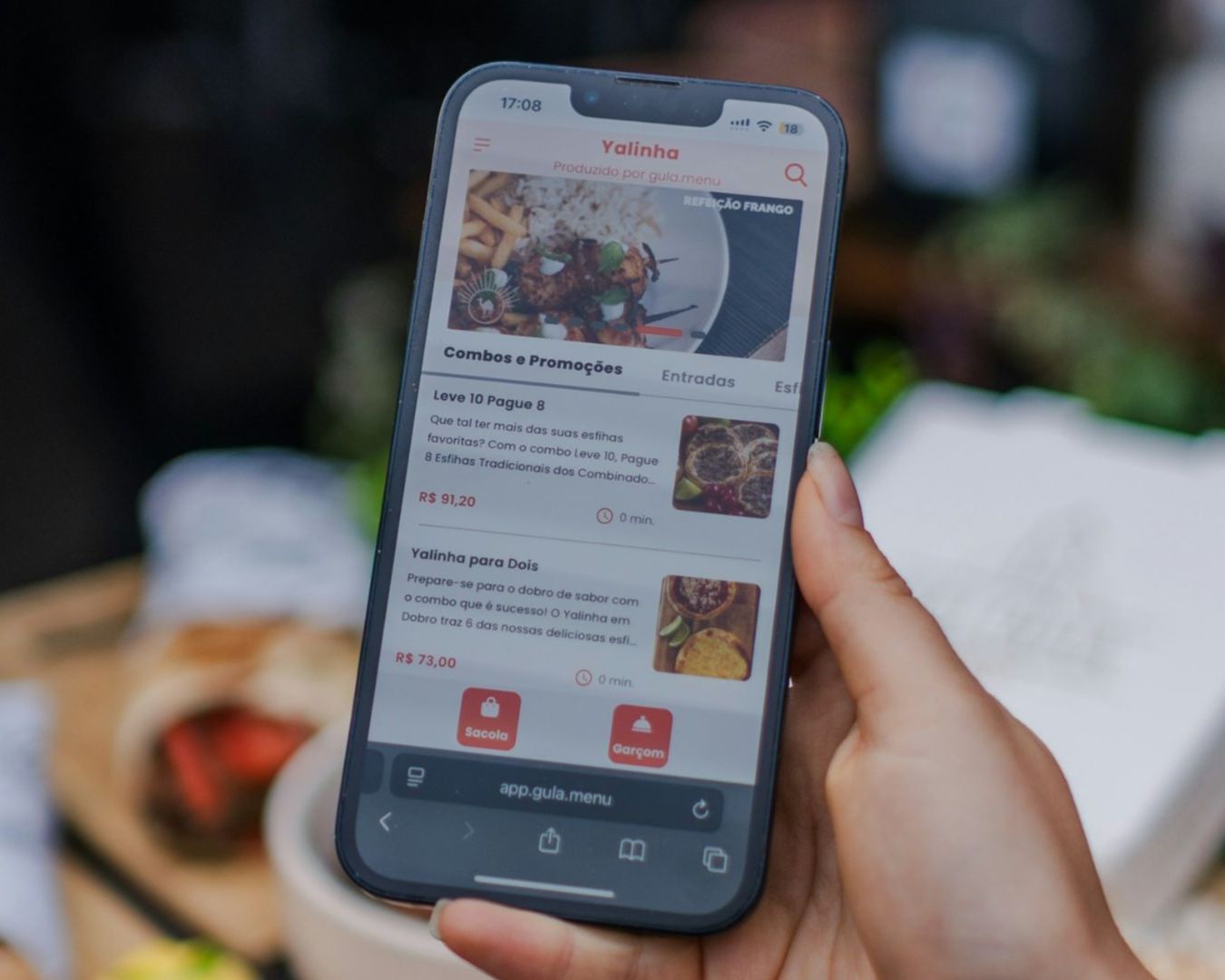
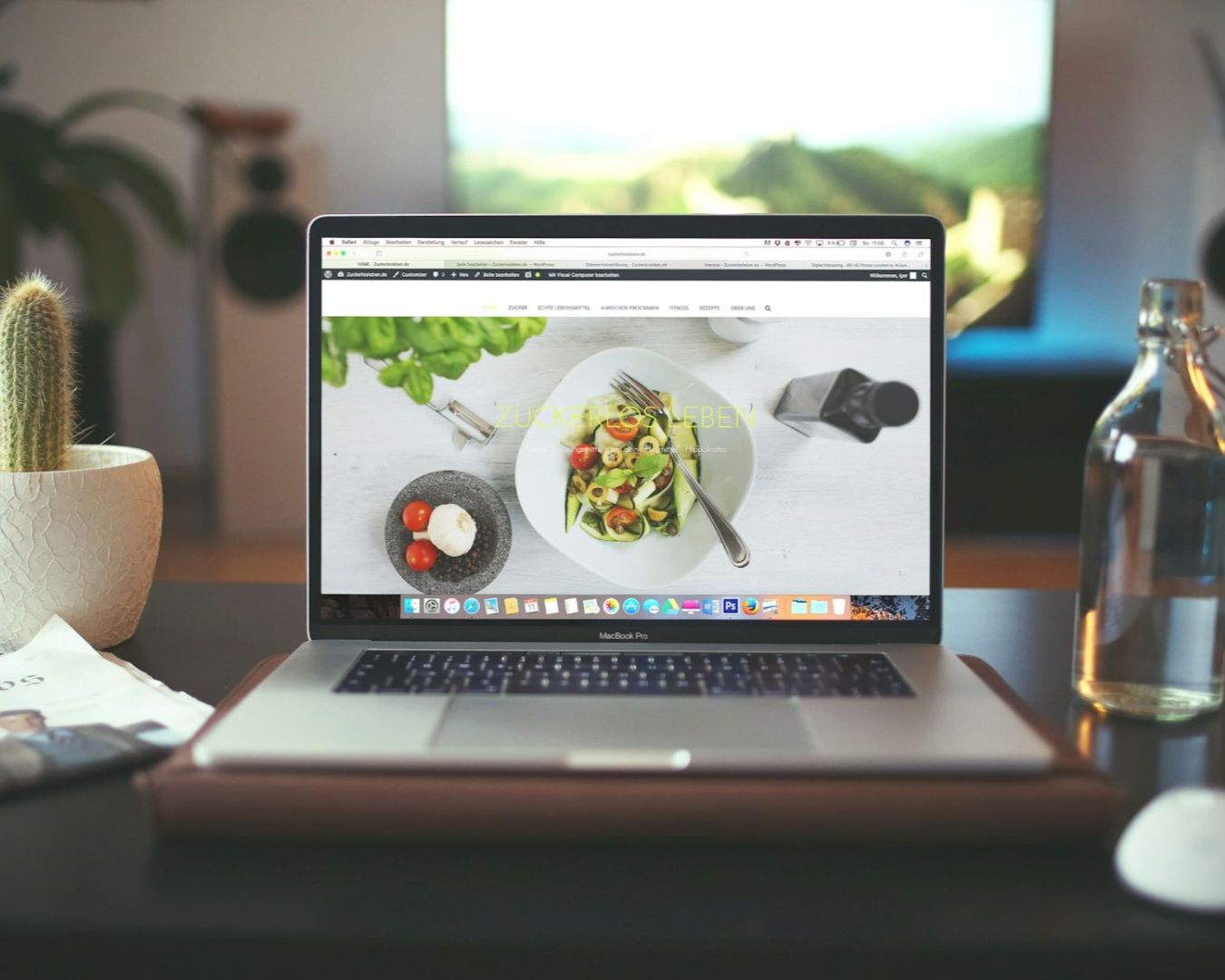
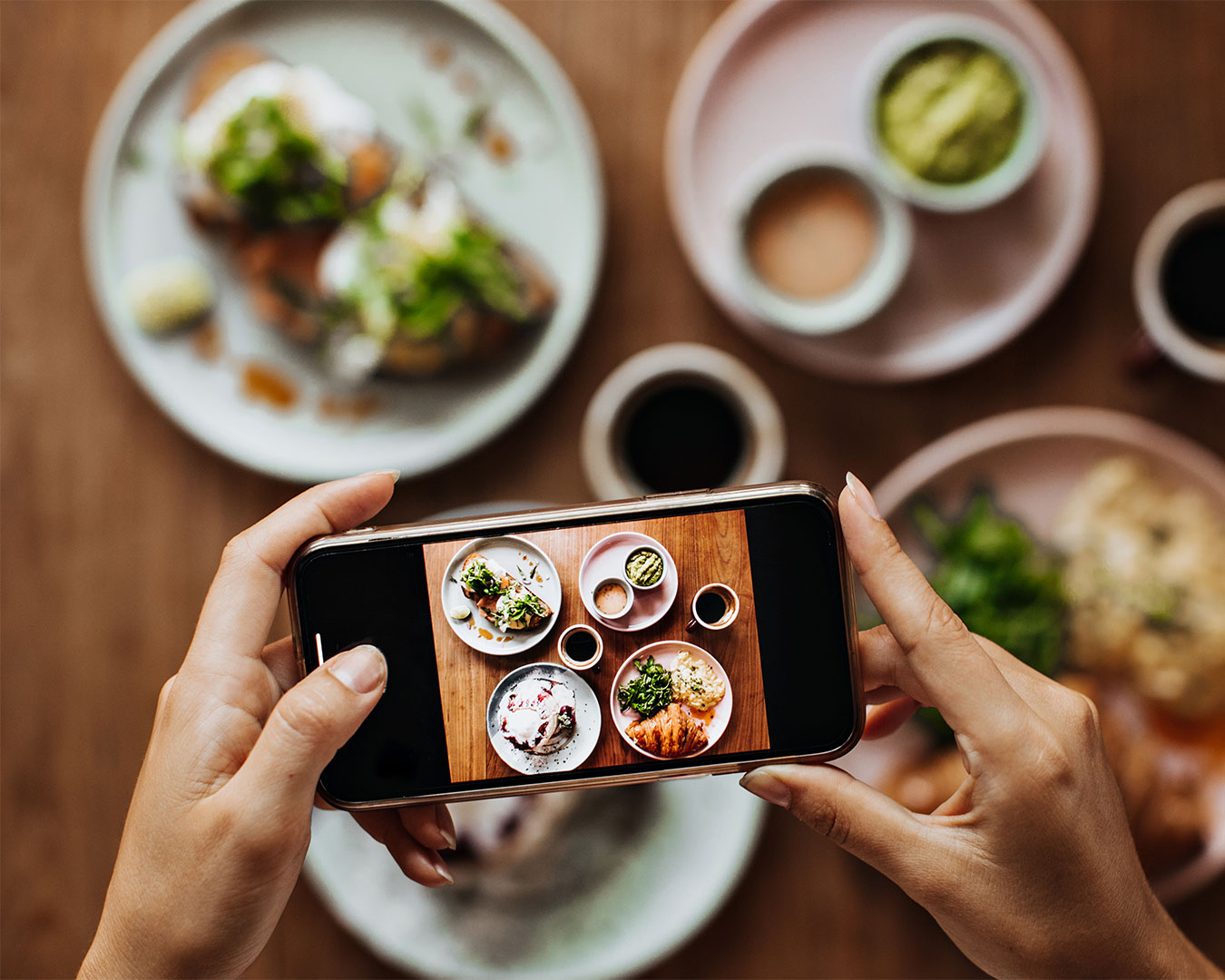
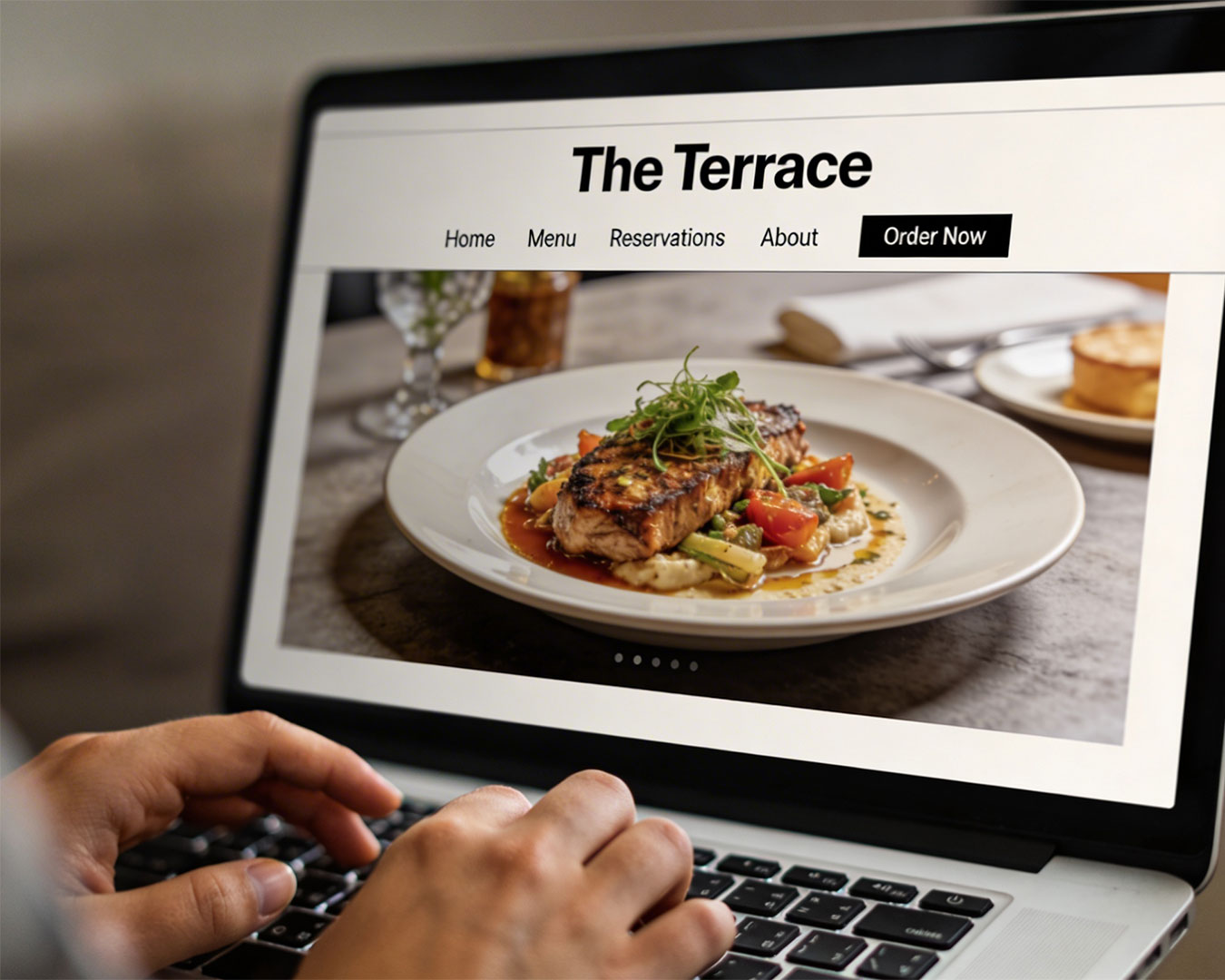
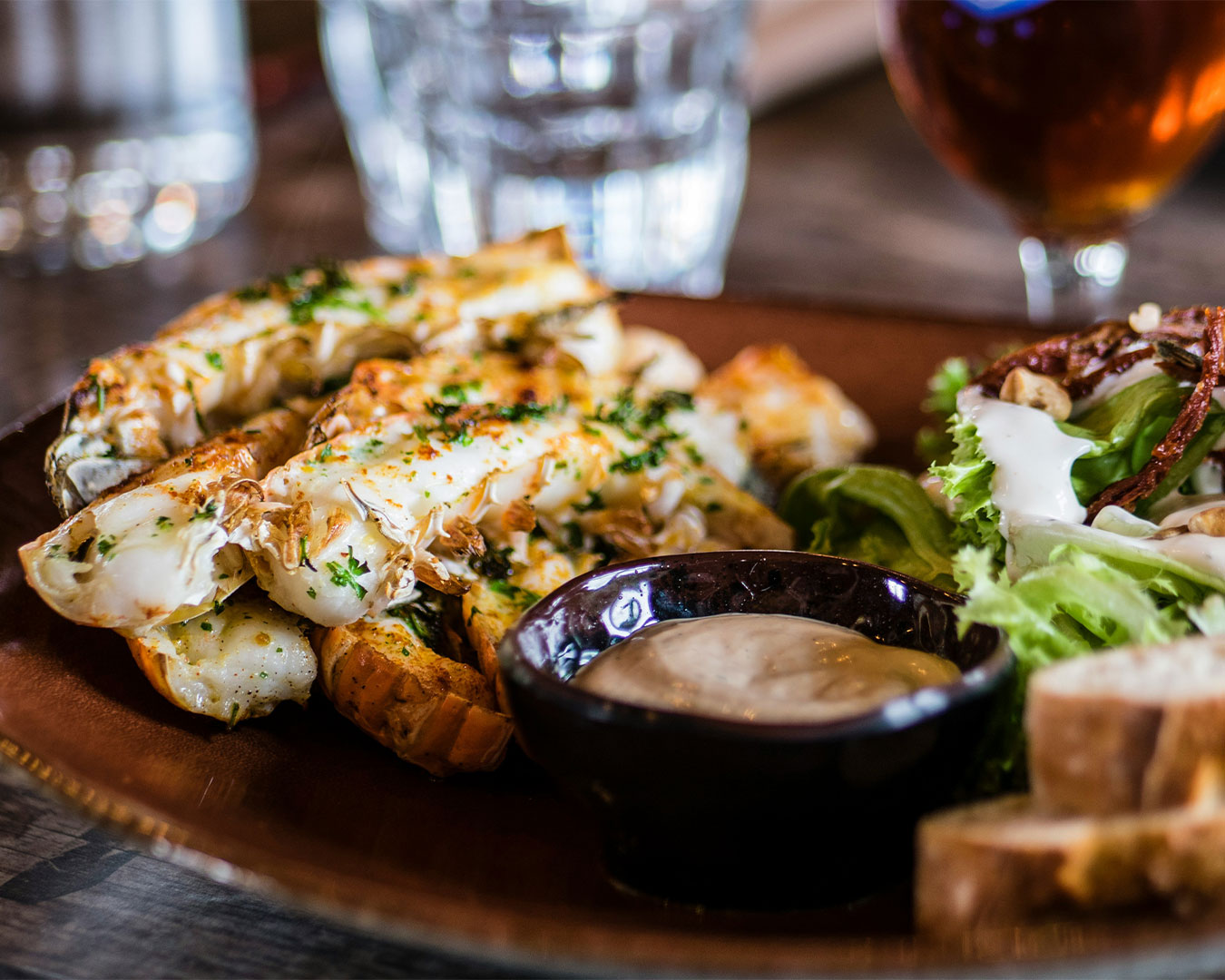
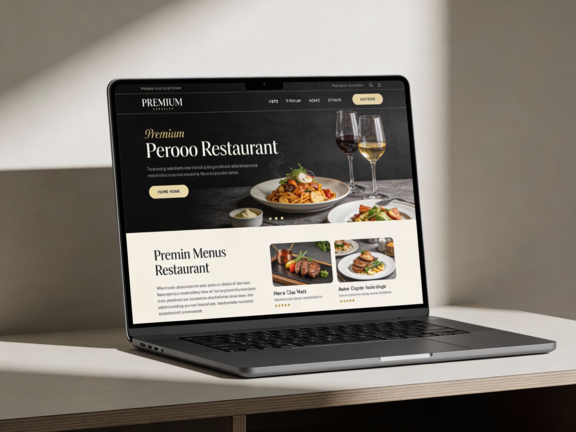
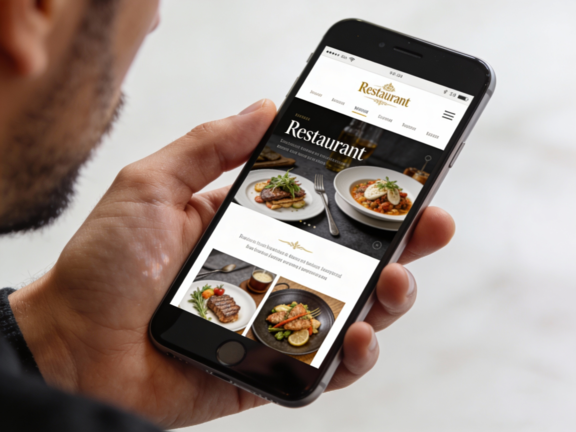
Most decisions now happen before anyone walks in. Food photography on delivery platforms, your site, and social media often outweighs a menu review.
Inconsistent, dim, or overly filtered images create doubt. Clear, honest photography builds trust because it looks like what actually arrives at the table, and it gives a small restaurant the same visual footing as a bigger name for the price of a good camera and some inspiration.
Brand Voice, Visual Branding, and Consistent Branding Across Every Touchpoint
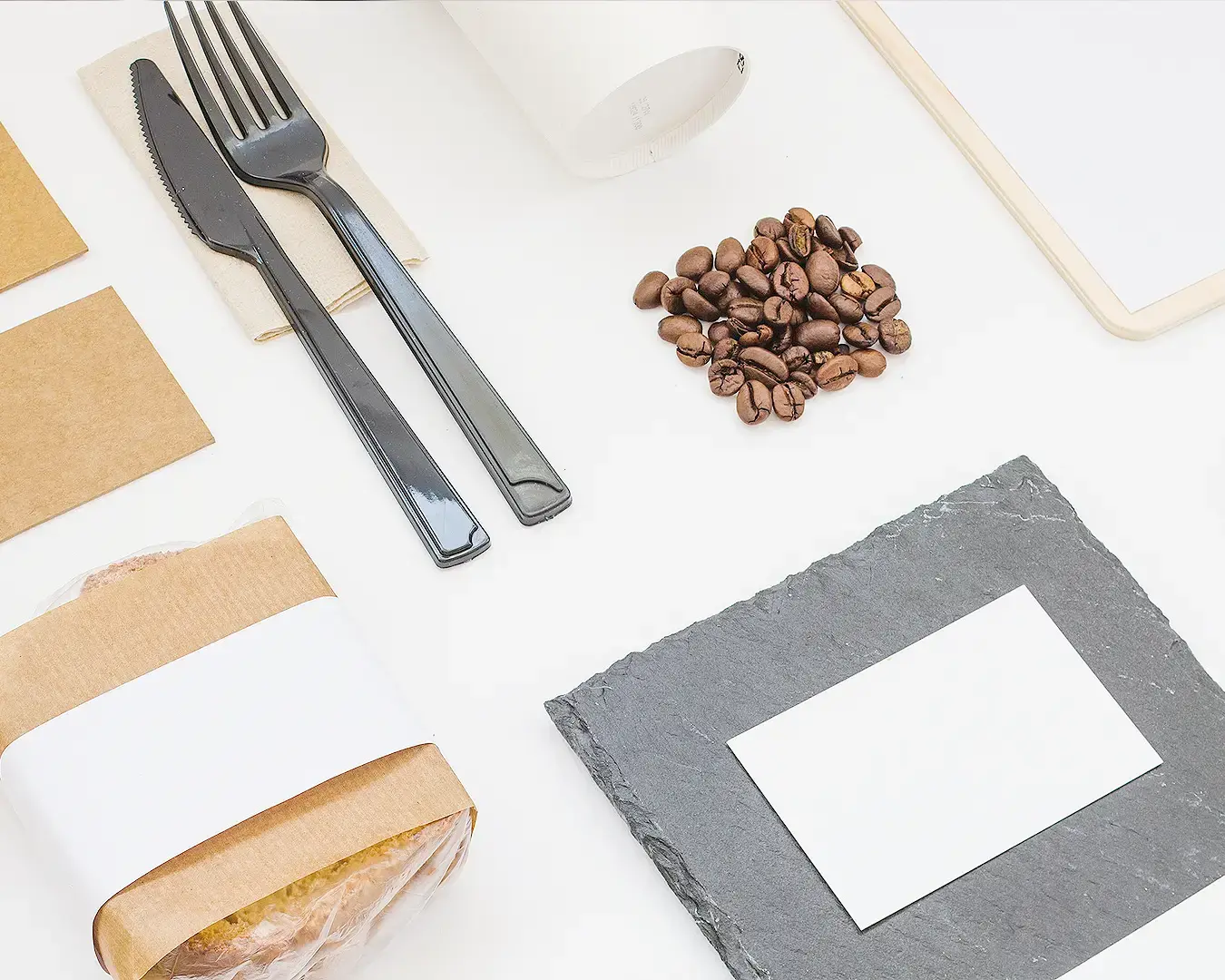
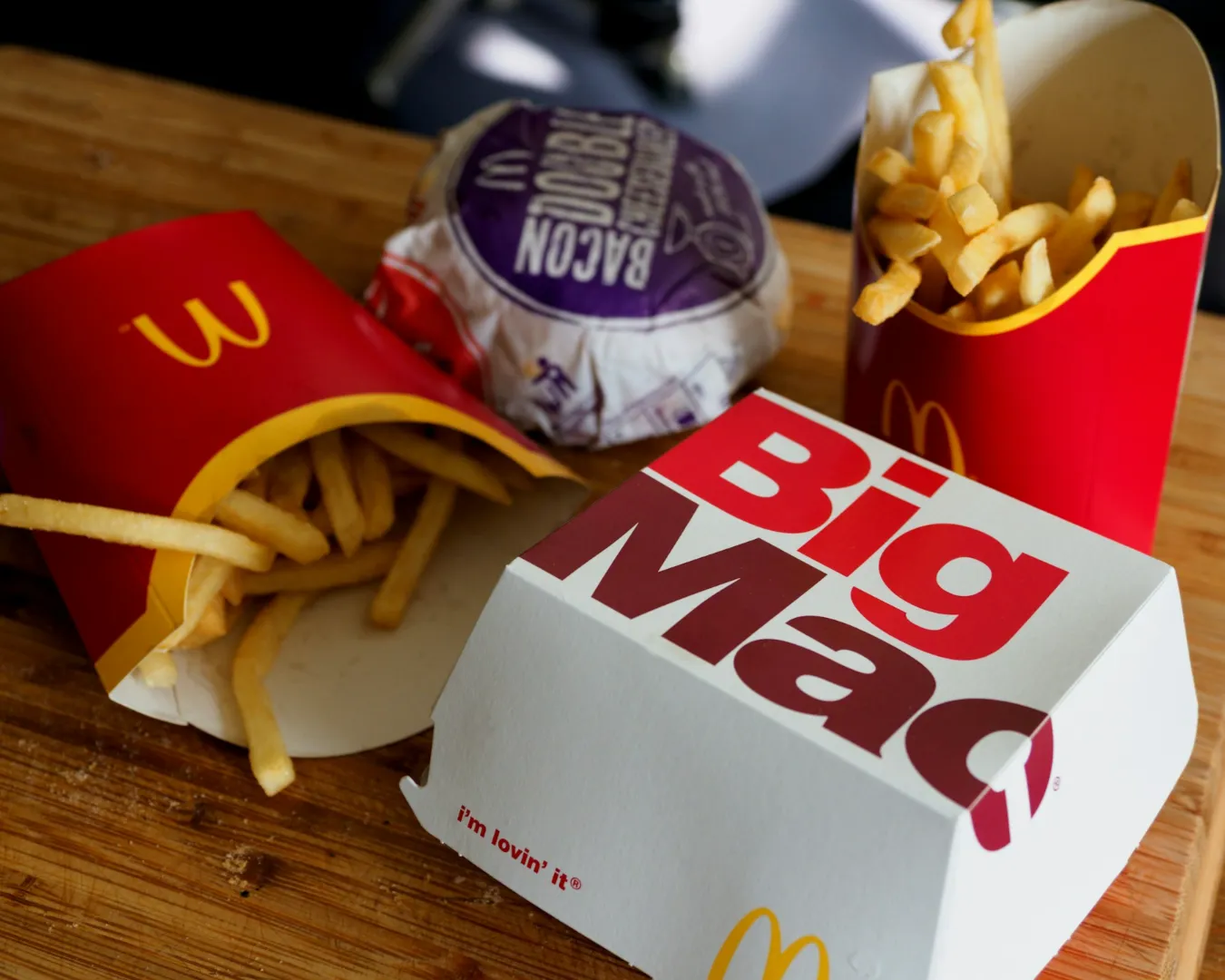
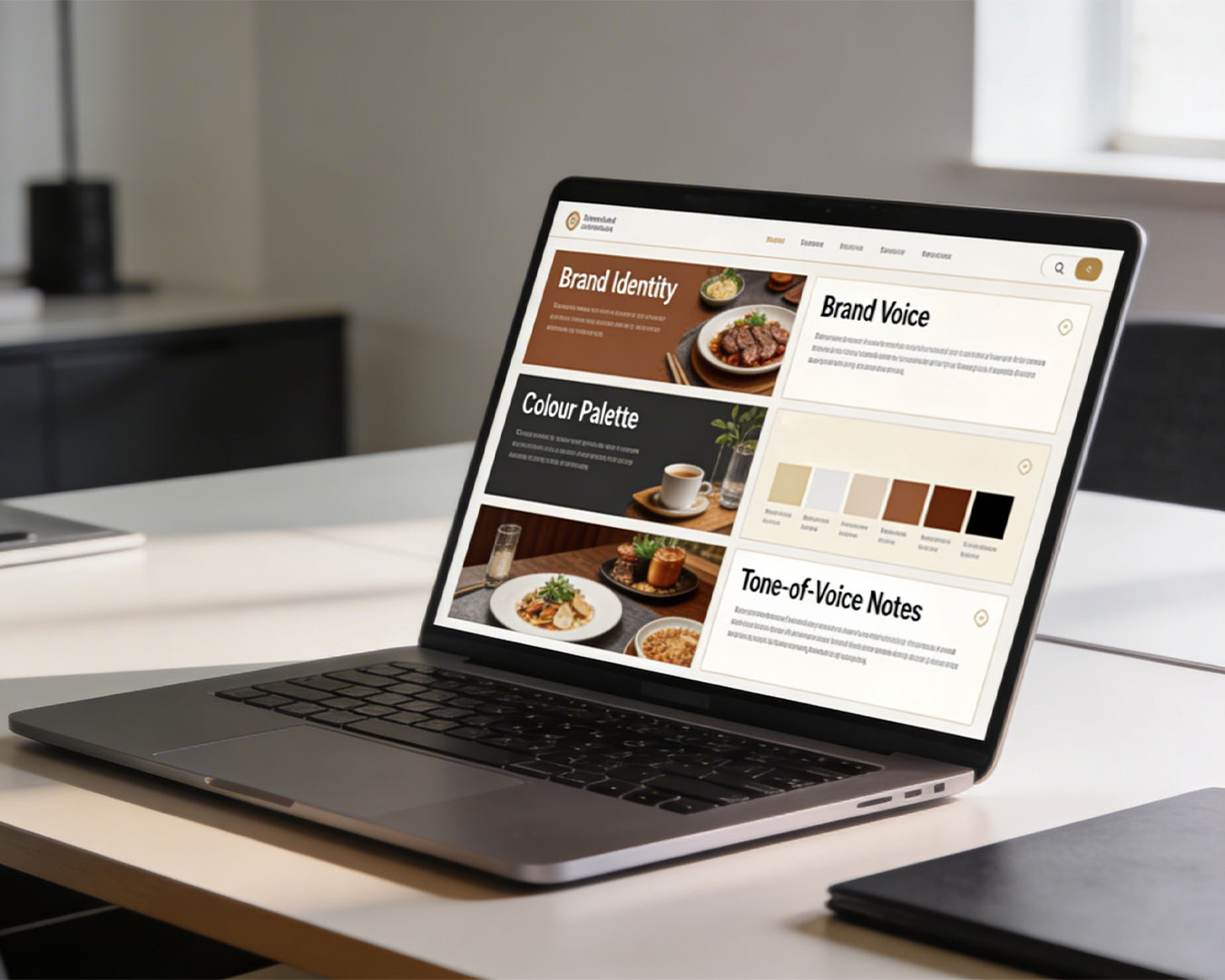
Brand voice is the tone across your captions, signage, and packaging. Visual branding, the color palette, fonts, imagery, should feel unmistakably yours whether a user finds you on your website or on a delivery bag.
Consistent branding across fine dining and fast casual concepts alike builds brand recognition over time, because customers start to identify you at a glance, not just by name. Brand consistency is what separates a restaurant with personality from one that simply has a logo.
Mission Statement, Brand’s Personality, and the Important Elements Worth Fixing First
A mission statement doesn’t need to be poetic. It needs to explain, in plain terms, why the food exists and who it’s for. That clarity, along with your team’s service quality, should run through your brand values and marketing. Together they shape your brand’s personality and create a memorable dining experience, and an emotional connection, long before loyalty programmes or discounts enter the picture. Knowing your target audience shapes every one of these choices, from cuisine to tone, and helps a restaurant stand apart in a crowded street of cafes rather than compete purely on price.
Getting brand identity right doesn’t require a rebrand. Most restaurants just need to maintain consistency between what they promise visually and what they deliver on the plate. It’s less about reinventing the vision and more about tightening the focus on brand visuals that already work, which strengthens competitive positioning without extra spend. A restaurant with genuine community goodwill and consistent branding will always outlast one chasing the next trend.
If you’re unsure where your own restaurant brand is sending mixed signals, we, at Atelier Creations, are happy to take a quiet look. A short brand audit, no pitch, just an honest read of what your current visuals are actually telling customers.