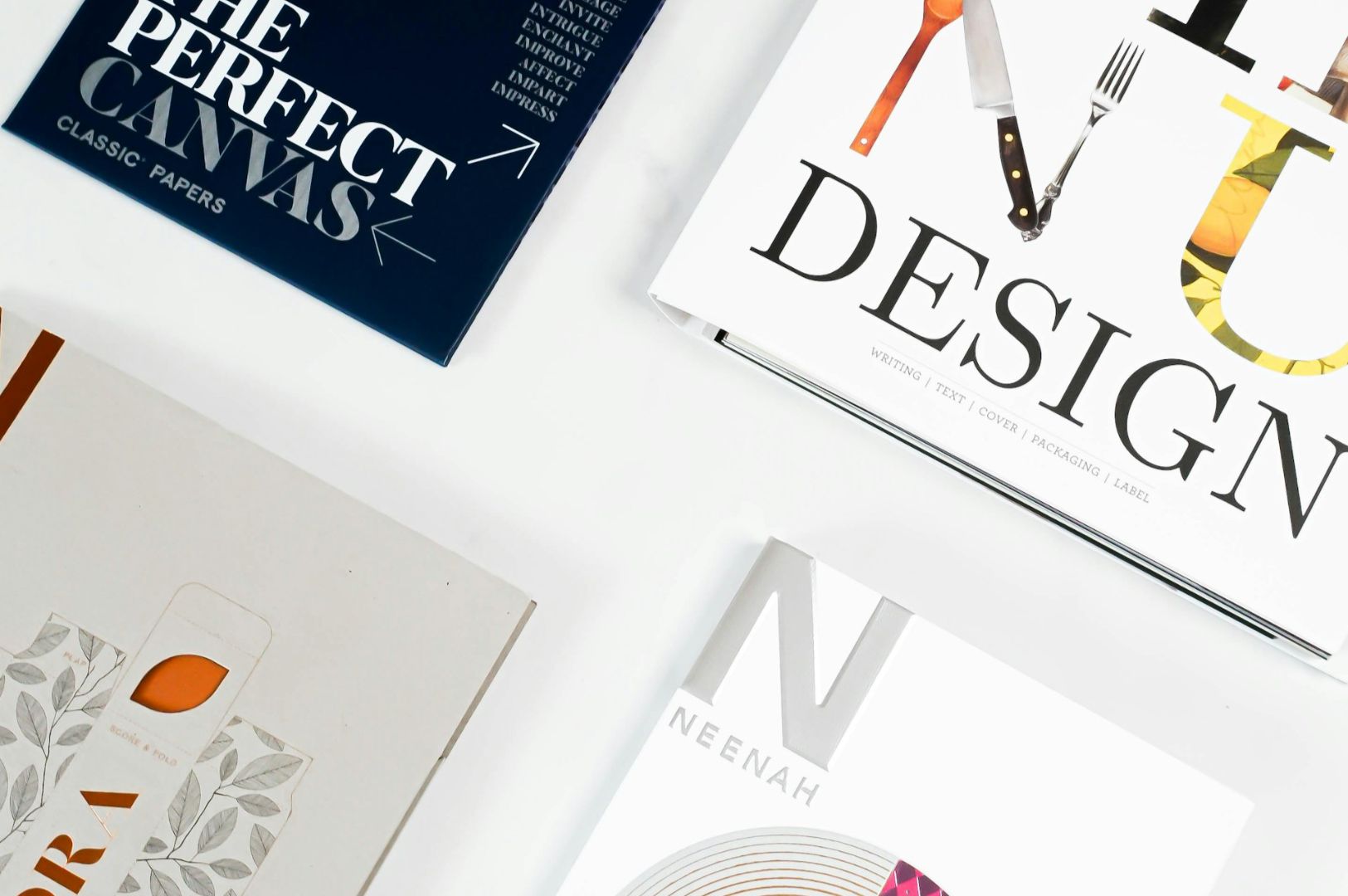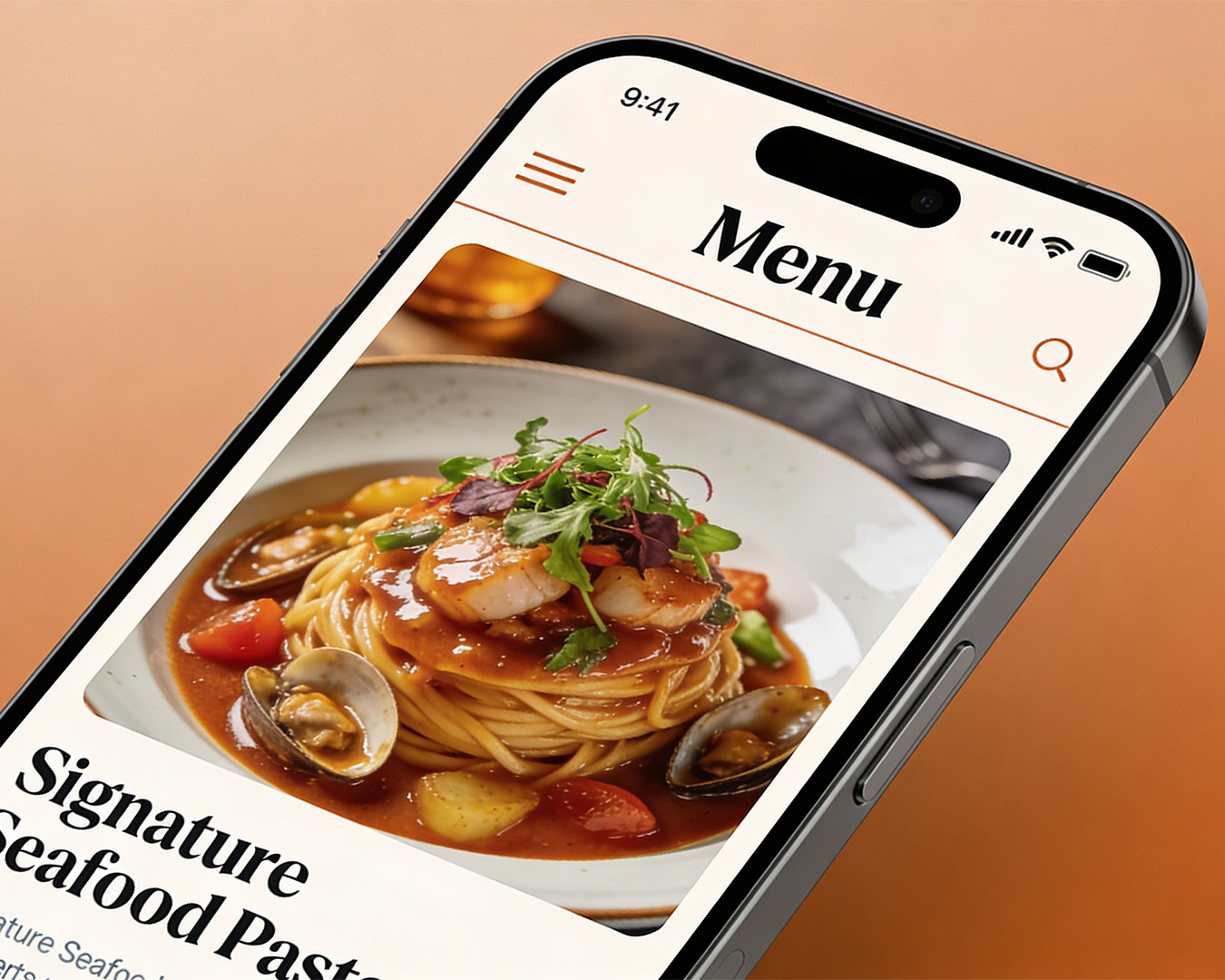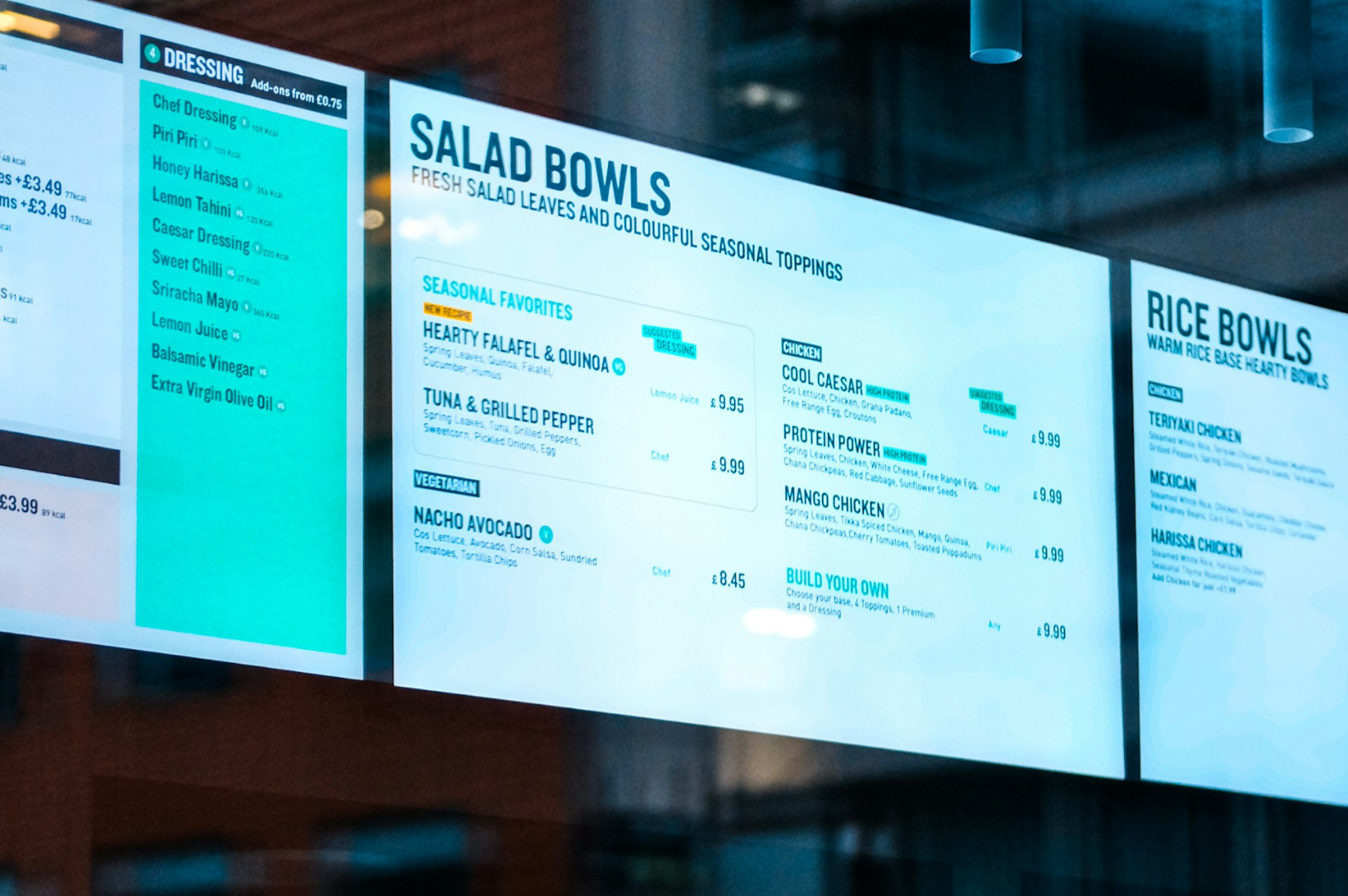
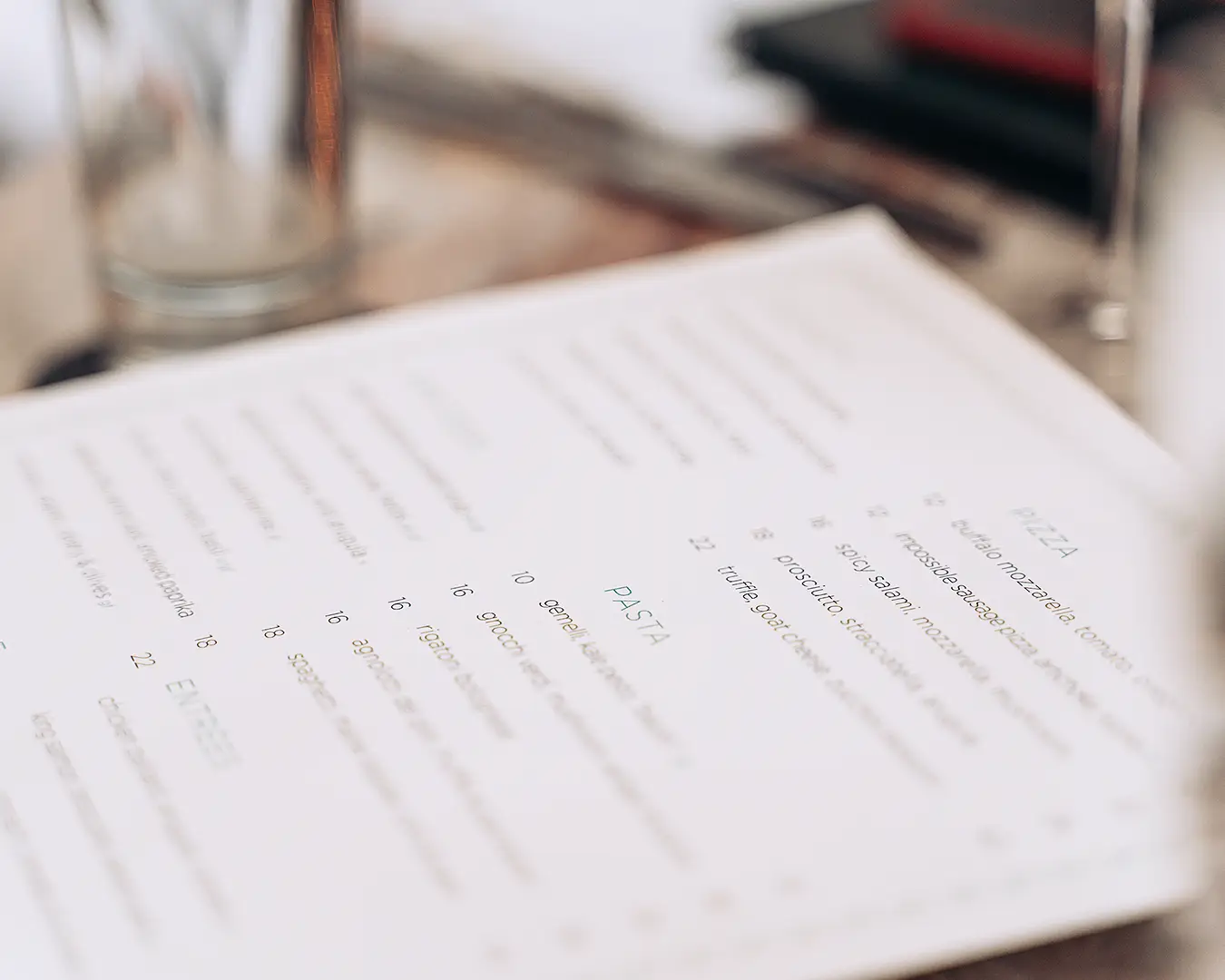
Menu design is far more than an aesthetic exercise or a basic price list. It is a direct driver of guest purchasing behavior. Every typographic choice, spatial layout, and symbol on a physical or digital menu influences how diners perceive value and decide how much to spend.
Among all menu engineering techniques, omitting currency symbols like the dollar sign is one of the simplest yet most effective psychological adjustments an operator can make. Removing the dollar sign weakens the psychological friction of spending, encouraging guests to focus on the dining experience rather than the financial transaction, ultimately lifting average ticket size.
The Pain of Paying and Numerical Salience
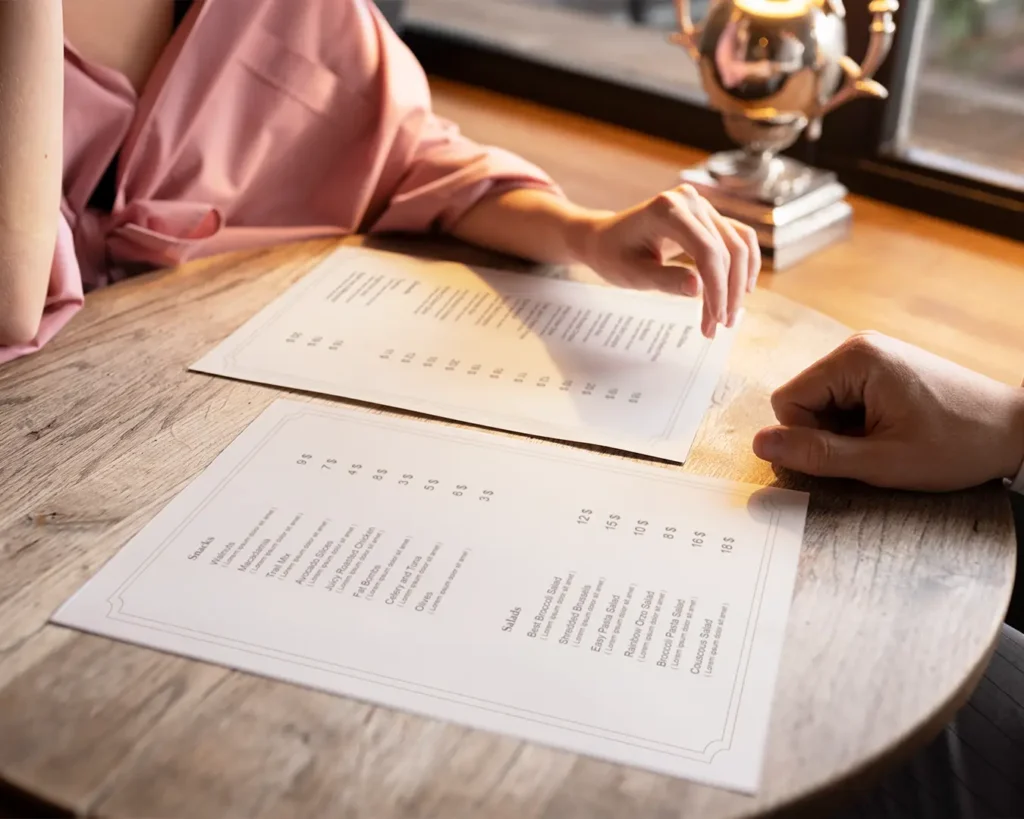
In behavioral economics, the concept of the pain of paying explains the immediate psychological discomfort consumers experience when parting with money. Seeing an explicit currency symbol acts as a visual trigger that reinforces financial cost before a guest even considers the culinary value of a dish.
The visual presence of currency symbols shifts guest mindset in measurable ways:
- Triggering Budget Sensitivity: A dollar sign immediately highlights cost, prompting guests to calculate total spend and seek lower priced options.
- Refocusing on Product Experience: Presenting a clean numeral lowers the visual salience of price, directing guest focus toward dish descriptions, preparation techniques, and ingredient sourcing.
- Decoupling Money from Dining: Removing currency symbols helps frame menu selections as an experiential choice rather than an immediate financial trade off.
Cornell University Menu Pricing Study
The operational impact of removing currency symbols is supported by empirical research from the Cornell University School of Hotel Administration. Researchers tested multiple menu pricing formats in a live restaurant setting to analyze guest spending behavior:
- Format 1 Standard Currency: Prices formatted with traditional dollar signs.
- Format 2 Written Words: Prices written out in full words like Fourteen Dollars.
- Format 3 Clean Numerals: Simple numeric formatting with no currency symbols like 14.
The study revealed that guests given menus with clean numerals spent significantly more per cover than those given menus with traditional dollar signs or written out price words. Removing the symbol reduced price awareness just enough to encourage guests to order additional items, higher margin entrees, or premium side dishes without feeling price averse.
Strategic Price Formatting and Alignment
Eliminating currency symbols is most effective when paired with clean typographic alignment and strategic pricing structures.
Implement these menu engineering standards to optimize numeric presentation:
| Pricing Format | Example | Psychological Impact |
|---|---|---|
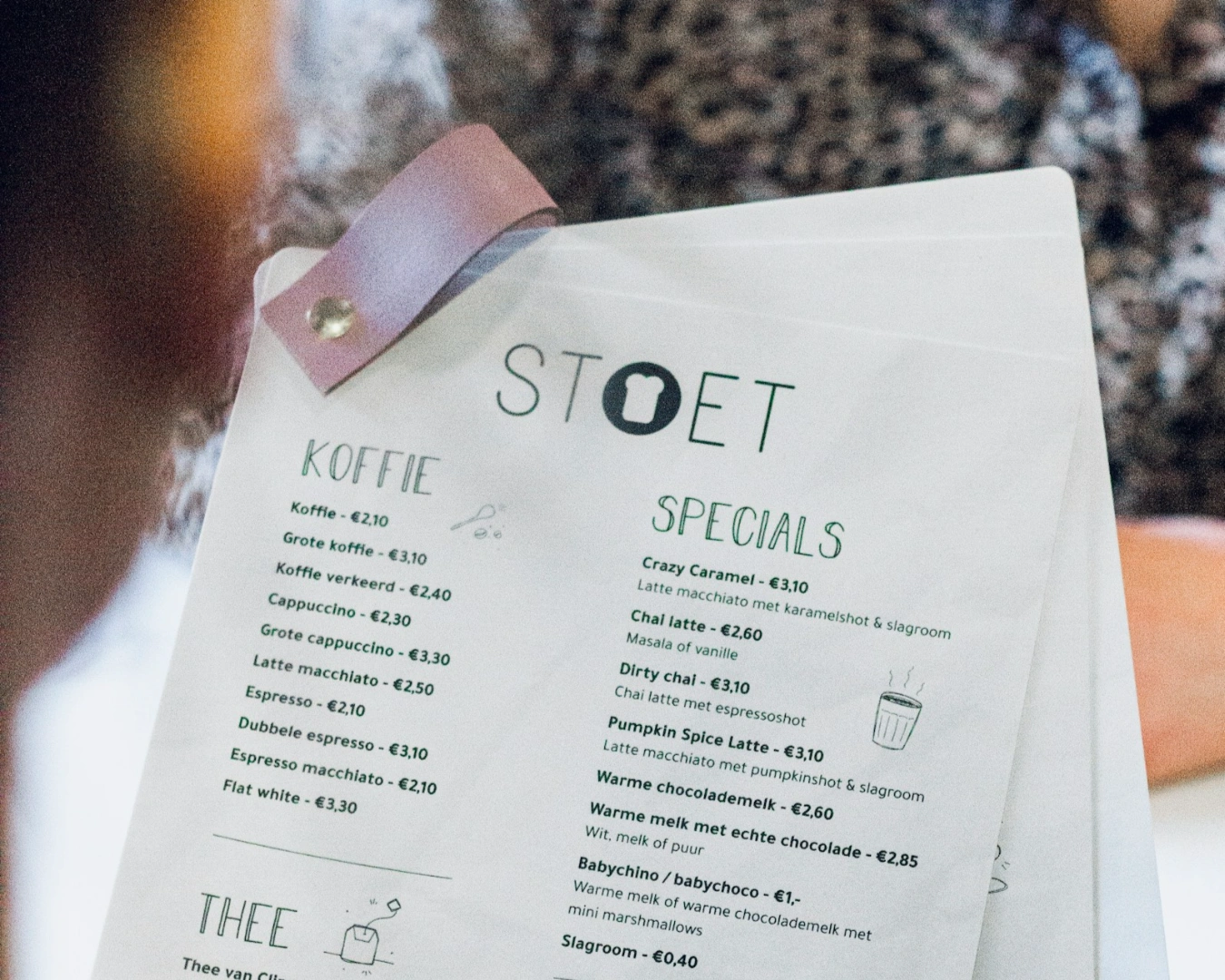
| Price Dots or Leaders | Ribeye Steak 45 | Poor: Guides the eye directly across to a price column, encouraging guests to shop purely on cost. |
| Traditional Currency | Pan Seared Salmon 32 | Suboptimal: Triggers cost sensitivity and highlights the financial transaction. |
| Nested Clean Numerals | Pan seared salmon, pea pesto, lemon oil 32 | Optimal: Minimizes price focus by placing the clean numeral directly at the end of the description text. |
Combining Currency Removal with Price Nesting
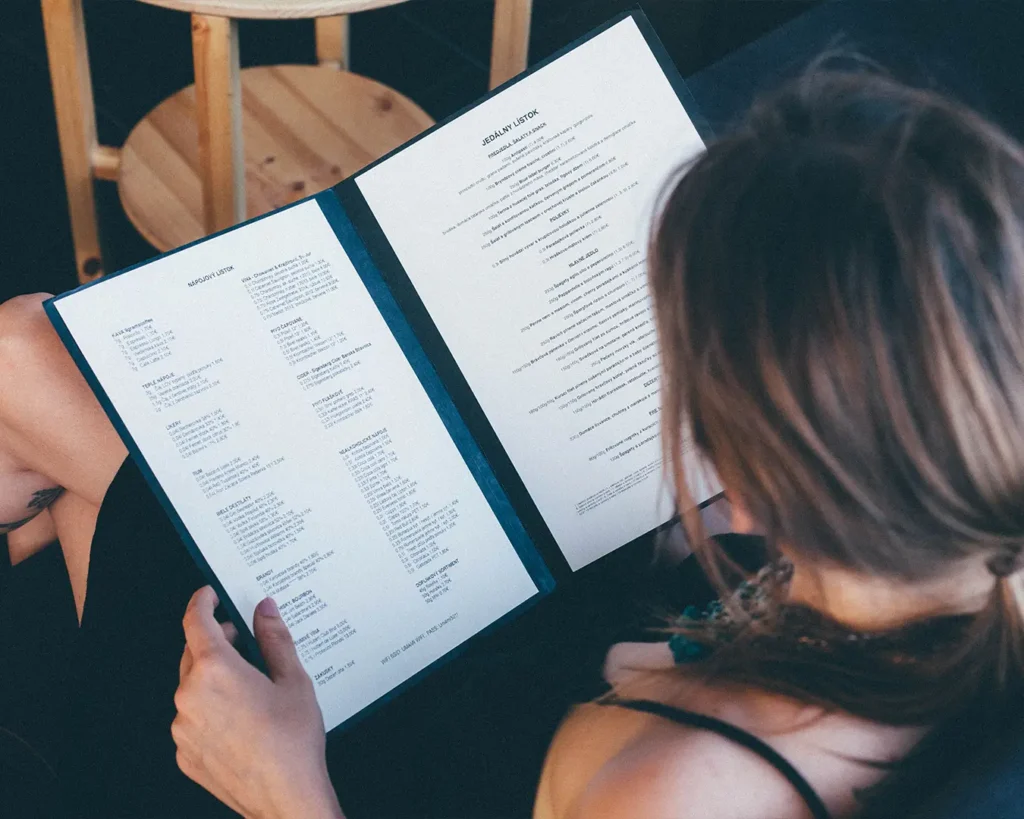
To maximize the effect of removing currency symbols, nest the price at the end of the dish description rather than aligning all prices in a strict right hand column.
A right aligned column allows guests to scan prices top to bottom and select the lowest number. Placing a clean numeral seamlessly at the end of the item description forces the guest to read through the dish details first, building perceived culinary value before they encounter the price point.
Elevating Ticket Averages Through Design Precision
Menu engineering is a subtle game of margins where small visual adjustments yield meaningful operational gains. Removing currency symbols, nesting prices, and eliminating dot leaders removes visual barriers between your guests and your culinary offerings. By designing a menu layout that lowers transaction friction, operators can naturally guide guest selection toward high margin items and increase overall cover spend shift after shift.
At Atelier Creations, we approach menu design as a revenue-ready system: every line, label, and layout choice is crafted to guide attention, reduce price resistance, and spotlight the dishes you want to sell more of. When these small decisions work together consistently, they compound into a smoother guest experience—and a stronger, more predictable lift in average spend.