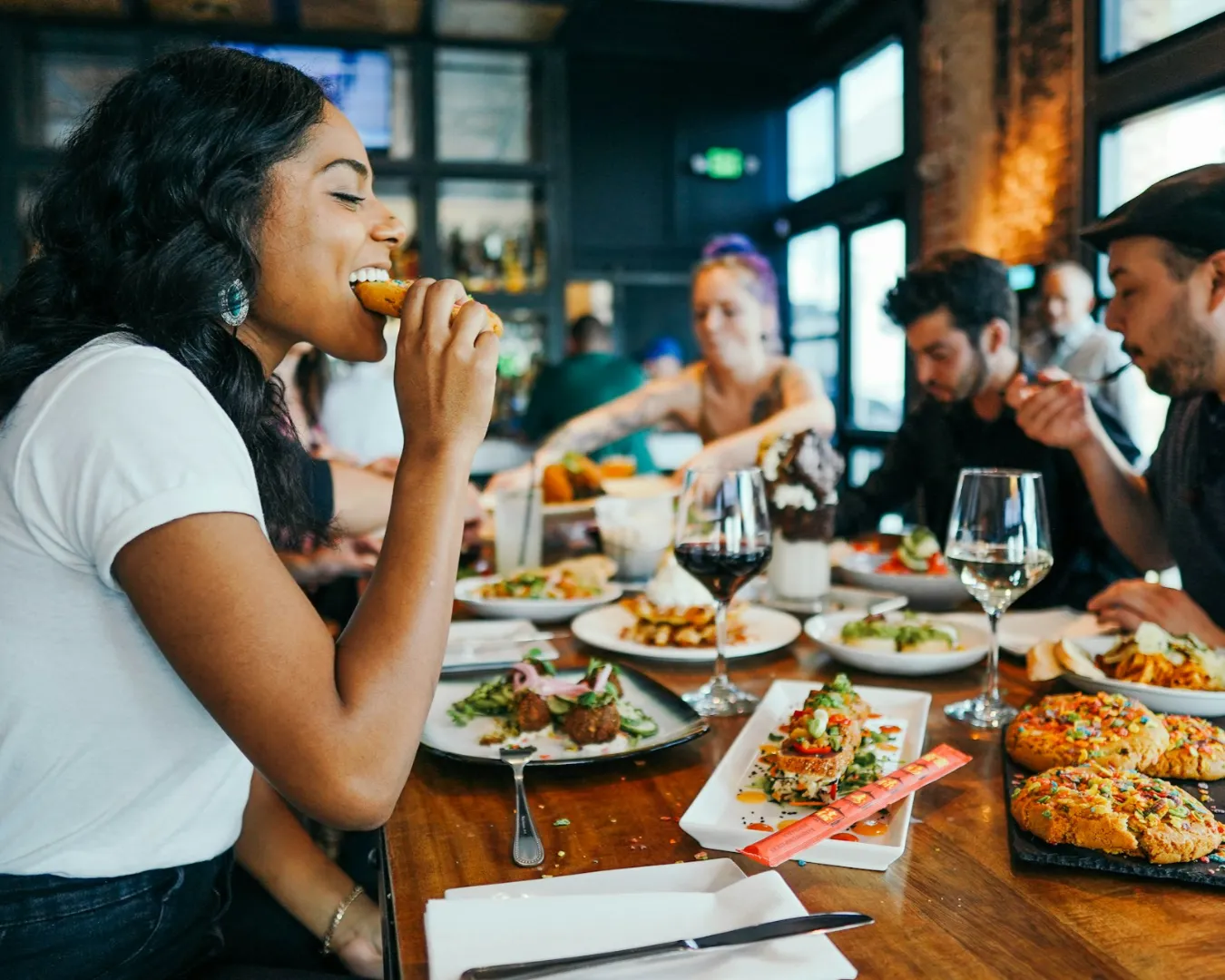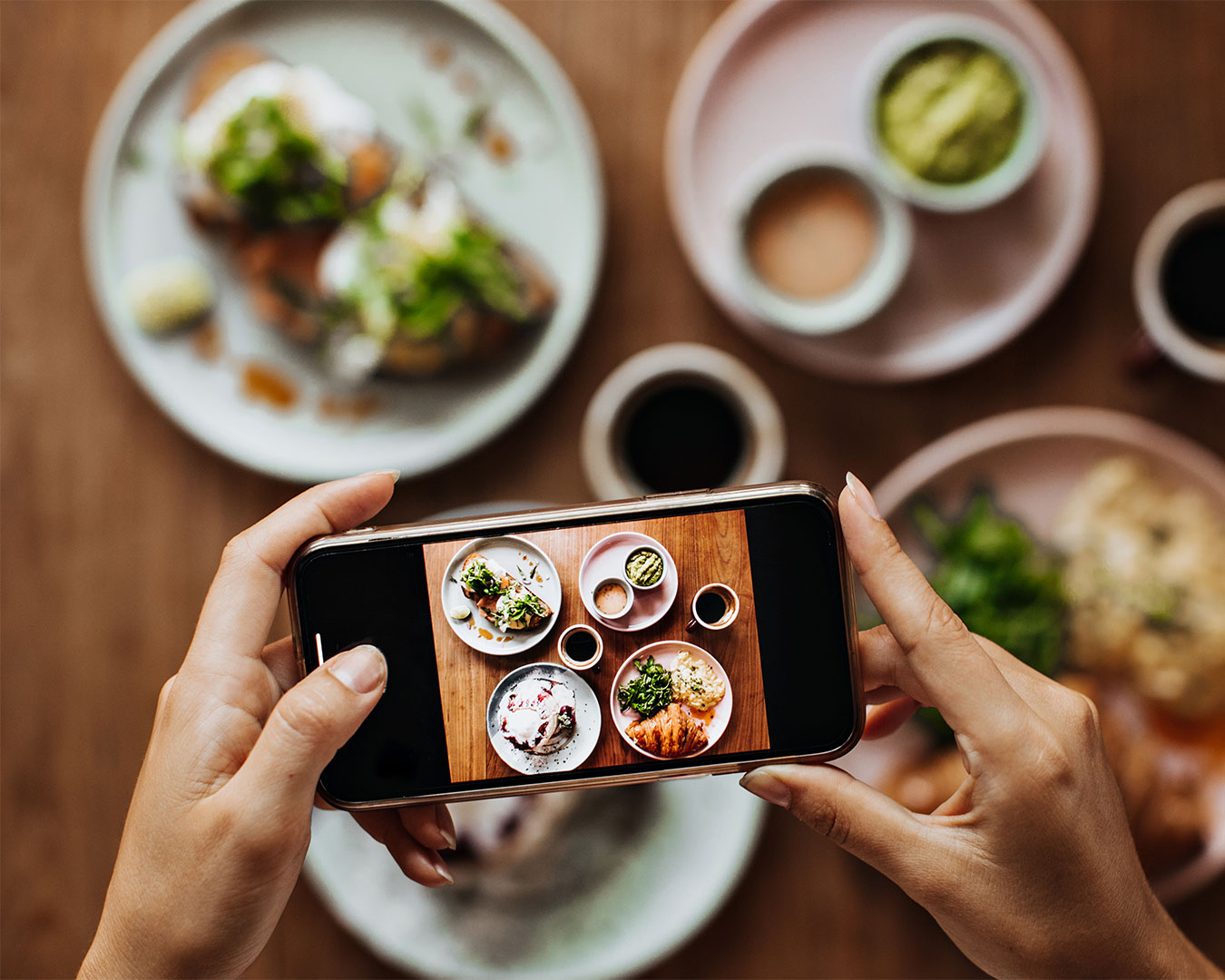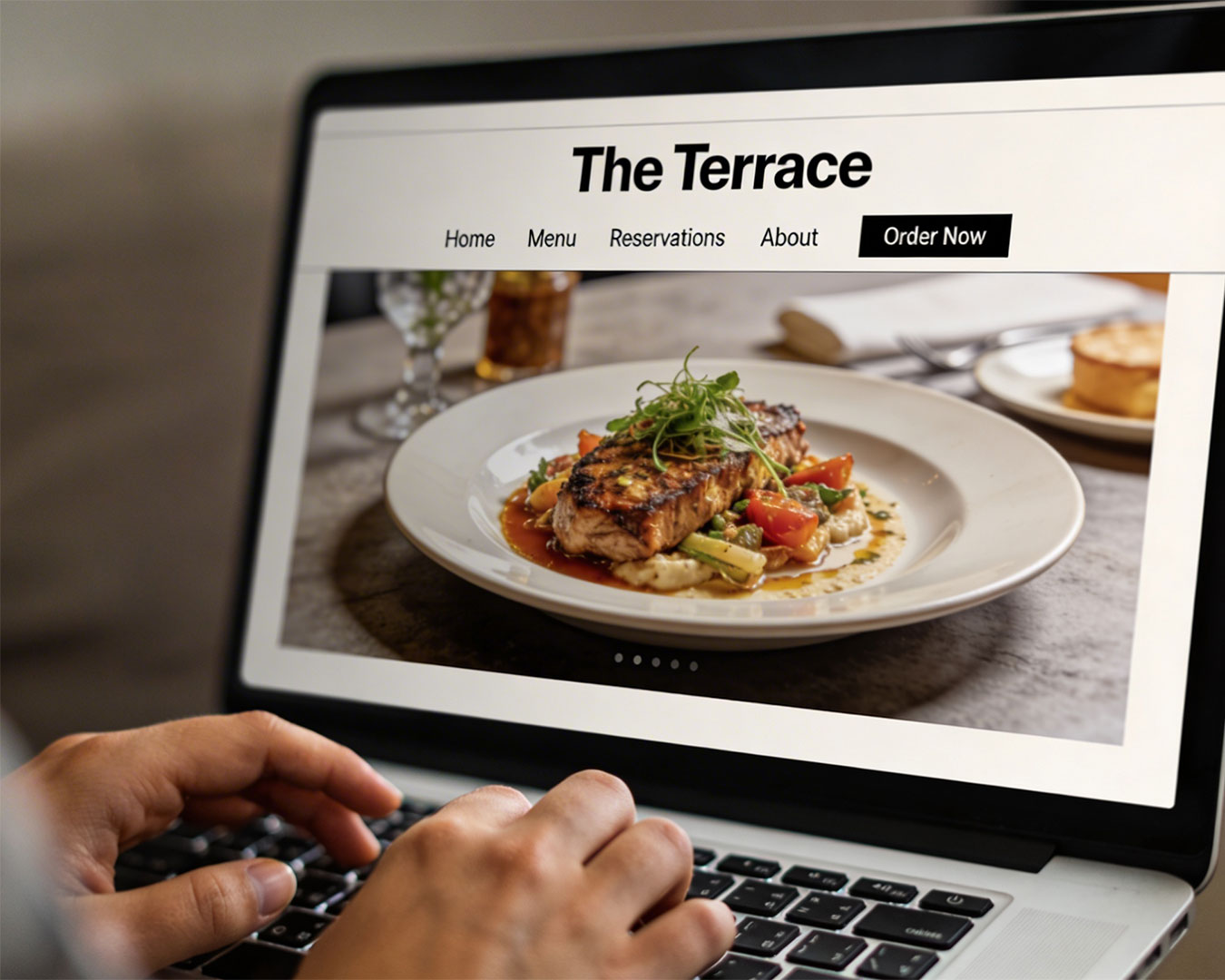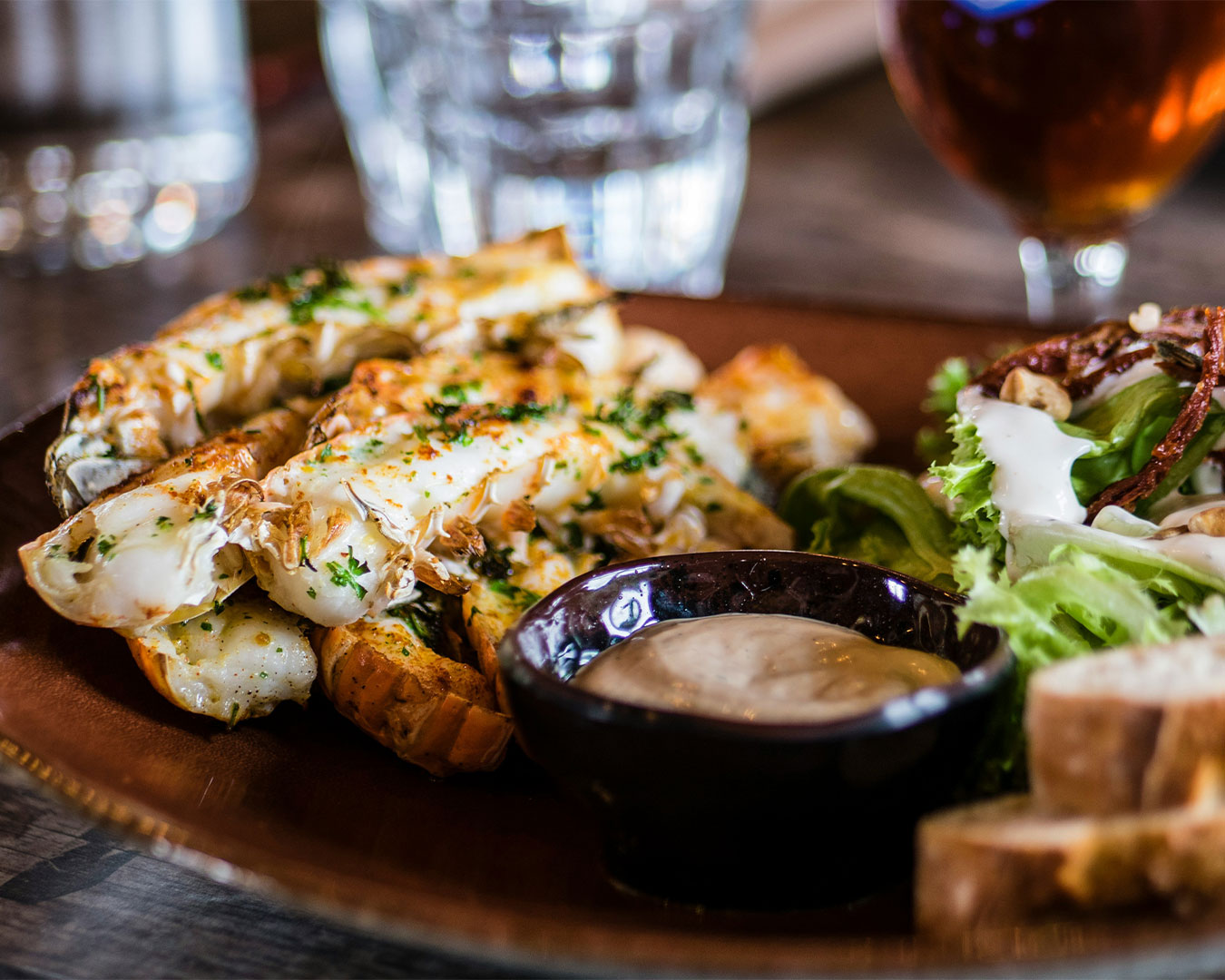

Nearly every agency pitching for your restaurant’s business will claim they “know food.” They present mouth-watering food photography, recount stories of dining at high-end establishments, and highlight aesthetic social media feeds. But taking pretty photos of a plated entree is vastly different from understanding the razor-thin margins, labor dynamics, and backend realities of running a profitable venue.
In an industry where food costs fluctuate weekly and table turnover dictates survival, surface-level passion for gastronomy is not enough. Vetting an agency’s true F&B experience requires looking past creative portfolios to evaluate whether they understand the operational and financial mechanics of hospitality.
Distinguishing Between Food Aesthetics and Revenue Mechanics

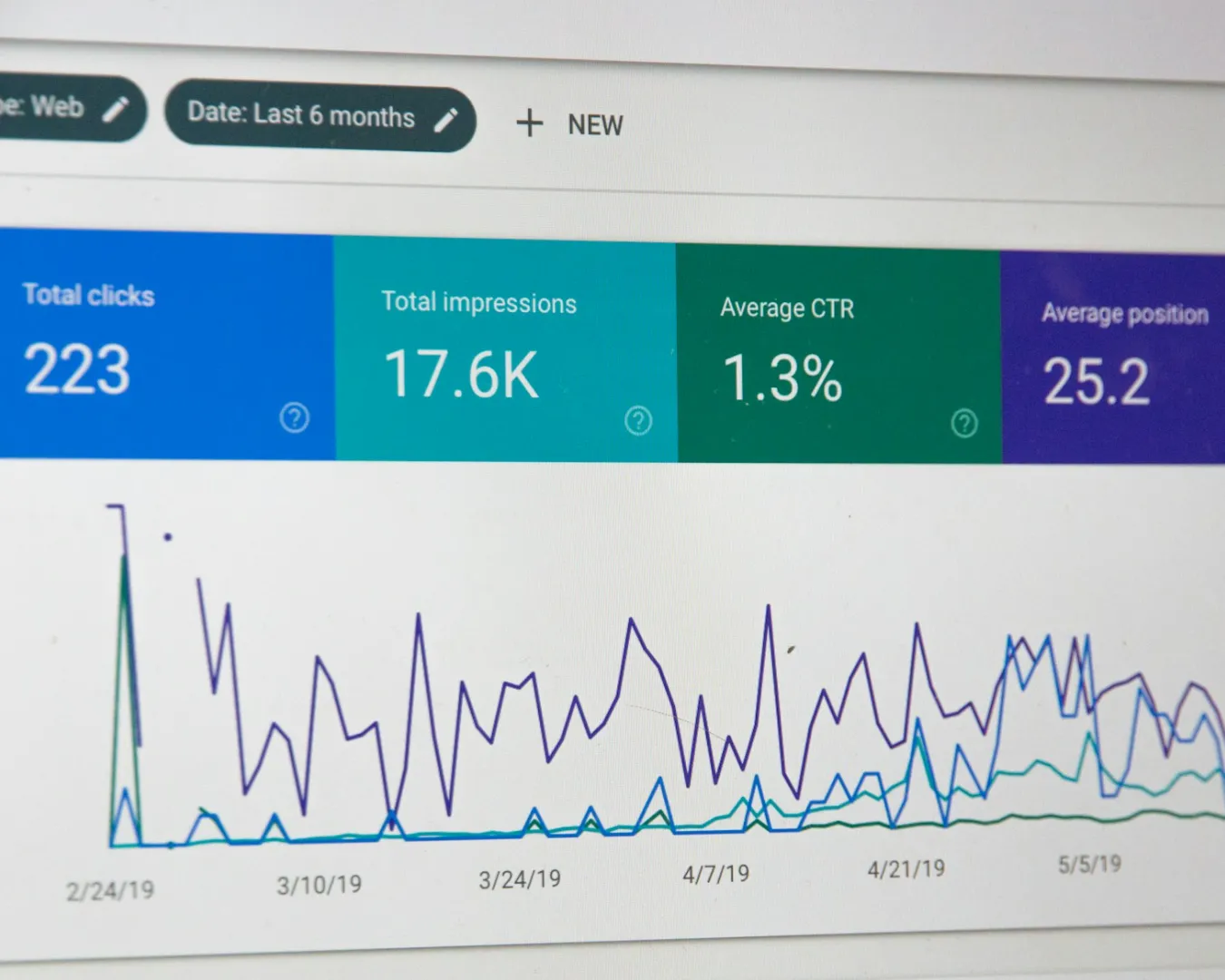
A generalist agency can produce stunning visual content that gets likes on social media. However, if that content fails to drive high-margin items or convert passive scrollers into confirmed table bookings, it is purely a vanity expense.
True F&B marketing agencies focus on metrics that directly impact your bottom line:
- Understanding Menu Engineering: Experienced agencies analyze your Point of Sale (POS) data to identify your high-margin “Stars” and low-margin “Plowhorses.” They design campaign assets that actively steer guest attention toward items that maximize gross profit per cover.
- Optimizing Covers During Low-Volume Shifts: Generic marketing focuses on weekend buzz when your dining room is naturally full. A specialized agency designs targeted promotions, corporate lunch campaigns, and off-peak incentives to drive revenue during slow weekday shifts.
- Driving Direct Bookings: A qualified partner prioritizes direct reservation channels over third-party delivery apps or aggregate listings, reducing commission fees and protecting your profit margins.
The Operational Vetting Checklist: Questions to Ask
When evaluating prospective marketing partners, move past generic sales presentations. Ask direct, operational questions that test their actual understanding of the restaurant business model:
| Surface-Level Claim | What You Should Ask To Test Deep Knowledge |
| “We manage digital ads for hospitality brands.” | “How do you structure ad campaigns to drive direct reservations via platforms like SevenRooms or Chope rather than just site clicks?” |
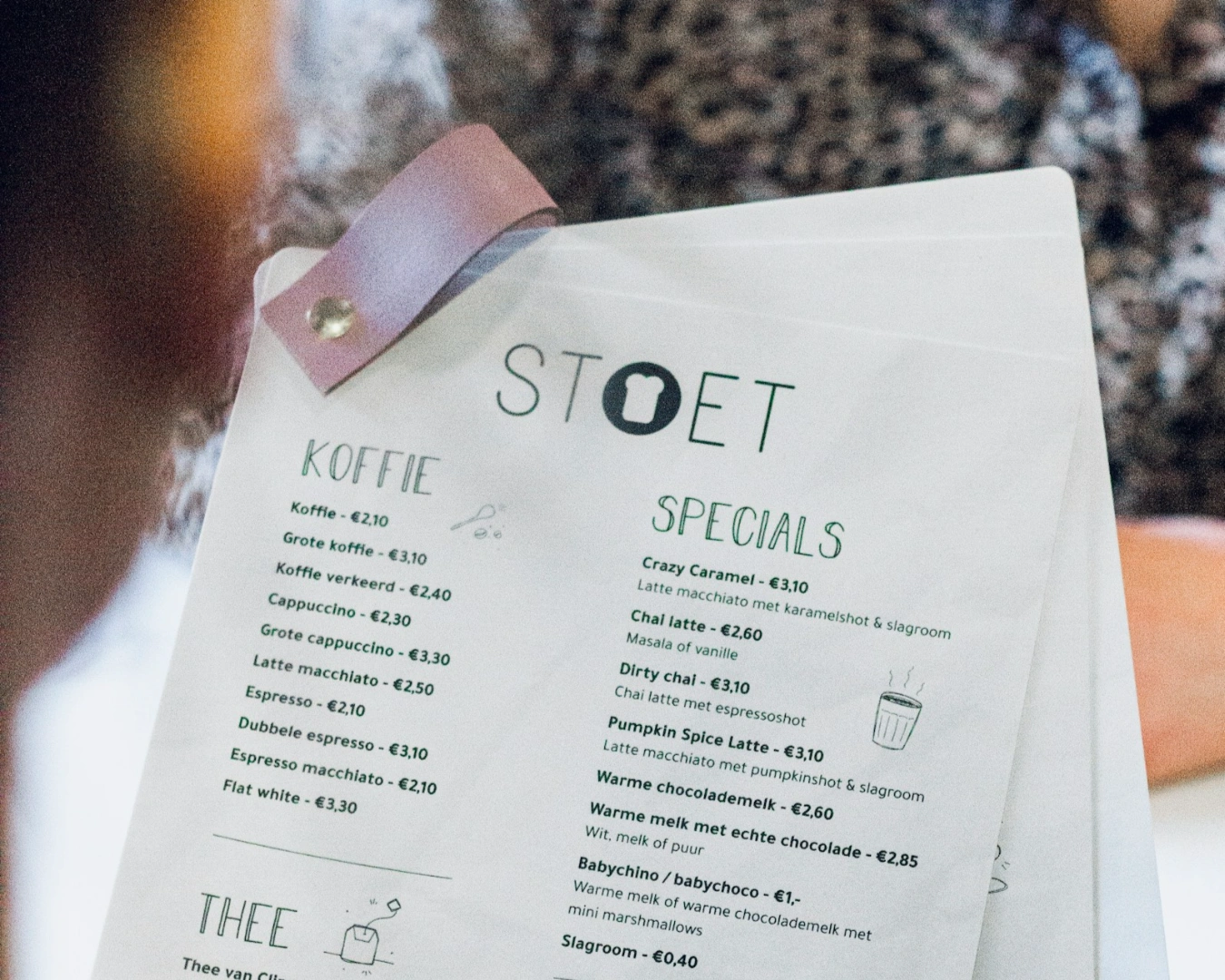
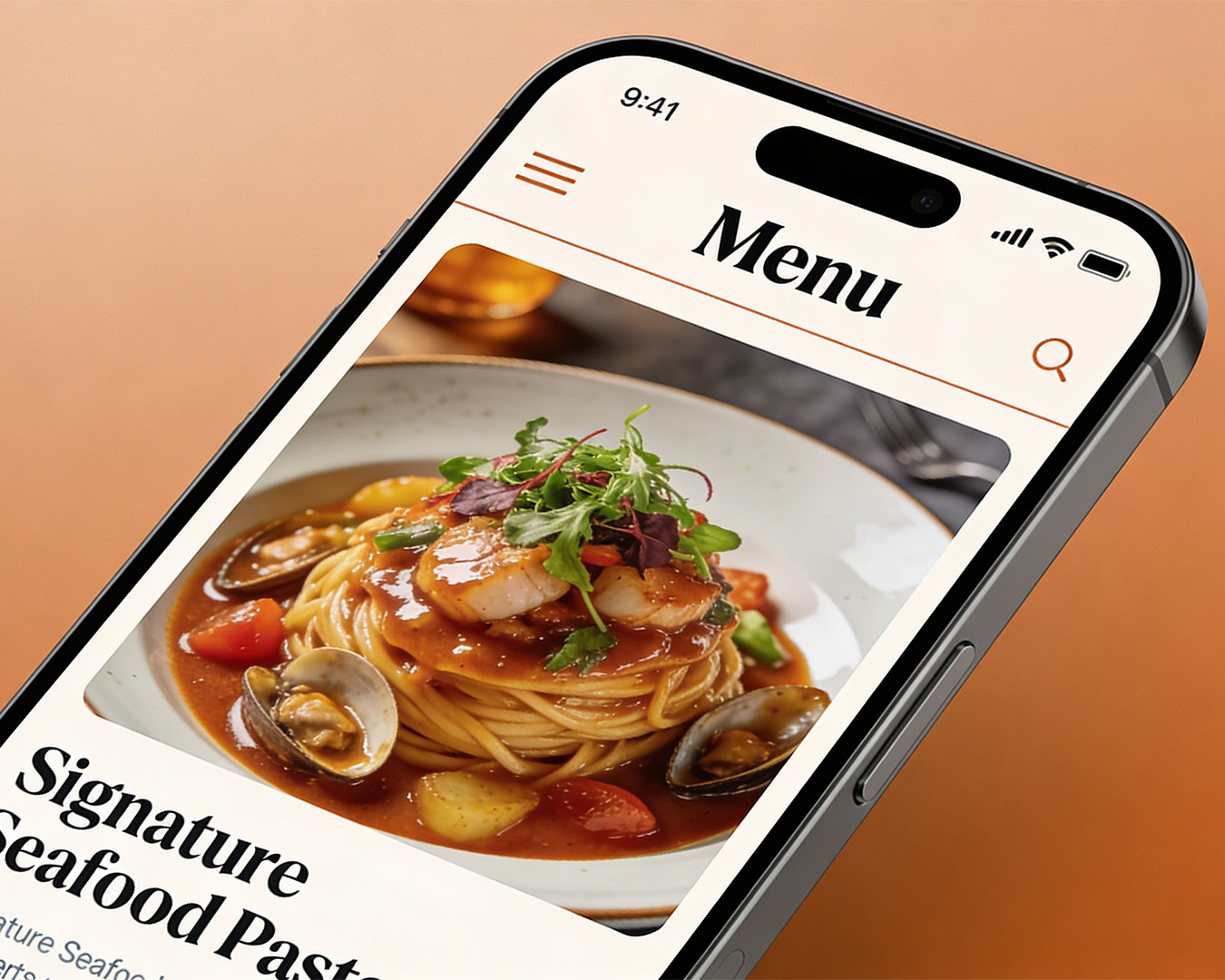
| “We create stunning menu designs and visuals.” | “How do your layout choices reflect menu engineering principles and price-nesting strategies to protect dish margins?” |
| “We have extensive experience with food influencers.” | “What exact tracking methods (POS promo codes, secret items, custom landing pages) do you use to measure offline cover conversions?” |
| “We handle full social media management.” | “How do your content schedules adapt to sudden back-of-house operational changes, like ingredient shortages or seasonal menu shifts?” |
An agency with authentic F&B depth will answer these questions with specific case studies, operational frameworks, and data-backed examples rather than vague marketing jargon.
Understanding Back-of-House Constraints and Rhythms
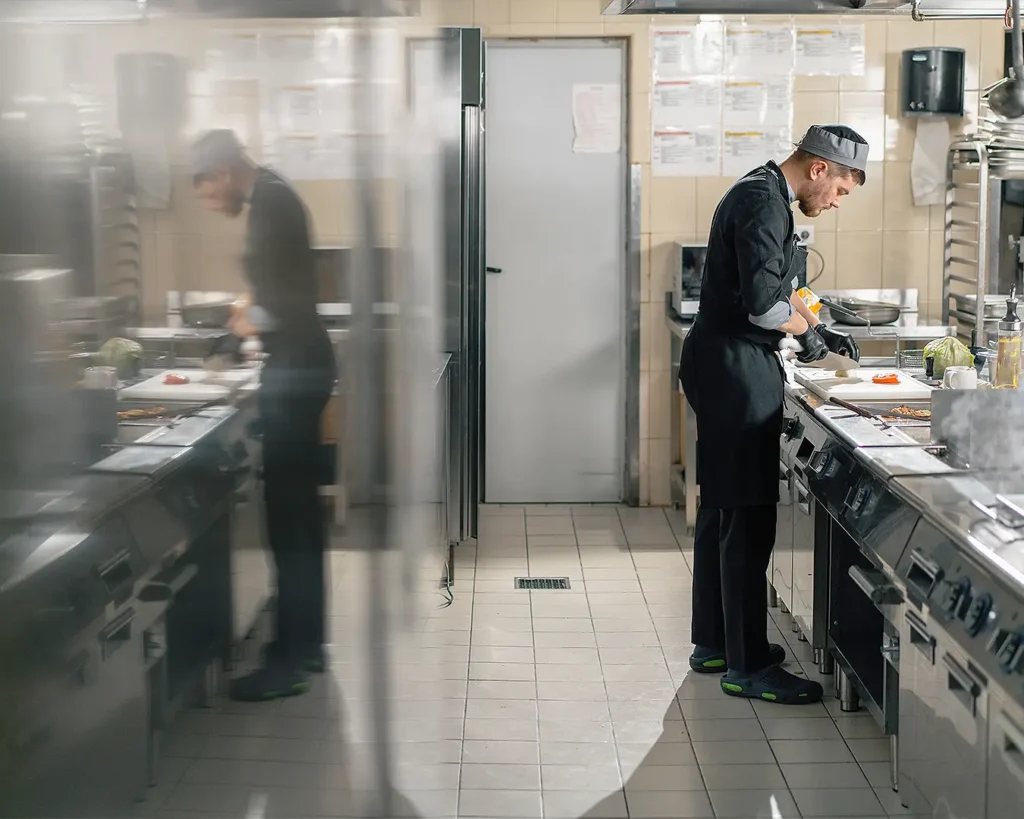
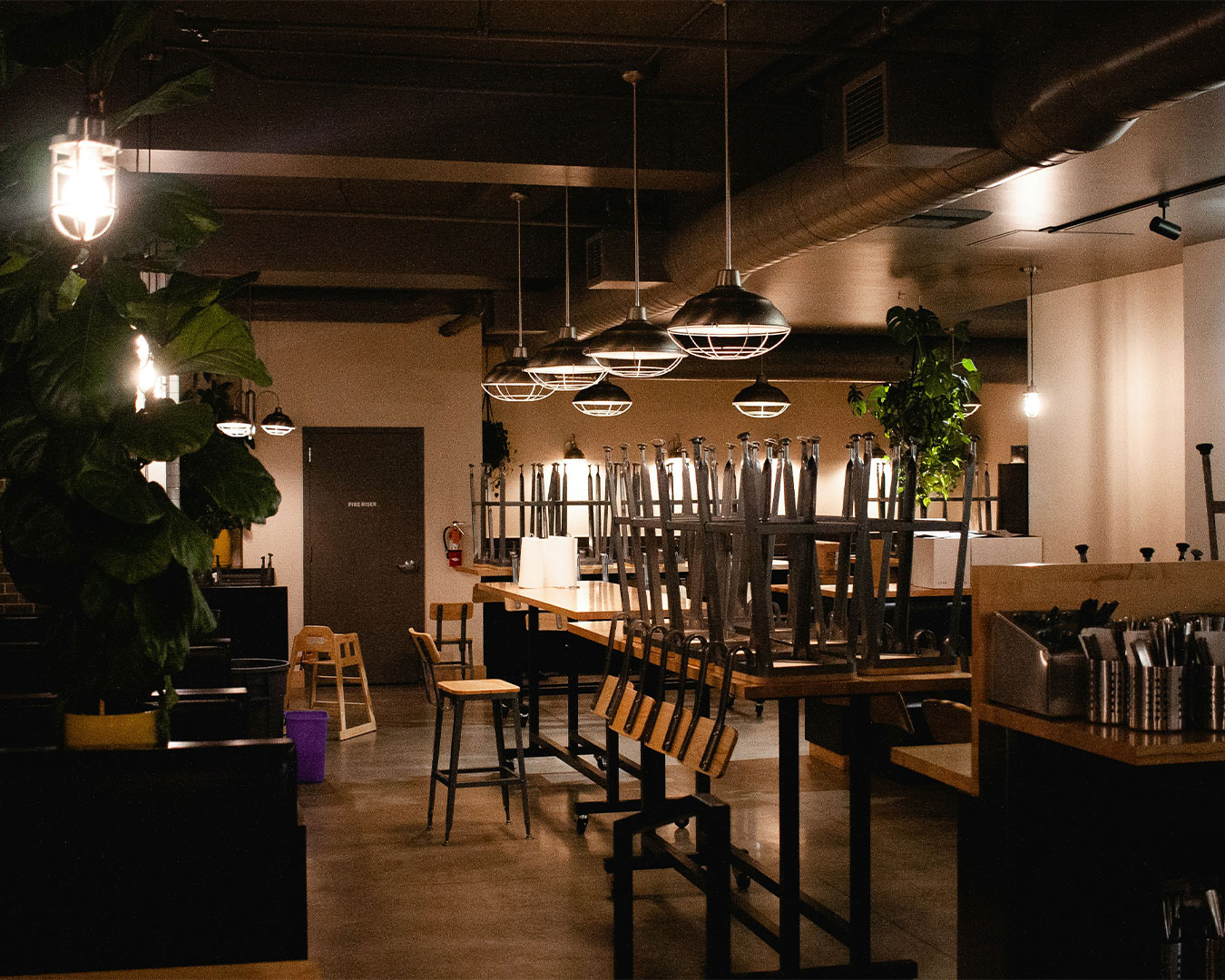
Restaurant marketing cannot happen in a vacuum, isolated from daily floor service. An agency that does not understand the rhythm of a kitchen line will create friction for your operational team.
A specialized hospitality agency aligns seamlessly with your kitchen and floor flow:
- Respecting Kitchen Capacity: Launching a massive viral promotion for a labor-intensive dish during a peak weekend shift will crash your kitchen line and destroy service standards. A knowledgeable agency coordinates campaign timing with executive chefs and general managers.
- Adapting to Supply Chain Realities: Ingredients run out, seasonal produce availability shifts, and menu prices require updates. Experienced agencies maintain agile workflows that allow for instant content adjustments without breaking brand consistency.
- Protecting Front-of-House Bandwidth: Effective campaigns give your floor team simple tools and clear knowledge during pre-shift briefings, ensuring servers can execute upselling strategies effortlessly.
Evaluating Case Studies for Real Commercial Depth
Before signing a retainer, scrutinize the agency’s past performance. Look beyond impression counts, follower growth, and video view tallies to evaluate actual commercial impact.
Demand proof of tangible business growth:
- Average Check Size Growth: Did their menu design and floor staff messaging frameworks successfully increase the venue’s average check size?
- Reduction in Customer Acquisition Cost: How efficiently did their paid media campaigns generate new guests compared to traditional marketing channels?
- Guest Retention Rates: Did their communication strategy build a database of returning regulars, or did it only attract one-time bargain hunters?
Choosing a Partner That Drives Profit, Not Just Likes

Handing your brand strategy to an agency that merely likes food is a costly mistake. Your marketing partner must act as an extension of your leadership team—one that understands how to translate digital strategy into floor profitability.
Take a critical look at your current marketing partnerships: are they delivering vanity metrics, or actively optimizing your sales engine, protecting your margins, and filling your tables? At Atelier Creations, we partner with hospitality brands to build high-performance marketing strategies grounded in real operational data and deep F&B experience. Reach out to us today for a brand audit and let’s make sure your marketing delivers a genuine return on investment.