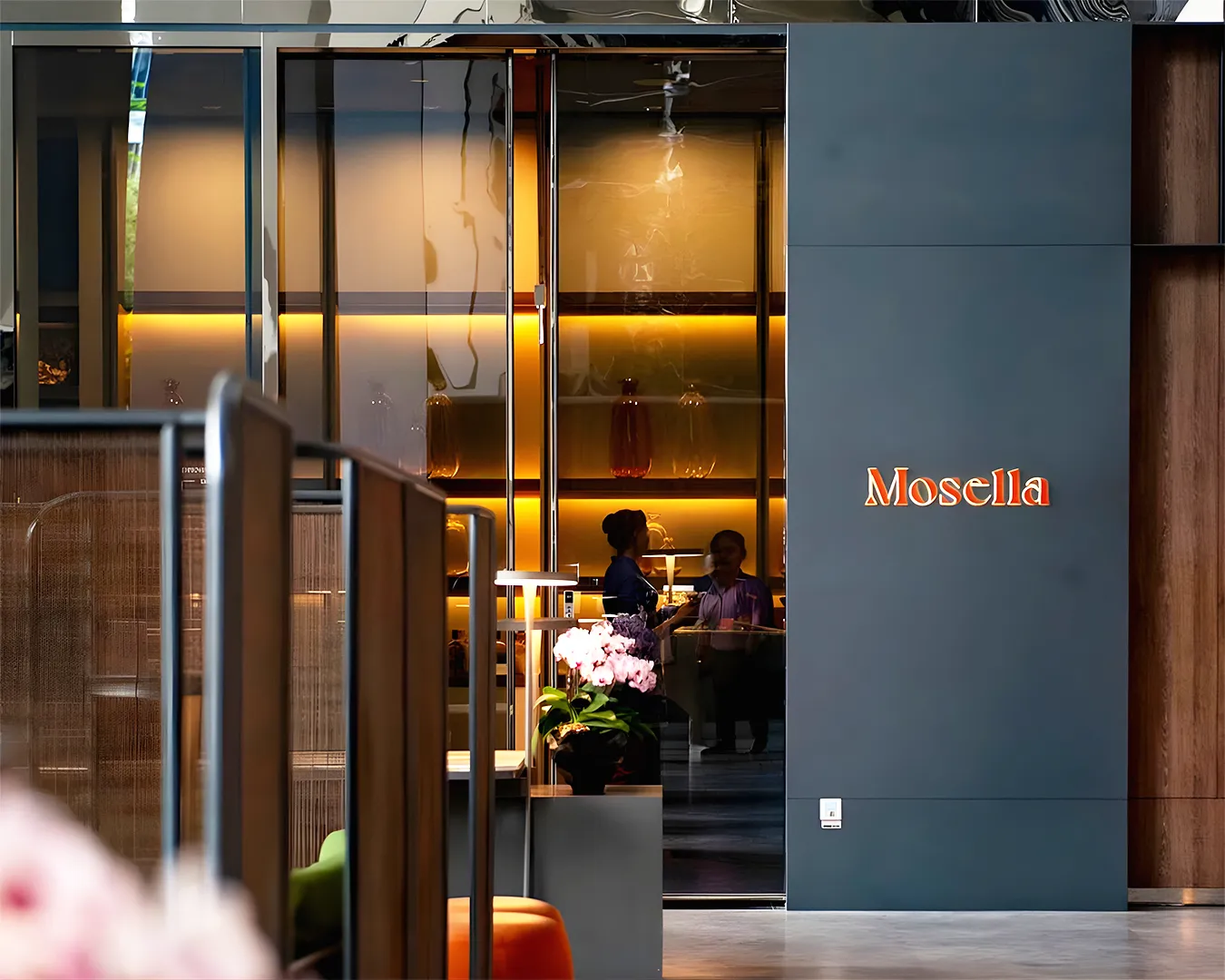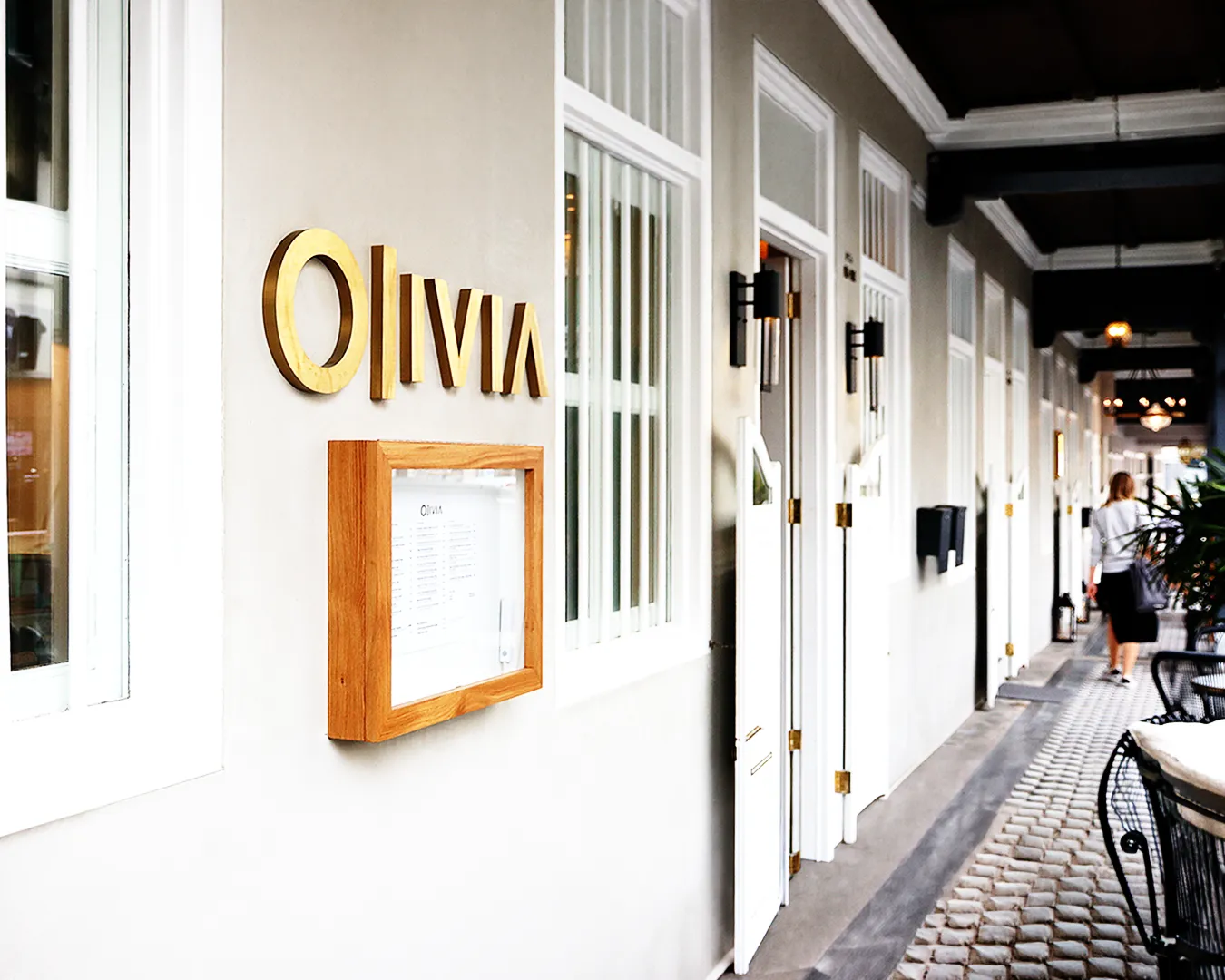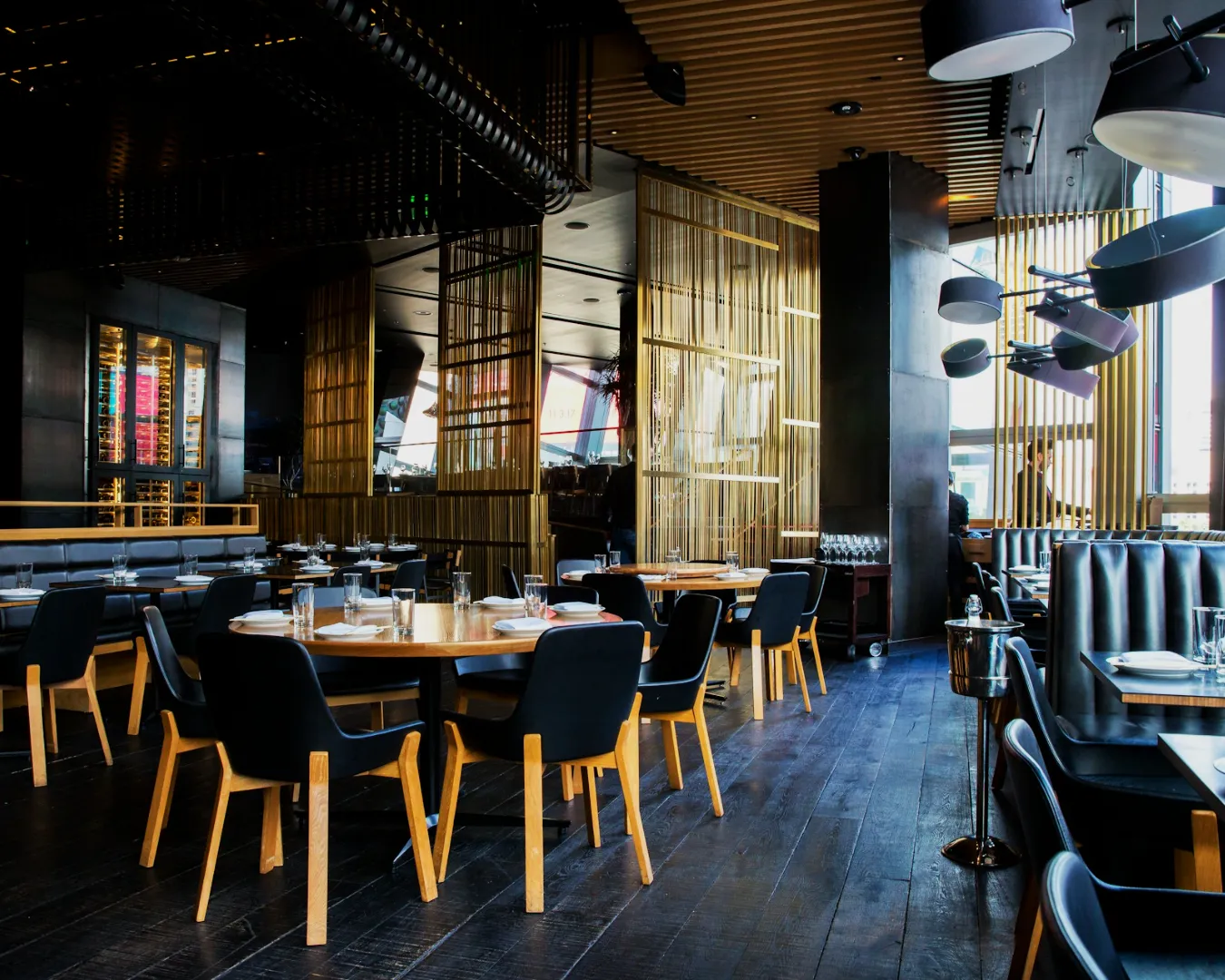
A new logo is not a new beginning. Many owners believe a visual refresh is the answer to slow sales or poor reviews, but this is a fundamental mistake. A logo is a symbol. It is a signature, not the letter it signs. Focusing on it is like believing a new book cover will fix a poorly written story. Your real challenge, and your greatest opportunity, is to define a complete restaurant brand identity. This identity is the core of your business. It is the promise you make to every customer who walks through your door, long before they ever see your logo.

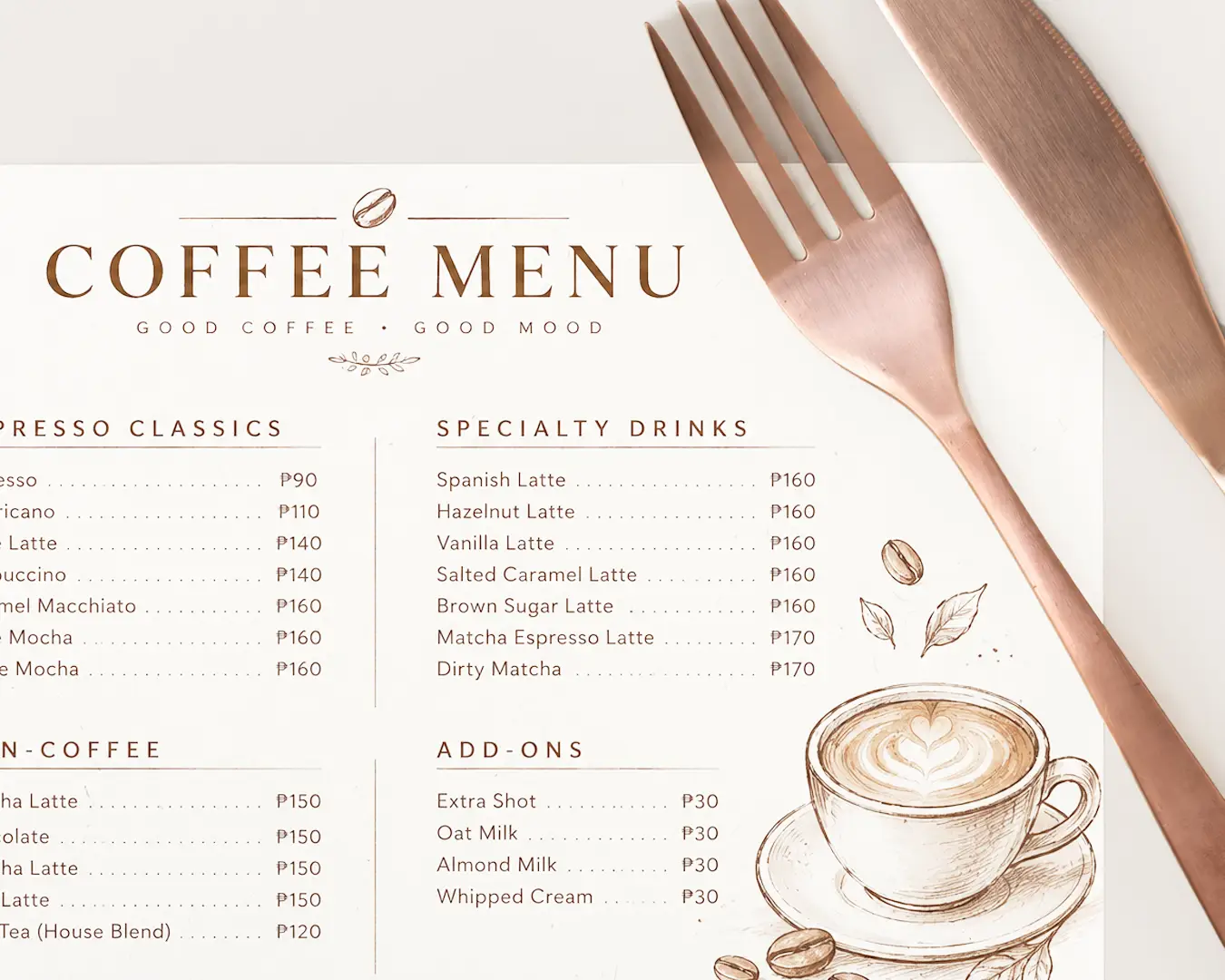
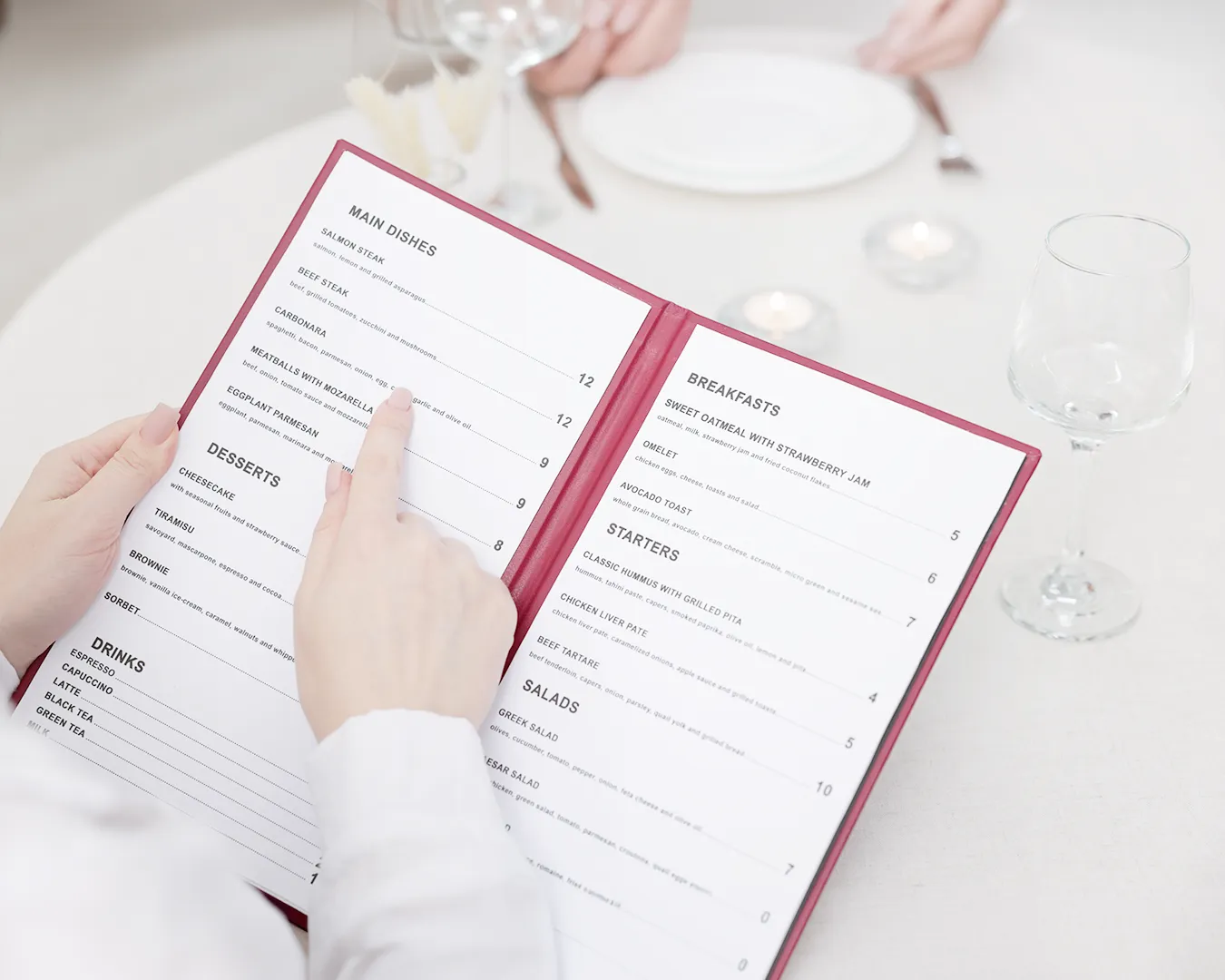
Brand identity is the total experience of your establishment. It is the reason a customer chooses you over the dozens of other options available. It is felt in the texture of your menus, the lighting in your dining room, the attitude of your staff, and the music you choose to play. It is the story that connects your food to a feeling. Your logo is merely a shorthand for this entire emotional package.
Think of it this way. A strong brand can survive a bad logo, but a great logo cannot save a weak brand. Your brand identity must answer simple but critical questions. Who are we cooking for? What feeling do we want them to leave with? Are we a quick, casual lunch spot or a destination for special occasions? Every decision, from the salt shakers on the table to the copy on your website, must support the answers to these questions. Without this clarity, your marketing efforts will be inconsistent and ineffective.
Walk the Talk: Aligning Every Touchpoint
Once you define your brand identity, your job is to deliver it consistently across every touchpoint. Inconsistency creates confusion and erodes trust. If your Instagram profile shows a sleek, modern aesthetic but your physical space is cluttered and dated, you have a broken brand promise. The customer feels a disconnect. They may not know how to describe it, but they will feel that something is off.
This consistency must extend to your team. Your staff are the primary ambassadors of your brand. They must understand the identity you are trying to build. How they speak to customers, how they describe the dishes, and how they handle problems are all expressions of your brand. Training them on your brand’s values is just as important as training them on the menu. This turns every employee into a guardian of the customer experience.
The Brand Lens

Building a powerful restaurant brand identity is not about spending more money. It is about making smarter, more aligned decisions. It requires you to step back from the day-to-day operations and think about the bigger picture. It is the invisible framework that makes customers feel at home, encourages them to return, and inspires them to tell their friends.
A strong identity gives you a filter for every choice you make. Does this new menu item fit our brand? Does this collaboration make sense for us? Does this marketing campaign reflect who we are? When the answer is consistently yes, you build a business that is not just seen, but felt. That is the kind of brand that endures.
The 30-Minute Brand Gut-Check

Your logo did not build your business, and a new one will not fix it. The soul of your restaurant lies in its identity. This is your most valuable asset.
Set aside thirty minutes this week. Write down three words that you want customers to associate with your restaurant. Now, look at your online reviews, your social media, and your physical space. Do they reflect those three words? This simple exercise is the first step toward building a brand that truly connects.