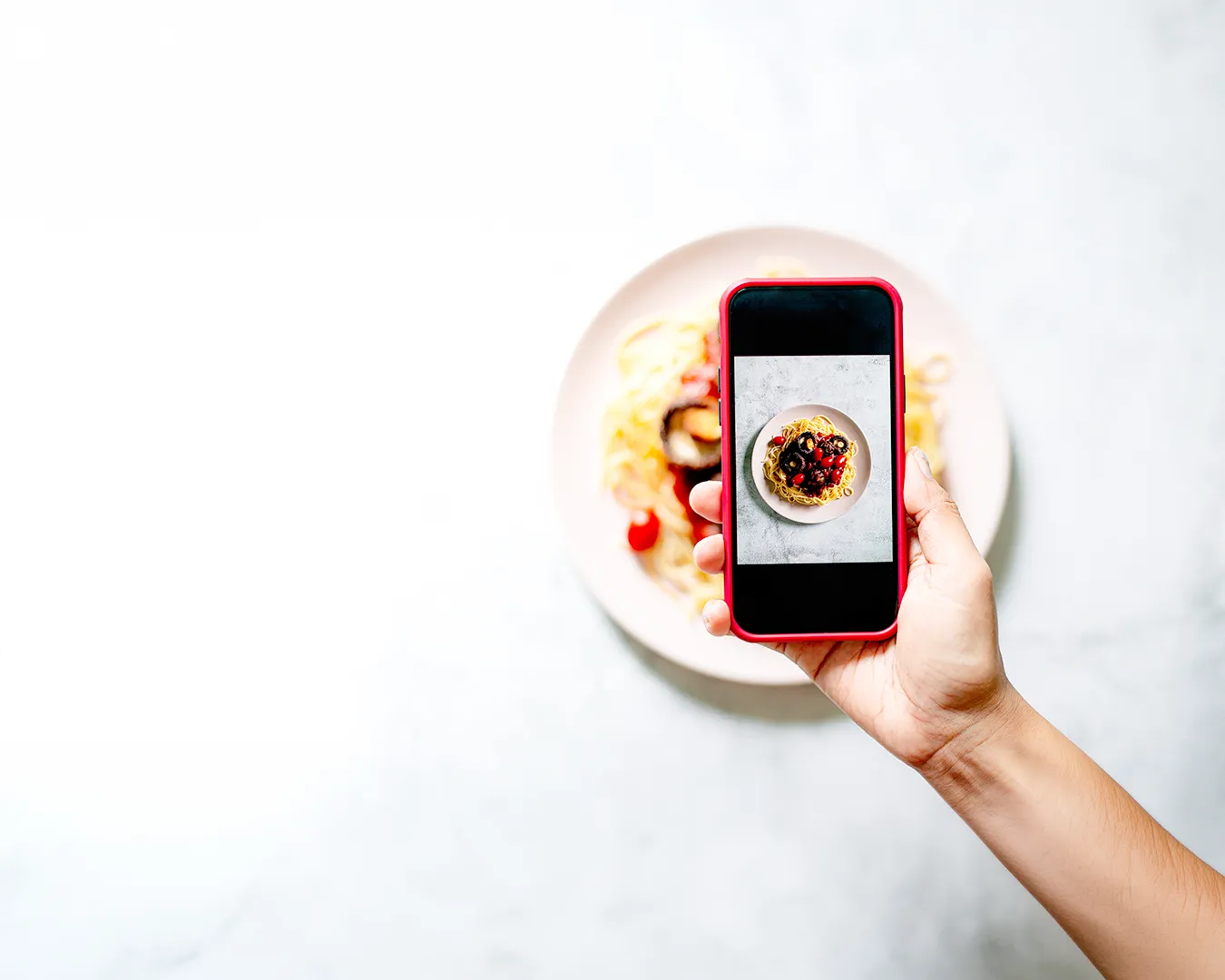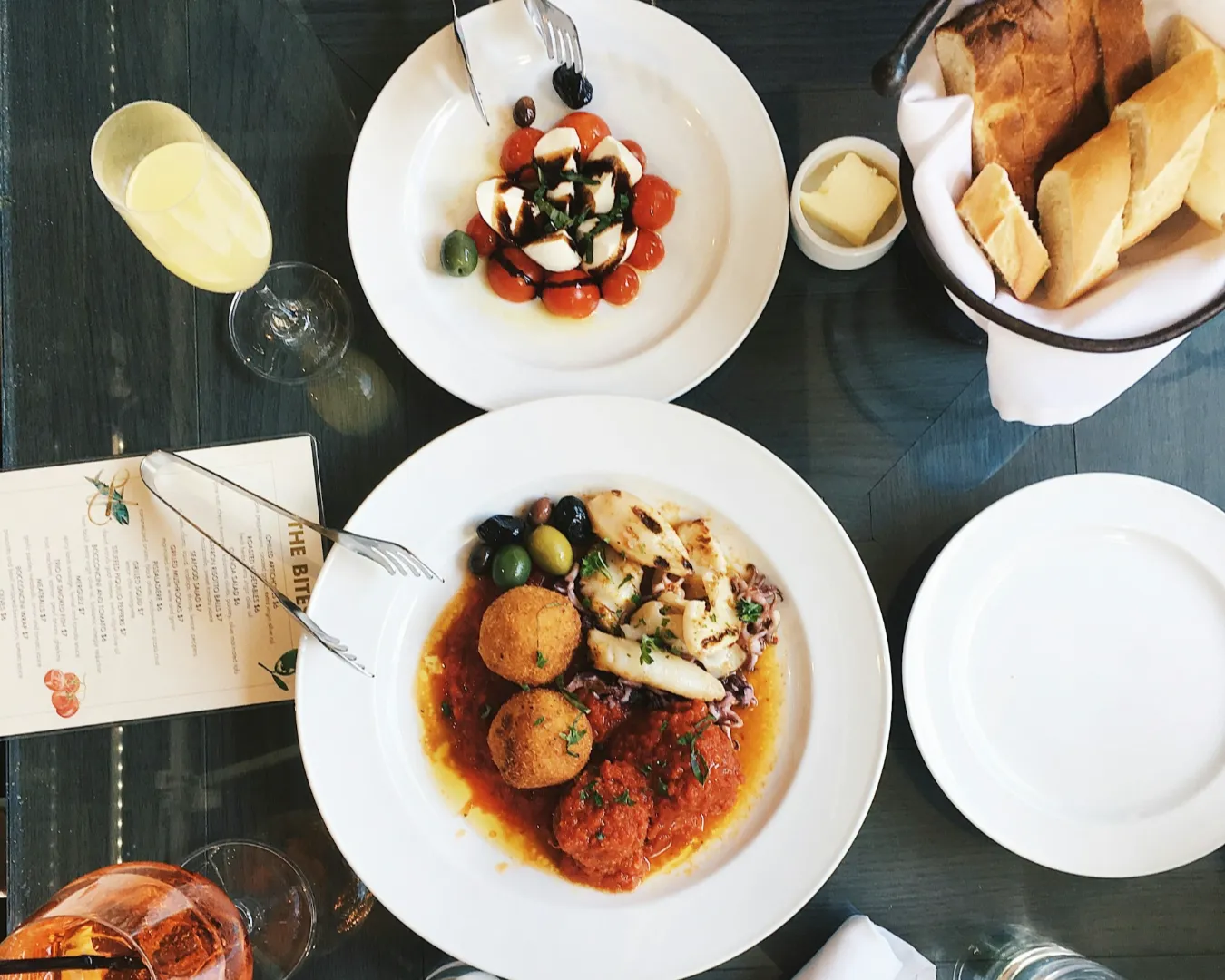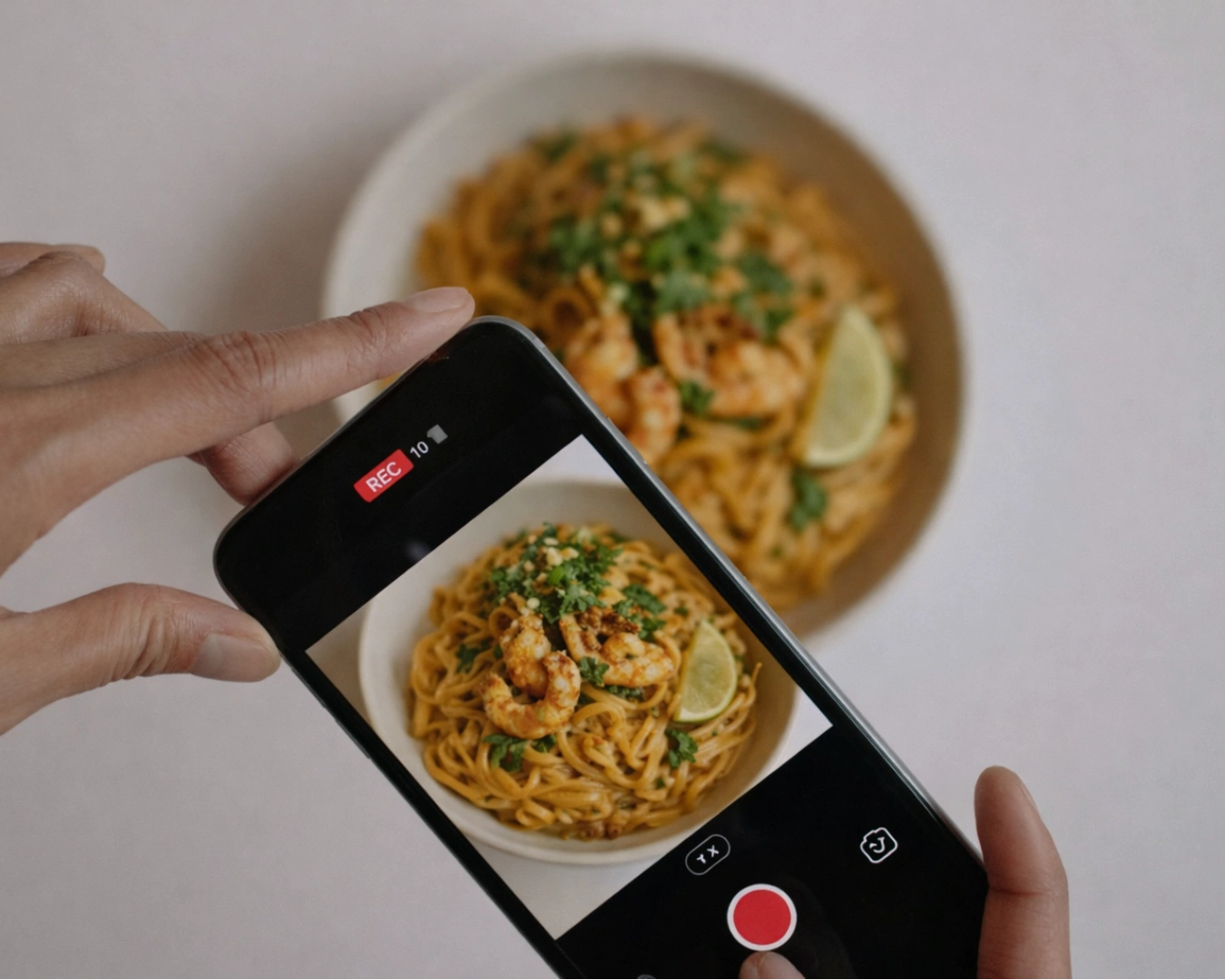

How many photos of your signature dish have you posted this month? If the answer is “too many to count,” you are not alone. Many restaurants fall into the trap of an endless food photo parade. While beautiful dishes are important, they are not enough to build a loyal following.
Effective social media content for restaurants in 2026 is about more than just food. It is about showing the heart behind the hustle. Diners are craving connection and authenticity. They want to see the real food and, more importantly, the real people who make it all happen.
Pillar 1: The People Behind the Plate
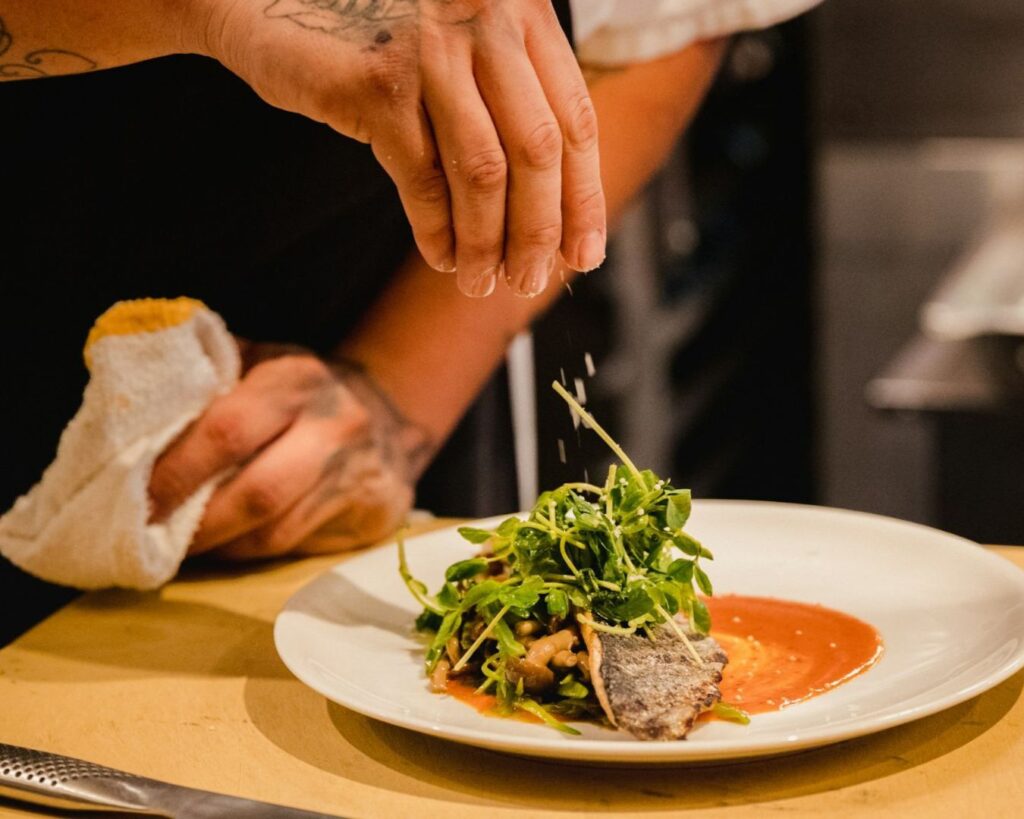
Your team is your biggest untapped content resource. Customers connect with people far more than they connect with products. Stop hiding your staff in the background and make them the heroes of your story. Feature your head chef, not just their hands plating a dish. Share a short interview with a long-serving waiter about their favorite customer memory. Profile the kitchen porter who keeps the whole operation running smoothly.
This approach does two things. It humanizes your brand, making it more relatable and trustworthy. It also fosters immense pride and loyalty within your team. When your staff feel seen and valued, they become your most passionate advocates, both online and on the dining floor. This is not about forced, corporate-style “employee of the month” posts. It is about genuine, brief moments that reveal the personality of your establishment.
Social Selection: Don’t Be Everywhere
Not all social media platforms are created equal, and your restaurant does not need to be on all of them. The choice depends entirely on your brand identity and your target customer.
Instagram remains powerful for most F&B businesses because it is a visual platform. It is ideal for showcasing beautiful dishes, your restaurant’s atmosphere, and the people behind the food. If your concept is highly aesthetic, Instagram should be a priority.
Facebook is better for community building. It is useful for creating events, sharing longer-form updates, and engaging with a slightly older demographic. If your establishment is a neighborhood spot with many regulars, a Facebook Group could be more valuable than a public page.
What about platforms like TikTok or X (formerly Twitter)? These require a different kind of content. TikTok demands fast-paced, personality-driven video, which can be difficult to produce consistently. X is for quick, timely updates. If these do not align with your brand or you do not have the resources to manage them well, you should avoid them. A neglected, poorly managed profile does more harm than an absent one.
Pillar 2: The Process, Not Just the Product
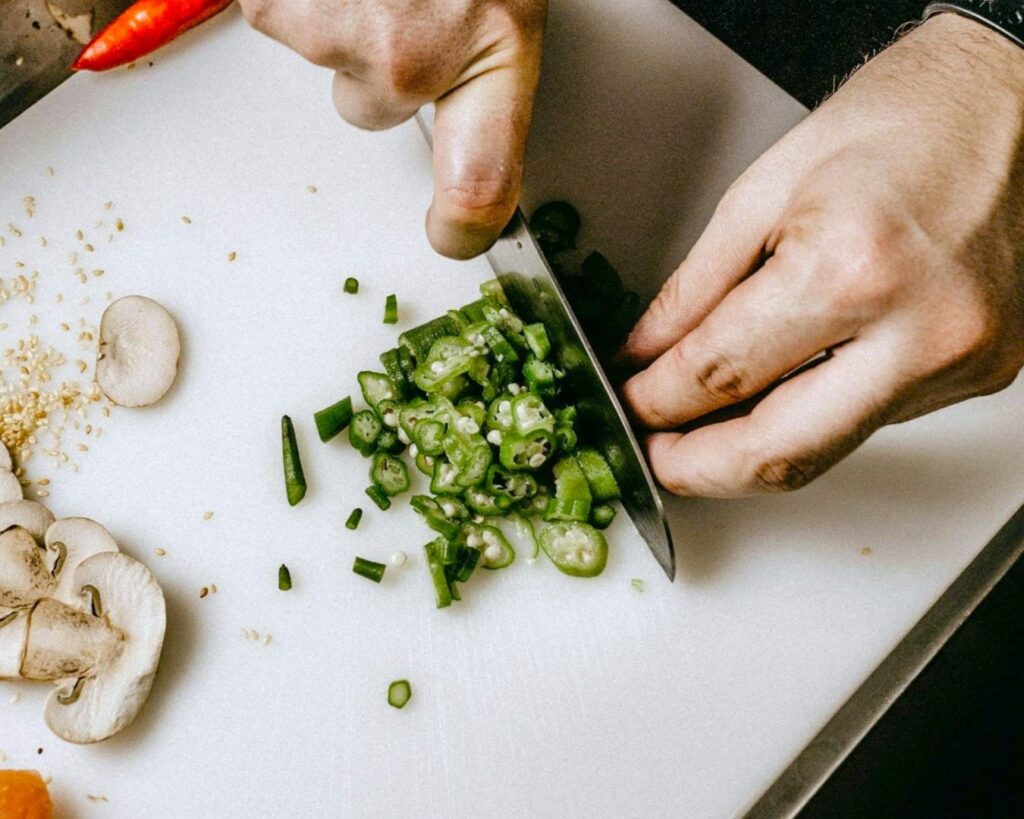
Diners are more curious than ever about where their food comes from and how it’s made. Your content should pull back the curtain on your process. This pillar is not about giving away your secret recipes; it’s about showcasing the care and skill that go into your food. Show a video of your pastry chef meticulously folding dough. Post a photo of a fresh delivery from a local farm you partner with. Talk about why you choose a specific ingredient or a particular cooking technique.
This type of content builds perceived value. It educates your audience and demonstrates a commitment to quality that goes beyond a pretty picture, which we discuss more in our article, Does Your Content Pass the 3-Second ‘Hunger Test’? It transforms a simple menu item into a story of craft and dedication. When customers understand the effort involved, they appreciate the final product more and are often willing to pay a premium for it.
Pillar 3: The Customer Experience
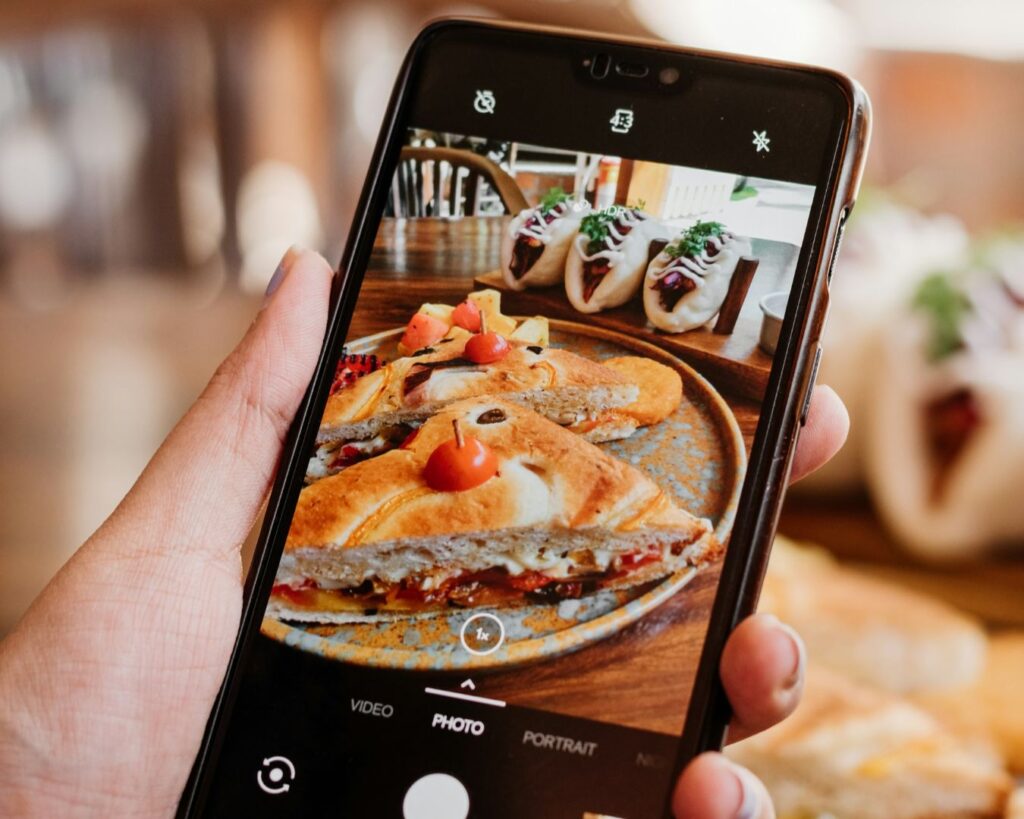
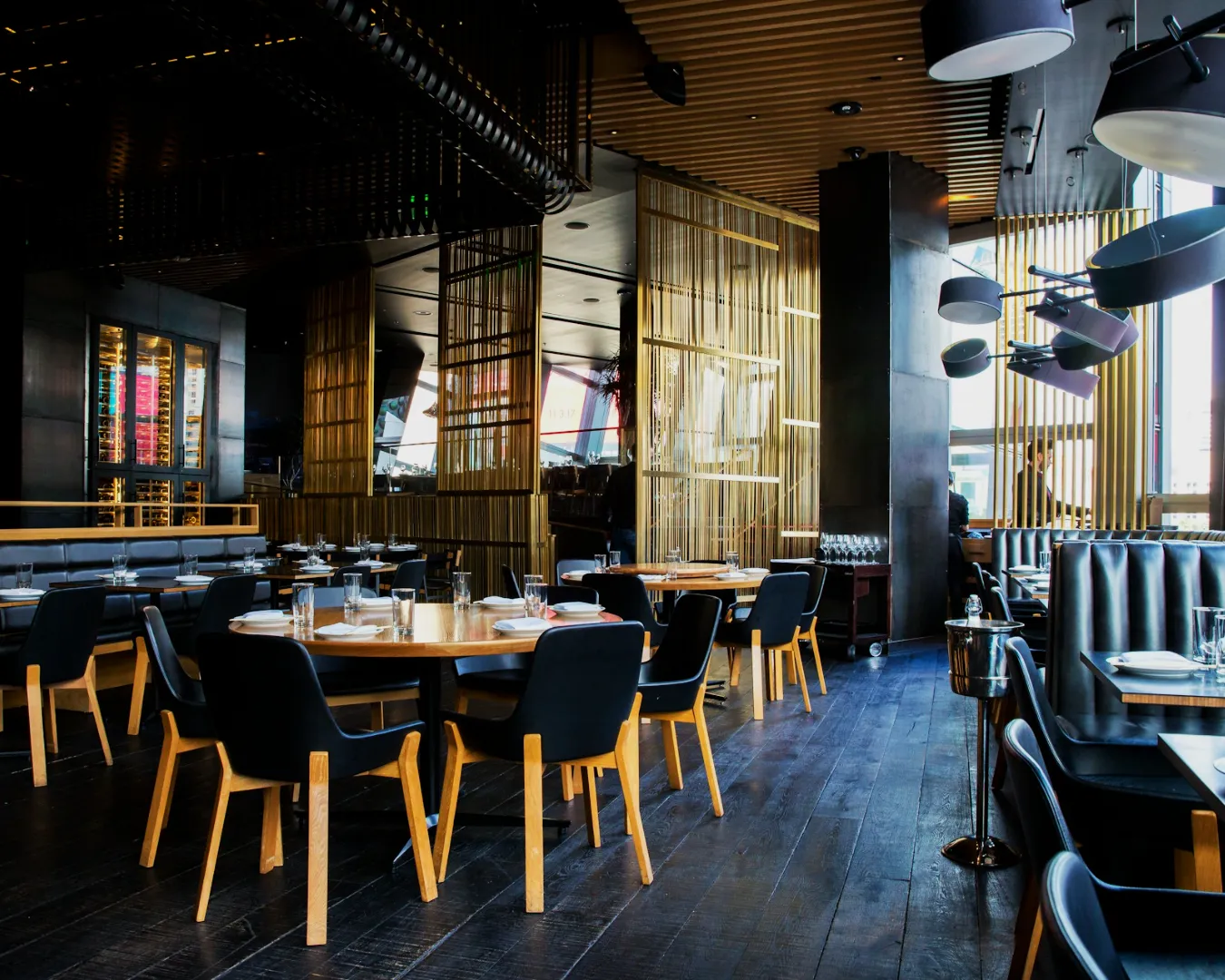
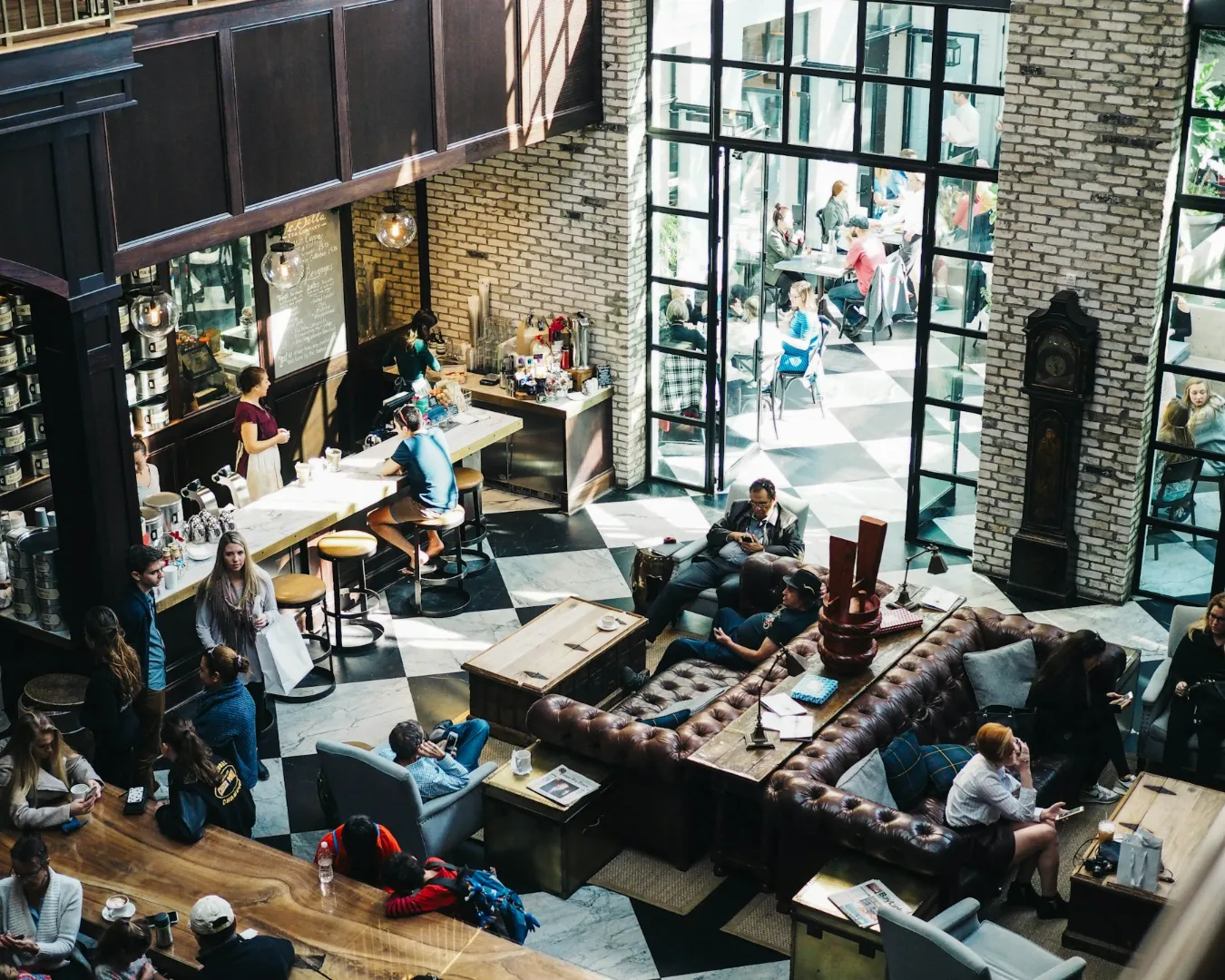
Your social media should reflect the experience you want customers to have in your restaurant. This goes beyond posting your 5-star reviews. It is about creating content that captures the feeling, or “vibe,” of your space. Is your restaurant a lively, energetic place for groups? Share photos of friends laughing over a shared meal. Is it a quiet, intimate spot for couples? Your content should feel calm and romantic.
A powerful way to do this is through user-generated content. When a customer tags you in a great photo, ask for their permission to reshare it. This is the most authentic endorsement you can get. It shows potential diners a real, unvarnished look at the experience they can expect. It also builds a community, making your existing customers feel like they are part of your brand’s journey.
Starting Simple
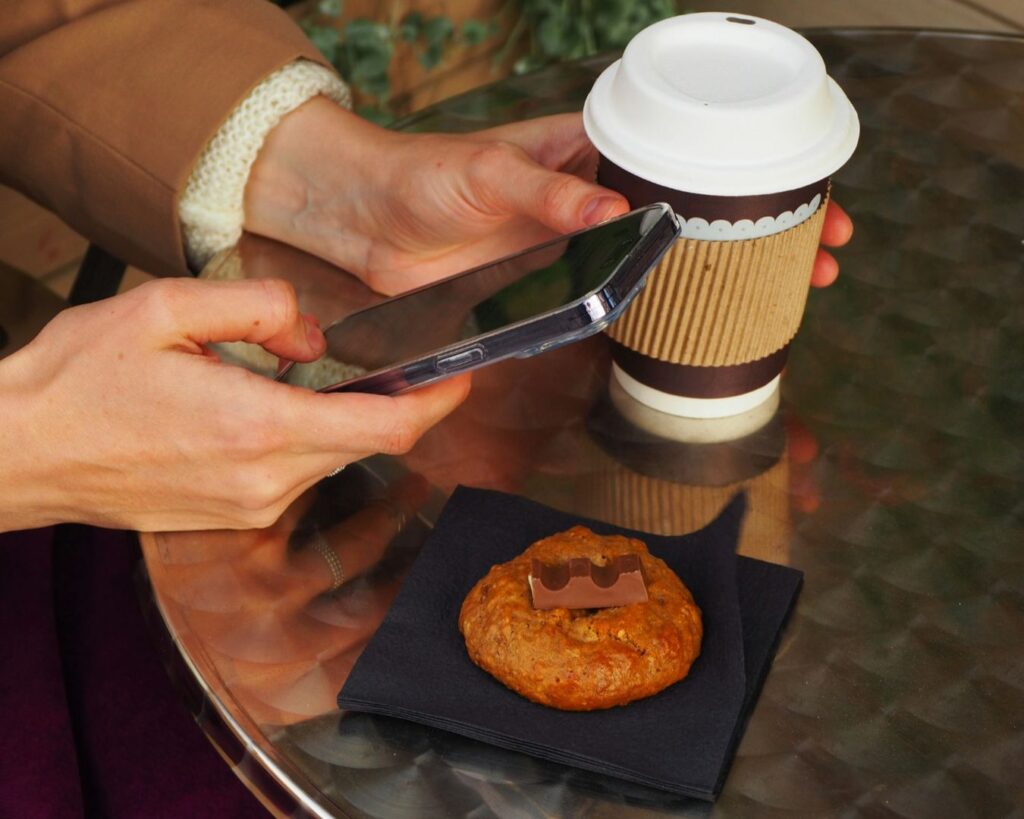
Your social media does not need to be a constant stream of polished advertisements. It should be a window into the soul of your restaurant. Focus on people, process, and the customer experience to create content that builds real connection.
This week, pick one person from your team. It could be a chef, a server, or even your daily vegetable supplier. Take a simple, well-lit photo of them and write two sentences about what they do and why they are important to your business. That is it. That is the first step toward more meaningful content.