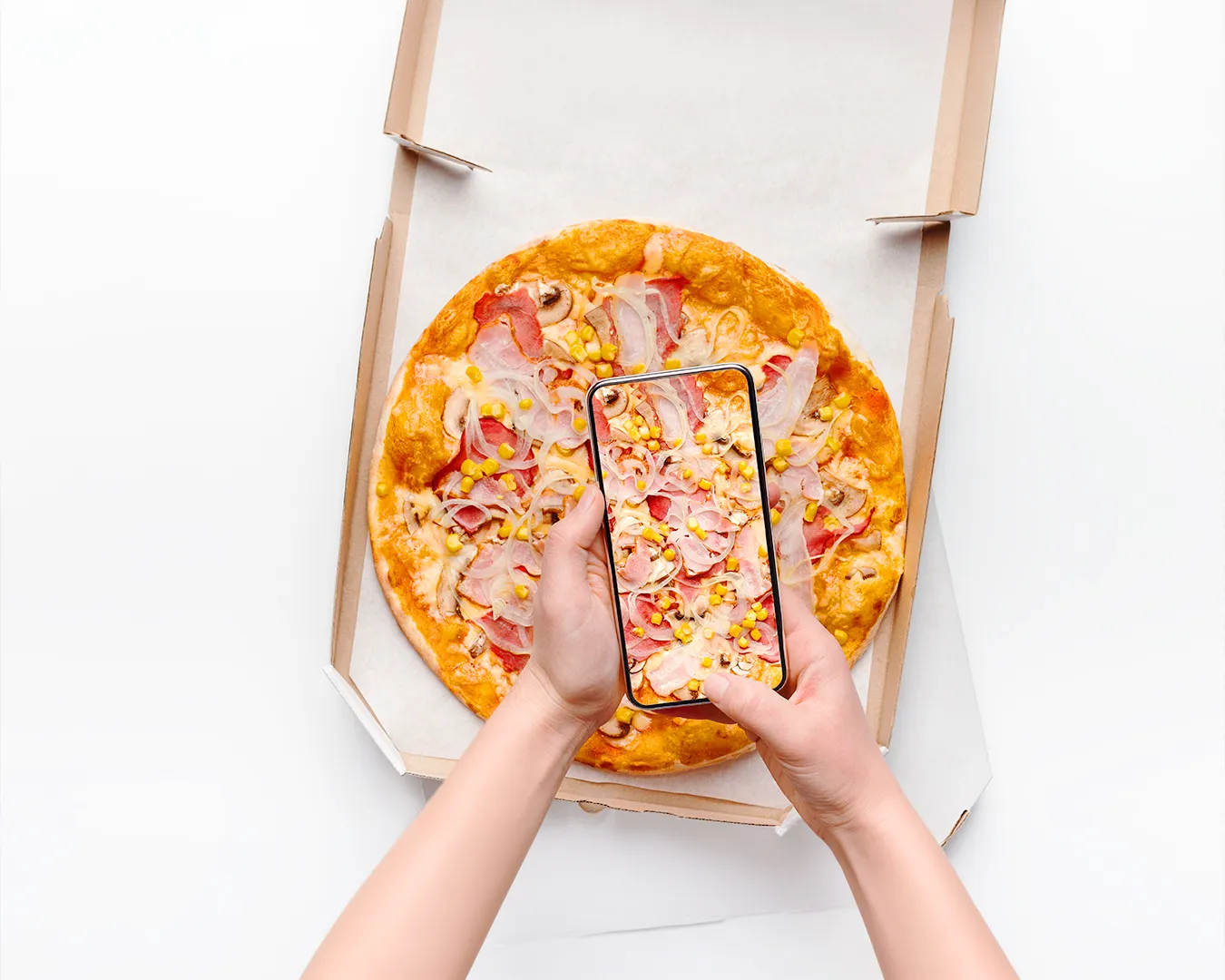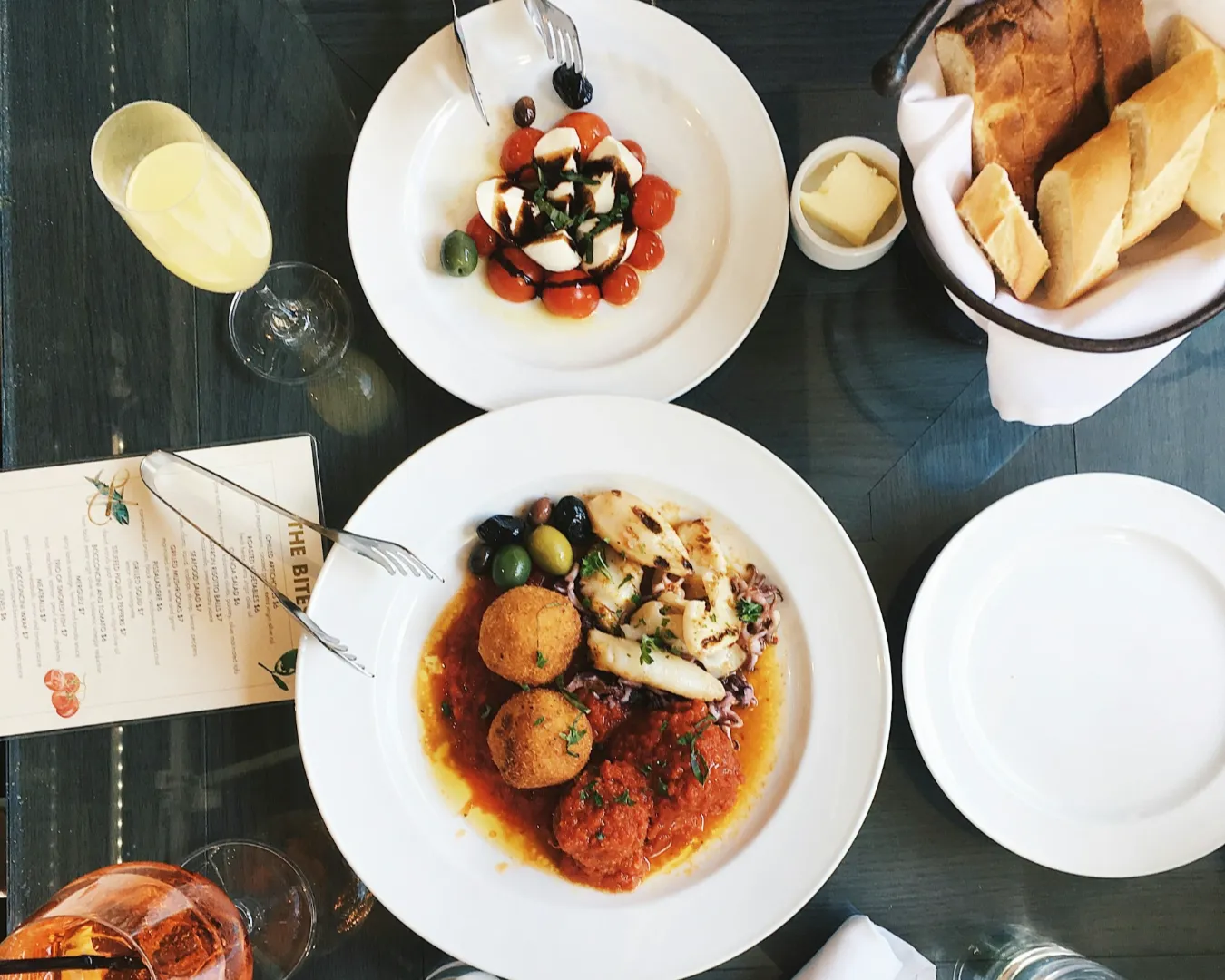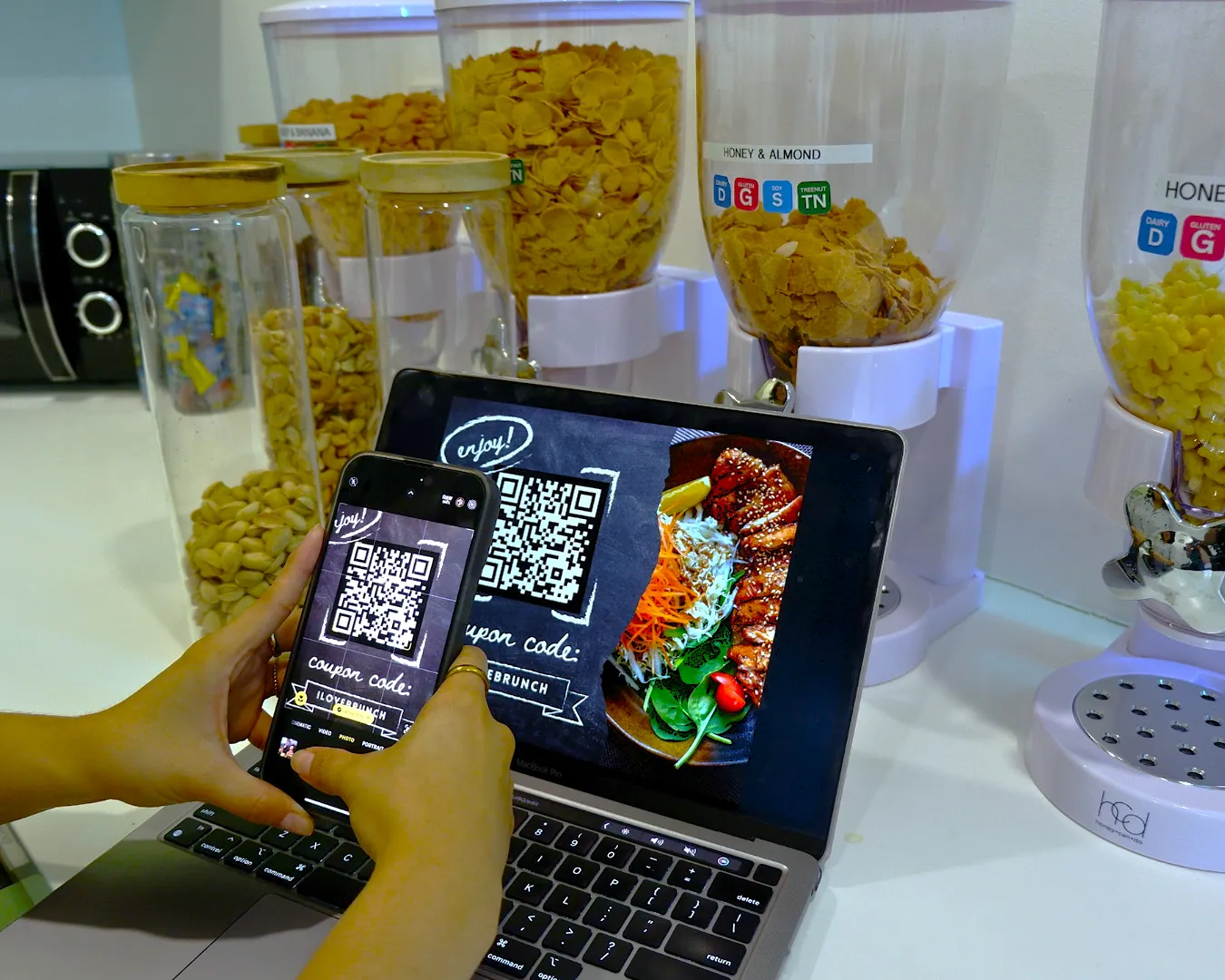
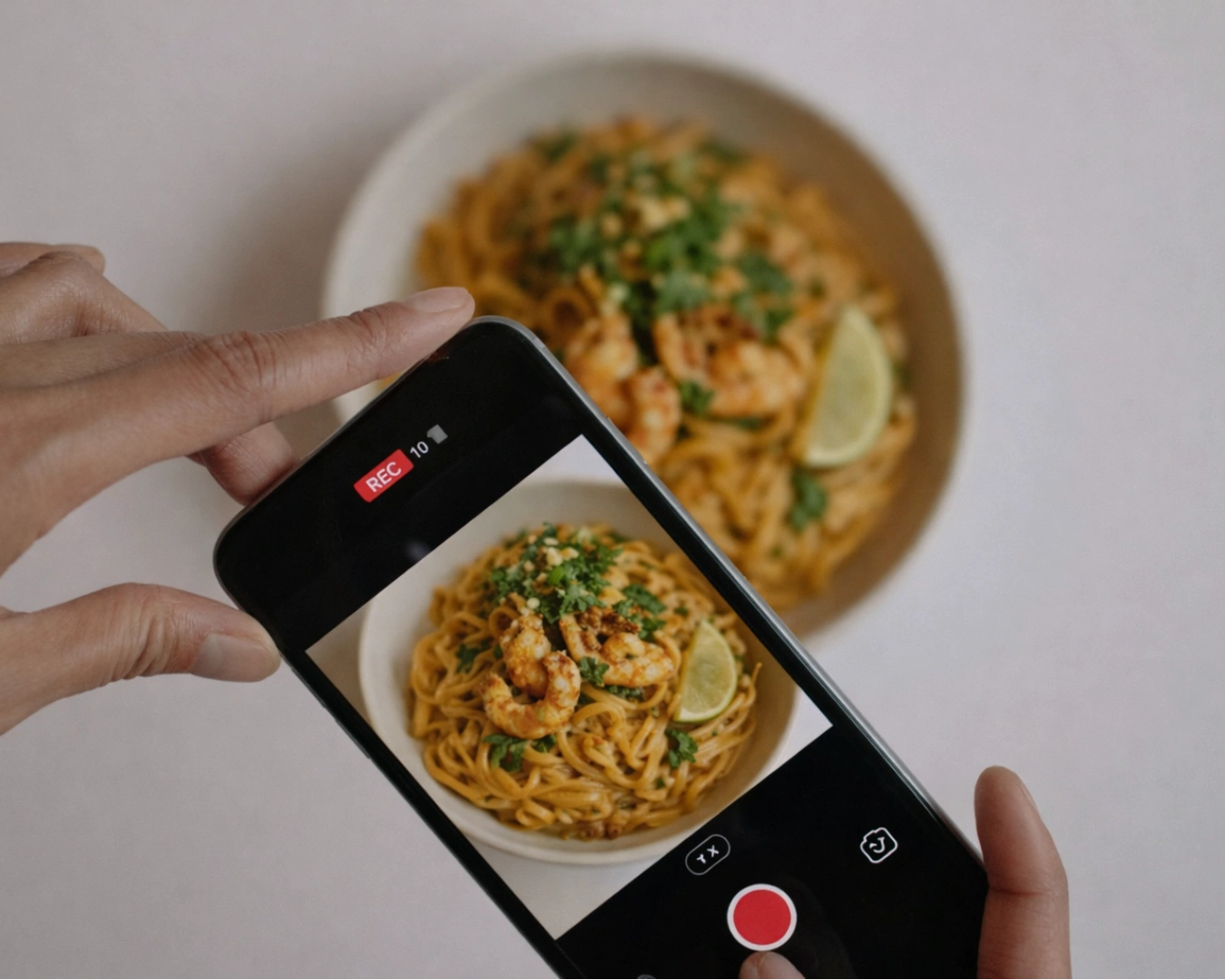
You are standing in your dining room during the 3:00 PM lull. You watch a customer take a photo of their Laksa Pasta, wait thirty seconds to edit it, and post it to their Instagram Story. In those thirty seconds, that customer did more for your brand awareness than the $2,000 you spent on those static Facebook ads last month. If your own digital presence feels frozen in time while your customers are moving in 4K, you have a conversion problem, not a creative one.
The Logic of Movement
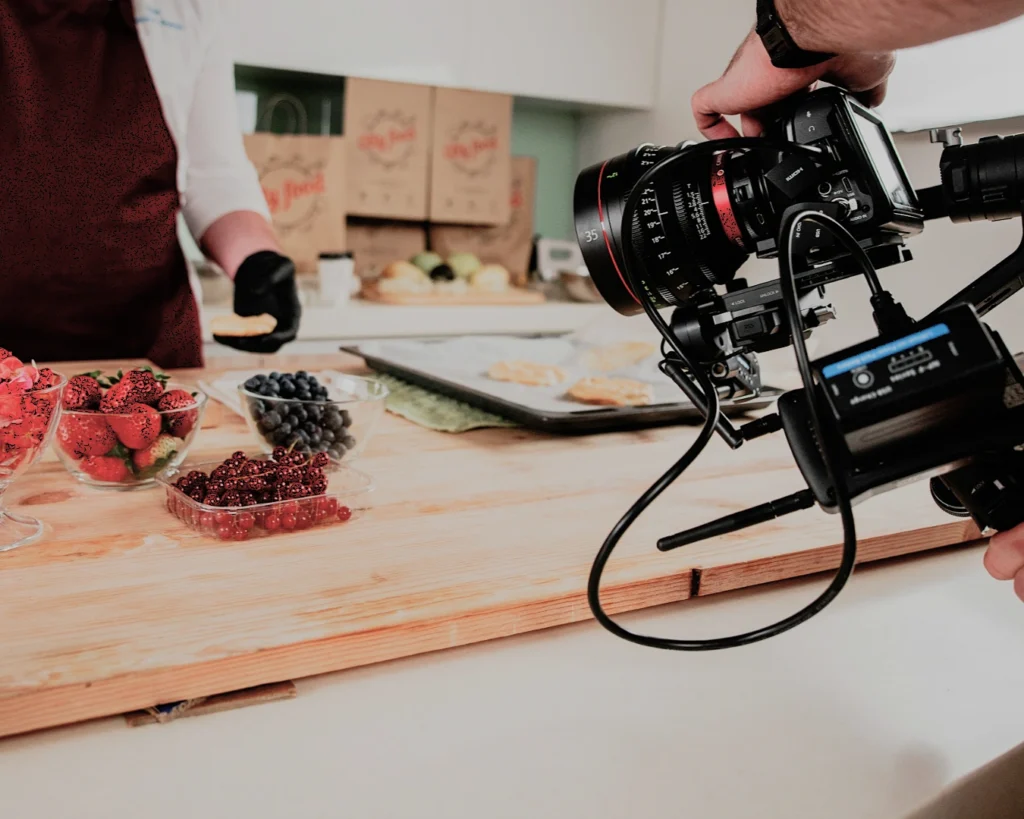
Most owners treat video content for restaurants as a vanity project. They hire a production crew for a one-day shoot, spend a fortune on slow-motion shots of pouring wine, and post it once. This is a mistake. In the Singapore market, frequency beats high production value every time.
Video is not about being cinematic. It is about reducing the friction between a stranger seeing your shop and that same person making a reservation. Static photos tell people what you sell. Video tells them what it feels like to sit at your table. It captures the steam from a claypot, the sound of a cocktail shaker, and the pace of your service. These sensory cues trigger hunger and intent far more effectively than a filtered JPEG.
Focus on the "Unpolished"
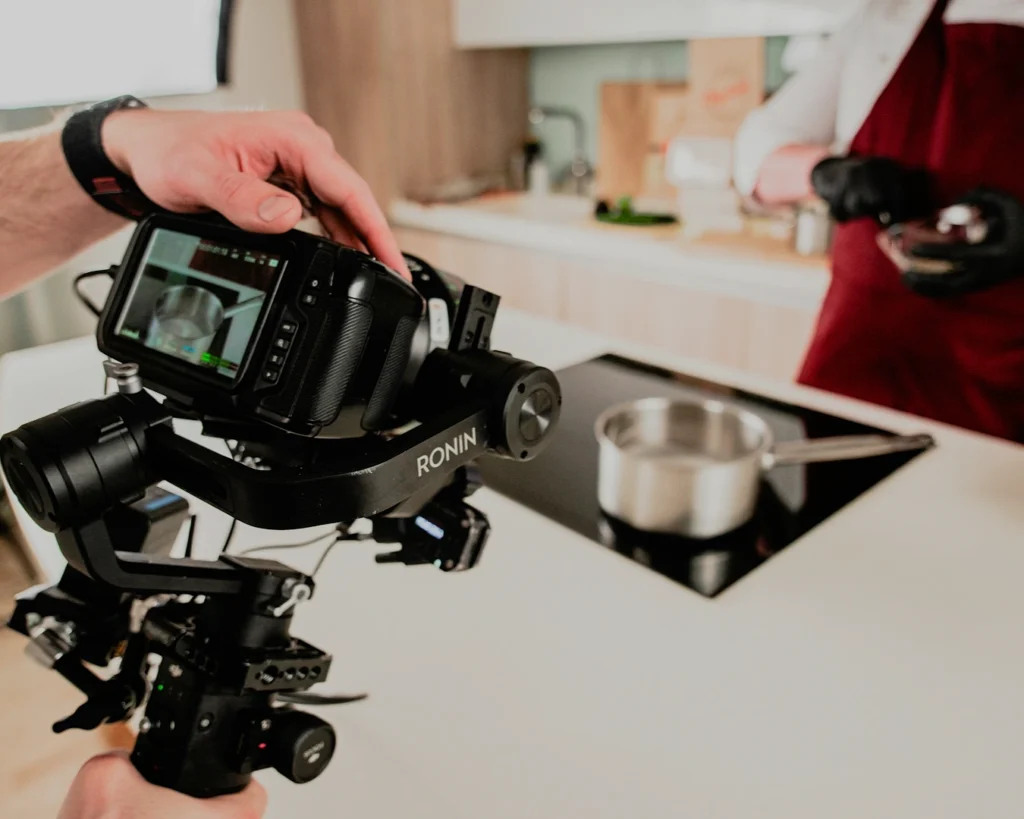
Execution in a busy kitchen does not leave room for film sets. The most effective short-form video marketing today looks like it was filmed by a human, not a corporation.
Stop trying to hide the “behind-the-scenes” reality. Singaporean diners value authenticity. A ten-second clip of your chef hand-folding dumplings or the morning delivery of fresh seafood creates a narrative of quality. It shows the work. When people see the work, they stop questioning the price.
The Three Pillars of F&B Video
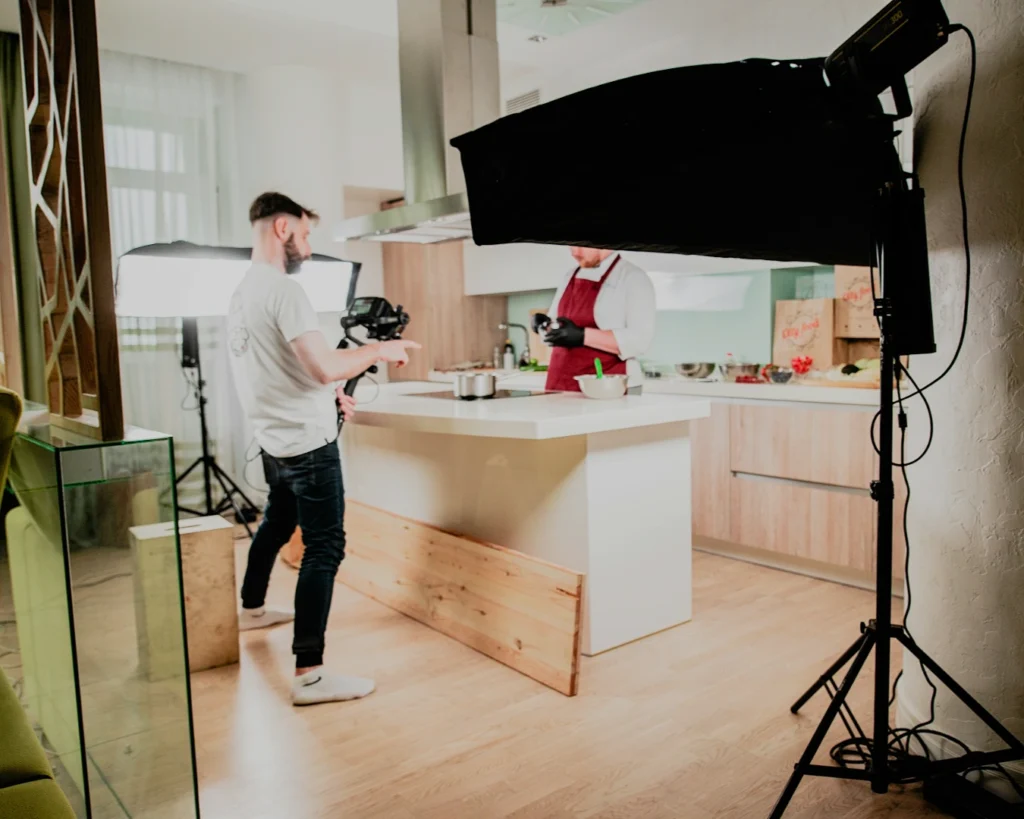
To make video content for restaurants work without burning out your staff, follow three simple rules:
- The Three-Second Hook: Do not start with your logo. Start with the “money shot”—the cheese pull, the first slice into a steak, or the sizzle of the wok. You have less than three seconds to stop the thumb from scrolling.
- The Narrative of Effort: Use your F&B social media strategy to highlight your USP. If you pride yourself on a 48-hour broth, show the pot at hour one and hour forty-eight. Documenting the process builds perceived value.
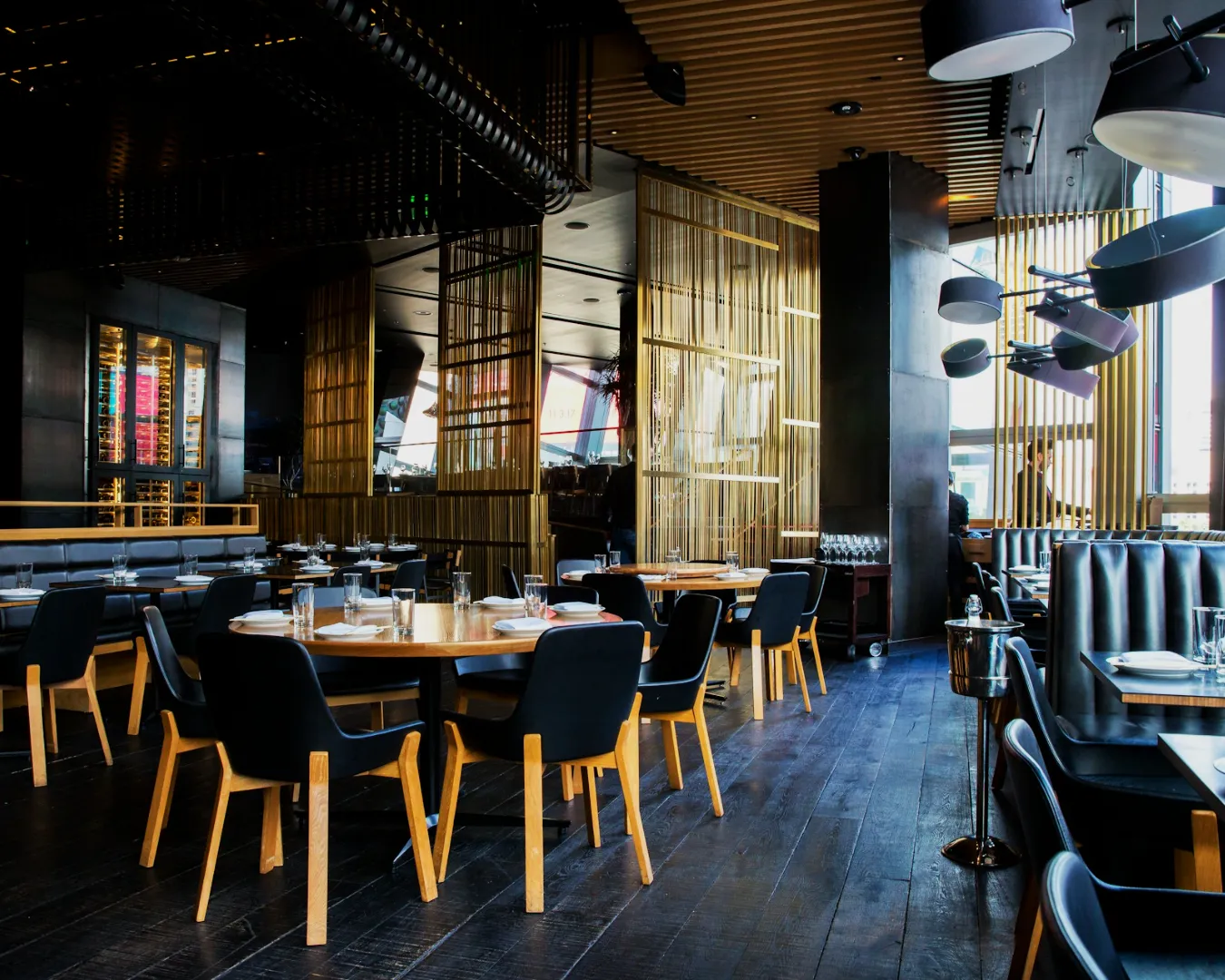
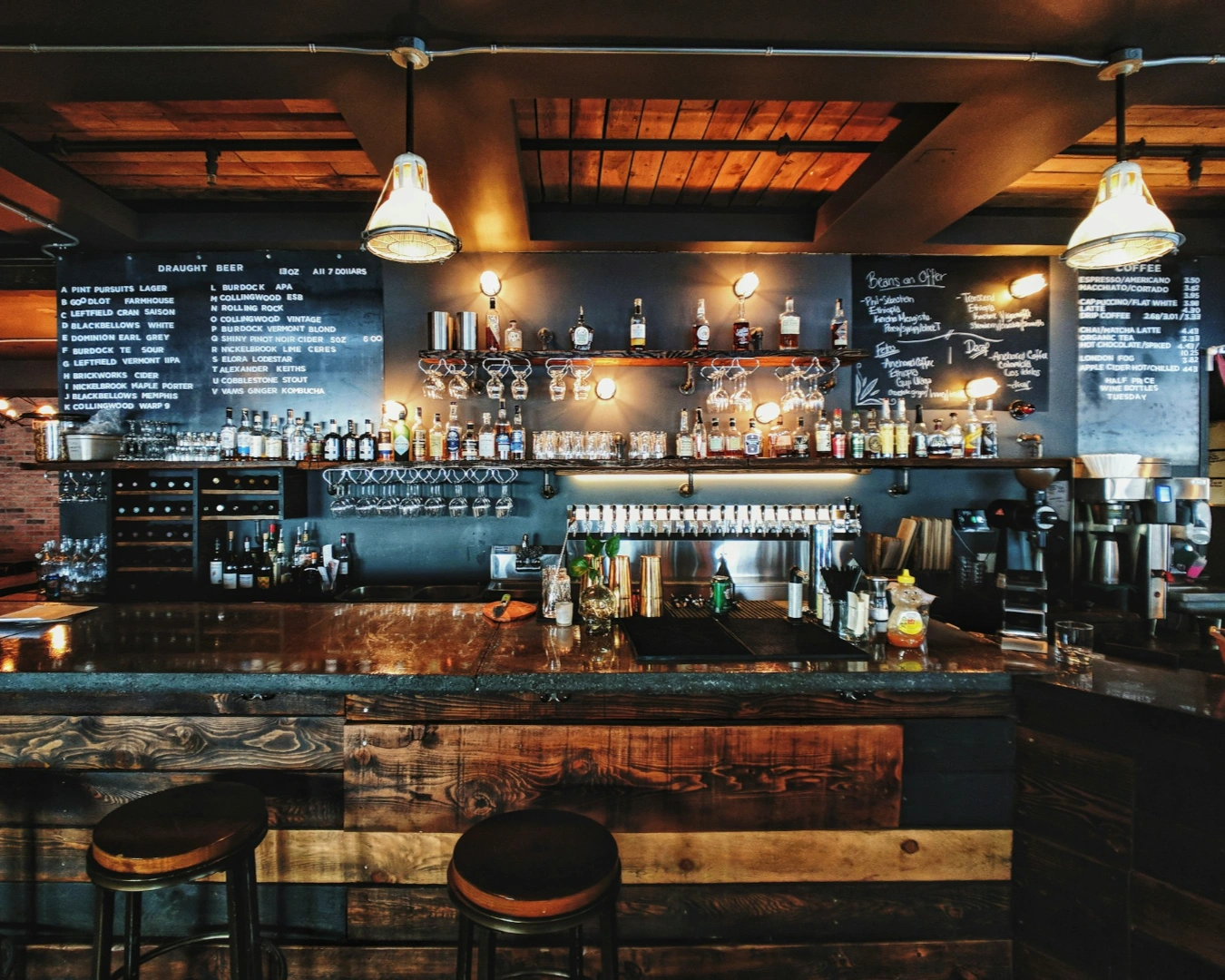
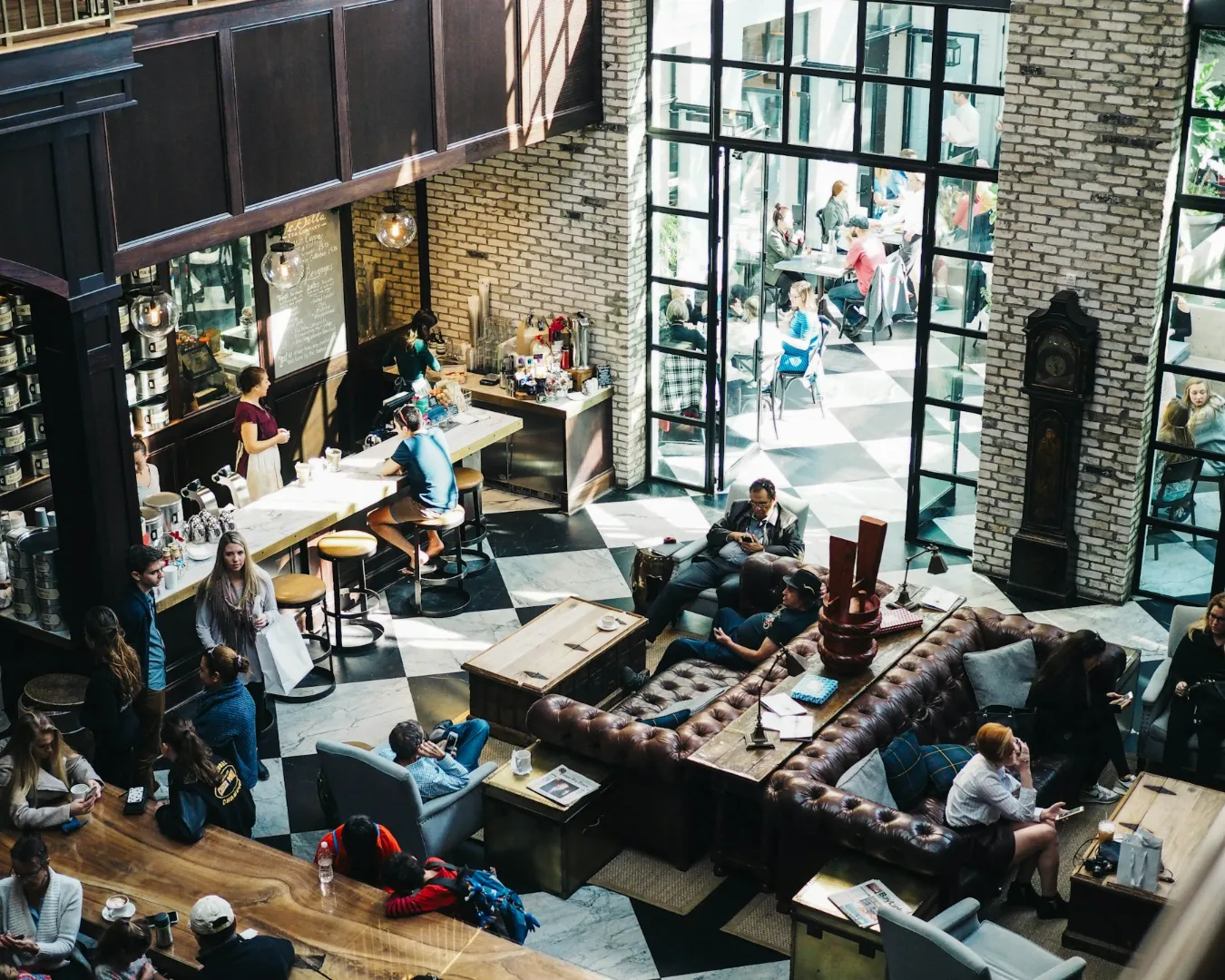
- The Environmental Scan: People do not just eat food; they eat in spaces. Pan your camera across the dining room during a busy Friday night. Show the vibe. People want to go where other people are.
Operational Reality
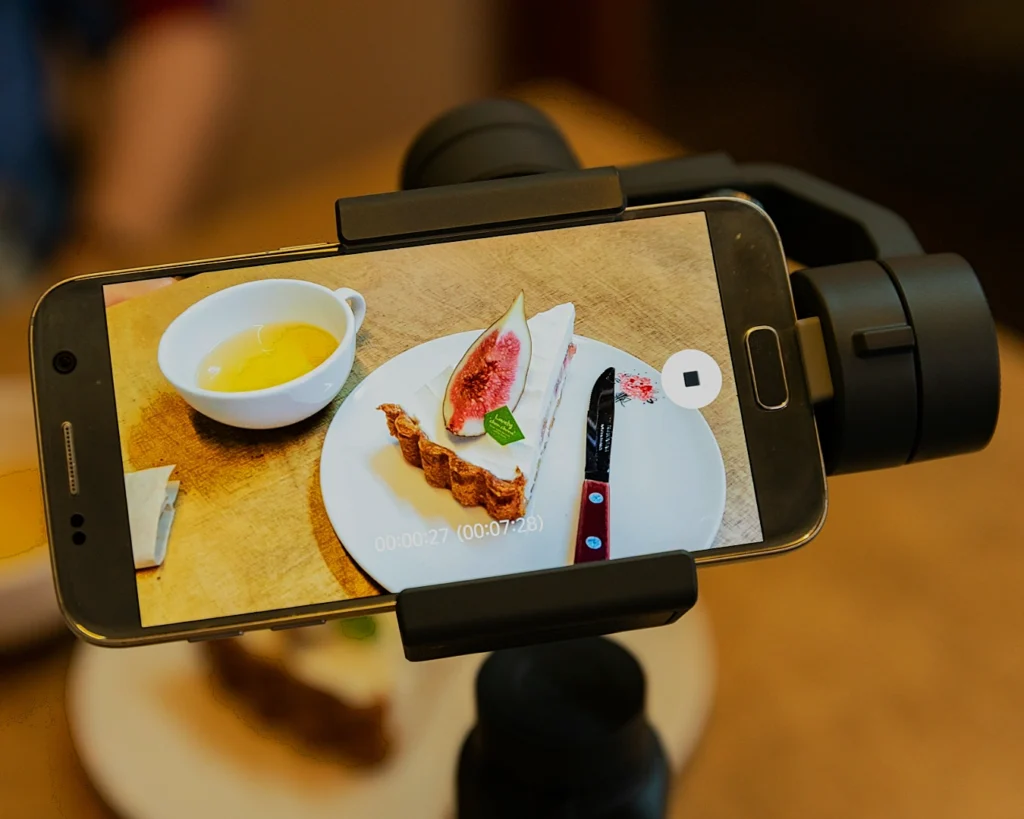
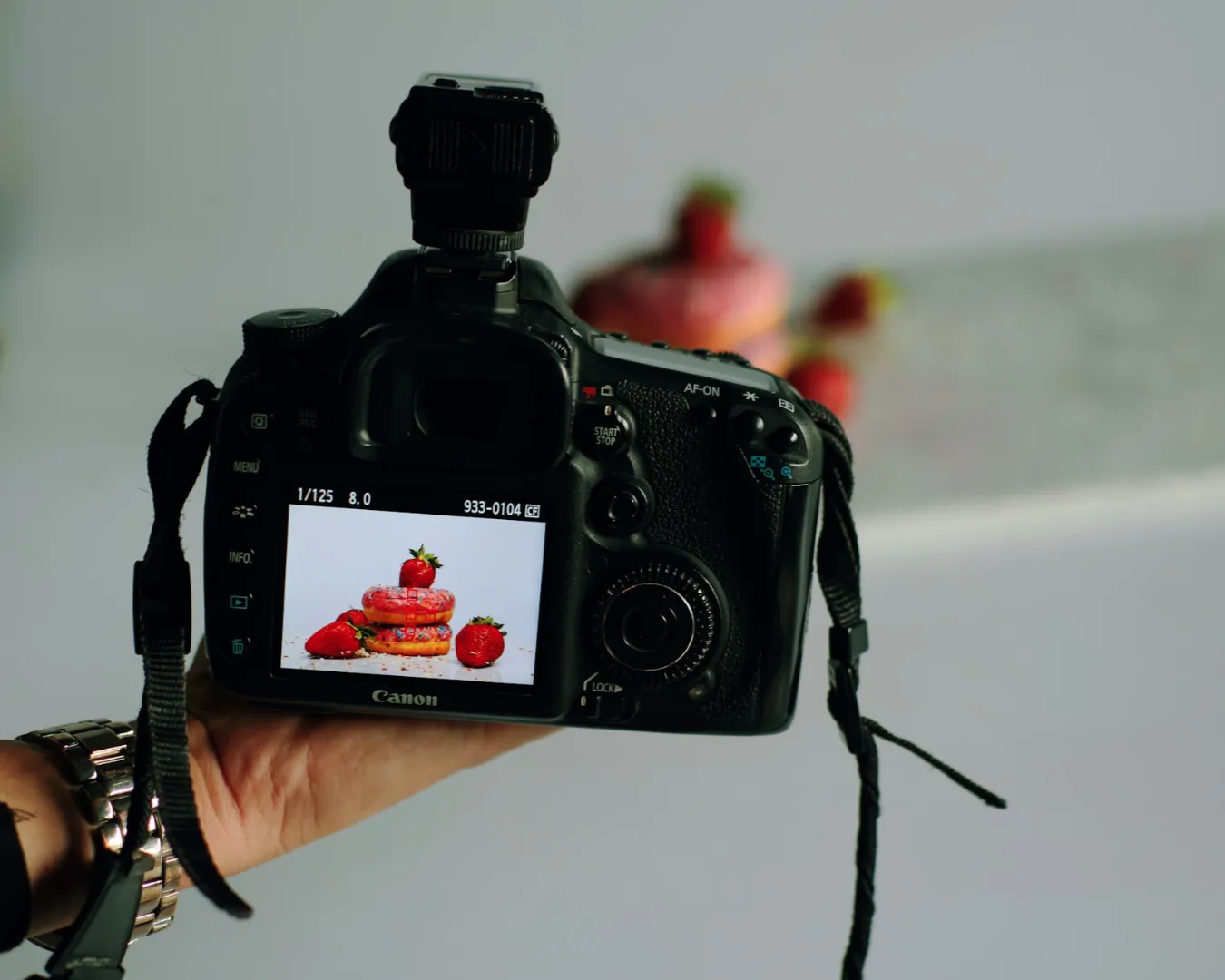
You do not need a cinema camera. The smartphone in your pocket is sufficient. The goal is to build a library of “raw” assets. Dedicate twenty minutes twice a week to capturing vertical clips. Store them. When you need to post, you have a buffet of content ready to go.
This approach keeps your brand top-of-mind without requiring you to become a full-time content creator. It is about consistent, low-effort output that yields high-impact trust.
The Transition
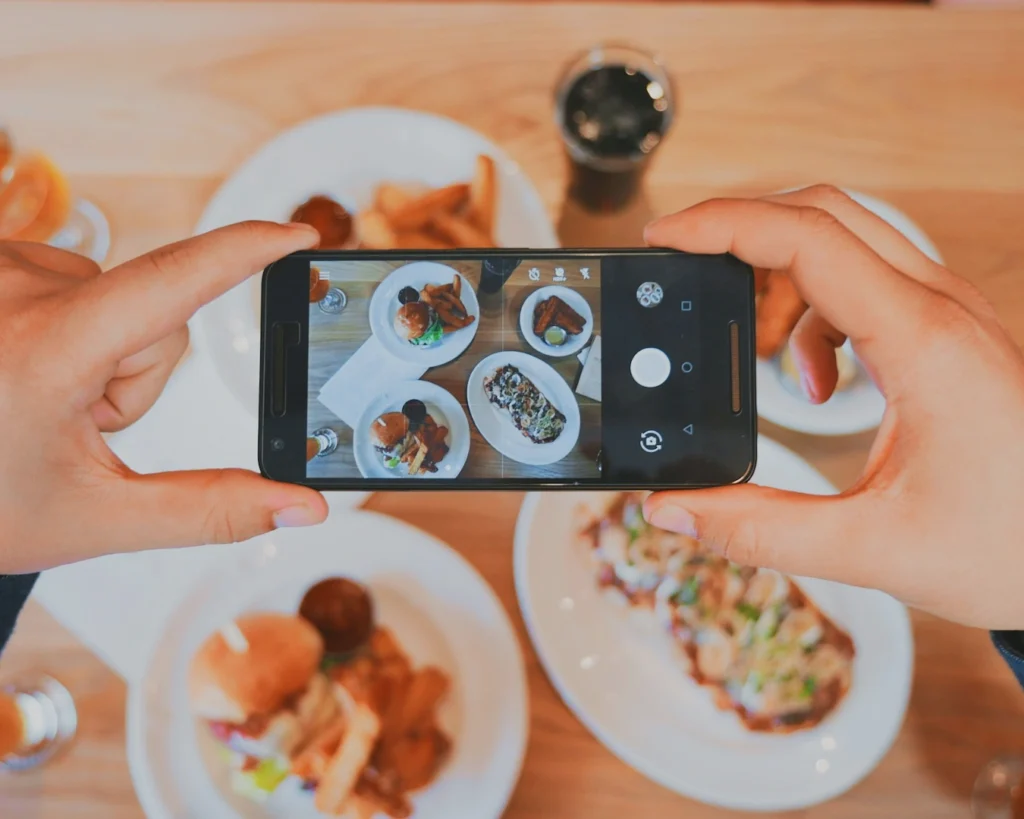
Investing in video is no longer an optional upgrade for Singaporean eateries. It is the baseline for digital relevance. As attention spans shrink, the ability to communicate your brand’s soul in a few seconds becomes your greatest competitive advantage. Start small, stay consistent, and let the lens show what your kitchen can do.
If you’re unsure where your current digital presence stands, or how to begin, visit us at https://ateliercreations.com.sg/. We can help you look at your social media feed through the eyes of a first-time customer. If you cannot feel the heat of the kitchen or the atmosphere of the room, it is time to hit record.