
If you stopped spending on Meta and Google ads tomorrow, would your dining room be empty by Friday? If the answer is yes, you don’t have a brand, you have a subscription to a platform that owns your customers. Most restaurant owners are trapped in this ad-spend cycle, paying a high tax for every seat filled. The debate of content vs. ads is often framed as a choice, but building a strong restaurant brand is actually a matter of sequence.
The Ad Spend Trap
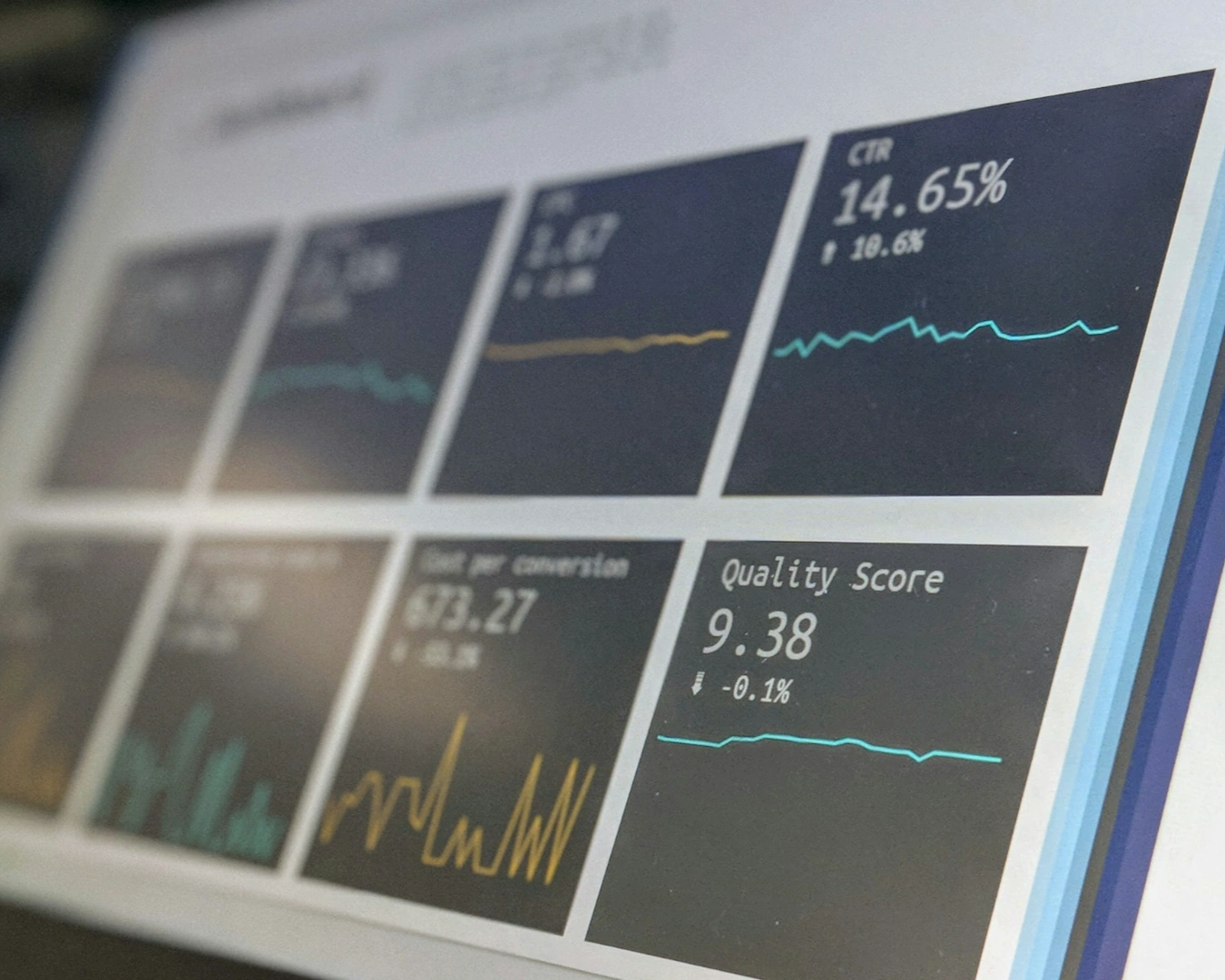
You see a competitor’s sponsored post and feel the itch to match it. You set a budget, pick a Learn More button, and wait for the dashboard to show clicks. This is the “Fly on the Wall” moment every Singaporean owner knows: staring at a Spend vs. Revenue report while wondering why the return on ad spend keeps dropping.
Advertising is a sprint. It buys you a temporary surge in eyeballs. However, if that ad leads a diner to a hollow Instagram page or a cluttered website, you are burning money. High customer acquisition costs in the F&B sector are often the result of poor foundational content. You are inviting people to a party before you have finished setting the table.
Content as Capital

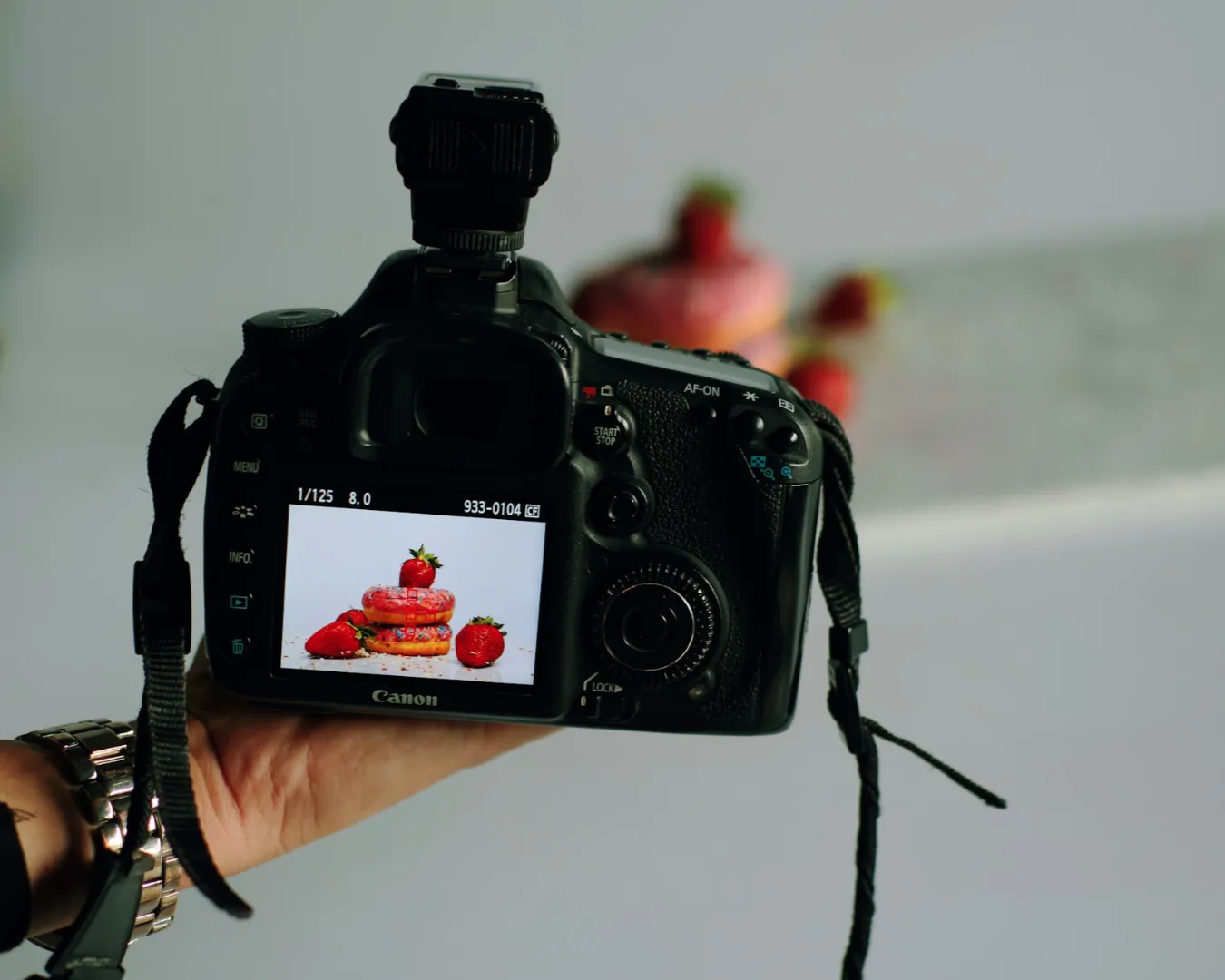
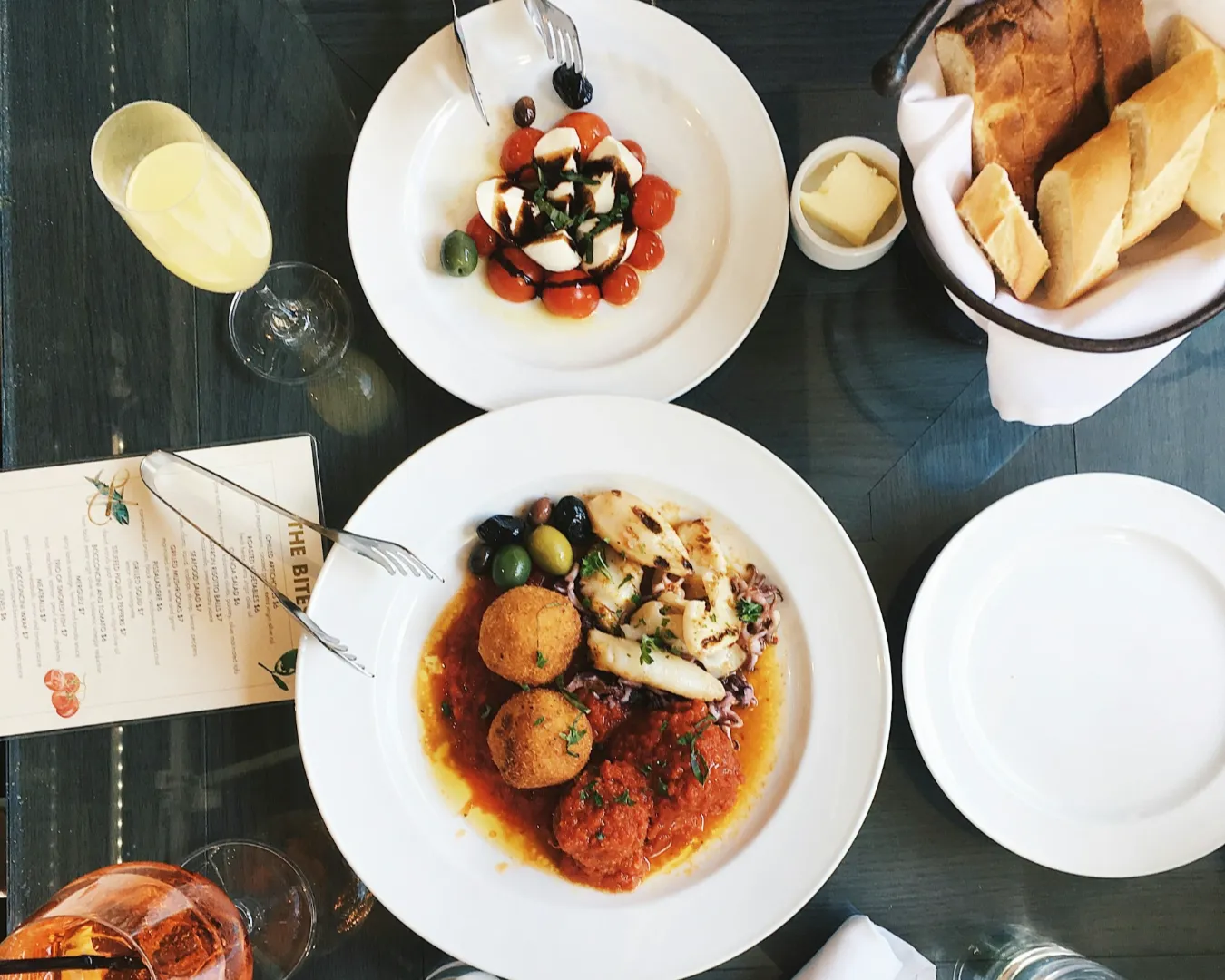
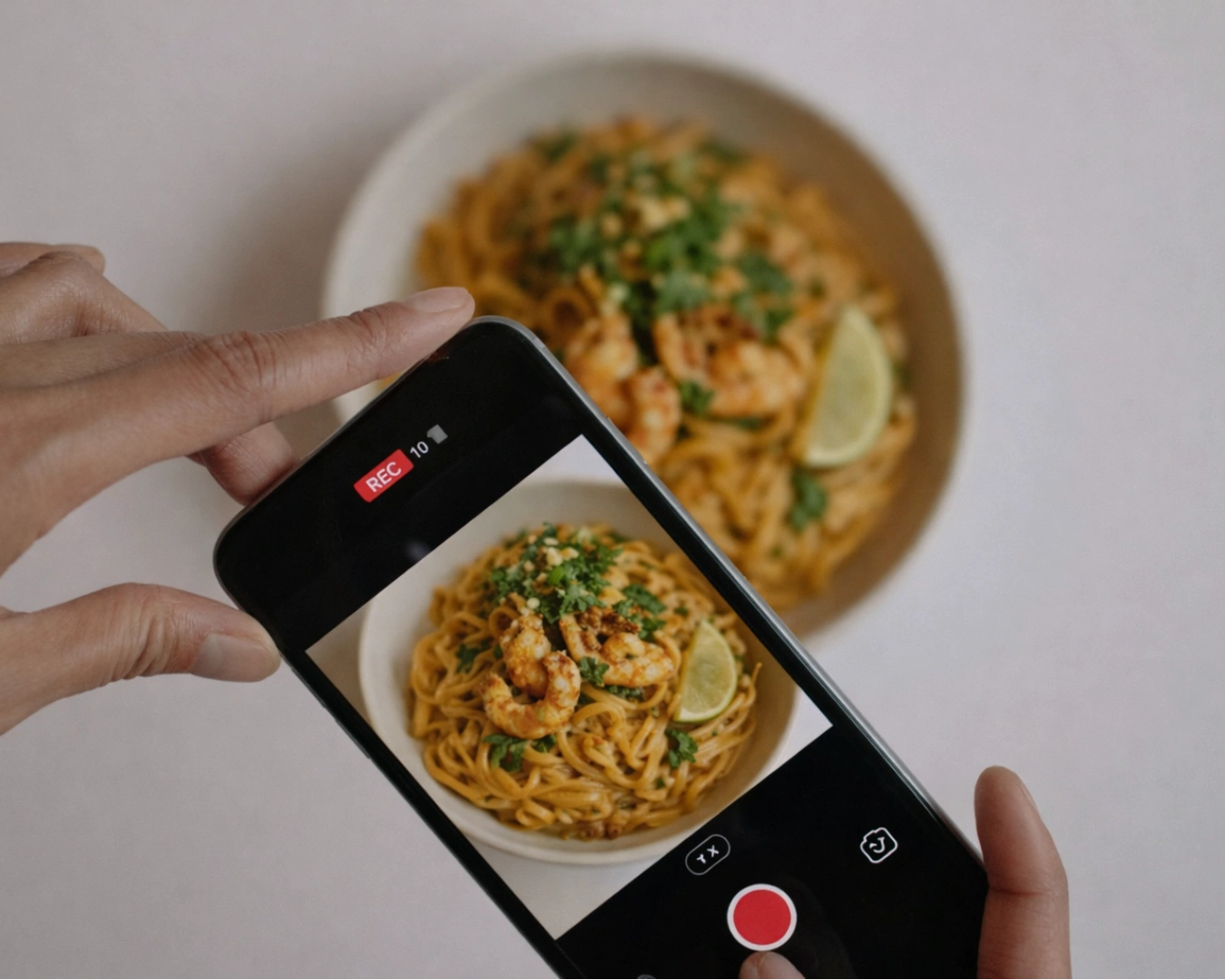
Content is not about “going viral.” For a busy restaurant, content is documented operational excellence. It is the high-definition video of the fat rendering on your signature steak. It is the behind-the-scenes clip of your head chef checking the morning market produce.
In the framework of content vs ads restaurant strategy, content is the asset that builds equity. Once it is filmed and posted, it works for you forever. It educates your audience on why your price point is higher than the bistro across the street. While ads demand more money to maintain results, good content creates a compounding effect. It builds a library of proof that makes your future ads actually work.
Finding the Balance

We advise a 70/30 split for established concepts. Seventy percent of your energy should go into creating high-quality, native content that tells the truth about your food and service. Use the remaining thirty percent for targeted advertising to push specific events, holiday menus, or new launches.
Think of content as your engine and ads as the fuel. A large tank of fuel is useless if the engine is broken. When your organic social media ROI is healthy, your ads become significantly cheaper because your engagement is already high. Platforms reward content that people actually want to watch. If your organic posts are boring, your paid ads will be expensive.
The Cost of Friction
In Singapore, the “discovery” phase happens on a phone. A diner sees an ad, clicks through to your profile, and makes a judgment in under three seconds. If they see a grid of grainy photos and inconsistent messaging, they bounce.
This is where digital marketing for restaurants in Singapore fails most often. Owners treat ads as a fix for a branding problem. Ads only amplify what is already there. If your content is sharp, your ads work. If your content is lazy, your ads are just a donation to a tech giant.
Investing in the Long Game
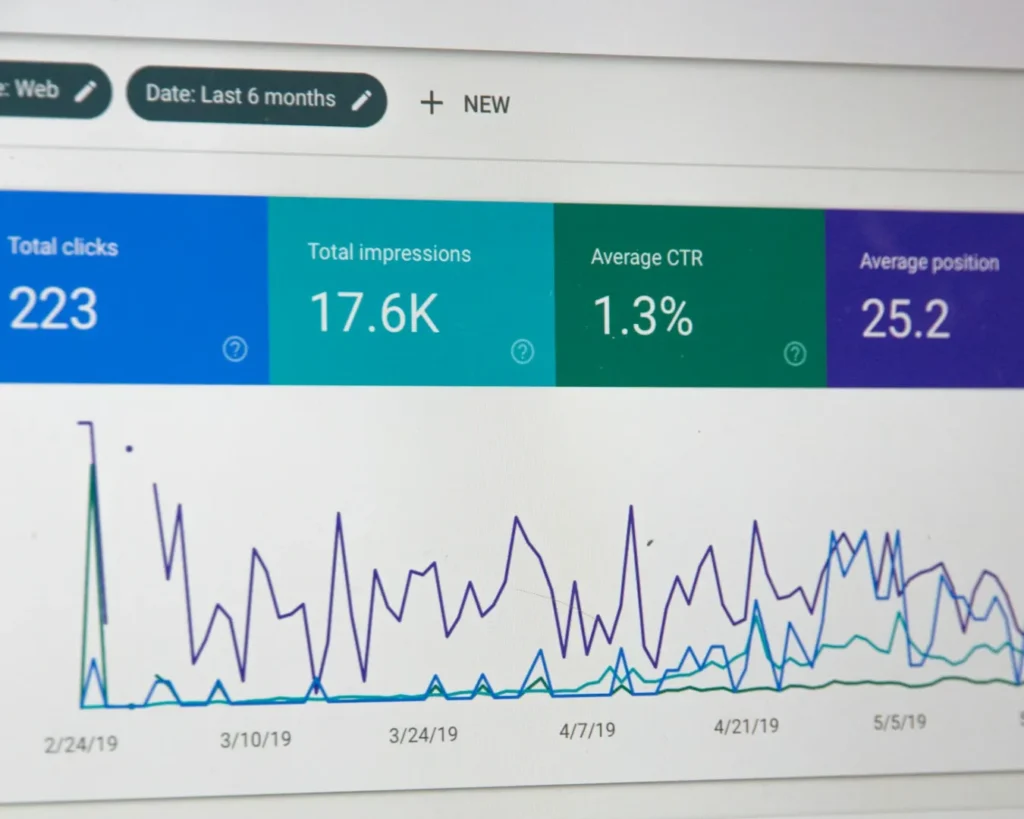
Spending on ads feels productive because there is a receipt. Spending on content feels like a chore because the results are not always immediate. However, the most resilient restaurants in this city are the ones that people search for by name, not the ones that pop up because of a keyword bid.
We should take a cold look at your current digital output. Usually, the biggest win is not a larger ad budget but a better story. We can help you audit where your focus lies and ensure your spend is building an asset, not just a temporary buzz.