
If you give a creative agency total freedom, you are likely to get a project that looks beautiful but fails to fill seats. Most owners believe that a lack of “creative flair” is what holds their brand back. In reality, the most successful brands are built on rigid constraints and boring operational data.
Efficiency when working with creative agencies restaurants depend on is not about having the best eye for design, it is about having the clearest understanding of your own unit economics. If you do not know who your most profitable customer is, an agency cannot find more of them for you. They will simply guess. Guessing is expensive.
The Myth of the "Clean Slate"
Many owners approach us wanting a complete overhaul without defining what actually works. They want a “new look” because they are bored of the old one. Boredom is a poor reason to spend money.
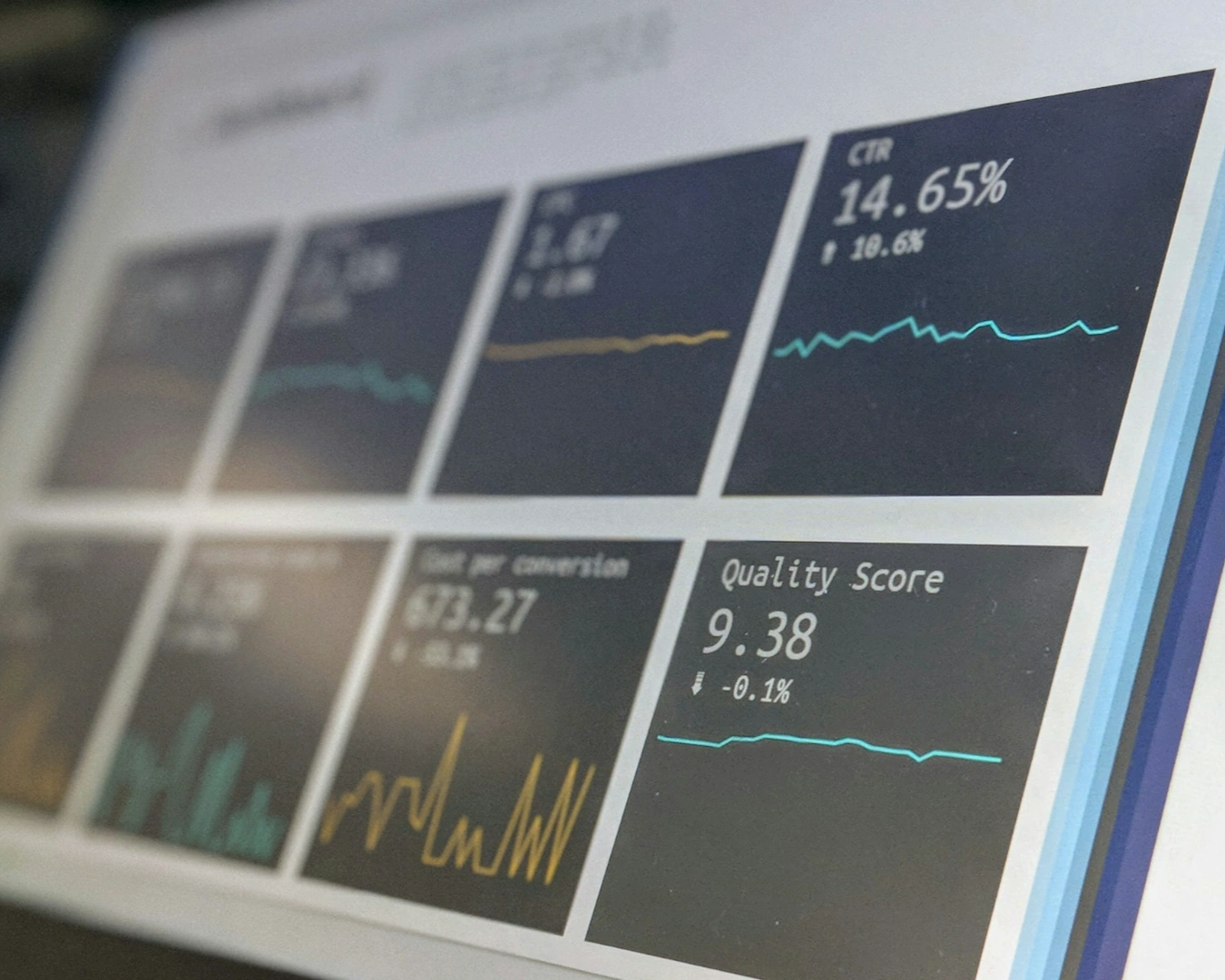
Before you start working with creative agencies, restaurants should audit their current performance. An agency needs to know which menu items have the highest margin. They need to know which shift is your weakest. They need to know if your staff can actually execute the brand promise being made in the marketing. If the kitchen cannot plate a dish in under ten minutes, a high-end photography campaign will only lead to disappointed customers and bad reviews.
The Brief is a Business Document

Creative work is an investment. Like any investment, it requires a clear objective. A common mistake is providing a brief that focuses on aesthetics rather than outcomes. “I want it to look modern” is not a brief. “I need to increase my weekday lunch capture from the surrounding offices by 15 percent” is a brief.
When you provide specific business goals, the agency can work backward to find the right visual solution. This clarity reduces the number of revisions. It keeps the project on timeline. Most importantly, it ensures that every dollar spent on design is working toward a measurable increase in your bottom line. This is the core of a productive restaurant marketing agency collaboration.
Operational Reality vs. Marketing Fantasy
Agencies often live in a vacuum. They do not see the 6 PM rush or the broken glass in the pot-wash area. It is your job to keep them grounded in your operational reality.
If your brand strategy requires every server to explain the origin of your coffee beans, but your staff turnover is 40 percent, that strategy will fail. A good agency needs you to be honest about your limitations. A simple, well-executed brand is always better than a complex, poorly-managed one. Tell your agency what your team is capable of doing consistently. This honesty is the secret to high creative ROI for restaurants.
Feedback Without Emotion

When the first drafts arrive, stop looking for what you “like.” Your personal taste is irrelevant. The only thing that matters is what your target customer needs to see to make a booking.
Shift your feedback from “I don’t like this blue” to “Will this blue appeal to the corporate crowd we are targeting for private events?” This objective approach removes the friction from the creative process. It keeps the focus on the business objective. It allows the agency to be a partner rather than a vendor.
The Path Forward

Good work doesn’t happen by accident. It is the result of a disciplined owner and a focused agency working toward a shared, realistic goal. This collaborative process starts with selecting the right partner, a topic we explore further in our article on Choosing a Restaurant Marketing Agency in Singapore: What to Look For. Once you have the right team in place, providing clear data and constraints will allow creativity to flourish and address business needs effectively.