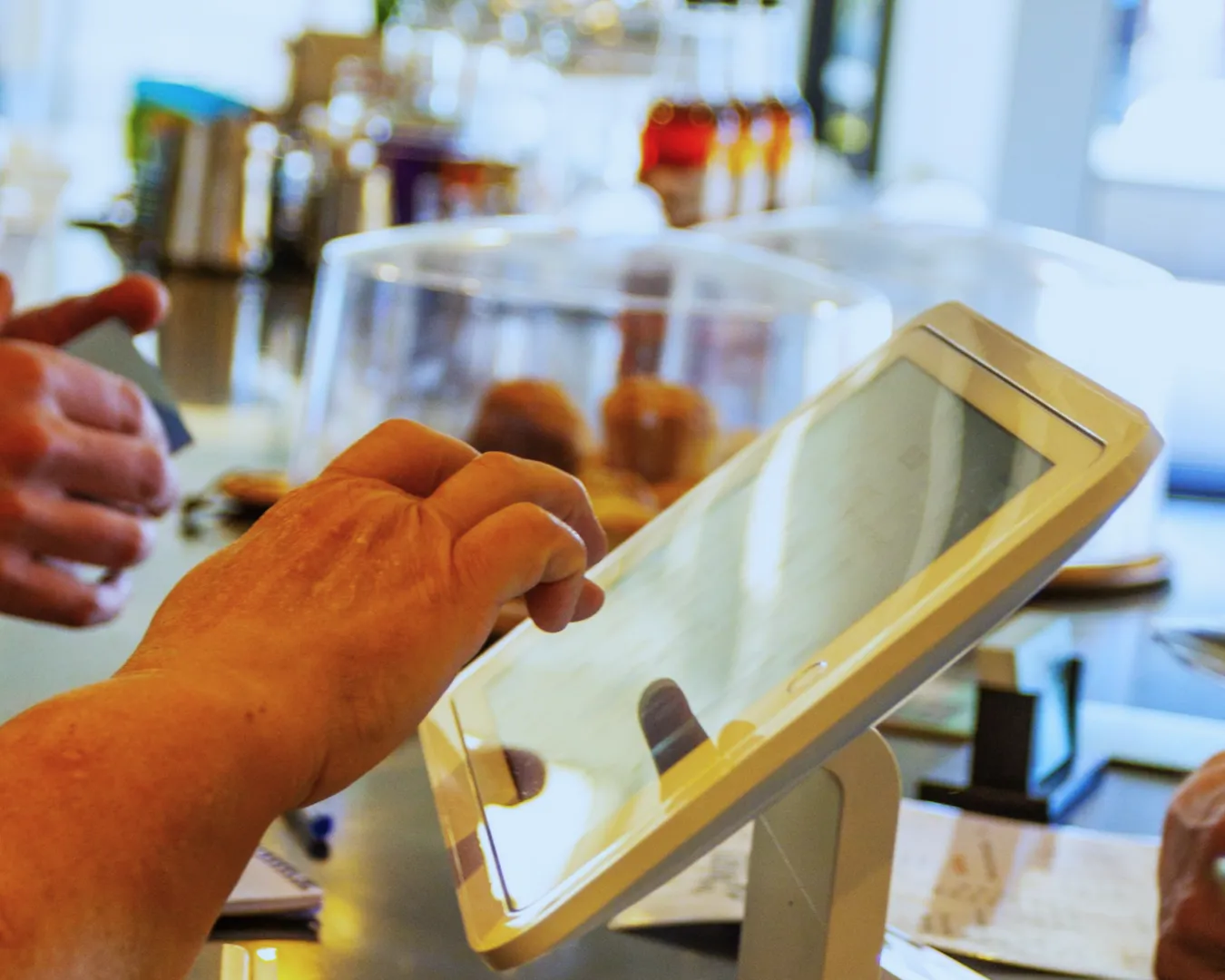
You are likely looking at your tablet stand right now and seeing four different screens, each with a different interface, all demanding your attention at the same time.
Many owners believe that being present on every available delivery and social platform is the only way to capture market share. They treat digital expansion like a land grab. In reality, spreading your brand thin across every channel often results in operational friction that erodes your margins and dilutes your service quality.
The Myth of Universal Presence
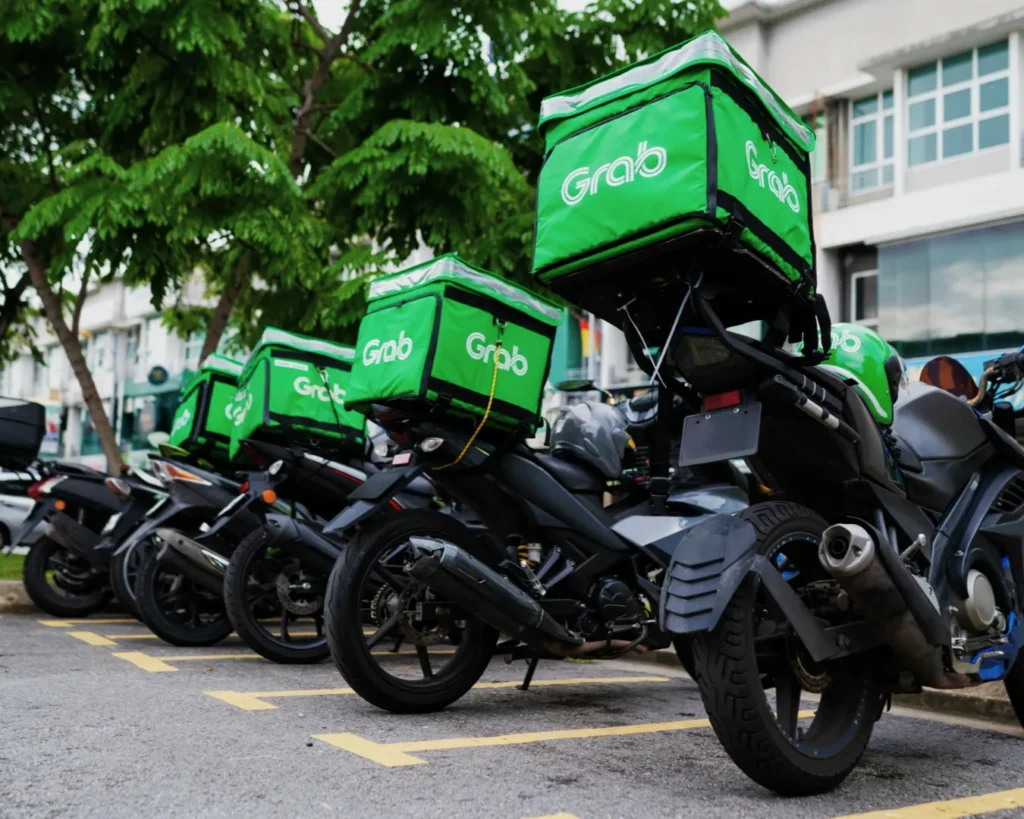
The logic seems sound: more platforms mean more eyeballs. However, managing multiple platforms restaurant owners often find that the cost of entry is not just the commission fee. It is the mental load on your floor staff and the inevitable errors in order fulfillment. When your kitchen has to juggle GrabFood, Foodpanda, Oddle, and walk-in customers simultaneously, the first thing to suffer is consistency.
A brand is not what you say on Instagram. It is the temperature of the food when it reaches the customer and the accuracy of the order. If your digital strategy complicates your physical execution, the platform is a liability, not an asset.
Audit Before You Add
Before adding another channel to your workflow, perform a brutal audit of your current operations. Most Singaporean F&B outlets operate with lean teams. Every new platform adds a layer of complexity to your POS integration and inventory management.
- Platform Alignment: Does the platform audience match your price point? High-end concepts often struggle on discount-heavy aggregators.
- Operational Bandwidth: Can your kitchen handle a 20% surge in volume during peak hours without crashing?
- Data Control: Are you owning the customer relationship, or are you just a ghost kitchen for a third-party tech company?
Efficiency is found in depth, not breadth. It is far more profitable to master two platforms where you can maintain a 4.8-star rating than to be mediocre on five.
The Centralized Approach
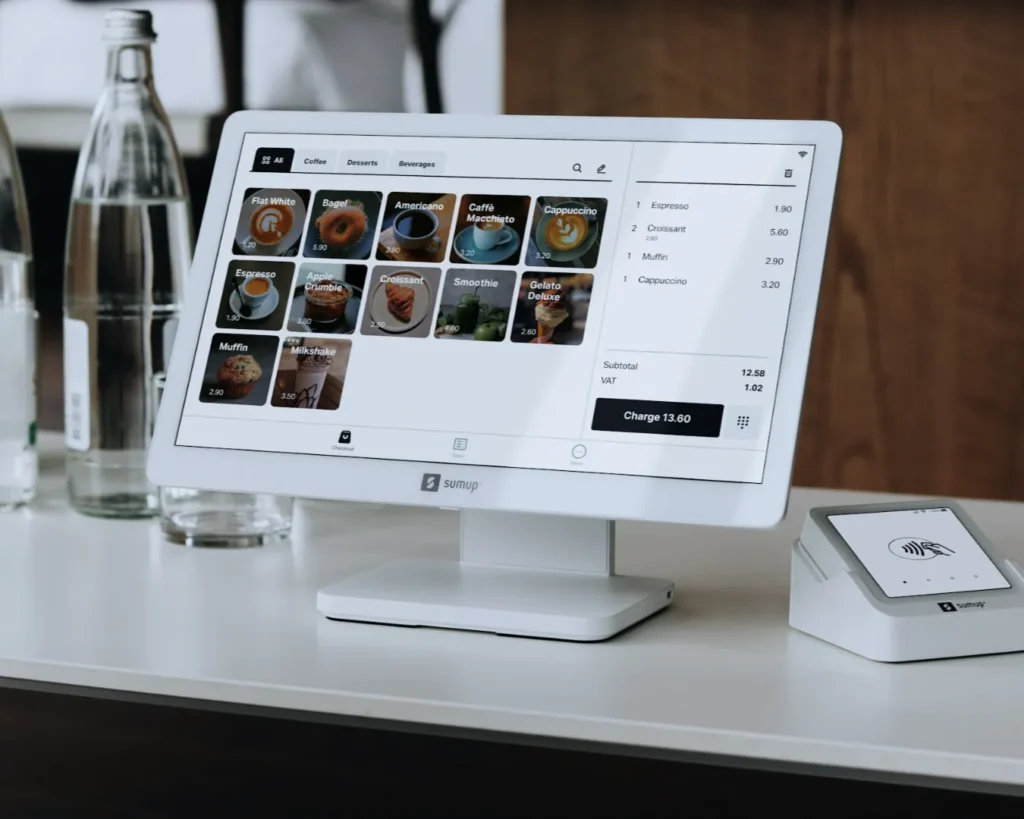
The solution is not to retreat from the digital world, but to centralize your command. Sophisticated operators move away from individual tablets and toward integrated aggregators that feed directly into a single POS system. This reduces the margin for human error and ensures your inventory levels remain accurate in real time.
When you treat digital platforms as extensions of your dining room rather than separate businesses, your workflow becomes predictable. You stop reacting to pings and start managing a cohesive system. This shift allows your staff to focus on the food rather than the hardware.
Protect Your Core Identity
Your digital presence should be a mirror of your physical shop. If your in-house experience is about intimacy and craft, a cluttered, discount-driven digital menu on a delivery app creates a disconnect.
Select platforms that allow you to control your narrative. If a platform forces you to compromise on your plating or your pricing structure to the point where the brand becomes unrecognizable, it is the wrong partner. Consistency across all touchpoints is what builds a sustainable business in Singapore.
A Quiet Assessment
The goal of managing multiple platforms restaurant operations is to create a seamless experience for both your team and your guests. If your current setup feels like a chaotic scramble every Friday night, it is time to reassess your digital footprint.
Take a moment this week to sit in your dining room during a peak period. Watch how your staff interacts with the devices. If the technology is causing more stress than sales, it’s time to simplify your stack. A brand audit, paired with a good restaurant website, can help identify which channels are driving genuine growth and which are simply creating noise. Let us help you find that clarity.