If you stopped spending every cent of your marketing budget on Meta and Google today, would your dining room be empty by next Tuesday? If the answer is yes, you do not have a brand. You have a subscription to an advertising platform. Most owners are trapped in a cycle of paying for the same customer over and over again. They believe that visibility must be purchased. They are wrong.
Effective digital marketing without ads restaurant owners can actually sustain is built on operational excellence and digital hygiene, not just a daily ad spend.
The High Cost of Cold Clicks
Many F&B businesses in Singapore treat advertising like a light switch. They flip it on when the house is quiet and wonder why the results are inconsistent. The problem is that paid traffic is cold traffic. It lacks the heat of a recommendation. When you rely solely on ads, you are competing on price or novelty. Neither of those builds a legacy.
To achieve digital marketing without ads restaurant results that stick, you must shift your focus from acquisition to resonance. You need to make your existing assets work harder for you.
Your Google Business Profile Is Your Front Door
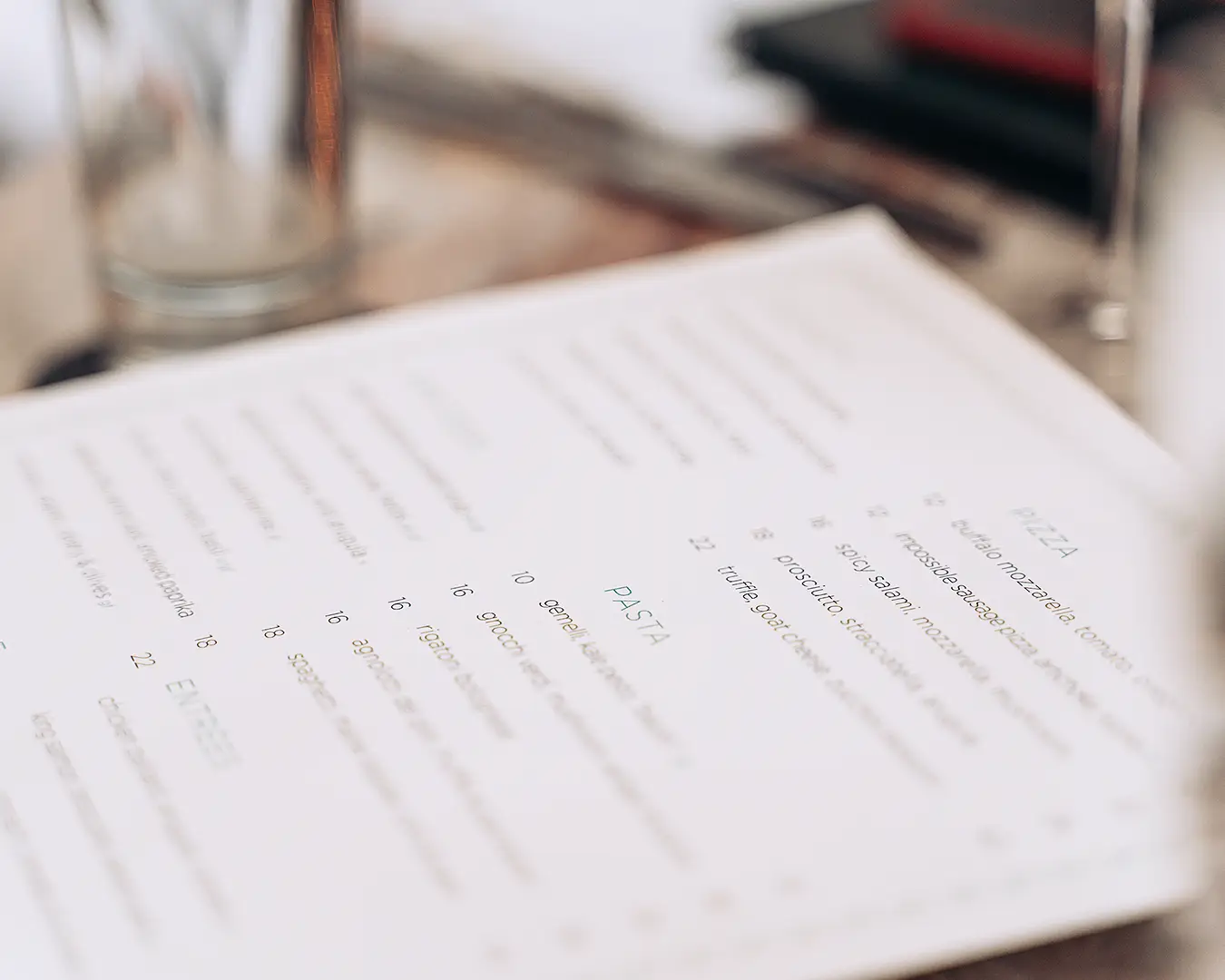
For most diners, their first interaction with you is not your interior design. It is your Google Business Profile. If your hours are wrong, your menu link is broken, or you haven’t replied to a review in three months, you are losing money.
Google rewards relevance and activity. Frequent, high-quality photo uploads from your team and your customers signal that your kitchen is alive. This is the foundation of local SEO for restaurants. It costs nothing but ten minutes of a manager’s time each week. It ensures that when someone nearby searches for your cuisine, you appear at the top without a “Sponsored” tag.
The Power of the "Micro-Moment"
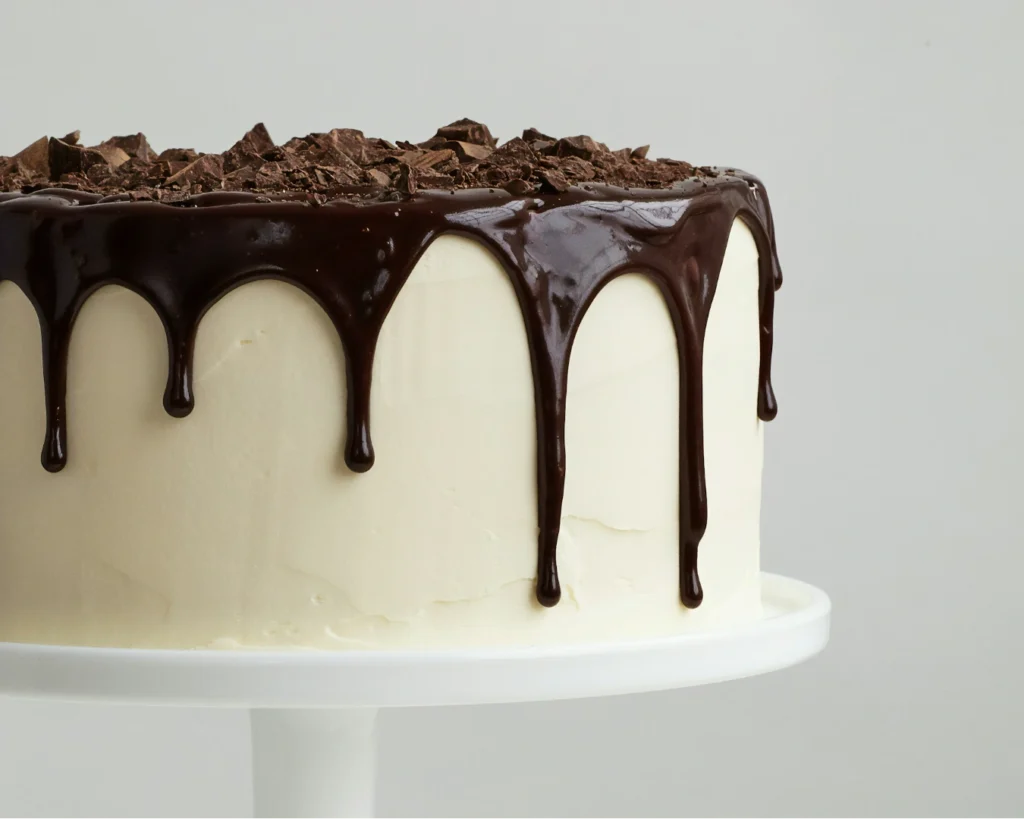
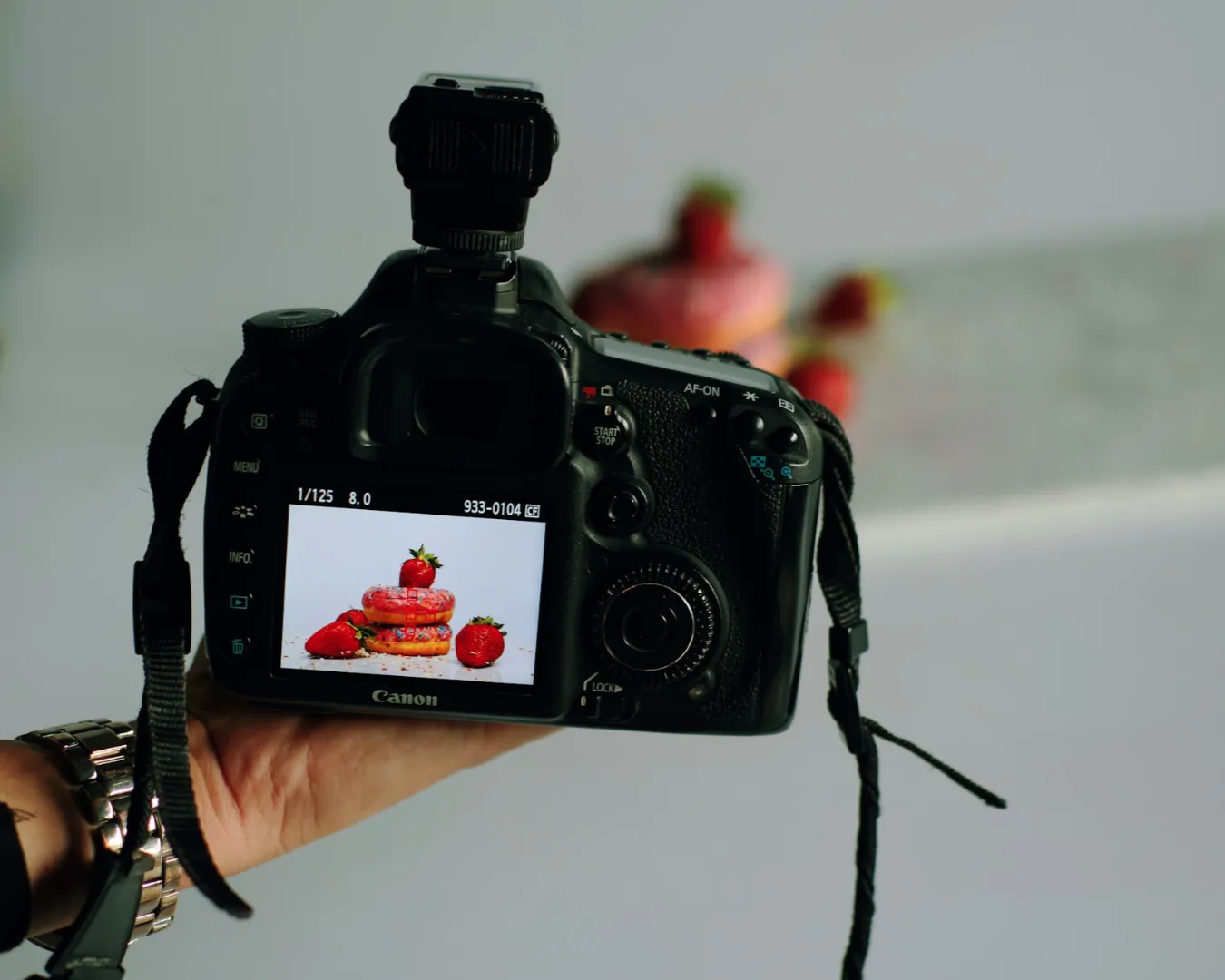
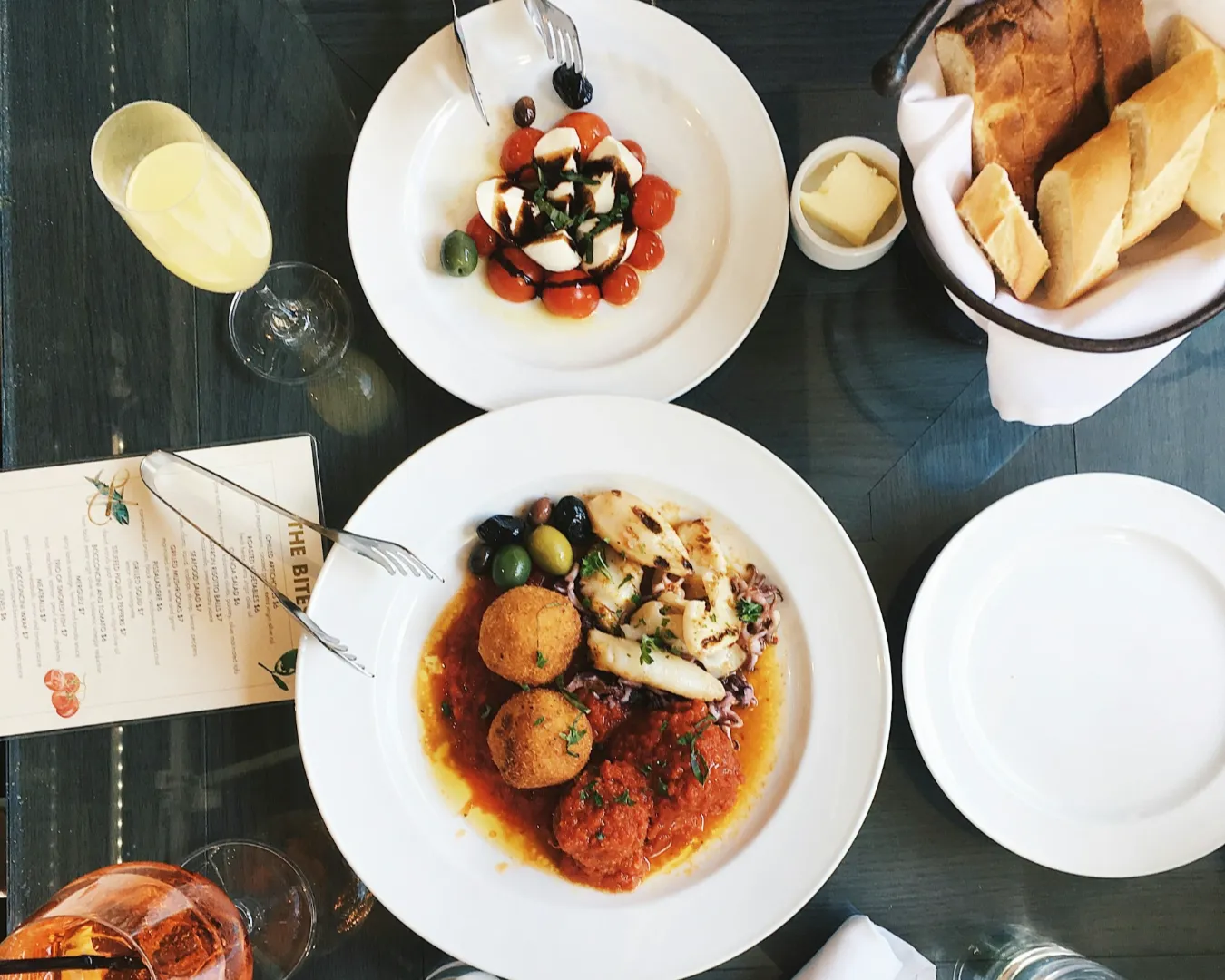
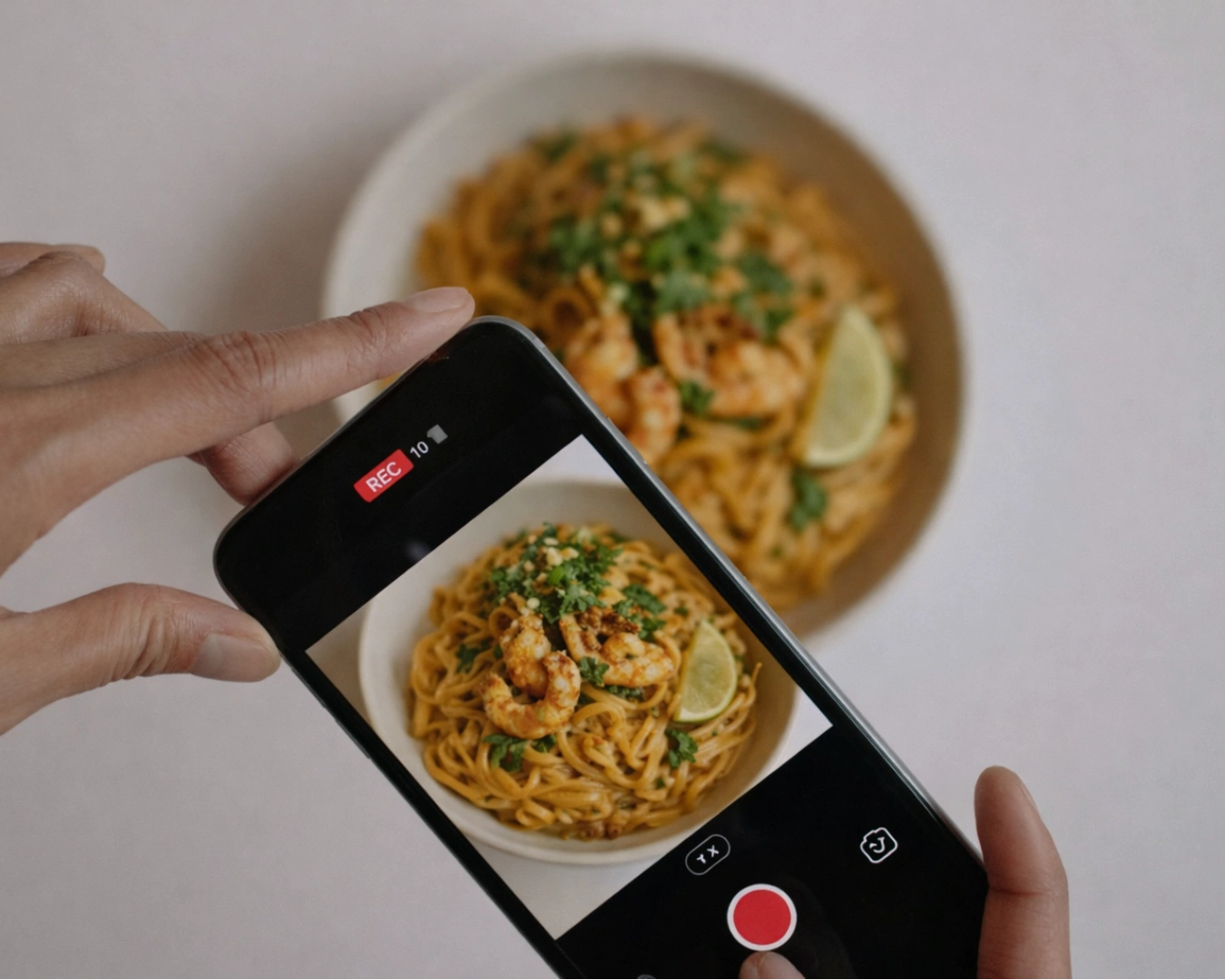
Social media has tricked us into thinking we need cinematic production. We don’t. A browser wants to know what the food looks like under your actual dining room lights. They want to see the texture of the sauce and the height of the cake.
Organic reach comes from being useful. Post your daily specials. Post a video of the prep work. Show the face of the person making the coffee. These small, authentic glimpses create a sense of familiarity. Familiarity lowers the barrier to entry for a first-time guest. This is how you build restaurant organic reach that converts into actual footfall.
Retention Is the Best Acquisition
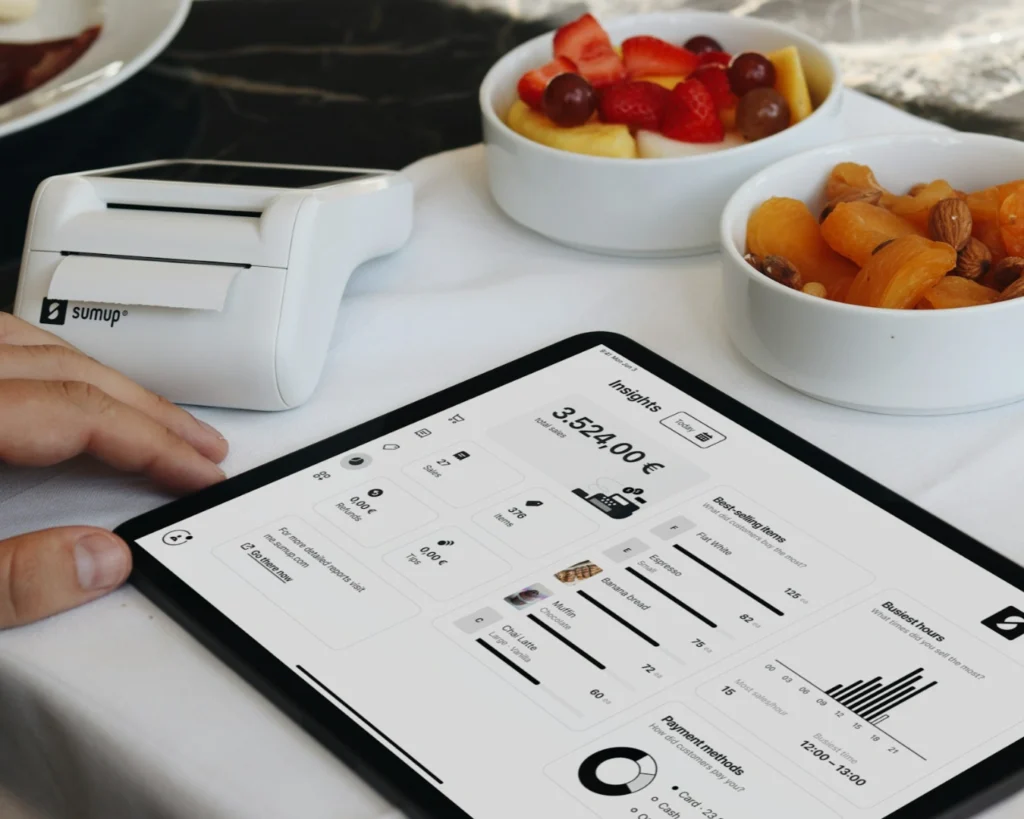
It costs five times more to find a new guest than to keep an old one. Yet, we obsess over the “new.” Your organic growth strategy should start at the table.
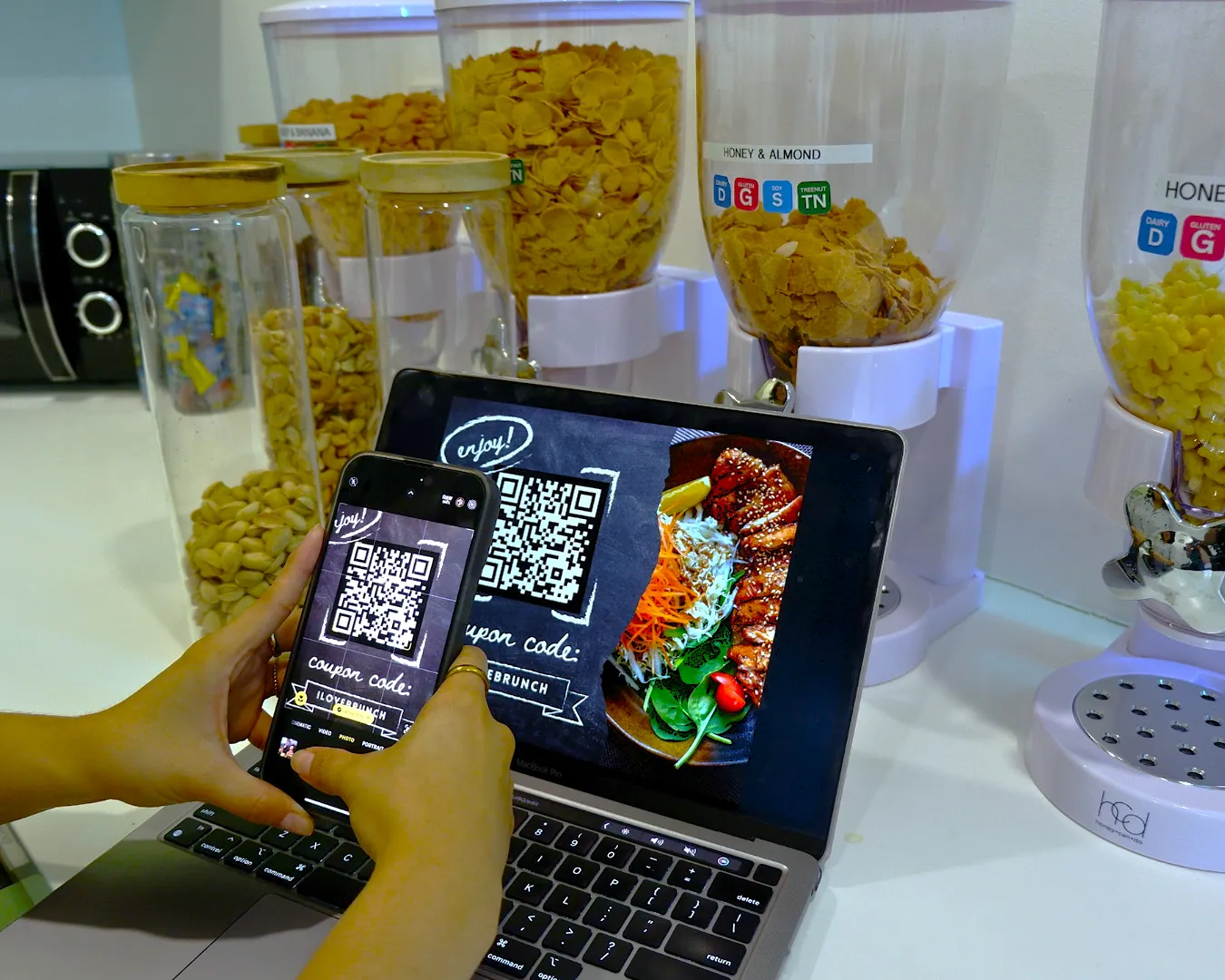
Are you capturing data? Not through a clunky 20-page survey, but through a simple, value-driven interaction. A birthday club or a simple “preferred guest” list can drive repeat visits through targeted, free email or WhatsApp communication. This is the core of F&B customer retention Singapore owners often overlook. A guest who returns three times a year is worth more than ten one-time browsers from an ad.
Operational Discipline as Marketing
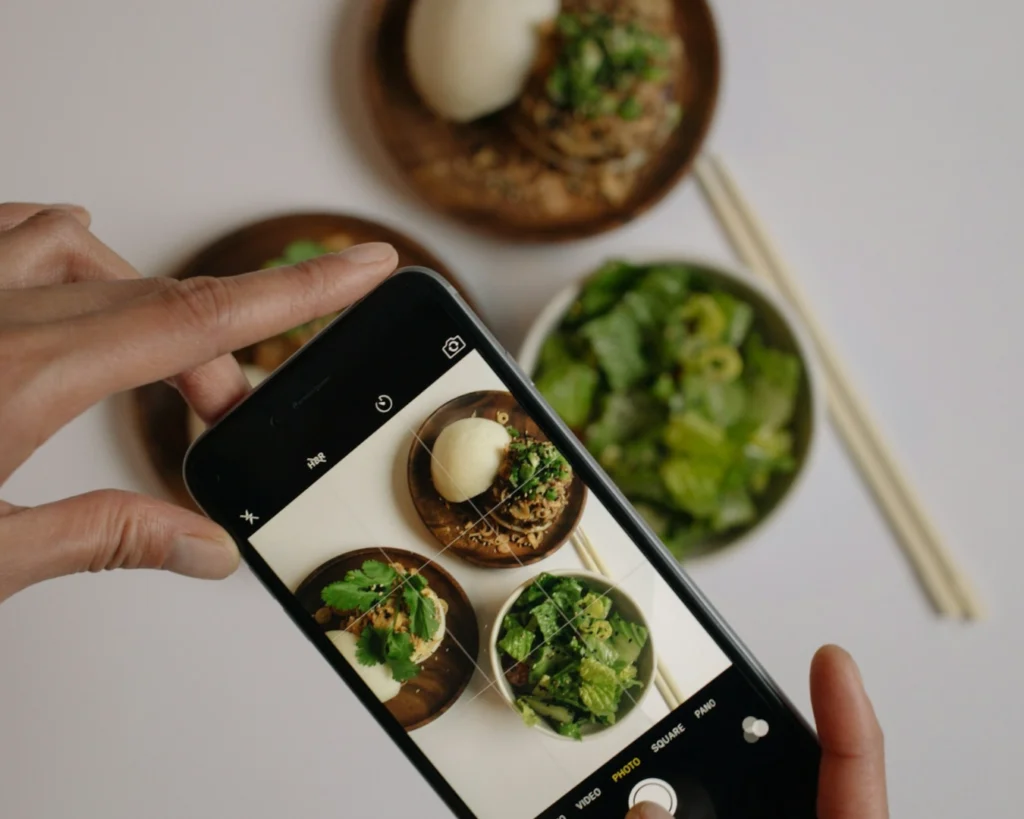
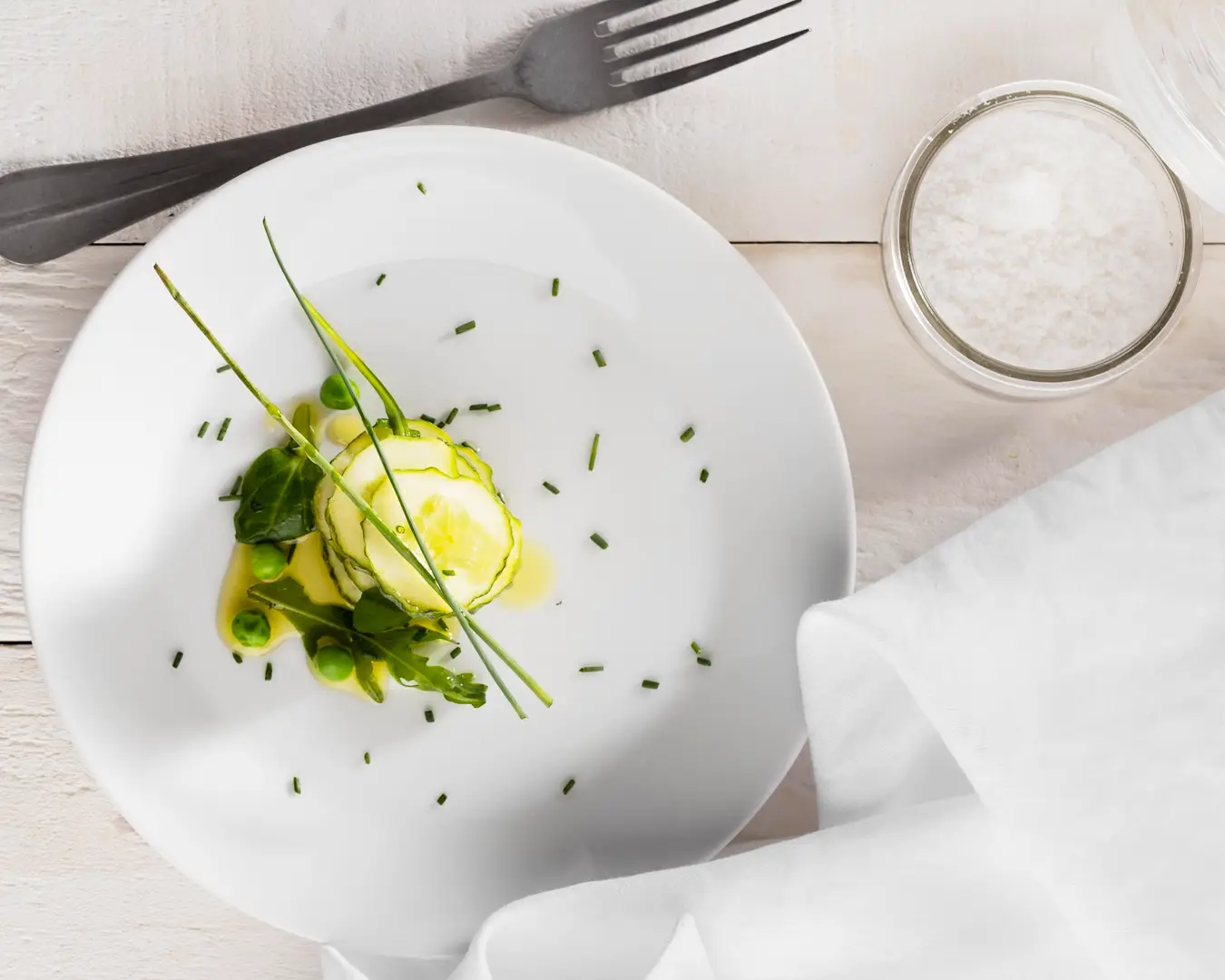
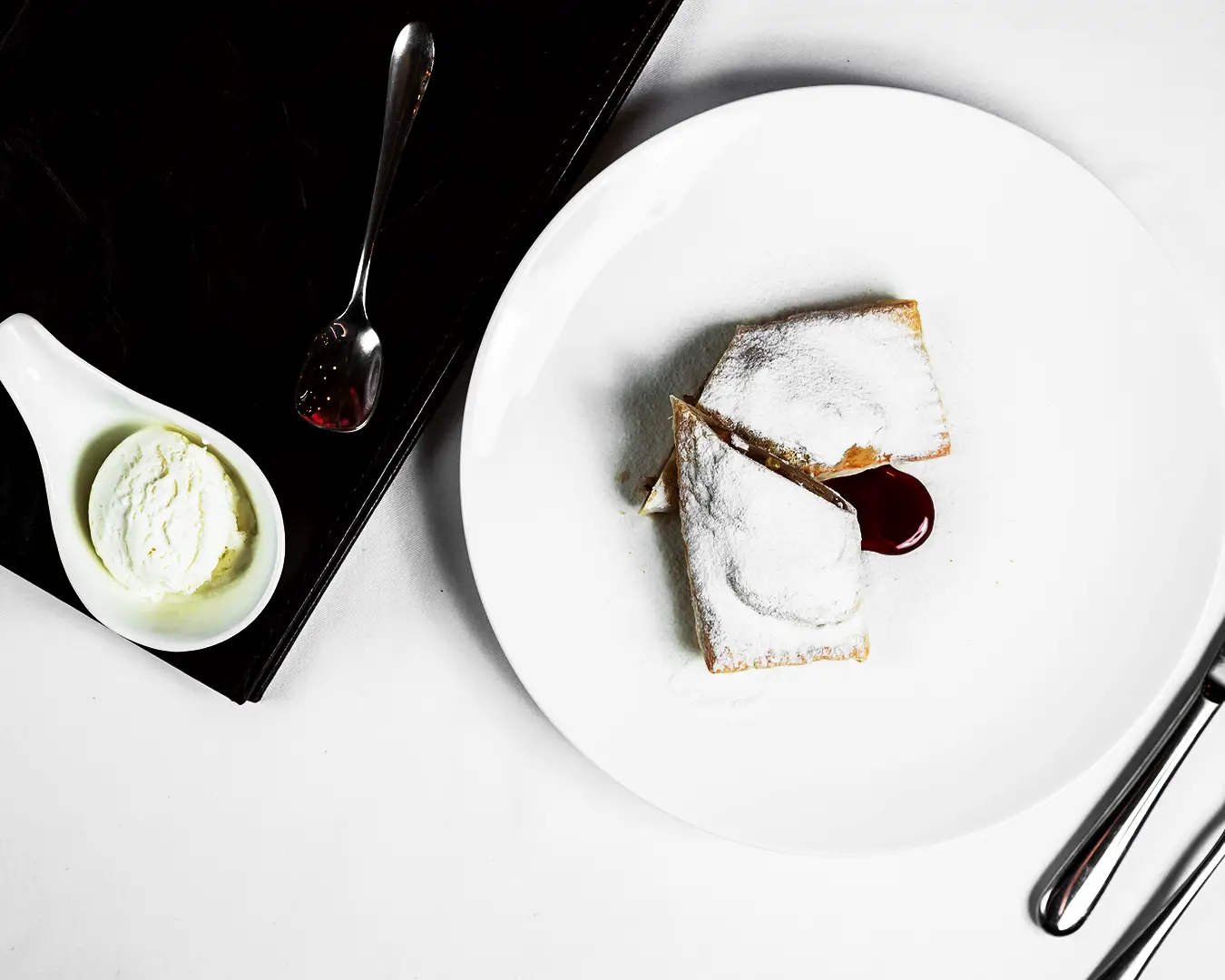
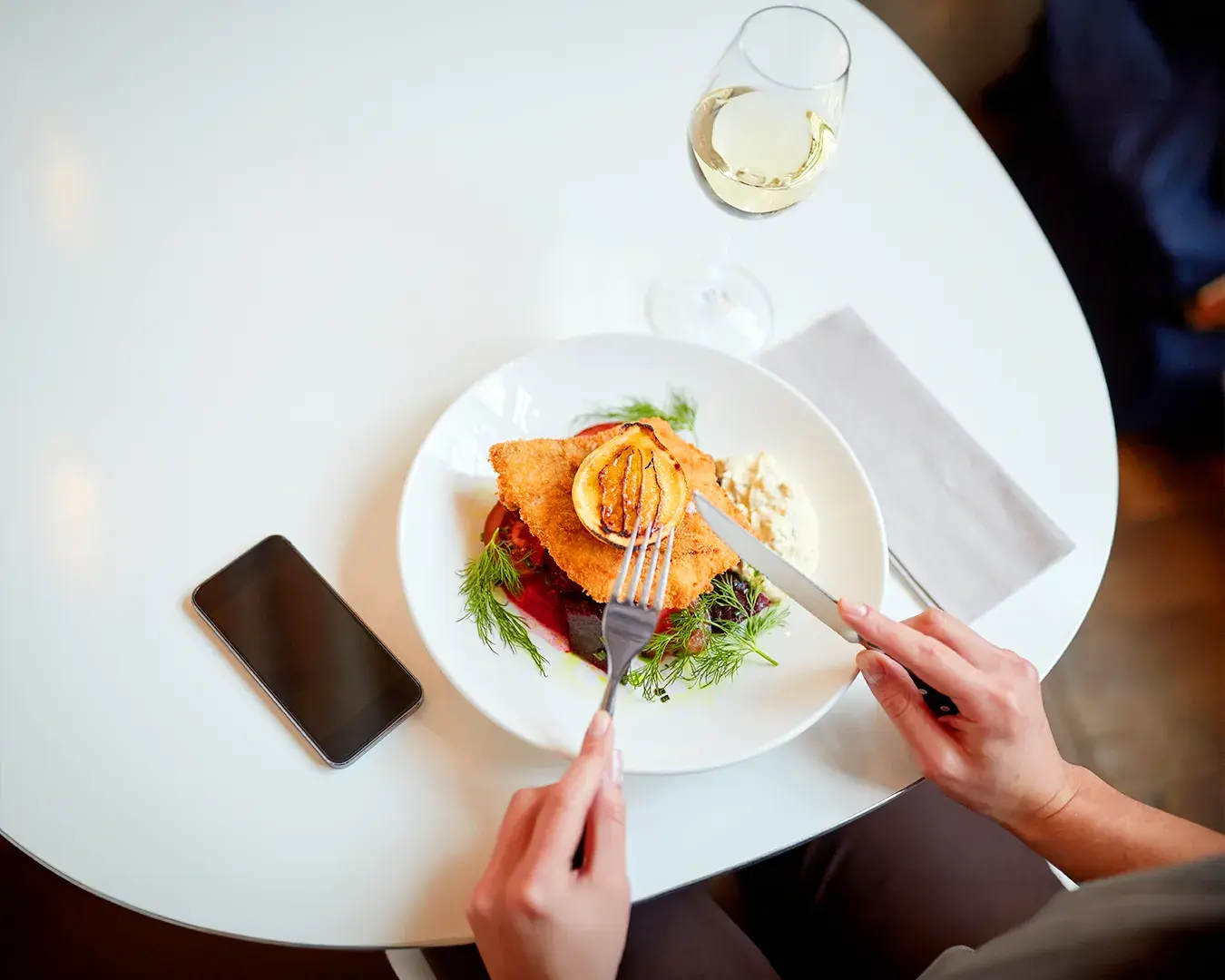
Every plate that leaves the pass is a marketing asset. In a city where everyone is a food influencer, your plating is your ad creative. If the food looks exactly like the photos online, your guests will do the marketing for you. Their Instagram Stories are the most credible “ads” you will ever have. They are free. They are authentic. And they carry the weight of a personal endorsement.
Breaking the Ad Dependency
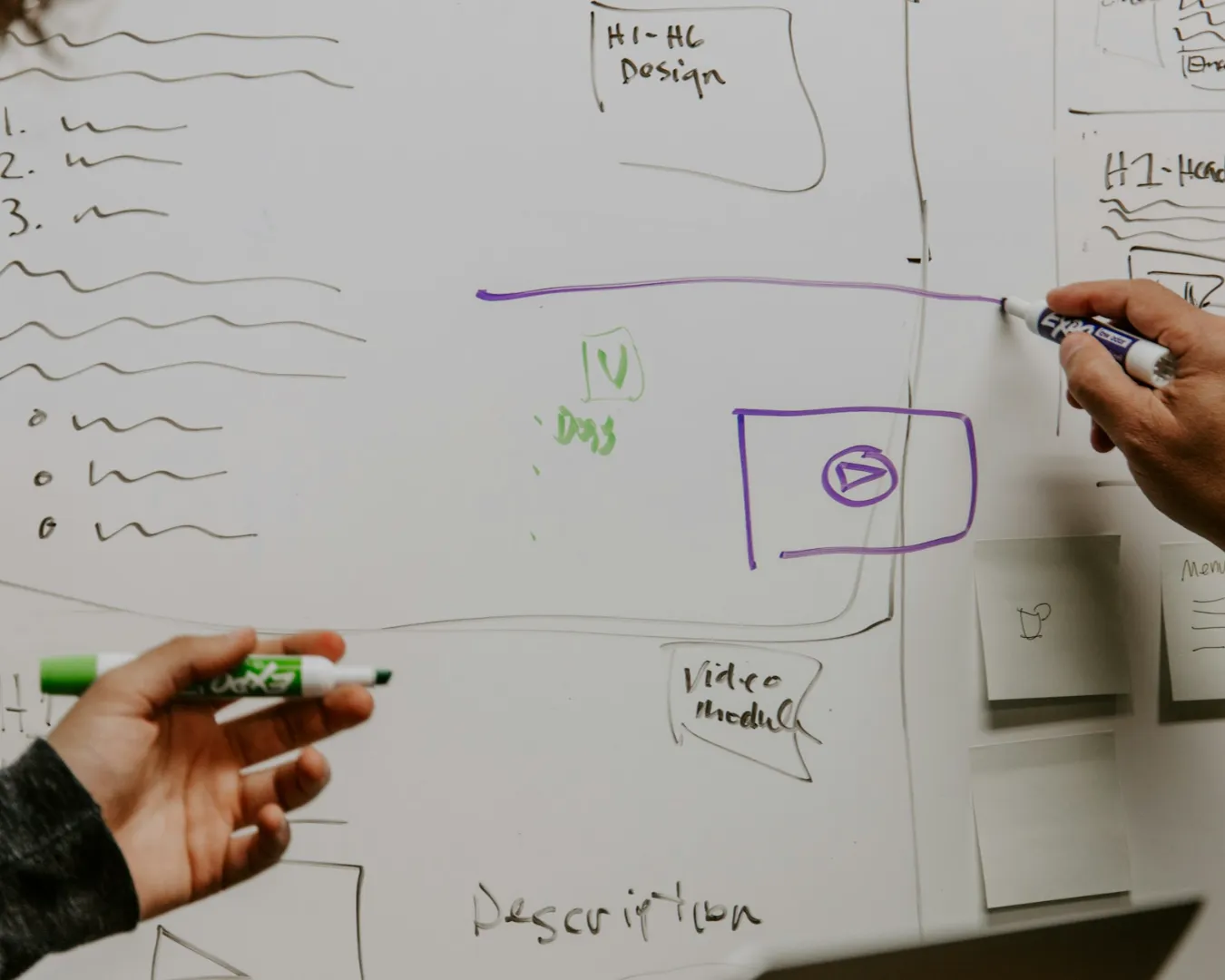
Moving away from a heavy ad dependency is not about cutting off the tap immediately. It is about building a foundation that makes ads optional, not mandatory. Start by auditing your digital touchpoints. At Atelier Creations, we look at your business through the eyes of a hungry stranger.